Shiur Brochos 9a (2) – Iyar 11, 5786 – 04/28/2026

BSD

Brochos 9a (2)

Iyar 11, 5786. 04/28/2026

Short notes.

1 – We continued with the גמרא that discusses the two opinions of when the time of אכילת קרבן פסח and מצה ends.


Hurry! We only have one minute to finish!

Reb Eliezer and Reb Elazar ben Azaria’s opinion is that it ends at חצות.

Reb Akiva and Reb Yehoshua’s opinion is that it continues until עמוד השחר.

2 – The root of the מחלוקת is the discrepancy of the פסוקים.

וְאָכְלוּ אֶת הַבָּשָׂר בַּלַּיְלָה הַזֶּה צְלִי אֵשׁ וּמַצּוֹת עַל מְרֹרִים יֹאכְלֻהוּ.

That implies that it can be eaten all night.

However, there is a גזירה שוה  of the words בַּלַּיְלָה הַזֶּה and the פסוק of וְעָבַרְתִּי בְאֶרֶץ מִצְרַיִם בַּלַּיְלָה הַזֶּה וְהִכֵּיתִי כׇל בְּכוֹר בְּאֶרֶץ מִצְרַיִם.

That means that the time to eat the קרבן פסח is the exact time of מכת בכורות which was at חצות.

That is the opinion of Reb Eliezer and Reb Elazar ben Azaria.

3 – On the other hand, it says:

וְכָכָה תֹּאכְלוּ אֹתוֹ מׇתְנֵיכֶם חֲגֻרִים נַעֲלֵיכֶם בְּרַגְלֵיכֶם וּמַקֶּלְכֶם בְּיֶדְכֶם וַאֲכַלְתֶּם אֹתוֹ בְּחִפָּזוֹן פֶּסַח הוּא לַיהֹוָה.

The word בְּחִפָּזוֹן, when in a hurry, implies that the קרבן פסח can be eaten at the time בני ישראל were in a state of חפזון. And that was all night, since בני ישראל were not allowed to leave their homes until morning.

So the קרבן פסח can be eaten all night.

That is the opinion of Reb Akiva and Reb Yehoshua.

4 – להלכה, it says in Shulchan Aruch, that the אפיקומן which we eat לזכר הפסח, needs to be eaten before חצות as the opinion of Reb Eliezer and Reb Elazar ben Azaria.

Here is the Alter Rebbe . 477, 6.

5 – We discussed the מנהג חב”ד that at least on the first night to finish before חצות.

רשימות ה , 19.

See here about the second part of הלל.

6 – Mentioned the Rebbe’s סדר in 770 and his constant asking, on the first סדר, as to what time it is.  [Why didn’t they place a wristwatch on the table?]

A rare photo of the Rebbe sitting at the table of the Previous Rebbe on the 2nd floor of 770

7 – We discussed the novel idea of the אבני נזר [others say this in the name of Reb Chaim] on what to do if one sees that he cannot finish the אפיקומן before חצות. How would one eat the סעודה if חצות passes?

Briefly, right before חצות one should eat a כזית of מצה and make a תנאי.

If the הלכה is like Reb Eliezer and Reb Elazar ben Azaria, then this piece of מצה is for the אפיקומן.

He can then continue to eat his סעודה and at its conclusion, eat another piece of מצה for the ,אפיקומן with a similar תנאי – if the הלכה is like Reb Akiva and Reb Yehoshua, then this is my אפיקומן and what I ate before חצות was just another piece of מצה.

Now how can he eat after חצות – after eating the אפיקומן? Maybe the הלכה is like Reb Eliezer and Reb Elazar ben Azaria?

The answer is that according to Reb Eliezer and Reb Elazar ben Azaria, who say that one must eat the  אפיקומן before חצות, the זמן for eating the אפיקומן ends at חצות. So the prohibition not to eat after the אפיקומן only extends until חצות.

In other words, just as according to the opinion that the אפיקומן needs to be eaten before sunrise, immediately after sunrise one may eat, so too, according to the opinion that it needs to be eaten before חצות, immediately after חצות one may eat!

The idea, according to this opinion, is that at חצות one should have the טעם מצה in his mouth. Why at חצות? Because that is when מכת בכורות  occurred. So one can eat מצה at anytime after nightfall but the taste must be present at חצות.

8 – The next piece in our גמרא triggered many דרשות throughout the ages….

The obvious question is – What does it mean that בני ישראל were asked [‘please, please’] to  borrow from the Egyptians so the אברהם אבינו will not complain?

בני ישראל needed to exit מצרים with a רכוש גדול simply because they were promised: וְגַם אֶת הַגּוֹי אֲשֶׁר יַעֲבֹדוּ דָּן אָנֹכִי וְאַחֲרֵי כֵן יֵצְאוּ בִּרְכֻשׁ גָּדוֹל.

We mentioned the answer of the Rebbe on this. לקו”ש כא

To be continued.


Shiur Brochos 8b (3) – Iyar 4, 5786 – 04/21/2026

BSD

Brochos 8b (3) – 9a

Iyar 4, 5786. 04/21/2026

Some brief notes:

1- The topic of when exactly the Halachic day begins and ends.

The consensus is, briefly:

In regards to all מצוות , the day begins at עמוד השחר which is approximately 90 minutes before sunrise and ends at צאת הכוכבים.

The חכמים enacted a תקנה, since עמוד השחר is difficult to calculate, that one should wait until נץ החמה.  OC 58, 2.

2- Our גמרא discusses that קריאת שמע however, may be different because the commandment does not say ‘day’ nor ‘night’. Rather, it says when people are sleeping (or going to sleep) and when people are awake (or awakening).

That implies the time for קריאת שמע is when the custom is to go to bed and sleep and when people awaken.

Therefore, there are opinions that one may קריאת שמע of night after עמוד השחר – although it is, in regards to other מצוות, daytime.

להלכה, this is only when one was an אנוס and was unable to say קריאת שמע earlier in the evening. OC 235.

3- The above idea of saying קריאת שמע של ערבית after עמוד השחר, (when technically it is already daytime) is the opinion of רבי שמעון בר יוחי.

The גמרא says that this unique minority opinion of רשב”י can be followed only בשעת הדחק (as above – אנוס).

וכדאי הוא רבי שמעון לסמוך עליו בשעת הדחק. 

Rabbi Shimon is worthy to be relied upon in a time of pressing need.”

“…I know that , but I’m telling you, now we need Rabbi Shimon!”

4 – In כתבי האריז”ל we find this saying by extension to the גלות when it is indeed a שעת הדחק that we can rely on the רשב”י in whose merits we will be redeemed from גלות.

The Rebbe often quoted this idea.

תמונה מתוך ה'פאראד' - תהלוכת ל"ג בעומר שייסד הרבי, יחד כל ילדי ישראל לכבוד רבי שמעון בר יוחאי

“כדאי הוא רבי שמעון לסמוך עליו..”

See here from תשכ”ג.  LS 3, 1002, end.

From תשמ”ג

5 – תוספות  here mentions Reb Shimshon of קוצי with the title השר מקוצי. We all encountered the fascinating story as told in Marcus Lehman’s novel The Count of Coucy. (See Shiur Beitza 13a)

Is it true? Was he a count or prince? Maybe.

6 – The חיד”א suggests that his name was written as ר”ש, HaRash, meaning Reb Shimshon. However since רש also implies ‘poverty’ or destitution, they changed it to הש”ר מקוצי , meaning HaRav Shimshon.

בשם הגדולים מערכת גדולים אות ש [לה] כתב: רש”י הוא רבינו שלמה יצחקי בזה”ל: רש”י. מצאתי כתוב בקונטרס ישן נושן שקראוהו רש”י והוסיפו יו”ד לרמוז שם אביו ר’ יצחק כדי שלא לומר ר”ש. וכן נזהרו לכתוב על רבינו שמשון הש”ר משאנץ וכן הש”ר מקוצי כדי שלא לכתוב ר”ש עכמ”ך.

I found in a very old manuscript that Rashi רש”י whose name is Rabbi Shlomo, a letter יו”ד is added to his name, and not simply ר”ש, [because ר”ש implies ‘poverty’.]

Similarly, regarding our teacher  שמשון of Coucy, France, we are careful to write  הש”ר מקוצי ‘Ha-Sar’ meaning the Rov Shimshon from Coucy and not ר”ש.

Perhaps this is the source of the tale about him being a שר – count/prince.

7 – As an introduction the the next part in our גמרא which discusses the opinions of the time when one needs to be done with eating the קרבן פסח, (midnight or morning) we mentioned an interesting idea from the ראשונים.

The reason given as to why we say איזהו מקומן של זבחים each morning is to fulfill the מצווה of learning תורה by saying a פרק משניות.

The רבנן chose this פרק in particular because there is no מחלוקת in the entire פרק! It’s a good lesson to start the day with.

However, asks the ריטב”א, as we will see in our גמרא, there is actually a מחלוקת on one item of the last משנה.

הפסח אינו נאכל אלא בלילה, ואינו נאכל אלא עד חצות  ואינו נאכל אלא למנוייו, ואינו נאכל אלא צלי.

Some say that the פסח may be eaten until morning. So what is the meaning of ‘here is no מחלוקת in the entire פרק’?

Answers the ריטב”א that the idea is that although there is a מחלוקת, it is not mentioned in this פרק.

Now that is a good lesson to remember every morning…. There are arguments of course…but why talk about it?

8 – Last week we mentioned the famous Reb Chaim Tzvi Kruger, a Crown Heights resident who was a member of the Agudas HaRabonim and in charge of writing גיטין in NY for many years.

מים שלנו – ה’ ניסן תשמ”ט –  4/10/1989

The story of when he gave ‘advice’ to a בחור during מים שלנו, and the בחור’s response….

See here the letter the Rebbe wrote to him upon receiving an invitation to his son’s Bar Mitzvah.

9 – MR discovered an online account detailing his experiences during World War II and the זכות (merit) he earned by helping to save many lives.

Middle; Rabbi Eliezer Silver. Right; Rabbi Chaim Tzvi Krieger.

The Krieger (also pronounced Kruger) family story is fascinating:

Rabbi Krieger escaped Bordeaux, France with the assistance of de Sousa Mendes and he persuaded de Sousa Mendes to issue visas the Jews of Bordeaux as well:  

https://sousamendesfoundation.org/family/kruger

 See photos, and comments from his grandson at bottom confirming that this is the same Krieger.

https://kevarim.com/rabbi-chaim-tzvi-krieger/


Shiur Brochos 8b (2) – Nisan 27, 5786 – 04/15/2026

BSD

Brochos 8b (2)

Nisan 27, 5786. 04/15/2026

Short notes.

1- The various instructions/advice רבא gave his children.

״וְאַל תֵּשְׁבוּ עַל מִטַּת אֲרַמִּית״.

אִיכָּא דְּאָמְרִי, לֹא תִּגְּנוּ בְּלֹא קְרִיאַת שְׁמַע,

וְאִיכָּא דְּאָמְרִי, דְּלָא תִּנְסְבוּ גִּיּוֹרְתָּא,

וְאִיכָּא דְּאָמְרִי, אֲרַמִּית מַמָּשׁ,

A – Do not sit on the bed of an Aramean woman means one should not go to sleep without reciting Shema, as by doing so, it is tantamount to sleeping in the bed of a non-Jew, as his conduct is unbecoming a Jew.

 We mentioned the saying by the Mashpia Reb Shlomo chaim Keselman about the importance of saying קריאת שמע שעל המטה.

“For if not, how can someone get up in the morning יתגבר כארי….when he went to sleep ווי א הונט” ?!

B -Others say: Do not sit on the bed of an Aramean woman means that one should not marry a woman who converted.

Now this version raised questions on the debate if רבא was a כהן. For if he was a כהן, then it’s not ‘advice’ but prohibited!

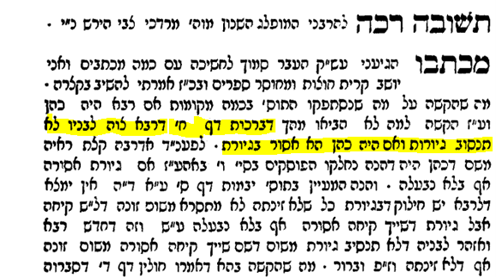
See here שו”ת שואל ומשיב תליתאה סי’ רכה

C- And some say: Do not sit on the bed of an Aramean woman. literally means that one should not sit on the bed of an Aramean, i.e., a non-Jewish woman.

This is based on a story with רב פפא:

וּמִשּׁוּם מַעֲשֶׂה דְּרַב פַּפָּא, דְּרַב פַּפָּא אֲזַל לְגַבֵּי אֲרַמִּית, הוֹצִיאָה לוֹ מִטָּה, אָמְרָה לוֹ: ״שֵׁב!״ אָמַר לָהּ: ״אֵינִי יוֹשֵׁב עַד שֶׁתַּגְבִּיהִי אֶת הַמִּטָּה״. הִגְבִּיהָה אֶת הַמִּטָּה וּמָצְאוּ שָׁם תִּינוֹק מֵת. מִכָּאן אָמְרוּ חֲכָמִים: אָסוּר לֵישֵׁב עַל מִטַּת אֲרַמִּית.

Rav Pappa went to visit an Aramean woman. She took out a bed and she said to him: Sit. He said to her: I will not sit until you lift the sheets covering the bed. She did so and they found a dead baby there. Had Rav Pappa sat upon the bed, he would have been blamed for killing the baby. From that incident, the Sages said: One is prohibited from sitting on the bed of an Aramean woman.

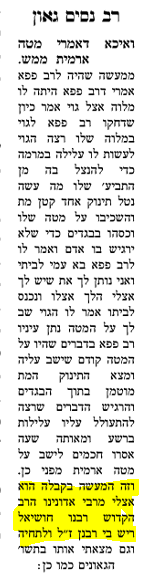
רבינו ניסים writes a different version of this story.

Note the last few lines where he refers to his רבי, the גאון רבינו חושיאל, who seems to have not been alive at that time.

זכרנו לברכה ולתחיה!!

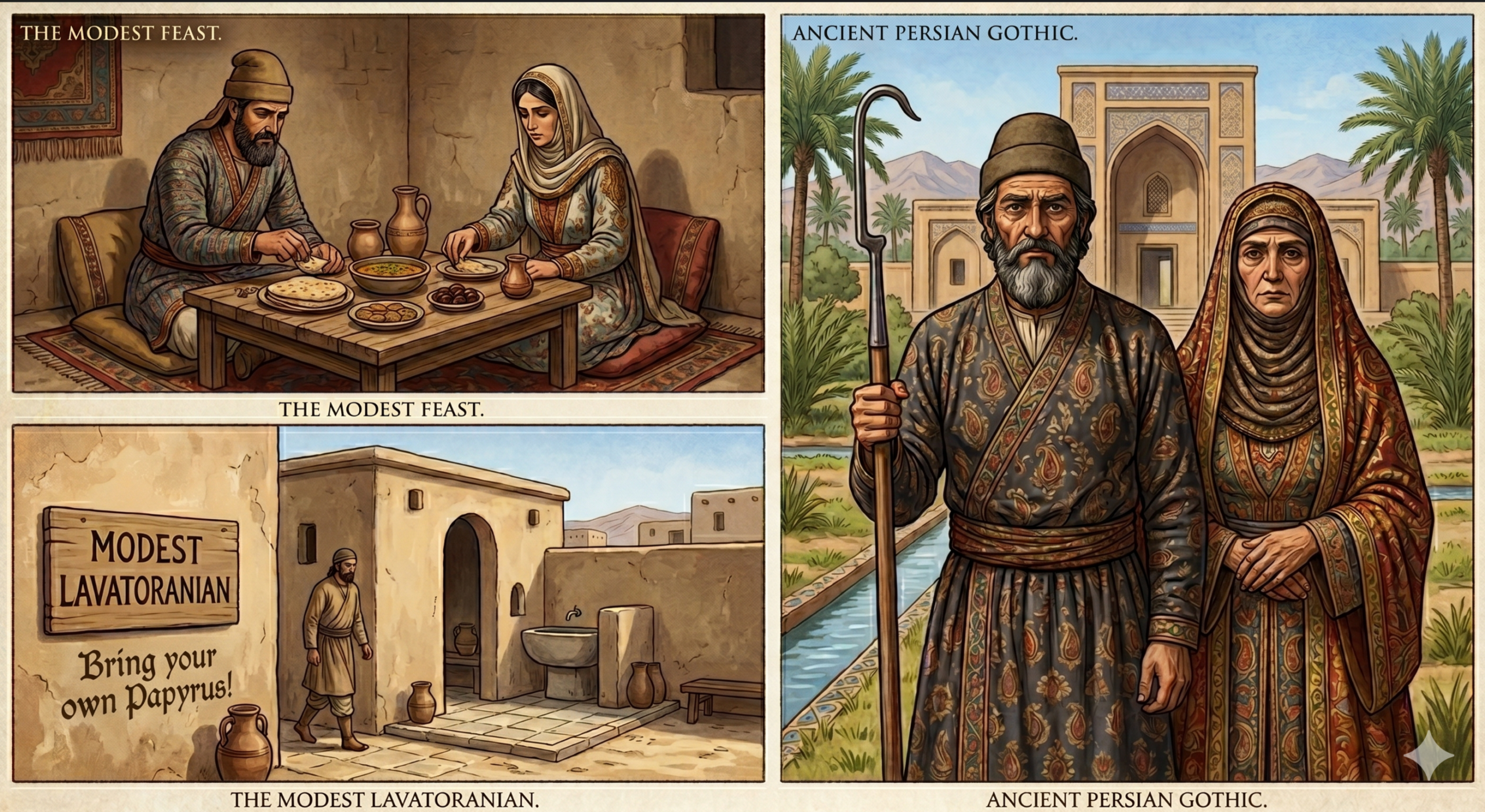
2 – Interesting גמרא where רבי עקיבא and רבן גמליאל advise בני ישראל to learn from other, non-Jewish cultures!

From Iranian/Persian goyim –  פרס ומדי-  no less…..

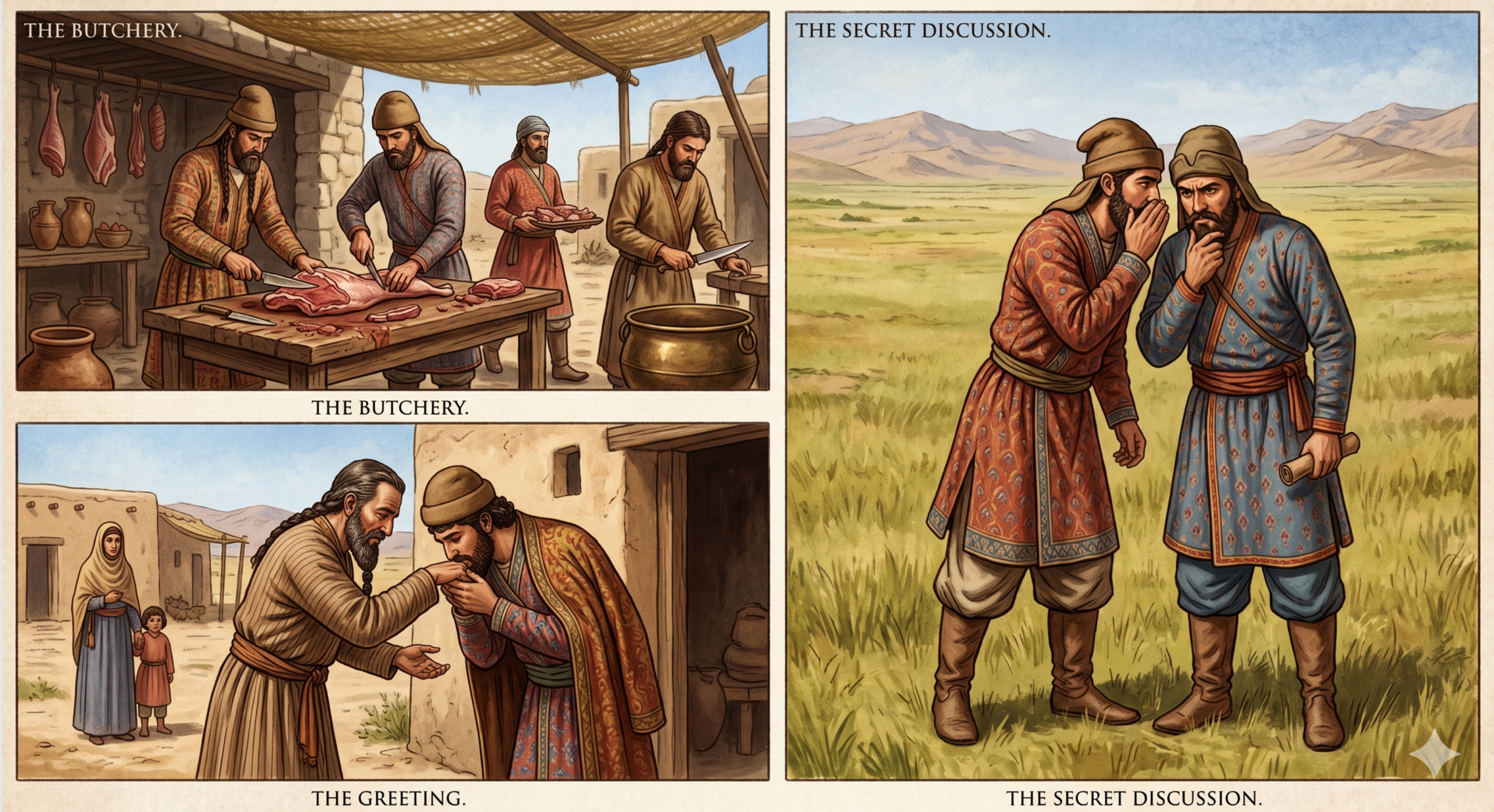
רבי עקיבא says three things of the מדיים I like, and we should learn from their practices.

1- When they cut meat, they cut it only on the table and not on their hands.

2– When they kiss, either as a show of affection or honor, they kiss only the back of the hand and do not give the person being kissed an unpleasant feeling.

3 – When they hold counsel (discuss secrets), they only hold counsel in the field so others will not hear their secrets.

רבן גמליאל says says three things of the פרסיים I like, and we should learn from their practices.

They practise צניעות

1- They are modest in their eating.

2– They are modest in the lavatory.

3– They are modest in ‘another matter’, i.e., marital relations.

3  – The first issue discussed is how this in not a contradiction to the prohibition of לא תחנם; meaning that one should not praise עובדי עבודה זרה.

As the גמרא says אסור לומר מה נאה כותי זה.

4 – The בן יהוידע suggests that these two תנאים were actually disparaging the Persians by saying that they only have 3 good customs that one should emulate…. Other than that there is nothing good about them….

5 – In relation to the above, we discussed the topic that ‘being a mentch’ in general and acting logical, is a חיוב מן התורה.

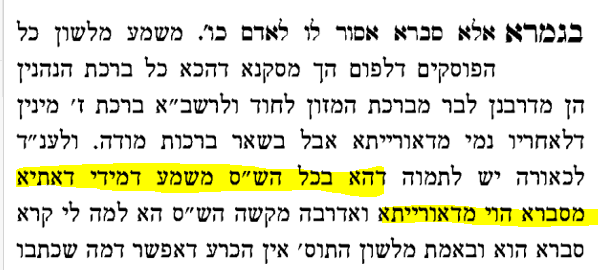
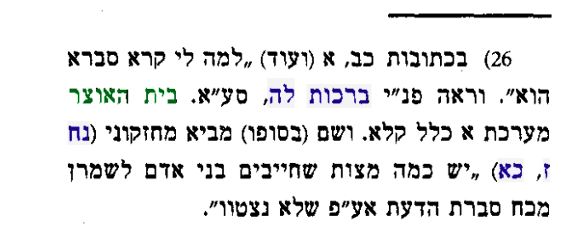
The famous פני יהושע further in our מסכתא, that something that is very logical has the power as if it is stated in תורה!

[In addition to the תרי”ג מצוות]

See this idea here in ליקוטי שיחות חלק לה 64.

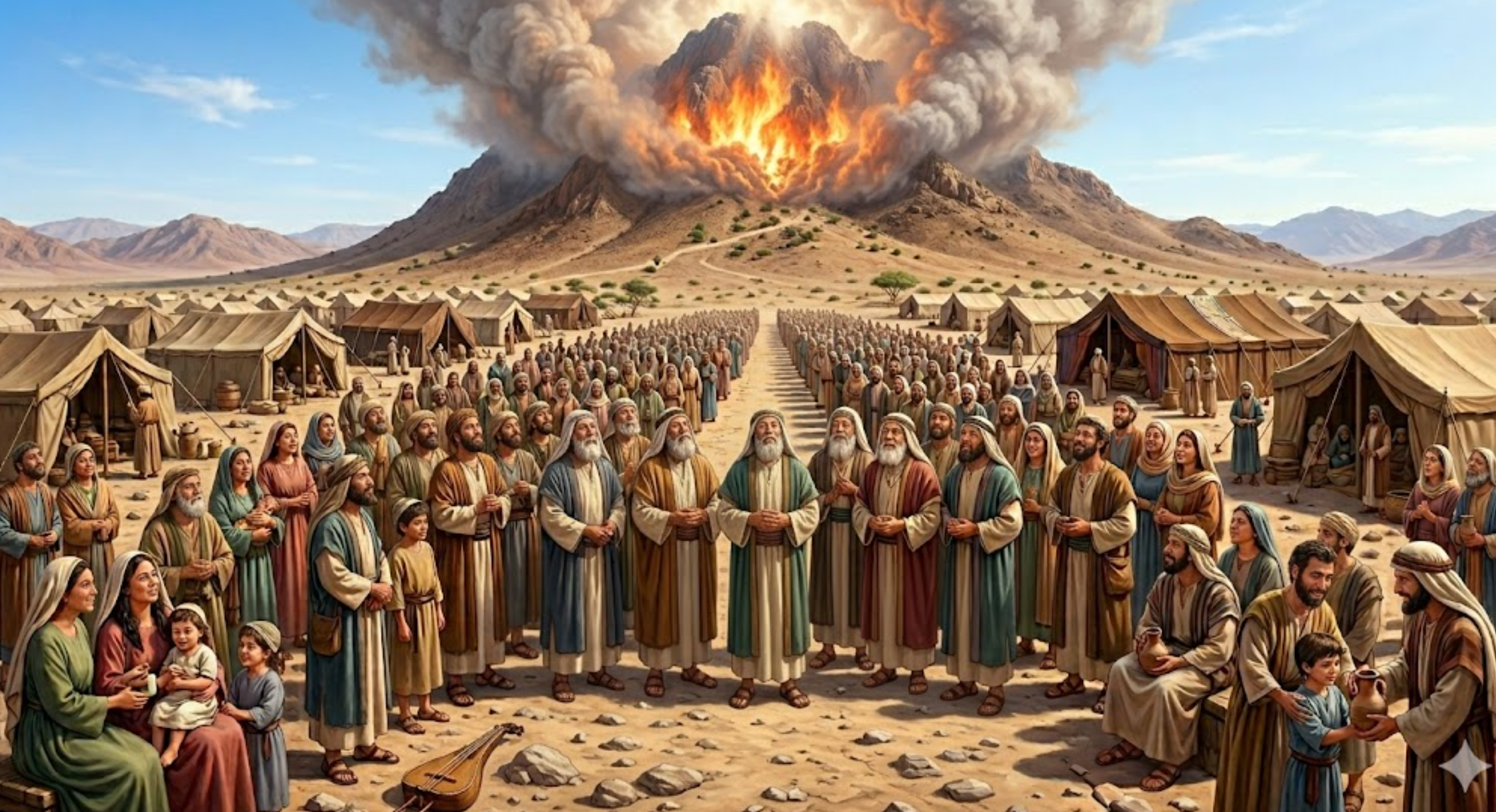
This is perhaps the meaning of of  ‘אילו קרבנו לפני הר סיני ולא נתן לנו את התורה דיינו’

As all the מפרשים ask – what benefit is there by camping  לפני הר סיני and not receiving the תורה?

Maybe just by being present לפני הר סיני, even before receiving the תורה, we were Divinely obligated to live under a logical system.


A Gezunten Zummer to all.