Shiur Brochos 12b – Menachem Av 27, 5786 – 08/11/2026

BSD

Brochos 12b

Menachem Av 27, 5786.  08/11/2026

גמרא topics discussed:

  • The proper method of bowing during שמונה עשרה.
  • Saying המלך הקדוש and המלך המשפט from Rosh Hashanah until the end of Yom Kippur.
  • An error on the first night of Rosh Hashana and the unique opinion of Rabbi Abba (Abele) Paslover.
  • Praying for a friend in need.

Brief points of interest.

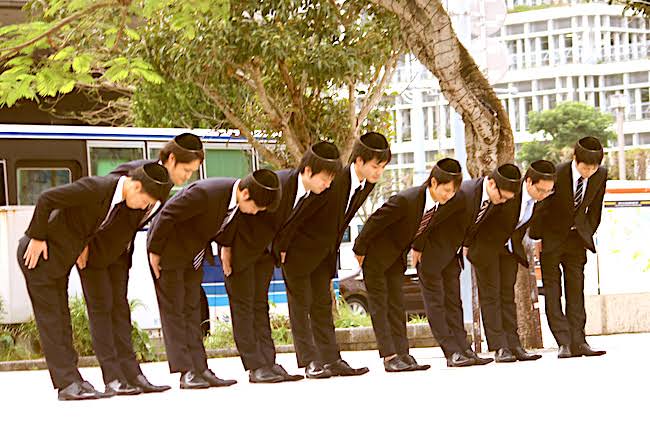
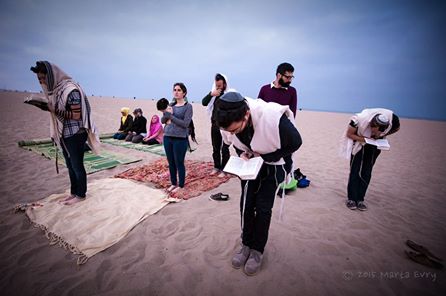
1- The first topic has Shmuel relating to his friend’s son, Rav Chiya the son of Rav on the proper way to bow down and straighten up during  שמונה עשרה, as he, Shmuel heard it from Rav himself.

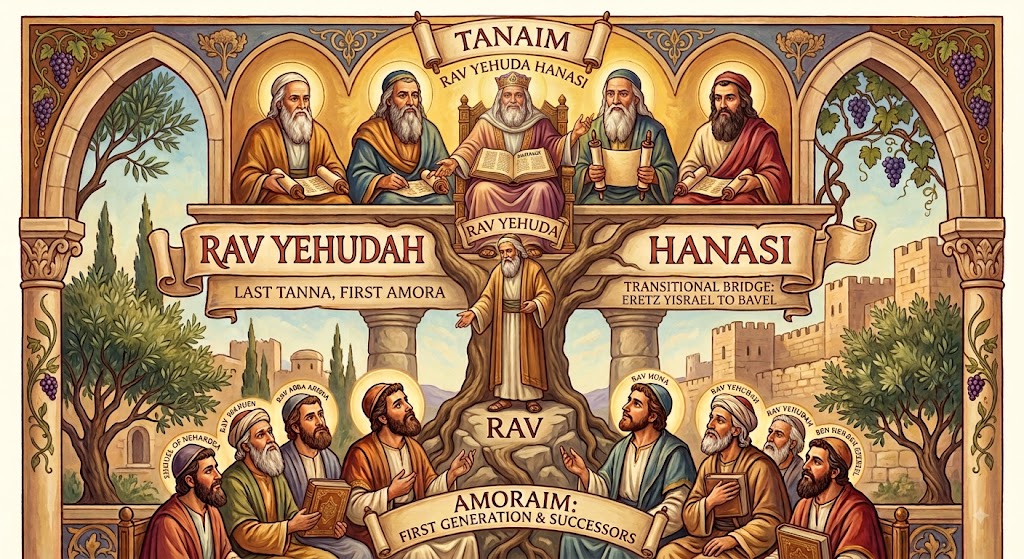
Mentioned that Rav and Shmuel were from the 11 students that attended the בית מדרש of רבי, and are considered the ‘first generation אמוראים’. Rav is actually a hybrid, being both תנא and אמורא.

תנא הוא ופליגsee references here to others who held this special distinction.

2 – We related the story of Reb Yochanan who lived in Israel and was a contemporary of Shumel and Rav.

Here is the story from Chulin 95b.

During all the years when Rav lived in Babylonia, Rabbi Yoḥanan, who lived in Eretz Yisrael, would write to him and begin with the greeting: To our Master who is in Babylonia. When Rav died, Rabbi Yoḥanan would write to Shmuel and begin with the greeting: To our colleague who is in Babylonia.

Shmuel said: Does Rabbi Yoḥanan not know any matter in which I am his master? Shmuel wrote and sent to Rabbi Yoḥanan the calculation of the leap years for the next sixty years. Rabbi Yoḥanan was not impressed by this and said: Now he has merely demonstrated that he knows mathematics, which does not make him my master.

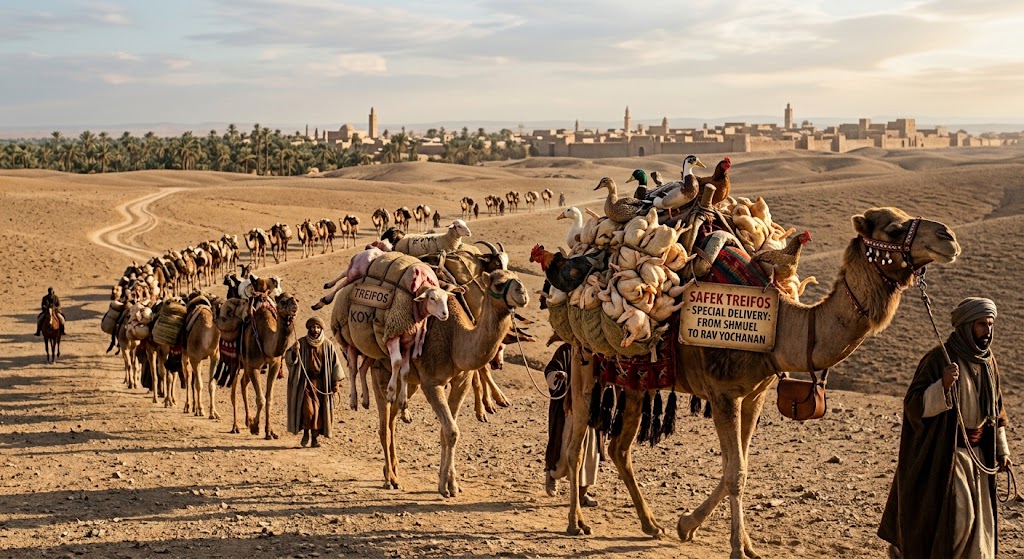
Shmuel then wrote and sent to Rabbi Yoḥanan explications of uncertainties pertaining to tereifot that had to be transported on thirteen camels. Rabbi Yoḥanan was impressed by this and said: I have a Master in Babylonia; I will go and see him.

Before departing on his journey, Rabbi Yoḥanan said to a child: Recite to me your verse that you studied today. The child recited the following verse to Rabbi Yoḥanan: “Now Samuel was dead” (I Samuel 28:3). Rabbi Yoḥanan said to himself: Learn from this that Shmuel has died. Therefore, Rabbi Yoḥanan did not go to see Shmuel.

3 – In relation to the previous Shiurim about ברכות we touched on the topic of ‘do ברכות change with the times’? Many ברכות are based on the ‘norm’, meaning that most people eat it in a particular fashion, like cooked or raw.

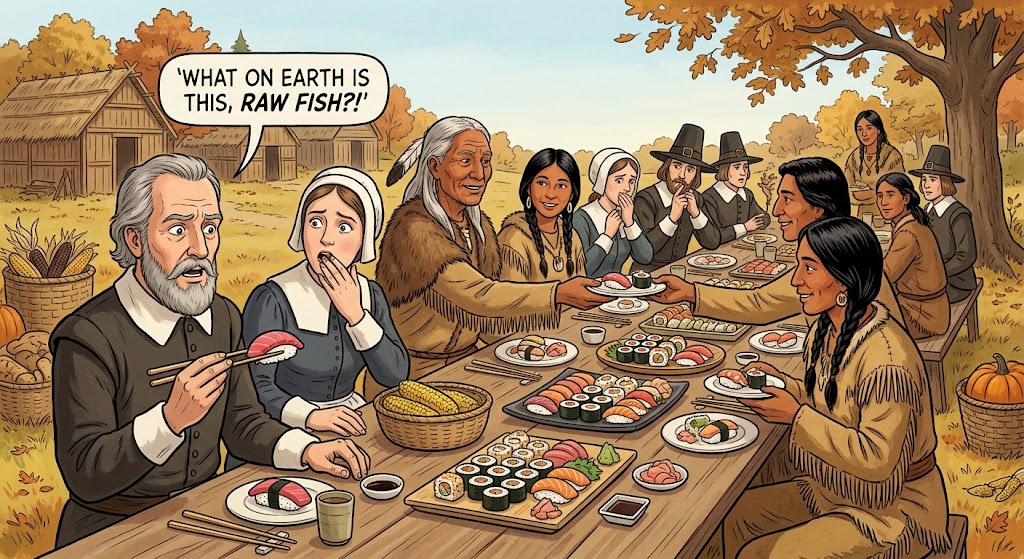
What happens if the ‘norm’ changes? Eating habits evolve, like who ate raw fish in the USA prior to 1985 when Sushi was introduced?

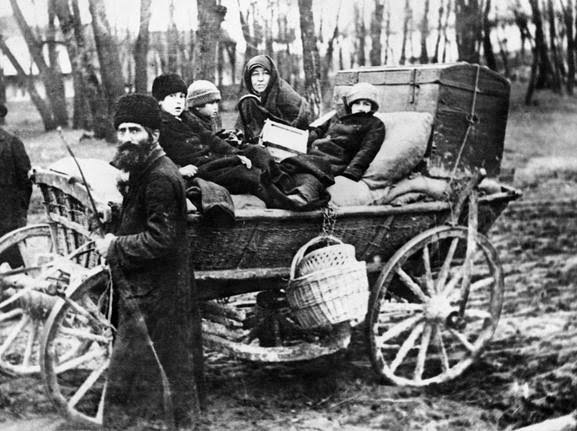
“…and so the pilgrims turned around and went home.”

We mentioned that Reb Zalman Shimon Dvorkin’’s opinion was to make a שהכל when eating raw carrots.

Why? Because that is the  הלכה as per the שלחן ערוך! The ‘norm’ at that time was that most carrots were consumed only after they were cooked.

“that carrot is שהכל”

However, the average person today makes a האדמה on raw carrots because eating raw carrots is the norm today.

4- This leads to an even larger issue. After we wash for bread, we do not say a ברכה on whatever is served. Such as fish, meat and soup.

The reason being is ‘these items are served because they are part of the meal’. Meaning, that the ‘norm’ is to eat these food items only after washing for bread, thus the המוציא applies on what follows.

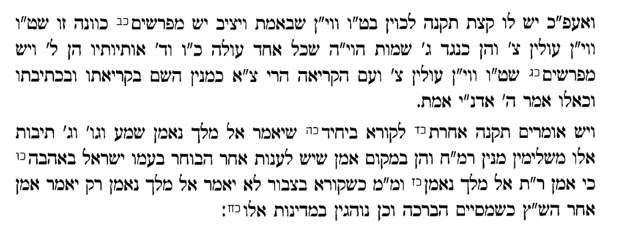
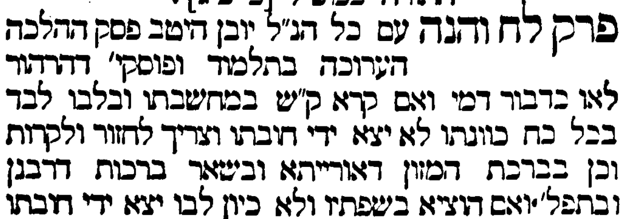
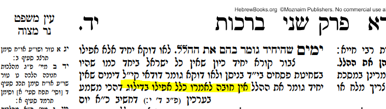
א דברים הבאים בתוך הסעודה אם הם דברים הבאים מחמת הסעודה דהיינו דברים שדרך לקבוע סעודה עליהםא בין ללפת בהם את הפתב כגון בשר ודגיםג וירקותד וגבינה וביציםה ומיני מלוחיםו בין למזון ולהשביעז כגון כרוב ותרדיןח ודייסא וכל מעשה קדרה שאינן באין ללפת אלא לתבשיל ולמזוןט אצ ברכה לפניהם אפילו אוכלם בלא פת שברכת המוציא פוטרתם ולא לאחריהם שברכת המזון פוטרתםי (א) (שכיון שאין דרכםיא לאכול אותם כל היום כמו הפירות אלא בשעת סעודה בלבד הרי הם טפלים לפת שהוא עיקר הסעודה ולכן נפטרים בברכת הפת אע”פ שאוכלם בלא פתיב). .

‘these items – fish, meat, vegatbles, chesses, egg… (unlike fruits which are  eaten all day) are eaten only during a meal…’

Today the entire idea of washing to eat fish or meat hardly exists. Soup in consumed not necessarily while eating a סעודה. We nibble on slices of cheese, we eat French fries all the time.

So why do we not make a ברכה on them when eating these items during a סעודה?

4 – Spoke briefly about the idea that potatoes, introduced to Europe only in the sixteenth century, is to be considered a bean and prohibited to eat it on פסח.

See here  (and נשמת אדם ב כ, שכן המנהג באשכנז.)  

5- Concluded with the peculiar ,מנהג חב”ד’

Shiur Brochos 12a (2) Menachem Av 20, 5786 – 08/05/2026

BSD

Brochos  12a (2)

Menachem Av 20, 5786.  08/05/2026

Brief notes

1- We engaged in a new topic that is discussed at length in the ראשונים and אחרונים.

The issue here is a ברכה with an error. Say one is holding a cup thinking it’s full of wine and begins the ברכה – saying ברוך אתה ה’ אלוקינו, with the intent of finishing this ברכה  with בורא פרי הגפן. However, prior to finishing this ברכה, he realizes that the cup is filled with beer and finishes with שהכל נהי’ בדברו!

What does one do? Drink the beer or not?

Our גמרא explains this question: What part of the ברכה is considered ‘primary’ – עיקר? The beginning or the end?

If the עיקר is the beginning, since it contains ה’s name, then this ברכה was a ‘wine ברכה’, and not proper for the beer. Thus, he cannot drink the beer.

If the end of the ברכה is the עיקר, then his ברכה is a proper שהכל and… לחיים!

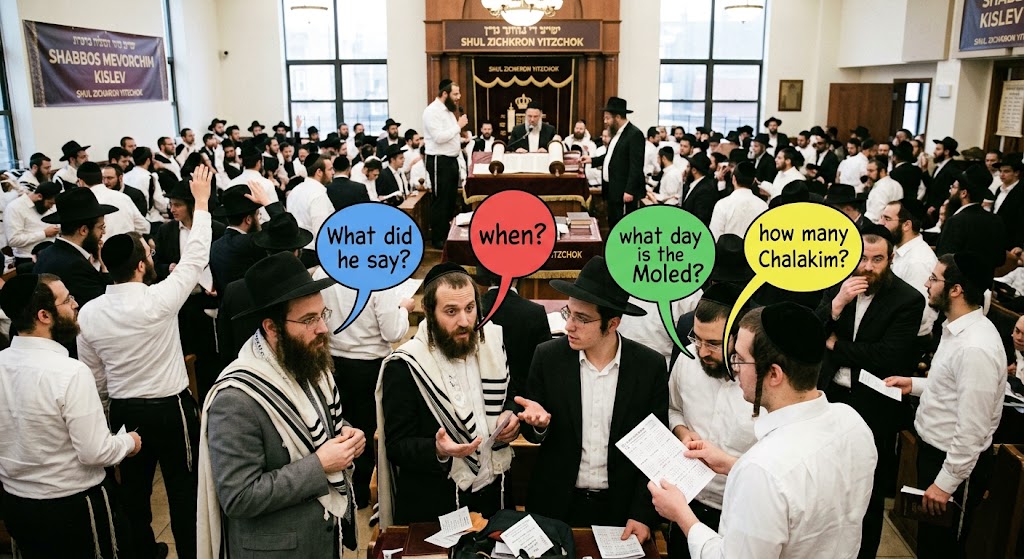
Another, more common example is by ספירת העומר. One says the ברכה thinking it’s the 23rd day and before he finishes, he realizes it’s the 24th. 

Story of the four ראשי ישיבות attending a חופה each one expecting to be called up for the ‘most important ברכה‘. So, the first one gets סידור קידושין, the other 3 are anxious and nervous. The second one gets reading the כתובה. The third one gets the last ברכה

What did the fourth one get? ….

2- We discussed that this query remains unanswered/unresolved in the גמרא which resulted in a מחלוקת among the ראשונים as to what the הלכה is.

Before we continue we need to emphasize that the שלחן ערוך rules that it is a proper ברכה and he may drink the beer.  See here. OC 209 1. This follows the ruling of the Rif.

3 – However, Tosfos quotes the R”I that rules that one is not יוצא. And that means that he needs to make another new ברכה of שהכל before drinking the beer. .

The obvious question is how this jives with the universal rule the ספק ברכות להקל. Since all ברכות are מדרבנן, when we have a doubts – ספק, we do not recite the ברכה. Just as we do not say a ברכה on the Sukkah on שמיני עצרת. [There is more to this IYH].

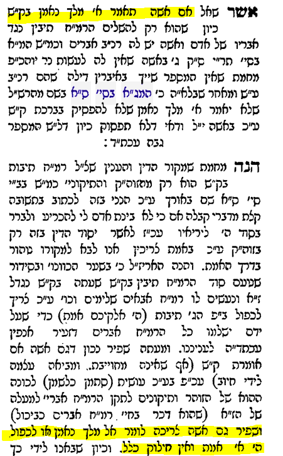
4 – We read the רבי עקיבא איגר in the גליון הש”ס  that discusses this issue. First he quotes the מגן אברהם that asks this question on the R”I.

He then brings the מהרש”א that establishes an interesting rule. (albeit, not accepted by all).

The idea of ספק ברכות להקל applies only to ברכת המצות. For example, if someone is unsure if he made the ברכה of להניח תפילין. He does not have to repeat the ברכה since ספק ברכות להקל and the מצווה is done. Actually, even if he never said the ברכה he is יוצא the מצווה of תפילין regardless. ברכות אינן מעכבות.

However, when we encounter a ברכת הנהנין, like בורא מיני מזונות , the ברכה is ‘asking permission’ from הקב”ה to eat it. So if he is in doubt if he made the ברכה, or if he made the proper ברכה, he cannot eat it!

A new  ברכה must be made for him to eat it. So there is no חשש ברכה לבטלה, since it’s not לבטלה at all – it’s for the purpose of eating. Otherwise he cannot eat it.

גליון הש”ס ברכות יב, א.

תוס׳ ד״ה לא כו׳ לחומרא כו׳ ולא שייך הכא לומר ספק ברכות לקולא [ובמג״א סימן ר״ט ס״ק ג׳ הקשה כן] דכבר כתב הרש״א בפסחים קב ע״א בפי׳ רשב״ם ד״ה להודיעך כחו. דל״ש כן אלא בברכת המצות דהברכות אינן מעכבות. אבל בברכת הנהנין אסור לאכול בלא ברכה ע״ש. ולא הוי כאן חשש ברכה לבטלה. דאם לא יברך יהא אסור לו לשתות. אח״ז ראיתי באבן העוזר (סימן רי״ד) שכ״כ מסברא דנפשיה ולא הביא דברי הרש״א. ועי׳ מ״ש לקמן (מ״ט ע״ב) בתוס׳ ד״ה ר״מ:

5 – We mentioned the פני יהושע who offers another explanation to the question above #3.

The general accepted rule is that מצוות אינן צריכות כוונות. So what is the issue, says the פני יהושע if when one began he thought it was wine? Why to we take his כוונה into consideration?

Briefly, he suggests that מצוות אינן צריכות כוונות is fine as long as he didn’t have an opposite כוונה. Like not to be יוצא.

In our case, his thinking that it was wine, negates the ברכה on beer! He is מתכוון not to make this ברכה.

There is a long תשובה from the צמח צדק on this topic. שו״ת צ״צ או״ח ג, ו.

To be continued… with the carrots of Reb Zalman Shimon Dvorkin OH. 😀.

Shiur Brochos 11b (3) 12a – Menachem Av 14, 5786.  07/28/2026

BSD

Brochos 11b (3)  12a

Menachem Av 14, 5786.  07/28/2026

Brief notes.

1- Our גמרא quotes the משנה in Tomid about the daily schedule of the כהנים of the who were part of the revolving משמורות.

 אָמַר לָהֶם הַמְּמוּנֶּה: ״בָּרְכוּ בְּרָכָה אַחַת!״ וְהֵם בֵּרְכוּ, וְקָרְאוּ עֲשֶׂרֶת הַדִּבְּרוֹת, שְׁמַע, וְהָיָה אִם שָׁמוֹעַ, וַיֹּאמֶר, וּבֵרְכוּ אֶת הָעָם שָׁלֹשׁ בְּרָכוֹת: אֱמֶת וְיַצִּיב, וַעֲבוֹדָה, וּבִרְכַּת כֹּהֲנִים. וּבַשַּׁבָּת מוֹסִיפִין בְּרָכָה אַחַת לַמִּשְׁמָר הַיּוֹצֵא.

 We learned there, in a משנה  in tractate Tamid: In the morning the deputy High Priest appointed to oversee activity in the Temple, said to the priests who were members of the priestly watch [mishmar] on duty that week:

1- Recite a single blessing. The members of the priestly watch said either יוצר אור or אהבת עולם, and read the

2- Ten Commandments,

3- Shema, VeHaya im Shamoa and VaYomer, the standard recitation of Shema. Additionally, they blessed the people with three blessings. These blessings were:  

4אמת ויציב , the blessing of redemption recited after Shema; Avoda, service, the special blessing recited over God’s acceptance of the sacrifices with favor, similar to the blessing of Temple Service recited in the Amida prayer; and the priestly benediction, recited in the form of a prayer without the outstretched hands that usually accompany that blessing (Tosafot). And on

5 – On Shabbat  one blessing is added to bless the outgoing priestly watch, as the watch serving in the Temple was replaced on Shabbat.

2- We mentioned that the  גמרא on the next page clarifies this last ברכה recited by the  outgoing משמר to the incoming one.

 מִשְׁמָר הַיּוֹצֵא אוֹמֵר לַמִּשְׁמָר הַנִּכְנָס: ״מִי שֶׁשִּׁכֵּן אֶת שְׁמוֹ בַּבַּיִת הַזֶּה, הוּא יַשְׁכִּין בֵּינֵיכֶם אַהֲבָה וְאַחְוָה וְשָׁלוֹם וְרֵיעוּת״.

 On Shabbat a single blessing is added to bless the outgoing priestly watch. The Gemara asks: What is that single blessing?

Rabbi Chelbo said: As they finished their service, the outgoing priestly watch would say to the incoming priestly watch: May He who caused His Name to dwell in this house cause love and brotherhood, peace and camaraderie to dwell among you.

 What is the meaning of this ‘peace’ ברכה? How does it fit in here?

The מהרש”א elucidates that this refers to those notorious disputes (occurring before the institution of the פייס / lottery system) which broke out among the כהנים due to their intense fervor to perform the עבודה correctly.

הוא ישכין ביניכם אהבה וכו׳. אפשר דזו הברכה נתקנה קודם שנתקן הפייס במקדש דאנשי משמר שהיו באין לידי קטטה ומריבה ולידי סכנה. כדתנן בר״פ בראשונה (כב) מעשה שהיו שנים רצין כו׳ ודחף אחד מהן את חברו ונפל ונשברה רגלו. ובברייתא שם (כג) שאחד מהם הרג את חבירו. ולכך היו צריכים לברכה זו אהבה ואחוה ושלום כו׳ וק״ל:

The head of the Mishmar conducts a lottery

3 – We spoke about the famous דרשה of the של”ה  (p 54, לא תבערו). on the פסוק

לֹא־תְבַעֲר֣וּ אֵ֔שׁ בְּכֹ֖ל מֹשְׁבֹֽתֵיכֶ֑ם בְּי֖וֹם הַשַּׁבָּֽת

It refers to the אש המחלוקת that ‘burns’ on Shabbos (when people gather in Shul)…..

4 – Our גמרא discusses the עשרת הדברות recited every day by the משמר. It says that the חכמים wanted to institute this also outside the בית המקדש but refrained from doing so to counter the Christians who would have proclaimed ‘victory’ over כלל ישראל. By reciting the עשרת הדברות daily it would seem that all have agreed that the תורה consists only of these ‘Ten Commandments’.

Say these only in the Holy Temple!

See here  להלכה  that a ציבור is actually prohibited to say the עשרת הדברות!

Additionally, even printing a pamphlet of just the עשרת הדברות is improper.

 Alter Rebbe:

י טוב לומר בכל יום פרשת העקידהלח כדי לזכור זכות האבות לפני הקב”הלט וגם כדי להכניע יצרו לעבוד[ת]מ השי”ת כמו שמסר יצחק נפשו ופרשת המןמא כדי שיאמין שכל מזונותיו באין לו בהשגחה שכן היה במןמב שהשגיח הקב”ה לתת לכל אחד עומר לגלגולת לכל נפשות ביתו כמ”שמג וימודו בעומר ולא העדיף המרבה והממעיט לא החסיר ועשרת הדברותמד שע”י כן יזכור מעמד הר סיני בכל יוםמה ותתחזק אמונתו ובקשו חכמים לקבוע עשרת הדברות בקריאת שמעמו ובטלום מפני המינים שלא יאמרו לעמי הארץ שאין שאר תורה אמת ותדעו שאין קורין אלא מה שאמר הקבה ושמעו מפיו בסינימז לפיכך אסור לאומרם בצבור דרך קביעות בכל יוםמח אפילו שלא בתוך ברכות קריאת שמעמט אלא קודם ברוך שאמרנ רק כל יחיד מותר לקרותם לעצמונא ולכן אין נוהגים גכ לכתבם על קונטרסנב מיוחדנג לציבור מפני המינים:

5Mentioned the opinion that writing the עשרת הדברות on the wall of a Shul is also something that is prohibited.


Reb BK brought this up:

Visual Aseres Hadibros Card

6 – There is an interesting Rashi here:

מפני תרעומת המינין – שלא יאמרו לעמי הארץ אין שאר תורה אמת ותדעו שאין קורין אלא מה שאמר הקדוש ב״ה ושמעו מפיו בסיני.

בקשוTHEY SOUGHT TO – [They sought] to establish [the reading of] the Ten Commandments in the recitation of Shema.

מפני תרעומת המיניןDUE TO THE GRIEVANCE OF THE HERETICS – [They decided not to institute it] so that [the heretics] would not say to the ignorant people [that] “the rest of the Torah is not true, and know [that this is so] for we only read what the Holy One, Blessed is He, said that we heard from His mouth at [Mount] Sinai [i.e. the Ten Commandments]”.

 Rashi seems to be saying here that all 10 of the עשרת הדברות were heard by כלל ישראל.

 The obvious question: We all grew up with the understanding that we only heard 2 of the  עשרת הדברות directly from הקב”ה and the remaining  8 from משה רבינו. This is based on the גמרא at the end of מכות:

דָּרַשׁ רַבִּי שַׁמְלַאי: שֵׁשׁ מֵאוֹת וְשְׁלֹשׁ עֶשְׂרֵה מִצְוֹת נֶאֶמְרוּ לוֹ לְמֹשֶׁה, שְׁלֹשׁ מֵאוֹת וְשִׁשִּׁים וְחָמֵשׁ לָאוִין, כְּמִנְיַן יְמוֹת הַחַמָּה, וּמָאתַיִם וְאַרְבָּעִים וּשְׁמוֹנָה עֲשֵׂה, כְּנֶגֶד אֵיבָרָיו שֶׁל אָדָם. אֲמַר רַב הַמְנוֹנָא: מַאי קְרָא? ״תּוֹרָה צִוָּה לָנוּ מֹשֶׁה מוֹרָשָׁה״ (דברים ל״ג:ד׳), תּוֹרָה בְּגֵימַטְרְיָא שִׁית מְאָה וְחַד סְרֵי הָוֵי, אָנֹכִי וְלֹא יִהְיֶה לְךָ מִפִּי הַגְּבוּרָה שְׁמַעְנוּם.

“ok, so those were only the first 2…”

As Rashi explains there: מפי הגבורה שמענום – דכתיב אחת דבר אלהים ושתים זו שמענו. במכילתא.

We mentioned the צל”ח and other explanations and the suggestion by others that the גמרא above is not universally accepted.

Shiur Brochos 11b (2) – Menachem Av 7, 5786 – 07/21/2026

BSD

Brochos 11b (2)

Menachem Av 7, 5786.  07/21/2026

Very short notes and interesting links to read on Tishah b’Av.

1 – We discussed the תוספות that established the idea that the חיוב of לימוד התורה is a ‘constant’ and so so overwhelming that even if a person pauses his leaning, it does not create a ‘vacuum of time’. There is never a proper הפסק and therefore one does not need to remake the ברכה on learning when he resumes.

2 – Mentioned the הלכה למעשה on the above from the Alter Rebbe’ Shulchan Aruch, 47, 7 that our מנהג  of reciting ברכות התורה only once a day (even for people like us who a not  ‘לומד תמיד’ ) is based on the opinion of the ספר האגור that ברכות התורה, is like ברכות השחר that are made once a day only. See also לקו”ש חי”ד ע’ 150

וכן מי שאין דרכו ללמוד תמידסז ובירך ולמד שיעורוסח ויצא לעסקיו והסיח דעתו מללמוד עוד באותו היום ואח”כ נמלך לחזור וללמוד צריך לחזור ולברך ויש אומריםסט שברכת התורה היא כברכות השחר שלא תקנו אותן אלא פעם אחת ביוםע ולפיכך אפילו ישן שינת קבע על מטתו או שיצא לעסקיו והסיח דעתו אצ לחזור ולברך

וכן נהגועא.

 3 – Tosfos mentions the idea that a person cannot be sure when he lays down that he will definitely fall asleep.

We mentioned the question of the רש”ש that is seems from a גמרא in תענית that this assumption is incorrect.

4 – Discussed the Rashash himself, the famous library established by his grandson מתתיהו, the wranglings on the remnants of that library after WWII and… the recent humorous slugfest…..

Read these links in  order to get a picture of this saga.

“In the Strashun Library”: a postcard from the “Vilner yidishe geto” (Vilnius Jewish Ghetto) series with illustrations by Ber Zalkind. (Ber Zalkind, Khaykl Lunski/Wikimedia Commons.)

The Rashash. Here. Story.

His grandson. Here.

The library. Here.

After WWII. Here. Here. Here. Here.

Recent findings about a famous visitor to the library. Here. Here.  Here.

Strashun Library Reading Room. Layzer Ran, Jerusalem of Lithuania, vol. 2, 346.

An easy and meaningful fast to all.

Shiur Brochos 11b Tamuz 29, 5786 – 07/14/2026

BSD

Brochos 11b

Tamuz 29, 5786.  07/14/2026

Topics:

  • תשובה for a ממזר.
  • ברכות קריאת שמע
  • Can ברכות קריאת שמע be a substitute for ברכות התורה?
  • Learning on the night of your  Bar Mitzvah
  • The famous ב”ח.

1 – We began with an off – topic subject and clarified a common misconception. See LS 34, 63. Comments are welcome.

We’re all acquainted with the end of chapter 7 in תניא where the Alter Rebbe writes:

וּבָזֶה יוּבַן מַאֲמַר רַבּוֹתֵינוּ־זִכְרוֹנָם־לִבְרָכָה: “אֵיזֶהוּ מְעֻוָּות שֶׁלֹּא יוּכַל לִתְקוֹן – זֶה שֶׁבָּא עַל הָעֶרְוָה וְהוֹלִיד מַמְזֵר”, שֶׁאָז, גַּם אִם יַעֲשֶׂה תְּשׁוּבָה גְּדוֹלָה כָּל כָּךְ, אִי אֶפְשָׁר לוֹ לְהַעֲלוֹת הַחַיּוּת לִקְדוּשָּׁה, מֵאַחַר שֶׁכְּבָר יָרְדָה לָעוֹלָם הַזֶּה וְנִתְלַבְּשָׁה בְּגוּף בָּשָׂר וָדָם:

This is generally translated that creating a ממזר is an act that even a תשובה of the highest level cannot rectify.

However, the גמרא explicitly says that a ממזר is obligated to honor his father – even if the father did not do תשובה. If he did do תשובה, then the son is חייב also if he hits or curses him. Rambam Mamrim 5, 11.

So תשובה does indeed work in a case of a ממזר. So what does the Alter Rebbe mean?

Briefly: There are two things in an עבירה: LS 27, 126.

1- The מעשה עבירה

2- The result of the act.

For example – לא תגנוב. There is the act of stealing. And the result of someone’s belongings missing. תשובה is needed on both aspects. Regret and return the theft.

So the answer to the above is that the Alter Rebbe is talking not about the actual מעשה עבירה of creating a ממזר, for which  תשובה does indeed work.

The Alter Rebbe (in chapter 7) is referring to the result (חפצה) of an עבירה – creating קליפות (like eating לא לשם שמים or worse, eating something that is not kosher) and the תשובה needed to elevate the חיות הקדושה that he dragged down into שלש קליפות הטמאות.

With a ממזר however, no תשובה can elevate the חיות of the ממזר (the result of the act) since he is alive and kicking!

2 – We continued with the next Mishna where the ברכות קריאת שמע are discussed.

  בַּשַּׁחַר מְבָרֵךְ שְׁתַּיִם לְפָנֶיהָ וְאַחַת לְאַחֲרֶיהָ, וּבָעֶרֶב מְבָרֵךְ שְׁתַּיִם לְפָנֶיהָ וּשְׁתַּיִם לְאַחֲרֶיהָ, אַחַת אֲרוּכָה וְאַחַת קְצָרָה.

 In the morning before reciting שמע, one recites two blessings, שמע and then and one afterwards. And in the evening one recites two blessings beforehand, שמע, and two afterwards. On of the evening  ברכות is long, and the other one long.

 מָקוֹם שֶׁאָמְרוּ לְהַאֲרִיךְ, אֵינוֹ רַשַּׁאי לְקַצֵּר; לְקַצֵּר, אֵינוֹ רַשַּׁאי לְהַאֲרִיךְ; לַחְתּוֹם, אֵינוֹ רַשַּׁאי שֶׁלֹּא לַחְתּוֹם; שֶׁלֹּא לַחְתּוֹם, אֵינוֹ רַשַּׁאי לַחְתּוֹם.

In regards to ברכות, the general principle is: Where the חכמים said to recite a long blessing, one may not shorten it, and so too, wherever they said to recite a short blessing, one may not lengthen it. Where the Sages said that a blessing must conclude with a second blessing at the end, he may not fail to conclude with that blessing. Similarly, if the Sages said that a blessing must not conclude with a second blessing, one may not conclude with a blessing.

3 –  Having established the נוסח of ברכות קריאת שמע, the גמרא continues with an interesting scenario.

What if someone didn’t say the ברכות התורה in the morning? Say he forgot or didn’t want to miss the מנין so he skipped ברכות and after Davening wants to sit and learn?

(see below for a more common scenario)

Does he need to say ברכת התורה?

The גמרא states that since the words of ברכות התורה appear also ברכות קריאת שמע one is יוצא ברכות התורה and does not need to say them.

See here להלכה 47,6.

ברכת אהבה רבה או אהבת עולם הואיל ויש בה מעין ברכת התורה ותן בלבנו ללמוד וללמד כו’ הרי זו פוטרת מלברך ברכת התורה

We then continued with the ירושלמי that one is supposed to learn something immediately after saying ברכת התורה.

 This is an interesting topic that IYH we will continue at the next Shiur.

4 – There is another very common scenario where one didn’t make a ברכת התורה.

Every בר מצווה בחור, when he turns 13, after צאת הכוכבים. The ברכות התורה he made in the morning are not valid for him now that he is a גדול and מחוייב in תלמוד תורה at the דאורייתא level.

So what does he do?

We discussed an interesting note from the Rebbe about this topic.

It seems that the Rebbe is saying that we can rely on the צמח צדק’s opinion that a קטן has a ‘somewhat’ חיוב to learn Torah. Thus his ברכה  in the morning is valid for his learning after he becomes Bar Mitzvah.

5  – We spoke in general about the idea of ברכות התורה. Nedarim 81a.  And the famous ב”ח, that was quoted often by the Rebbe.

Appropriate for the ‘3 weeks’ we mentioned the גמרא that offers a reason for the חורבן.

(יא)  מִי הָאִישׁ הֶחָכָם וְיָבֵן אֶת זֹאת וַאֲשֶׁר דִּבֶּר פִּי יְ־הֹוָה אֵלָיו וְיַגִּדָהּ עַל מָה אָבְדָה הָאָרֶץ נִצְּתָה כַמִּדְבָּר מִבְּלִי עֹבֵר. (יב)  וַיֹּאמֶר יְ־הֹוָה עַל עׇזְבָם אֶת תּוֹרָתִי אֲשֶׁר נָתַתִּי לִפְנֵיהֶם וְלֹא שָׁמְעוּ בְקוֹלִי וְלֹא הָלְכוּ בָהּ.

The נביא asks: Why was ארץ ישראל destroyed? The answer given is that ‘they abandoned my תורה’.

The גמרא explains: This abandonment refers not to the lack of studying of תורה itself, but to the lack of making the ברכות התורה before learning.

The Bach’s question (אוח מז):

For not reciting a ברכה before learning ארץ ישראל was destroyed? ‘The punishment does not fit the crime’!

ואיכא לתמוה טובא: למה יצא כזאת מלפניו להענישם בעונש גדול ורם כזה על שלא ברכו בתורה תחלה שהוא לכאורה עבירה קלה???

The Bach goes on to explain the connection of the lack of ברכות התורה and the חורבן. It actually reads like a מאמר חסידות.

Here is a brief AI synopsis of his answer:

He explains that the ultimate purpose of Torah study is for one’s soul and body to intimately connect with the spiritual holiness and essence of the Torah, making the human being a “chariot and temple” מרכבה והיכל לשכינתו יתברך for the Divine Presence (Shechinah).

However, the generation of the destruction missed this point. They studied Torah purely for selfish, pragmatic, or social reasons—such as physical enjoyment, knowing the laws for business, or self-aggrandizement. Because they did not study with the intent to cleave to God’s holiness, they did not recite the blessing, which is designed to inspire this holy intent. By treating the Torah as a purely intellectual or mundane pursuit, they caused the Divine Presence to depart from the earth, leaving the physical land devoid of holiness and leading directly to its destruction.


Shiur Brochos 11a (2) Tamuz 22, 5786 – 07/08/2026

BSD

Brochos 11a (2)

Tamuz 22, 5786 –  07/08/2026

Short notes.

Position while saying שמע – When one follows בית שמאי – A Sukkah on a fire escape –

The Ruzhiner’s eating habit – Head first into a Danish – Yevomos 1.01 צרת הבת – Purifying ממזרים

1 – We continued to discuss the מחלוקת of בית שמאי ובית הלל if the Torah instructs the position a person should be in, standing/leaning or any position, when saying קריאת שמע.

2 – We know the הלכה follows בית הלל and שמע can be said in any position.

But what if one wants to follow  בית שמאי ? Last week we spoke about how improper that is, to the extent that one is חייב מיתה! as explained by the Alter Rebbe.

This week the topic was if one does follow בית שמאי, other than the above…. is he יוצא? If one is standing during מעריב and for some reason decides to say קריאת שמע in a leaning position, does he need to say שמע again?

3 – This is a topic we spoke about in Sukkah 3a and the consensus of many ראשונים is that one is not יוצא if he follows בית שמאי.

4 – Our גמרא mentions the story of the elders of בית שמאי and בית הלל when they visited רבי יוחנן בו החורנית and found him sitting inside a Kosher Sukkah while his table with the food was inside his house (outside the Sukkah). Think of a Sukkah on a fire escape and the food on the window sill.

The opinion of בית שמאי is that one is not יוצא the מצווה of Sukkah. This is based on a גזירה  of the חכמים not to use such a Sukkah least one leans into the house to eat.

5 – We mentioned the צדיק, the Holy Rebbe of Ruzhin that would never move his head towards the food. When using a fork, he led the fork to his mouth and never tilted or moved his head towards it.

6 – Humorously, I heard that Rabbi Mentilk OH once saw a בחור digging and ravaging into Danish while sitting in a Suka. He went over to him and said “You should not have eaten the Danish. Why? You ate it outside the Suka. How? You were ורובו ראשו into the  Danish and not in the Suka” ……

7 – We spoke about the famous מחלוקת between the בית שמאי ובית הלל called צרת הבת.  Briefly it concerns a יבם that has an issue marrying his deceased brother’s wife. For example, if a person passes away and leaves a wife, but no children, his brother  needs to marry the אלמנה, the widow, or to give her חליצה.

https://matzav.com/first-chalitzah-ceremony-in-nearly-40-years-held-in-antwerp/

However, one cannot marry his brother’s widow if he is related to her. Like if his own wife is a sister of the אלמנה. One cannot marry two sisters. That’s simple enough.

Now, what  happens if the brother has two wives. One he cannot marry because he is related to her, but the other one, in theory, he could marry or give her חליצה. That is actually what בית שמאי’s opinion is – they instruct the surviving brother to marry the other, non-related wife.

Based on a פסוק, the opinion of בית הלל is that one is prohibited to marry any of the wives. If one does go ahead and the ‘permitted’ wife, their offspring are ממזרים.

This the famous צרת הבת topic.

8 – So here is an interesting question: If the followers of בית שמאי actually practiced their opinion, [that is debated in גמרא if this was an actual מחלוקת in practice or just theoretical] allowing the יבם to marry this צרת הבת,  that would mean that within our midst today there are ממזרים! The offspring of a ממזר continues to produce ממזרים forever.

How is that possible for us to accept such a phenomenon?

In passing we mentioned what Reb Dovid Parado (Hebrew) writes on this topic.

Based on on the ירושלמי, he says that הקב”ה ensures that such a case never happened!

8 – Other topics discussed:

  • Is the method suggested by רבי טרפון on how to ‘purify’ ממזרים’s children by marrying a woman slave (a שפחה כנענית)  applicable today? Here, Here, here,
  • רבי טרפון who is mentioned in our משנה as following בית שמאי. Was he a general follower of בית שמאי?
  • In the case above of צרת הבת, Reb Tarfon  (according to one version of the story) actually expressed that he wishes that a circumstance should occue tnad that he would be able to follow the opinion of  בית שמאי.
  • יבמות דף י”ד, עמוד ב

Shiur Brochos 11a Tamuz 15, 5786 – 06/30/2026

BSD

Brochos 11a

Tamuz 15, 5786.  06/30/2026

Short notes.

1 – בֵּית שַׁמַּאי אוֹמְרִים: בָּעֶרֶב כָּל אָדָם יַטֶּה וְיִקְרָא, וּבַבֹּקֶר יַעַמוֹד, שֶׁנֶּאֱמַר ״וּבְשָׁכְבְּךָ וּבְקוּמֶךָ״

וּבֵית הִלֵּל אוֹמְרִים: כָּל אָדָם קוֹרֵא כְּדַרְכּוֹ, שֶׁנֶּאֱמַר ״וּבְלֶכְתְּךָ בַדֶּרֶךְ

What is the meaning of כל אדם? Isn’t it obvious that everyone is מחוייב to say קריאת שמע?

We mentioned an idea that although in general the הלכה is  שומע כעונה, meaning that מצוות that need to be verbalized, one can hear it from another and it is considered as if he listener said it (like מגילה), saying שמע is different. The reason being that קריאת שמע (in addition to saying the words) is in a sense a  מצווה שבלב which cannot be ‘transmitted’ from one to another.

ב״י תקצד שלא. ובפר״ח סי סב’ שכן יוצא.

The Alter Rebbe’s, 61, 25, opinion is:

כה יש נוהגין לקרות קריאת שמע בקול רםק מלבד ברוך שם כבוד מלכותו לעולם ועדקא ויש נוהגין לקרותה בלחש מלבד פסוק ראשוןקב מפני חשש שמא יבטח אחר על השמיעה ולא יקרא בעצמו ובאמת אינו יוצא בשמיעה אלא כשט’ שומעין מאחד המכווין להוציאםקג כמו שנתבאר בסי’ נ”טקד:

And that is the emphasis in the משנה with the כָּל אָדָם. Every individual needs to actually say himself קריאת שמע.

2 –  Mishna continues with the opinions of בית שמאי ובית הלל if the תורה prescribes a position, standing or laying down (actually leaning on one’s side), one needs to be in when saying קריאת שמע.

בית שמאי’s opinion is that at night, קריאת שמע must be said while in a leaning position and at the morning קריאת שמע while standing.

בית הלל’s opinion is that קרית שמע can be said in any position.

3 – The גמרא mentioned the הלכה concerning an אבל –

ל”ע ר”ל etc.

We discussed an interesting historical fact.

[Parenthetically, we mentioned Rabbi Moshe Zvi Zoberman ע”ה who used to say at the beginning of  מסכת יבמות:

R Moshe Zvi Zoberman

יבמות  deals with someone that tragically passes away leaving a wife and no children .

So rather than repeat all of the usual adjectives (?) throughout the  מסכת every time we mention ‘someone passed away רחמנא ליצלן, חס ושלום, לא עלינו, נישט אויף אונז געזאגט,

אויף אלע יידישע שונאים, and more…..’ I will say it once now for the the entire מסכת

רחמנא ליצלן, חס ושלום, לא עלינו, נישט אויף אונז געזאגט,

אויף אלע יידישע שונאים] 😀

So an אבל (on the first day) is חייב in all מצוות but prohibited from תפילין.

This is derived from the story of יחזקאל הנביא who was told by ה’ that when his wife will pass away he should not practice 4 common customs of אבלים .

He therefore should:

1- Put on תפילין

2 – Wear leather shoes.

3- Not cover his head up to your mustache.

4- Eat his own food.

The חכמים took from this that an אבל, should not put on תפילין, should not wear shoes, should cover his face and should not eat their own food (only what is brought in from outside).

What is this # 3- ‘Not cover his head up to your mustache’?

We discussed that this was the custom of אבלים; they would cover their heads and faces with a טלית or a hat that would come down to the mustache.

The שלחן ערוך brings this as a הלכה.

However, in the times of the ראשונים the covering of the face caused much mockery from many, and this was abolished.

See תוספות

See the בית יוסף here. YD 386

See מנהגי ישראל, דניאל שפרבר, ח”ד ע’ ס”ה.

4 – This Thursday is the beginning of the 3 weeks, so we pivoted to שבת נחמו and the מנהג ישראל…… to at least speak about it in revered terms. “And where will you spend your  שבת נחמו…..”?

And how does שבת נחמו fit into our גמרא?

Actually, there is one opinion in גמרא that one should not eat meat until שבת נחמו!

תענית כה, א

Now the הלכה is like the opposing opinion that everything ends after תשעה באב. (some need to wait until חצות on the 10th).

However, and here is the interesting story – some קהילות actually had this מנהג of not eating meat until שבת נחמו!

See here from the ב”ח that those that follow this מנהג should not take haircuts or do laundry until שבת as well.

However, the מהרש”ל was very much opposed to this מנהג. For how can someone be מחמיר when the גמרא explicitly says that the הלכה is not so.

And here is where our גמרא comes into the picture:

The מהרש”ל continues – don’t we find in the משנה in ברכות that  רבי טרפון  put himself in סכנה by being מחמיר like בית שמאי when he paused his journey to say קריאת שמע at night by leaning as the opinion of בית שמאי?

So how can someone be מחמיר and wait to eat meat until שבת נחמו when the הלכה specifically say the opposite?

The ב”ח responds to this:

One can always be מחמיר. It’s not a problem because there is logic to the opposing opinion. In the case of the Nine Days – some actually fast on the 10th! So although the הלכה is not like these מחמירין one can follow them since there is no harm.

However, writes the ב”ח, in regards to קריאת שמע, one that leans at קריאת שמע like ,בית שמאי is basically showing that he accepts their interpretation in the פסוק – that בשכבך means when lying down- and that is something that בית הלל  strongly oppose.

And that was the issue of רבי טרפון.

See here in the words of the Alter Rebbe.

שו”ע אדה”ז סג, ב.

מי שרוצה להחמיר לעמוד כשהוא יושב ולקרותה מעומד נקרא עבריין שעובר על דברי חכמיםטו ואף שהחכמים התירו גם מעומד מכל מקום כיון שלפי דבריהם אין מעלה כלל במעומד מביושבטז שזה שנאמר ובקומך אין הכתוב מדבר כלל בעמידה אלא בזמן קימהיז והוא מחמיר לעמוד הרי נראה שאינו חושש לדבריהם ולפירושם בכתוב וחייב מיתהיח ואין דומה כלל לשאר חומרות שאנו מחמירין מאיזה טעם במה שהקילו חכמים שאף חכמים היו מודים שיש מעלה בחומרא מאותו טעם אלא שלא רצו להחמיריט:

ג במה דברים אמורים ביושב שעומד אבל אם היה מהלך ורוצה לעמוד ולקרות כל הג’ פרשיות של קריאת שמע כדי שיוכל לכוין היטב רשאי ותבא עליו ברכה כיון שאינו מתכוין בעמידה אלא בשביל הכוונה משא”כ ביושב שיוכל לכוין כמו מעומדכ לכן מה שנוהגין לומר ביום הכפורים ברוך שם כבוד מלכותו לעולם ועד מעומדכא מותר לעמוד כשמגיע לקריאת שמע אע”פ שהיה יושב ויכול לכוין מכל מקום אינו עושה משום חובת קריאת שמע אלא משום חובת היום: 

5 –  ‘A smart rooster’.

We mentioned this humorous vort in the שיחות of the Previous Rebbe about coming to Shul late morning and saying ברכות.

Shiur Brochos 10b (2) -Tamuz 8, 5786 – 06/23/2026

BS”D

Brochos 10b (2)

Tamuz 8, 5786.  06/23/2026

Short notes and links.

1 –  In continuation of last week’s Shiur about two types of people: Those that do not accept gifts from their community (like שמואל הנביא) and those that do (like אלישע הנביא), we mentioned a very interesting ירושלמי in Yuma 3, 7 concerning the transmission of the שם המפורש.

Generally, this secret was/is transmitted by one individual to the next selected person(s) in the next generation.

The story in the ירשלמי:

חַד אַסִּי בְצִיפּוֹרִין אֲמַר לְרִבִּי פִינְחָס בַּר חָמָא: אִיתָא וַאֲנָא מְסַר לֵי לָךְ. אֲמַר לֵיהּ: לֵית אֲנָא יְכִיל. אֲמַר לֵיהּ: לָמָּה? אֲמַר לֵיהּ: דַּאֲנָא אֲכִל מַעֲשֵׂר. וּמָאן דִּרְגִיל לֵיהּ לָאֵ יְכִיל מֵיכוּל מִבַּר נַשׁ כְּלוּם

A physician in Sepphoris said to Rebbi Pinchos bar Ḥama, come and I shall transmit it (the שם המפורש) to you. Rebbi Pinchos tells him, “I am unable to accept it”. He asked him, “why?”

He says to him, “because I accept and eat מעשר, and anybody that knows the שם המפורש cannot eat or accept any gifts from any person.

“I cannot accept…”

The reasons given is either that accepting gifts from others show a lack of purity or that when engaged with others gifting to you may cause a (farfetched) scenario of a dispute and the שם המפורש will be used to curse the donor….

מי שמשתמש בשם המפורש אסור ליהנות מאחרים ירושלמי יומא ג, ז.

2 – We discussed how this fits with the lifestyle of אלישע who did indeed accept gifts. It would be somewhat inconceivable that אלישע didn’t know the שם המפורש. However some actually suggest this idea. See פתח עינים from the חיד”א. See here as quoted in the מגדים חדשים.

We mentioned the רמ”א that this idea of taking gifts is only if it is taken as charity. If accepted as דורון וכבוד then this rule does not apply like אלישע.

3 – The story of  אלישע progresses when his host in Shunam (the אשה השונמית) realizes he is a “holy man” – איש אלוקים.

The גמרא offers 2 explanations on how the אשה השונמית realized the he is indeed a איש אלוקים.

They say in the name of the Belzer Rebbe, Reb Sholom, that when the גמרא says that she noticed  אלישע‘s holiness from bed,  it meant to say that whoever slept on his bed afterwards acquired the same קדושה.

We mentioned that Reb Levik refused to sleep in a hotel saying that ‘who knows who slept on this bed previously….

Received from a Shiur participant the following story:

About sleeping in a hotel:

When Levi L.  got married in a hotel in Boston, the hotel gave the family a few rooms for the night of the wedding.

When they showed R’ Mendel Futerfas his room, he told them to bring in a rollaway cot. His grandchildren said you have such a beautiful bed like you never ever had, but he insisted that he only will sleep on a rollaway cot.

When pressed for the reason, he said: ווייל די  בעטן זיינען מלכתחילה געמאכט פאר פריקת עול.

Interesting to note that this unique title איש אלוקים  is reserved elsewhere in תנ״ך exclusively for משה רבינו.

So the couple built a room or an attic space for him to use when he comes to שונם.

אלישע calls her and she stands by the door and he blesses her with a son and the rest is history.

There is an interesting פרקי דרבי אליעזר that explains why it’s necessary to state that ‘she stood by the door’.

אלישע was so holy that no woman that would look at his face would survive’.

 Therefore, when he called her to give her a ברכה she stood outside his room!!

See further there for more on this.

5 – See below an AI synopsis of a מאמר of the Previous Rebbe on the story of אלישע and the room that his hosts prepared for him.

6 – Our גמרא discusses the הלכה of not eating before Davening.

We discussed what the Alter Rebbe writes in Igeres HaTeshuva 3 about how to prepare the night before a fast by eating 3 hours before the נץ החמה.

וממ כל בעל נפש החפץ קרבת ה’ לתקן נפשו להשיבה אל ה’ בתשובה מעולה מן המובחר. יחמיר על עצמו להשלים עכ”פ פעם א’ כל ימי חייו מספר הצומות לכל עון ועון מעונות החמורים שחייבין עליהם מיתה עכ”פ ואפי’ בידי שמים בלבד כגון להוצאות ז”ל פ”ד צומות פ”א בימי חייו. ויכול לדחותן לימים הקצרים בחורף ויתענה כעשר תעניות עד”מ בחורף א’ או פחות ויגמור מספר הפ”ד צומות בט’ שנים או יותר כפי כחו (וגם יכול לאכול מעט כגשעות לפני נה ואעפכ נחשב לתענית אם התנה כן)

In response to a question, the Rebbe outlines all the issues about eating when one wakes up in the middle of the night.

אגק ג עעהו.

1- Not eating before Davening – this prohibition begins only at עמוד השחר when one can actually start Davening .

“get out of my way…”

2 – Eating before a fast – which is permitted if a condition – תנאי- is made prior to going to sleep.

3 – The Kabalistic issue with eating at night. The Rebbe cites various opinions on this topic.

7- Other topic discussed:

  • כנפי אש בשם המגיד: דם גשמיות. וצריך להמשיך את האלף להיות נקרא אדם. ולפני התפילה עדיין הוא דם. וזהו לא תאכלו על ה׳דם׳.
  • מכאן ואילך לא הפסיד. מה הו״א שלא? ר׳ שלמה מן ההר: שיכול לומר בעל פה. ריטב״א: הו״א שלא יקרא כי מזכיר שלא קרא בזמנו!!
  • לא ראתה זבוב על שולחנו ולא קרי על מיטתו. הזוהר הקשה הרי כו״כ כן. ותירץ שריח טוב עלה ממיטתו.


—————————————


By Gemini

The Chassidic discourse “Ne’aseh Na Aliyat Kir Ketanah” (“Let us make a small walled attic room”) was delivered by the Lubavitcher Rebbe Rayatz (Rabbi Yosef Yitzchak Schneersohn) in the year 5691 (1931). It is based on the verse from the Book of Kings II concerning the room built by the Shunamite woman for Elisha the Prophet.

The discourse deals with the spiritual service of the Jew and the inner meaning of the four pieces of furniture placed in the attic: a bed, a table, a chair, and a lamp.

Below is a summary and the core points of the discourse:

Lodging and the Shechinah: The Purpose of Divine Service

The discourse opens with an explanation (based on the Zohar and Chassidut) that by building the attic room, the Shunamite woman was not merely providing a physical space for Elisha, but sought to create a “dwelling place” and rectification for the Holy Divine Presence (Shechinah) in this world. The four vessels she prepares represent the order of spiritual inner work through which a Jew transforms themselves and their surroundings into a sanctuary for G-dliness.

The Meaning of the Four Vessels in the Service of the Soul

1. Bed (Mitah/Matah) – Self-Accounting and Nullification

  • In the literal sense (Pshat): A place for sleeping and resting.
  • In Chassidut: Represents the nighttime service—the Bedtime Shema and the personal accounting of the soul (cheshbon hanefesh).
  • The Content: The discourse strongly emphasizes the importance of a person’s daily introspection with themselves before going to sleep. A Jew must review in thought everything that passed over them during the day (in thought, speech, and action), examine what requires rectification, and make a firm resolve that the next day (“tomorrow”) they will conduct themselves in a completely different manner. This work brings about the attribute of nullification and humility (“Into Your hand I entrust my spirit”).

2. Table (Shulchan) – Torah Study and the Elevation of Materiality

  • In the literal sense (Pshat): A place for eating and dining.
  • In Chassidut: The table represents the study of Torah (as in the Shulchan Aruch—the “Set Table”) and the way a person utilizes worldly matters.
  • The Content: Eating and engaging with materiality must be done for the sake of Heaven, in order to gain strength for serving G-d. Studying Torah at the table transforms the physical act of eating into a spiritual offering and refines the physical body.

3. Chair (Kisei) – Awe, Acceptance of the Yoke, and Sovereignty

  • In the literal sense (Pshat): A place for sitting and stability.
  • In Chassidut: The chair hints at the “Throne of Glory” (Kisei HaKavod), which signifies the attribute of Sovereignty (Malchut) and the acceptance of the yoke of Heaven’s Sovereignty.
  • The Content: Sitting represents settling down, permanence, and submission. This is the work of fear of Heaven and accepting the yoke—the awareness that there is a King who guides the world, and that man is obligated to nullify his personal will before the will of G-d.

4. Lamp (Menorah) – Light, Love, and the Dissemination of Chassidut

  • In the literal sense (Pshat): A luminary vessel that banishes darkness.
  • In Chassidut: The menorah represents the lamp of a mitzvah and the light of Torah, specifically the service of love and spreading light outward.
  • The Content: The role of a Jew is not only to remain within their personal spiritual work (nullification and awe), but to illuminate the world. The menorah symbolizes the duty to disseminate the wellsprings of Chassidut and Torah, to bring other Jews closer, and to reveal the Divine light within the darkness of the world.

The Virtue of Ahavat Yisrael and Hospitality

In various parts of the discourse (and the talks associated with it), the Rebbe Rayatz connects the building of the attic room to the actual mitzvot of hospitality (hachnasat orchim) and love for a fellow Jew (ahavat Yisrael). The discourse explains that it is precisely through physical exertion and action for the sake of another—with physical effort and an intention for the sake of Heaven—that one reaches the highest spiritual levels (the four rectifications of the Shechinah). This draws down an exalted Divine revelation that fulfills the ultimate purpose of creation: making a dwelling place for Him in the lower realms.


Shiur Brochos 10b – Sivan 24, 5786 – 06/10/2026

BSD

Brochos 10b

Sivan 24, 5786.  06/10/2026

Short notes.

1 – Last week we came across the story of the 3 things חזקיהו המלך did that was lauded by the חכמים.

עַל שָׁלֹשׁ הוֹדוּ לוֹ: גָּנַז סֵפֶר רְפוּאוֹת, והוֹדוּ לוֹ; כִּתֵּת נָחָשׁ הַנְּחֹשֶׁת, והוֹדוּ לוֹ; גֵּירֵר עַצְמוֹת אָבִיו עַל מִטָּה שֶׁל חֲבָלִים, והוֹדוּ לוֹ.

With regard to three actions the Sages agreed with him:

1 – He suppressed the Book of Remedies, and they agreed with him.

2 – He ground the copper snake through which miracles were performed for Israel (Numbers 21:9), destroying it because it had been used in idol worship (II Kings 18:4), and they agreed with him.

3 – He dragged the bones of his evil father, King Ahaz, on a bed of ropes; meaning he did not accord his father a funeral fit for a king (II Chronicles 28:27), and they agreed with him.

The first was that he ‘hid the book of medicines’. A few ideas were discussed last week as to the contents and origin of this mysterious ספר הרפואות, including the interesting explanation by Rambam.

We added that some say that this book was actually a map that showed the locations of therapeutic hot springs that formed after the מבול that were used for healing.  רוקח פ’ בשלח.

Others suggest that it was a manual on how to heal using דברי תורה. See עיון יעקב-  גיטין ע, א.

[Story of the fellow that ‘just took the towels of the spa’…]

2 – One of the things that חזקיהו did that the חכמים  were unhappy about was that he decided to add another month- אדר שני, on the 30th day of אדר.

The opinion of the חכמים is that the latest one can proclaim an additional month – אדר שני- is on the 29th of Adar.

(See this previous Shiur for a discussion of עִבֵּר ניסן בניסן)

We discussed how חזקיהו could have even participated in the deliberations if to be מעבר השנה , when it states explicitly that a king is biased and cannot sit on this quorum?

However he was biased in that he paid his army and garrisons based on a ‘yearly salary’. Thus by adding a 13th month he would have much to gain thus disqualifying him from voicing his opinion.

3 – We mentioned the other person that would no be permitted a join in the deliberations – the כהן גדול. His bias not to lengthen the year was so that Yom Kippur would occur earlier – closer to the summer months, so that when he goes to the Mikvah 5 times on Yom Kippur he would not be cold!

The Rebbe often cited this as an example of natural human bias. Even the כהן גדול , when he was thinking about the lofty עבודות of Yom Kippur…is still human and biased…

4 – Another thing חזקיה did was that he embarrassed his father after his passing away to atone for his father’s sins.

We spoke about the interesting שער הגלגולים from Reb חיים ויטאל the student of the אריז”ל.

In regards to חזקיה המלך, he writes (הקדמה לח) that his נשמה was נתגלגל in Rav דימי מנהרדעא who was diligent in the מצווה of הלווית המת.

Some suggest that despite his intention for the benefit of his father’s נשמה, with the חכמים agreeing to this action, perhaps there was a bit of dishonor which was atoned by רב דימי practicing  הלווית המת.

Similar to what it says in זהר concerning רחל stealing her father’s idols.

5 – Speaking of the שער הגלגולים we mentioned the מחלוקת as to who רבי יהושע בן קרחה was. Rashi says that he was the son of , Reb Yehoshua,  who was called בן קרחה because רבי עקיבא was bald!

(As discussed previously in this Shiur).

Tosfos argues very strongly against Rashi that one would refer to רבי עקיבא in a non respectful way.

Tosfos says that רבי יהושע בן קרחה was a different person who came from the town of Korcho!

We also find that בן עזאי said:  כל חכמי ישראל דומין עלי כקליפת השום חוץ מן הקרח הזה

In comparison to me, all the חכמים are like the skin of a garlic except for this baldie!

Did he mean Reb Akiva? Again – it’s a bit unbecoming to refer to Reb Akiva in such a way.

See Tosfos above.

Some suggest that he meant רבי אלעזר בן עזריה who became a נשיא prior to growing a beard at a young age and was ‘bald’ on his face!

So the question is: was רבי יהושע בן רבי עקיבא  and רבי יהושוע בן קרחה the same person or not.

In שער הגלגולים Reb ויטאל חיים write that the Arizal saw both and told him that they are two separate individuals!

גם אמר לי מורי ז”ל, כי הוא ראה בעיניו את ר’ יהושע בן קרחה, ואת ר’ יהושע בנו של ר’ עקיבא, ואינם איש אחד, הפך מה שכתב רש”י ז”ל בפ”ק דשבועות בסוגיא דבהרת ששניהם אחד

6 – We spoke about the בן השונמית that was revived by אלישע and the many actions it took until the body of the child became warm and came back to life.

וַיַּ֜עַל וַיִּשְׁכַּ֣ב עַל־הַיֶּ֗לֶד וַיָּ֩שֶׂם֩ פִּ֨יו עַל־פִּ֜יו וְעֵינָ֤יו עַל־עֵינָיו֙ וְכַפָּ֣יו עַל־כַּפָּ֔ו וַיִּגְהַ֖ר עָלָ֑יו וַיָּ֖חׇם בְּשַׂ֥ר הַיָּֽלֶד׃

And he went up and lay upon the child, and he put his mouth upon his mouth, and his eyes upon his eyes, and his hands upon his hands, and he stretched himself upon him; and the flesh of the child grew warm.

Half in jest we suggested that it refers to a situation when you are approached by a poor soul that is so desperate that he is ‘hardly alive’. You allow him into your house and hear him out. You talk to him and offer suggestions etc. פִּ֨יו עַל־פִּ֜יו

This needy fellow, despite your comforting words, remains ‘lifeless’. Your words of comfort cannot pay his rent or wedding expenses.

So you try another approach. וְעֵינָ֤יו עַל־עֵינָיו֙. You look him in the eyes and say ‘I would like to help you but my financial situation is not great. You may both even shed a tear. OK. However he will leave your home just as ‘lifeless’ as when he entered.

Only when you try the וְכַפָּ֣יו עַל־כַּפָּ֔ו method…. giving from your hand to hi$ hand….וַיָּ֖חׇם בְּשַׂ֥ר הַיָּֽלֶד׃ and the flesh of the child grew warm….you literally revive this needy fellow.


Shiur Brochos 10a (3) 11a – Sivan 17, 5786 – 06/2/2026

BSD

Brochos 10a (3) 10b

Sivan 17, 5786.  06/2/2026

Brief notes:

We touched on some unfinished topics of last week’s Shiur regarding the story of

הנביא ישעיהו and חזקיהו המלך.

1-  חזקיהו המלך did not get married because he foresaw בנבואה that his descendants would be not יראי  שמים, at the very least.

Topics: How could he have ‘seen’ when by his action (of not getting married) his children would not have been born?!

And how could this נבואה have predetermined his children’s lifestyles if הכל בידי שמים חוץ מיראת ;שמים ie man has free choice.

We mentioned the תוספות in Yevomos that tackles the second question and suggests 2 answers.

Disclaimer – both answers touch upon deep philosophical concepts and thus we’re unsure if what follows is correct.

A – Hashem’s knowledge (and נבואה) of the future does not cause it to happen, but rather ‘reports’ what will happen, depending on the future free choice of humans.

B – It’s true that a human has free will, however, he is, concerning personal traits and character, somewhat bound by the מזלות. He surely has the power to change the course ‘predestined’ for him, but generally, a person will follow his מזל. And that is what חזקיהו saw בנבואה.

2- Feeling some regrets, [this happened while סנחריב, had surrounded ירושלים and was about to destroy it] חזקיהו wanted to discuss it with his משפיע…who happened to be ישעיהו.

Did he do the correct thing by remaining a bachelor?

Topic: Was he married and just didn’t want/have children? Or he never married?

We mentioned the various opinions and discussed if he did have a wife that bore him no children, he could have easily married another 17 wives…. (the limit of wives a king is permitted to have).

We diverged to the חרם דרבינו גרשום and the fact that many ספרדים did not accept this תקנה and that some say that it expired in the year 5,000 – or in the year 1240.

2 more to go

3- So חזקיהו asks ישעיהו to come to his palace.

However, ישעיהו felt that as a נביא the King would need to come to him.

Each one claimed that the history of the relationship of kings and prophets was on his side.

Neither of these two wanted to go see the other.

Topic: According to הלכה the King חזקיהו was correct. See Rambam  מלכים ב, ה.

אפילו נביא עומד לפני המלך ומשתחוה לו

So what was the reason of ישעיהו’s insistence for חזקיהו to come to him?

שו”ת שואל ומשיב תלתאי א, תכג

“דאיך אמר ישעי’ שחזקי’ יבא אליו והא הוא היה מלך והנביא צריך לעמוד לפני “המלך

We mentioned that Ren Yonosson Eibshytz suggests that there are ‘extra years of life floating’ that are available to be gifted to deserving humans.

Sounds weird but the גמרא In :חגיגה ד explains how these years are in a ‘cloud’.

The source of these floating years comes from the following: Occasionally, some pass away ‘before their time comes up’. [this too is a tough to comprehend idea].

“Wrong Miriam!”

Regardless, the years taken from such unfortunate humans, are transferred and added to תלמידי חכמים that act לפנים משורת הדין.

מעביר על מידותיו.

“אִי אִיכָּא צוּרְבָּא מֵרַבָּנַן דְּמַעְבֵּיר בְּמִילֵּיהּ — מוֹסֵיפְנָא לְהוּ לֵיהּ, וְהָוְיָא חִלּוּפֵיהּ”

So ישעיהו, seeing with נבואה, that חזקיהו׳’s life will soon come to an end, calculates that by causing חזקיהו to overlook his status and position, by him coming to see him, it will cause some years to be granted to חזקיהו! And that is indeed what happened and 15 years were added to his life.

4- The story continues with הקב”ה causing חזקיהו to become ill causing ישעיהו to come and be מבקר חולים!

The גמרא mentions the בעל החלומות, saying that even if one see him in his dreams and tells him ‘tomorrow you will die’ one should not cease to ask for רחמנות from הקב״ה.

 אָמַר רִבִּי חָנָן: אֲפִילּוּ בַּעַל הַחֲלוֹמוֹת אוֹמֵר לוֹ לָאָדָם ״לְמָחָר הוּא מֵת״, אַל יִמְנַע עַצְמוֹ מִן הָרַחֲמִים

.Rabbi Ḥanan said: Even if the master of dreams, in a true dream, an angel tells a person that tomorrow he will die, he should not prevent himself from praying for mercy, 6). Although the dream may seem real to him, that is not necessarily the case, and one must place his trust in God.

We discussed the general idea of the validity in what one sees in his dreams. Can one rely on dreams? Does one need to follow what he sees in a dream?

To be continued and will write on this in the future.

5 – One of the 3 things חזקיהו המלך did and was lauded by the חכמים was that he ‘hid the book of medicines’.

גנז ספר הרפואות.

What exactly is this  ספר הרפואות? And who wrote it?

Discussed the opinions on who the author is- ranging from אדם הראשון, to מלאך רפאל  gave it to נח in the תיבה to שלמה המלך.

Now as to what was written in this ספר רפואה is a wide discussion in the ראשונים.

רש”י and others say it was a book of medicines that was used to heal illnesses. So why hide it?

Rashi:

שגנז ספר רפואות – כדי שיבקשו רחמים

Rabbeinu חננאל:

גנז ספר רפואות – שהיו נתלין בו ולא היו מבקשין רחמים על החולה.

We read the text of the Rambam that, uncharacteristically, strongly disagrees with this interpretation.

Hide a book of medicine? Because it causes people not to pray to  ’ה? But people are suffering and the book offers medical instruction on how to heal them!

With this logic, when one is suffering from hunger should he not eat bread?

The Rambam offers his own two explanations as to the meaning of ספר רפואות.

A- A book of remedies based on amulets and talisman artifacts. See here.

B- A book of medicines.

See translation below.

ספר רפואות היה ספר המציע להתרפא במה שאין ראוי לפי התורה להתרפא בו, כמו שדימו אנשי הטלסמאות שיעשו טלסמה בתואר כזה לחולי כזה, או כיוצא בזה מן הדברים האסורים. ומחברו אמנם חיברו על דרך הידיעה בטבע המציאות, לא על דרך שייעשה בדבר ממה שכלל, וזה מותר, לפי שעוד יתבאר לך שהדברים אשר הזהיר ה׳ מעשייתם מותר ללמדם ולהורות הלכה בהם, לפי שה׳ אמר ״לא תלמד לעשות״, ובאה הקבלה אבל למד אתה להבין ולהורות. וכאשר התקלקלו בני אדם התרפאו בו, וגנזו.

או אולי הוא ספר שהיתה בו רפואת הסמים, ואומר שסם פלוני יורכב כך, וישקו אותו בתואר כזה, ויתחדשו ממנו מן המקרים כך וכך, ורפואתו בדבר פלוני, ואם יראה הרופא את המקרים האלה ידע שהושקה בסם פלוני, ויעמוד כנגדו במה שיצילהו. וכאשר התקלקלו בני אדם והחלו להרוג בו, גנזו.

ואמנם הרביתי לך דברים בענין זה, לפי שאני שמעתי, וכך פירשו לי, ששלמה חיבר ספר רפואה שכאשר יפגע באדם חולי מן החליים יפנה אליו ויעשה מה שמתאר ויבריא, וראה חזקיה שבני אדם אינם בוטחים בה׳ בחלייהם אלא ברפואה, וגנזו. ומלבד הפסד זה המאמר ומה שיש בו מן ההזיות, הנה ייחסו לחזקיה מן הסכלות מה שאין לייחס כמותה אלא לפחותים שבהמון, וכן לסיעתו אשר הודו לו. ולפי סברתם המשובשת הטיפשית, אדם שהיה רעב ופנה אל הלחם ואכלו, אשר בודאי יבריא מאותו הצער החזק, האם סר בטחונו בה׳. הוי שוטים, ייאמר להם, כמו שאודה לה׳ בעת האוכל שהמציא לי מה שיסיר רעבוני ואחיה, כן אודה לו על המצאת תרופה שתרפא חליי כשאשתמש בה. ולא הייתי צריך לסתור כמו זה המאמר הפחות לולא פרסומו.

Translated by Gemini:

The Book of Remedies (Sefer Refuot) was a book that offered healing through methods that are improper to heal with according to the Torah, such as what the masters of talismans imagined—that making a talisman of a certain form would cure a certain illness, or similar forbidden practices. Its author composed it merely for the sake of understanding the nature of reality, not for its content to be practically applied. This is permissible, as it will further be explained to you that regarding matters the Lord warned against doing, it is permissible to study them and to render legal rulings on them, since the Lord said, “You shall not learn to do,” and the tradition clarifies: but you may learn to understand and to teach. However, when people became corrupted, they used it for healing, and so it was hidden away.

Or perhaps it was a book containing the remedies of poisons, stating that a certain poison should be compounded in such a way, and administered in such a manner, and that such and such symptoms would arise from it, and its remedy is with such and such a thing; so if a physician sees these symptoms, he would know which poison was administered and could counteract it with what would save the patient. But when people became corrupted and began using it to murder, it was hidden away.

Now, I have spoken at length on this matter because I have heard—and it was explained to this effect to me—that Solomon composed a medical book so that whenever a person was afflicted with any illness, they could turn to it, do what it prescribed, and be cured. Then Hezekiah saw that people were not trusting in God for their illnesses but rather in the medicine, so he hid it away.

Aside from the flaw in this statement and the delusions it contains, they have attributed to Hezekiah a level of foolishness that should only be attributed to the lowest of the masses, and the same to his court who agreed with him. According to their distorted, foolish logic, if a person is hungry and turns to bread and eats it, which will certainly cure him of that intense pain, has his trust in God departed? “O fools!” it should be said to them. Just as I thank God at the time of eating for providing me with that which removes my hunger and allows me to live, so too do I thank Him for providing a remedy that cures my illness when I use it. I would not have needed to refute such a flawed statement were it not for its popularity.

Context Note

This text is a famous passage from Maimonides (the Rambam) in his Commentary on the Mishnah (Pesachim 4:10), where he vehemently rejects the popular folklore that King Hezekiah hid a book of medical cures because people stopped praying to God. Maimonides argues that using medicine is no different than eating food when hungry, and that practicing medicine does not contradict faith in God.


Ari Chitrik Shiur Points