Shiur Brochos 14b(2) – Marcheshvan 16, 5787.  10/27/2026

BSD

Brochos – 14b (2)

Marcheshvan 16, 5787 –  10/27/2026

Short Shiur notes.

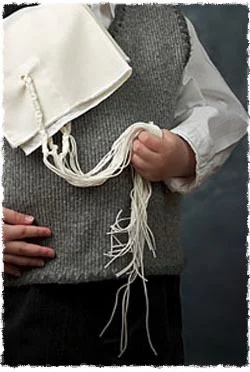
Topic of ציצית.
1 – The Mishna, at the beginning of the פרק , states a reason for the order of the 3 parts of קריאת שמע.

שמע ישראל = קבלת עול מלכות שמים

והיה אם שמוע = עול מצוות – תלמוד תורה – All day

וידבר…ועשו להם ציצית =Tzitzis is a Mitzvah that applies only during the day

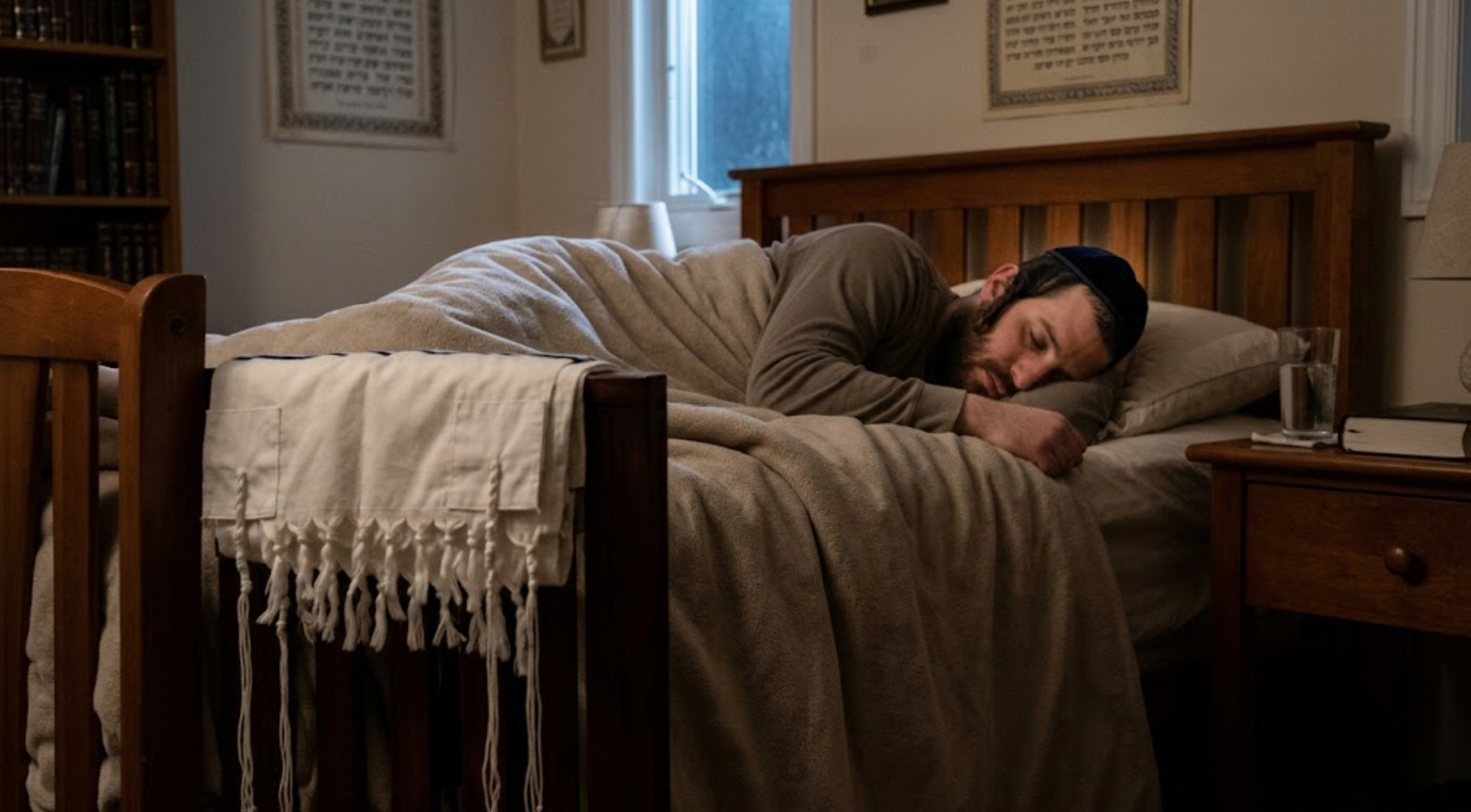
2- As Tosfos point out, the משנה follows the opinion of רבי שמעון that ציצית is not a 24 hour type of מצווה since לילה לאו זמן ציצית.
See the other opinion in מנחות צג, ב.

Thus, it is a מצוות עשה שאין הזמן גרמא and such is the הלכה.

3 – We discussed as to what is the meaning לילה לאו זמן ציצית.

Is it the time- meaning that whatever one wears at night it is a time of פטור.

Or it means that clothing that one wears at night, like pajamas that have 4 square corners, is פטור even if one wears them at night.
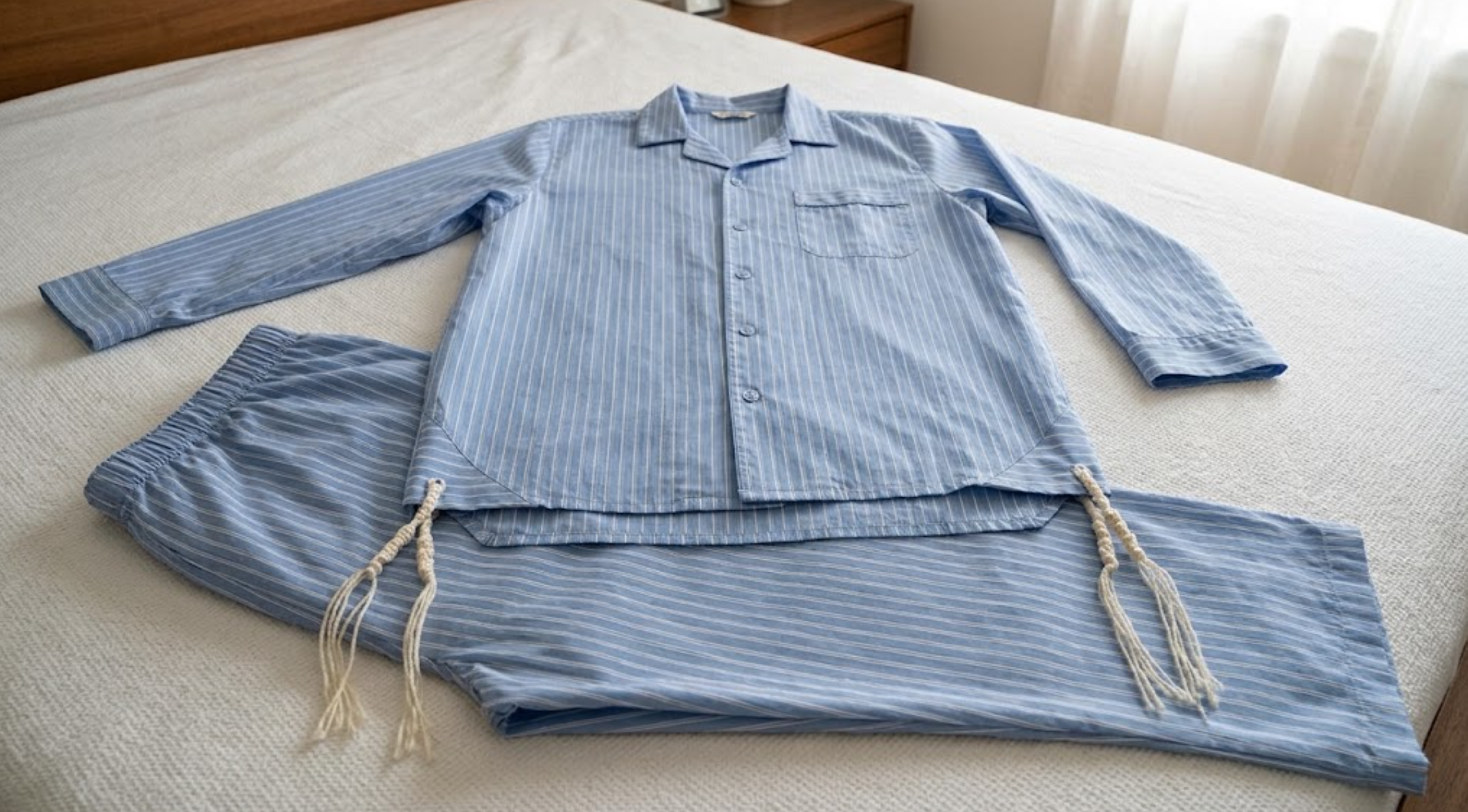
This is a famous מחלוקת.

פטור ציצית בלילה: וראיתם אותו פרט לכסות לילה.

שיטת הרמב”ם: תלוי בזמן שלובשים. לכן בין כסות יום ובין כסות לילה חייב ביום, ופטור בלילה.

שיטת הרא”ש: שתלוי בבגד. לכן כסות יום חייב גם בלילה, וכסות לילה פטור גם ביום.

See here. A”R OC 8, 2

ב י”אז שלא מיעט הכתוב אלא כסות שאינו בראיה בשעת לבישה ולכן כל מה שלובש בלילה אפילו הוא כסות המיוחד ליום פטור אבל כל מה שלובש ביום אפילו הוא כסות המיוחד ללילה חייב להטיל בו ציצית קודם שילבשנו מפני שישנו בראיה בשעת לבישה.

וי”אח שלא מיעט הכתוב אלא כסות המיוחד ללילה שאותו כסות הוא פטור אפילו אם לובשו ביום כיון שמתחלה לא נעשה אלא ללובשו בעת שאינו ראוי לראיה אבל כסות המיוחד ליום או המיוחד ליום ולילה חייב בציצית אף אם לובשו בלילה ויברך עליו כיון שנעשה ללובשו בעת שראוי לראיה

ומאחר שלא נתברר לנו הלכה כדברי מיט יש להחמיר באיסורי תורה כחומרות ב’ הסברות דהיינו להטיל ציצית בכסות המיוחד ליום או ליום ולילה אף אם לובשו בלילהי וכן יטיל ציצית אפילו לכסות המיוחד ללילה אם לובשו ביום

אבל לענין הברכה כיון דספק ברכות להקל לכן לא יברך רק כשלובש ביום כסות המיוחד ליום או כסות המיוחד ליום ולילהיא:

4 – We discussed that in general there is an underlying  מחלוקת if the מצווה of ציצית is on the garment. חובת טלית. Meaning that if one owns a 4 cornered garment he must affix ציצית whether he wears it or not. So if one owns 50 garments and it’s in storage, he needs to affix ציצית on all of them.

The other opinion, and such is the הלכה , that the מצווה of ציצית is חובת גברא, meaning the obligation is only on the one who wears it. So one can own many 4  cornered garment but he needs to affix ציצת only on the one he actually wears.

5 – Mentioned the uniqueness the מצווה of ציצית is that there is no prohibition to put on a בגד of four corners that has no ציצית.

Rather, there is a positive מצווה that when does put on such a garment, he then becomes obligated to affix the ציצית strings.
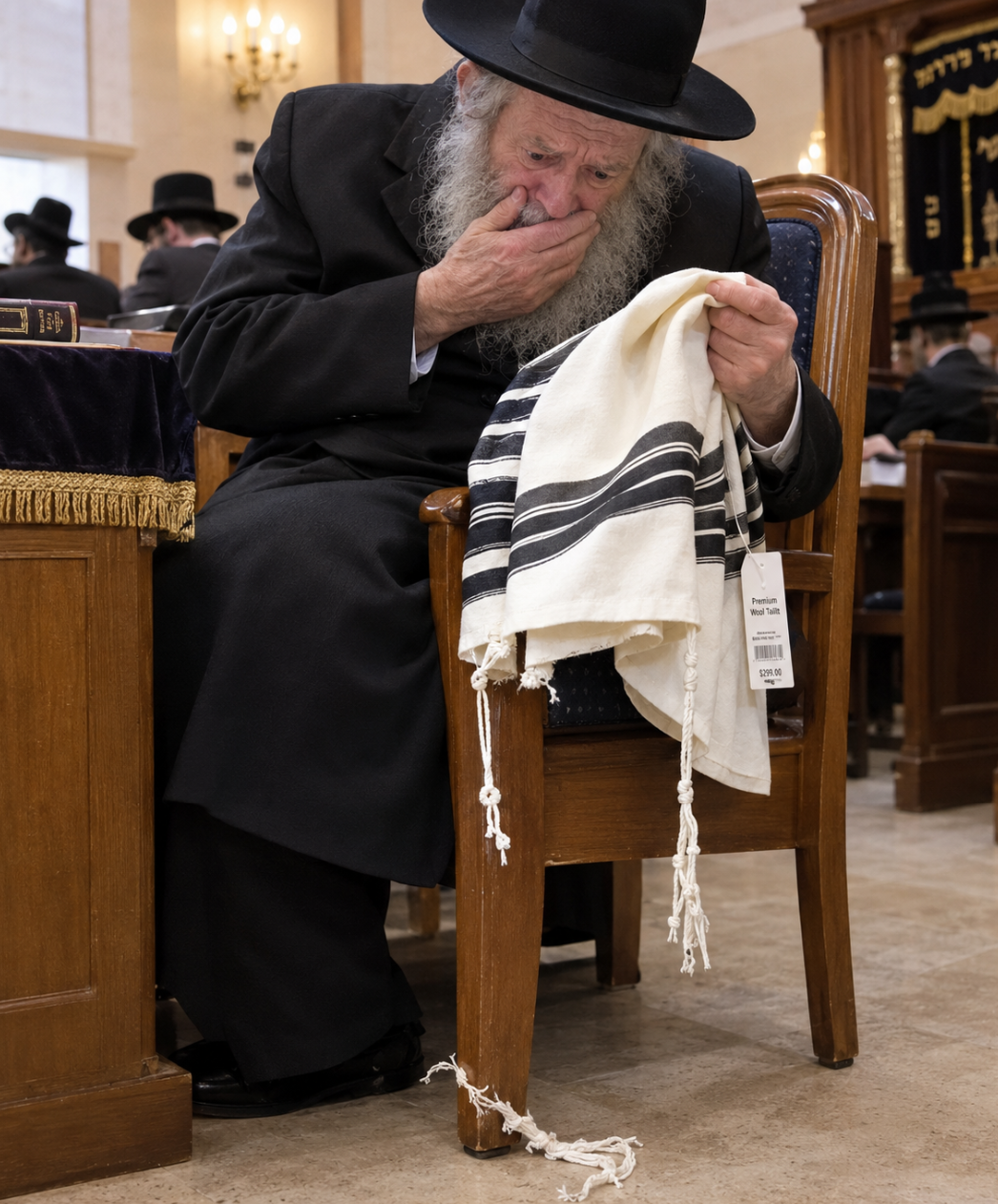
This idea has practical applications. The example we discussed:  if one is in Shul on Shabbos and one of his ציצית teras off. Under certain circumstance, (such as sitting without a טלית is embarrassing )  he may continue Davening with this Tallis that is פסול!

The reason being is that one cannot tie ציצית on Shabbos. So there is no איסור to continue to wear such a טלית.

6 – We spoke about the topic of saying קריאת שמע without תפילין.

Will discuss more and write on this topic next week אי”ה.


Shiur Brochos 14b – Mar Cheshvan 9, 5787.  10/20/2026

BSD

Brochos – 14b

Mar Cheshvan 9, 5787.  10/20/2026

Some Shiur notes.

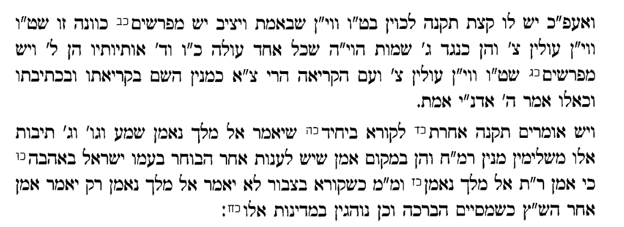
1- Discussed קריאת שמע that contains only 245 words and the suggestions to add 3 more words, to equal 248.

Either by saying קל מלך נאמן before ק”ש, or by the חזן repeating ה’ אלוקיכם אמת.

בית יוסף על אמירת קל מלך נאמן.

2- With the latter suggestion, we encounter 2 issues:

A- What happens when saying ק”ש when Davening ביחידות with no חזן.

See here from the Alter Rebbe 61. Very sharp words!

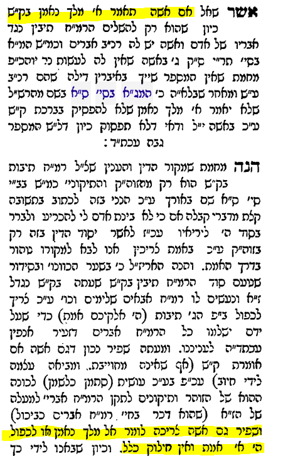
B – What should women that have 252 אברים do?

We discussed the מנחת אלעזר’s  take on this. (2, 28). See here.

3 – We discussed an interesting question last week.

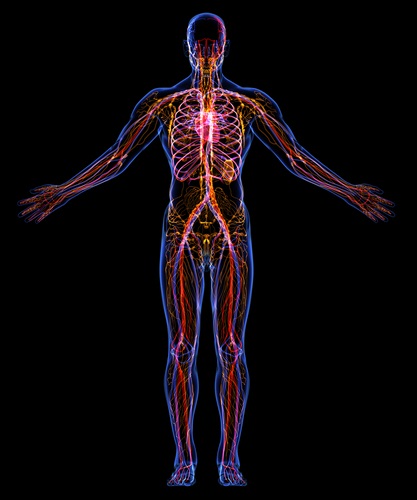
The idea of 248 אברים is from the משנה in מסכת אהלות. – Chapter 1, 8 where all 248 are enumerated.

These 248 are אברים that contain a bone. Ones without a bone are not counted.

So when we say רמ”ח אברים, we refer to אברים that contain a bone.

Now the heart, lungs, kidneys, intestines and liver have no bones.

Thus, when we make a מי שברך לחולה requesting a רפואה for this particular חולה for all his רמ”ח אברים, we omit all the above:heart, lungs, kidneys, intestines and liver!!

Why not say כל אברים to include everything?

Found so far one place that tackles this question, but none that attempt to answer it.

מגד ירחים א, ע 321.

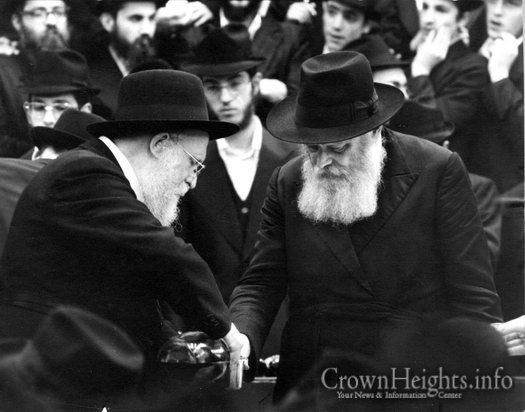
4 – Mentioned the two Chassidim that usually Davened slowly except when they were the חזן in the presence of the Rebbe.

When the Rebbe would say עושה שלום, Rabbi Mentlick OH would simply start חזרת הש”ץ regardless of where he was up to….

Reb Zalman Duchman would לכתחילה say the ברכות of שמונה עשרה like תיקון ליל שבועות….and even then, he barely finished on time – just as the Rebbe would be finishing שמונה עשרה….

5 – Our גמרא discusses the מנהג of ארץ ישראל not to say the 3rd פרשה of ציצית at מעריב.

6 – Stopping in middle of ברכות קריאת שמע. If one pauses for a period of the time that it takes him to say the entire ברכות he may need start from the beginning. See detail in Alter Rebbe’s Shulchan Aruch OC 65.

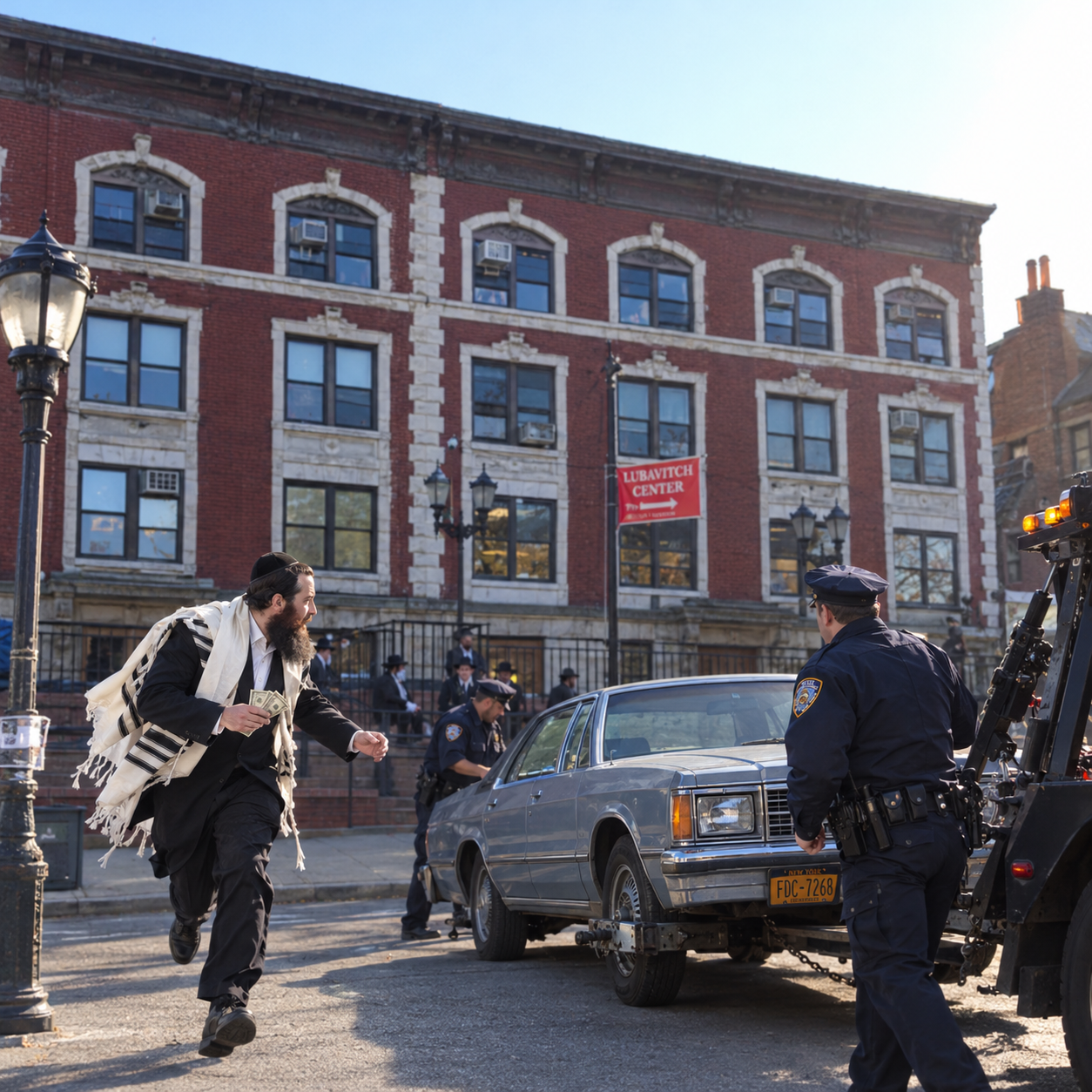
Story of the fellow that ran into 770 looking for cash so that his car would not be towed. One of the מתפללים offred to run home to fetch the amount of cash needed – and he ran out of שול wearing his טלית ותפילין!

Since he performed this great מצווה during קריאת שמע, upon returning there was a discussion whether he should continue from the place he left off or start from the beginning.

7 -Topic of  doing business with non-kosher food:

The heter to sell non-kosher food applies only when it comes to a person by chance, b’nizdamnu (נזדמנו).

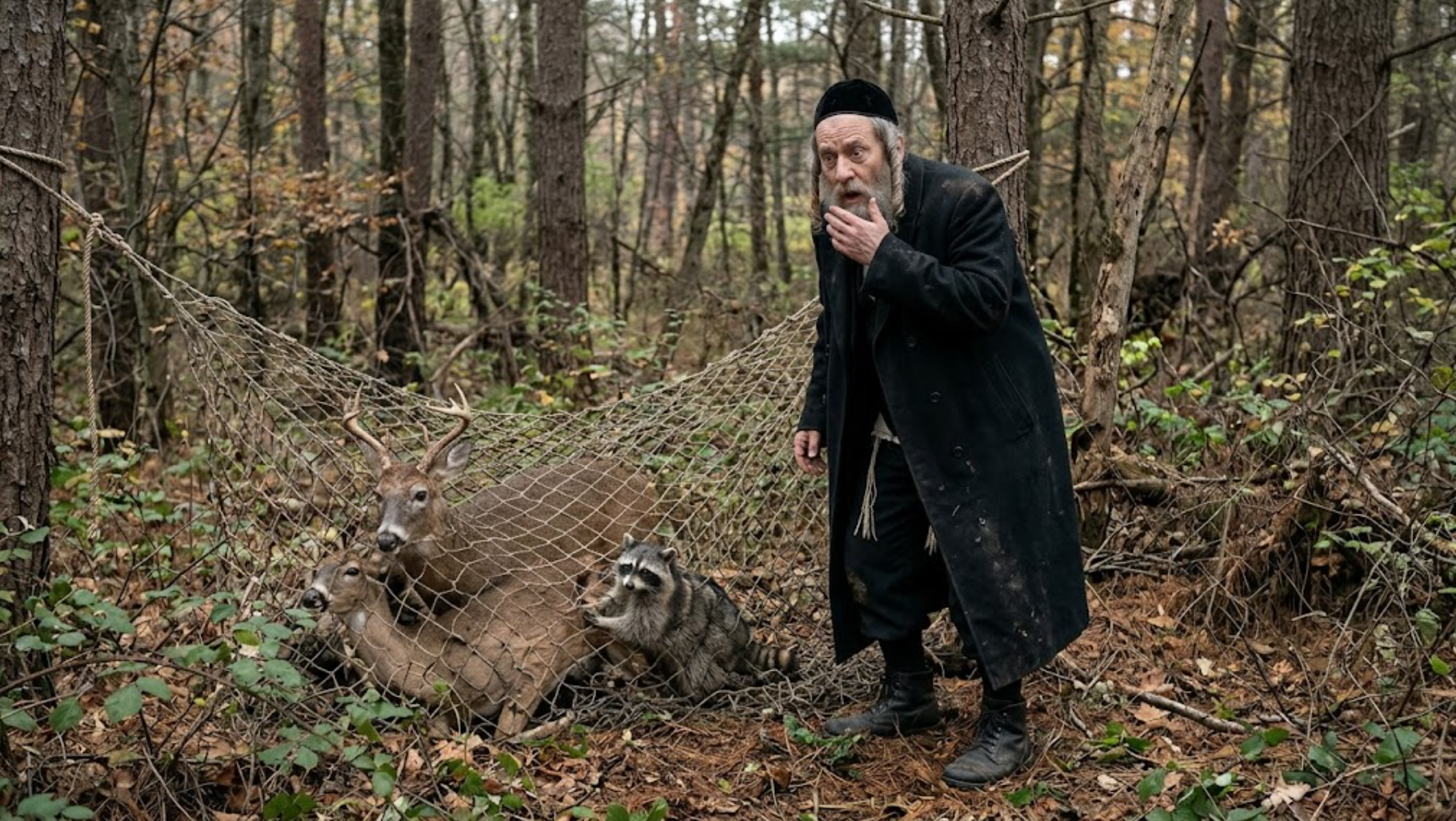
One example is a hunter who sets traps for kosher animals and finds a non-kosher animal caught in one. That is נזדמנו.

Another is the treifos (טריפות) that inevitably turn up in a kosher slaughterhouse.

Related to this is the well-known ruling of the Taz, based on our Gemara, concerning the frum furriers of his day.

אמת.  לא יתחיל. ט”ז יו”ד קיז, ד.

8- Story of the two חזנים. One Davening Nusach ספרד in an אשכנז Shul, the other one was Davening נוסח אשכנז in a נוסח ספרד Shul.

One was forced to omit (in קדיש ) the words וְיַצְמַח פּוּרְקָנֵהּ וִיקָרֵב מְשִׁיחֵהּ, so he paused and thought about the words and it’s meaning.

The other was forced to say the words וְיַצְמַח פּוּרְקָנֵהּ וִיקָרֵב מְשִׁיחֵהּ, so he reluctantly said it, while thinking Moshiach should …. ח”ו…..

——————————

Hebrew notes


אהלות א, ח. רק עם עצם. ועי״ש שקו״ט במפרשים הפשט בנקביו. אם הפירוש הוא ב׳ וגיד הרי אין בהם עצם.

[ובנגעים ו, ז לענין טומאת צרעת, נמנו גם אברים שאין בהם אבר]

כתובות מו, א אבר שהנשמה תלי׳ בו, פרש״י כגון לב.

צ״ע על המי שברך שאומרים רמ״ח אברים, מה עם אברים כמו הלב וכדומה שאין בהם עצם?

מגד ירחים א, ע 321.


כי נשמה באפו. ז”ח צ, ד.

רמ״ח אברים. באשה? רנ”ב. ובמנחת אלעזר (ב כח) דן אם נשים חייבים בזה.  ומסיק שענין הרמ”ח מקורו בזהר ומכוון לרמ”ח בז”א ולא באדם, ולכן עדיף שגם אשה תאמר את זה.


Shiur Brochos – 14a – Mar Cheshvan 2, 5787. 10/14/2026

BSD

Brochos – 14a

Mar Cheshvan 2, 5787.  10/14/2026

Short notes on a few topics discussed.

1 – The גמרא talks about if just tasting food, but not swallowing it, is considered eating or drinking?

A – In regards to tasting food on a fast day.

Prohibited on all public fast days. But may be permitted on fast days that one takes upon himself.

B – In regards to reciting a ברכה.

See here (OC 210) that some allow tasting and swallowing as well if his intention is only to taste!

2 – We discussed when tasting, although it may not be considered eating, there is the aspect of הנאה. So why not make a ברכה on just the  הנאה (of tasting)  just as we recite a ברכה on בשמים?

On this topic we mentioned the famous מגן אברהם that discusses smoking tobacco .

Smoking in  general is a topic that has been discussed for ages by the אחרונים.

Is it considered eating?

Or is it only tasting since one inhales and exhales. Much like eating and spitting it right out i.e. tasting, as above?

Or is it a הנאה similar to smelling בשמים or reciting שהחיינו when meeting a  friend that one has not seen for 30 days?

3 – Reb Akiva Eiger has an interesting footnote to our גמרא related to ‘tasting’.  He directs one to check out a מדרש about a story in תנ”ך.

The story with שאול המלך and his son יהונתן.

Here is synopsis created by AI:

In 1 Samuel 14, Israel is pinned down by the Philistines. Saul waits near Gibeah with about 600 men, and the Israelites have almost no weapons.

Jonathan’s raid. Without telling his father, Jonathan and his armor-bearer climb toward a Philistine outpost. Jonathan says God can save “by many or by few,” and they set a sign. If the Philistines tell them to come up, God has given the outpost into their hands. The Philistines call out mockingly, “Come up to us,” so the two climb the cliff and kill about twenty men. An earthquake follows, and panic spreads through the Philistine camp.

The rout. Saul’s lookouts see the Philistine army dissolving, and a roll call shows Jonathan is missing. Saul begins to consult God through the priest Ahijah but breaks off as the uproar grows. Israel attacks, and the Philistines turn their swords on one another. Hebrews who had sided with the Philistines switch back, and Israelites who had been hiding in the hills join the chase.

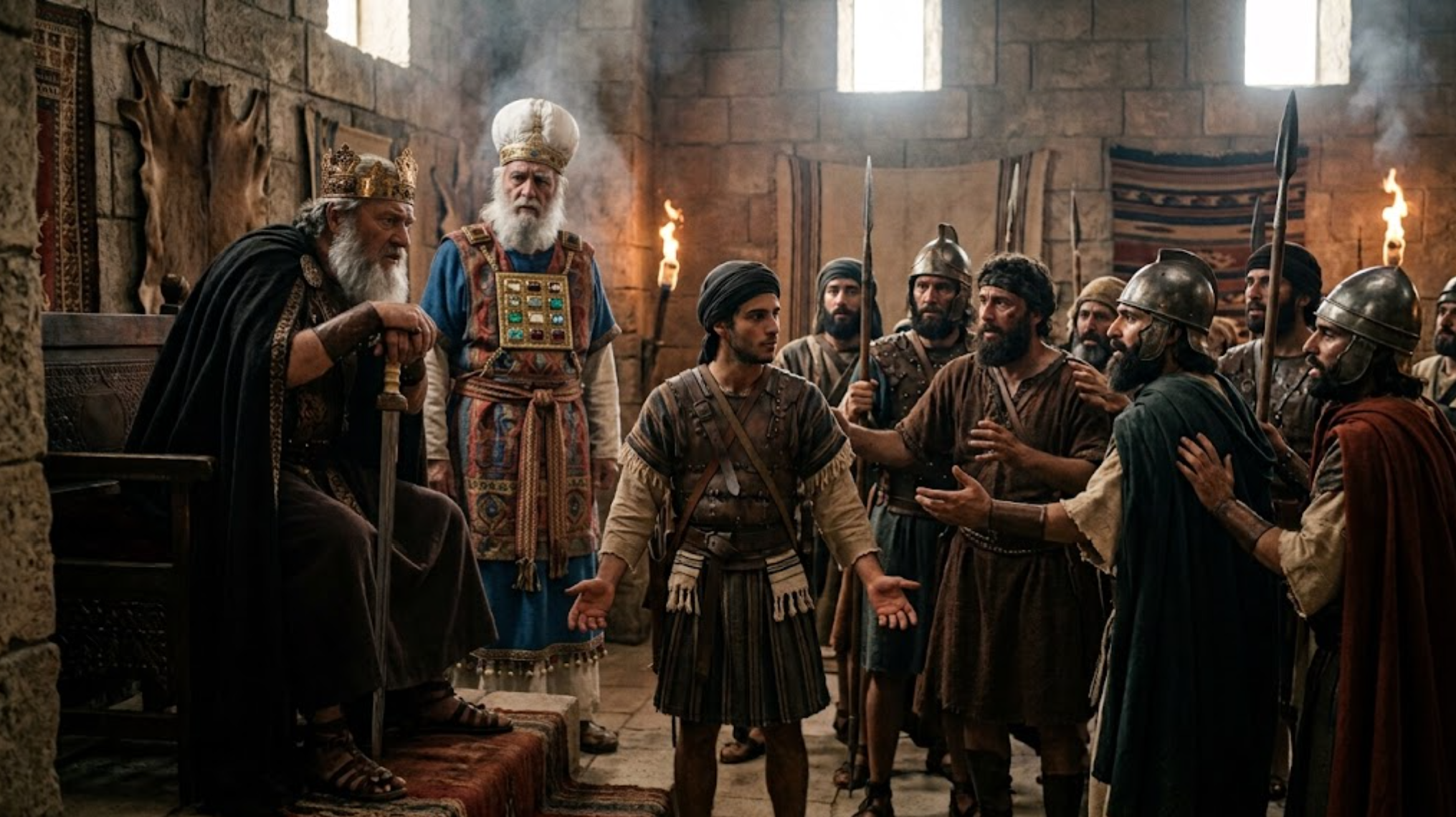
Saul’s oath. Saul puts the army under a curse: no one may eat until evening, “until I am avenged on my enemies.” The troops grow exhausted. Jonathan hasn’t heard the oath, so he eats some honey in the forest and is refreshed. When told about the curse, he says his father has troubled the land, since a fed army would have won a bigger victory. That evening the famished soldiers slaughter captured animals and eat the meat with the blood, which is forbidden. Saul sets up a stone for proper slaughter and builds his first altar to God.

The lots. Saul wants to pursue the Philistines through the night, but God gives no answer. Saul concludes someone has sinned and swears the guilty one will die, even if it is Jonathan. Lots are cast, and they fall on Jonathan, who admits he tasted the honey. Saul is ready to execute him, but the people refuse: “Shall Jonathan die, who has brought about this great salvation in Israel?” They ransom him, and the pursuit is called off.

How did they ‘redeem’ יהונתן?

The above-mentioned מדרש offer 2 opinions.

1- The has שאול המלך revoke his oath.

2- יהונתן was redeemed since he only tasted  the honey! As per our גמרא.

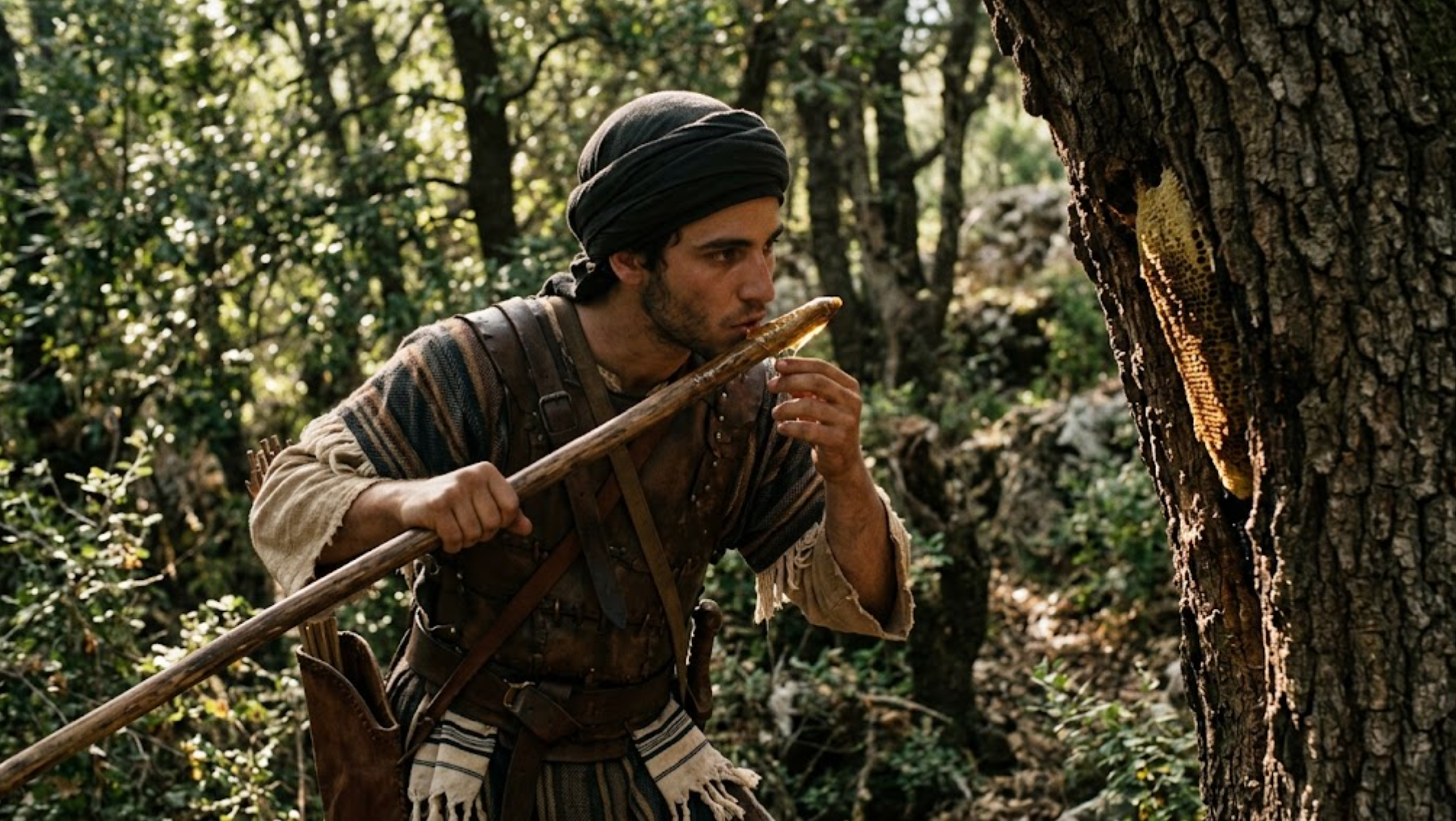
4 – Spoke about the wording in the above story when it describes the honey that יהונתן tasted.

honey in the forest. What is honey doing in a forest?

This expression is the source of Reb Eliezer’s opinion that hives of bees are considered like קרקע. Thus removing honey, produced by bees, from the honeycombs is like picking an apple from its tree (forest). Thus on Shabbos, such harvesting is from the 39 מלאכות!

Mishna Shviis and Uktzin.

(י) כַּוֶּרֶת דְּבוֹרִים, רַבִּי אֱלִיעֶזֶר אוֹמֵר, הֲרֵי הִיא כַּקַּרְקַע, וְכוֹתְבִין עָלֶיהָ פְּרוֹזְבּוֹל, וְאֵינָהּ מְקַבֶּלֶת טֻמְאָה בִּמְקוֹמָהּ, וְהָרוֹדֶה מִמֶּנָּה בַשַּׁבָּת, חַיָּב חַטָּאת. וַחֲכָמִים אוֹמְרִים, אֵינָהּ כַּקַּרְקַע, וְאֵין כּוֹתְבִים עָלֶיהָ פְּרוֹזְבּוּל, וּמְקַבֶּלֶת טֻמְאָה בִּמְקוֹמָהּ, וְהָרוֹדֶה מִמֶּנָּה בַשַּׁבָּת, פָּטוּר.

A beehive: Rabbi Eliezer says: it is treated as if it were land [real estate]; and one may write a pruzbul upon it, and it does not contract ritual impurity while remaining in its place, and one who scrapes [honey] from it on Shabbos is liable to bring a sin-offering.
But the Sages say: It is not treated as if it were land; and one may not write a pruzbul upon it, and it does contract ritual impurity while remaining in its place, and one who scrapes [honey] from it on Shabbos is exempt.

Stay tuned for the other topics we discussed which we will bl”n write up next week:

  • The process of the נשמה re-enetering the body in the morning.
  • 245 words  in שמע.
  • The need for 3 more words to equal 248. ה’ אלוקיכם אמת or א-ל מלך נאמן.
  • When saying a מי שברך לחולה why are the heart and other organs not mentioned?
  • Do women repeat ה’ אלוקיכם אמת? Minchas Elozor.

Shiur Brochos 12b (2) – Elul 5, 5786 – 08/18/2026

BSD

Brochos 12b (2)

Elul 5, 5786.  08/18/2026

Short notes on one topic.

1- The גמרא  states that one should not pause in the middle of a פרשה. Meaning that once you start saying a פרשה, you must finish it.

 גְּמִירִי: כָּל פָּרָשָׁה דְּפַסְקַהּ מֹשֶׁה רַבֵּינוּ, פָּסְקִינַן; דְּלָא פַסְקַהּ מֹשֶׁה רַבֵּינוּ, לֹא פָסְקִינַן.

Any portion that משה רבינו, divided, we too divide and read separately. However, a portion that Moses, our teacher, did not divide, we do not divide and read separately.

 The issues discussed:

A -What is a פרשה?

Generally, it means the פרשיות or paragraphs in the תורה, (not the 53 סדרות) of which there are 669 in the חומש.

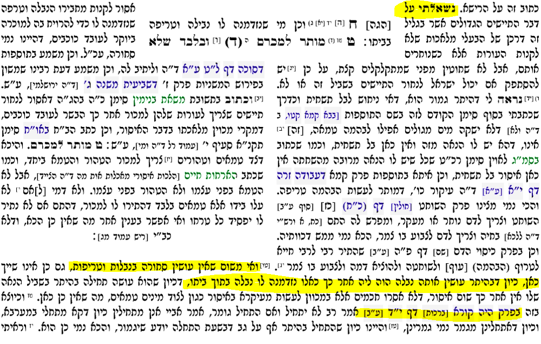
Image of an עמוד showing 3 פרשיות created by פתוחות וסתומות.

That would mean that an entire פרשה must be said. So saying a single פסוק is surely not proper!

B- Does it apply to נביאים? What about כתובים?

C- Why is this הלכה not mentioned in the רמב”ם and also not in the שלחן ערוך!

See below from the מגן אברהם.

D – In practice, there are many instances during davening where we recite not only parts of a parsha but even fragments of a פסוק. Examples include:

A few examples:

  • ה‘ מלך. ה‘ מלך. ה‘ ימלוך לעולם ועד . The only full פסוק here is  ה‘ ימלוך לעולם ועד.
  • ה’ אלקיכם אמת
  • נֹצֵר[2] חֶסֶד לָאֲלָפִים נֹשֵׂא עָוֺן וָפֶשַׁע וְחַטָּאָה וְנַקֵּה [לֹא יְנַקֶּה פֹּקֵד עֲוֺן אָבוֹת עַל בָּנִים וְעַל בְּנֵי בָנִים עַל שִׁלֵּשִׁים וְעַל רִבֵּעִים.]
  • Every time we say only ‘half’ of הלל.
  • שש זכירות.
  • Kiddush – יום השישי.
  • הגדה של פסח- we begin in the middle of a Pasuk! וְאָמַרְתָּ לְבִנְךָ עֲבָדִים הָיִינוּ לְפַרְעֹה בְּמִצְרָיִם- וַיֹּצִיאֵנוּ יְהֹוָה מִמִּצְרַיִם בְּיָד חֲזָקָה.

E – Ditto for קריאת התורה when every ראש חודש and many time on Shabbos, we pause in middle of a פרשה.

E- The מגן אברהם suggests that when said as a תחינה ובקשה, this rule does not apply.


F – There is much more on this perplexing topic.


G – Regarding this subject, we noted a fascinating footnote written by the Rebbe.

We discussed the well-known booklet קונטרס compiled by the Rebbe in 1954 on the occasion of the Tanya’s second printing in the United States (edition #48).

In the foreword to this קונטרס– which has been included at the back of every edition of Sefer HaTanya printed since 1954 – the Rebbe highlights a noteworthy pattern:

  • When the Alter Rebbe cites only a partial verse (פסוק), he adds a ‘וגו׳.
  • Conversely, when quoting a partial passage from a מאמר חז״ל, he adds a ‘וכו׳.

The Rebbe explains that this distinction stems from our Gemara, which raises a concern regarding reciting or quoting only a portion of a פסוק. Therefore, when one omits the remainder of a פסוק, adding וגומר) וגו׳) indicates that the verse ought to be completed.

H –  We discussed the Rebbe’s vision to publish a תניא styled like a גמרא, featuring cross-references, a concise פירוש, and a compilation of explanations on תניא from the Chabad Rebbes.

Although this initiative was not originally brought to fruition, the recently published תניא השלם represents an effort to fulfill the Rebbe’s vision.

See here. Here.