BSD
Brochos 8a (3) – 8b
Nisan 6, 5786. 03/25/2026
A few notes on topics covered.
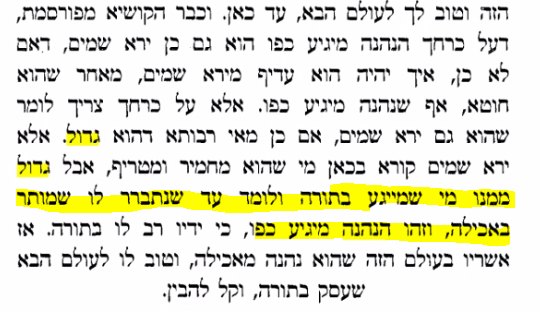
1 – וַאֲמַר רִבִּי חִיָּיא בַּר אַמֵי מִשְּׁמֵיהּ דְּעוּלָּא: גָּדוֹל הַנֶּהֱנֶה מִיְּגִיעוֹ יוֹתֵר מִיְּרֵא שָׁמַיִם,
One who benefits from his hard labor is greater than a God-fearing person.

The interesting explanation of the של”ה הקדוש that this is referring to 2 types of רבנים.
There are those that are truly יראי שמים and therefore generally rule לחומרא.
On the other hand there are those that labor and study until they find a היתר.
They are greater than the יראי שמים!

של”ה מסכת שבועות פרק נר מצוה.
2 – The saga of שמעי בן גרא. His greatness in being the ראש הסנהדרין, the rocks hurled at דוד המלך, his pardon by דוד, the צוואה of דוד to שלמה המלך to punish שמעי, the semi pardon by שלמה prohibiting שמעי from leaving ירושלים, the punishment he finally received when he left the city.

Our גמרא says that one should always live near his Rebbe.
לְעוֹלָם יָדוּר אָדָם בִּמְקוֹם רַבּוֹ, שֶׁכָּל זְמַן שֶׁשִּׁמְעִי בֶּן גֵּרָא קַיָּים, לֹא נָשָׂא שְׁלֹמֹה אֶת בַּת פַּרְעֹה.
One should always live in the place where his teacher lives; thereby he will avoid sin. For as long as Shimi ben Gera, who according to tradition was a great Torah scholar and teacher of Solomon, was alive, Solomon did not marry Pharaoh’s daughter. Immediately after the Bible relates the death of Shimi, Solomon’s marriage to Pharaoh’s daughter is recorded.
What is perplexing is how is a person with such a history (rock throwing on דוד, with instructions from דוד to his son שלמה to avenge this rebel), still be שלמה’s teacher, be the ראש הסנהדרין and is credited in being the ‘holdback’ to שלמה not to marry בת פרעה?
Searching for an answer.
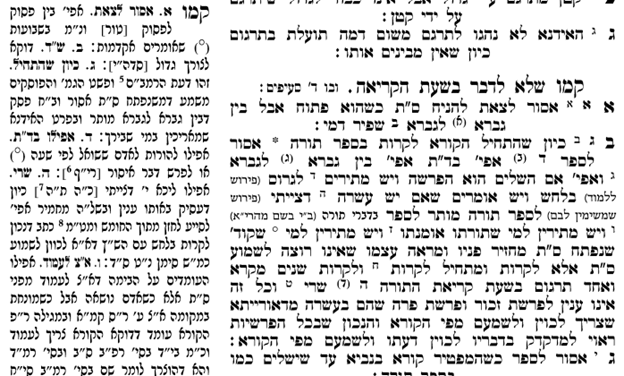
3 – The גמרא discusses the איסור of leaving a Shul while a ספר תורה is open.
Here is the הלכה: OC 146.
Mentioned the מנהג of the Rebbe who would wait (Shabbos by מנחה) until the curtain of the ארון קודש was completely closed before starting שמונה עשרה.

Occasionally the crowd in the back of 770, upon hearing the last אמן from the חזן, would start and reach almost to the end of שמונה עשרה, unaware that the Rebbe was still waiting for the ארון קודש to be fully closed!
3 – The next topic in our גמרא of שנים מקרא ואחד תרגום is very wide and interesting.

When finishing the סדרה after saying twice מקרא and once תרגום, the Alter Rebbe (OC 285, 3) writes that one should end off with מקרא by repeating the last פסוק again.
ופסוק האחרון טוב לכופלו ולחזור ולאמרו כדי לסיים בתורהכג (כי כן בזמן שהיו מתרגמין היו מסיימים במקרא שהיו כופלים פסוק האחרוןכד):
That is how many still do it and also in Chabad did so for hundreds of years, until the רשימות – were printed. Surprisingly, the Rebbe writes that one should not repeat the last פסוק!
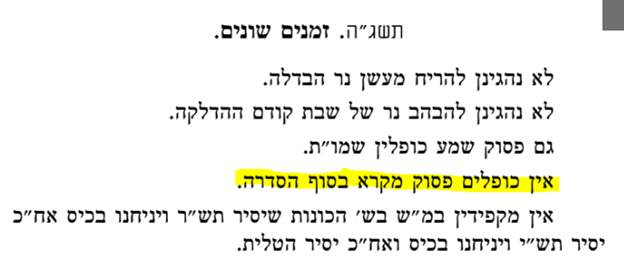
So what does one do? Say it or not?
We suggested (half in jest) a solution based on an interesting historical fact. After eating מזונות, when saying על המחיה, we conclude with, as the Alter Rebbe writes: ברוך אתה ה’ על הארץ ועל המחיה
There are other opinions that say to conclude
with
בָּרוּךְ אַתָּה אֲדֹנָי, עַל הָאָרֶץ
וְעַל הַמִּחְיָה וְעַל הַכַּלְכָּלָה
See או”ח רה, מג“א ס“ק יח ויד אפרים
The opinion of Reb Levi Yitzchok of Berdichev was to add the וְעַל הַכַּלְכָּלָה.
However, being that the Alter Rebbe was his מחותן, he would say:
על הארץ ועל המחיה….. and then add ועל הכלכלה the מחותן says not to say!
The Rebbe related this מנהג at a Farbrengen. אחש”פ תשכ”ג.
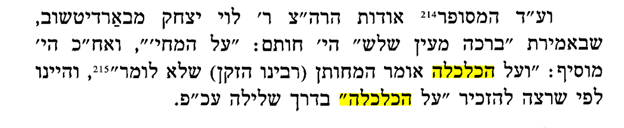
This was actually the מנהג in Berdichev until WWII.
So perhaps we should indeed say the last פסוק again when being מעביר סדרה (as per the AR in his Shulchan Aruch) but adding ‘and the repeating of this last פסוק it says in רשימות not to say….
B – Mentioned the Alter Rebbe אדה“ז סעי‘ ב, ובקו“א שם, that if being מעביר סדרה by saying the חומש twice and for the תרגום saying רש”י, one would need to say חומש a third time since there are many פסוקים without רש”י. Even where there is רש”י he does not explain every word!

4-
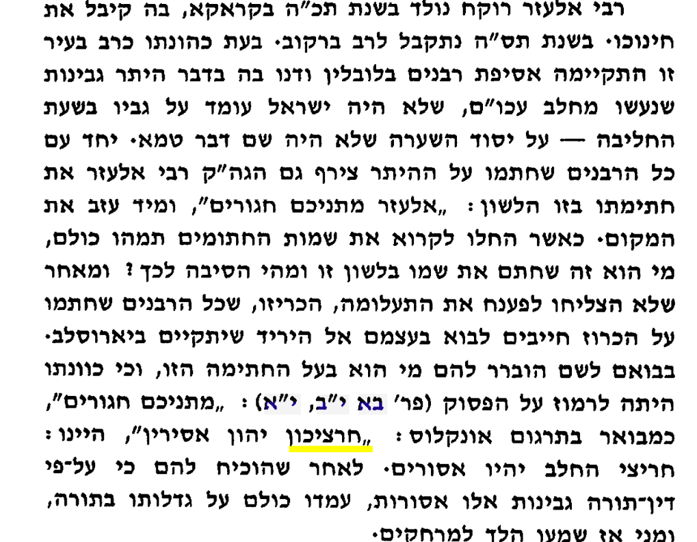
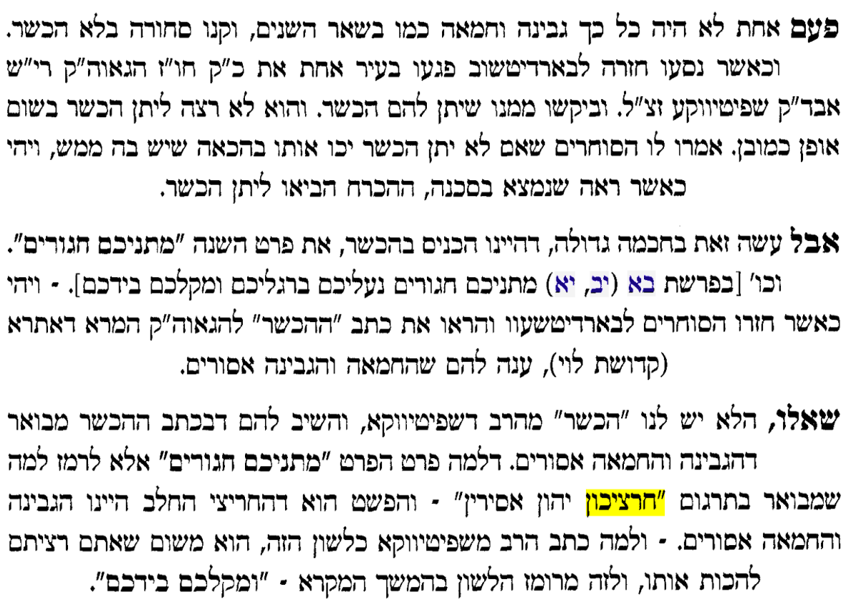
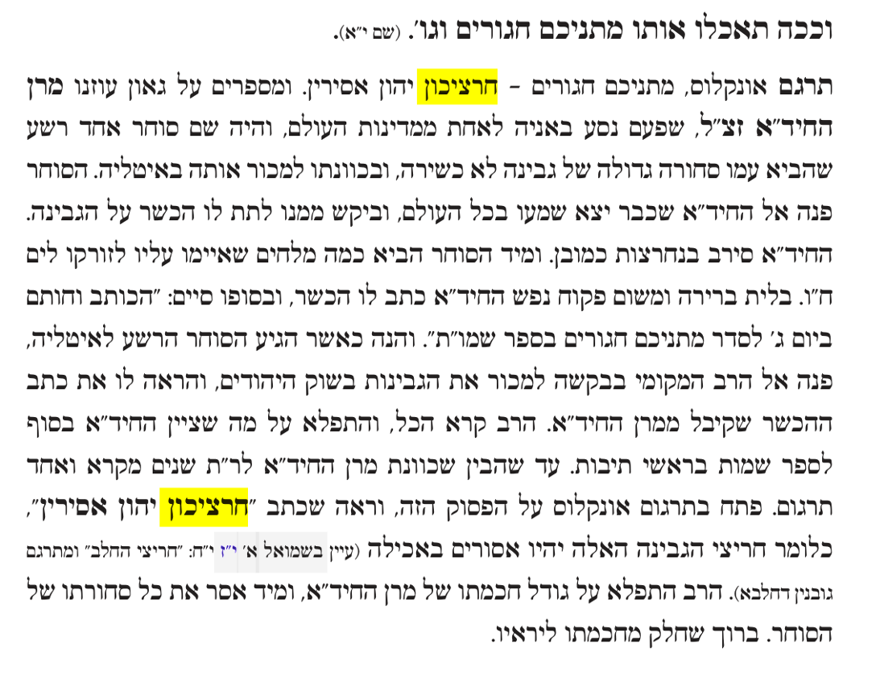
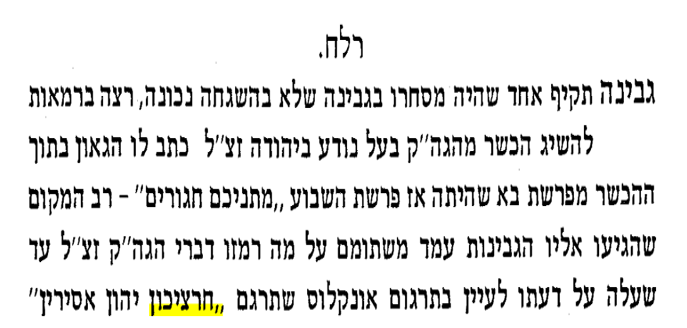
The many versions of a fascinating story…….
The actual story in short:
A Rov was once forced by a cheese producer/exporter to issue a הכשר on cheese which was not Kosher. Having no choice, the Rov wrote out a ‘הכשר’ but added in code that his הכשר is being written because he was threatened.
This Rov was hoping that someone would decipher his code and not allow the cheese to be eaten.
The code was in the format of the date that he added to his הכשר.
When this cheese arrived to the city to be marketed, the local Rov, upon inspection of this הכשר, picked up on the code and forced the producer/exporter to admit to his extortion and fraud.

The Rov dated his הכשר with the words
לפרשת שמו”ת מתניכם חגורים
On the surface it looked innocent enough since it was customary to add to the date of a letter a reference to the weekly portion by quoting a פסוק from it. The extortionist didn’t pick this up.
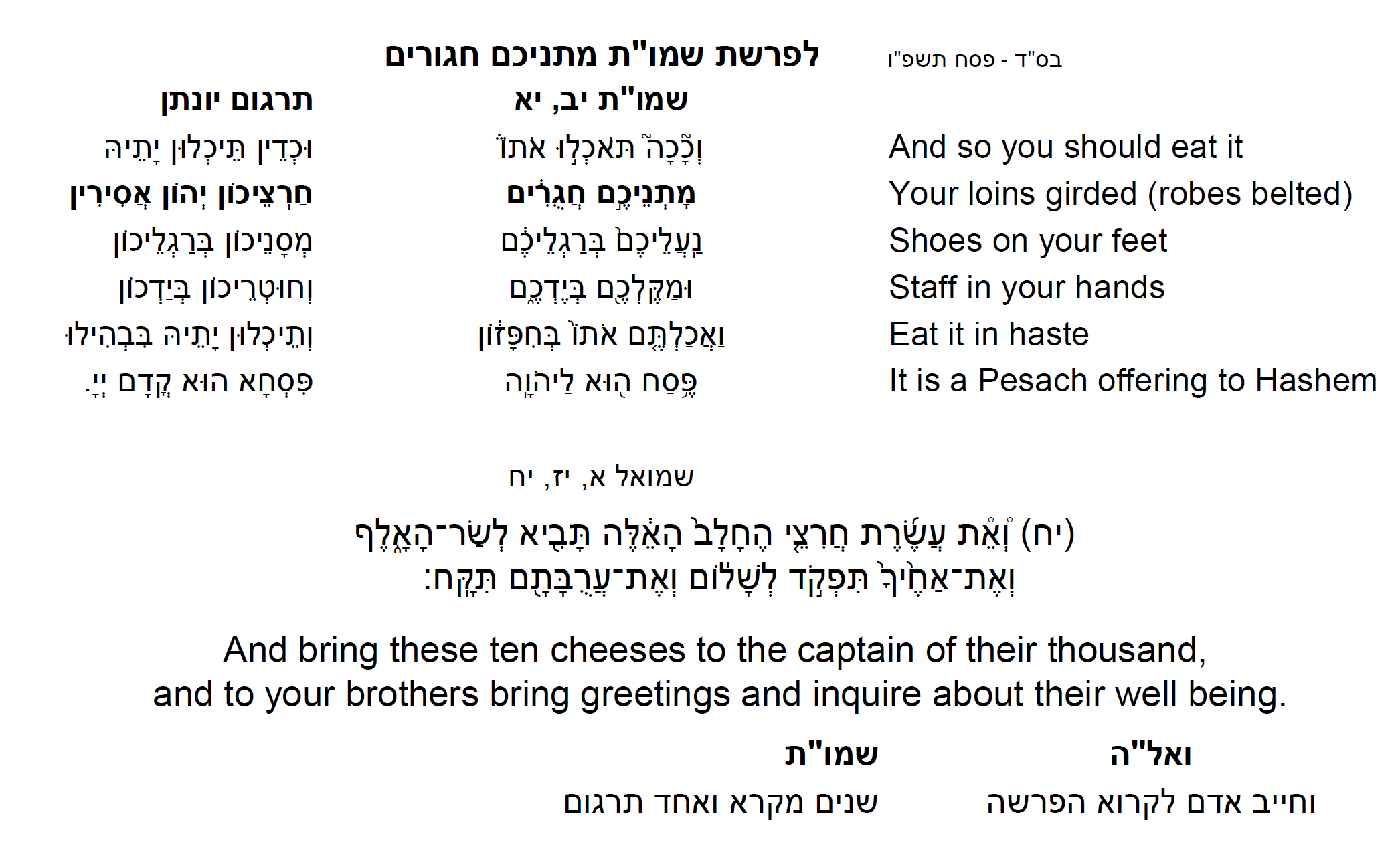
The Rov hinted, by writing שמו”ת (meaning שנים מקרא ואחד תרגום, and not simply שמות) that one should check the תרגום on the words מׇתְנֵיכֶ֣ם חֲגֻרִ֔ים, which means: ה’ tells בני ישראל – be ready to leave מצרים by having your belts tight around your waists, shoes on and walking stick in your hands.
And the תרגום translates as חַרְצֵיכוֹן יְהוֹן אֲסִירִין, meaning ‘your robes should tight be with a belt’.
However, as we find elsewhere, חַרְצֵיכוֹן can also mean cheese.
Thus, חַרְצֵיכוֹן יְהוֹן אֲסִירִין can also mean ‘your cheese is prohibited’!
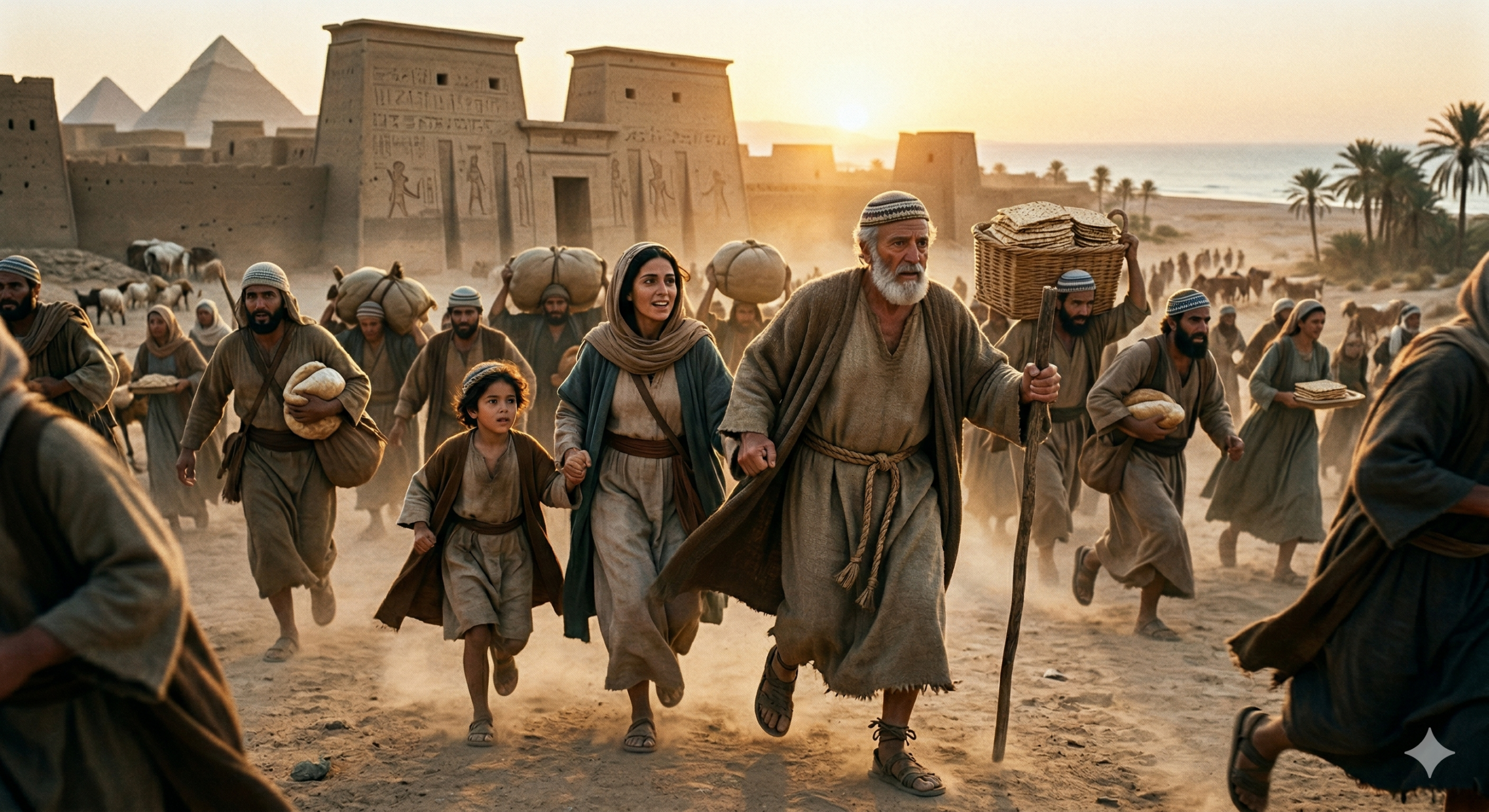
Here is the sheet we used to understand this code.
What is interesting is that this exact story is told about different great Rabbonim that lived hundreds of years and miles apart!
Here are 4 versions of it:
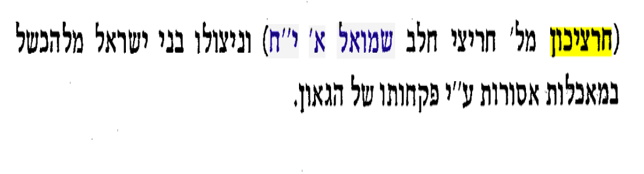
There were more topics discussed which we will post BLN after the next Shiur.
חג כשר ושמח.
——————————–
Hebrew notes
עטרות ודיבון – רש”י, תוס’. ט”ז רפ”ה. אדה“ז סעי‘ ב, ובקו“א שם.
פסוק אחרון- שו“ע ‘טוב…’ . אבל ראה רשימות קנו. ועל הכלכלה, מחותן ניט. או”ח רה, מג“א ס“ק יח ויד אפרים. אחש”פ כג.
פמ”ג

סיפור הגבינה. מקלכם בידכם.