BSD
Brochos 7b (3)
Shvat 30, 5786. 02/17/2026
Some short notes.
1 – Our גמרא touches on the topic of names.
מְנָא לַן דִּשְׁמָא גָּרֵים? אֲמַר רִבִּי אֶלִיעֶזֶר: דַּאֲמַר קְרָא: ״לְכוּ חֲזוּ מִפְעֲלוֹת ה׳ אֲשֶׁר שָׂם שַׁמּוֹת בָּאָרֶץ״ (תהלים מ״ו:ט׳). אַל תִּקְרֵי ״שַׁמּוֹת״, אֶלָּא שֵׁמוֹת.
Regarding the basic assumption that these interpretations of names are allusions to one’s future, the Gemara asks: From where do we derive that the name affects one’s life? Rabbi Eliezer said that the verse says: “Go, see the works of the Lord, who has made desolations [shamot] upon the earth” (Psalms 46:9). Do not read the word as shamot, rather as שמות, names. The names given to people are, therefore, “the works of the השם upon the earth.”
Reading into a person’s name
Mentioned the story of Reb Meir who suspected an individual just by his name and was proven right. Yuma 83.
רַבִּי מֵאִיר וְרַבִּי יְהוּדָה וְרַבִּי יוֹסֵי הֲווֹ קָא אָזְלִי בְּאוֹרְחָא רַבִּי מֵאִיר הֲוָה דָּיֵיק בִּשְׁמָא רַבִּי יְהוּדָה וְרַבִּי יוֹסֵי לָא הֲווֹ דייקו בִּשְׁמָא כִּי מְטוֹ לְהָהוּא דּוּכְתָּא בְּעוֹ אוּשְׁפִּיזָא יְהַבוּ לְהוּ אֲמַרוּ לו מָה שְׁמָךְ אֲמַר לְהוּ כִּידוֹר אֲמַר שְׁמַע מִינַּהּ אָדָם רָשָׁע הוּא שֶׁנֶּאֱמַר {דברים ל״ב:כ׳} כִּי דוֹר תַּהְפּוּכוֹת הֵמָּה רַבִּי יְהוּדָה וְרַבִּי יוֹסֵי אַשְׁלִימוּ לֵיהּ כִּיסַיְיהוּ רַבִּי מֵאִיר לָא אַשְׁלֵים לֵיהּ כִּיסֵיהּ אֲזַל אוֹתְבֵיהּ בֵּי קִיבְרֵיהּ דַּאֲבוּהּ.
Rabbi Meir and Rabbi Yehuda and Rabbi Yosei were walking on the road together. Rabbi Meir would analyze names and discern one’s nature from his name, while Rabbi Yehuda and Rabbi Yosei were not apt to analyze names.
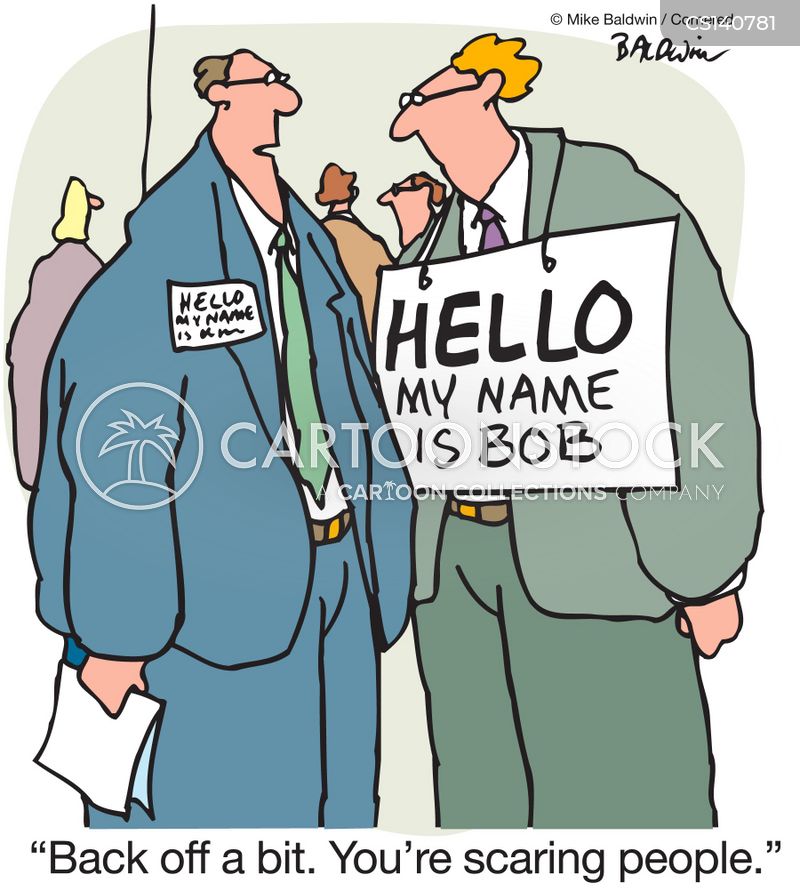
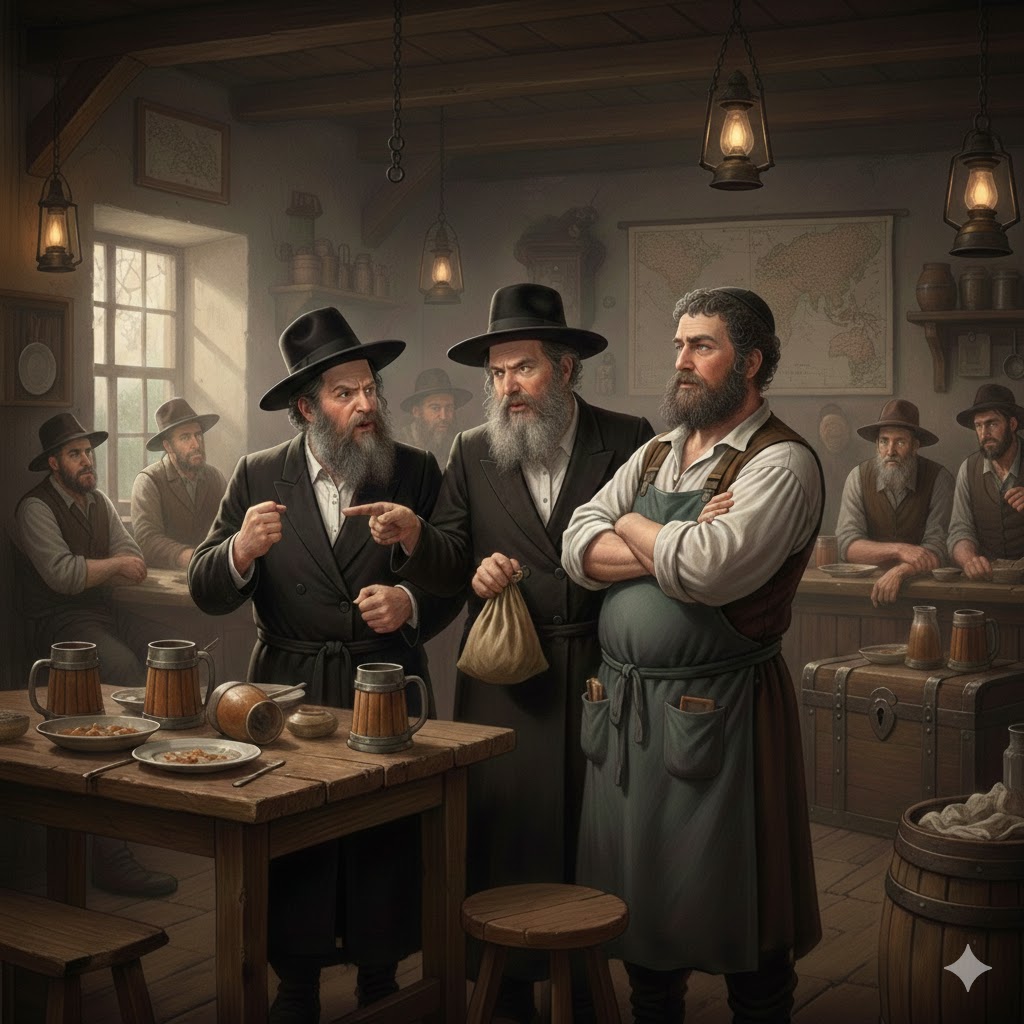
When they came to a certain place, they looked for lodging and were given it. They said to the innkeeper: What is your name? He said to them: My name is Kidor. Rabbi Meir said to himself: Perhaps one can learn from this that he is a wicked person, as it is stated: “For they are a generation [ki dor] of upheavals” (Deuteronomy 32:20). Since it was Friday afternoon, Rabbi Yehuda and Rabbi Yosei entrusted their purses to him.
Rabbi Meir did not entrust his purse to him but went and placed it at the grave of the innkeeper’s father.

אִתְחֲזִי לֵיהּ בְּחֶלְמֵיהּ תָּא שְׁקֵיל כִּיסָא דְּמַנַּח אַרֵישָׁא דְּהָהוּא גַּבְרָא לִמְחַר אֲמַר לְהוּ הָכִי אִתְחֲזִי לִי בְּחֶלְמַאי אָמְרִי לֵיהּ חֶלְמָא דְּבֵי שִׁמְשֵׁי לֵית בְּהוּ מַמָּשָׁא אֲזַל רַבִּי מֵאִיר וְנַטְרֵיהּ כּוּלֵּי יוֹמָא וְאַיְּיתְיֵהּ.
The innkeeper’s father appeared to the innkeeper in a dream and said to him: Go take the purse placed at the head of that man, i.e., the innkeeper’s father. The following day, he said to the Sages: This is what appeared to me in my dream. They said to him: Dreams during twilight on Shabbat evening have no substance and should not be trusted. Even so, Rabbi Meir went and guarded his money all that day and then took it.
לִמְחַר אֲמַרוּ לו הַב לַן כִּיסַן אֲמַר לְהוּ לֹא הָיוּ דְבָרִים מֵעוֹלָם אֲמַר לְהוּ רַבִּי מֵאִיר אַמַּאי לָא דָּיְיקִיתוּ בִּשְׁמָא אֲמַרוּ לֵיהּ אַמַּאי לָא אֲמַרְתְּ לַן מָר אֲמַר לְהוּ אֵימַר דַּאֲמַרִי אֲנָא חֲשָׁשָׁא, אַחְזוֹקֵי מִי אֲמַרִי.
The next day, the rabbis said to the innkeeper: Give us our purses. He said to them: These matters never occurred; you never gave me any purses.
Rabbi Meir said to them: Why didn’t you analyze his name to learn that he is a wicked man? They said to him: Why didn’t the Master tell us? He said to them: I said one should be suspicious, but have I said a person should be established as wicked? Could I say to you with certainty that he is wicked based on his name alone?
See there for the conclusion of the story.
2 – The name of a person or object is its ‘life’
Discussed the Alter Rebbe’s words in Tanya.
וְכֵן בְּכָל הַנִּבְרָאִים שֶׁבָּעוֹלָם, And so it is with all created things in the world. The Holy Tongue, the Hebrew of the Torah, was the language used in creation. Thus, all created things are directly affected by their Hebrew names as well as by the component letters of their names. In this, the Holy Tongue is unlike other, arbitrary languages, the meaning of whose words is the result of mere consensus.
הַשֵּׁמוֹת שֶׁנִּקְרָאִים בָּהֶם בִּלְשׁוֹן הַקֹּדֶשׁ – הֵן הֵן אוֹתִיּוֹת הַדִּבּוּר, הַמִּשְׁתַּלְשְׁלוֹת מִמַּדְרֵגָה לְמַדְרֵגָה מֵעֲשָׂרָה מַאֲמָרוֹת שֶׁבַּתּוֹרָה,
The names [of all creatures] in the Holy Tongue are the very letters of speech which descend, degree by degree, from the ten utterances recorded in the Torah,
3 –
דוד המלך‘s praising ‘ה while on the run
The גמרא moves on to the פרק תהלים that דוד המלך composed while running away from אבשלום, his rebellious son.
מִזְמוֹר לְדָוִד בְּבׇרְחוֹ מִפְּנֵי אַבְשָׁלוֹם בְּנוֹ. תהלים פרק ג.
Despite being hunted by his son, דוד המלך begins with the words, מזמור לדוד! A praise to השם.

The גמרא explains this seeming paradox with a משל of someone in debt that has anxiety about sourcing the funds to pay off the debt.
Once he is successful in paying it, he feels a sense of relief.
Now דוד המלך was expecting something bad to happen to him, as he was told by the נתן הנביא.
כֹּ֣ה ׀ אָמַ֣ר יְהֹוָ֗ה הִנְנִי֩ מֵקִ֨ים עָלֶ֤יךָ רָעָה֙ מִבֵּיתֶ֔ךָ וְלָקַחְתִּ֤י אֶת־נָשֶׁ֙יךָ֙ לְעֵינֶ֔יךָ וְנָתַתִּ֖י לְרֵעֶ֑יךָ וְשָׁכַב֙ עִם־נָשֶׁ֔יךָ לְעֵינֵ֖י הַשֶּׁ֥מֶשׁ הַזֹּֽאת׃
His anxiety was that the rebellion will be led by one of his slaves, or perhaps even worse, by a ממזר who would have no רחמנות on him.
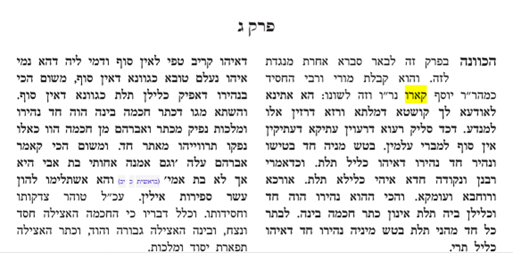
4 – We discussed the זהר, (Reb Akiva Eiger refers to it) that suggests a different answer to the above.
In short- דוד המלך was concerned that this prophecy would not materialize during his life time and the retribution would come to דוד in the עולם האמת.
He began to sing when he realized that his suffering is happening now, in עולם הזה, purifying him to arrive with a ‘clean slate’ in the world to come.
5 –
The success of humans that are less than perfect
The next section in the גמרא is truly tough to comprehend. It is, in a sense, a continuation of the topic of the previous עמוד, where the suffering of the righteous is discussed.
Here the גמרא deals with something even more perplexing – the success of evil people not only in their own personal lives, but more so, in their interaction against others. Others that are ‘better people’.

The גמרא says that if one sees a רשע that is currently successful – stay away from him because it seems that (for whatever reason, at this moment) his מזל is ‘shinning’ and he will be victorious even in a בית דין or, more so, even בידי שמים!
Wow! This is not easy to understand.
6 – We mentioned some examples of this idea such as (תענית כט) not going to court when your opponent is a גוי during חודש of מנחם אב. It is a time when his מזל shines and may cause the יהודי to lose.
Discussed the כהן גדול praying that the suspected murderer should be acquitted. מכות יא ב.
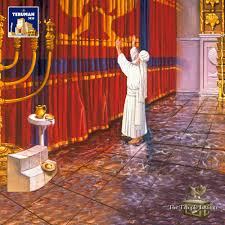
Now how can prayer sway a בית דין? Don’t they rule with pure logic?
It seems that תפילה has the ability to bring out one’s מזל even if this individual is someone that is guilty and unworthy.
As above, this is not an easy topic to understand.
7 – The doubts of a גדול
In relation to the זהר mentioned above we told a story with Reb Yoel Kahan ע”ה.
In 2004 a certain well known גדול passed away and the media was filled with his praise. This individual was truly a great תלמיד חכם and was also known to ‘think out of the box’. His interests were, in addition to תורה, philosophy, classical music etc. Occasionally, despite living a simple and austere life, ‘he enjoyed a glass of fine wine’ etc.
I showed Reb Yoel a collection of articles and comments about this man.
In short, after reading the articles about him, this is what he told me:
The fact that he liked classical music, fine wine, nu nu. One can live with that. Not all גדולים are alike.
But when I came across that this גדול expressed once in while that ‘I am unsure about the validity of the זהר and קבלה’, that is something very disturbing.
Reb Yoel continued: Surely, when קבלה was revealed to the masses (after being cloaked in secrecy for thousands of years), if one would doubt its truth ח”ו, the skepticisms may have been somewhat justified.

However, now, after hundreds of years of קבלה being part of our מסורה, to doubt it, is a very serious matter. How can someone doubt קבלה when the בית יוסף, the רמ”א, מגן אברהם who form the basis of הלכה for every Yid, quote it?!
Doubting the authenticity of קבלה means that they were all fooled by a forgery.
Every Yid says בריך שמה at פתיחת הארון. So what is this ‘גדול’ saying? That this passage is not from a valid source?! It’s a poem written not by Rashbi of his חבריה?
Reb Yoel concluded that in his humble opinion this גדול had much deeper doubts! והמבין יבין.
8 –
The Yeminite ‘Dardayim’.
We discussed the famous sect of Yeminite Jews that were opposed to anything associated with קבלה and mysticism. They named themselves ‘The Dor Daim’ from the words דור דעה. See here. כת הדרדעים. Here.
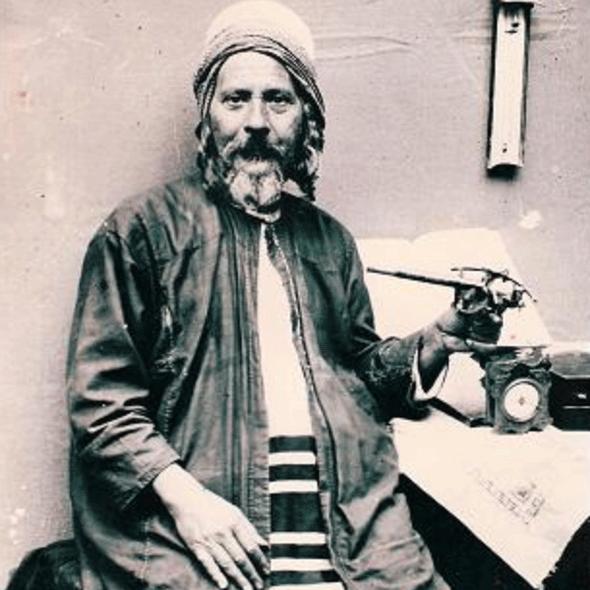
Rabbi Yahya Kapach – Founder
[There is also a group of “Yeke’ German Jews that have similar השקפות, but that is for another Shiur].
ומסיימים בטוב
אך כל ישראל מאמינים בני מאמינים. לקו”א פמ”ב.
————————–
Hebrew notes.
שמות רבי מאיר מדייק בשמא. יומא פג ב.
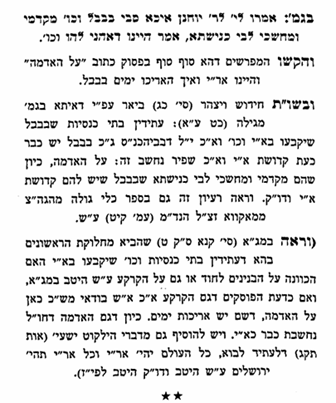
אבשלום. גהש”ס מהזוהר. ג.נ. כת הדרדעים. קפיח.
ב”מ קז, ב.
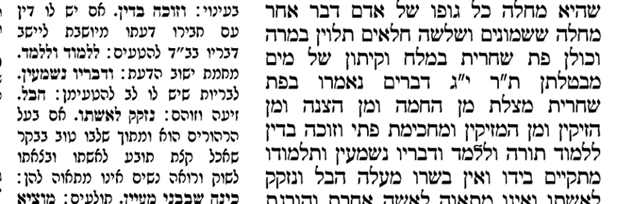
מזל אפילו בדי”ש. מזלו גובר.
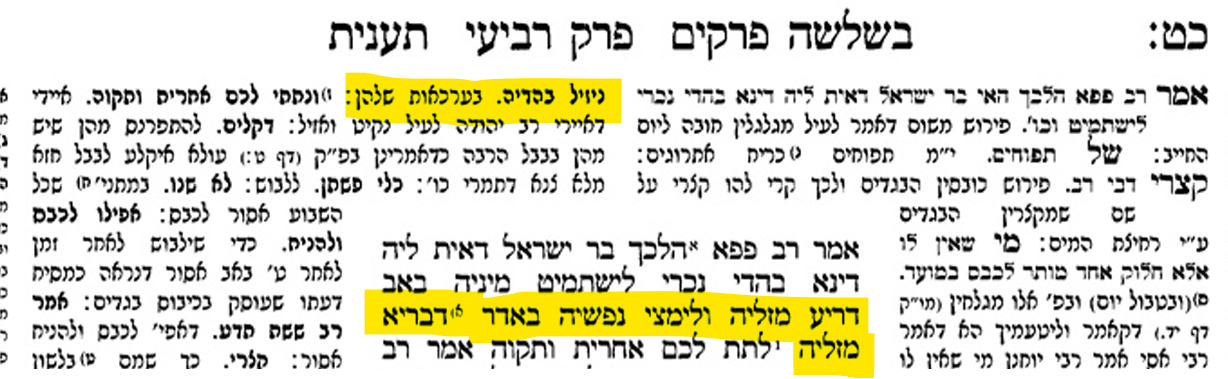
תענית כט – אדר- רש”י ערכאות של נכרים.
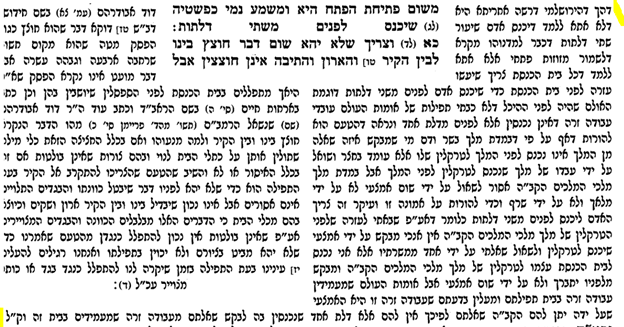
מכות יא ב. כ”ג שנתמנה לפני גמר דינו של הורג בשוגג. מאי הוי”ל למעבד? (הלא לא הי’ כ”ג בעת ההריגה) הי’ לו לבקש רחמים שיגמר דינו לזכות ולא ביקש! י״א שהכוונה שהי׳ לו להתפלל שכל חברי הב״ד ידונו לחובו וע״י״ז יפטר.

אור זרוע לר”צ.











 ?