BSD
Brochos – 13b (3)
Tishrei 11, 5787. 09/22/2026
A few brief notes from last week and this week’s Shiur.
1 – We mentioned that our גמרא is the basis for a fundamental idea in Tanya.
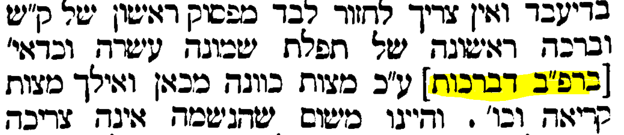
עד כאן מצות כוונה, מכאן ואילך מצות קריאה
Discussed briefly the 6 פרקים spanning from 35-40 where the Alter Rebbe explains how the שכינה comes to dwell in the physical world through practical mitzvot.
Now, chapters 35–37 emphasizes the importance of the מעשה part of תורה ומצוות and chapters 38–40 emphasizes the importance thought and intention כוונה ומחשבה.
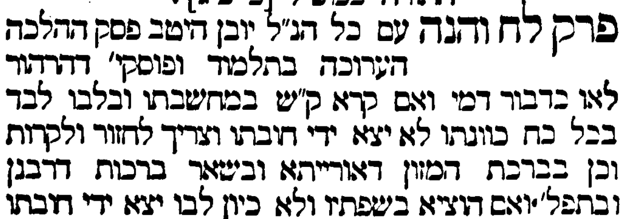
Having established in chapter 35-37 the importance of מעשה בפועל, at the beginning of chapter 38, the Alter Rebbe quotes our גמרא where it says that with מצות that need to be verbalized, כוונה is not מעכב. The exception is with the first פסוק in קריאת שמע and the first ברכה in שמונה עשרה. Thus, we see that מעשה בפועל is the more important part of any מצוה.

כוונה ומחשבה
The Alter Rebbe continues to explains that although just the מעשה המצוה fulfills one’s obligation, however, the כוונה is the mitzvah’s נשמה of the מצוה, without which it is like a body without life.
1b – We discussed what position one should recite the שמע – the meaning of פרקדן – face up or down – and the story of רבה בר בר חנה with one of the מתי מדבר see ב”ב עד and the little people known as כפתורים.
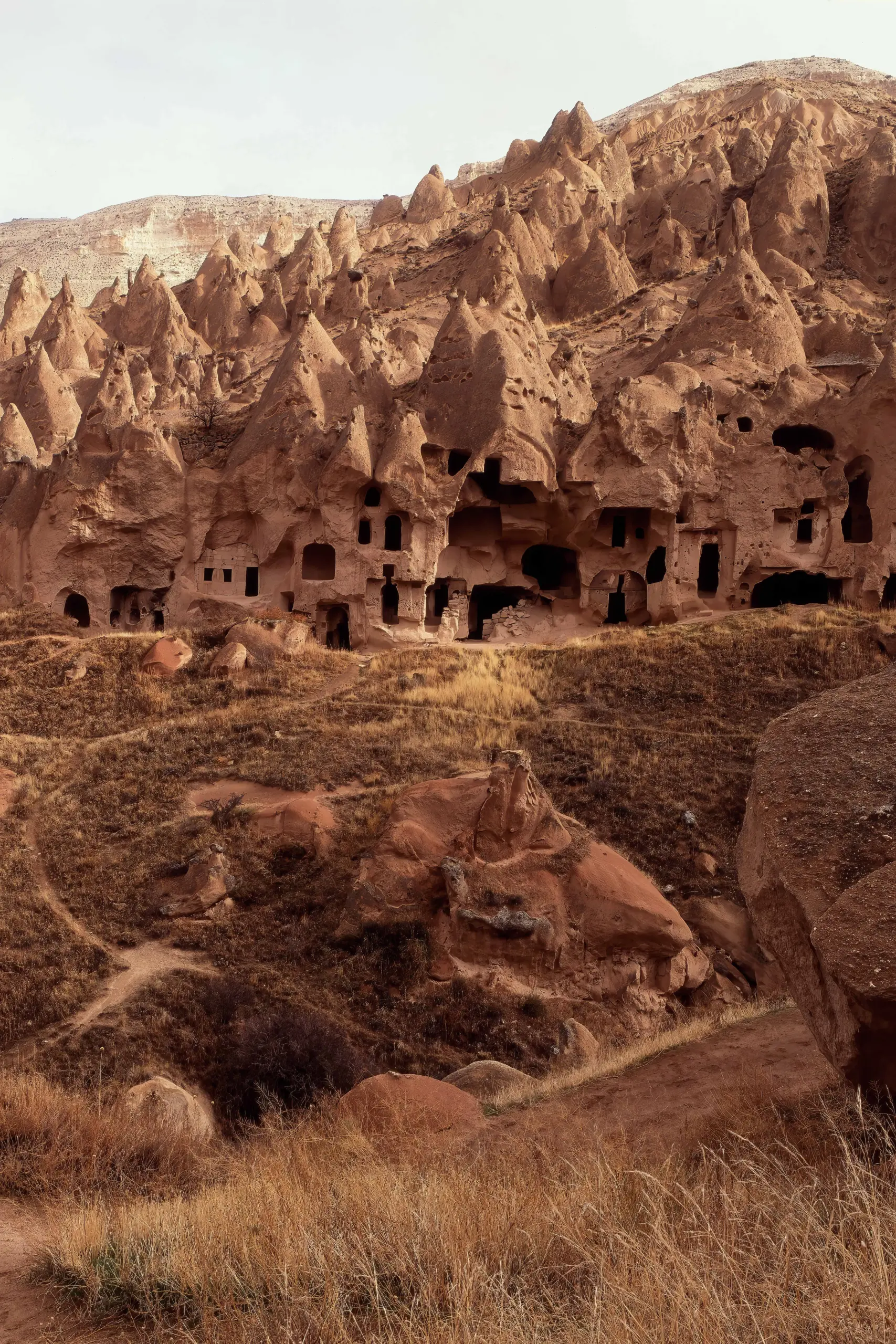
Cappadocia, Turkey
2 – We discussed the תוספות about being מפסיק in middle of קריאת שמע to answer אמן or Kaddish.
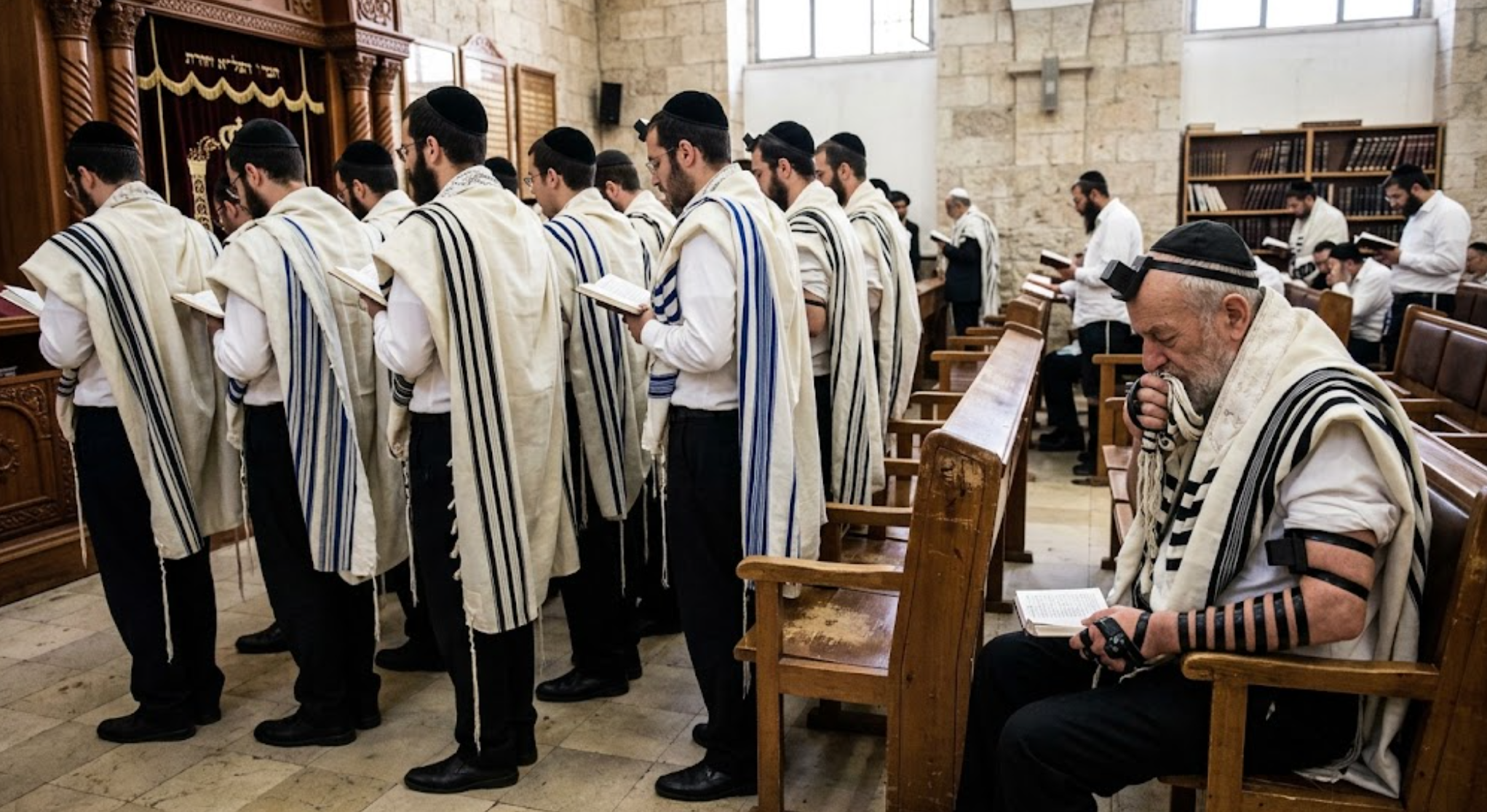
3 – Being מפסיק In the middle of הלל and מגילה.
Mentioned the 3 types of הלל.
1- The original הלל said during שחיטת קרבן פסח. This was recited only בציבור.
2 – הלל said on 21 days a year which is one on the שבע מצוות דרבנן. [Since it can be said ביחידות as well, it is called הלל ביחיד].
3 – Another type of הלל ביחיד is the one that is said only partly – meaning that we skip 2 portions in the middle. This type is said on ראש חודש and חול המועד פסח.
Now, this type 3 הלל is a wide topic on how exactly to describe it and whether one says a ברכה on it.
The opinions vary from ‘no obligation to say it all all’ to a very strong מנהג.
The ברכה issue is also much discussed.
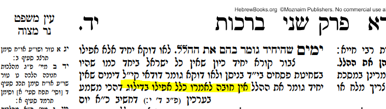
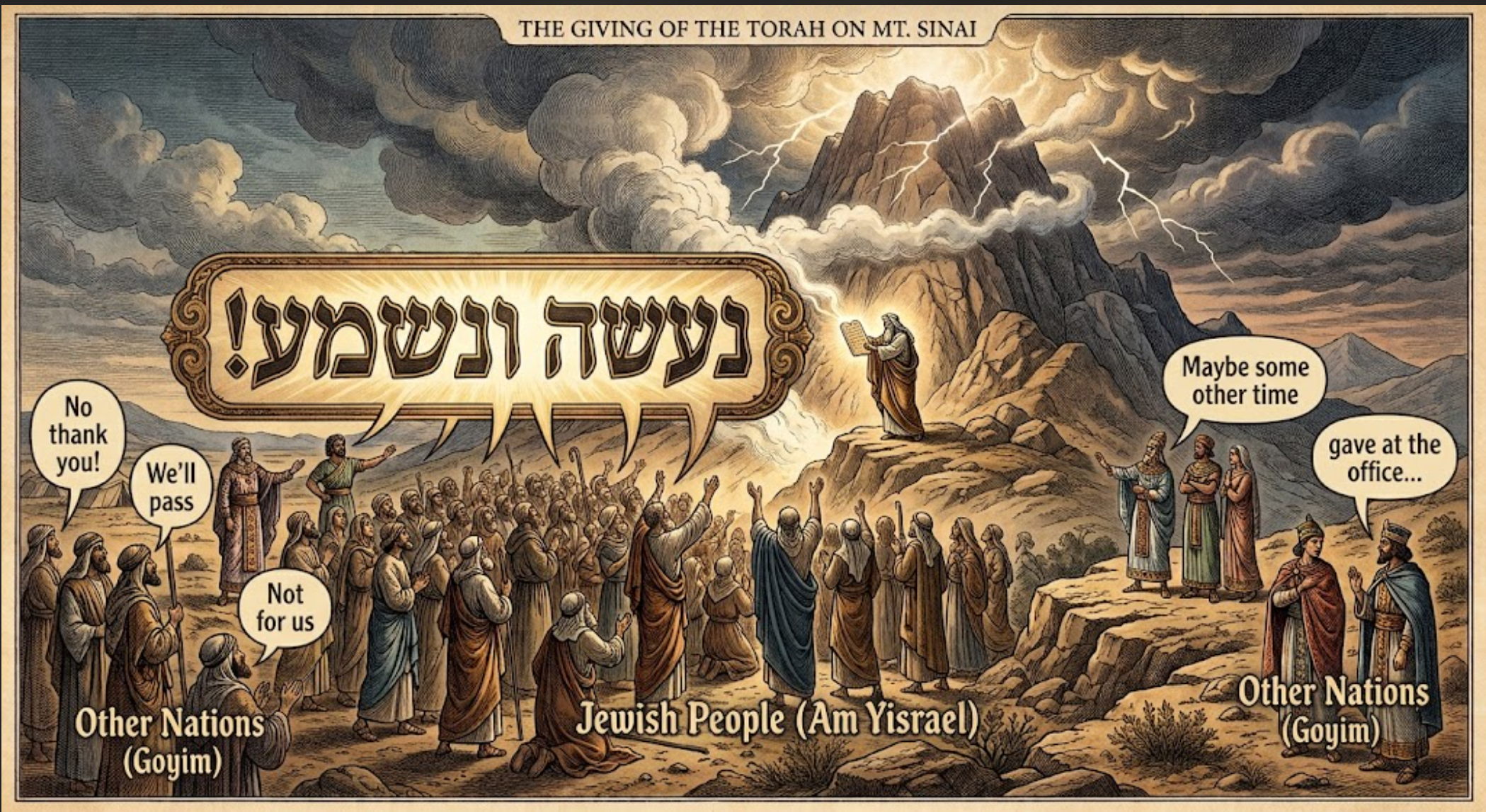
4. We discussed a fascinating רבינו בחיי: Why are משניות written so cryptically? Why wasn’t the תורה given to משה רבינו with a full set of משניות (with the ברטנורא)?
ולא נתן רשות למשה לכתבה כי יהיה בזה גלוי מסתורים ויהיו שאר האומות שלא קבלו התורה ולא רצו בה שוים עם ישראל
5. חסורי מחסרי – והכי קתני – why didn’t the גמרא simply correct the text of the משנה to avoid future confusion and misunderstanding?
We mentioned the תפארת ישראל – in order to assist in the memorization, משניות were repeated in a particular song. The words of every Mishna fit to a particular tune, thereby easing the memorization.
6. Trivia:
When do you say הלל nine days in a row?
When do you say הלל ten days in a row?
(Hint: הלל in Tehillim is יום כ”ד)
To be continued.
Gut Yom Tov to all.