BSD
Brochos 8a (2)
Adar 21, 5786. 03/10/2026
Short notes
1- ״עַל זֹאת יִתְפַּלֵּל כָּל חָסִיד אֵלֶיךָ לְעֵת מְצֹא״
A person needs to pray that when the time comes for him to ‘find’, he should choose well.
‘Find’ what? The גמרא offers a few idea on what this ‘find’ is.
Marriage, Torah, death, burial and restroom.

Prayers: Answered.
אָמַר רִבִּי חֲנִינָא: ״לְעֵת מְצֹא״, זוֹ אִשָּׁה, שֶׁנֶּאֱמַר: ״מָצָא אִשָּׁה, מָצָא טוֹב״
So it means when the time comes to ‘find’ a wife. Then יִתְפַּלֵּל כָּל חָסִיד so it should be טוב; finding a good wife.
On the other hand, we find the word מצא associated with a wife that is less than good.
״וּמוֹצֶא אֲנִי מַר מִמָּוֶת אֶת הָאִשָּׁה״, I find wife that is more painful than death. Ouch.
So basically our גמרא categorizes marriages into two types: מָצָא and מוֹצֶא.
The first refers to a pleasant wife and the second – less than pleasant.

My father was right!
2- It continues by relating an interesting מנהג of ארץ ישראל where after a wedding, people would ask the חתן: ‘so how is your marriage? מָצָא and מוֹצֶא?’
3- We mentioned various דרשות on this topic of מָצָא and מוֹצֶא.
One from the Aruch Laner – מָצָא טוֹב means that it occurs once in a while. מוֹצֶא on the other hand, means that it’s more common…
The חפץ חיים takes issue with the חתן speaking לשון הרע about his wife….
The מהרש”א says that איש equals 311. אשה equals 306. Normally, the husband has an ‘advantage’.
[גמטריא- לשון יווני. תוי״ט אבות ג, יח – ונראה לי שהוא שם מושאל ולקוח מלשון יון שקוראים כן לחכמת המדידה והתשבורת.]
The פסוק says ״וּמוֹצֶא אֲנִי מַר מִמָּוֶת אֶת הָאִשָּׁה״ (I find wife that is more painful than death). Here the אִשָּׁה is הָאִשָּׁה, she also equals 311. That ‘equality’ may cause וּמוֹצֶא אֲנִי מַר מִמָּוֶת אֶת הָאִשָּׁה…
The עין יעקב says that it meant not to ask the חתן how is marriage is working out. Rather is was מוסר offered to a חתן that it’s up to him to create a marriage that is מָצָא אִשָּׁה, מָצָא טוֹב. If he acts improperly then it turns into וּמוֹצֶא אֲנִי מַר מִמָּוֶת אֶת הָאִשָּׁה.

3 – We mentioned the story with רב and his wife. יבמות סג, א.
Rav’s wife would constantly aggravate him. When he would say to her: Prepare me lentils, she would prepare him peas; if he asked her for peas, she would prepare him lentils.
When Ḥiyya, his son, grew up, he would reverse the requests Rav asked him to convey to her, so that Rav would get what he wanted. Rav said to his son Ḥiyya: Your mother has improved now that you convey my requests.
He said to Rav: It is I who reverse your request to her.
Rav said to him: This is an example of the well-known adage that people say: He who comes from you shall teach you wisdom; I should have thought of that idea myself. You, however, should not do so, i.e., reverse my request, as it is stated: “They have taught their tongue to speak lies, they weary themselves to commit iniquity, etc.” If you attribute such a request to me, you will have uttered a falsehood.
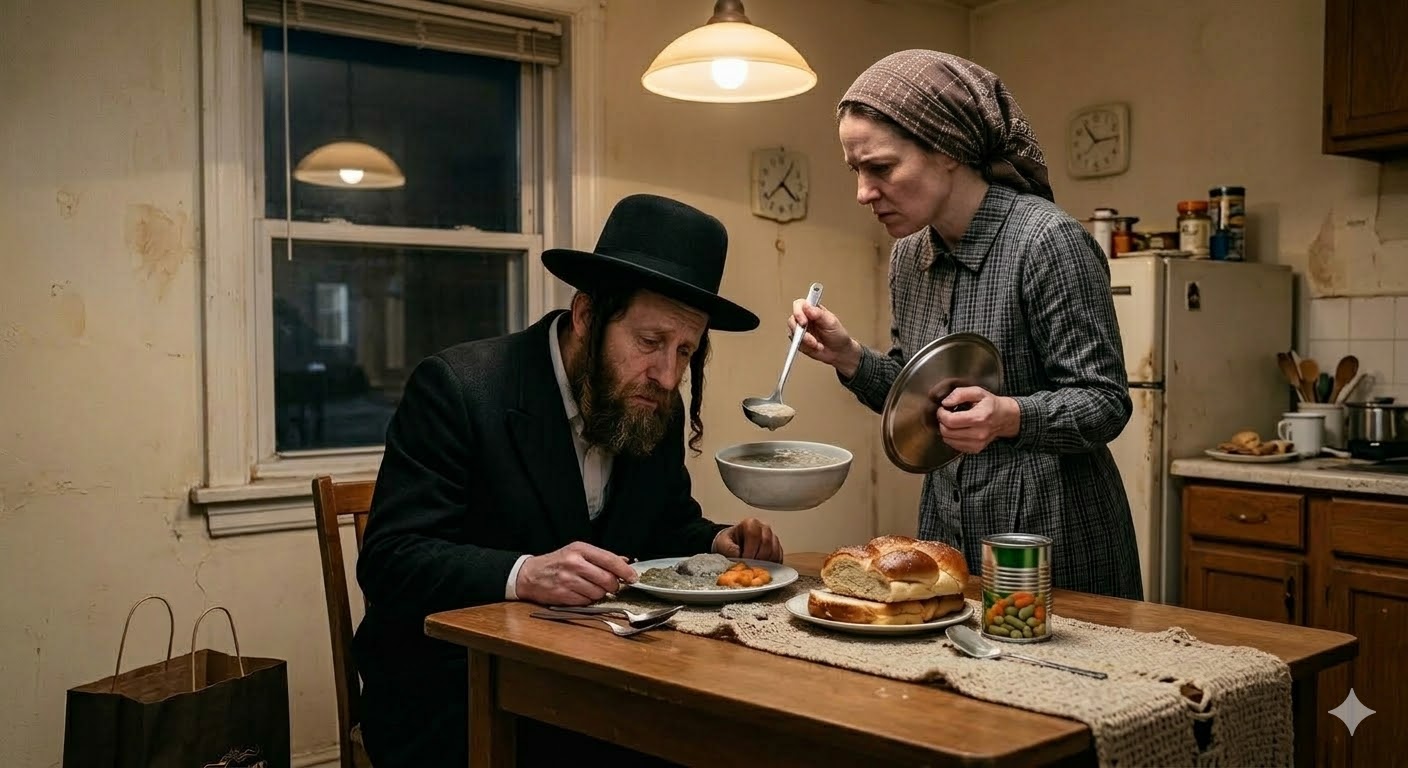
4 – Speaking of more bitter than death, we mentioned what the collector said about his competitor:
‘He should have a sweet death. א גרוזאוויג פון האניג זאל עם איבערפאר’ן….’

5 – The fourth suggestion of the גמרא on the meaning of מצא is burial. A person needs to pray that when the time comes he should have a proper burial. Meaning that nothing should be taken for granted.
This is the source of the famous expression זִיבּוּלָא בַּתְרַיְיתָא.
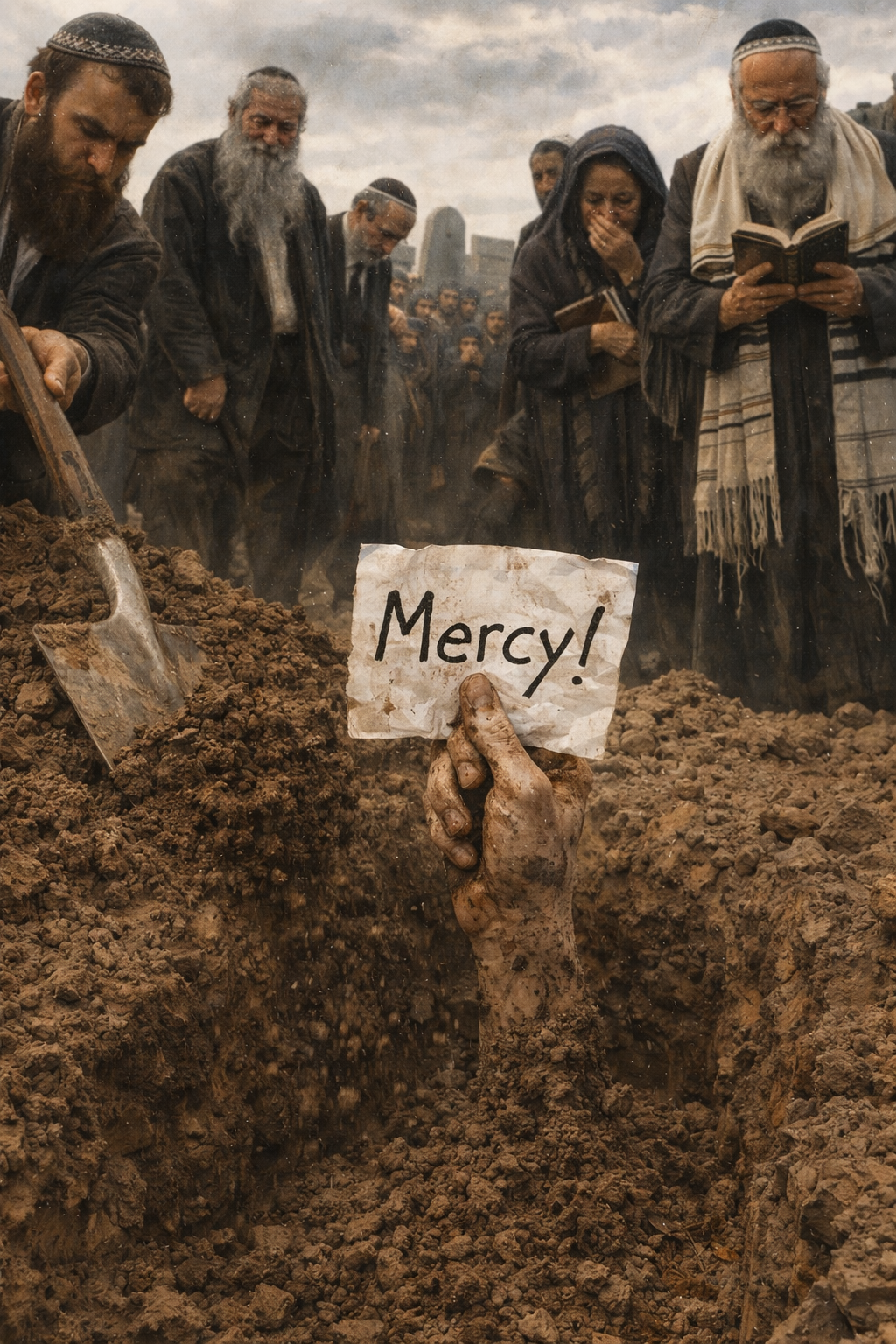
אֲמַר רַבָּה בַּר רַב שֵׁילָא: הַיְינוּ דְּאָמְרִי אֱינָשֵׁי: לִיבְעֵי אֱינַשׁ רַחֲמֵי אֲפִילּוּ עַד זִיבּוּלָא בַּתְרַיְיתָא שְׁלָמָא.
Rabba bar Rav Sheila said, that is the meaning of the folk saying: A person should even pray for mercy until the final shovelful of dirt is thrown upon his grave.
6 – Discussed the topic of a בית מדרש versus a בית כנסת.
7 – The humorous דרשה on the continuation of this פסוק in תהילים.
עַל זֹאת יִתְפַּלֵּל כׇּל חָסִיד אֵלֶיךָ לְעֵת מְצֹא רַק לְשֵׁטֶף מַיִם רַבִּים אֵלָיו לֹא יַגִּיעוּ.
The story of the girls jumping into the water first and the boys copying them. גיטין.

The ruling of the בית דין של מעלה that these girls will ‘control their husbands’….

Thus the prayer that this לעת מצא, a ruling wife – לְשֵׁטֶף מַיִם רַבִּים אֵלָיו לֹא יַגִּיעוּ
עַל זֹאת יִתְפַּלֵּל כׇּל חָסִיד אֵלֶיךָ לְעֵת מְצֹא רַק לְשֵׁטֶף מַיִם רַבִּים אֵלָיו לֹא יַגִּיעוּ
ומסיימין בטוב.
😀
—————
Hebrew notes.
יבמות סג, א. רב ובנו.
מצא, מוצא את האשה. האשה בגמט׳ איש, כלומר שמושלת עליו. מהרש״א.
מצא, לעיתים רחוקים. מוצא, יותר מצוי. ערל״נ.
עין יעקב- כל הכוונה היא לתת מוסר לחתן שאם יתנהג עפ״י תורה יזכה למצא.
גר״א – אין הכוונה לפסוק. רק מצא לשון עבר. כי כשטוב לאדם מקצר ואומר טוב, וזה הוא, מצא. אבל כשלא טוב לו ממשיך תמיד, מוצא.
חפץ חיים- אשה רעה כולם יודעים כבר ואין בזה לשה״ר…
זו מיתה. gruzovik של דבש.
לשטף מים רבים.