Shiur Brochos 7a (3) – Shvat 2, 5786 01/20/2026

BSD

Brochos 7a (3)

Shvat 2, 5786. 01/20/2026

1- Our גמרא offers a lesson in psychology:

אֲמַר רִבִּי יוֹחָנָן מִשּׁוּם רִבִּי יוֹסֵי: טוֹבָה מַרְדּוּת אַחַת בְּלִבּוֹ שֶׁל אָדָם יוֹתֵר מִכַּמָּה מַלְקֻיּוֹת, וְרֵישׁ לָקִישׁ אָמַר: יוֹתֵר מִמֵּאָה מַלְקֻיּוֹת.

And Rabbi Yoḥanan said in the name of Rabbi Yosei: A single regret or pang of guilt in one’s heart is preferable to many lashes administered by others that cause only physical pain.  Remorse is more effective than any externally imposed punishment.  Reish Lakish said it seems that such remorse is preferable to one hundred lashes.

1+ Thousand Jew Crying Royalty-Free Images, Stock Photos & Pictures | Shutterstock

The גמרא is saying that one’s self reflection is more effective than 100 rebukes by others.

2 – We touch on the history of the Novardoker Mussar movement. Here. Here. A type of ביטול was practiced where there was an עבודה of walking into a pharmacy and asking to purchase nails. The rebuke from the pharmacist ‘are you crazy’ would be what the בחור wanted to hear.
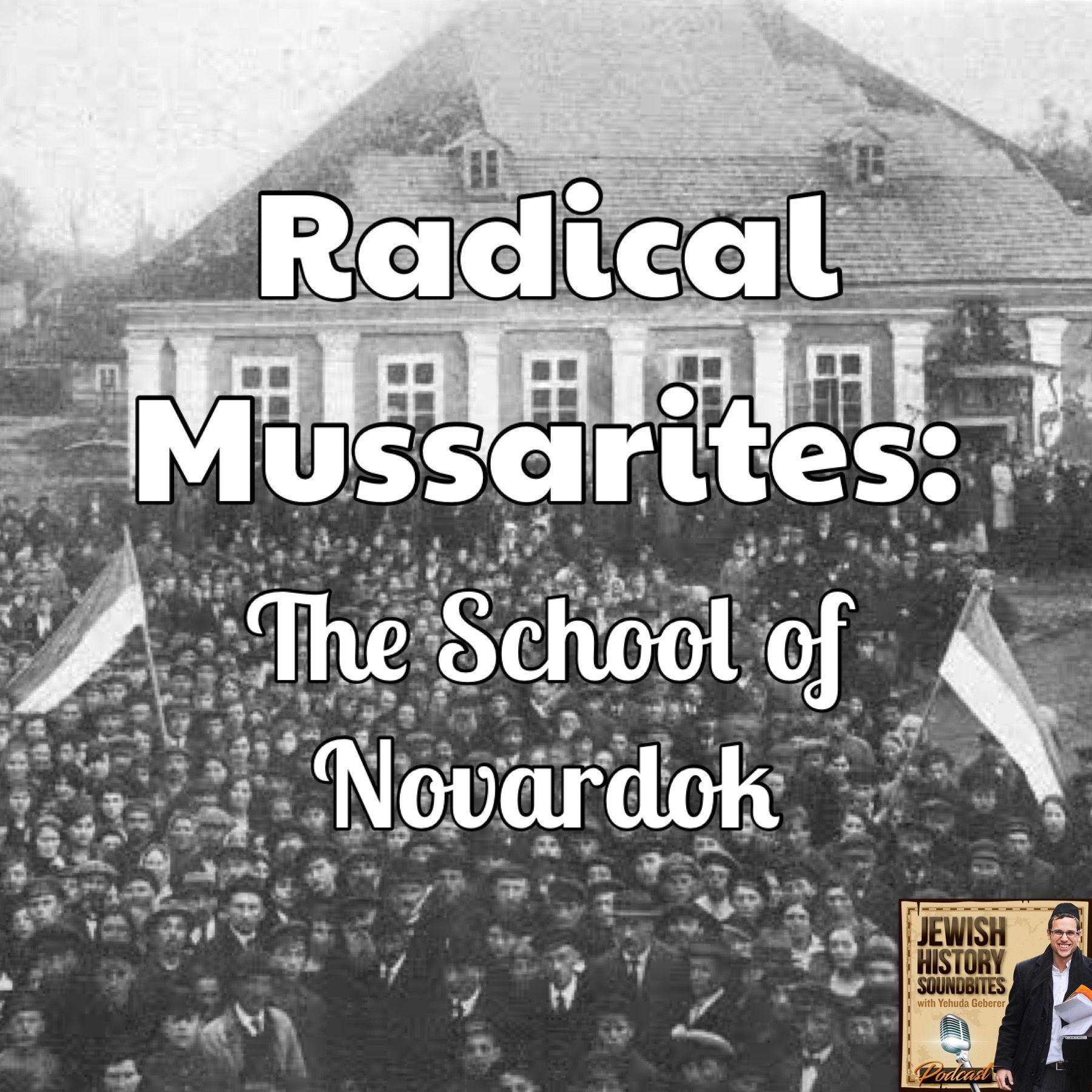
Radical Mussarites: The School of Novardok | Jewish History Soundbites

Story of the Novardoker immigrant who walked into a CVS asking for nails….

3 – Mentioned the explanation on the word ראומה. Bereishis 22, 24. see here from the Mittler Rebbe, וש”נ.

וּפִֽילַגְשׁ֖וֹ וּשְׁמָ֣הּ רְאוּמָ֑ה וַתֵּ֤לֶד גַּם־הִוא֙ אֶת־טֶ֣בַח וְאֶת־גַּ֔חַם וְאֶת־תַּ֖חַשׁ וְאֶֽת־מַעֲכָֽה׃

And his פלגש , whose name was Re’umah, she, too, bore Tevach, Gacham, Tachash and Ma’akhah.

In general the word מה  symbolizes true ביטול. However רְאוּמָ֑ה means ביטול accompanied with a ראו, ‘look and see how great is my ביטול’….


תיקון חצות – If only someone would walk by and see…

והנה הרבותא היא על שבת תתאה שהוא ביטול היש שגם זה אינו אלא בחי’ תשמרו דהיינו שצ”ל שלא יהיה ביטול זה גופא בבחי’ יש שהוא ביטל עצמו ע”י כחו (וכמ“ש ופלגשו ושמה ראו מ“ה שעושה יש ודבר מהביטול והוא שרש השתלשלות והתהוות היש גשמי דסט”א כו’).

לקו“ת ויקרא מג, א.

4 – The next piece of the גמרא is one that we are familiar with.

בִּקֵּשׁ לְהוֹדִיעוֹ דְּרָכָיו שֶׁל הַקָּדוֹשׁ בָּרוּךְ הוּא, וְנָתַן לוֹ, שֶׁנֶּאֱמַר: ״הוֹדִיעֵינִי נָא אֶת דְּרָכֶיךָ״ (שמות ל״ג:י״ג). אָמַר לְפָנָיו: רִבּוֹנוֹ שֶׁל עוֹלָם, מִפְּנֵי מָה יֵשׁ צַדִּיק וְטוֹב לוֹ וְיֵשׁ צַדִּיק וְרָע לוֹ, יֵשׁ רָשָׁע וְטוֹב לוֹ וְיֵשׁ רָשָׁע וְרָע לוֹ?

To understand the back and forth of this dialogue we segmented it.

A- The Questions:

בִּקֵּשׁ לְהוֹדִיעוֹ דְּרָכָיו שֶׁל הַקָּדוֹשׁ בָּרוּךְ הוּא, וְנָתַן לוֹ, שֶׁנֶּאֱמַר: ״הוֹדִיעֵינִי נָא אֶת דְּרָכֶיךָ״ (שמות ל״ג:י״ג). אָמַר לְפָנָיו: רִבּוֹנוֹ שֶׁל עוֹלָם, מִפְּנֵי מָה יֵשׁ צַדִּיק וְטוֹב לוֹ וְיֵשׁ צַדִּיק וְרָע לוֹ, יֵשׁ רָשָׁע וְטוֹב לוֹ וְיֵשׁ רָשָׁע וְרָע לוֹ

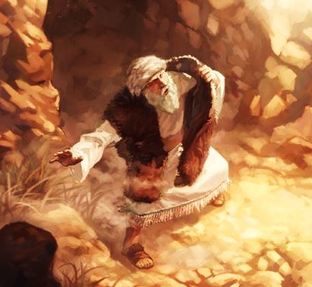
In short: Why do the righteous suffer and the wicked prosper?
My Goodness - Random Groovy Bible Facts

״הוֹדִיעֵינִי נָא אֶת דְּרָכֶיךָ״

B- 1st answer: – צדיק בן צדיק. A צדיק’s  suffering is  because of his father’s sins.

C – The rebuttal: Sins are non-transferable.


D – The answer: As per the מהרש”א, the suffering of the צדיק שאינו גמור צדיק ורע לו are attributed to the small amount of his עבירות. The pleasures of עולם הזה enjoyed by רשע וטוב לו  – רשע שאינו גמור are attributed as payback for the small amount of מצוות.

Maharsho:

צדיק ורע לו צדיק שאינו גמור כו’. ועל כן רע לו על מיעוט עונותיו כדי לזכותו בעה”ב ובהיפך ברשע שאינו גמור שטוב לו בעוה”ז כדי שיקבל שכרו על מיעוט זכיותיו .ולטרדו בעולם הבא כמו שאמרנו ומשלם לשונאיו על פניו ועיין בזה במפרשים:

E – קבלה explanation. צדיק ורע לו means he’s a גלגול. We discussed this at length.

F – זהר. Tanya.  Inner meaning.

These 5 levels are (also) the measure of the טוב ורע within each person.

G – Reb Meir’s opinion. All the above is beyond human comprehension!  Rashi & Ramban (see  הקדמה רמב”ן to איוב).

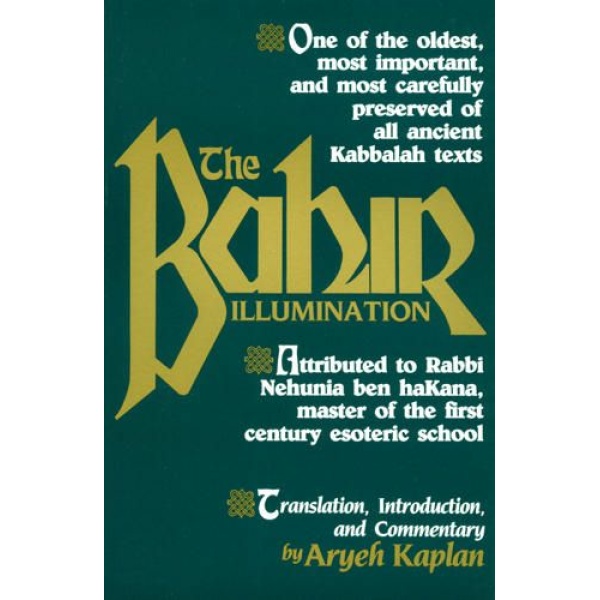
5 – In relation to Gilgulim (E above)  the answer to the age old question as to ‘Why do righteous suffer’ according to the ספר הבהיר is that it is caused by unfinished issues in a previous גלגול.

The Bahir Illumination - by Aryeh Kaplan - Mekor Judaica

Mentioned Reb Arye Kaplan ע”ה, (a prolific author that unfortunately passed away at a very young age) and his English translation of the ספר הבהיר. See here.

some of the Sefarim by R Aryeh Kaplan

6 – Discussed the various opinions of the מקובלים on how many times does/can one come back to rectify what occurred at an earlier incarnation. 3, 4 or even 1000!

Mentioned the ספר ציוני פרשת וישב

7 – More on גלגולים.

  • Spoke about the opinion of some that were skeptical the to entire concept of גלגולים.
  • After the Ariza”l it was basically universally accepted.
  • ספר הגלגולים. שער הגלגולים.
  • Alter Rebbe in Tanya. 19. IG”H 19 & 29.
  • Our generation are גלגולים of the דור המדבר.
  • Every person needs to come back until he does all the 613 מצוות.
  • The נודע ביהודה. See נוב”י יו”ד תנינא קסד.

8 – The opinion of Reb Meir – don’t even try to hack into G-D’s computer…it’s beyond us.

According to Rabbi Meir, the way in which השם conducts the world and bestows good and better was not revealed even to משה רבינו.

——————————

Notes in Hebrew.

ה’ חלוקות – רבי יוסי-

א- השאלה היא בגשמיות על צרת הצדיק ר”ל.

ב- תירוץ – צדיק בן צדיק.

ג- פירכא – לא מענישים זע”ז.

ד- תירץ – טוב לו – גמור. רע לו – שאינו גמור, כפירוש המהרש”א לענין שכר ועונש בעוה”ז. .

ה- צדיק ורע לו. גילגולים. ספר הבהיר קצ”ה.

ו- זהר, לקו”א. הכוונה היא לא על גשמיות כ”א על נפשו. רע לו- שהרע בטול לטוב. (אבל ראה בקיצורים מהצ”צ).

ז – גילגולים – בכללות: רס”ג. זהר. לקו”א לט. אגה”ק יט וכט. בזה”ז דור המדבר.

ציוני וישב: מחלוקת כמה פעמים. (רש”ש ב”מ, קז, א.) נוב”י יו”ד תנינא קסד.

ח- רבי מאיר – א”א להבינו. רש”י ורמב”ן.


Shiur Brochos 7a (2) – Teves 24, 5786 – 01/14/2026

BSD

Brochos 7a (2)

Teves 24, 5786. 01/14/2026

Short notes.

1 – The famous גמרא:

היום, כ"ה בסיון, יום עלייתו השמימה של ר' ישמעאל בן אלישע כהן גדול, אחד מעשרת הרוגי מלכות. - תניא: אמר רבי ישמעאל בן אלישע: פעם אחת נכנסתי להקטיר קטורת לפני ולפנים, וראיתי

תַּנְיָא: אָמַר רִבִּי יִשְׁמָעֵאל בֶּן אֱלִישָׁע: פַּעַם אַחַת, נִכְנַסְתִּי לְהַקְטִיר קְטוֹרֶת לִפְנֵי וְלִפְנִים, וְרָאִיתִי אַכְתְּרִיאֵל יָהּ ה׳ צְבָאוֹת, שֶׁהוּא יוֹשֵׁב עַל כִּסֵּא רָם וְנִשָּׂא, וְאָמַר לִי: יִשְׁמָעֵאל בְּנִי, בָּרְכֵנִי! אָמַרְתִּי לוֹ: יְהִי רָצוֹן מִלְּפָנֶיךָ שֶׁיִּכְבְּשׁוּ רַחֲמֶיךָ אֶת כַּעֲסֶךָ, וְיִגּוֹלוּ רַחֲמֶיךָ עַל מִדּוֹתֶיךָ, וְתִתְנַהֵג עִם בָּנֶיךָ בְּמִדַּת הָרַחֲמִים, וְתִכָּנֵס לָהֶם לִפְנִים מִשּׁוּרַת הַדִּין. וְנִעְנַע לִי בְּרֹאשׁוֹ. וְקָא מַשְׁמַע לַן שֶׁלֹּא תְּהֵא בִּרְכַּת הֶדְיוֹט קַלָּה בְּעֵינֶיךָ.

Rabbi Yishmael ben Elisha, the High Priest, said: Once, on Yom Kippur, I entered the the Holy of Holies, to offer incense, and in a vision I saw Akatriel Ya, the Lord of Hosts, one of the names of God expressing His ultimate authority, seated upon a high and exalted throne (see Isaiah 6). And He said to me: Yishmael, My son, bless Me. I said to Him the prayer that God prays: “May it be Your will that Your mercy overcome Your anger, and may Your mercy prevail over Your other attributes, and may You act toward Your children with the attribute of mercy, and may You enter before them beyond the letter of the law.” The Holy One, Blessed be He, nodded His head and accepted the blessing. This event teaches us that you should not take the blessing of an ordinary person lightly. If God asked for and accepted a man’s blessing, all the more so that a man must value the blessing of another man.

2- We touched upon the meaning of אַכְתְּרִיאֵל יָהּ ה׳ צְבָאוֹת. It seems, as many point out, that this is not referring to a particular מלאך, because even מלאכים could not be present during this time in the קודש הקדשים. So it must mean one of the many names of השם.

IRAQI HEBREW WOMAN'S AMULET.

Iraqi קמיע – Amulet 

3 –  וְקָא מַשְׁמַע לַן שֶׁלֹּא תְּהֵא בִּרְכַּת הֶדְיוֹט קַלָּה בְּעֵינֶיךָ – A man must value the blessing of another man. Even if the one giving the blessing is a הדיוט.


We mentioned an interesting idea by the נצי”ב. (Megilah 15) Our גמרא’s הדיוט means a goy! Because a blessing from any Yid is a given that it is effective.

He quotes a מדרש that ‘it was due to the ברכות by the women to רות on her wedding day to בועז  that the dynasty of דוד המלך survived in the days of Atalia’. (see story here and here)

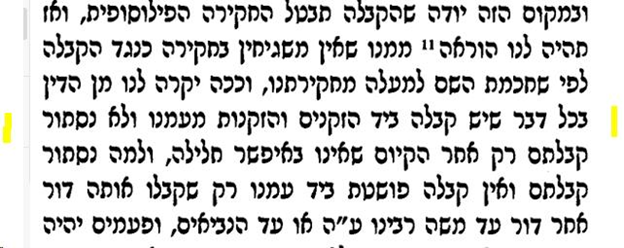
The Rebbe mentioned many times, (here page 378. and here) words of the רשב”א that any מנהג that is popular amongst בני ישראל, even if the source is from זקנים וזקנות, it is part of Torah and must be adhered to. (Unless we find another source or הלכה that contradicts it).

The fact that it is a non disputed and popularly practiced  מנהג, is proof that it traces back to משה רבינו!

שו”ת הרשב”א א, ט

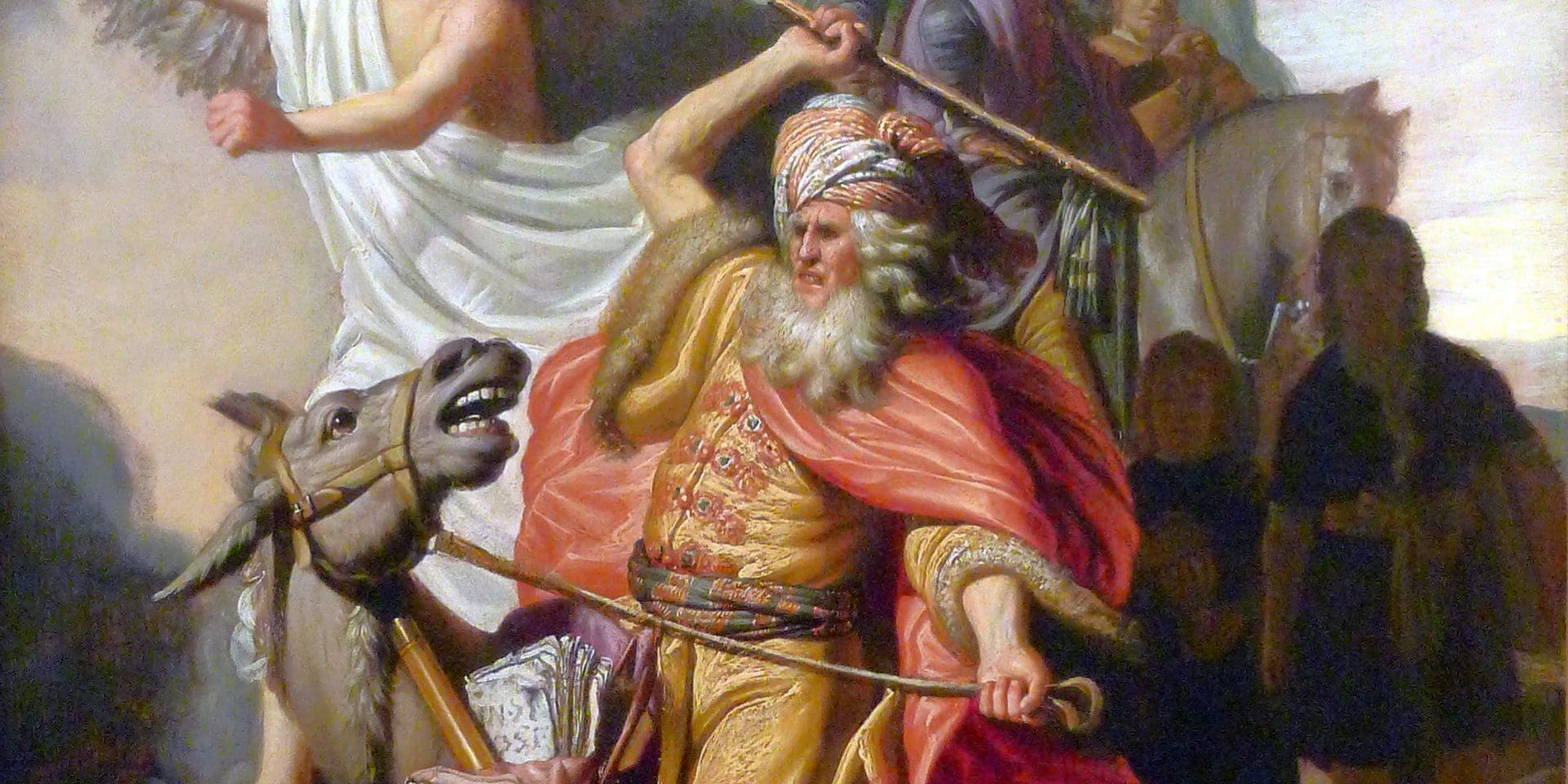
4 – The story with בלעם’s attempted curses. The גמרא discusses the fleeting seconds when there is כעס – anger למעלה , that בלעם was (in theory) able to latch on to and curse effectively.

Understanding Balaam, Part II – Bible Discovery TV

השם made sure that on those days of the story with בלעם, there was no anger למעלה.

Various seconds or milliseconds are discussed.

Bottom line is that it lasts as long as it takes to say the word  רגע.

Zeptosecond - the smallest time unit ever measured - BBC Newsround

See the גמרא that says that anyone can use a rooster to figure out when this occurs…..

וְאֵימַת רָתַח? אֲמַר אַבַּיֵי: בְּהָנָךְ תְּלָת שָׁעֵי קַמַּיְיתָּא, כִּי חִיוָּרָא כַּרְבַּלְתָּא דְּתַרְנְגוֹלָא וְקָאֵי אַחַד כַּרְעָא.

The Gemara asks: When is the Holy One, Blessed be He, angry? Abaye said: God’s anger is revealed through animals. During the first three hours of the day, when the sun whitens the crest of the rooster and it stands on one leg. When it appears that its life has left him and he suddenly turns white, that is when God is angry.

5 – Famous Tosfos that discusses what could have בלעם cursed when this time is so minute?

The first answer is that he could have said ‘obliterate’ כַלֵּ֑ם.

The second answer is that once he began to curse, at that exact second, he could have continued and it would ח”ו have been calamitous.

So the trick is to begin on time.

6 – We spoke about the Rebbes of פשיסחה. The first, Reb Yaakov Yitzchak Rabinowicz of Peshischa  and his successor  Reb Simcha Bunim of Peshischa (Bonhardt).

Jew of the Week: Simcha Bunim of Peshischa | Jew of the Week

שמחה בונם מפשיסחה

The first is known as the  הייליגער ייד – ‘The Holy Jew’ par excellence.

We discussed briefly their unique Chassidus style and mentioned that the שפת אמת writes that the יהודי הקדוש would elevate himself on a daily basis. Each day was higher ברוחניות than the previous one, and not on a gradual scale, but with a daily gigantic leap; today was way and above yesterday’s קדושה. A daily transformative journey.


This new level of today, in comparison to yesterday’s, was similar  to the elevation of a goy converting to be a Yid!!!

שפת אמר במדבר עה”פ ויתילדו.

We spoke briefly about his תלמיד the Koktzker Rebbe, the Gerer Chassidim and their  חסידישע unconventional ways that were sharply curtailed by the אמרי אמת.

7 – Now, Reb Tzvi Arye Fromer (we mentioned him in the past) quotes an explanation, from Reb Yaakov Yitzchak  of Peshischa, on the מנהג  of many Chassidim to Daven late.

At first glance it is against the Shulchan Aruch that states quite clearly that one must Daven שחרית before the first third of the day and at the latest until חצות. Afterwards, one is not allowed to Daven.

Says the פשיסחה Rebbe, if one starts before the end of the זמן, there is no issue with continuing into the time after the זמן. What is important is the start time.

His proof is from the above Tosfos. All  בלעם needed to do was to grasp that fleeting second and begin to curse. Starting on time allows one to continue even past the allotted time.

Similarly in תפילה, once one begins to Daven בזמן he can continue way past that allotted time.

שו”ת ארץ צבי ח”א סו”ס קלא.

What does ‘begin to Daven’ mean? Learning Chassidus? Drinking coffee as a הכנה would be a bit of a stretch….

We mentioned that this proof from Tosfos, that it matters when one begins, is also found in the Litvishe world as per the ערוך השולחן קי ה.

8 – Despite the above, from the Peshischa and the ערוך השלחן, it is quite obvious that the הלכה does not follow this idea.

We mentioned a few examples where it states quite clearly that the entire שחרית must be finished before חצות.

Here is one.

9 – To end on a humorous note, we mentioned last week the story with the שדכן and his apprentice…. !אהא! א הויקער…

Hunchback character illustration Stock Photo - Alamy

——————

We finished with the story that occurred at the Rebbe’s table upstairs in 770.  Reb Zalman Teibel, after introducing the popular melody of אנא אנא עבדא, attempted to teach another tune.  See here.

For further reading on the topic of Davning after the זמן see here.

הלכה ומנהג – תפילת שחרית לאחר חצות

Shiur Brochos – 6b (3) – 7aץ Teves 17, 5786 – 01/06/2026

BSD

Brochos 6b (3) – 7a

Teves 17, 5786. 01/06/2026

1- We concluded the topic of the importance of תפילת המחנה with a few observations:

a – What is the definition of  וַיְהִי בַּעֲלוֹת הַמִּנְחָה mentioned in the story with אליהו הנביא?

וַיְהִי בַּעֲלוֹת הַמִּנְחָה וַיִּגַּשׁ אֵלִיָּהוּ הַנָּבִיא וַיֹּאמַר, יְהֹוָה אֱלֹהֵי אַבְרָהָם יִצְחָק וְיִשְׂרָאֵל הַיּוֹם יִוָּדַע כִּי אַתָּה אֱלֹהִים בְּיִשְׂרָאֵל וַאֲנִי עַבְדֶּךָ, וּבִדְבָרְךָ עָשִׂיתִי אֵת כׇּל הַדְּבָרִים הָאֵלֶּה.

It seems that there was no קרבן מנחה, but it was the time of Mincha.


b – These are the פסוקים we discussed.

עֲנֵנִי יְהֹוָה עֲנֵנִי וְיֵדְעוּ הָעָם הַזֶּה כִּי אַתָּה יְהֹוָה הָאֱלֹהִים, וְאַתָּה הֲסִבֹּתָ אֶת לִבָּם אֲחֹרַנִּית.

וַתִּפֹּל אֵשׁ יְהֹוָה וַתֹּאכַל אֶת הָעֹלָה וְאֶת הָעֵצִים וְאֶת הָאֲבָנִים וְאֶת הֶעָפָר, וְאֶת הַמַּיִם אֲשֶׁר בַּתְּעָלָה לִחֵכָה.

וַיַּרְא כׇּל הָעָם וַיִּפְּלוּ עַל פְּנֵיהֶם, וַיֹּאמְרוּ יְהֹוָה הוּא הָאֱלֹהִים יְהֹוָה הוּא הָאֱלֹהִים.

c – We mentioned a very sharp saying (popular amongst some) that a great Rebbe once said that prior to the coming of משיח there will be a similar situation. The good versus the bad will face off in a public debate, just like in the time of אליהו הנביא. The fire will come down to the ‘other side’ casing a difficult נסיון and we should remember not to be fooled and despite the fire pointing to the קליפות, stick with our אמונה.

ובספר ‘קול יעקב’ (לרבי יעקב טיטלבוים תלמיד מרן רבי מאיר אריק זצוק”ל, עמ’ פב’) הביא מה ששמע בשם הרבי מרוז’ין שאמר: ” תדעו יהודים שלפני ביאת המשיח יחזור על עצמו הדבר שהיה בהר הכרמל שירד אש מן השמים לאלי’ הנביא. אלא, שלעתיד לבוא האש ירד לנביאי הבעל, ויצטרכו לטפס על קירות חלקים כדי להחזיק עצמם באמונה”.

d – The גמרא continues to explain the double wording of אליהו’s Davning. ענני x 2.

עֲנֵנִי יְהֹוָה עֲנֵנִי

מלמד שאמר אליהו לפני הקב”ה רבש”ע ענני שתרד אש מן השמים ותאכל כל אשר על המזבח וענני שתסיח דעתם כדי שלא יאמרו מעשה כשפים הם

The first עֲנֵנִי was for the fire to come down. The second עֲנֵנִי   was a prayer that people should not attribute the fire to כשפים.

Fire from Heaven Is a Problem for Mohammad - [Revelation-Now]

Many מפרשים ask, true, אליהו payer is  part of the story, but why place it here when discussing  the importance of מנחה.

Mentioned the בני יששכר (See מאמרי השבתות ח, טו) that explains the words

לְעוֹלָם יְהֶא אָדָם זָהִיר בִּתְפִלַּת הַמִּנְחָה, שֶׁהֲרֵי אֵלִיָּהוּ לֹא נַעֲנָה אֶלָּא בִּתְפִלַּת הַמִּנְחָה,

During the week, afternoons in general, are a time of גבורה, as opposed Shabbos when it is רעווא דרעווין


רעווא דרעווין

The לעולם means to say that even during the week, when there is ‘opposition- דין’,  it’s important to daven מנחה, as we see in the story above with אליהו בהר הכרמל.

But, asks the בני יששכר, perhaps the story with אליהו הנביא occurred on Shabbos! So where do we see the importance of מנחה even during the week?

[Boaz mentioned that the בני יששכר’s Yor Tzeit was tonight! See here]

To answer this question, the גמרא inserts here the second part, explaining the double ענני.

שלא יאמרו מעשה כשפים הם

אליהו was concerned that people would not be convinced that it was a נס and would attribute it to כישוף.

But says the  בני יששכר, on Shabbos כישוף is not effective!

“כישוף doesn’t work on Shabbos!”

So the story must have occurred mid week. Thus the

לְעוֹלָם יְהֶא אָדָם זָהִיר בִּתְפִלַּת הַמִּנְחָה  – even during the week.

[If כישוף is not effective on Shabbos is a large topic on its own]

e – We mentioned the Ariza”l that says that אדם הראשון’s first מנחה was accompanied by תשובה on the sin of the עץ הדעת. Thus the importance of this תפילה.

2 – The famous גמרא:

וַאֲמַר רִבִּי חֶלְבּוֹ אֲמַר רַב הוּנָא: כָּל הַנֶּהֱנֶה מִסְּעוּדַת חָתָן וְאֵינוֹ מְשַׂמְּחוֹ עוֹבֵר בַּחֲמִשָּׁה קוֹלוֹת, שֶׁנֶּאֱמַר: ״קוֹל שָׂשׂוֹן וְקוֹל שִׂמְחָה, קוֹל חָתָן וְקוֹל כַּלָּה, קוֹל אוֹמְרִים הוֹדוּ אֶת ה׳ צְבָאוֹת״ ירמיהו ל״ג:י״א.

And Rabbi Ḥelbo said that Rav Huna said: Anyone who benefits from the feast of a groom but does not cause him to rejoice violates the ‘five voices’

 וְאִם מְשַׂמְּחוֹ, מַה שְּׂכָרוֹ? אֲמַר רִבִּי יְהוֹשֻׁעַ בֶּן לֵוִי: זוֹכֶה לַתּוֹרָה, שֶׁנִּתְּנָה בַּחֲמִשָּׁה קוֹלוֹת, שֶׁנֶּאֱמַר: ״וַיְהִי בַיּוֹם הַשְּׁלִישִׁי בִּהְיוֹת הַבֹּקֶר, וַיְהִי קוֹלוֹת וּבְרָקִים וְעָנָן כָּבֵד עַל הָהָר, וְקוֹל שׁוֹפָר וְגוֹ׳ וַיְהִי קוֹל הַשּׁוֹפָר וְגוֹ׳ וְהָאֱלֹהִים יַעֲנֶנּוּ בְקוֹל״ שמות י״ט:ט״ז.

What is his reward if he causes the groom to rejoice? He is privileged to acquire the Torah, which was given with five voices,

Original Oil Painting: Hasidic Dance by Alex Levin

We related the story of the special Farbrengen by the Rebbe on the Shabbos שבע ברכות of Reb Dovid Schochet ע”ה.

Harav Dovid Schochet A”H: A Firm & Compassionate Rav - Chabadinfo.com

Printed in Likutei Sichos 6, 107  It’s a very deep שיחה explaining the חמישה קולות.

See also here מאמר of the previous Rebbe on this גמרא.

3 – Mentioned the טעמי המנהגים that writes that the potential violation of enjoying a wedding (when paid by the חתן) and not adding any שמחה to the bride and groom, caused the the מנהג to be that the father of the bride pays for the wedding.

Speaking of the טעמי המנהגים, we mentioned the last few pages in this Sefer where various remedies and סגולות are enumerated.

Some have of them conclude with  בדוק ומנוסה. Tested and verified.

Story of the fellow who read in a ספר that ‘anyone whose beard is longer than a טפח is a fool’ טיפש ….so every morning he would check in the mirror to see if his beard is longer than a טפח.  From so much daily pulling and yanking, lo and behold, he saw some hair strands sticking out of his טפח. Least someone mistaken him for a  טיפש, but unwilling to cut it, he approached a candle and attempted to burn off the few protruding millimeters of hair. Well, it didn’t work out well.

We went back to the book and added after this סימן  ‘anyone whose beard is longer than a טפח is a טיפש’ :

בדוק ומנוסה. 

Tested and verified….


4 – Prior to the next section in the גמרא, [where many ideas are discussed that seem to imply the הקב”ה has some human form etc.] we quipped with the saying of Rabbi Moshe Zoberman, who for many years was the מגיד שיעור of the largest Daf Hayomi shiur in Boro Park.

Prior to starting מסכת יבמות he would say:

It’s a מנהג ישראל, that when one says about a particular person: ‘he died’, we preface it with anyone of these memes:

רחמנא ליצלן

לא עלינו

חס ושלום

נישט אויף אונז געזאגט

נישט אויף קיינעם געזאגט

עליו השלום

זכותו יגן עלינו

Gentlemen,  Rabbi Zoiberman concluded, יבמות  is a long מסכתא.

Now, the basic premise of יבמות means that someone passed away and we are dealing with an אלמנה and a יבם.

If I were to say any of the above every time there is a mention of someone dying….we will never finish this מסכת…

Therefore I will say it now, once for the entire מסכתא…

So let’s begin : say יעקב died childless, רחמנא ליצלן, לא עלינו, חס ושלום, נישט אויף אונז געזאגט and left a wife and a brother… he is the יבם…. and the Mishna continues on…..

חֲמֵשׁ עֶשְׂרֵה נָשִׁים פּוֹטְרוֹת צָרוֹתֵיהֶן וְצָרוֹת צָרוֹתֵיהֶן מִן הַחֲלִיצָה וּמִן הַיִּבּוּם עַד סוֹף הָעוֹלָם.

Similarly, our גמרא too needs a disclaimer! These concepts are not to be taken literally. So we will say once:  ‘כביכול’, ‘so to speak’, ‘figuratively’ ‘as if to say’…..

5 – In addition to the above, we discussed the explanation by the Rebbe on the idea that a human can understand G-D by looking at his own structure and being.  “מבשרי אחזה אלוקה”. The human body and its nature is a משל for G-Dliness.

Conversely, with what one can comprehend of אלוקות,  one use it as a map to understand the human.

When the ספרים came back from ‘captivity’, in תשמ”ח, the Rebbe instructed one of them to be printed. The ספר chosen was the דרך אמונה.

One the Shabbos following its printing, the Rebbe explained the beginning concepts of the דרך אמונה, of מאיר בן יחזקאל אבן גבאי. The ideas presented in that Sicha are very fundamental in understanding the entire corpus of קבלה and חסידות.

Derech Emunah

The Sicha. הקדמה כללית – שיחה על ספר דרך אמונה, ספר השיחות, ויצא תשל“ח.

ע’ 131.

 BL”N we will write a synopsis in the future. Or ask AI to do it for us…..