Shiur Brochos 13b(3) – Tishrei 11, 5787.  09/22/2026

BSD

Brochos – 13b (3)

Tishrei 11, 5787.  09/22/2026

A few brief notes from last week and this week’s Shiur.

1 – We mentioned that our גמרא is the basis for a fundamental idea in Tanya.

עד כאן מצות כוונה, מכאן ואילך מצות קריאה
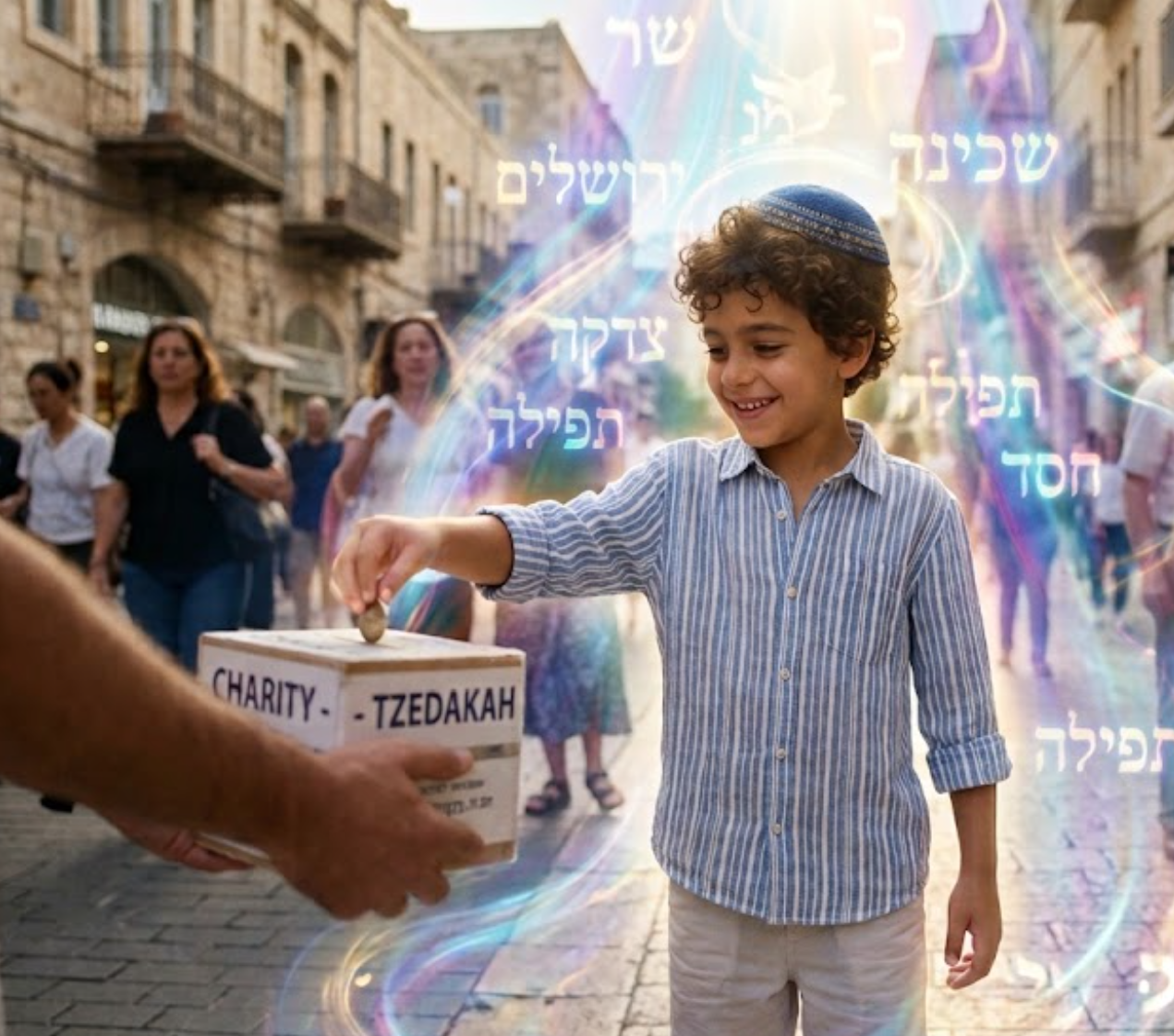
Discussed briefly the 6 פרקים spanning from 35-40 where the Alter Rebbe explains how the שכינה comes to dwell in the physical world through practical mitzvot.

Now, chapters 35–37 emphasizes the importance of the  מעשה part of תורה ומצוות and chapters 38–40 emphasizes the importance thought and intention כוונה ומחשבה.

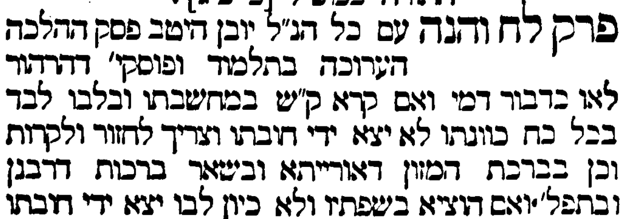
Having established in chapter 35-37 the importance of מעשה בפועל, at the beginning of chapter 38, the Alter Rebbe quotes our גמרא where it says that with מצות  that need to be verbalized, כוונה is not  מעכב. The exception is with the first פסוק in קריאת שמע and the first ברכה in  שמונה עשרה. Thus, we see that מעשה בפועל is the more important part of any מצוה.

כוונה ומחשבה

The Alter Rebbe continues to explains that although just the מעשה המצוה fulfills one’s obligation, however, the כוונה  is the mitzvah’s נשמה of the מצוה, without which it is like a body without life.
1b – We discussed what position one should recite the שמע – the meaning of פרקדן – face up or down – and the story of רבה בר בר חנה with one of the מתי מדבר see ב”ב עד and the little people known as כפתורים.
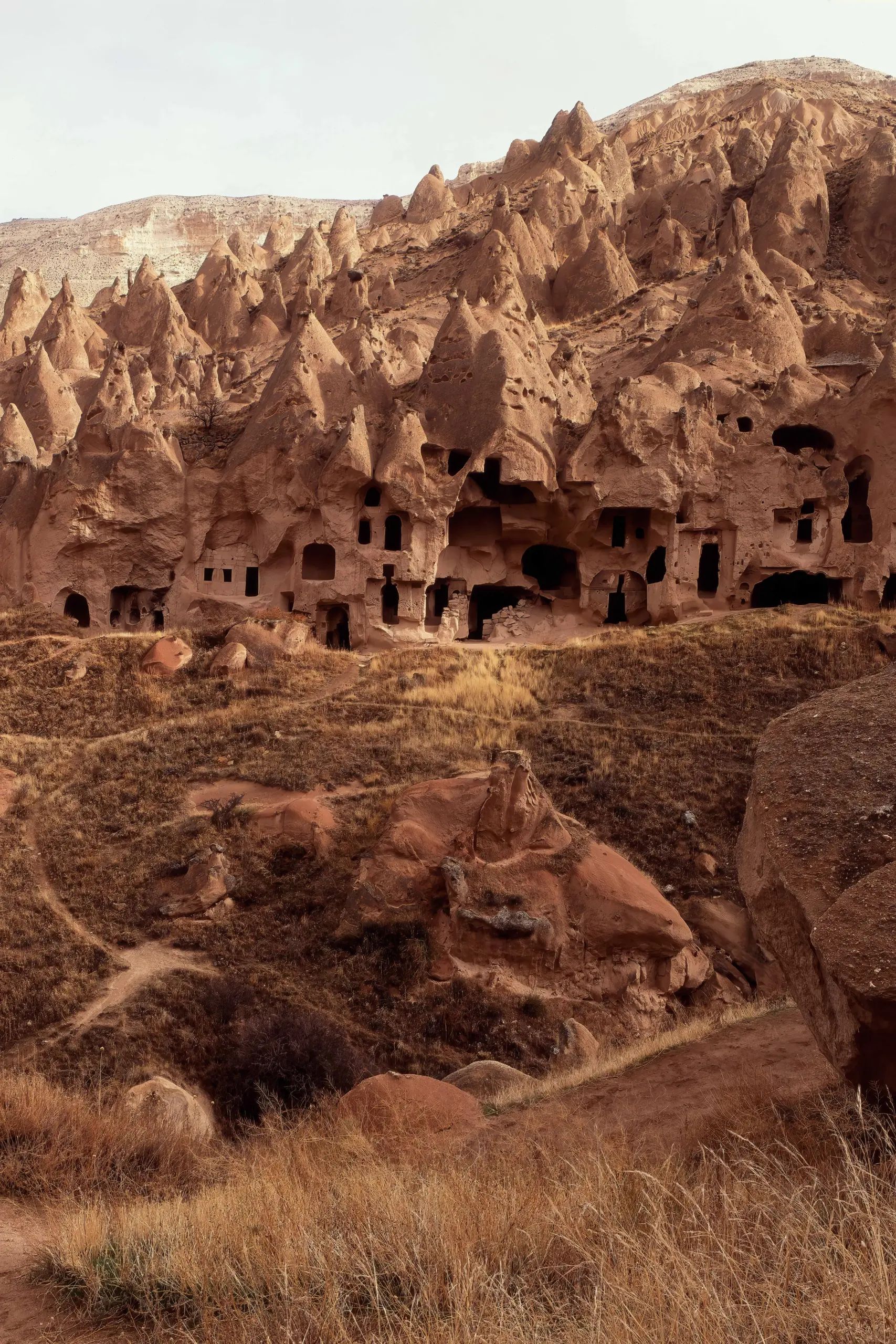
Cappadocia, Turkey

2 – We discussed the תוספות about being מפסיק in middle of קריאת שמע to answer אמן or Kaddish.
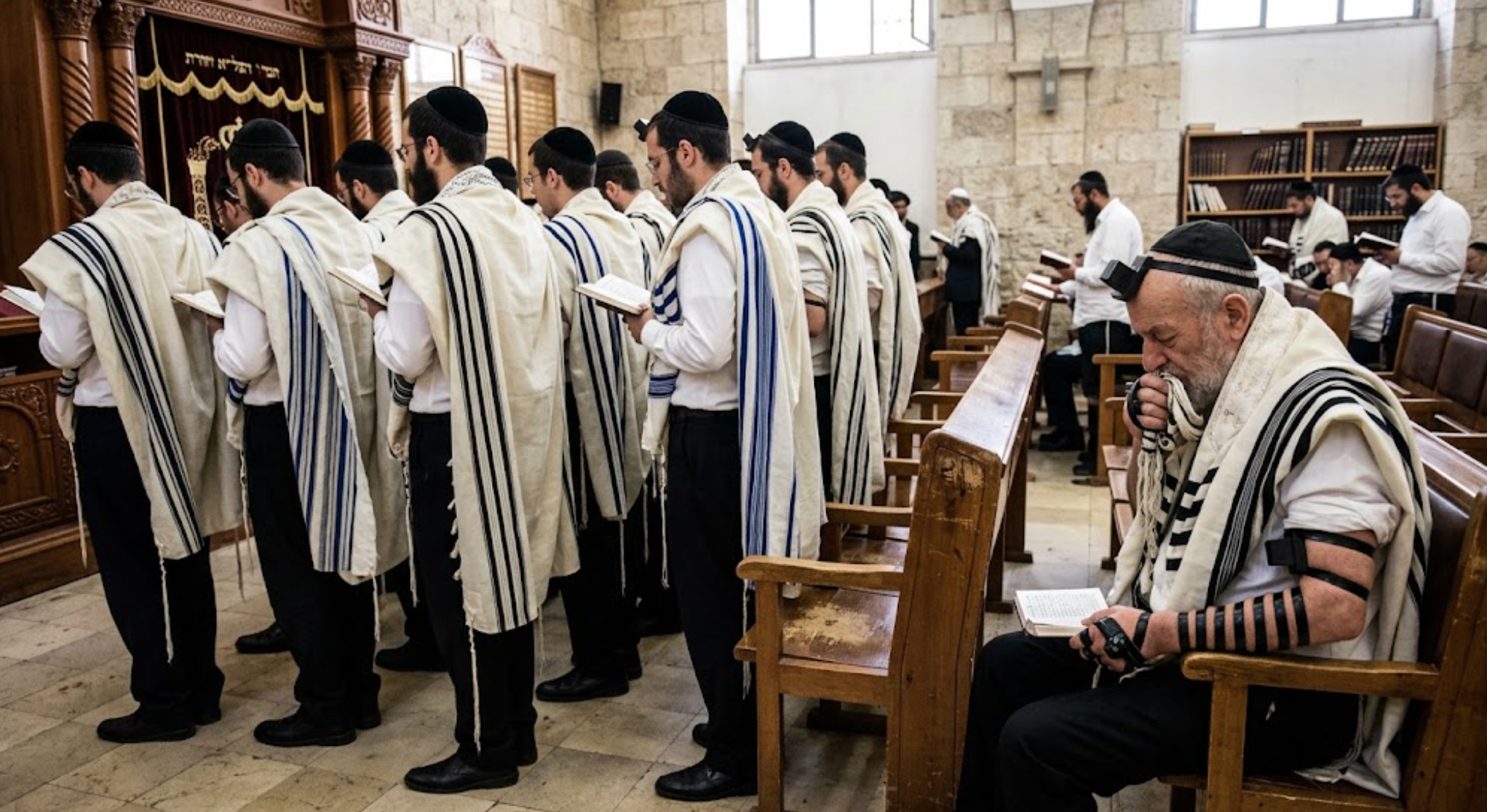
3 – Being מפסיק In the middle of הלל and מגילה.

Mentioned the 3 types of הלל.

1- The original הלל  said during שחיטת קרבן פסח. This was recited only בציבור.

2 – הלל said on 21 days a year which is one on the שבע מצוות דרבנן. [Since it can be said ביחידות as well, it is called הלל ביחיד].

3 – Another type of הלל ביחיד is the one that is said only partly – meaning that we skip 2 portions in the middle. This type is said on ראש חודש and חול המועד פסח.

Now, this type 3  הלל is a wide topic on how exactly to describe it and whether one says a ברכה  on it.

The opinions vary from ‘no obligation to say it all all’ to a very strong מנהג.

The ברכה issue is also much discussed.
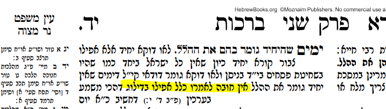
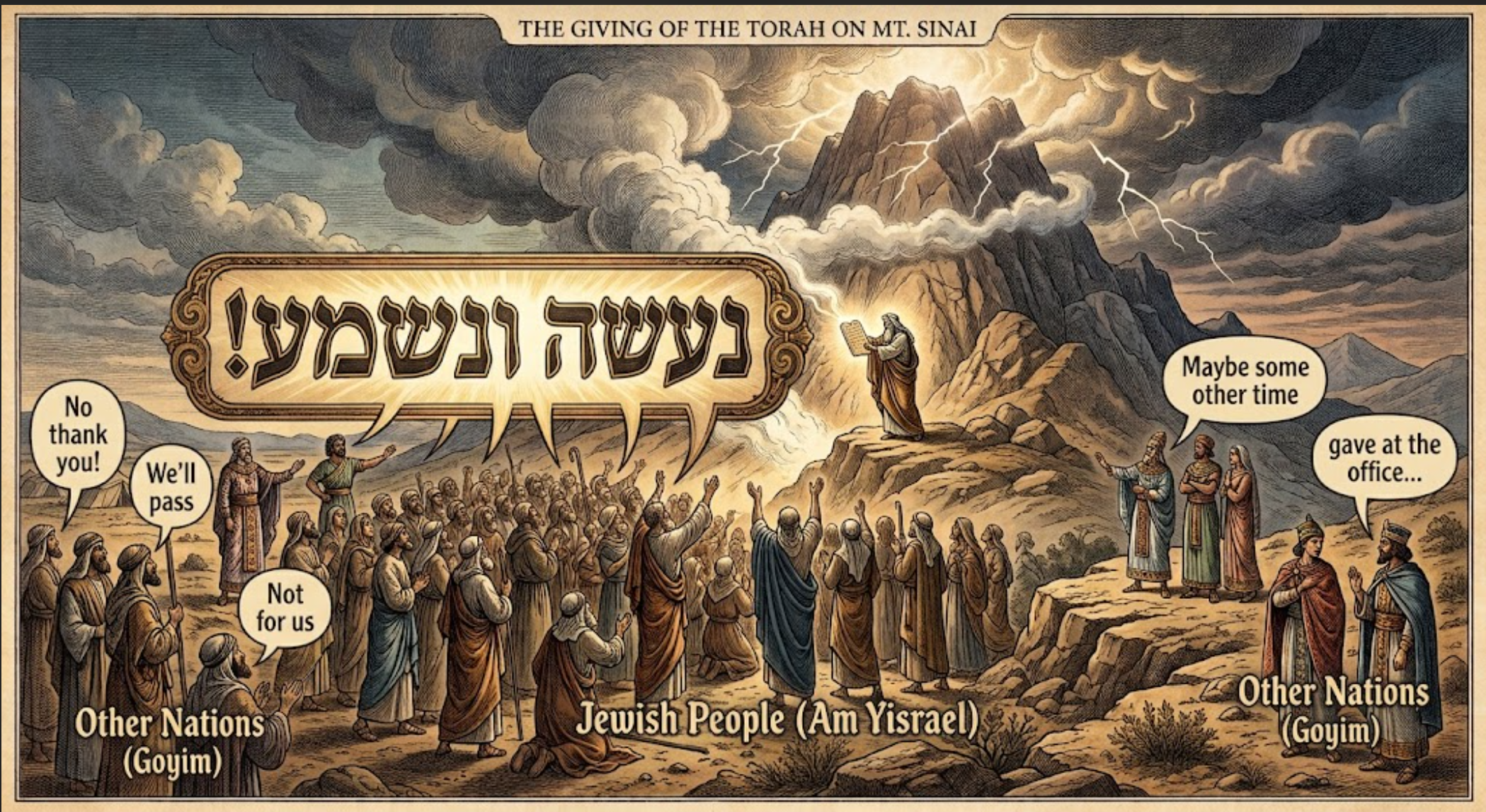
4. We discussed a fascinating רבינו בחיי: Why are משניות written so cryptically? Why wasn’t the תורה given to משה רבינו with a full set of משניות (with the ברטנורא)?

ולא נתן רשות למשה לכתבה כי יהיה בזה גלוי מסתורים ויהיו שאר האומות שלא קבלו התורה ולא רצו בה שוים עם ישראל
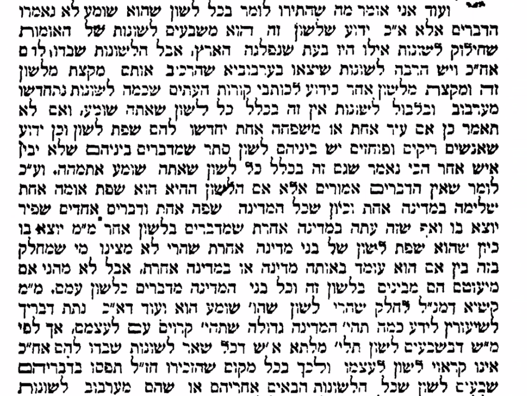
5. חסורי מחסרי – והכי קתני – why didn’t the גמרא simply correct the text of the משנה to avoid future confusion and misunderstanding?

See here.

We mentioned the תפארת ישראל –  in order to assist in the memorization, משניות were repeated in a particular song. The words of every Mishna fit to a particular tune, thereby easing the memorization.

6. Trivia:

When do you say הלל nine days in a row?

When do you say הלל ten days in a row?

(Hint: הלל in Tehillim is יום כ”ד)

To be continued.

Gut Yom Tov to all.

Shiur Brochos 13b (2) – Tishrei 4, 5787.  09/15/2026

BSD

Brochos – 13b (2)

Tishrei 4, 5787.  09/15/2026

Short notes

1- כל המאריך באחד –

יאריך במחשבתו

We discussed the Alter Rebbe who writes that this means not the verbal stretching of the word  אחד, but rather to lengthen the contemplation of the meaning of אחד.

2 – Saying שמע  while walking is fine, since the הלכה is like בית הלל. However, when saying the first פסוק, one must stop.

Why? Tosfos says that it’s hard to concentrate when in motion. The רא”ש says that saying שמע while walking shows a lack of respect. ארעי.

Someone asked about sitting in a moving car.

AI image וד”ל

Here is the answer:

ואם רצה לקרות כל הג’ פרשיות כשהוא מהלך הרשות בידו מלבד פסוק ראשוןכב שצריכין לעמוד מהילוכוכג (או לישבכד) ולקרותו כדי לכוין היטב והוא הדין אם היה רוכב על גבי בהמה צריך להעמידה שאינו יכול לכוין כל כך שהוא טרוד בהליכתה אבל אם יושב בעגלה א“צ להעמידהכה:

However, that may apply only to a passenger in the car.

What about the driver? Doesn’t driving require more concentration than walking?

If yes, the driver would need to stop the car to say the first פסוק.

3 – Our גמרא mentions בר קפרא. The son of קפרא.

We spoke about who קפרא was and what was בר קפרא’s name.

אלעזר or  שמעון?

From the תוספתא (and in מדרש) in the beginning of ביצה it would seem that he is indeed:

“רבי אלעזר בנו של רבי אלעזר הקפר אומר”

and

“…הֵשִׁיב רַבִּי [א]לְעָזָר בְּנוֹ שֶׁלְּרַבִּי [א]לִיעֶזֶר הַקַּפָּר  ”

See here. Here

גמר חתימה טובה לשנה טובה ומתוקה.


Shiur Brochos 13b – Elul 27, 5786. 09/8/2026

BSD

Brochos – 13b

Elul 27, 5786.  09/8/2026

Brief points.

1 – We mentioned last week the קדושה of לשון הקודש and the interesting idea from the חתם סופר.

Why is it, he asks, that within a short period of 70 years in גלות בבל , half of כלל ישראל forgot to speak לשון הקודש that when they returned to ארץ ישראל they needed to relearn it?

His answer is that קדושה of לשון הקודש is only retained by those who are at a level of personal קדושה.

 שפלא גדול הוא בגלות בבל בזמן שבעים שנה נשתכח לשון הקודש’ והי’ העם חציים מדבר כשדית ואשדודי’. יען כי לא שמרו עצמם בקדושה.

He continues that when יוסף הצדיק needed to prove to the שבטים that he is their brother he says ‘’it’s me speaking לשון הקודש’ – which is proof that he still kept his קדושה.

כי פי המדבר אליכם, פירש”י כי פי המדבר בלשון הקודש,

ולזה נתן להם יוסף אות על דרכו הטוב במה שלשון הקודש מורגל ושגור בפיו:

2 – Discussed the רש”י that gives an example of a מצווה דאורייתא that can be said in any language  – קריאת התורה.

Tosfos take issue with this (on our Daf and in מגילה יז, ב) since קריאת התורה was established by משה רבינו or עזרא הסופר. (see מגן אברהם below).

They suggest פרשת זכור.

Mentioned that the בית יוסף in his version of his ש”ס Tosfos added also the words פרשת פרה!  See מגן אברהם there.

Chalitza in english:

3 – We discussed at length different opinions of what exactly are the פסוקים that comprise the מצווה of קריאת שמע מדאורייתא.

Additionally, which of these פסוקים one must have כוונה.

Here is a brief chart. To be continued.

כוונה בקריאת שמע

4 – We spoke about the Alter Rebbe’s mention of our גמרא in Tanya chapter 38.

Discussed the topics of chapters 35-37 (on the importance of מצוות מעשיות)  and the flip side (the importance of כוונה) in chapters 38-40.

כתיבה וחתימה טובה לשנה טובה ומתוקה

————————————————


הלכות קריאת ספר תורה קלה סדר קריאת התורה  מג”א


Shiur Brochos 13a (2) – Elul 19, 5786 – 09/1/2026

BSD

Brochos – 13a (2)

Elul 19, 5786.  09/1/2026

Topics discussed.

1- Prior to starting פרק ב we mentioned 2 interesting points.

Firstly, last week we spoke of the מקובלים that say that the נשמה of רבי אלעזר בן עזריה (who said  הרי אני כבן שבעים שנה)  was a גלגול of שמואל הנביא who passed away at 52,  thus the number 70. We posted a link to the ספר that quotes this.  Here. Page 27.

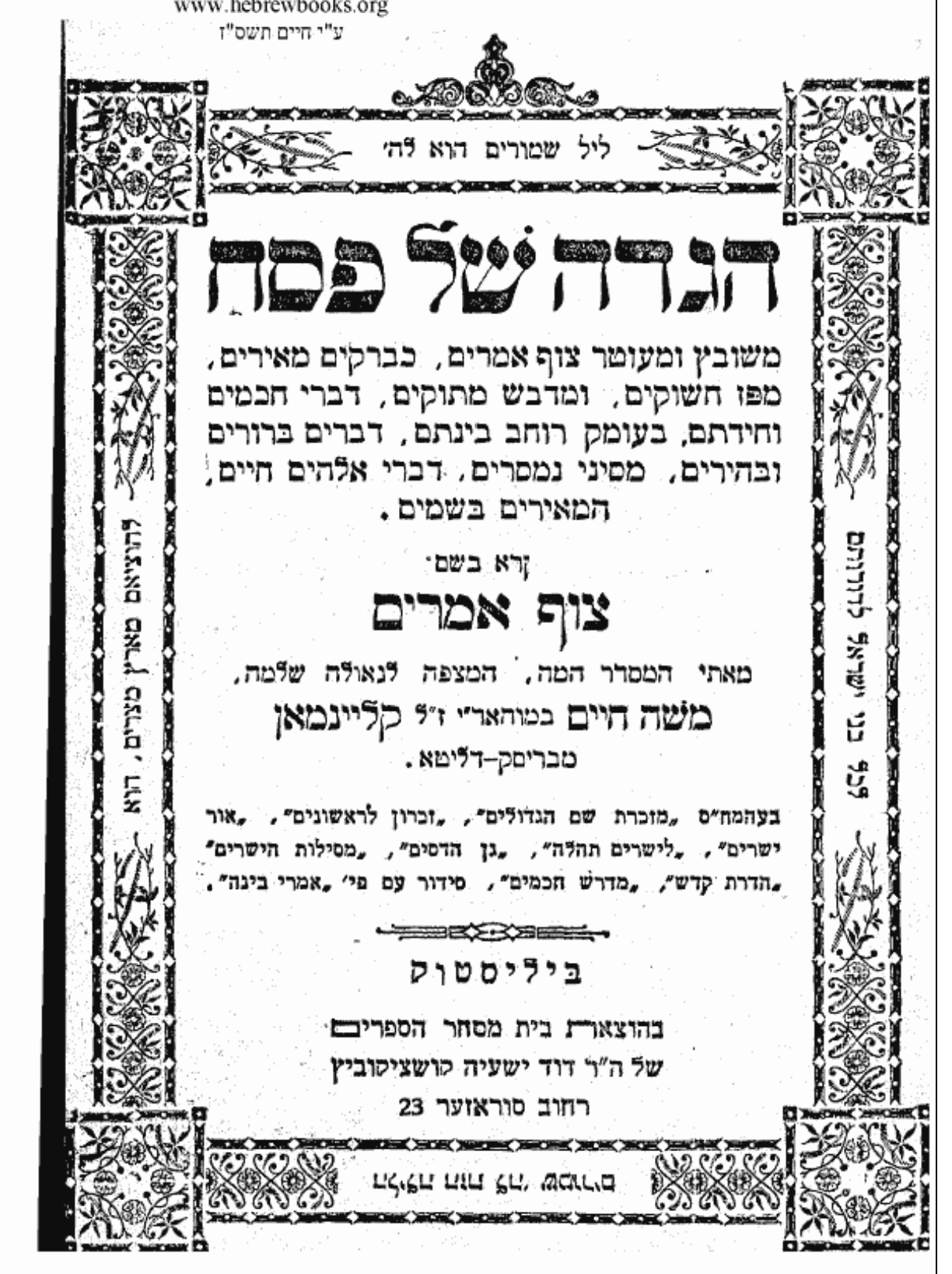
This link is to a Haggadah של פסח with an interesting history.

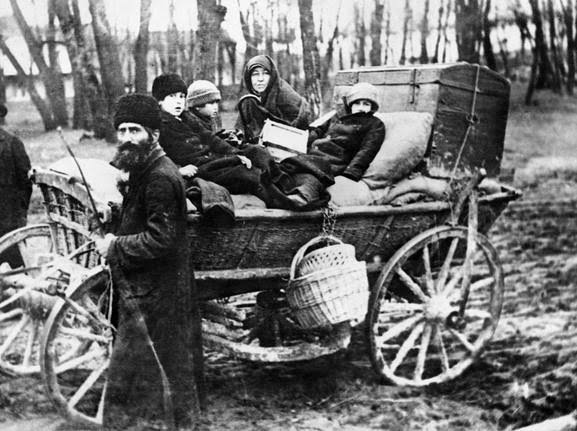
The author was a Chasidisher Rov from Brisk that, together with thousands of other Jews, left their homeland to escape the battles of WWI.

Jewish Refugees, WWI

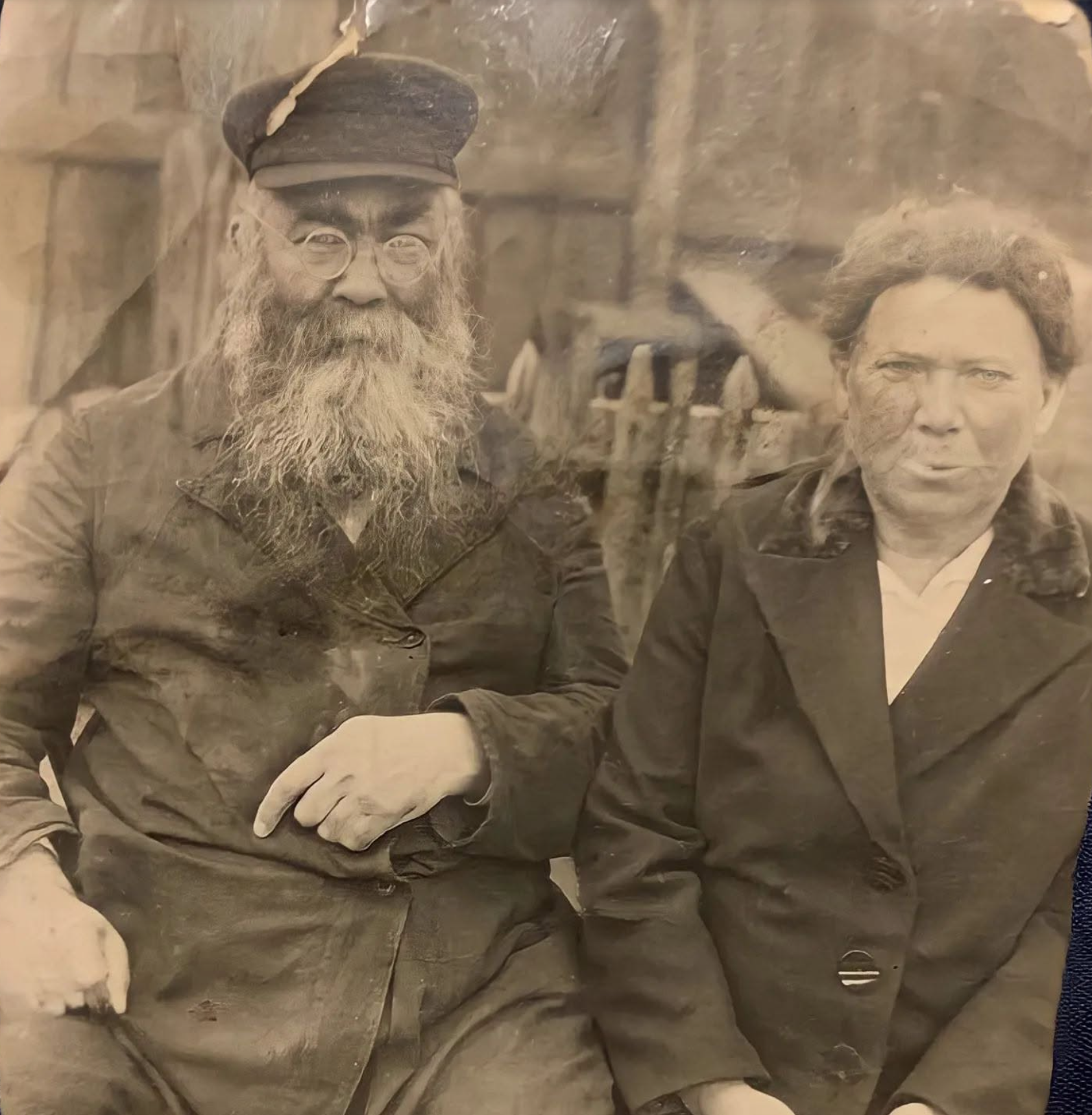
Reb Moshe Chaim Kleinman spent some time in Dnieper –  Yekaterinoslav, Ukraine, where he met the Rebbe’s father.

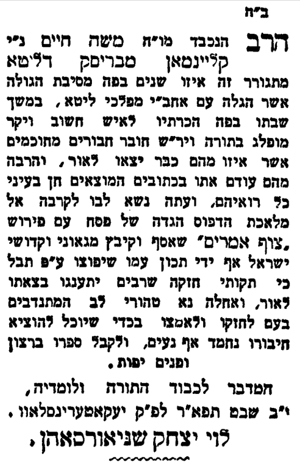
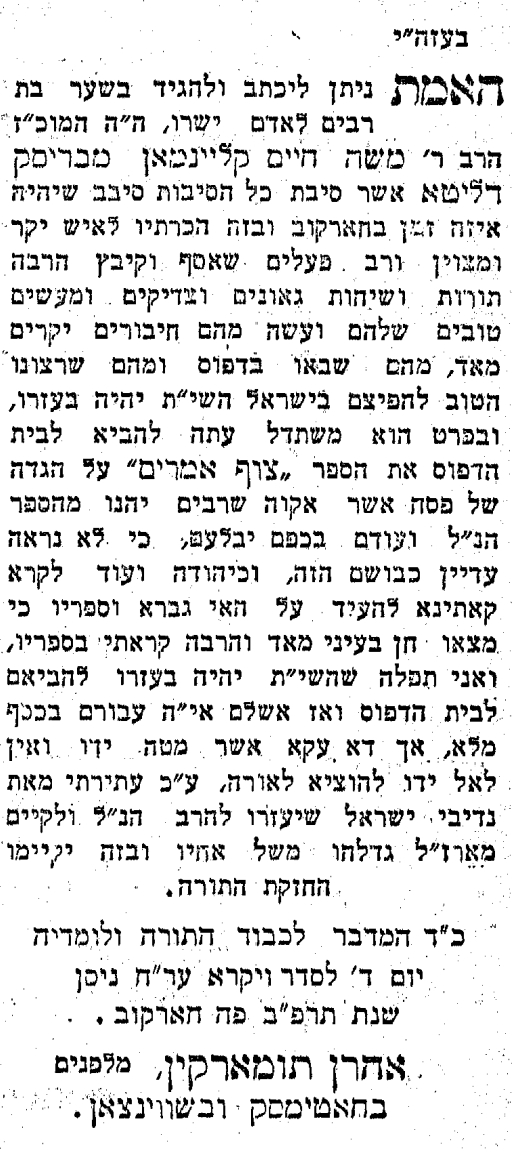
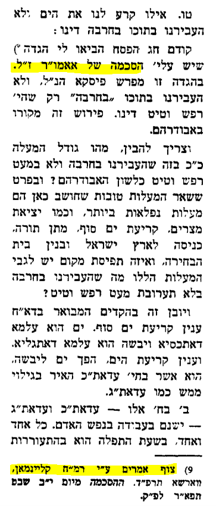
It was at that time, in the early 1920s that he published a הגדה של פסח, that is a compilation of מפרשים on the הגדה. He named it צוף אמרים and received many הסכמות from prominent רבנים and Rebbes and published them in this הגדה.

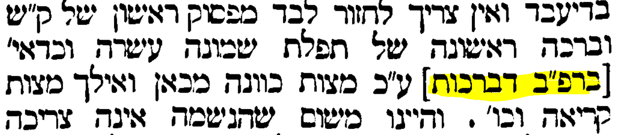
One of the הסכמות is from Reb Levi Yitzchok! See page 4.


[On a personal note, a הסכמה from my great grandfather, Reb Aharon Tumarkin of Charkov, whom I’m named after, is also printed there. Page 5]

Fast forward to 1958 and someone sends this הגדה to the Rebbe who then mentioned it in a שיחה. LS 3 page 1016ה.

2 – Second point:

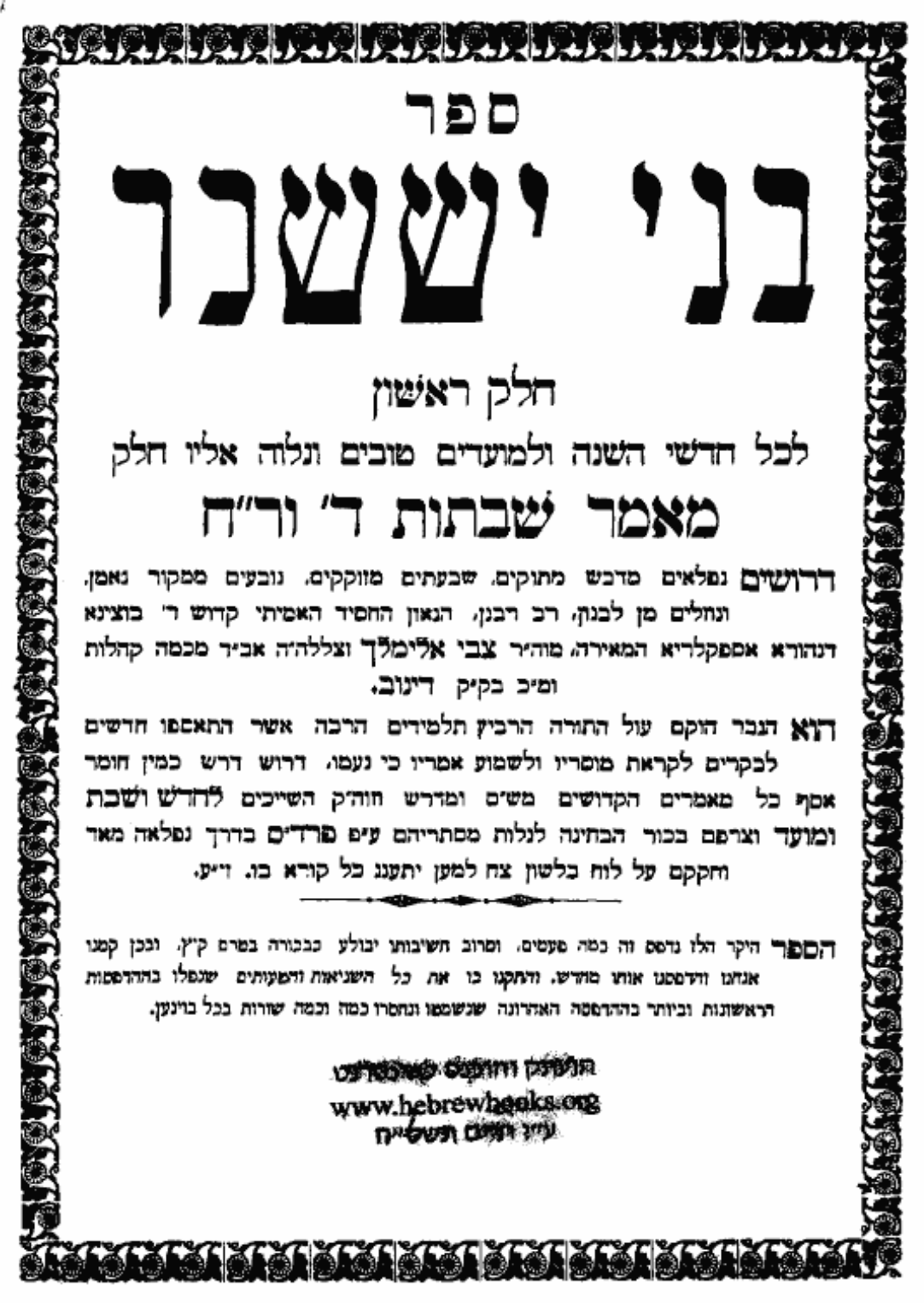
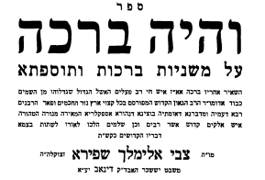
Speaking of גלגולים and רבי אלעזר בן עזריה,  we mentioned the great רבי of Dinov whose name was Reb צבי אלימלך Schapiro but named his famous book בני יששכר, because his רבי, the חוזה of Lublin told him that he is a גלגול of the original יששכר!

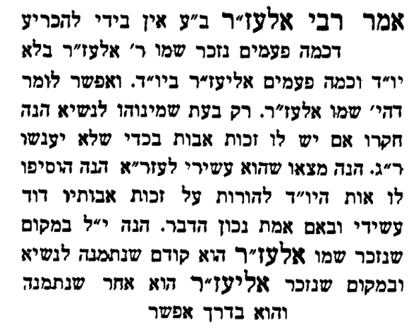
Anyway, to come full circle, in his ספר called והיה ברכה he writes that רבי אלעזר בן עזריה

is sometimes written in ש”ס as רבי אליעזר, with a יו”ד.


See here for his explanation.


3 – The second פרק begins with הָיָה קוֹרֵא בַּתּוֹרָה, וְהִגִּיעַ זְמַן הַמִּקְרָא; אִם כִּוֵּון לִבּוֹ, יָצָא

The גמרא explains it to mean that this fellow is being מגיה a ספר תורה, and if, when reading the שמע in פרשת ואתחנן, he has the intention to be יוצא קריאת שמע, he is indeed יוצא.

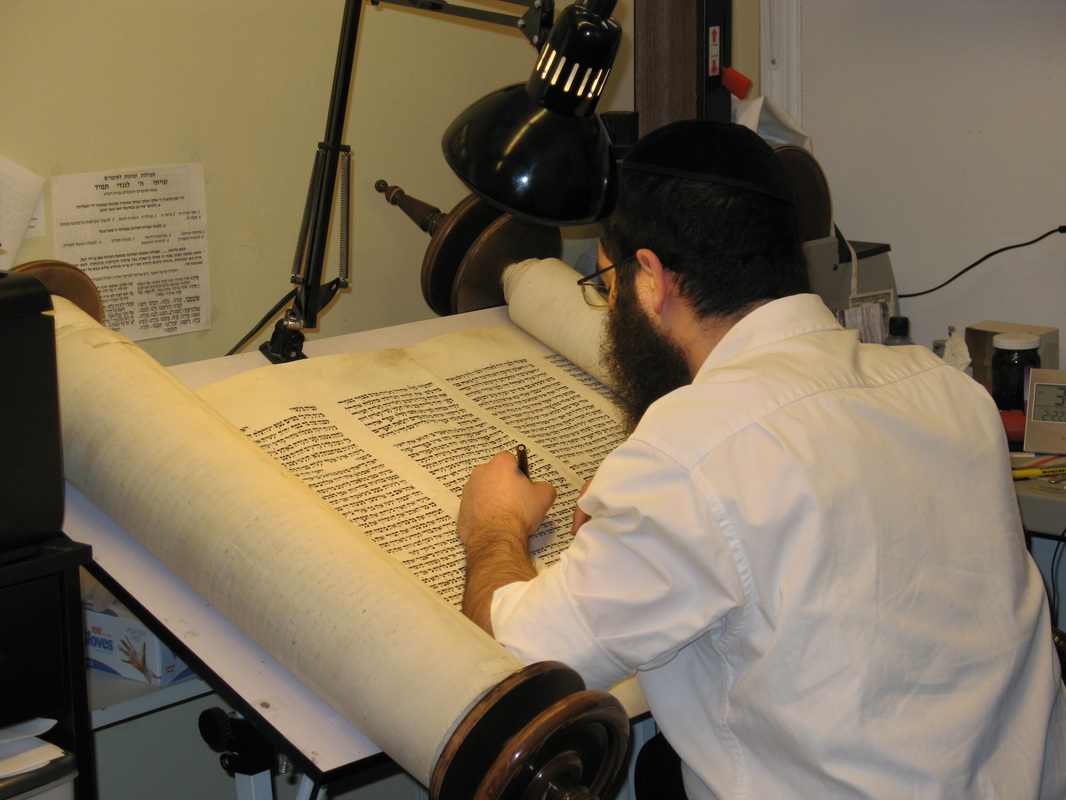
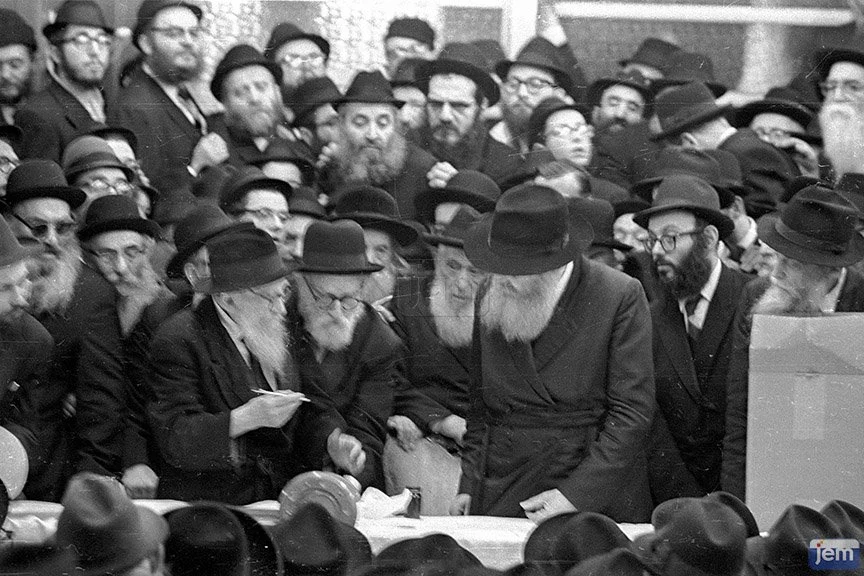
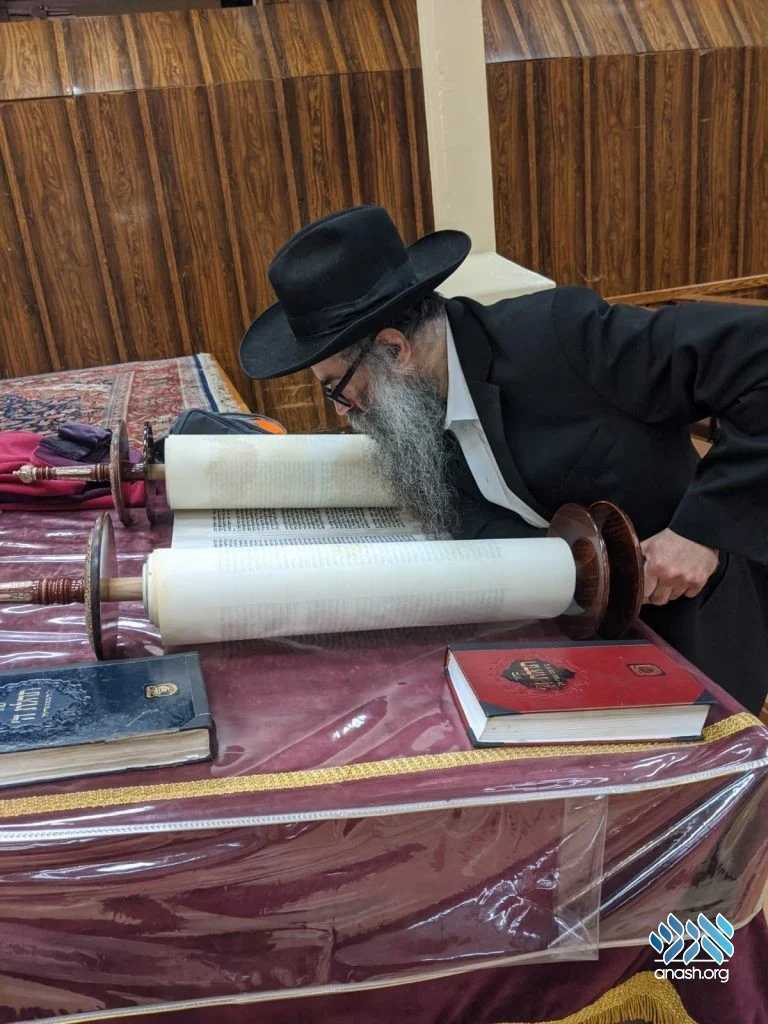
On the topic of being מגיה a ספר תורה we related the story of the ספר תורה of משיח which was commenced in  תש”ב – 1942 by the previous Rebbe and concluded in תש”ל – 1970.

Reb Yitzchok Groner ע”ה related that when the writing of this Sefer Torah began, people were invited to participate by writing a letter — on condition that they first go to the mikvah that day.

Reb Yitzchok continued: there was one individual who, despite not having gone to the mikvah, wrote a letter anyway.

Interestingly, for whatever reason, that first יריעה (parchment panel) was never used and had to be replaced!

4 – After the סיום ספר תורה  in 1970, issues were found with some of the letters.

The Rebbe instructed Rabbi Matlin ע”ה, who was the סופר of 770, to check the ספר תורה letter by letter.

So they arranged for someone to read from the ספר תורה while another person was  looking into a  חומש – letter by letter!

5 – The גמרא continues discussing the saying of  שמע and [other קריאות like פרשת  or חליצה ,סוטה] in  languages other than לשון הקודש.

بشنو ای اسرائیل، خداوند خدای ماست، خداوند یکتاست»

We spoke about the famous רבי אפרים זלמן מרגליות and his many ספרים.

In one of them (שפה נאמנה להריא”ז מרגליות ע’ לב)   he suggests that where any of the ‘70 languages’  שבעים לשון,  are indeed permitted, it applies only to the original 70!

Any other language that is a mixture of other languages is not permitted. “For if any language is allowed, that would include the secret language worthless bums use to talk among themselves in order not to be understood.”

Others disagree with his reasoning. See חתם סופר חו”מ קצג.