Shiur Brochos 12b (3) – 13a Elul 12, 5786 –  08/25/2026

BSD

Brochos 12b (3) – 13a

Elul 12, 5786.  08/25/2026

Short notes and links on topics discussed.

1 – The 5 (or 6) reasons for choosing פרשת ציצית to fulfill the daily מצווה of זכירת יציאת מצרים.
2 –  The famous מחלוקת if this מצווה is just once during the day, or one needs to say it again at night.

מתני’ מזכירין יציאת מצרים בלילות א”ר אלעזר בן עזריה הרי אני כבן שבעים שנה ולא זכיתי שתאמר יציאת מצרים בלילות עד שדרשה בן זומא שנא’ למען תזכור את יום צאתך מארץ מצרים כל

ימי חייך ימי חייך הימים כל ימי חייך הלילות וחכ”א ימי חייך העוה”ז כל להביא לימות המשיח:

3 – Reb אלעזר בן עזריה says that he ‘like a seventy years old’  when in reality he was only 18.
In addition to all other explanations there is one from the מקובלים that his נשמה was a גלגול of שמואל הנביא who passed away at 52. Thus the number 70.  Here.

4 – The various versions – גרסאות in our גמרא and the unique oldest (completed in 1342!) handwritten ש”ס now in Munich. Here. Here. Here.
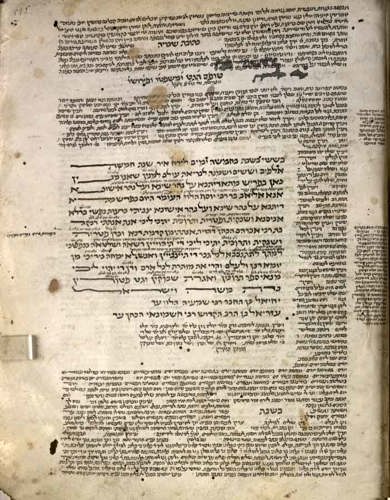
The phenomenal work of Reb Rafael Nathan Rabinovitch

In 1862, hundreds of years after the invention of printing, Rabbi Rafael Nathan Rabinovitch was able to see the actual Munich Manuscript of Shlomo ben Shimshon in the State Library of Munich. From that moment he decided to dedicate his life to comparing the famous manuscript with later printings of the Talmud in an attempt to increase knowledge regarding the different versions of the text of the Talmud.
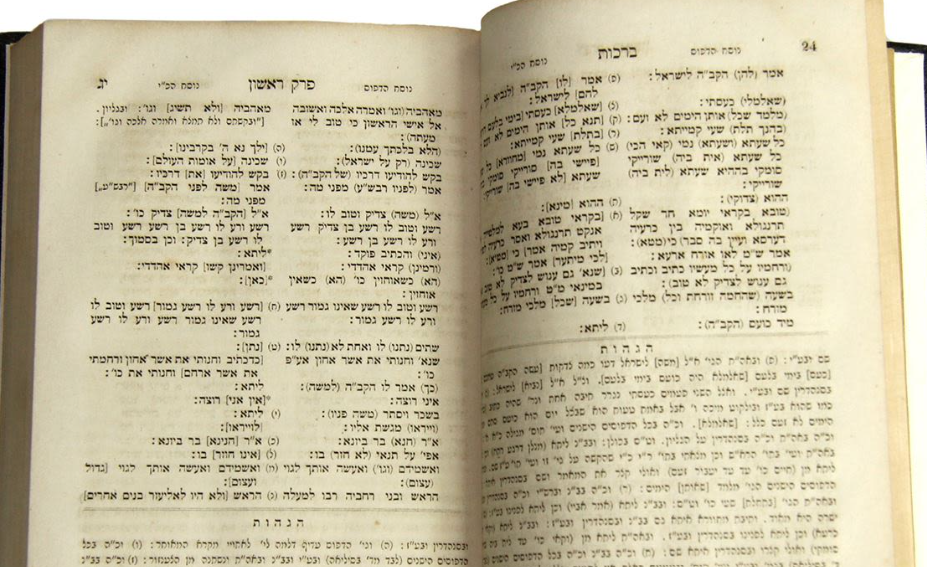
The overall aim of this project, to which he dedicated more than twenty years of his life and which was published under the title Dikdukei Sofrim (“דקדוקי סופרים”), was to present to the readers and scholars of the Talmud the changes, adaptations and omissions in the ancient manuscripts, the lost treasure which printing—in its propensity for textual consolidation—abandoned with the generations.

 5 – The other מצווה pertaining to זכירת יציאת מצרים – on the first night of פסח.

We discussed

  • The difference of these two מצוות, as enumerated by the Rebbe in his הגדה.
  • Why is the פסח one counted as one of the תרי”ג מצוות and not the daily one?

6 – We concluded the פרק where at the very end there seems to be a response to a question (and he answered to him) but the questionnaire’s name is not mentioned!

We discussed as to who was the narrator of the ש”ס.

See here Tosfos חולין ב, ב.
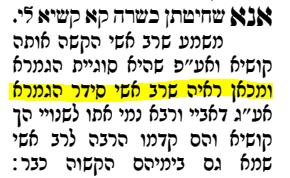
 

 כבן שבעים. רש״י י״ח. ראב״ע ושמואל הנביא. צוף אמרים. 


זכירת יצ״מ כל יום לעומת ליל פסח. הגש״פ כמה תירוצים. צל”ח ומנ”ח שלמדין מב’ פסוקים.למען תזכור אינו מפורש ולכן חלה עליו שבועה. משא”כ בפסח לא חל כ”א בכולל. 


כל להביא הלילות. https://www.nli.org.il/he/discover/manuscripts/hebrew-manuscripts/munich-95

אמר לי’. זכור לדוד להאדר”ת ע’ יא. הכל שוחטין. 


למה לא מנה הרמב״ם ממצוות יצי״מ בכל יום. למרות שכותב שמצווה היא. ק”ש א, ג. צל”ח. מנ״ח כ״א. בשם הגר״ח אומרים שבשרש השלישי כותב הר״מ שלא מונים מצווה שאינה נוהגת לדורות, והרי פסקינן כראב״ע  ובימות המשיח תתבטל לכן לא מנאה. 
 

Shiur Brochos 12b – Menachem Av 27, 5786 – 08/11/2026

BSD

Brochos 12b

Menachem Av 27, 5786.  08/11/2026

גמרא topics discussed:

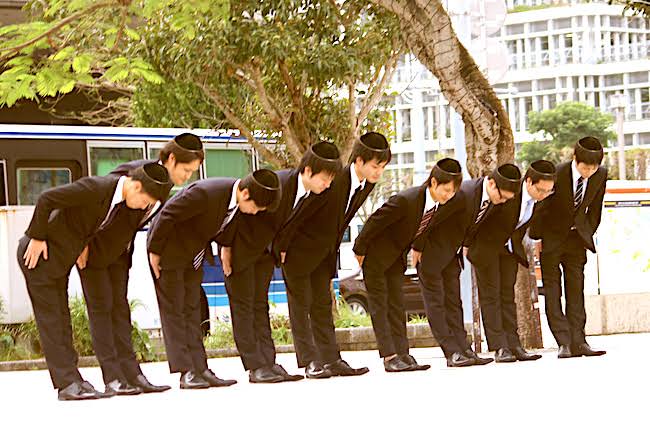
  • The proper method of bowing during שמונה עשרה.

  • Saying המלך הקדוש and המלך המשפט from Rosh Hashanah until the end of Yom Kippur.
  • An error on the first night of Rosh Hashana and the unique opinion of Rabbi Abba (Abele) Paslover.
  • Praying for a friend in need.

Brief points of interest.

1- The first topic has Shmuel relating to his friend’s son, Rav Chiya the son of Rav on the proper way to bow down and straighten up during  שמונה עשרה, as he, Shmuel heard it from Rav himself.

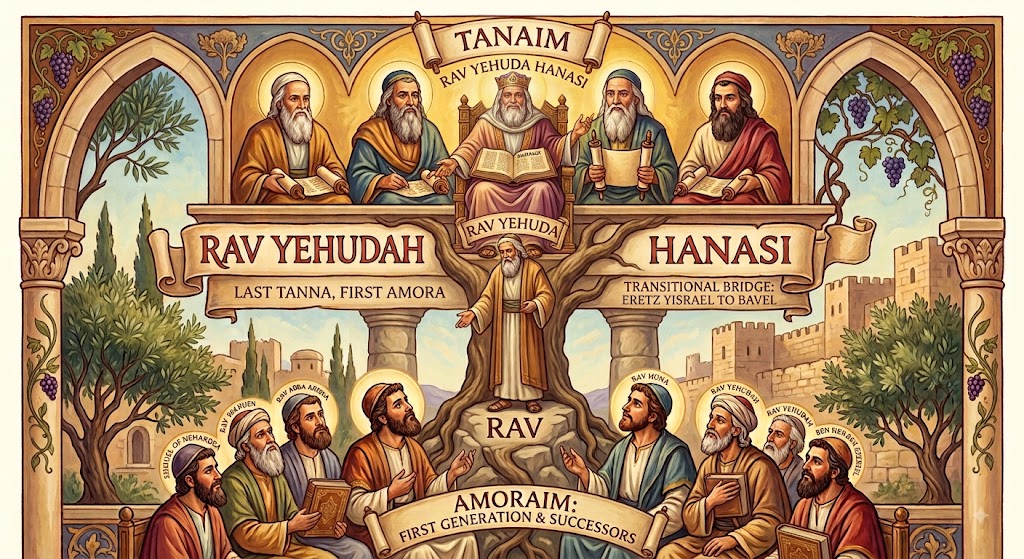
Mentioned that Rav and Shmuel were from the 11 students that attended the בית מדרש of רבי, and are considered the ‘first generation אמוראים’. Rav is actually a hybrid, being both תנא and אמורא.

תנא הוא ופליג – see references here to others who held this special distinction.

2 – We related the story of Reb Yochanan who lived in Israel and was a contemporary of Shumel and Rav.

Here is the story from Chulin 95b.

During all the years when Rav lived in Babylonia, Rabbi Yoḥanan, who lived in Eretz Yisrael, would write to him and begin with the greeting: To our Master who is in Babylonia. When Rav died, Rabbi Yoḥanan would write to Shmuel and begin with the greeting: To our colleague who is in Babylonia.

Shmuel said: Does Rabbi Yoḥanan not know any matter in which I am his master? Shmuel wrote and sent to Rabbi Yoḥanan the calculation of the leap years for the next sixty years. Rabbi Yoḥanan was not impressed by this and said: Now he has merely demonstrated that he knows mathematics, which does not make him my master.

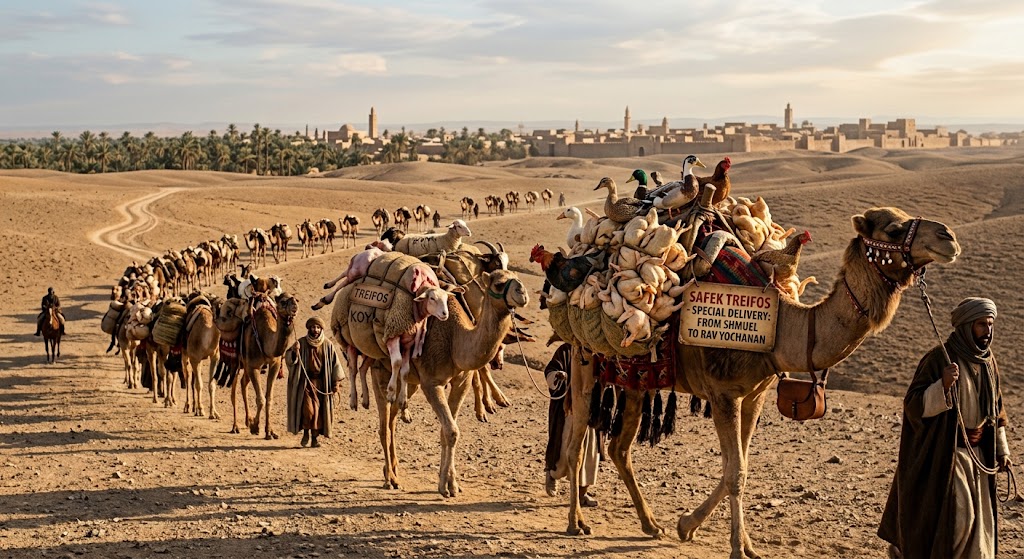
Shmuel then wrote and sent to Rabbi Yoḥanan explications of uncertainties pertaining to tereifot that had to be transported on thirteen camels. Rabbi Yoḥanan was impressed by this and said: I have a Master in Babylonia; I will go and see him.

Before departing on his journey, Rabbi Yoḥanan said to a child: Recite to me your verse that you studied today. The child recited the following verse to Rabbi Yoḥanan: “Now Samuel was dead” (I Samuel 28:3). Rabbi Yoḥanan said to himself: Learn from this that Shmuel has died. Therefore, Rabbi Yoḥanan did not go to see Shmuel.

3 – In relation to the previous Shiurim about ברכות we touched on the topic of ‘do ברכות change with the times’? Many ברכות are based on the ‘norm’, meaning that most people eat it in a particular fashion, like cooked or raw.

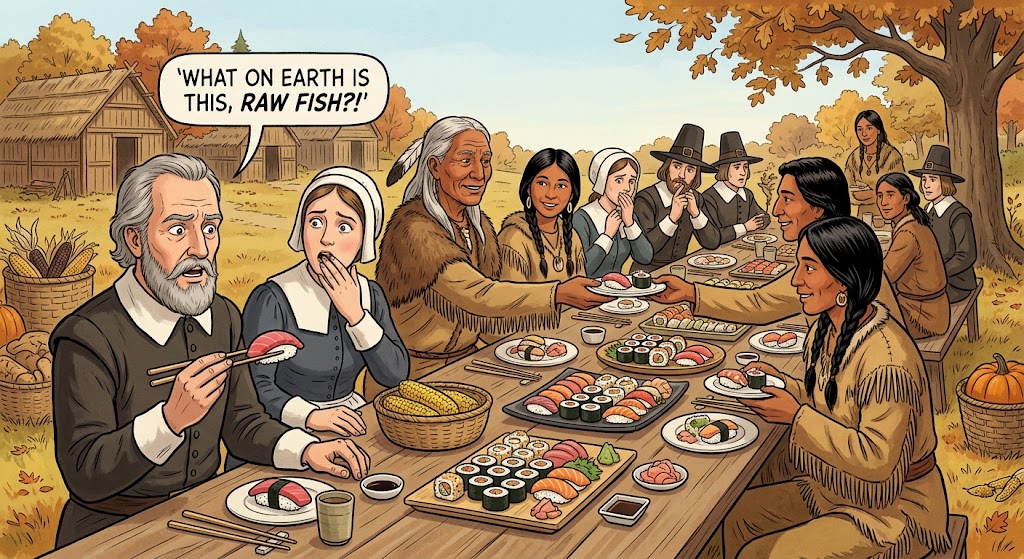
What happens if the ‘norm’ changes? Eating habits evolve, like who ate raw fish in the USA prior to 1985 when Sushi was introduced?

“…and so the pilgrims turned around and went home.”

We mentioned that Reb Zalman Shimon Dvorkin’’s opinion was to make a שהכל when eating raw carrots.

Why? Because that is the  הלכה as per the שלחן ערוך! The ‘norm’ at that time was that most carrots were consumed only after they were cooked.

“that carrot is שהכל”

However, the average person today makes a האדמה on raw carrots because eating raw carrots is the norm today.

4- This leads to an even larger issue. After we wash for bread, we do not say a ברכה on whatever is served. Such as fish, meat and soup.

The reason being is ‘these items are served because they are part of the meal’. Meaning, that the ‘norm’ is to eat these food items only after washing for bread, thus the המוציא applies on what follows.

א דברים הבאים בתוך הסעודה אם הם דברים הבאים מחמת הסעודה דהיינו דברים שדרך לקבוע סעודה עליהםא בין ללפת בהם את הפתב כגון בשר ודגיםג וירקותד וגבינה וביציםה ומיני מלוחיםו בין למזון ולהשביעז כגון כרוב ותרדיןח ודייסא וכל מעשה קדרה שאינן באין ללפת אלא לתבשיל ולמזוןט א“צ ברכה לפניהם אפילו אוכלם בלא פת שברכת המוציא פוטרתם ולא לאחריהם שברכת המזון פוטרתםי (א) (שכיון שאין דרכםיא לאכול אותם כל היום כמו הפירות אלא בשעת סעודה בלבד הרי הם טפלים לפת שהוא עיקר הסעודה ולכן נפטרים בברכת הפת אע”פ שאוכלם בלא פתיב). .

‘these items – fish, meat, vegatbles, chesses, egg… (unlike fruits which are  eaten all day) are eaten only during a meal…’

Today the entire idea of washing to eat fish or meat hardly exists. Soup in consumed not necessarily while eating a סעודה. We nibble on slices of cheese, we eat French fries all the time.

So why do we not make a ברכה on them when eating these items during a סעודה?

4 – Spoke briefly about the idea that potatoes, introduced to Europe only in the sixteenth century, is to be considered a bean and prohibited to eat it on פסח.

See here  (and נשמת אדם ב כ, שכן המנהג באשכנז.)  

5- Concluded with the peculiar ,מנהג חב”ד’

Shiur Brochos 12a (2) Menachem Av 20, 5786 – 08/05/2026

BSD

Brochos  12a (2)

Menachem Av 20, 5786.  08/05/2026

Brief notes

1- We engaged in a new topic that is discussed at length in the ראשונים and אחרונים.

The issue here is a ברכה with an error. Say one is holding a cup thinking it’s full of wine and begins the ברכה – saying ברוך אתה ה’ אלוקינו, with the intent of finishing this ברכה  with בורא פרי הגפן. However, prior to finishing this ברכה, he realizes that the cup is filled with beer and finishes with שהכל נהי’ בדברו!

What does one do? Drink the beer or not?

Our גמרא explains this question: What part of the ברכה is considered ‘primary’ – עיקר? The beginning or the end?

If the עיקר is the beginning, since it contains ה’s name, then this ברכה was a ‘wine ברכה’, and not proper for the beer. Thus, he cannot drink the beer.

If the end of the ברכה is the עיקר, then his ברכה is a proper שהכל and… לחיים!

Another, more common example is by ספירת העומר. One says the ברכה thinking it’s the 23rd day and before he finishes, he realizes it’s the 24th. 

Story of the four ראשי ישיבות attending a חופה each one expecting to be called up for the ‘most important ברכה‘. So, the first one gets סידור קידושין, the other 3 are anxious and nervous. The second one gets reading the כתובה. The third one gets the last ברכה. 

What did the fourth one get? ….

2- We discussed that this query remains unanswered/unresolved in the גמרא which resulted in a מחלוקת among the ראשונים as to what the הלכה is.

Before we continue we need to emphasize that the שלחן ערוך rules that it is a proper ברכה and he may drink the beer.  See here. OC 209 1. This follows the ruling of the Rif.

3 – However, Tosfos quotes the R”I that rules that one is not יוצא. And that means that he needs to make another new ברכה of שהכל before drinking the beer. .

The obvious question is how this jives with the universal rule the ספק ברכות להקל. Since all ברכות are מדרבנן, when we have a doubts – ספק, we do not recite the ברכה. Just as we do not say a ברכה on the Sukkah on שמיני עצרת. [There is more to this IYH].

4 – We read the רבי עקיבא איגר in the גליון הש”ס  that discusses this issue. First he quotes the מגן אברהם that asks this question on the R”I.

He then brings the מהרש”א that establishes an interesting rule. (albeit, not accepted by all).

The idea of ספק ברכות להקל applies only to ברכת המצות. For example, if someone is unsure if he made the ברכה of להניח תפילין. He does not have to repeat the ברכה since ספק ברכות להקל and the מצווה is done. Actually, even if he never said the ברכה he is יוצא the מצווה of תפילין regardless. ברכות אינן מעכבות.

However, when we encounter a ברכת הנהנין, like בורא מיני מזונות , the ברכה is ‘asking permission’ from הקב”ה to eat it. So if he is in doubt if he made the ברכה, or if he made the proper ברכה, he cannot eat it!

A new  ברכה must be made for him to eat it. So there is no חשש ברכה לבטלה, since it’s not לבטלה at all – it’s for the purpose of eating. Otherwise he cannot eat it.

גליון הש”ס ברכות יב, א.

תוס׳ ד״ה לא כו׳ לחומרא כו׳ ולא שייך הכא לומר ספק ברכות לקולא [ובמג״א סימן ר״ט ס״ק ג׳ הקשה כן] דכבר כתב הרש״א בפסחים קב ע״א בפי׳ רשב״ם ד״ה להודיעך כחו. דל״ש כן אלא בברכת המצות דהברכות אינן מעכבות. אבל בברכת הנהנין אסור לאכול בלא ברכה ע״ש. ולא הוי כאן חשש ברכה לבטלה. דאם לא יברך יהא אסור לו לשתות. אח״ז ראיתי באבן העוזר (סימן רי״ד) שכ״כ מסברא דנפשיה ולא הביא דברי הרש״א. ועי׳ מ״ש לקמן (מ״ט ע״ב) בתוס׳ ד״ה ר״מ:

5 – We mentioned the פני יהושע who offers another explanation to the question above #3.

The general accepted rule is that מצוות אינן צריכות כוונות. So what is the issue, says the פני יהושע if when one began he thought it was wine? Why to we take his כוונה into consideration?

Briefly, he suggests that מצוות אינן צריכות כוונות is fine as long as he didn’t have an opposite כוונה. Like not to be יוצא.

In our case, his thinking that it was wine, negates the ברכה on beer! He is מתכוון not to make this ברכה.

There is a long תשובה from the צמח צדק on this topic. שו״ת צ״צ או״ח ג, ו.

To be continued… with the carrots of Reb Zalman Shimon Dvorkin OH. 😀.