All posts by Ari Chitrik

Shiur Sukkah 43b (2)- 10/25/22

BSD

Sukkah 43b (2) – 44a 

Tishrei 30, 5783. October 25, 2022

Welcome back! 

1- We picked up the Gemara about the זכר למקדש  we do today with the הושענא. 

The question is if הושענא רבה would occur on a Shabbos, would we do הושענות? [Today it’s a theoretical question as our calendar was set up intentionally for הושענא רבה never to occur on a Shabbos]

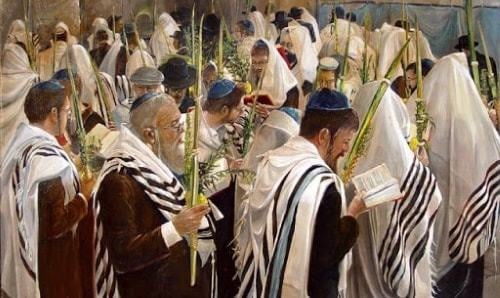
Packed Hoshana Rabbah In 770

The Gemara discussed if the הושענות in the Beis Hamikdash, in addition to placing them against the Mizbeach walls (as it says in the Mishna 45a), were also circled around the Mizbeach by the Kohanim. 

Today, having no Mizbeach, all we can do is to circle with them around the Bimah. If in the Beis Hamikdash they didn’t circle around the Mizbeach then our Minhag is not really a זכר. 

Sukkot - Temple Institute

2- The bottom line is that on Shabbos we would not do הושענות because of ספיקא דיומא. Therefore, also in ארץ ישראל, they do not do it as well

3- Here we come to a fascinating piece of Gemara. 

As the Gemara said earlier 43a, when the first day of Sukkos occurs on a Shabbos, (every few years) in ארץ ישראל the ד’ מינים is indeed observed. 

The reason is since יום ראשון is מן התורה (in the מקדש and outside of it)  the גזירה דרבה does not apply. As opposed to the last 6 days of Sukkos, on Shabbos we do not do it because of גזירה דרבה. 

However, on daf 44a the Gemara changes its mind and states that nowhere in the world are the ד’ מינים observed on Shabbos, even on the first day. 

Shabbat Shalom v'Sukkot Sameach : r/Judaism

The reason is not to create “אגודות אגודות”! Meaning that all כלל ישראל should be cohesive and practice the same Mitzvos. Being that in חוץ לארץ due to ספיקא דיומא, we do not do it on Shabbos, the חכמים uprooted the מצוה from the Israelis as well! 

Church Video Illustration: The Pharisees and the Sadducees - SermonCentral.com

Here is how the Rambam he phrases it, Lulav 7, 17-18: 

ומשחרב בית המקדש אסרו חכמים ליטול את הלולב בשבת ביום הראשון ואפילו בני ארץ ישראל שקדשו את החדש. מפני בני הגבולין הרחוקים שאינן יודעין בקביעת החדש כדי שיהיו הכל שוין בדבר זה ולא יהיו אלו נוטלין בשבת ואלו אין נוטלין. הואיל וחיוב יום ראשון בכל מקום אחד הוא ואין שם מקדש להתלות בו:

ובזמן הזה שהכל עושין על פי החשבון נשאר הדבר כמות שהיה שלא ינטל לולב בשבת כלל לא בגבולין ולא בארץ ישראל ואפילו ביום ראשון. ואף על פי שהכל יודעים בקביעת החדש. וכבר בארנו שעיקר האיסור בנטילת הלולב בשבת גזרה שמא יעבירנו ארבע אמות ברשות הרבים:

Zev Sero correctly pointed out that according to the Yerushalmi in ארץ ישראל the ד’ מינים  are indeed observed even on Shabbos. More on this next week bl”n. 

4- We discussed the Lav of לא תתגודדו which is a huge topic. 

ואהבת...זה כלל גדול בתורה - אחרי מות-קדושים | הרב שלמה עופר :: מוסדות שמ"ע - שאו מרום עיניכם | הרב שלמה עופר

Briefly – one must not cause the formation of ‘groups’ that act differently.

When does this rule apply?

Is it a communal obligation to be cohesive or it’s on the individual to follow the majority.

When do we all need to follow the same דין?

Two קהילות in the same city? 

Does it apply to a Minhag as well?

To be continued. 

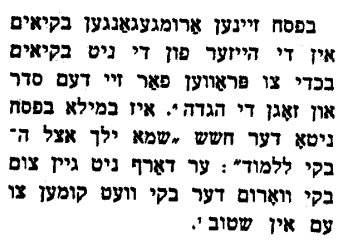
5- We touched on the Davening a נוסח different than the נוסח of the Shul. The famous Chasam Sofer on this. The Rebbe’s letter. Etc. Story of the Litvak that was forced to say ויצמח פורקנה, but with a different kavanah…

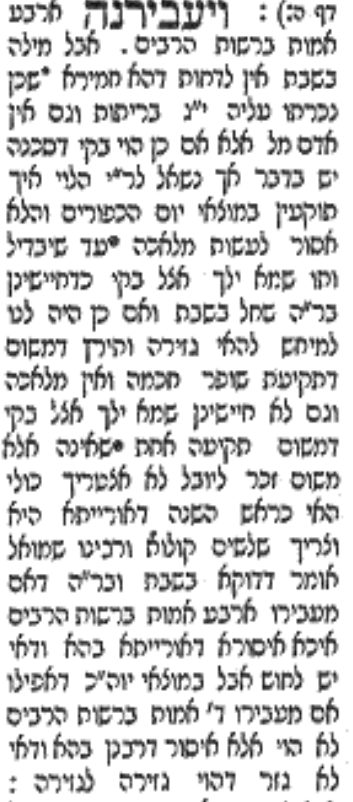
6- Discussed the ושמרו issue. The Alter Rebbe’s expression to Reb Levi Yitzchok of Berdichev that ‘one cannot be on every  יריד . See here for a great link. 

Jewish Market in the Shtetl. Painting by eduard gurevich | Saatchi Art

The תשובה of the צמח צדק  [OC 85] about not saying ושמרו in a Shul that does say it. 

“As is known in Berdichev where they surely say ושמרו and yet some חשובי אנ”ש of Chabad daven there and do not say it…. So surely there is no אגודות אגודות…. 

6- Back to הושענות we discussed the expression of חיבוט ערבות. What is חיבוט? Rashi says נענוע- shaking or waving. The Rambam says hitting, banging or swiping. 

Hoshanah Rabba: The Final Day of Sukkot

וחובט בה על הקרקע או על הכלי פעמים או שלש בלא ברכה שדבר זה מנהג נביאים הוא.

The מאירי says that some bang the doors of the ארון קודש with the הושענות!!

7- Why banging/swiping it? 

We mentioned רבי צמח גאון who writes that the ערבות symbolizes the lips of a human. We need to atone for the times our lips were not used constructively…. 

טבעת קידושין | מוזיאון ישראל, ירושלים
טבעת קידושין

8- We finished with a topic we came across in the past about the Rambam’s original manuscript where he writes that קידוש כסף is only מדרבנן and his eventual correction that it is מן התורה.


Shiur Sukkah 43b 09/10/22 – Final Shiur of 5782

BSD

Sukkah 43b 

Elul 24, 5782. September 20, 2022

1- We continued our Gemara that discusses the Mitzvah of ערבה (what we call הושענות) in the בית המקדש and the Minhag that was enacted זכר לחורבן. 

willow branches with leaves isolated on a white background. vertical photo.

2 – We highlighted the interesting statement of the Gemara about ערבה:

עֲרָבָה שִׁבְעָה. כֵּיצַד? עֲרָבָה בִּשְׁבִיעִי מַאי טַעְמָא דָּחֲיָא שַׁבָּת? אָמַר רַבִּי יוֹחָנָן: כְּדֵי לְפַרְסְמָהּ שֶׁהִיא מִן הַתּוֹרָה.

Set of Hoshanos — Mitzvahland.com

Something that is not mentioned explicitly in the Torah, like ערבה, was granted importance to counter the בייסותים. 

ערבה, being that it’s an הלכה למשה מסיני, a Mitzvah the בייסותים denied, was allowed to be observed on Shabbos, as opposed to Lulav. 

מצוות הושענה במקדש

What is amazing is that after the Churban, when the ערבה Minhag was instituted זכר למקדש, the set calendar which Hillel created, ensures that הושענא רבה never occurs on a Shabbos. 

But why didn’t he ensure that Rosh Hashanah does not fall on on Shabbos? Or the first day of Sukkos where Lulav, like Shofar, is a מצות עשה מן התורה?

Jewish Calendar - Judaism 101 (JewFAQ)

The answer is as above, to help perpetuate the מסורה, the Chachamim gave the Minhagim ‘more importance’ that even a מצוה דאורייתא. 

Other ראשונים say the reason is that Shofar and Lulav, if not observed on Shabbos,  can at least be at be observed the next day, on Sunday. 

ערבה, on the other hand, if הושענא רבה occurs on Shabbos, we cannot do it on שמיני עצרת because it would ‘embarras’ שמיני עצרת. 

Hoshana Rabbah - Sukkot & Simchat Torah

3 – In regards to the amount of Hadasim one should place in the Lulav, we reread the few lines on Daf 34b. Where it states:

׳ תַּנְיָא, רַבִּי יִשְׁמָעֵאל אוֹמֵר: ״פְּרִי עֵץ הָדָר״ — אֶחָד. ״כַּפֹּת תְּמָרִים״ — אֶחָד. ״עֲנַף עֵץ עָבוֹת״ — שְׁלֹשָׁה. ״עַרְבֵי נַחַל״ — שְׁתַּיִם.

From this it would seem that there is an exact number to use. 

No more than 1 Lulav, 1 Esrog, 2 Arovos and no more than 3 Hadassim. However, it’s not so simple. 

Alef (mehudar) Hadassim – Esrogim

No one uses more than 2 ערבות. If one cannot add ערבות why could one add הדסים? 

Here is what the Rambam says Lulav 7,7: 

  • כַּמָּה נוֹטֵל מֵהֶן. 
  • לוּלָב אֶחָד וְאֶתְרוֹג אֶחָד וּשְׁנֵי בַּדֵּי עֲרָבָה וּשְׁלֹשָׁה בַּדֵּי הֲדַס. 
  • וְאִם רָצָה לְהוֹסִיף בַּהֲדַס כְּדֵי שֶׁתִּהְיֶה אֲגֻדָּה גְּדוֹלָה מוֹסִיף. וְנוֹיֵי מִצְוָה הוּא. 
  • אֲבָל שְׁאָר הַמִּינִין אֵין מוֹסִיפִין עַל מִנְיָנָם וְאֵין גּוֹרְעִין מֵהֶן. 
  • וְאִם הוֹסִיף אוֹ גָּרַע (פָּסוּל):

Rabbi Ash - Arba'a Minim

He allows more Hadasim but not more Aravos. Can we assume that adding more Aravos will not add to the נוֹיֵי מִצְוָה?

Where is his source that if one adds more ערבות it is פסול? 

The Kesef Mishneh writes that the חכמים of the Provence in France wrote that the Rambam late in his life changed his mind and ruled that adding more than 2 ערבות is כשר. Hence the word פסול is printed in parentheses. Additionally, the Rambam writes that in the Gemara there is a source for adding more הדסים. Where in the Gemara however, remains a mystery. 

What Is Sukkot? - A Guide to The Jewish Holiday of Sukkot, The Feast of Tabernacles, and the Meanings Behind it - Sukkot & Simchat Torah

4 – We discussed if the circling around the בימה with the Lulav in a counterclockwise direction is intentional. In the Southern Hemisphere do they do it in reverse?…..

Can somebody finally settle this question: Does water flowing down a drainspin in different directions depending on which hemisphere you're in? And ifso, why? - Scientific American

Story of Reb Meir Aurbach who suspected that a witness, who claimed to have have been present at divorce overseas, was not being truthful. 

He casually asked him if he remembers when the wife, during the Get procedure, circled her husband (to undo the circling under the Chuppa at the   קידושין) if it was in a direction opposite to the one that was done when they got married….. 

The witness said, indeed it was the opposite direction….

Gotcha - Highfield Primary School

5- We discussed the Mitzvah of ביכורים and the question of the Alshich. The trip to ירושלים with the first fruit was a festive occasion and procession as elaborated in Mishnayos Bikurim. Now one can understand if a farmer with many acres of produce makes this time consuming trip hauling up the first fruit from every tree. He may even need a 20’ truck. 

However, for those less fortunate with just one or two trees…. how can we expect him to ‘close shop’ for a few weeks (if he lived in the Golan) and make the trip? His entire  הבאת ביכורים of one Rimon and one date fit into his pocket! 

Bringing Bikurim | Arte judío, Costumbres judias, Arte biblico

The Alshich answer at length that the Torah expects one to show thanks and appreciation for the ‘small’ gifts we receive from above. 

The דרשנים add, based on the Midrash that at the conclusion of the ceremony of the bringing the ביכורים one would hear a בת קול- see you next year. תזכה לשנה הבאה. 

That promise of דער לעב איבער א  יאר was enough to entice even small farmers to make the trip. 

שפת אמת ליקוטים פ’ תבוא.

במדרש תנחומא בת קול יוצאת תשנה לשנה הבאה. לכאורה תמוה דאם כך לא מת אדם מעולם דודאי נתקיים הבת קול אם כן לעולם יחיה האדם. ויש לומר כי הבת קול היתה רק אחר הקריאה. וגם אי הביא בלא קריאה כגון מחג ואילך מכל מקום נתקיים בזה הבת קול אם כן שפיר משכחת להיות נפסק הבת קול בשנה אחת. עוד יש לומר כי הבת קול היתה בשכר הבאת הביכורים אם כן יש לומר דלעולם היה הבת קול נפסק שנה שניה כיון דהביא בכח גזרת הבת קול דשנה ראשונה אם כן נפסק בשנה שניה רק בשלישית שהביא מעצמו שוב היתה הבת קול וכן לעולם

ואומרים בשם הפני מנחם שאולי נפטרו בשנה שאחרי שמיטה שלא הביאו

ביכורים ועד”ז הי’ בחורבן הבית

שהי’ במוצאי שביעית

Do we receive this בת קול today? 

Perhaps. 

The Gemara (BB 12b) states that when the Beis Hamikdash was destroyed נבואה was given to children and שוטים. In comparison to previous generation we can humbly admit that we fit that category…..

So perhaps that is the source of the Minhag to wish each other לשנה טובה תכתב ותחתם….

A Gut Yor to all. 

שנה טובה ומתוקה • רדיו חיפה 107.5

Shiur Sukkah 43a (2) 09/13/22

BSD

Sukkah 43a (2)  

Elul 17, 5782. September 13, 2022

1- We continued the topic of someone doing a Mitzvah when the Chachamim enacted a גזירה not to do it. Such as blowing the Shofar on Shabbos. Was a Mitzvah performed? Or perhaps, since there is a גזירה not to do it, he did nothing. 

File:JEWISH MAN BLOWING THE SHOFAR.JPG - Wikimedia Commons


The difference would be for example if someone forgets it’s Shabbos, makes a Brachah and then realizes that it’s Shabbos. If there (still) is a Mitzvah (despite the prohibition to do it) then he must continue to blow the Shofar, for if not, it would cause his ברכה to be לבטלה. On the other hand, if the Mitzvah was totally uprooted then he cannot continue to blow the Shofar, due to the גזירה , for it has no ‘value’. 

2- We mentioned the Tosfos on 3a (Shiur on 3a)  where they explicitly say that if the Chachamim prohibit something, doing it is worthless. 

Example: A tight fitting Sukkah on a fire escape. Not having much room to maneuver one wants to place his plate on the windowsill which is out of the Sukkah. The issue is one may lean over the plate and eat outside the Sukkah. So the Chachamin enacted a גזירה never to place the plate on the window sill. 

If someone does do it and eats from the plate carefully and makes sure his body is still in the Sukkah – מן התורה he is יוצא. However מדרבנן he is not. Comes Tosfos and says that due to the גזירה he is not יוצא מן התורה ! Meaning that on night #1 of Sukkos he would need to eat another meal in a Sukkah. 

We discussed the difference between this case and blowing Shofar on Shabbos.      

3- We mentioned last week Reb Akiva Shleizinger who wanted to introduce Shofar blowing on Shabbos in a Beis Din. 

Blowing of the Shofar During Elul - YouTube

Reb Akiva (who was named after Reb Akiva Eiger) also ruled that one who makes Aliya to Israel and his wife refuses to go along, he may marry another women despite the חרם דרבינו גרשום!!

See here. 

In the book “Beit Yosef Hadash” he wrote that in the event that a man from Israel immigrates to Eretz Israel and his wife does not agree to accompany him – he is allowed to marry a second woman in Eretz Israel, despite the boycott of Rabbeinu Gershom. Jerusalem  leaders  revolted against him and declared a boycott. All members of the Hungarian kollel had to sign their consent to the boycott either on a letter sent abroad or when they came to receive the “distribution” allowance. A record was on the table and everyone was “asked” to sign before receiving the money. Only a few withstood this pressure. Among them were Joshua Stampfer and Rabbi Menachem Manish Scheinberger, Rabbi Schlesinger’s colleagues. Rabbi Menachem Manish even beat the table with his fist until the “letter” flew from the table and he shouted “Tzelem He’emido Al HaShulchan HaZeh, Vayishtachavu Lo Kulam Avur Kesef Nim’as!”. Of course he was prevented from receiving money from the distribution and his relatives had to send money for his family’s livelihood. As a result of this conflict, the book was published with a booklet Shimru Mishpat warning against the claims of the Hungarian Kollel. In response the booklets Nitotz HaBayit and Shomer Yisrael were published. Rabbis even ruled that Rabbi Schlesinger’s books were not to be genizahed but burned according to the law of minim and heretics, but despite that, upon his death Rabbi Yosef Haim Zonenfeld accorded him respect, and eulogized him.

Burning Books? Let's Confront The Real Issue. | Gwyn

4-  מכשירי מצוה. The Gemara brings the opinion of Reb Eliezer that allows one to do a מלאכה on Shabbos in the preparation to perform the מצווה of the ד’ מינים. 

What Happens When You Cut The Pop Off a Palm Tree? (...2 min read)

As Rashi writes: ‘(Reb Eliezer allows one) to cut off from the place of its attachment’. Meaning that Reb Eliezer allows one to cut the ד’ מינים off the the tree on Shabbos/Yom Tov. He would also allow the burning of wood to create coal to form a knife for the purpose of a ברית. 

Island Blacksmith: How a knife is made from reclaimed and natural materials using traditional techniques

Does Rashi mean to imply that the ד’ מינים are פסול when attached to the ground? We mentioed the פרי מגדים and others that discuss this. 

See Shiur 32a

5- Speaking of a ברית we mentioned the amazing story of Reb Peretz Mochkin A”H who traveled once from Tashkent to Smarkand when their car broke down. Waiting in a small remote village for it to be repaired he was approached by a Jewish woman (who was a refugee from Poland) asking them if he can perform a Bris on her newborn that was 30 days old. Reb Peretz managed to get the necessary tools to perform the Bris and the פדיון הבן was done as well!  

Rabbi Peretz Mochkin.

R.  Peretz Mochkin

6 – We spoke about the rare print of the  סידור of the Alter Rebbe that was discovered in Russia a few years ago. See here for a reprinting of that rare edition. Its discovery created a buzz among many researchers and various analyzations of that particular edition have been published. The comparison, to the other printed editions we have, has provided a greater understanding on the uniqueness of the Alter Rebbe’s נוסח . 

קובץ:תפילות מכל השנה.jpg

One of the differences: 

In our Siddur:- .אשמנו. בגדנו. גזלנו. דברנו דופי

Means  we have spoken slander  דברנו דופי

This unique edition has it as – .אשמנו. בגדנו. גזלנו. דברנו. דופי

The extra dot seems to say that דברנו in itself as something negative. It is not associated with דופי – slander. Just speaking is something negative for which we ask forgiveness.  

[Then there is דברנו דופי to slander] 

Is the extra dot a typo? What is wrong with just speaking?? 

Reb Yoel Kahan A”H once suggested (half jokingly) that it is not typo at all. 

Speaking without purpose is equally not proper. As he put it, using a Yiddish uncommon word,  פלוידערון. To just blabble. 

דברנו.

7- In conclusion we touched upon the topic if there was a Sukkah in the Beis Hamikdash. To be continued. 

Bais Hamikdash- Blue and Gold Series | Nechama Fine ArtKVT


Shiur Sukkah 43a 09/06/2022

BS”D

Sukkah 43a 

Elul 10, 5782. September 6, 2022

1- We discussed the famous גזירה דרבה which the Chachamim enacted not to perform certain mitzvos, such as לולב and תקיעת שופר, when יום טוב falls out on Shabbos. The concern was that one may unintentionally carry it 4 Amos in a  רשות הרבים. Why would one do it? To visit a בקי – knowledgeable person – to teach him how to perform this particular Mitzva. 

How the Shofar is used on Shabbat - The Jerusalem Post

It is a peculiar גזירה indeed as the Alter Rebbe (LT 56,1) writes that such lofty Mitzvos as Shofar and Lulav were canceled because of ‘simpletons and small minded individuals’ that may carry out the Shofar or Lulav. 


Uprooted tree, artwork - Stock Image - F010/5971 - Science Photo Library

Uprooting a mitzva?

 עוד יש לעורר ולשום לב מה ראו חז”ל לעקור מ”ע דשופר ולולב אפילו ביום ראשון בגבולין עכ”פ אפילו בזמן שאין בהמ”ק משום גזרה דרבה בעלמא והלא החשש הוא להדיוטים וקלי הדעת ואיך מנעו המצוה לגמרי מכמה צדיקים גדולים וטובים ובפרט מצות שופר ולולב שהרבה כוונות תלויות בהם ליודעי דעת שנוגעים עד רום המעלות.

2- This is a famous Sugyah and we touched upon some points. 

a – Why מעביר ד’ אמות ברשות הרבים? Why not be concerned about the עקירה והנחה; when he leaves the house and arrives at the house of the בקי? 

b – While it may be an art to blow Shofar,  it is relatively easy to perform the ד’ מינים Mitzvah. So simple and easy that the גמרא earlier had an issue of finding a case of one walking out of his house holding the ד’ מינים and not being יוצא. “He was יוצא by just picking it up”  – even if the Lulav is not bound at all. 

Rabbi Levi Meisner Gives Brooklyn Shofar Lessons - The New York Times

Shofar Expert

So what can the בקי teach him? 

Rashi writes that he goes to the בקי to learn the נענועים and ברכה. We mentioned that perhaps ‘learning the ברכה’ is not the ברכה itself, which is quite simple. It means as to when to make the ברכה as we discussed the four solution of Tosfos on how to ensure that the ברכה is made prior to being יוצא. Such as flipping it etc. See Shiur 39a. 

c – We learnt a few pages earlier that if one does walk out with his Shofar or Lulav to רשות הרבים on Shabbos he is פטור because he is טעה בדבר מצווה. So what’s the issue here to cancel such important Mitzvos when there is never a חיוב חטאת anyway? 

d-  Why is this גזירה not applied to מילה on Shabbos, blowing the Shofar מוצאי יום כיפור before Havdalah?  We mentioned the Tosfos in Megillah 4a that answers these two Mitzvos. What about קריאת התורה? That one really needs help from a בקי


3- We discussed the issue of Matzah that is still observed on Shabbos. Why aren’t the complexities of the Seder in general and of the כזית Matzah in particular enough to cause someone to walk to the בקי for exact instructions? 

[Story of the fellow that got stuck by  יחץ…..…and sent his wife to observe the בקי from the window….]

5,392 Peeking Window Stock Photos, Pictures & Royalty-Free Images - iStock


We mentioned the many answers to this question. Here is a link to dozens of them. 

4- We discussed the famous Sichah of the Rebbe, LS 6, 48, on this topic.  

Briefly – the Rebbe first quotes a few answers – we labeled them as a Litvishe answer and the other a Poilisher one. 

The Litvishe from the Netziv : The בקיאים would roam at the homes of the lesser learned to instruct on how to perform the סדר. 

[Wow! A Litvisher Godol suggesting 150 years ago for Shulichim to travel to perform Sedorim for the less informed….]

The Rebbe’s question on this answer: This מנהג in nowhere mentioned. 

Another answer from the Netziv: Matzah is observed at night when people refrain from roaming the streets. 

The Rebbe’s question on this answer: Despite the danger, the average Jew will ignore the danger to fulfill the Mitzvah of Matzah. Especially since it’s ליל שימורים. 

The Poilisher style answer from Reb Don Polotzki: Although the חכמים canceled the Mitzva of Shofar and Lulav, this cancelation only applied to part of the Mitzvah. How? By learning the הלכות of Shofar and Lulav it is ‘considered as if he actually performed it’

כל העוסק בתורת עולה כאילו הקריב עולה.

 So on יום טוב שחל להיות בשבת, by learning the Halachos, the Mitzvah is not totally canceled. Part of it is still ‘performed’. 

Learn Chassidus: Lessons in Torah Or & Likutay Torah

That is all good and well with Shofar and Lulav, when by learning about them Part of the Mitzvah remains. 

In regards to Matzah that would be problematic as women are also  חייב to eat Matzah but their learning the הלכות will not do much since they are פטור from תלמוד תורה!  

פוילישער style indeed! 

Rabbi Don Polotzki

The Rebbe’s question on this answer: There is no mention anywhere the obligation to sit down on Rosh Hashana or Sukos  שחל להיות בשבת and learn the Halachos of these Mitzvos. 

In regards to Megilah see the Sichah above. 

The Rebbe’s answer על פי חסידות: From the fact that the גזירה was enacted at a certain time in history, it is evident that any רוחניות effect that was previously accomplished by תקיעת שופר and לולב is no longer needed. Meaning that Shabbos will accomplish now (as opposed to the era prior to גזירה דרבה) whatever the Shofar or Lulav accomplished before the גזירה. 


Shabbat Candlesticks Painting Shabbos Candle Lighting - Etsy


However with מצה, since שבת for whatever reason, will not accomplish what the eating of the מצה would do, there cannot be a גזירה to cancel this Mitzvah and as a consequence no one will ever take his מצה  and be מעביר ד’ אמות ברשות הרבים. 

See the Sichah at length. 

5- So no Shofar blowing on Shabbos and no Lulav shaking on Shabbos. 


What happens if one did do it? Did he do a Mitzvah and should not say שהחיינו the next day? [Question is in places that have only one day יום טוב] or perhaps he did ‘nothing’? 


6- Regarding Shofar the Gemara says that an established Beis Din does indeed blow the Shofar on Shabbos within its confines. 

We discussed the story of Reb Akiva Shleizinger (an interesting Rov – more next week) who wanted to establish this Beis Din מנהג in 1905. He planned a gathering of many Rabanim at the Churva Shul and actually blew the Shofar on Shabbos. 

Churva Synagogue

Rumor had it that despite the opposition to his initiative (which failed to materialize) he did it in the confines of his own house! 

7- We mentioned an interstinhg historical fact -that ראש השנה  in 1905 corresponded to the exact date that the Rebbe Rashab began his famous multi year המשך of ראש השנה שחל להיות בשבת תרס”ו that began on ראש השנה, year 5666, September 29, 1905 explaining why there is no need to blow the shofar on Shabbos!


Shiur Sukkah 42a (3) 42b 08/30/22 Siyum

BSD 

Suka 42a (3) /  42b

Elul 3, 5782. August 30, 2022 

We continued learning the Breisah that enumerates the Mitzvos a קטן needs to do prior to Bar Mitzva. 

1- 

 תָּנוּ רַבָּנַן:

 קָטָן הַיּוֹדֵעַ לְנַעְנֵעַ — חַיָּיב בְּלוּלָב. It doesn’t say that the father needs to purchase him a Lulav, 

We discussed this point last week as to why the Shulchan Aruch adds the words קטן היודע לנענע לולב כדינו אביו חייב לקנות לו לולב כדי לחנכו . 

tzitzis – RabbiKaganoff.com

2- לְהִתְעַטֵּף — חַיָּיב בְּצִיצִית

We discussed: 

a-the Tosfos in Erchin 2b that says that there is no reason for the father to purchase ציצית  for him since the child has his own בגד and what is needed is the father to add the ציצית strings. 

Jewish Children.com

b-  the wording להתעטף, meaning to wrap. We spoke about this topic at the beginning of Suka 3a. The opinion of the Geonim that from the ברכה – להתעטף  we see that only a בגד that fully wraps the body, front and back is חייב בציצית. 

The Yemenite Jews | Ethnographic materials ML.

ה יש אומריםיח מדתקנו חז”ליט לברך להתעטף בציצית מכלל דהמצוה היא להתעטף דוקא וכל עטיפה שאינה כעטיפת הישמעאלים אינה נקראת עטיפה אלא לבישהכ ולכן צריך להתעטף בטליתו כעטיפת הישמעאלים דהיינו לכסות הראש עם הפנים עד גומות שבלחי למטה מפיוכא ולדבריהם טליתות קטנות שלנו שאין בהם עטיפת הראש פטורים מציצית לגמריכב:

How to Put On a Tallit - Synagogue How-To - Video

The Halacha follows the ראשונים that disagree and say that any four cornered garment if חייב בציצית. The reason the ברכה is worded with להתעטף is simply because at that time most people wore their garments as shawls that warped around them.

 ו אבל יש אומרים כג שכל כסות של ד’ כנפות אע”פ שאין בה עיטוף חייבת בציצית שהרי נאמר בתורה כד על כנפי בגדיהם וכל מלבוש ובגד במשמע והעיטוף אין לו אפילו רמז בתורה כלל כה ומה שתקנו חכמים לברך להתעטף בציצית היינו לפי שהיה מנהגם לעטוף ראשם בטליתםכו ואף בימיהם לא היו מתעטפין כעטיפת הישמעאלים אלא כדרך בני אדם שמתעטפין בכסותם ועוסקין במלאכתםכז פעם בכיסוי הראש ופעם בגילוי הראש לכן אף אנחנו אף שאנו מברכין להתעטף בציצית אין אנו צריכין יותר והלכה כסברא הב’כח. ומכל מקום כדי לקיים מצות ציצית מן המובחרכט נכון הדבר להתעטף כעטיפת הישמעאלים בשעת ברכהל ויעמוד כך כדי הילוך ד’ אמות ובזה יוצא אף לסברא הראשונה דעיקר הקפידא היא בשעת לבישה לא דהא אם היה רוצה היה מסירה ממנו לגמרי אחר כך:

   3- לִשְׁמוֹר תְּפִילִּין — אָבִיו לוֹקֵחַ לוֹ תְּפִילִּין. 

Young religious Jewish boy puts on phylacteries - tefillin - for the first time at a synagogue in Brooklyn, New York Stock Photo - Alamy

Change of wording here. לקיחה versus חייב. The father needs to buy him a pair of Tefillin. Why not just say חייב and he can use his father’s תפילין?

a- We discussed the reason for the need to purchase for him תפילין (as opposed to ציצית) as the above Tosfos explains since a child does not have his own תפילין the father needs to purchase for him a new pair. Another reason is that תפילין being expensive the word לקיחה is more appropriate. 

b – A brilliant explanation from the פרדס יוסף: 

The issue with the קשר of Tefillin. It’s a big topic – briefly, רבינו אליהו , a ראשון, says when the Torah says וקשרתם, it means literally  – to tie it!  One needs to untie the entire knot every day at the conclusion of the מצווה and making a totally new knot the next morning. 

Are My Tefillin (Still) Kosher?

Most ראשונים argue, saying that since  תפילין need a קשר של קיימא (otherwise it’s not considered a knot but a bow) untying and tying it every day makes this knot not a permanent knot but a temporary one. 

As we see in regards to שבת , a knot that is untied every day is not really considered a knot. It’s not a קשר של קיימא. So one should absolutely not undo the knot every day! 

הלכות שבת - מלאכת קושר ומתיר - מוקד תהילים ארצי

Obviously the וקשרתם means (not to tie the knot daily) but to bind it to your hand! See Tosfos Menochos 35b. 

So, suggests the פרדס יוסף, if a child would use his father’s תפילין it’s likely that they would need to adjust the knot on a daily basis. That would be a problem according to most ראשונים.
Thus the need to purchase for a son a new pair of Tefillin.לִשְׁמוֹר תְּפִילִּין — אָבִיו לוֹקֵחַ לוֹ תְּפִילִּין

4-יוֹדֵעַ לְדַבֵּר — אָבִיו מְלַמְּדוֹ תּוֹרָה וּקְרִיאַת שְׁמע

a -We discussed the topic if there is an obligation of teaching a child לשון הקודש.

As Rashi writes דברים יא, יט 

מִכָּאן אָמְרוּ כְּשֶׁהַתִּינוֹק מַתְחִיל לְדַבֵּר אָבִיו מֵשִׂיחַ עִמּוֹ בִּלְשׁוֹן הַקֹּדֶשׁ וּמְלַמְּדוֹ תוֹרָה.

Mentioned the Rambam that explains the Mishna in אבות  , 1 2

וֶהֱוֵי זָהִיר בְּמִצְוָה קַלָּה כְבַחֲמוּרָה,

What is a מצוה קלה? Writes the Rambam…. Learning to speak לשון הקודש!

Top 5 Reasons to Learn Hebrew - aish.com

אח”כ אמר שצריך ליזהר במצוה שיחשב בה שהיא קלה כשמחת הרגל

ולמידת לשון הקדש

b – We mentioned the חתם סופר   that לשון הקודש will only last as a language if its speakers keep to a level of קדושה. He adds that this is the reason בני ישראל forgot לשון הקודש in the 70 short years they were  בבל. Their lack of קדושה caused them to forget the language.

More on this interesting topic in the future, BL”N. 


Shiur Sukkah 42a 08/23/22

BS”D

Sukkah 42a (2) 

Menachem Av 26, 5782. August 23, 2022 

Many topics were covered at the shiur. Here are some short notes. 

1- We discussed two methods in regards to a “חידוש”. For example if one comes up with an idea, a סברא. 

He now realizes that with this סברא he can answer a though question posed by Tosfos. 

Opened book with light bulb Royalty Free Vector Image

Now, we can proceed with this סברא in two ways.  

A- He can say: This סברא is brilliant! It is so logical that it succeeded to answer a question of no other than the בעלי התוספות. Wow!

200+ Smug Man Pictures

B- The סברא is not valid for otherwise Tosfos would have written it. To put it differently:  You answered Tosfo’s question? Really. You know what they didn’t? Obviously, your ‘logical’ סברא is no סברא at all. Go back and figure out where you erred. 

2- In the old Yeshiva world these two outlooks on חידושים, were common when a בחור attempted to answer a צ”ע of Reb Akiva Eiger. Where in one Yeshiva he would be praised as a originator and מחדש at another Yeshiva he would be ridiculed. “You obviously didn’t grasp Reb Akiva Eiger’s question to begin with. Obviously Reb Akiva Eiger knew what your feeble  brain thought of….. and discounted it”! 

31a – וצע”ג

3- We find this approach in regards to an interesting question about ולקחתם לכם.

Taking/picking up (lifting) a Lulav, לקיחה  or just holding a Lulav, אחיזה ?

What if one does not lift it? What if someone sticks it into your hand. Your are holding it indeed, but you didn’t lift it. 

Jewish Sukkot Festival Man Holding Lulav Stock Photo 1549720151 | Shutterstock


Another scenario: The Mitzvah of the  ד’ מינים begins at sunrise  נץ החמה. If one picks up the Lulav before sunrise and then holds it in his hands until sunrise occurs. Same question- he lifted it before the זמן החיוב,  but is holding it after זמן החיוב.

Is he יוצא? Is holding it without lifting sufficient? 

meiron Instagram posts (photos and videos) - Picuki.com

We find אחרונים that discuss this scenario. 

So in our Gemara we see  an attempt to find a case of someone that picked up a Lulav but was not יוצא until later. It offers 2 answers. Holding it upside down (not יוצא) and then turning it right side up (יוצא ) , or lifting it when it’s in a cheap vase (not יוצא) and then removing it from the vase (יוצא) . 

Why didn’t the Gemara suggest a case of lifting it before the זמן and holding onto it until after the זמן? 

Candle Lighting Time Template | PosterMyWall

Here we have the two approaches: 

A- Brilliant answer (meaning he is יוצא, despite not lifting it בזמן החיוב) but the Gemara believes the 2 answers above are better or more common. 

B- Obviously, since the Gemara didn’t offer this suggestion it means that one is not יוצא even though he is still holding onto the Lulav after the נץ, since he didn’t lift it after the זמן החיוב. 

4- We mention the ביכורי יעקב and the story of Reb Bunem, brother of the ר’ עקיבא איגר and the  חתם סופר that had argued about this question. מחנה חיים או”ח מט. 

5- כשהפכו.   Usually translated as ‘upside down’. Discussed the רבינו חננאל  that translate the Gemara “he picked up opposite”, to mean he took the Lulav in his left hand and the Esrog in his right. 

List in Python: How To Implement in Place Reversal | Python Central

6- טעה בדבר מצוה. The Gemara discusses a case of someone that ate a עולת העוף thinking is was a חטאת העוף. 

We mentioned the Chassidishe vort from the שם משמואל as to why an עולת העוף ‘s head is severed from the body as opposed to a חטאת העוף that it is prohibited to separate the head from the body. ולא יבדיל. פרשת ויקרא

7- Discussed the question of the מהרש”ל See here in the Taz 657. 

Briefly – 

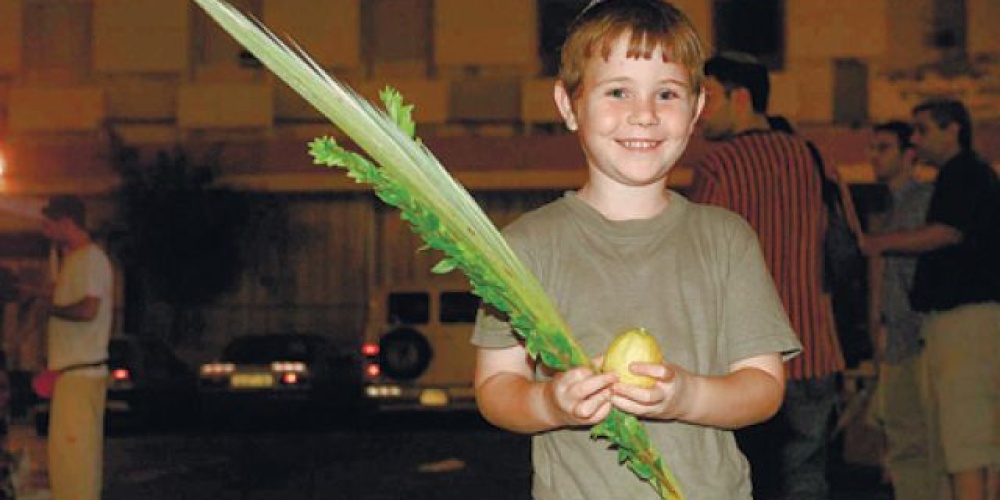
Boy Holding Lulav And Etrog For Sukkot Stock Photo - Download Image Now - Judaism, Child, Lulav - iStock

Our Mishnah:  קָטָן הַיּוֹדֵעַ לְנַעְנֵעַ, חַיָּב בַּלּוּלָב:

Shulchan Aruch 657: קטן היודע לנענע לולב כדינו אביו חייב לקנות לו לולב כדי לחנכו במצות:

Why does the Shulchan Aruch change the text? The Mishna doesn’t say that a father needs to buy his son a Lulav. 

The simple answer of the famed Reb Shimon Sofer, the grandson of the Chasam Sofer who was murdered in Aushwitz at the age of 95! Also known as the Erloyer (Erlauer) Rov. Here. 

R’ Shimon Sofer HY”D

The Mishnah was referring to  ארץ ישראל where there is only one day Yom Tov. So after the father does the Mitzvah with his Lulav he can give it to his young son. The fact that the son will not be able to give it back to his father is not an issue because from the second day onward, לכם is not needed. The son can loan it back to his father. 

An older man gives a young boy an esrog and lulav to bless on the Jewish holiday of Sukkot. In Crown Heights, Brooklyn, New York Stock Photo - Alamy

In חוץ לארץ however, on the second day לכם is still required, so the father cannot give it to his since he needs a לכם Lulov on the second day as well. The only option is to purchase one for his child!

התעוררות תשובה 16. 

Reb Shimon’s grandson. 

Shiur Sukkah 42a 08/16/2022

BS”D

Sukkah 42a

Menachem Av 19, 5782. August 16, 2022 

1- We began with an interesting comment by the ערוך לנר. Last week we encountered the story of Rabon Gamliel who spent 1,000 Zuz for an Esrog. 

Lulav & Esrog - Chabad Jewish Center Reston - Herndon

The Gemara says that the reason for mentioning this tidbit, is to show how much ‘they valued the Mitzvos’. 

The obvious question is: who are the ‘they’? It was only Rabban Gamliel that shelled out this exorbitant sum. 

Says the ערוך לנר, the only way this high  sum was reached and paid for by Rabban Gamliel is if there were others also bidding on this Esrog! So there were many that were ready to pay a high price showing that they ‘valued the Mitzvos’. 

Online Auctions are Up Up UP

2- We next learnt an interesting and detailed  ברייתא. We discussed 3 items at length. 

From Sefaria:

תַּנְיָא, רַבִּי אֶלְעָזָר בַּר צָדוֹק אוֹמֵר: כָּךְ הָיָה מִנְהָגָן שֶׁל אַנְשֵׁי יְרוּשָׁלַיִם, אָדָם יוֹצֵא מִבֵּיתוֹ — וְלוּלָבוֹ בְּיָדוֹ. הוֹלֵךְ לְבֵית הַכְּנֶסֶת — לוּלָבוֹ בְּיָדוֹ. קוֹרֵא קְרִיאַת שְׁמַע וּמִתְפַּלֵּל — וְלוּלָבוֹ בְּיָדוֹ. קוֹרֵא בַּתּוֹרָה וְנוֹשֵׂא אֶת כַּפָּיו — מַנִּיחוֹ עַל גַּבֵּי קַרְקַע. הוֹלֵךְ לְבַקֵּר חוֹלִים וּלְנַחֵם אֲבֵלִים — לוּלָבוֹ בְּיָדוֹ. נִכְנַס לְבֵית הַמִּדְרָשׁ — מְשַׁגֵּר לוּלָבוֹ בְּיַד בְּנוֹ, וּבְיַד עַבְדּוֹ, וּבְיַד שְׁלוּחוֹ. 

sukkah photo – The Real Jerusalem Streets

It is taught in a baraita that Rabbi Elazar bar Tzadok says: This was the custom of the people of Jerusalem during the festival of Sukkot. 

1- A person leaves his house, and his lulav is in his hand; he goes to the synagogue, and his lulav is in his hand; he recites Shema and prays, and his lulav is in his hand; he reads the Torah and a priest lifts his hands to recite the priestly benediction, and 

Sukkot as a Shivah of Simcha - Center for Small Town Jewish Life

2- he places it on the ground because he cannot perform those tasks while holding the lulav. 

3- He goes to visit the ill or to console mourners, and his lulav is in his hand; he enters the study hall to study Torah, and he sends his lulav home in the hands of his son, in the hands of his slave, or in the hands of his agent.

1- When to be מקיים the מצווה of the ד’ מינים. 

It seems (but not conclusive) from the ברייתא  that they would be מקיים מצוות ד’ מינים before going to Shul. 

The Shulchan Aruch, 644 including the Alter Rebbe say that it should be done right before הלל. Not before Davening. 

תרמד סדר הלל כל ימי החג ובו סעיף אחד:

א אחר שחזר ש”ץ תפלת השחר נוטלין הלולב ומיניו א לקיים מצות עשה של תורה שנאמר ב ולקחתם לכם ביום הראשון וגו’ ומברכין על נטילת לולב ג ושהחיינו ד וסדר נטילתו וברכותיו וניענועו יתבאר בסי’ תרנ”א ה.

The Arizal said that we should be מקיים מצוות ד’ מינים  in the Sukkah. 

Sukkah 36: Lulav in the Sukkah | Torah In Motion

To accomplish both, meaning that the entire מנין to go to the Sukkkah after שמונה עשרה, says the Alter Rebbe in his Siddur we cannot do. 

ומן הדין יש לברך על הלולב אחר התפלה קודם ההלל אלא לפי שמצות נטילתו בסוכה הוא מצוה מן המובחר ואי אפשר לצאת מבית הכנסת מפני הרואים לפיכך בבוקר קודם שיתפלל בעודו בסוכה יברך

[We discussed the wording מפני הרואים] 

So the מנהג חב”ד is to Bentch early morning in the Sukkah. לפיכך בבוקר קודם שיתפלל בעודו בסוכה יברך.

An orthodox Jewish rabbi blesses the esrog & lulav on Sukkot in a large Sukkah in Brooklyn, New York Stock Photo - Alamy

See below * the Rebbe’s explanation that Bentching in the Sukkah is not only על פי סוד- from the Arizal, but also in נגלה. 

2- Placing the Lulav on the ground. 

Mosaic in Teveria

We mentioned the difference between תשמישי קדושה and תשמישי מצווה. 

The first, תשמישי קדושה, includes object that have שם ה in them. Like Tefillin and a Sefer Torah. 

Lulav and Tzitzis, for example, are of the lesser grade תשמישי מצווה. 

See Megillah 26a. See here and Here. 

תשמישי מצווה – נזרקין, תשמישי קדושה – נגנזין. 

ואלו הן תשמישי מצווה: סוכה, לולב, שופר, ציצית. 

ואלו הן תשמישי קדושה: דלוסקמי ספרים, תפילין ומזוזות ותיק של ספר תורה ונרתיק של תפילין ורצועותיהן. 

Vintage Torah mantle Sefer Torah cover vintage Israel Jewish Judaica style #27 | eBay

YM asked about the רצועות of the Tefillin. See Tosfos in Megillah above and AR OC 42, 6.  

Amazon.com: Leather Straps"Retzuot" Head+arm =7.5m Black for Tefillin Tfillin Phylacteries : Musical Instruments

May one place תשמישי מצווה , like a Lulav, on the ground not in a manner that will entail  ביזוי ? 

3- Visiting the sick and comforting the mourners

We mentioned the Rambam  (Availus 14, 7) that if one has a case of ביקור חולים and ניחום אבלים one should go the be מנחם אבל first because ניחום אבלים comforts and is a חסד של אמת for both, the living and the dead. 

יראה לי שנחמת אבלים קודם לבקור חולים. שנחום אבלים גמילות חסד עם החיים ועם המתים:

Bikur cholim - Wikipedia

The אור שמח asks, according to the Ramban, why does our Gemara list  לְבַקֵּר חוֹלִים וּלְנַחֵם אֲבֵלִים. He answers that on Yom Tov there is no Availus so ביקור חולים comes first. 

We discussed Rav Betzalel Zolty note on this. More or less it goes like this: If there is no Availus on Yom Tov then why mention it in the ברייתא as something these אנשי ירושלים did on Sukkos? 

He quotes the Gemara that if someone passes away and has no family that will sit Shiva, nevertheless, ‘ten people should gather and sit at his place’. 

Dallas Chevra Kadisha - Jewish Burial Society

That is the חסד של אמת for the deceased. 

So on Yom Tov, even though the חסד של אמת for the living is absent (since there is no אבילות  on Yom Tov), the חסד של אמת for the deceased is present. 

Therefore, the אנשי ירושלים, when encountering both    ביקור חולים and ניחום אבלים on Sukkos they would go with their Lulav first to ביקור חולים to comfort the living and only then to be מנחם אבל which is for the deceased only (on Yom Tov). 

3- We concluded, being that is was כ”ף מנחם אב, with a letter written by Reb Levi’k in 1936 to the Rebbe which touches on the topic of Sukka. 

A Leader in His Own Right - Anash.org

In short, using simple non Kabalistic terminology – Rosh Hashana and Sukkos are in a sense two sides of a coin as explained at length in Chassidus. Whereas on Rosh Hashanah (until Yom Kippur) the mood is somber, intense, serious, and focused, (גבורה- דין) On Sukkos it is relaxed, happy and joyous. Both types of עבודה accomplish the same results. 

We come across, says Reb Levik, one similar theme in both: the numbers 4, 3  and 3. 

Bundesstraße 433 - Wikipedia


On Rosh Hashanah the sequence of the Shofar tunes are

תשר”ת תש”ת תר”ת  (see below **) similarly we find in Sukkos the same sequence in a crucial aspect of the actual Sukka. 

As we learnt on Daf 6a, we know the minimum number of walls needed to create a Kosher Suka from the way the Torah writes the word סוכה. Twice as a 3 letter word and once as a four letter. (see below **). 

So in Sukkah as well there is this number sequence, 4, 3, and 3.  

With one difference – Rosh Hashanah it is 4,3,3. On Sukos it is 3,3,4. 

334 numerology and the spiritual meaning - Number.academy

Explains Reb Levik – as above, Rosh Hashanah is a time of גבורה and דין where as things progress they become less and less. דין means holding back, contracting and not developing. Therefore the sequence is 4,3,3. 

Sukkos on the other hand is רחמים, whose nature is to open up, to share  and give more. Therefore the sequence is 3,3,4. 

אגרות לוי יצחק עמוד 357

—————–

לקו”ש כב. 122 *

Pesach is on days of the calendar on which something occurred. יציאת מצרים. 

Sukkos occurs on random days. On the contrary, the Torah chose these days, late in the fall, when people do not sit outdoors in huts, so people will internalize the miracle of the clouds that protected them.  

Thus the חג creates the days of celebration. Being that when commanding for the ד’ מינים the Torah says ולקחתם לכם ביום הראשון, the יום ראשון of Sukkos, the intention is that the ד’ מינים will ‘complement’ the central theme of Sukkos. 

In other words, the  ד’ מינים exist because it is ביום הראשון of Sukkos. 

It is therefore proper, על פי נגלה to perform the מצוות ד’ מינים in the Sukkah. 


——————————————

תקיעת שופר – חב"דפדיה

**

תשר”ת – תקיעה שברים תרועה תקיעה

תש”ת – תקיעה שברים תקיעה

תר”ת – תקיעה תרועה תקיעה

 ויקרא פרק כג

מב בַּסֻּכֹּת תֵּשְׁבוּ, שִׁבְעַת יָמִים; כָּל-הָאֶזְרָח, בְּיִשְׂרָאֵל, יֵשְׁבוּ בַּסֻּכֹּת.

מג לְמַעַן, יֵדְעוּ דֹרֹתֵיכֶם, כִּי בַסֻּכּוֹת הוֹשַׁבְתִּי אֶת-בְּנֵי יִשְׂרָאֵל, בְּהוֹצִיאִי אוֹתָם מֵאֶרֶץ מִצְרָיִם:  אֲנִי, יְהוָה אֱלֹהֵיכֶם.

סֻּכֹּת

סֻּכֹּת

סֻּכּוֹת

Shiur Sukkah 41b 08/09/2022

BSD

Suka 41b

Menachem Av13, 5782. August9,, 2022the 

1- We continued the topic of חדש and the two opinions of when one can begin eating חדש when there is no Beis Hamikdash. Either on the 16 of Nisan or the 17th. 

The Omer Offering - Emor Art - Parshah

[Any produce that took root after that time is prohibited to be eaten until next year פסח]. 

2- The next Mishnah – what people did when Sukkos occurred on Shabbos. 

יוֹם טוֹב הָרִאשׁוֹן שֶׁל חָג שֶׁחָל לִהְיוֹת בְּשַׁבָּת, כָּל הָעָם מוֹלִיכִין אֶת לוּלְבֵיהֶן לְבֵית הַכְּנֶסֶת. לַמָּחֳרָת מַשְׁכִּימִין וּבָאִין, כָּל אֶחָד וְאֶחָד מַכִּיר אֶת שֶׁלּוֹ, וְנוֹטְלוֹ. מִפְּנֵי שֶׁאָמְרוּ חֲכָמִים, אֵין אָדָם יוֹצֵא יְדֵי חוֹבָתוֹ בְּיוֹם טוֹב הָרִאשׁוֹן שֶׁל חָג בְּלוּלָבוֹ שֶׁל חֲבֵרוֹ. וּשְׁאָר יְמוֹת הֶחָג, אָדָם יוֹצֵא יְדֵי חוֹבָתוֹ בְּלוּלָבוֹ שֶׁל חֲבֵרוֹ:

A pile of black hats of the same style worn by Lubavitch Hasidic Jews in Crown Heights Brooklyn, New York Stock Photo - Alamy

each one recognized which one was his…

3- Our Gemara suggests a פסוק that says that ‘every individual needs to take the ד׳ מינים’. 

We discussed the Meiri and others that question the need for a פסוק. How else would this מצוה be performed if not by everyone individually? The ד׳ מינים’ is a מצוה שבגופו and one cannot make a shliach. Neither can one be יוצא through someone else. 

The classic answer given is that without the פסוק we would think that it is a Mitzva on the Beis Din. Just as the blowing of the Shofar on Yom Kippur in the year of יובל. 

Jubilee – Focus Online

We went back and forth trying to understand why we would think so. וצ״ע. 

4 – 

There was an incident involving Rabban Gamliel, and Rabbi Yehoshua, and Rabbi Elazar ben Azarya, and Rabbi Akiva, who were all traveling on a ship during the festival of Sukkot and only Rabban Gamliel had a lulav, which he had bought for one thousand zuz. Rabban Gamliel took it and fulfilled his obligation with it and then gave it to Rabbi Yehoshua as a gift. Rabbi Yehoshua took it and fulfilled his obligation with it and gave it to Rabbi Elazar ben Azarya as a gift. Rabbi Elazar ben Azarya took it and fulfilled his obligation with it and gave it to Rabbi Akiva as a gift. Rabbi Akiva took it and fulfilled his obligation with it and returned it to Rabban Gamliel.

Rabban Gamaliel(רבן גמליﭏ)

Rabban Gamliel from the Sarajevo Haggadah

כִּי הָא דְּאָמַר רָבָא: ״הֵא לְךָ אֶתְרוֹג זֶה עַל מְנָת שֶׁתַּחְזִירֵהוּ לִי״. נְטָלוֹ וְיָצָא בּוֹ, הֶחְזִירוֹ — יָצָא, לֹא הֶחְזִירוֹ — לֹא יָצָא.

5- מתנה על מנת להחזיר- a conditional gift where the recipient must/will eventually give back the item. Halachically, it is considered ‘his’ now, if he returns it later. 

תלמוד ישראלי - בעל: אני בבית! והבאתי לך מתנה! אשה: תודה! מה קנית לי? בעל: סמארטפון חדש... אבל את מחזירה לי אותו כן? אשה: מה?! --- "מתנה על מנת להחזיר" – יש


On the 1st day of Sukkos [in Eretz Yisrael and the first two days of Sukkos in the Diaspora as will be explained next] one only fulfills his obligation with a set of Daled Minim which he personally owns. Therefore when using someone else’s Lulav one must receive it as a present on condition to return. Thus the giver should explicitly say to the recipient “It is a present on condition you return it”. If this was not explicitly said and rather the Daled Minim were simply given to the person without mentioning anything, he has nevertheless fulfilled his obligation. If however the receiver did not know the law that he must own the Daled Minim then he has not fulfilled his obligation and is to be given it again as a present on condition to return.

Every child knows this concept. But what it means and how it works is a big topic. 

What is the status of the item when it is with the receiver? 100% his? What effect does the condition have on this ‘temporary ownership’. How is this different from borrowing?

We scratched the surface beginning with the Rosh who says that it is an absolute sale and the receiver must gift it back to the giver. It does not happen automatically. The condition, that he must return it, is a ‘side’ issue that does not weaken the 100%  ownership. 

Sukkah 43: My Lulav Is Better Than Yours | Torah In Motion

[Thus a child, who can receive a gift but cannot not gift it, would have a problem using מתנה על מנת להחזיר]

If he doesn’t specify that it’s an outright gift and that he will need to ‘re-acquire’ it back, but just says ‘it’s yours until you are done and then it simply goes back to me’ – that is not a מתנה, but שאלה

 The Ketzos (241, 4), in one of his famous pieces, argues and says that no קנין is necessary when returning it to the giver.

A מתנה על מנת להחזיר works to be considered 100% owned by the receiver because such ‘a gift is for a set amount of time’. When the time is up, it reverts back to the giver automatically. 

As opposed to loaning, where the only thing loaned is the usage. Not the actual item. 

6 – We learnt the text of the Tosfos that discusses a communal Esrog. The issue is that if members of the Kehila participate in the purchase of the Esrog then it is a partnership. It is not a proper לכם. 

Growing Etrogs Down Under - Tablet Magazine

Tosfos suggest that every member of the Kehila understand that he needs to gift it to every individual when this individual uses it on the first day of Yom Tov via a מתנה על מנת להחזיר.  

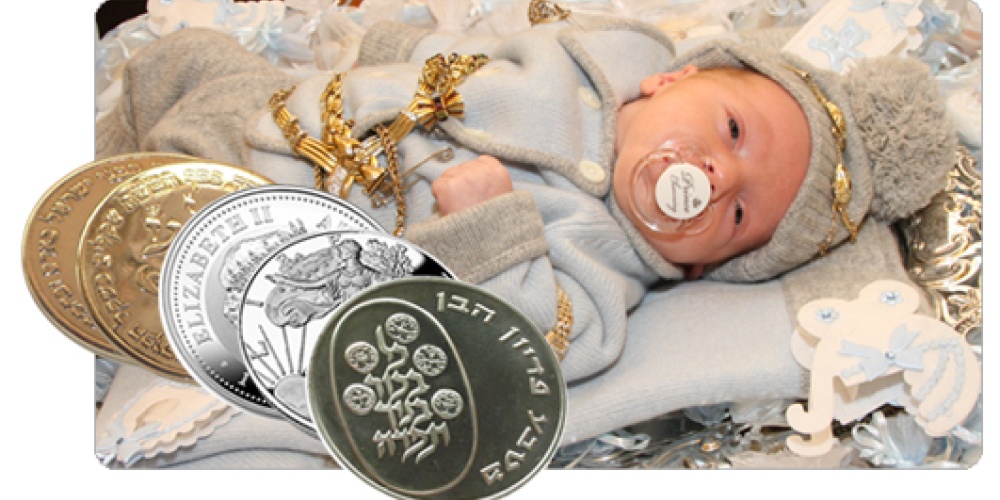
7 – We discussed מתנה על מנת להחזיר by פדיון הבן which does not work. YD 305, 8. 

The question is if one is allowed to ask the כהן to return the silver coins. 


Shiur Sukkah 41a 08/02/22

BS”D

Sukkah 41a

Menachem Av 5, 5782. August 2, 2022

1 – We began a new Mishna that discusses the Mitzva of נטילת ד’ מינים. 

At the דאורייתא level:

  • In the מקדש the Mitzva is on all 7 days of Sukkos. 
  • Anywhere outside the מקדש, in the מדינה, the Mitzva is only on the first day of Sukkos. 

הר הבית חדשות - סוכות - המקדש מקום השמחה

After the חורבן, it was Reb Yochanon ben Zakai that instituted that the Mitzvah of the Daled Minim is on all 7 days זכר למקדש. 

So today, on the first day of Sukkos the מצווה is Min Hatorah. On the following 6 days it is only מדרבנן. 

2 – We discussed the famous מחלוקת as to the definition of  מקדש and מדינה. According to Rashi, מקדש  is only the actually area of the בית המקדש. Anywhere outside of the בית המקדש is considered מדינה. 

What Did the Beit Hamikdash Look Like? - Jewish Action

The Rambam disagrees. His opinion is that all of ירושלים is considered מקדש. Meaning that in all of ירושלים, the ד’ מינים was obligatory on all 7 days מן התורה. 


3 – Now, after the חורבן, when no one is in the מקדש area, everyone is in the מדינה, only the first day of Sukkos the מצווה is מן התורה. The other days it are only מדרבנן. 

But the Rambam says that the entire Yerusholayim is מקדש! 

בית המקדש - תמונטיב - ייצור ושיווק תמונות יהדות לבית ולעסק

Discussed the opinion of the ביכורי יעקב (OC 658, 7) that he sees no reason, according to the Ramabam, for anyone living in ירושלים, why this מצוה is not applicable all 7 days  מן התורה even today! 

ומי שזוכה לדור בירושלים עיה”ק תוב”ב, יכוון לקיים מצות נטילת לולב כל ז’ בספק אי מדאורייתא אי מדרבנן

He even suggests that one that lives in ירושלים and therefore his נטילת הד’ מינים, is מן התורה, he should have in mind that he is מקיים a Mitzva דאורייתא!!!

See here. Others disagree.

4 – Discussed why, if the 6 days of Sukkos the ד’ מינים is only זכר למקדש, we don’t say a הרחמן הוא יחזיר לנו ….. as we say after ספירת העומר. 

Also touched on the topic of זכר לחורבן and the חתם סופר about perhaps not building homes from stone/bricks since it shows that we plan to be in גלות for a long time.  

Jewish Painting: Jewish life in Shtetl - Alex Levin

5- We read the Tosfos that quotes the famous Gemara that one can bring קרבנות even if there is no בית המקדש. So in theory if one would build a מזבח on  the הר הבית at the correct location, קרבנות could be brought.

מקריבין אף על פי שאין בית

Historically, this served as a rallying point to some to attempt to build a מזבח and perform עבודת הקרבנות. It’s a big topic and BL”N will go back to it in the future. 

Rabbi Hirsch Kalischer - Thorn - The Edythe Griffinger Portal

6- We mentioned Reb Tzvi Hirsh Kalisher, a talmid of R Akiva Eiger, and one of the earliest frum Rabbonim that proclaimed a movement to return to ארץ ישראל, with the belief that to start the  גאולה we should not wait for Moshiach or another miraculous phenomenon. 

Incidentally, the ערוך לנר, mentioned earlier (ביכורי יעקב), was opposed to the effort.

This of course is the root of religious Zionism that קיבוץ גלויות will occur in stages. Needless to say that this runs contrary to the Rambam and all others that קיבוץ גלויות will happen after the building of the בית המקדש. 

We read the ירושלמי (Brochos 1) that says של ישראל קמעא קמעא.  גאולתן . ‘The redemption of Jews will be incremental’. 

ר’ חייא בר אבא ור’ שמעון בן חלפתא היו מהלכין בקרוצתא [=בעלות השחר] בהדא בקעתא דארבאל,

וראו אילת השחר שבקע אורה לעלות,

אמר לו ר’ חייא: כך היא גאולתן של ישראל,

אמר לו ר’ שמעון: היינו דכתיב “כי אשב בחשך ה’ אור לי” (מיכה ז’, ח),

בתחלה היא באה קימעא קימעא, ואחר כך היא מנפצת ובאה, ואחר כך היא פרה ורבה, ואחר כך היא משתבחת והולכת.

Parenthetically, the Rebbe writes that ‘surely the Rambam also knew of this Yerushalmi’ and yet codified as above. 

7- We discussed the Rashi in our Gemara that states that the 3rd Beis Hamikdash will not be built by humans but will descend from heaven. 

Original Painting of a Dream Jerusalem Temple That Comes in - Etsy

In many other sources it says explicitly that it will be built by humans. 

Mentioned the various approaches that suggest how both methods are true and will occur simultaneously. 

8- Story with Reb Yoel ע”ה – with R Yosef Karo and the introduction to מגיד מישרים, regarding not eating meat on Rosh Hashanah.

His point was: ‘if you can accept that the Beis Yosef forgot a גמרא, you can also accept that the מלאך can forget it as well….. and come to the conclusion that perhaps קודשא בריך הוא himself forgot it….!’ 

How R' Yoel Marked 90th Birthday


Shiur Sukkah 40b 07/19/2022

BSD

Suka 40b

Tammuz 20, 5782. July 19th, 2022

1- The Shiur was about the general practice of פדיון and חילול. 

Pesachim Comes to a Close | Torah In Motion

We spoke about this interesting process and why it works with some items and others not. 

For example – fruits of מעשר שני can be ‘transferred’ to cash. תרומה and מעשר cannot.

Cash Exchange at Street Fruit Stand Stock Image - Image of accept, business: 31458923

The קדושה of an animal designated for a קרבן cannot be transferred, but if has a blemish and was donated to בדק הבית it can be sold and the proceeds become הקדש. 

בדק הבית | tefilalemoshe.org

2- We mentioned the interesting Halacha on the process of redeeming הקדש. Say someone living in South Dakota, donates a bracelet to הקדש. It can be to his Shul or בזמן הבית towards בדק הבית. 

Donations Stock Illustrations – 4,580 Donations Stock Illustrations, Vectors & Clipart - Dreamstime

The   גבאים of the Shul or הקדש opt to sell the bracelet and use the cash for whatever is needed in the Shul or בית המקדש. The process is that it needs first to be appraised properly, a value established and then sold. העמדה והערכה.

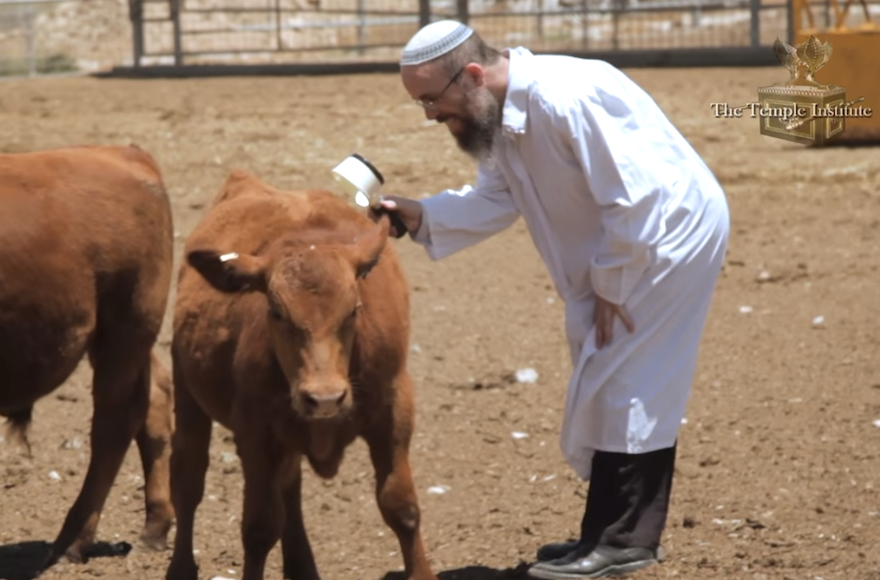
Jewish Temple group launches Indiegogo campaign to breed sacred cow - Jewish Telegraphic Agency

What if the donor insists that his gift not be sold now but rather during the gift giving holiday season where a better price can be obtained? Or if הקדש wants to send this bracelet to LA where a higher price can be fetched for it? In both scenarios הקדש will gain. 

The Mishna in ערכין says (6, 5 ) that אֵין לַהֶקְדֵּשׁ אֶלָּא מְקוֹמוֹ וְשַׁעְתּוֹ. Meaning that the appraisal and sale of such items must to be done on location and time of the appraisal. The reason is that any delay may cause it never to be done. 

היו בנכסים בהמה ועבדים ומרגליות ואמרו התגרים אם ילקח לעבד זה כסות בשלשים משבח הוא מאה. ופרה זאת אם ימתינו בה לאטלס משבחת עשרה. ומרגלית זו אם מעלין אותה למקום פלוני תשוה ממון רב וכאן אינה שוה אלא מעט. אין שומעין להן. אלא כיצד עושין מוכרין הכל במקומו ובשעתו כמה שהוא שנאמר ונתן את הערכך ביום ההוא קדש לה’ לרבות כל דבר של הקדש שאין מפרכסין אותו ואין ממתינין בו לשוק ולא מוליכין אותו ממקום למקום אין להקדש אלא מקומו ושעתו:

Rambam Erchin 3, 19. 


How To Add Multiple Clocks and Timezones To Your Windows 10 PC - Dignited

3 – In regards to שביעית פירות we know that it can be transferred to money or another food item.

The two process that work on הקדש are:

A-  Simple חילול/ transfer.  ‘May the קדושה of this object (that is )קודש, be transferred to this object’. The קודש object becomes חולין and the חולין object now becomes קודש. 

7,769 Barter Images, Stock Photos & Vectors | Shutterstock

B- A sale of the an object that is קודש. The buyer pays the הקדש. The money becomes הקדש and the object becomes חולין. 

The dispute in our גמרא between Reb Elazar and Reb Yochanan is what process works with פירות שביעית for this transfer to take effect. Only thru a sale or also with a simple in-house חילול. 

4- Our Gemara has sharp words for one that does business with פירות שביעית. Rashi writes that in ערכין,      

(30, b) the full version appears. See below. 

5- We mentioned the vort quoted by Reb Elchanan, explaining the comparison of שביעית  to הקדש, that he heard from יהושע זעליג  from Klimovitch! 

(More about Klimovitch here and here.

קובץ שיעורים ח”ב, כ. 


צבי הירש ליפשיץ
בנו זעליג ליפשיץ. תלמיד ר”ח

—————————————————

From Sefaria :

As Rabbi Yosei, son of Rabbi Ḥanina, says in explanation of the juxtaposition of several passages in the Torah (Leviticus, chapter 25): Come and see how severe is even the hint of violation of the prohibition of the Sabbatical Year, as the prohibition against engaging in commerce with produce of the Sabbatical Year is not one of the primary prohibitions of the Sabbatical Year, and yet its punishment is harsh.

Rabbi Yosei, son of Rabbi Ḥanina, continues: If a person has commercial dealings with produce of the Sabbatical Year or of the Jubilee Year, ultimately he will become so poor that he will be compelled to sell his movable property, as it is stated: “In this Jubilee Year you shall return every man to his possession” (Leviticus 25:13), and it is written in the subsequent verse: “And if you sell something to your neighbor or buy from your neighbor’s hand,” which is referring to an item acquired by passing it from hand to hand. The juxtaposition of the two verses indicates that if one violates the halakhot of the Jubilee Year or the Sabbatical Year, he will eventually have to sell his movable property.

If he does not feel remorse and he does not repent, ultimately he will be compelled to sell his fields, as it is stated in an adjacent verse: “If your brother becomes poor and sells part of his ancestral land” (Leviticus 25:25).

If consciousness of his sins does not come to him, ultimately he will be compelled to sell his house, as it is stated: “And if a man sells a dwelling house in a walled city” (Leviticus 25:29). The Gemara asks: What is different there, in the previous clause, where the tanna says that the sinner does not sense remorse, and what is different here, where he says that consciousness of his sins does not come to him? The Gemara responds: This is in accordance with the statement of Rav Huna, as Rav Huna says: Once a person commits a transgression and repeats it, it is permitted to him.

The Gemara asks: Can it enter your mind to say that it is actually permitted to him because he has transgressed twice? Rather, say that it becomes as though it were permitted to him, that is, after transgressing the prohibition twice he becomes accustomed to this behavior and no longer feels that it is a sin. If one transgresses the prohibition only once, he is apt to feel remorse. Once he repeats his transgression, he loses this sensibility concerning his sins and will no longer feel any remorse.

 Rabbi Yosei, son of Rabbi Ḥanina, continues: If consciousness of his sins does not come to him, ultimately he will be compelled to borrow with interest, as it is stated: “And if your brother becomes poor and his means fail with you, then you shall uphold him” (Leviticus 25:35), and it is written in the subsequent verse: “You shall take no interest or increase from him.”

One does not come to borrow with interest until he has already been compelled to sell his daughter, as it is stated: “And when a man sells his daughter as a maidservant” (Exodus 21:7). The Gemara explains: And even though his daughter is not mentioned in that context in Leviticus, nevertheless, a person prefers to sell his daughter and not to borrow money with interest. This is because there, when one sells his daughter, the sum required in order to redeem her continuously decreases, while here, where one borrows with interest, his debt continuously increases. One may therefore assume that if one borrows with interest, he has already sold his daughter.

If consciousness of his sins does not come to him, ultimately he will be compelled to sell himself, as it is stated: “And when your brother becomes poor with you and sells himself to you” (Leviticus 25:39). Not only will he be sold to you, a born Jew; rather, he will even be sold to a stranger, as it is stated: “And sells himself to the stranger” (Leviticus 25:47). And not only to a stranger who is a convert, but even to a gentile who resides in Eretz Yisrael and observes the seven Noahide mitzvot [ger toshav], as it is stated: “And sells himself to a ger toshav with you” (Leviticus 25:47).

 When the verse further states: “Or to the offshoot of a stranger’s family,” this is referring to the gentile relatives of a ger toshav, who are idolaters. When it says: “Or to the offshoot [le’eker] of a stranger’s family,” this is referring to one who is sold and becomes a servant to idol worship itself, i.e., he is put to work in a temple dedicated to idolatry. In any event, the baraita teaches that it is only due to an individual’s sins that he reaches such a low point that he must sell himself as a slave. If so, the verses dealing with a Hebrew slave should be interpreted in a stringent manner, so that the slave cannot easily be redeemed.

ציון במשפט תפדה ושביה בצדקה