Category Archives: Uncategorized

Shiur Brochos 10a (3) 11a – Sivan 17, 5786 – 06/2/2026

BSD

Brochos 10a (3) 10b

Sivan 17, 5786.  06/2/2026

Brief notes:

We touched on some unfinished topics of last week’s Shiur regarding the story of

הנביא ישעיהו and חזקיהו המלך.

1-  חזקיהו המלך did not get married because he foresaw בנבואה that his descendants would be not יראי  שמים, at the very least.

Topics: How could he have ‘seen’ when by his action (of not getting married) his children would not have been born?!

And how could this נבואה have predetermined his children’s lifestyles if הכל בידי שמים חוץ מיראת ;שמים ie man has free choice.

We mentioned the תוספות in Yevomos that tackles the second question and suggests 2 answers.

Disclaimer – both answers touch upon deep philosophical concepts and thus we’re unsure if what follows is correct.

A – Hashem’s knowledge (and נבואה) of the future does not cause it to happen, but rather ‘reports’ what will happen, depending on the future free choice of humans.

B – It’s true that a human has free will, however, he is, concerning personal traits and character, somewhat bound by the מזלות. He surely has the power to change the course ‘predestined’ for him, but generally, a person will follow his מזל. And that is what חזקיהו saw בנבואה.

2- Feeling some regrets, [this happened while סנחריב, had surrounded ירושלים and was about to destroy it] חזקיהו wanted to discuss it with his משפיע…who happened to be ישעיהו.

Did he do the correct thing by remaining a bachelor?

Topic: Was he married and just didn’t want/have children? Or he never married?

We mentioned the various opinions and discussed if he did have a wife that bore him no children, he could have easily married another 17 wives…. (the limit of wives a king is permitted to have).

We diverged to the חרם דרבינו גרשום and the fact that many ספרדים did not accept this תקנה and that some say that it expired in the year 5,000 – or in the year 1240.

2 more to go

3- So חזקיהו asks ישעיהו to come to his palace.

However, ישעיהו felt that as a נביא the King would need to come to him.

Each one claimed that the history of the relationship of kings and prophets was on his side.

Neither of these two wanted to go see the other.

Topic: According to הלכה the King חזקיהו was correct. See Rambam  מלכים ב, ה.

אפילו נביא עומד לפני המלך ומשתחוה לו

So what was the reason of ישעיהו’s insistence for חזקיהו to come to him?

שו”ת שואל ומשיב תלתאי א, תכג

“דאיך אמר ישעי’ שחזקי’ יבא אליו והא הוא היה מלך והנביא צריך לעמוד לפני “המלך

We mentioned that Ren Yonosson Eibshytz suggests that there are ‘extra years of life floating’ that are available to be gifted to deserving humans.

Sounds weird but the גמרא In :חגיגה ד explains how these years are in a ‘cloud’.

The source of these floating years comes from the following: Occasionally, some pass away ‘before their time comes up’. [this too is a tough to comprehend idea].

“Wrong Miriam!”

Regardless, the years taken from such unfortunate humans, are transferred and added to תלמידי חכמים that act לפנים משורת הדין.

מעביר על מידותיו.

“אִי אִיכָּא צוּרְבָּא מֵרַבָּנַן דְּמַעְבֵּיר בְּמִילֵּיהּ — מוֹסֵיפְנָא לְהוּ לֵיהּ, וְהָוְיָא חִלּוּפֵיהּ”

So ישעיהו, seeing with נבואה, that חזקיהו׳’s life will soon come to an end, calculates that by causing חזקיהו to overlook his status and position, by him coming to see him, it will cause some years to be granted to חזקיהו! And that is indeed what happened and 15 years were added to his life.

4- The story continues with הקב”ה causing חזקיהו to become ill causing ישעיהו to come and be מבקר חולים!

The גמרא mentions the בעל החלומות, saying that even if one see him in his dreams and tells him ‘tomorrow you will die’ one should not cease to ask for רחמנות from הקב״ה.

 אָמַר רִבִּי חָנָן: אֲפִילּוּ בַּעַל הַחֲלוֹמוֹת אוֹמֵר לוֹ לָאָדָם ״לְמָחָר הוּא מֵת״, אַל יִמְנַע עַצְמוֹ מִן הָרַחֲמִים

.Rabbi Ḥanan said: Even if the master of dreams, in a true dream, an angel tells a person that tomorrow he will die, he should not prevent himself from praying for mercy, 6). Although the dream may seem real to him, that is not necessarily the case, and one must place his trust in God.

We discussed the general idea of the validity in what one sees in his dreams. Can one rely on dreams? Does one need to follow what he sees in a dream?

To be continued and will write on this in the future.

5 – One of the 3 things חזקיהו המלך did and was lauded by the חכמים was that he ‘hid the book of medicines’.

גנז ספר הרפואות.

What exactly is this  ספר הרפואות? And who wrote it?

Discussed the opinions on who the author is- ranging from אדם הראשון, to מלאך רפאל  gave it to נח in the תיבה to שלמה המלך.

Now as to what was written in this ספר רפואה is a wide discussion in the ראשונים.

רש”י and others say it was a book of medicines that was used to heal illnesses. So why hide it?

Rashi:

שגנז ספר רפואות – כדי שיבקשו רחמים

Rabbeinu חננאל:

גנז ספר רפואות – שהיו נתלין בו ולא היו מבקשין רחמים על החולה.

We read the text of the Rambam that, uncharacteristically, strongly disagrees with this interpretation.

Hide a book of medicine? Because it causes people not to pray to  ’ה? But people are suffering and the book offers medical instruction on how to heal them!

With this logic, when one is suffering from hunger should he not eat bread?

The Rambam offers his own two explanations as to the meaning of ספר רפואות.

A- A book of remedies based on amulets and talisman artifacts. See here.

B- A book of medicines.

See translation below.

ספר רפואות היה ספר המציע להתרפא במה שאין ראוי לפי התורה להתרפא בו, כמו שדימו אנשי הטלסמאות שיעשו טלסמה בתואר כזה לחולי כזה, או כיוצא בזה מן הדברים האסורים. ומחברו אמנם חיברו על דרך הידיעה בטבע המציאות, לא על דרך שייעשה בדבר ממה שכלל, וזה מותר, לפי שעוד יתבאר לך שהדברים אשר הזהיר ה׳ מעשייתם מותר ללמדם ולהורות הלכה בהם, לפי שה׳ אמר ״לא תלמד לעשות״, ובאה הקבלה אבל למד אתה להבין ולהורות. וכאשר התקלקלו בני אדם התרפאו בו, וגנזו.

או אולי הוא ספר שהיתה בו רפואת הסמים, ואומר שסם פלוני יורכב כך, וישקו אותו בתואר כזה, ויתחדשו ממנו מן המקרים כך וכך, ורפואתו בדבר פלוני, ואם יראה הרופא את המקרים האלה ידע שהושקה בסם פלוני, ויעמוד כנגדו במה שיצילהו. וכאשר התקלקלו בני אדם והחלו להרוג בו, גנזו.

ואמנם הרביתי לך דברים בענין זה, לפי שאני שמעתי, וכך פירשו לי, ששלמה חיבר ספר רפואה שכאשר יפגע באדם חולי מן החליים יפנה אליו ויעשה מה שמתאר ויבריא, וראה חזקיה שבני אדם אינם בוטחים בה׳ בחלייהם אלא ברפואה, וגנזו. ומלבד הפסד זה המאמר ומה שיש בו מן ההזיות, הנה ייחסו לחזקיה מן הסכלות מה שאין לייחס כמותה אלא לפחותים שבהמון, וכן לסיעתו אשר הודו לו. ולפי סברתם המשובשת הטיפשית, אדם שהיה רעב ופנה אל הלחם ואכלו, אשר בודאי יבריא מאותו הצער החזק, האם סר בטחונו בה׳. הוי שוטים, ייאמר להם, כמו שאודה לה׳ בעת האוכל שהמציא לי מה שיסיר רעבוני ואחיה, כן אודה לו על המצאת תרופה שתרפא חליי כשאשתמש בה. ולא הייתי צריך לסתור כמו זה המאמר הפחות לולא פרסומו.

Translated by Gemini:

The Book of Remedies (Sefer Refuot) was a book that offered healing through methods that are improper to heal with according to the Torah, such as what the masters of talismans imagined—that making a talisman of a certain form would cure a certain illness, or similar forbidden practices. Its author composed it merely for the sake of understanding the nature of reality, not for its content to be practically applied. This is permissible, as it will further be explained to you that regarding matters the Lord warned against doing, it is permissible to study them and to render legal rulings on them, since the Lord said, “You shall not learn to do,” and the tradition clarifies: but you may learn to understand and to teach. However, when people became corrupted, they used it for healing, and so it was hidden away.

Or perhaps it was a book containing the remedies of poisons, stating that a certain poison should be compounded in such a way, and administered in such a manner, and that such and such symptoms would arise from it, and its remedy is with such and such a thing; so if a physician sees these symptoms, he would know which poison was administered and could counteract it with what would save the patient. But when people became corrupted and began using it to murder, it was hidden away.

Now, I have spoken at length on this matter because I have heard—and it was explained to this effect to me—that Solomon composed a medical book so that whenever a person was afflicted with any illness, they could turn to it, do what it prescribed, and be cured. Then Hezekiah saw that people were not trusting in God for their illnesses but rather in the medicine, so he hid it away.

Aside from the flaw in this statement and the delusions it contains, they have attributed to Hezekiah a level of foolishness that should only be attributed to the lowest of the masses, and the same to his court who agreed with him. According to their distorted, foolish logic, if a person is hungry and turns to bread and eats it, which will certainly cure him of that intense pain, has his trust in God departed? “O fools!” it should be said to them. Just as I thank God at the time of eating for providing me with that which removes my hunger and allows me to live, so too do I thank Him for providing a remedy that cures my illness when I use it. I would not have needed to refute such a flawed statement were it not for its popularity.

Context Note

This text is a famous passage from Maimonides (the Rambam) in his Commentary on the Mishnah (Pesachim 4:10), where he vehemently rejects the popular folklore that King Hezekiah hid a book of medical cures because people stopped praying to God. Maimonides argues that using medicine is no different than eating food when hungry, and that practicing medicine does not contradict faith in God.


Shiur Brochos 10a (2) – Sivan 10, 5786 – 05/26/2026

BSD

Brochos 10a (2)

Sivan 10, 5786.  05/26/2026

Some short notes:

1 – We concluded last week’s topic of דוד המלך, as the גמרא notes, that he said the word הללו-יה in תהילים for the first time only after he witnessed the downfall of his enemies.

The famous מהרש”א that asks: One of the reasons we do not say the full  הלל on שביעי של פסח is based on the גמרא that הקב”ה told the מלאכים not to say שירה during קריעת ים סוף  ‘when my creations are drowning’.

Gemara: וְאָמַר רַבִּי יוֹחָנָן, מַאי דִּכְתִיב: ״וְלֹא קָרַב זֶה אֶל זֶה כׇּל הַלָּיְלָה״ — בִּקְּשׁוּ מַלְאֲכֵי הַשָּׁרֵת לוֹמַר שִׁירָה, אָמַר הַקָּדוֹשׁ בָּרוּךְ הוּא: מַעֲשֵׂה יָדַי טוֹבְעִין בַּיָּם, וְאַתֶּם אוֹמְרִים שִׁירָה?

So how can דוד המלך have been singing with הללו-יה when his enemies were obliterated ?

:מהרש”א ט

במפלתן של רשעים כו’. מכאן קשה למה שכתבו האחרונים בשם המדרש שאין אומרים הלל ביום אחרון של פסח משום שאמר הקב”ה מעשה ידי טובעים בים ואתם אומרים שירה (סנהדרין לט: מגילה י:), והרי הכא אמרו בהיפך דלא אמר דוד הלל עד שראה במפלתן של רשעים. גם בפ”ב דערכין (י: ע”ש) אמרינן טעם אחר דלכך אין אומרים הלל ביום אחרון דפסח משום דאין חלוקים בקרבנותיהן ודו”ק:

Some (חות יאיר) say that singing שירה is improper only while it is happening. Thus the מלאכים were frowned upon. After the fact however, on the contrary, as it says – וּבַאֲבֹד רְשָׁעִים רִנָּה . More on this next Shiur  explaining also the משנה in פרקי אבות –

שמואל הקטן אומר, בנפול אויבך אל תשמח ובכשלו אל יגל לבך, פן יראה ה’ ורע

בעיניו והשיב מעליו אפו.

2 – The juxtaposition of Kapital ג to ב and the future story of גוג ומגוג with דוד המלך saying:

If one wonders how can someone rebel so against הקב”ה, just look at my personal history when my own son rebelled against me.

3 – The five ways the נשמה gives חיות to the גוף is similar to the way הקב”ה imbues life into this world.

מַה הַקָּדוֹשׁ בָּרוּךְ הוּא מָלֵא כָּל הָעוֹלָם, אַף נְשָׁמָה מְלֵאָה אֶת כָּל הַגּוּף; מַה הַקָּדוֹשׁ בָּרוּךְ הוּא רוֹאֶה וְאֵינוֹ נִרְאֶה, אַף נְשָׁמָה רוֹאָה וְאֵינָהּ נִרְאֵית; מַה הַקָּדוֹשׁ בָּרוּךְ הוּא זָן אֶת כָּל הָעוֹלָם כֻּלּוֹ, אַף נְשָׁמָה זָנָה אֶת כָּל הַגּוּף; מַה הַקָּדוֹשׁ בָּרוּךְ הוּא טָהוֹר, אַף נְשָׁמָה טְהוֹרָה; מַה הַקָּדוֹשׁ בָּרוּךְ הוּא יוֹשֵׁב בְּחַדְרֵי חֲדָרִים, אַף נְשָׁמָה יוֹשֶׁבֶת בְּחַדְרֵי חֲדָרִים. יָבֹא מִי שֶׁיֵּשׁ בּוֹ חֲמִשָּׁה דְּבָרִים הַלָּלוּ, וִישַׁבֵּחַ לְמִי שֶׁיֵּשׁ בּוֹ חֲמִשָּׁה דְּבָרִים הַלָּלוּ.

1- Just as the Holy One, Blessed be He, fills the entire world, so too the soul fills the entire body.

2- Just as the Holy One, Blessed be He, sees but is not seen, so too does the soul see, but is not seen.

3- Just as the Holy One, Blessed be He, sustains the entire world, so too the soul sustains the entire body.

4– Just as the Holy One, Blessed be He, is pure, so too is the soul pure.

5 – Just as the Holy One, Blessed be He, resides in a chamber within a chamber, in His inner sanctum, so too the soul resides in a chamber within a chamber, in the innermost recesses of the body.

4 – The fascinating story of  הנביא ישעיהו and חזקיהו המלך.

We left the many topics related to this story for next Shiur.

The story in short:

Now חזקיהו המלך did not marry since he foresaw בנבואה that his descendants would be not יראי  – שמים at the very least.

[Topics: How could he have ‘seen’ when by his action they would not have been born?

And how could this נבואה have predetermined his children’s actions if הכל בידי שמים חוץ מיראת שמים i.e. man has free choice?]

Feeling some regrets, [this happened while סנחריב, who had surrounded ירושלים and was about to destroy it] he wanted to discuss it with his משפיע…who happened to be ישעיהו. Did he do the correct thing by remaining a bachelor?

[Topic: was he perhaps married and just didn’t want/have children?]

So he asks ישעיהו to come to his palace.

Need to keep in mind that חזקיהו המלך was a great צדיק and if not for some unfortunate incident, would have been…. משיח צדקנו!

However, ישעיהו felt that as a נביא the King would need to come to him.

Each one claimed that the history of the relationship of kings and prophets was on his side.

[Topic: According to הלכה the King חזקיהו was correct. So what was the logic to ישעיהו’s insistence for חזקיהו to come to him?]

So הקב”ה causes חזקיהו to become ill causing ישעיהו to come and be מבקר חולים!

ישעיהו visits King חזקיהו while סנחריב surrounds the city

[Topic: Up to a certain time in history people would not recuperate from an illness. Becoming sick would mean the end of a patient’s life ר”ל. The first person to recuperate was it חזקיהו or perhaps אלישע הנביא? BM 87a]

(רש”י: ונתרפא) – עַד דַּאֲתָא אֱלִישָׁע לָא הֲוָה דְּחָלֵישׁ וְאִתְּפַח…

When they finally meet, ישעיהו begins berating him for not getting married. חזקיהו counters, as above: What’s the point, if my children will not follow בדרך השם ?

ישעיהו  respond with the famous saying :

בַּהֲדֵי כְּבָשֵׁי דְּרַחֲמָנָא לְמַה לָךְ?

מַאי דְּמִפַּקְּדַתְּ אִיבְּעִי לָךְ לְמֶעֱבַד, וּמַה דְּנִיחָא קַמֵּיהּ, קוּדְשָׁא בְּרִיךְ הוּא לִעְבֵיד.

Why do you involve yourself with the secrets of the Holy One, Blessed be He? That which you have been commanded, the mitzvah of פרו ורבו , you are required to perform, and that which is acceptable in the eyes of השם , Blessed be He, let Him perform, as He has so decided.

5. We mentioned that the Rebbe often quoted this line:  בַּהֲדֵי כְּבָשֵׁי דְּרַחֲמָנָא לְמַה לָךְ?

In particular to people who would write to the Rebbe that they are reluctant to go forward with a project when they ‘foresee’ the lack of success.

The Rebbe’s response: בַּהֲדֵי כְּבָשֵׁי דְּרַחֲמָנָא לְמַה לָךְ? You do what is required from you and do not try to figure out the secrets of ה’  as to why he has directed you to do so.

Here is a letter written 20 days after the הסתלקות of the Previous Rebbe, when everyone was in shock and looking for a reason to explain the tragedy.

6. חזקיהו is convinced to get married and ask from ישעיהו to allow him to marry his daughter! His reasoning was the זכות of both will ensure proper children. ישעיהו tell his it’s too late for the גזירה for him to die cannot be reversed. He turns to the wall, prays and lives many years afterward.

The rest of the history is not mentioned in our גמרא.

[Topic: Did he marry? Whom did he marry? Who were his children? The הגהות הב”ח And much more]

7 – Tragic/comic story of the argument on how to say אקדמות in the DP camps.

Shiur Brochos 10a – Sivan 3, 5786 – 05/19/2026

BSD

Brochos 10a

Sivan 3, 5786.  05/19/2026

Short notes.

1 – We continued with the topic of how many Kipitlach תהילים there are – 150 or 147.

Both numbers have sources to back them.

A -150 – as it is printed in all our ספרי תהילים. [From our גמרא is seems to be that there are perhaps 149; since Kapital 1 and 2 are actually counted as one. See further on]

B – 147 – ירושלמי.

See here from Likkutei Sichos, 10.

[Speaking of numbers we mentioned the ‘frumakes’ in the past generation that ensured to have exact change when boarding a bus so as not to have to interact by asking for change from the bus driver if she happened to be a a woman….

In a particular town, if they did encountered a woman driver, they would drop the money in her hand and mumble שלא לשם קידושין….]

3 – Mentioned the Rebbe’s answer to the obvious question asked by many:

How do we reconcile these two numbers? Is it 150 or 147?

The Rebbe adds to their question: Why were none of the primary מפרשים on תהילים bothered by this discrepancy when all our ספרי תהילים  printed show 150 chapters!

The Rebbe’s answer: There is more than one singular way to count the Kapitlach.

We find in the חומש itself, although we commonly refer to them as חמשה חומשי תורה, the גמרא says that they can also be divided into 7 חומשים.

Similarly, we say that there are 24 ספרי תנ”ך when one, תרי עשר,  is actually a combination of 12!

Although we say that there are ג”ן סדרים in the תורה, meaning 53 פרשיות read throughout the year, in reality there are 54. So 53 is one way of counting them, but so is 54.

60 מסכתות when the number may be 61 or 63.

[Is the Rebbe saying that the numbers are arbitrary? Not hewn in stone?]


4 – We discussed two Kapitlach that some consider as one.

Both in הלל:

114 and 115.

Also 117 is not a stand alone Kapital but is the conclusion of 116.

See further in Likutei Sichos a deep explanation on the idea if Kapitalach 1 and 2 are one Kapital or two.

5  – Story with Reb Meir and his neighbors who so embittered his life that it caused him to pray that they should die. His wife Bruria corrected him that his prayer should be that they should do תשובה.

 הַנְהוּ בִּרְיוֹנֵי דַּהֲווֹ בְּשִׁבְבוּתֵיהּ דְּרִבִּי מֵאִיר, וַהֲווֹ קָא מְצַעֲרוּ לֵיהּ טוּבָא. הֲוָה קָא בָעֵי רִבִּי מֵאִיר רַחֲמֵי עִלָּוַיְהוּ כִּי הֵיכִי דְּלִימוּתוּ. אֲמַרָה לֵיהּ בְּרוּרְיָא דְּבִיתְהוּ: מַאי דַּעְתָּךְ? מִשּׁוּם דִּכְתִיב ״יִתַּמּוּ חַטָּאִים״ (תהלים ק״ד:ל״ה), מִי כְתִיב חוֹטְאִים? חֲטָאִים כְּתִיב!

 There were these hooligans in Rabbi Meir’s neighborhood who caused him a great deal of anguish. Rabbi Meir prayed for God to have mercy on them, that they should die. Rabbi Meir’s wife, Berurya, said to him: What is your thinking? On what basis do you pray for the death of these hooligans? Do you base yourself on the verse, as it is written: “Let sins cease from the land” (Psalms 104:35), which you interpret to mean that the world would be better if the wicked were destroyed? But is it written, let sinners cease?” Let sins cease, is written. One should pray for an end to their transgressions, not for the demise of the transgressors themselves.

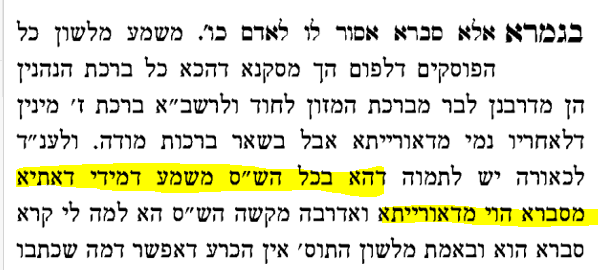
 We discussed the famous  מהרש”א –   on the topic of תפילה for oneself (or for another person)  to become a ירא שמים when it flies against the fundamental idea that הכל בידי שמים חוץ מיראת שמים.

ויש לעיין בזה דודאי באדם המבקש רחמים על עצמו להחזירו בתשובה ניחא דאע״ג דהכל בידי שמים חוץ מיראת שמים הרי אמרו (מכות י) בדרך שאדם רוצה לילך מוליכין אותו והרוצה לטהר מסייעין לו (יומא לט:) וזה המבקש רחמים על עצמו להחזירו בתשובה ה״ז בכלל הרוצה לטהר כו׳ אבל לבקש רחמים על חברו להחזירו בתשובה קשה מה יועיל בקשתו הא אמרי׳ (לקמן לג) הכל בידי שמים כו׳ ושאנו מתפללים והחזירנו בתשובה שלימה כו׳ ל״ק כ״כ כיון שהוא כולל את עצמו ויש לישב וק״ל:

Sicha in ת”ש page 57 about the חסיד who said… and he will במילא be a ירא שמים.

The צמח צדק’s dislike for such an expression. ירא שמים is not something that comes במילא… it needs to be acquired thru עבודה.

גוט יום טוב.

קבלת התורה בשמחה ובפנימיות


Shiur Brochos 9b (2) – Iyar 25, 5786 – 05/12/2026

BSD

Brochos 9b (2)

Iyar 25, 5786.  05/12/2026

Some topics discussed.

1 – We began by asking ‘where is this particular shiur member?’ and he walks in…

Someone said ‘We should have talked about Moshiach, however, we always talk about Moshiach and he’s not arrived yet’.

Story of the physicist who always looked up when his chalk broke and fell to the floor. When asked as to why, he responded: ‘The Boltzmann Statistic says there will always be a particle that will jump the wrong way defying logic. It’s very rare but it happens. So this particular piece of chalk may fly upwards….  I therefore always look up because I don’t want to miss this rare occurrence.

ביאת המשיח is indeed a ‘rare occurrence’. But it will happen. Let’s not miss that moment….

2 – The interesting מצוה to see or greet a king. Even a non-Jewish one.

Rabbi Jonathan Sacks A”H, and King Charles

דַּאֲמַר רִבִּי יוֹחָנָן: לְעוֹלָם יִשְׁתַּדַּל אָדָם לָרוּץ לִקְרַאת מַלְכֵי יִשְׂרָאֵל. וְלֹא לִקְרַאת מַלְכֵי יִשְׂרָאֵל בִּלְבָד, אֶלָּא אֲפִילּוּ לִקְרַאת מַלְכֵי אוּמּוֹת הָעוֹלָם, שֶׁאִם יִזְכֶּה, יַבְחִין בֵּין מַלְכֵי יִשְׂרָאֵל לְמַלְכֵי אוּמּוֹת הָעוֹלָם.

Rabbi Yoḥanan said: One should always strive to run to greet the kings of Israel to witness them in their glory. And not only must one run to greet the kings of Israel, but even to greet the kings of the nations of the world, so that if he will be privileged to witness the redemption of Israel, he will distinguish between the kings of Israel and the kings of the nations of the world, to see how much greater the Jewish king will be and how his rule will be manifest.

We discussed if one needs to stop learning to be מקיים this מצוה. OC רכד, ט.

Mentioned the שערים המצויינים בהלכה from Rabbi Shlomo Zalman Braun  (grandfather of Rabbi Braun of CH) that discusses if this applies to a queen as well, as there is an issue to look at woman’s face…..

Rabbi Shlomo Zalman Braun

סימן ס, הערה ז.

3 – The topic of סמיכות גאולה לתפילה and ותיקין.

ותיקין at the כותל

4 – The amount of Kapitlach in תהילים. There is much discussion about this. We just scratched the surface and will continue next week.

To start: Our גמרא discusses if the first two chapters in תהילים are truly 2 separate chapters or really just one.

5 – An interesting note from the Rebbe about the מנהג of the בעל שם טוב to say the Kapital of one’s age plus one. לקו”ש י, 75.

The Rebbe writes that a source for this מנהג is in the תהילים itself. How?

At the conclusion of chapter 72 is the פסוק

כׇּלּ֥וּ תְפִלּ֑וֹת דָּ֝וִ֗ד בֶּן־יִשָֽׁי

Thus concludes the prayer of Dovid ben Yishai.

Now if the first two קפיטלך of תהילים are counted as one then this is really chapter 71.

דוד המלך  lived to the age of 70, so he was saying and concluded his writing/saying תהלים with the קפיטל for his age!


6 – Speaking of numbers there is an old Jewish quip about a fellow who made a fortune winning the lottery by choosing the right number, as he explained, using his שכל and מזל.

How?

שכל  – seichel;

18 is חי, which I remember from חדר is a lucky number.

Double חי is even luckier. So 2 x 18 = 37!

So I chose number 37.

Now for  מזל –

I had the מזל to have flunked math.


Shiur Brochos 9b – Iyar 18, 5786 – ל”ג בעומר – 05/05/2026

BSD

Brochos 9b

Iyar 18, 5786. Lag B’Omer. 05/05/2026

Brief notes

1 – ״וַיְנַצְּלוּ אֶת מִצְרָיִם״ (שמות י״ב: ל״ו), אָמַר רִבִּי אַמֵי: מְלַמֵּד שֶׁעֲשָׂאוּהָ כִּמְצוּדָה שֶׁאֵין בָּהּ דָּגָן. וְרֵישׁ לָקִישׁ אָמַר: עֲשָׂאוּהָ כִּמְצוּלָה שֶׁאֵין בָּהּ דָּגִים.

With regard to the continuation of the verse: And they emptied Egypt, Rabbi Ami said: This indicates that they made Egypt like a trap in which there is no grain that serves as bait to attract birds. Reish Lakish said: They made Egypt like an abyss in the sea without fish.

Mentioned what is discussed in קבלה וחסידות, that ‘emptying מצרים’ means that whatever ניצוצי קדושה that were there when they arrived, (210 years prior to them exiting) were elevated.

Out of a total of 268 רפ”ח ניצוצות, they elevated 202, alluded to in the פסוק –

ספר שמות • פרק י“ב • פסוק ל”ח

וְגַם עֵרֶב רַב עָלָה אִתָּם וְצֹאן וּבָקָר מִקְנֶה כָּבֵד מְאֹד.  –

רב equals 202.

תורה אור 60, 3

כי רפ”ח נצוצים נפלו בשבה”כ ומזה נתברר בגלות מצרים ר”ב נצוצים וע”ז נאמר וינצלו את מצרים. וז”ש וגם ערב רב עלה אתם.

Also discussed: if מצרים was truly emptied, so where did all the gold and silver that the מצריים brought with them to ים סוף (which resulted in ביזת הים which was greater then בזית מצרים!) come from? 

2 – The Alter rebbe’s question on why the גלות is so long despite there being just 86 ניצוצות remaining.

When the AR wrote  this (תורה אור 27, 4) he said ‘over 1700 years’. Now we are almost at 2,000. 1956 to be exact….

כי הנה ידוע ע”פ ורוח אלקים מרחפת רפ”ח מת דהיינו רפ”ח נצוצין שנפלו מעולם התהו עם הכלים שנשברו. ומספר רפ”ח הוא בחי’ הפירוד של הנצוצין שנפלו כמו שהיו עדיין באצילות שזהו ראשית ירידתן שאז נתפרדו למספר רפ”ח וזהו רפ”ח מת כו’. אבל אח”כ כשנפלו מאצי’ לעולם הבריאה אזי כל נצוץ מרפ”ח נצוצים הנ”ל שבאצי’ נתחלק שם בבריאה לחלקים רבים מאד וכשנפלו מבריאה ליצירה אזי נתחלקו עוד לחלקים ונצוצים קטנים וכן מיצי’ לעשיה נתחלקו ונתפרדו עוד ביותר לאלפים ורבבות. ובזה יובן מה שנמשך הגלות כ“כ הרבה יותר מן י“ז מאות שנה וידוע שהכוונה הכל לברר הרפ“ח ניצוצים וכשיוגמרו הברורי‘ יבא משיח בב“א. וא”כ הוא תמוה וכי אפשר שלא נתברר עדיין רפ”ח נצוצים במשך רב כזה אשר דור הולך ודור בא וכל א’ מישראל מברר חלקו שצריך לברר ומה גם שמספרן של ישראל שצריכי’ לברר הרפ”ח הם ס”ר כיוצאי מצרים והרי עתה ב”ה ישראל רבים יותר ממספר זה יוסף ה’ עליהם כו’ וכ”ש בזמן הקדמוני’ שהי’ נמצא כפרים שהיו בהם יותר מס”ר כמ”ש בגמ’ כפר שחליים כו’.

See previous shiur about this topic and it being the reason on the איסור of going back to live in מצרים.

3 –  The גמרא repeats what it said on 6.

״עֲנֵנִי ה׳ עֲנֵנִי״ (מלכים א י״ח:ל״ז), אָמַר רִבִּי אֲבָהוּ: לָמָּה אָמַר אֵלִיָּהוּ ״עֲנֵנִי״ שְׁתֵּי פְעָמִים? מְלַמֵּד שֶׁאָמַר אֵלִיָּהוּ לִפְנֵי הַקָּדוֹשׁ בָּרוּךְ הוּא: רִבּוֹנוֹ שֶׁל עוֹלָם, עֲנֵנִי שֶׁתֵּרֵד אֵשׁ מִן הַשָּׁמַיִם וְתֹאכַל כָּל אֲשֶׁר עַל הַמִּזְבֵּחַ, וַעֲנֵנִי שֶׁתַּסִּיחַ דַּעְתָּם כְּדֵי שֶׁלֹּא יֹאמְרוּ מַעֲשֵׂה כְשָׁפִים הֵם, שֶׁנֶּאֱמַר: ״וְאַתָּה הֲסִבּוֹתָ אֶת לִבָּם אֲחוֹרַנִּית״ (מלכים א י״ח:ל״ז).

Having explained the use of the double language of “I will be that I will be,” the Gemara proceeds to explain the double language employed by Elijah on Mount Carmel: “Answer me, Lord, answer me, that this people will know that You are the Lord, God, and You have turned their hearts backward” (I Kings 18:37). Rabbi Abbahu said: Why did Elijah say answer me twice? This repetition teaches that Elijah said before the Holy One, Blessed be He: Master of the Universe, answer me that fire will descend from heaven and consume everything that is on the altar, and answer me that You will divert their mind from devising alternative explanations for what they witnessed so that they will say that they were acts of sorcery. As it is stated that Elijah said: “And You have turned their hearts backward,” God can restore them to the proper path as well.

4 – We mentioned the question: How could one think that this fire from Heaven was מעשה כשפים, when the מזבח was flooded with water which caused כישוף to lose its effect and disappear.

Some answer that only מים חיים can counter כישוף.

Speaking of כישוף and water, we discussed the ספר עין שמואל that has a fascinating take on the story in מגילת אסתר.

The fairytale Bodiam Castle and its moat

The reason מרדכי crossed the moat surrounding the palace of אחשוורוש  –

– ויעבור מרדכי  – with the letter from Esther describing גזירת המן was. He suspected that the sender of the letter was not the real אסתר but a שד!

By crossing over a body of water it would have disappeared if it was written with כישוף.

5 –  Being that it was ל”ג בעומר, we discusses many topics about רשב”י  –

רבי שמעון בר יוחי.  Or יוחאי.

To start, we spoke about the ספר by Reb Shmuel Heber of Crown Heights, ספר אפריון לרבי שמעון.  It’s a comprehensive compendium about the life and the תורה of רבי שמעון בר יוחי.

Here are some snippets:

  • The story of רבי שמעון and his escape to the cave is in Shabbos דף לג!
  • Until that page , רבי שמעון is mentioned 33 times from the beginning of ש”ס.
  • Why is the הלכה in general, not like רשב”י?!
  • The Alter Rebbe’s words that the רשב”י is mentioned in every פרק in ש”ס and the Rebbe’s footnote on this.
  • רבי שמעון’s opinion that some מצוות are limited to their logical reason. רבי שמעון דריש טעמי דקרא .  Such as the returning a משכון only to a poor אלמנה  see (.ב”מ קטו)   (see also .סוטה ח)
  • Now the others that disagree with him and say (and such is the הלכה) that this מצווה, for example, applies to all; meaning we are not bound by the reason – does that mean that we, in general, should not search for reasons and meanings in מצוות? Interesting topic.
  • The story with the Rebbe when he explained the משנה in אבות פרק ב,

רַבִּי שִׁמְעוֹן אוֹמֵר, הֱוֵי זָהִיר בִּקְרִיאַת שְׁמַע וּבַתְּפִלָּה. וּכְשֶׁאַתָּה מִתְפַּלֵּל, אַל תַּעַשׂ תְּפִלָּתְךָ קֶבַע, אֶלָּא רַחֲמִים וְתַחֲנוּנִים לִפְנֵי הַמָּקוֹם בָּרוּךְ הוּא, שֶׁנֶּאֱמַר: כִּי חַנּוּן וְרַחוּם הוּא אֶרֶךְ אַפַּיִם וְרַב חֶסֶד וְנִחָם עַל הָרָעָה (יואל ב׳:י״ג). וְאַל תְּהִי רָשָׁע בִּפְנֵי עַצְמְךָ.

The Rebbe seemed to say that this רבי שמעון is רשב”י and connected it with him being one who was תורתו אומנותו .

After a few weeks the Rebbe expressed his frustration that it took weeks until someone wrote to him that this רבי שמעון was רבי שמעון בן נתנאל, as it it obvious from the previous משניות where he is mentioned as one of the 5 student of רבי יוחנן בן זכאי.

The Rebbe further clarified his earlier identification of this “Rabbi Shimon” as Rashbi, drawing a parallel to the Gemara in Berakhot 33b (and Eruvin 13a). In those instances, Rabbah would intentionally present an “incorrect” or puzzling statement to his students as a teaching tool—(a technique required by הלכה) to sharpen the students’ minds and verify their level of engagement and retention.

‘And yet, no one listens to what I say which causes me to get angry…. Now let’s talk about happier topics…לאמיר רעדן פרייליכער זאכן’

See here paragraph 25 and on.

Part of this שיחה was later printed in לקו”ש חלק יז.


Shiur Brochos 9a (2) – Iyar 11, 5786 – 04/28/2026

BSD

Brochos 9a (2)

Iyar 11, 5786. 04/28/2026

Short notes.

1 – We continued with the גמרא that discusses the two opinions of when the time of אכילת קרבן פסח and מצה ends.


Hurry! We only have one minute to finish!

Reb Eliezer and Reb Elazar ben Azaria’s opinion is that it ends at חצות.

Reb Akiva and Reb Yehoshua’s opinion is that it continues until עמוד השחר.

2 – The root of the מחלוקת is the discrepancy of the פסוקים.

וְאָכְלוּ אֶת הַבָּשָׂר בַּלַּיְלָה הַזֶּה צְלִי אֵשׁ וּמַצּוֹת עַל מְרֹרִים יֹאכְלֻהוּ.

That implies that it can be eaten all night.

However, there is a גזירה שוה  of the words בַּלַּיְלָה הַזֶּה and the פסוק of וְעָבַרְתִּי בְאֶרֶץ מִצְרַיִם בַּלַּיְלָה הַזֶּה וְהִכֵּיתִי כׇל בְּכוֹר בְּאֶרֶץ מִצְרַיִם.

That means that the time to eat the קרבן פסח is the exact time of מכת בכורות which was at חצות.

That is the opinion of Reb Eliezer and Reb Elazar ben Azaria.

3 – On the other hand, it says:

וְכָכָה תֹּאכְלוּ אֹתוֹ מׇתְנֵיכֶם חֲגֻרִים נַעֲלֵיכֶם בְּרַגְלֵיכֶם וּמַקֶּלְכֶם בְּיֶדְכֶם וַאֲכַלְתֶּם אֹתוֹ בְּחִפָּזוֹן פֶּסַח הוּא לַיהֹוָה.

The word בְּחִפָּזוֹן, when in a hurry, implies that the קרבן פסח can be eaten at the time בני ישראל were in a state of חפזון. And that was all night, since בני ישראל were not allowed to leave their homes until morning.

So the קרבן פסח can be eaten all night.

That is the opinion of Reb Akiva and Reb Yehoshua.

4 – להלכה, it says in Shulchan Aruch, that the אפיקומן which we eat לזכר הפסח, needs to be eaten before חצות as the opinion of Reb Eliezer and Reb Elazar ben Azaria.

Here is the Alter Rebbe . 477, 6.

5 – We discussed the מנהג חב”ד that at least on the first night to finish before חצות.

רשימות ה , 19.

See here about the second part of הלל.

6 – Mentioned the Rebbe’s סדר in 770 and his constant asking, on the first סדר, as to what time it is.  [Why didn’t they place a wristwatch on the table?]

A rare photo of the Rebbe sitting at the table of the Previous Rebbe on the 2nd floor of 770

7 – We discussed the novel idea of the אבני נזר [others say this in the name of Reb Chaim] on what to do if one sees that he cannot finish the אפיקומן before חצות. How would one eat the סעודה if חצות passes?

Briefly, right before חצות one should eat a כזית of מצה and make a תנאי.

If the הלכה is like Reb Eliezer and Reb Elazar ben Azaria, then this piece of מצה is for the אפיקומן.

He can then continue to eat his סעודה and at its conclusion, eat another piece of מצה for the ,אפיקומן with a similar תנאי – if the הלכה is like Reb Akiva and Reb Yehoshua, then this is my אפיקומן and what I ate before חצות was just another piece of מצה.

Now how can he eat after חצות – after eating the אפיקומן? Maybe the הלכה is like Reb Eliezer and Reb Elazar ben Azaria?

The answer is that according to Reb Eliezer and Reb Elazar ben Azaria, who say that one must eat the  אפיקומן before חצות, the זמן for eating the אפיקומן ends at חצות. So the prohibition not to eat after the אפיקומן only extends until חצות.

In other words, just as according to the opinion that the אפיקומן needs to be eaten before sunrise, immediately after sunrise one may eat, so too, according to the opinion that it needs to be eaten before חצות, immediately after חצות one may eat!

The idea, according to this opinion, is that at חצות one should have the טעם מצה in his mouth. Why at חצות? Because that is when מכת בכורות  occurred. So one can eat מצה at anytime after nightfall but the taste must be present at חצות.

8 – The next piece in our גמרא triggered many דרשות throughout the ages….

The obvious question is – What does it mean that בני ישראל were asked [‘please, please’] to  borrow from the Egyptians so the אברהם אבינו will not complain?

בני ישראל needed to exit מצרים with a רכוש גדול simply because they were promised: וְגַם אֶת הַגּוֹי אֲשֶׁר יַעֲבֹדוּ דָּן אָנֹכִי וְאַחֲרֵי כֵן יֵצְאוּ בִּרְכֻשׁ גָּדוֹל.

We mentioned the answer of the Rebbe on this. לקו”ש כא

To be continued.


Shiur Brochos 8b (3) – Iyar 4, 5786 – 04/21/2026

BSD

Brochos 8b (3) – 9a

Iyar 4, 5786. 04/21/2026

Some brief notes:

1- The topic of when exactly the Halachic day begins and ends.

The consensus is, briefly:

In regards to all מצוות , the day begins at עמוד השחר which is approximately 90 minutes before sunrise and ends at צאת הכוכבים.

The חכמים enacted a תקנה, since עמוד השחר is difficult to calculate, that one should wait until נץ החמה.  OC 58, 2.

2- Our גמרא discusses that קריאת שמע however, may be different because the commandment does not say ‘day’ nor ‘night’. Rather, it says when people are sleeping (or going to sleep) and when people are awake (or awakening).

That implies the time for קריאת שמע is when the custom is to go to bed and sleep and when people awaken.

Therefore, there are opinions that one may קריאת שמע of night after עמוד השחר – although it is, in regards to other מצוות, daytime.

להלכה, this is only when one was an אנוס and was unable to say קריאת שמע earlier in the evening. OC 235.

3- The above idea of saying קריאת שמע של ערבית after עמוד השחר, (when technically it is already daytime) is the opinion of רבי שמעון בר יוחי.

The גמרא says that this unique minority opinion of רשב”י can be followed only בשעת הדחק (as above – אנוס).

וכדאי הוא רבי שמעון לסמוך עליו בשעת הדחק. 

Rabbi Shimon is worthy to be relied upon in a time of pressing need.”

“…I know that , but I’m telling you, now we need Rabbi Shimon!”

4 – In כתבי האריז”ל we find this saying by extension to the גלות when it is indeed a שעת הדחק that we can rely on the רשב”י in whose merits we will be redeemed from גלות.

The Rebbe often quoted this idea.

תמונה מתוך ה'פאראד' - תהלוכת ל"ג בעומר שייסד הרבי, יחד כל ילדי ישראל לכבוד רבי שמעון בר יוחאי

“כדאי הוא רבי שמעון לסמוך עליו..”

See here from תשכ”ג.  LS 3, 1002, end.

From תשמ”ג

5 – תוספות  here mentions Reb Shimshon of קוצי with the title השר מקוצי. We all encountered the fascinating story as told in Marcus Lehman’s novel The Count of Coucy. (See Shiur Beitza 13a)

Is it true? Was he a count or prince? Maybe.

6 – The חיד”א suggests that his name was written as ר”ש, HaRash, meaning Reb Shimshon. However since רש also implies ‘poverty’ or destitution, they changed it to הש”ר מקוצי , meaning HaRav Shimshon.

בשם הגדולים מערכת גדולים אות ש [לה] כתב: רש”י הוא רבינו שלמה יצחקי בזה”ל: רש”י. מצאתי כתוב בקונטרס ישן נושן שקראוהו רש”י והוסיפו יו”ד לרמוז שם אביו ר’ יצחק כדי שלא לומר ר”ש. וכן נזהרו לכתוב על רבינו שמשון הש”ר משאנץ וכן הש”ר מקוצי כדי שלא לכתוב ר”ש עכמ”ך.

I found in a very old manuscript that Rashi רש”י whose name is Rabbi Shlomo, a letter יו”ד is added to his name, and not simply ר”ש, [because ר”ש implies ‘poverty’.]

Similarly, regarding our teacher  שמשון of Coucy, France, we are careful to write  הש”ר מקוצי ‘Ha-Sar’ meaning the Rov Shimshon from Coucy and not ר”ש.

Perhaps this is the source of the tale about him being a שר – count/prince.

7 – As an introduction the the next part in our גמרא which discusses the opinions of the time when one needs to be done with eating the קרבן פסח, (midnight or morning) we mentioned an interesting idea from the ראשונים.

The reason given as to why we say איזהו מקומן של זבחים each morning is to fulfill the מצווה of learning תורה by saying a פרק משניות.

The רבנן chose this פרק in particular because there is no מחלוקת in the entire פרק! It’s a good lesson to start the day with.

However, asks the ריטב”א, as we will see in our גמרא, there is actually a מחלוקת on one item of the last משנה.

הפסח אינו נאכל אלא בלילה, ואינו נאכל אלא עד חצות  ואינו נאכל אלא למנוייו, ואינו נאכל אלא צלי.

Some say that the פסח may be eaten until morning. So what is the meaning of ‘here is no מחלוקת in the entire פרק’?

Answers the ריטב”א that the idea is that although there is a מחלוקת, it is not mentioned in this פרק.

Now that is a good lesson to remember every morning…. There are arguments of course…but why talk about it?

8 – Last week we mentioned the famous Reb Chaim Tzvi Kruger, a Crown Heights resident who was a member of the Agudas HaRabonim and in charge of writing גיטין in NY for many years.

מים שלנו – ה’ ניסן תשמ”ט –  4/10/1989

The story of when he gave ‘advice’ to a בחור during מים שלנו, and the בחור’s response….

See here the letter the Rebbe wrote to him upon receiving an invitation to his son’s Bar Mitzvah.

9 – MR discovered an online account detailing his experiences during World War II and the זכות (merit) he earned by helping to save many lives.

Middle; Rabbi Eliezer Silver. Right; Rabbi Chaim Tzvi Krieger.

The Krieger (also pronounced Kruger) family story is fascinating:

Rabbi Krieger escaped Bordeaux, France with the assistance of de Sousa Mendes and he persuaded de Sousa Mendes to issue visas the Jews of Bordeaux as well:  

https://sousamendesfoundation.org/family/kruger

 See photos, and comments from his grandson at bottom confirming that this is the same Krieger.

https://kevarim.com/rabbi-chaim-tzvi-krieger/


Shiur Brochos 8b (2) – Nisan 27, 5786 – 04/15/2026

BSD

Brochos 8b (2)

Nisan 27, 5786. 04/15/2026

Short notes.

1- The various instructions/advice רבא gave his children.

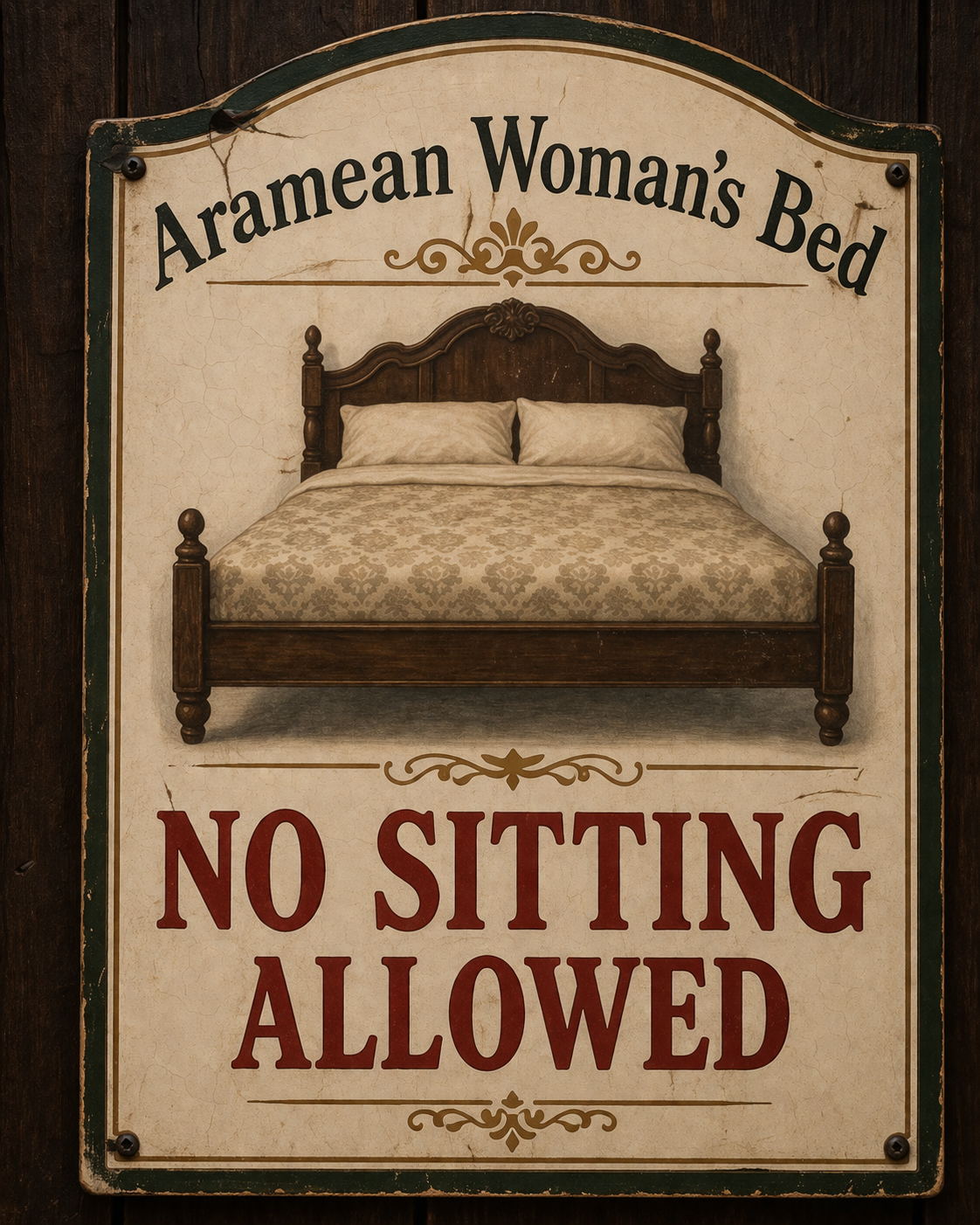
״וְאַל תֵּשְׁבוּ עַל מִטַּת אֲרַמִּית״.

אִיכָּא דְּאָמְרִי, לֹא תִּגְּנוּ בְּלֹא קְרִיאַת שְׁמַע,

וְאִיכָּא דְּאָמְרִי, דְּלָא תִּנְסְבוּ גִּיּוֹרְתָּא,

וְאִיכָּא דְּאָמְרִי, אֲרַמִּית מַמָּשׁ,

A – Do not sit on the bed of an Aramean woman means one should not go to sleep without reciting Shema, as by doing so, it is tantamount to sleeping in the bed of a non-Jew, as his conduct is unbecoming a Jew.

 We mentioned the saying by the Mashpia Reb Shlomo chaim Keselman about the importance of saying קריאת שמע שעל המטה.

“For if not, how can someone get up in the morning יתגבר כארי….when he went to sleep ווי א הונט” ?!

B -Others say: Do not sit on the bed of an Aramean woman means that one should not marry a woman who converted.

Now this version raised questions on the debate if רבא was a כהן. For if he was a כהן, then it’s not ‘advice’ but prohibited!

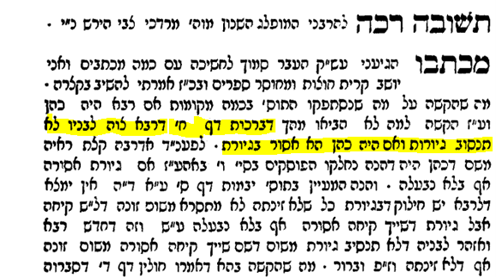
See here שו”ת שואל ומשיב תליתאה סי’ רכה

C- And some say: Do not sit on the bed of an Aramean woman. literally means that one should not sit on the bed of an Aramean, i.e., a non-Jewish woman.

This is based on a story with רב פפא:

וּמִשּׁוּם מַעֲשֶׂה דְּרַב פַּפָּא, דְּרַב פַּפָּא אֲזַל לְגַבֵּי אֲרַמִּית, הוֹצִיאָה לוֹ מִטָּה, אָמְרָה לוֹ: ״שֵׁב!״ אָמַר לָהּ: ״אֵינִי יוֹשֵׁב עַד שֶׁתַּגְבִּיהִי אֶת הַמִּטָּה״. הִגְבִּיהָה אֶת הַמִּטָּה וּמָצְאוּ שָׁם תִּינוֹק מֵת. מִכָּאן אָמְרוּ חֲכָמִים: אָסוּר לֵישֵׁב עַל מִטַּת אֲרַמִּית.

Rav Pappa went to visit an Aramean woman. She took out a bed and she said to him: Sit. He said to her: I will not sit until you lift the sheets covering the bed. She did so and they found a dead baby there. Had Rav Pappa sat upon the bed, he would have been blamed for killing the baby. From that incident, the Sages said: One is prohibited from sitting on the bed of an Aramean woman.

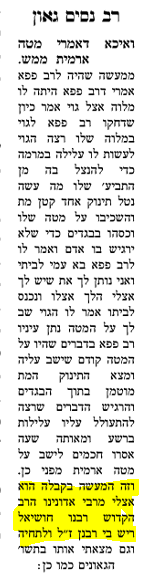
רבינו ניסים writes a different version of this story.

Note the last few lines where he refers to his רבי, the גאון רבינו חושיאל, who seems to have not been alive at that time.

זכרנו לברכה ולתחיה!!

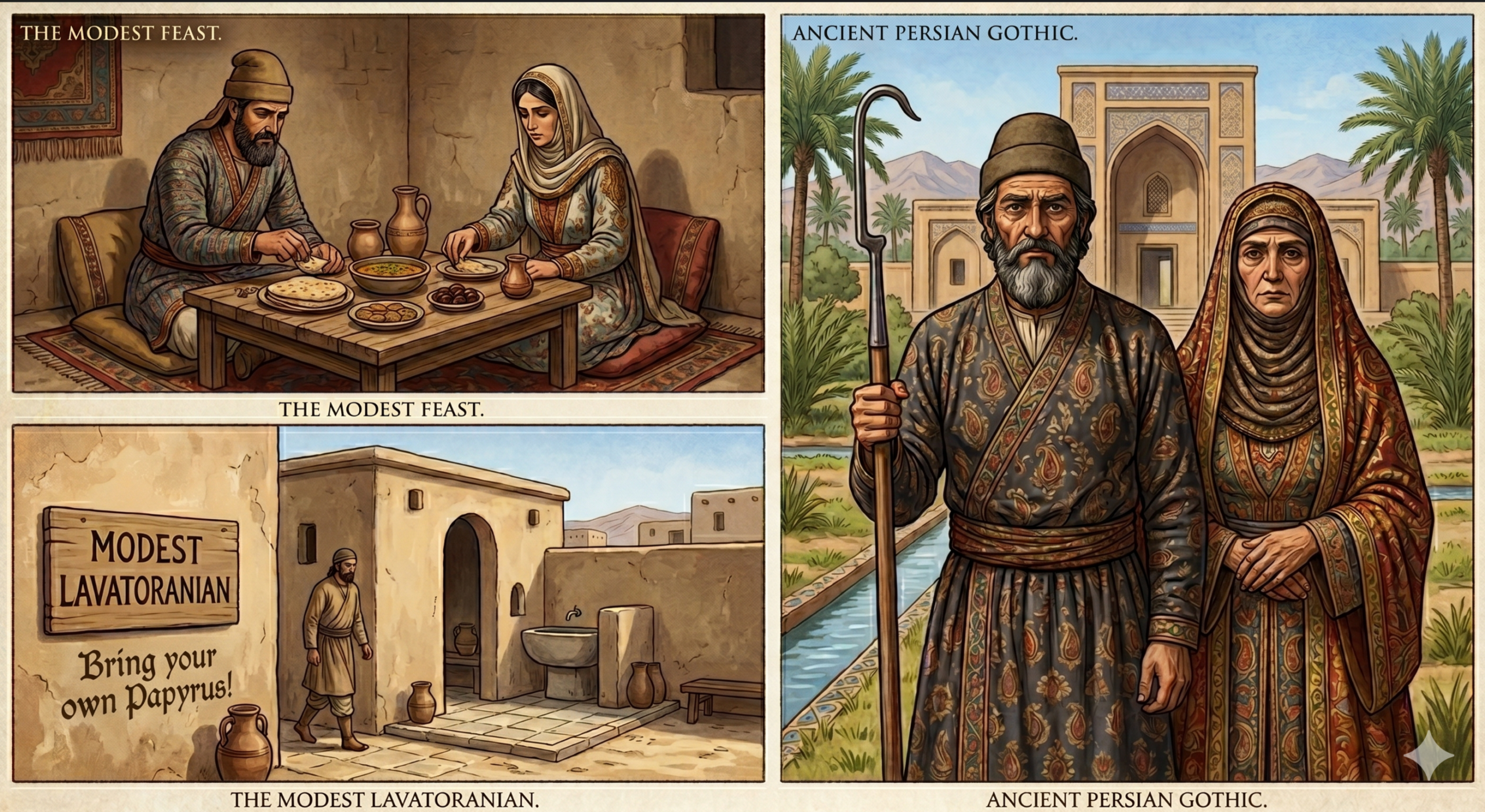
2 – Interesting גמרא where רבי עקיבא and רבן גמליאל advise בני ישראל to learn from other, non-Jewish cultures!

From Iranian/Persian goyim –  פרס ומדי-  no less…..

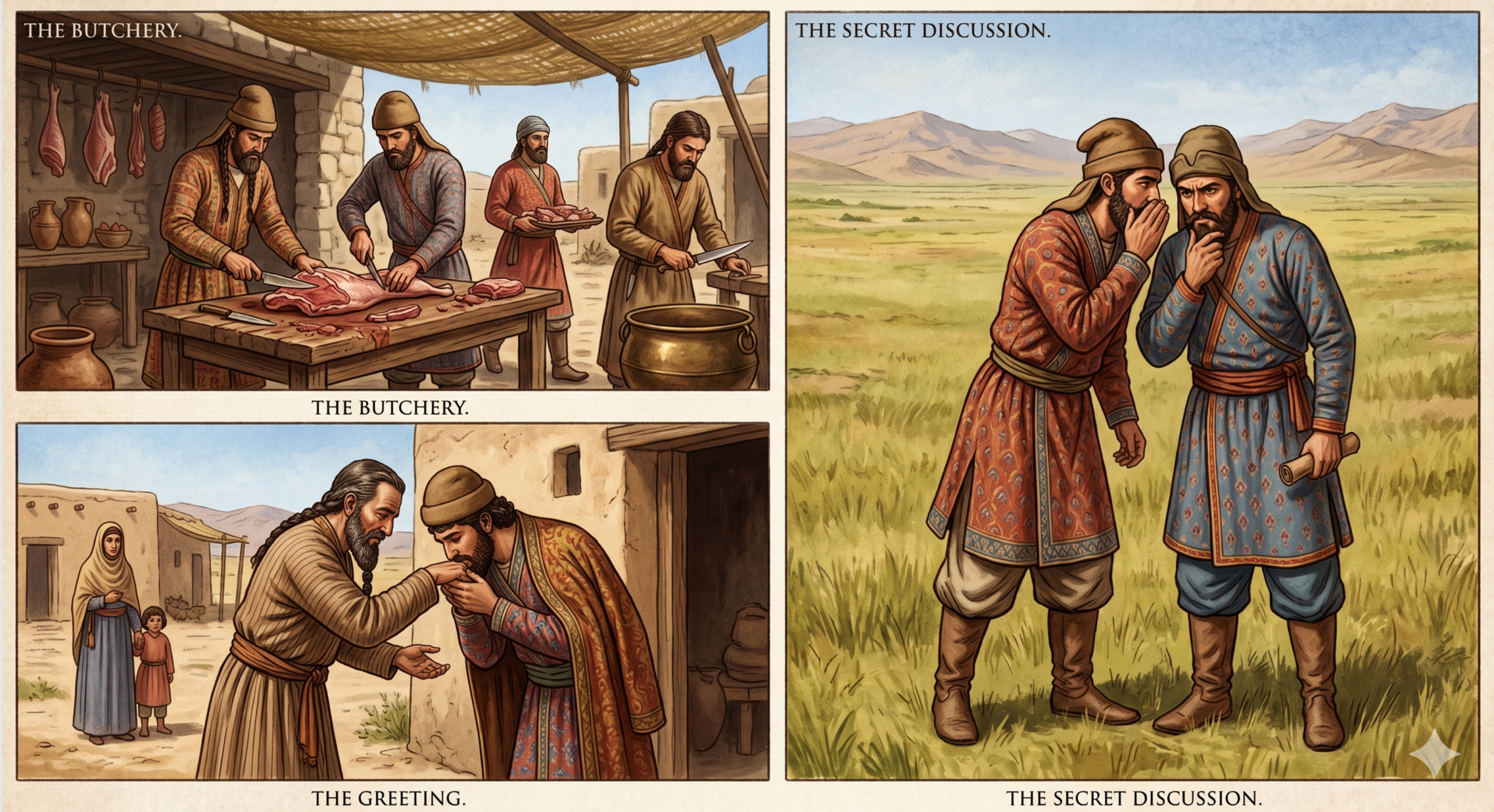
רבי עקיבא says three things of the מדיים I like, and we should learn from their practices.

1- When they cut meat, they cut it only on the table and not on their hands.

2– When they kiss, either as a show of affection or honor, they kiss only the back of the hand and do not give the person being kissed an unpleasant feeling.

3 – When they hold counsel (discuss secrets), they only hold counsel in the field so others will not hear their secrets.

רבן גמליאל says says three things of the פרסיים I like, and we should learn from their practices.

They practise צניעות

1- They are modest in their eating.

2– They are modest in the lavatory.

3– They are modest in ‘another matter’, i.e., marital relations.

3  – The first issue discussed is how this in not a contradiction to the prohibition of לא תחנם; meaning that one should not praise עובדי עבודה זרה.

As the גמרא says אסור לומר מה נאה כותי זה.

4 – The בן יהוידע suggests that these two תנאים were actually disparaging the Persians by saying that they only have 3 good customs that one should emulate…. Other than that there is nothing good about them….

5 – In relation to the above, we discussed the topic that ‘being a mentch’ in general and acting logical, is a חיוב מן התורה.

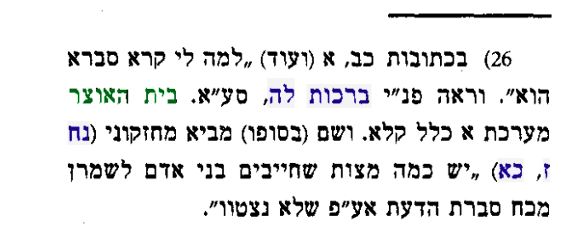
The famous פני יהושע further in our מסכתא, that something that is very logical has the power as if it is stated in תורה!

[In addition to the תרי”ג מצוות]

See this idea here in ליקוטי שיחות חלק לה 64.

This is perhaps the meaning of of  ‘אילו קרבנו לפני הר סיני ולא נתן לנו את התורה דיינו’

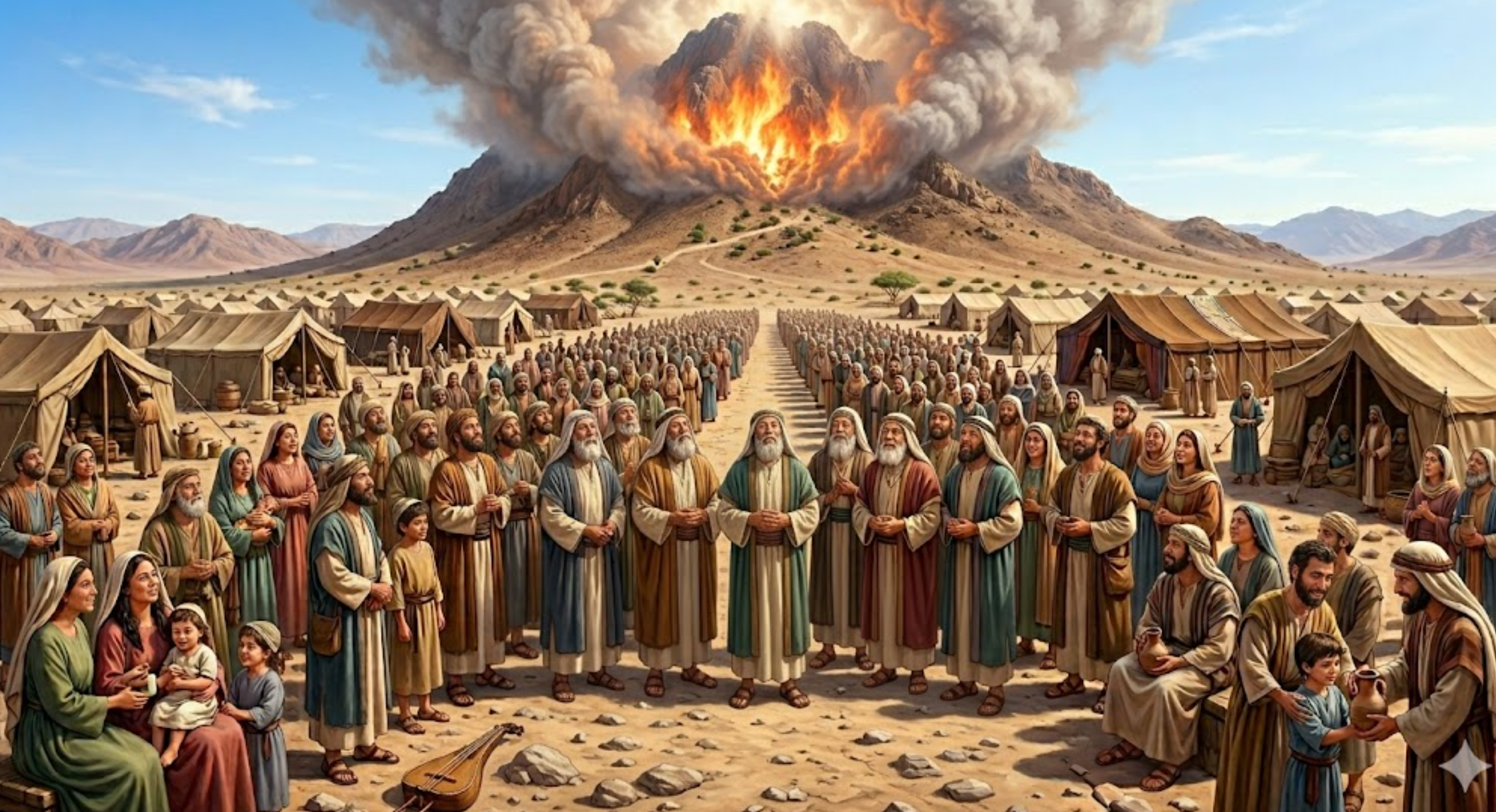
As all the מפרשים ask – what benefit is there by camping  לפני הר סיני and not receiving the תורה?

Maybe just by being present לפני הר סיני, even before receiving the תורה, we were Divinely obligated to live under a logical system.


A Gezunten Zummer to all.


Shiur Brochos 8a (3) – 8b Nisan 6, 5786 – 03/25/2026

BSD

Brochos 8a (3) – 8b

Nisan 6, 5786. 03/25/2026

A few notes on topics covered.

1 – וַאֲמַר רִבִּי חִיָּיא בַּר אַמֵי מִשְּׁמֵיהּ דְּעוּלָּא: גָּדוֹל הַנֶּהֱנֶה מִיְּגִיעוֹ יוֹתֵר מִיְּרֵא שָׁמַיִם,

One who benefits from his hard labor is greater than a God-fearing person.

The interesting explanation of the של”ה הקדוש that this is referring to 2 types of רבנים.

There are those that are truly יראי שמים and therefore generally rule לחומרא.

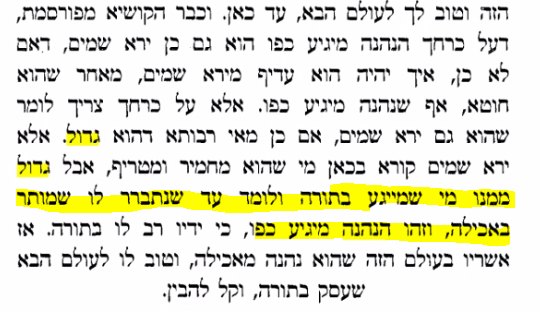
On the other hand there are those that labor and study until they find a היתר.

They are greater than the יראי שמים!

של”ה מסכת שבועות פרק נר מצוה.

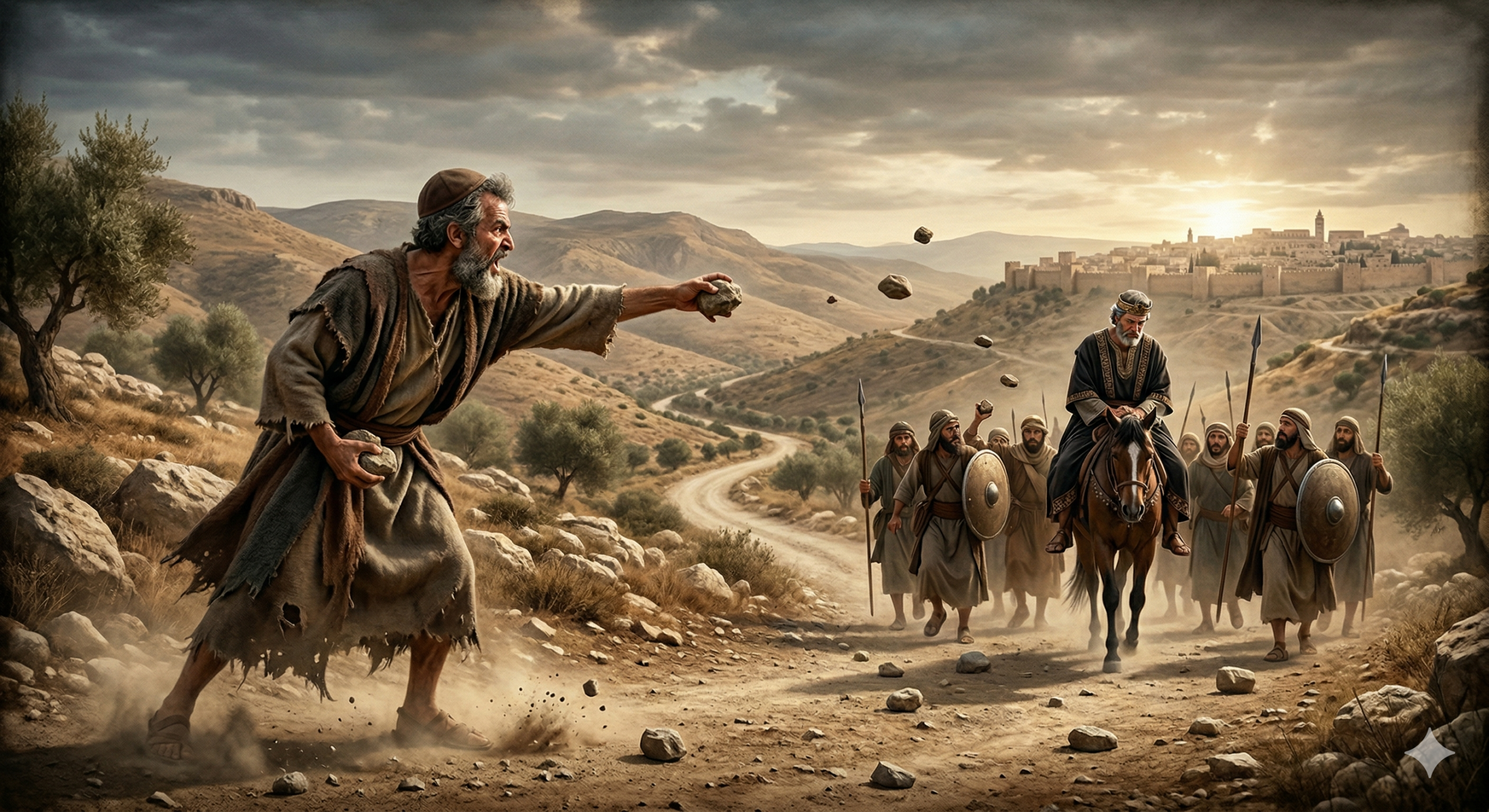
2 – The saga of שמעי בן גרא. His greatness in being the ראש הסנהדרין, the rocks hurled at דוד המלך, his pardon by דוד, the צוואה of דוד to שלמה המלך to punish שמעי, the semi pardon by שלמה prohibiting שמעי from leaving ירושלים, the punishment he finally received when he left the city.

Our גמרא says that one should always live near his Rebbe.

לְעוֹלָם יָדוּר אָדָם בִּמְקוֹם רַבּוֹ, שֶׁכָּל זְמַן שֶׁשִּׁמְעִי בֶּן גֵּרָא קַיָּים, לֹא נָשָׂא שְׁלֹמֹה אֶת בַּת פַּרְעֹה.

One should always live in the place where his teacher lives; thereby he will avoid sin. For as long as Shimi ben Gera, who according to tradition was a great Torah scholar and teacher of Solomon, was alive, Solomon did not marry Pharaoh’s daughter. Immediately after the Bible relates the death of Shimi, Solomon’s marriage to Pharaoh’s daughter is recorded.

What is perplexing is how is a person with such a history (rock throwing on דוד, with instructions from דוד to his son שלמה to avenge this rebel), still be שלמה’s teacher, be the ראש הסנהדרין and is credited  in being the ‘holdback’ to שלמה not to marry בת פרעה? 

Searching for an answer.

3 – The גמרא discusses the איסור of leaving a Shul while a ספר תורה is open.

Here is the הלכה: OC 146.

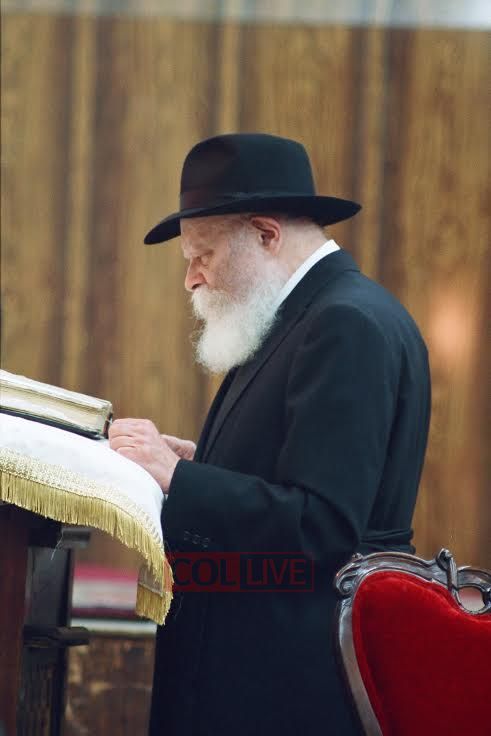
Mentioned the מנהג of the Rebbe who would wait (Shabbos by מנחה) until the curtain of the ארון קודש was completely closed before starting שמונה עשרה.

Occasionally the crowd in the back of 770, upon hearing the last אמן from the חזן, would start and reach almost to the end of שמונה עשרה, unaware that the Rebbe was still waiting for the ארון קודש to be fully closed!

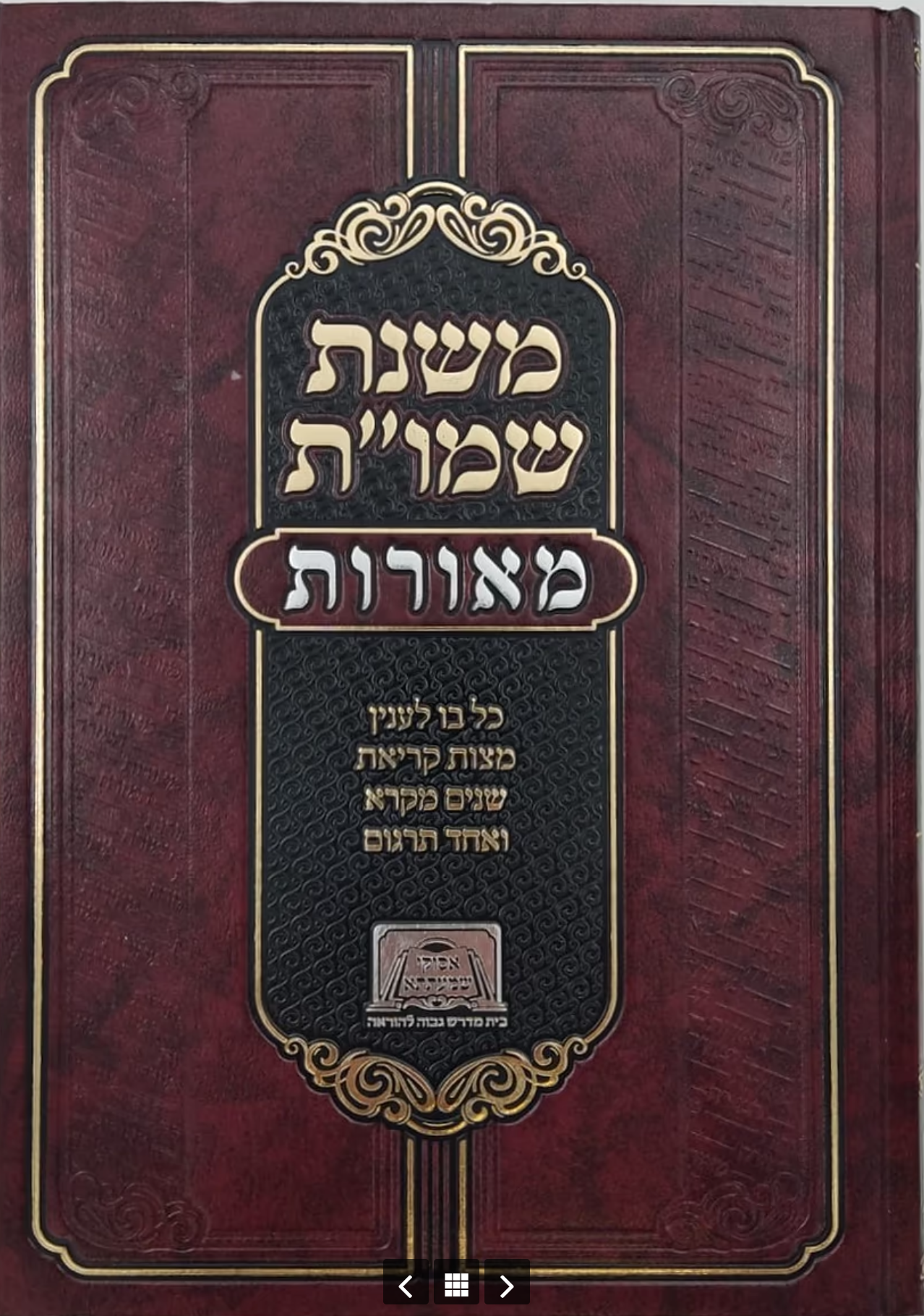
3 – The next topic in our גמרא of  שנים מקרא ואחד תרגום is very wide and interesting.

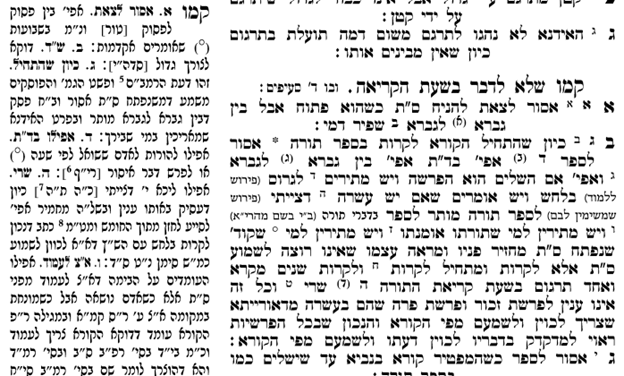
When finishing the סדרה after saying twice מקרא and once תרגום, the Alter Rebbe (OC 285, 3) writes that one should end off with מקרא by repeating the last פסוק again.

ופסוק האחרון טוב לכופלו ולחזור ולאמרו כדי לסיים בתורהכג (כי כן בזמן שהיו מתרגמין היו מסיימים במקרא שהיו כופלים פסוק האחרוןכד):

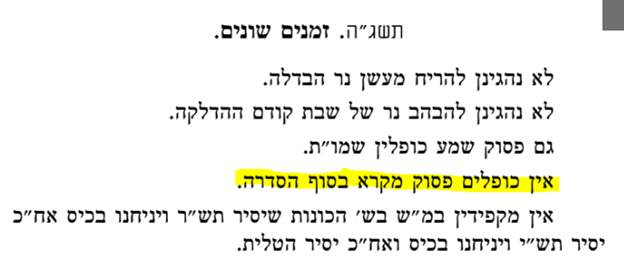
That is how many still do it and also in Chabad did so for hundreds of years, until the  רשימות –   were printed. Surprisingly, the Rebbe writes that one should not repeat the last פסוק! 

156   רשימות

So what does one do? Say it or not?

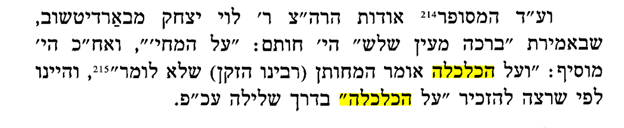
We suggested (half in jest) a solution based on an interesting historical fact. After eating מזונות, when saying על המחיה, we conclude with, as the Alter Rebbe writes: ברוך אתה ה’ על הארץ ועל המחיה

There are other opinions that say to conclude

with

בָּרוּךְ אַתָּה אֲדֹנָי, עַל הָאָרֶץ

וְעַל הַמִּחְיָה וְעַל הַכַּלְכָּלָה

See או”ח רה, מג“א ס“ק יח ויד אפרים

The opinion of Reb Levi Yitzchok of Berdichev was to add the וְעַל הַכַּלְכָּלָה.

However, being that the Alter Rebbe was his מחותן, he would say:

על הארץ ועל המחיה….. and then add ועל הכלכלה the מחותן says not to say!

The Rebbe related this מנהג at a Farbrengen.   אחש”פ תשכ”ג.

​This was actually the מנהג in Berdichev until WWII.

So perhaps we should indeed say the last פסוק again when being מעביר סדרה (as per the AR in his Shulchan Aruch) but adding ‘and the repeating of this last פסוק it says in רשימות not to say….

B – Mentioned the Alter Rebbe  אדה“ז סעי‘ ב, ובקו“א שם, that if being מעביר סדרה by saying the חומש twice and for the תרגום saying רש”י, one would need to say חומש a third time since there are many פסוקים without רש”י. Even where there is רש”י he does not explain every word!

4-

The many versions of a fascinating story…….

The actual story in short:

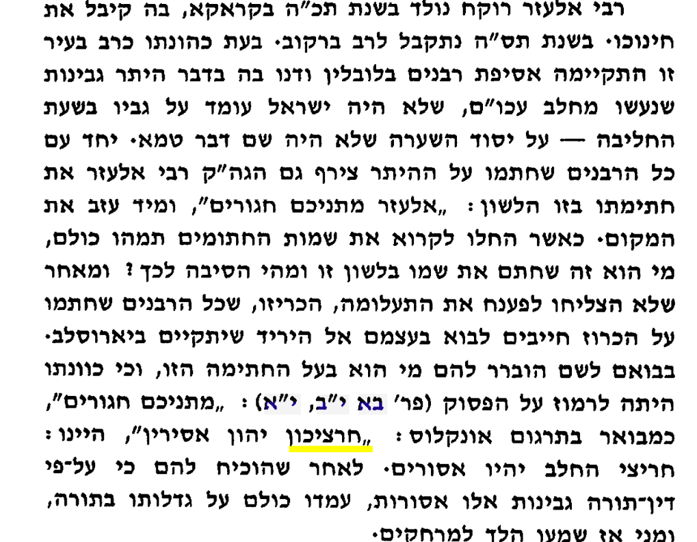
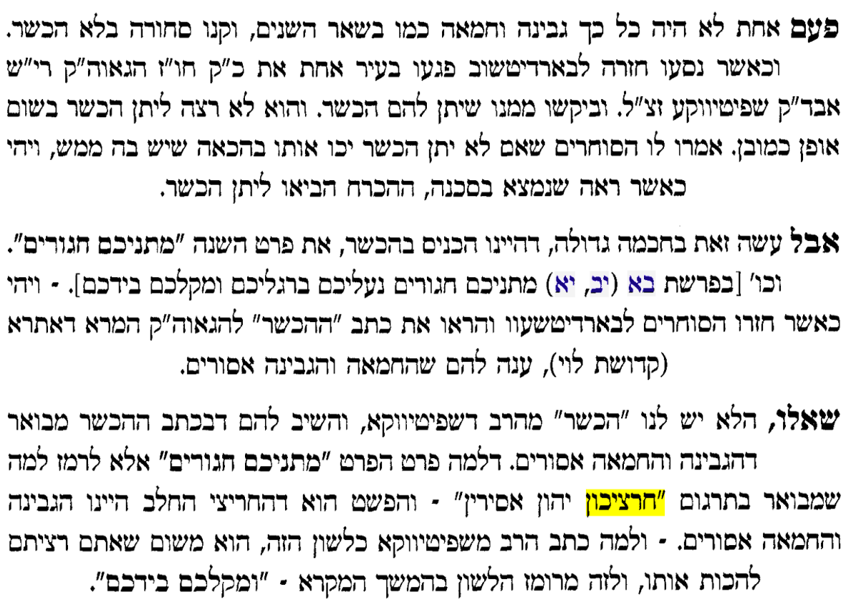
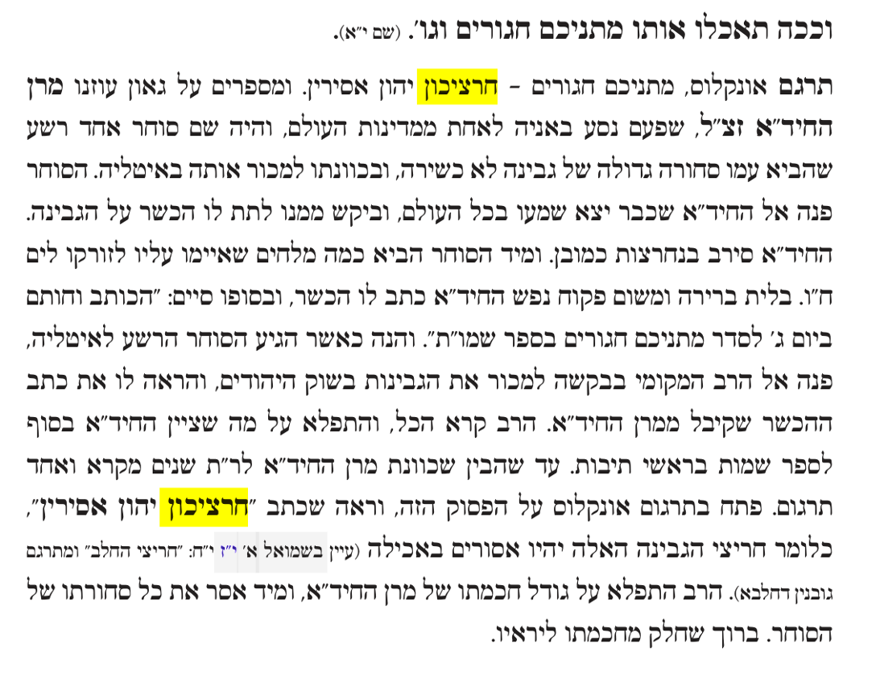
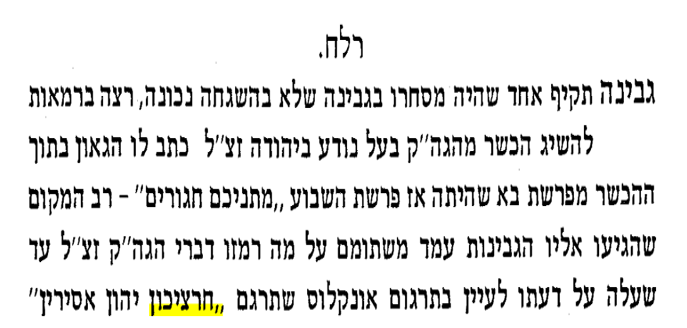
A Rov was once forced by a cheese producer/exporter to issue a הכשר on cheese which was not Kosher. Having no choice, the Rov wrote out a ‘הכשר’ but added in code that his הכשר is being written because he was threatened.

This Rov was hoping that someone would decipher his code and not allow the cheese to be eaten. 

The code was in the format of the date that he added to his הכשר.

When this cheese arrived to the city to be marketed, the local Rov, upon inspection of this הכשר, picked up on the code and forced the producer/exporter to admit to his extortion and fraud.

The Rov dated his הכשר with the words

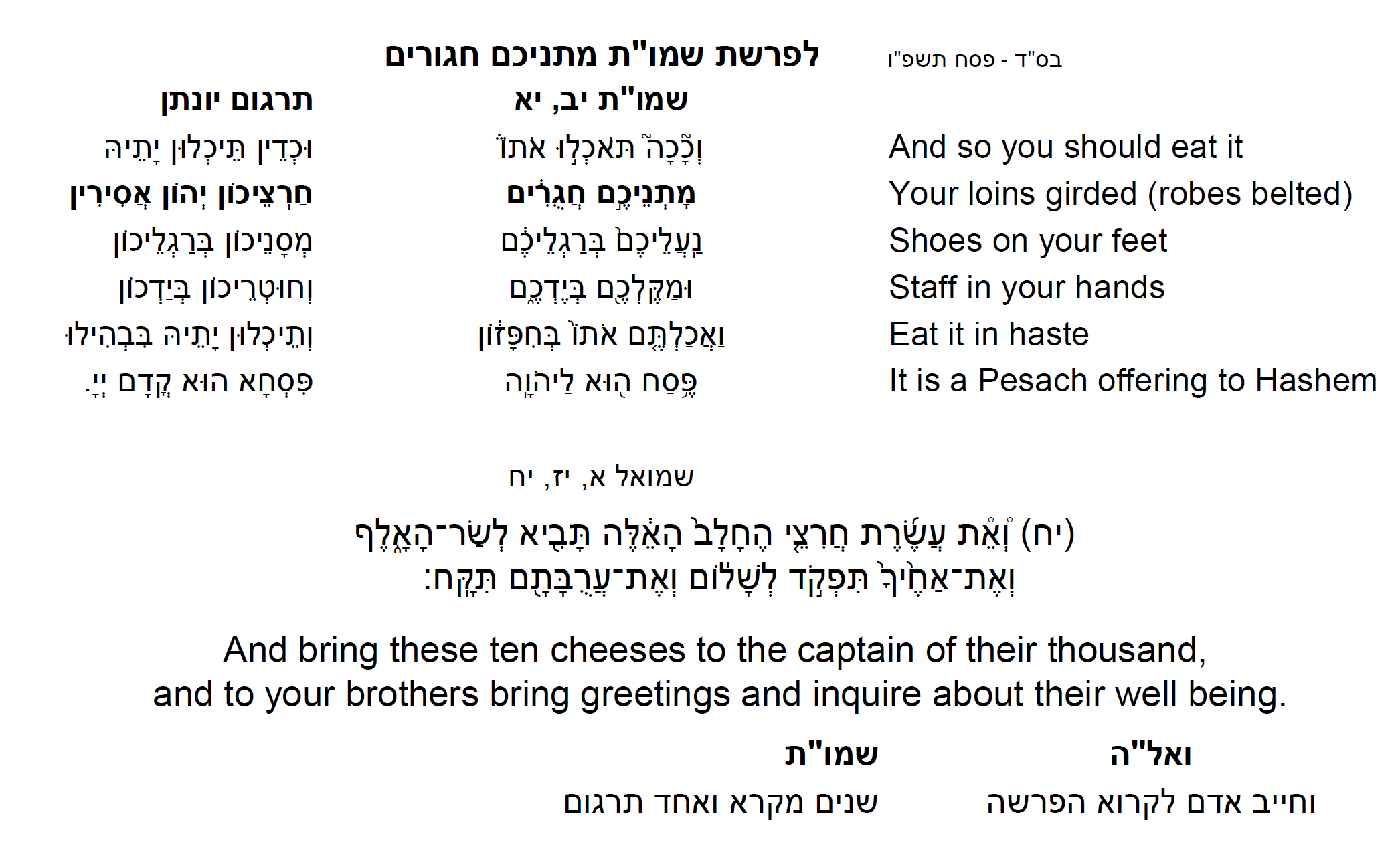
לפרשת שמו”ת מתניכם חגורים

On the surface it looked innocent enough since it was customary to add to the date of a letter a reference to the weekly portion by quoting a פסוק from it.  The extortionist didn’t pick this up.

The Rov hinted, by writing שמו”ת (meaning שנים מקרא ואחד תרגום, and not simply שמות) that one should check the תרגום on the words מׇתְנֵיכֶ֣ם חֲגֻרִ֔ים, which means: ה’ tells בני ישראל – be ready to leave מצרים by having your belts tight around your waists, shoes on and walking stick in your hands. 

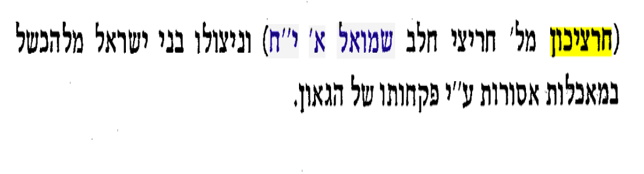
And the תרגום translates as חַרְצֵיכוֹן יְהוֹן אֲסִירִין, meaning ‘your robes should tight be with a belt’. 

However, as we find elsewhere, חַרְצֵיכוֹן can also mean cheese.

Thus,  חַרְצֵיכוֹן יְהוֹן אֲסִירִין can also mean ‘your cheese is prohibited’!  

Here is the sheet we used to understand this code.

What is interesting is that this exact story is told about different great Rabbonim that lived hundreds of years and miles apart!

Here are 4 versions of it:


There were more topics discussed which we will post BLN after the next Shiur.

חג כשר ושמח.


——————————–

Hebrew notes

עטרות ודיבון – רש”י, תוס’. ט”ז רפ”ה. אדה“ז סעי‘ ב, ובקו“א שם.

פסוק אחרון- שו“ע ‘טוב…’ . אבל ראה רשימות קנו. ועל הכלכלה, מחותן ניט. או”ח רה, מג“א ס“ק יח ויד אפרים. אחש”פ כג.


פמ”ג

סיפור הגבינה. מקלכם בידכם.

https://forum-otzar-hatorah.co.il/threads/%D7%97%D7%A8%D7%A6%D7%99%D7%9B%D7%95%D7%9F-%D7%99%D7%94%D7%95%D7%9F-%D7%90%D7%A1%D7%99%D7%A8%D7%99%D7%9F.376/


Shiur Brochos 8a (2) – Adar 21, 5786. 03/10/2026

BSD

Brochos 8a (2)

Adar 21, 5786. 03/10/2026

Short notes

1- ״עַל זֹאת יִתְפַּלֵּל כָּל חָסִיד אֵלֶיךָ לְעֵת מְצֹא״

A person needs to pray that when the time comes for him to ‘find’, he should choose well.

‘Find’ what? The גמרא offers a few idea on what this ‘find’ is.

Marriage, Torah, death, burial and restroom.

Prayers: Answered.

אָמַר רִבִּי חֲנִינָא: ״לְעֵת מְצֹא״, זוֹ אִשָּׁה, שֶׁנֶּאֱמַר: ״מָצָא אִשָּׁה, מָצָא טוֹב״

So it means when the time comes to ‘find’ a wife. Then יִתְפַּלֵּל כָּל חָסִיד so it should be טוב; finding a good wife.

On the other hand, we find the word מצא associated with a wife that is less than good.

״וּמוֹצֶא אֲנִי מַר מִמָּוֶת אֶת הָאִשָּׁה״, I find wife that is more painful than death. Ouch.

So basically our גמרא categorizes marriages into two types: מָצָא and מוֹצֶא.

The first refers to a pleasant wife and the second – less than pleasant.

My father was right!

2- It continues by relating an interesting  מנהג of ארץ ישראל where after a wedding, people would ask the חתן: ‘so how is your marriage? מָצָא and מוֹצֶא?’

3- We mentioned various דרשות on this topic of מָצָא and מוֹצֶא.

One from the Aruch Laner –   מָצָא טוֹב means that it occurs once in a while.  מוֹצֶא on the other hand, means that it’s more common…

The חפץ חיים takes issue with the חתן speaking לשון הרע about his wife….

The מהרש”א says that איש equals 311. אשה equals 306. Normally, the husband has an ‘advantage’.

[גמטריא- לשון יווני. תוי״ט אבות ג, יח – ונראה לי שהוא שם מושאל ולקוח מלשון יון שקוראים כן לחכמת המדידה והתשבורת.]

The פסוק says  ״וּמוֹצֶא אֲנִי מַר מִמָּוֶת אֶת הָאִשָּׁה״ (I find wife that is more painful than death). Here the אִשָּׁה is הָאִשָּׁה, she also equals 311. That ‘equality’ may cause וּמוֹצֶא אֲנִי מַר מִמָּוֶת אֶת הָאִשָּׁה…

The עין יעקב says that it meant not to ask the חתן how is marriage is working out. Rather is was מוסר offered to a חתן that it’s up to him to create a marriage that is מָצָא אִשָּׁה, מָצָא טוֹב. If he acts improperly then it turns into וּמוֹצֶא אֲנִי מַר מִמָּוֶת אֶת הָאִשָּׁה.

3 – We mentioned the story with רב and his wife. יבמות סג, א.

Rav’s wife would constantly aggravate him. When he would say to her: Prepare me lentils, she would prepare him peas; if he asked her for peas, she would prepare him lentils.

When Ḥiyya, his son, grew up, he would reverse the requests Rav asked him to convey to her, so that Rav would get what he wanted. Rav said to his son Ḥiyya: Your mother has improved now that you convey my requests.

He said to Rav: It is I who reverse your request to her.

Rav said to him: This is an example of the well-known adage that people say: He who comes from you shall teach you wisdom; I should have thought of that idea myself. You, however, should not do so, i.e., reverse my request, as it is stated: “They have taught their tongue to speak lies, they weary themselves to commit iniquity, etc.” If you attribute such a request to me, you will have uttered a falsehood.
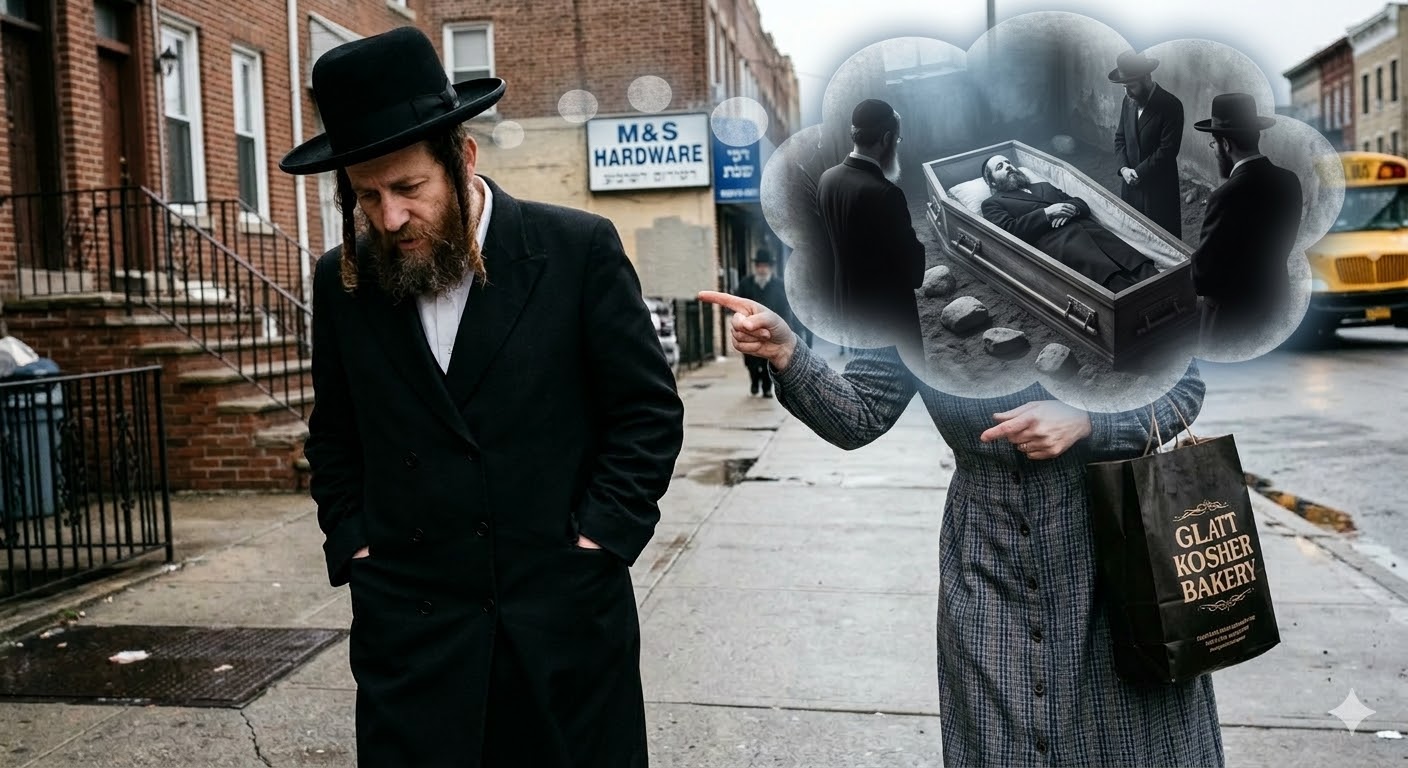
4 – Speaking of more bitter than death, we mentioned what the collector said about his competitor:

‘He should have a sweet death. א גרוזאוויג פון האניג זאל עם איבערפאר’ן….’

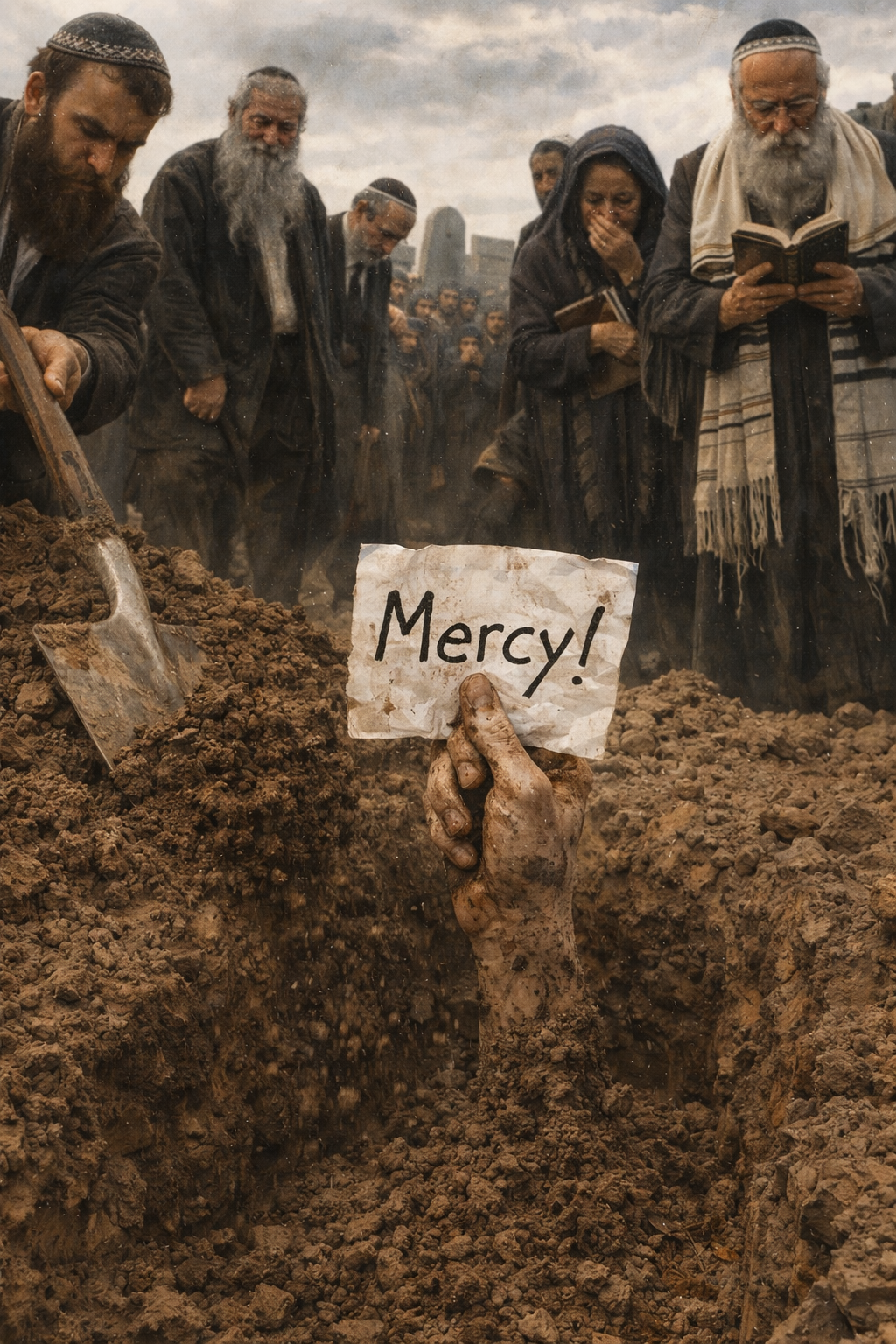
5 – The fourth suggestion of the גמרא on the meaning of מצא is burial. A person needs to pray that when the time comes he should have a proper burial. Meaning that nothing should be taken for granted.
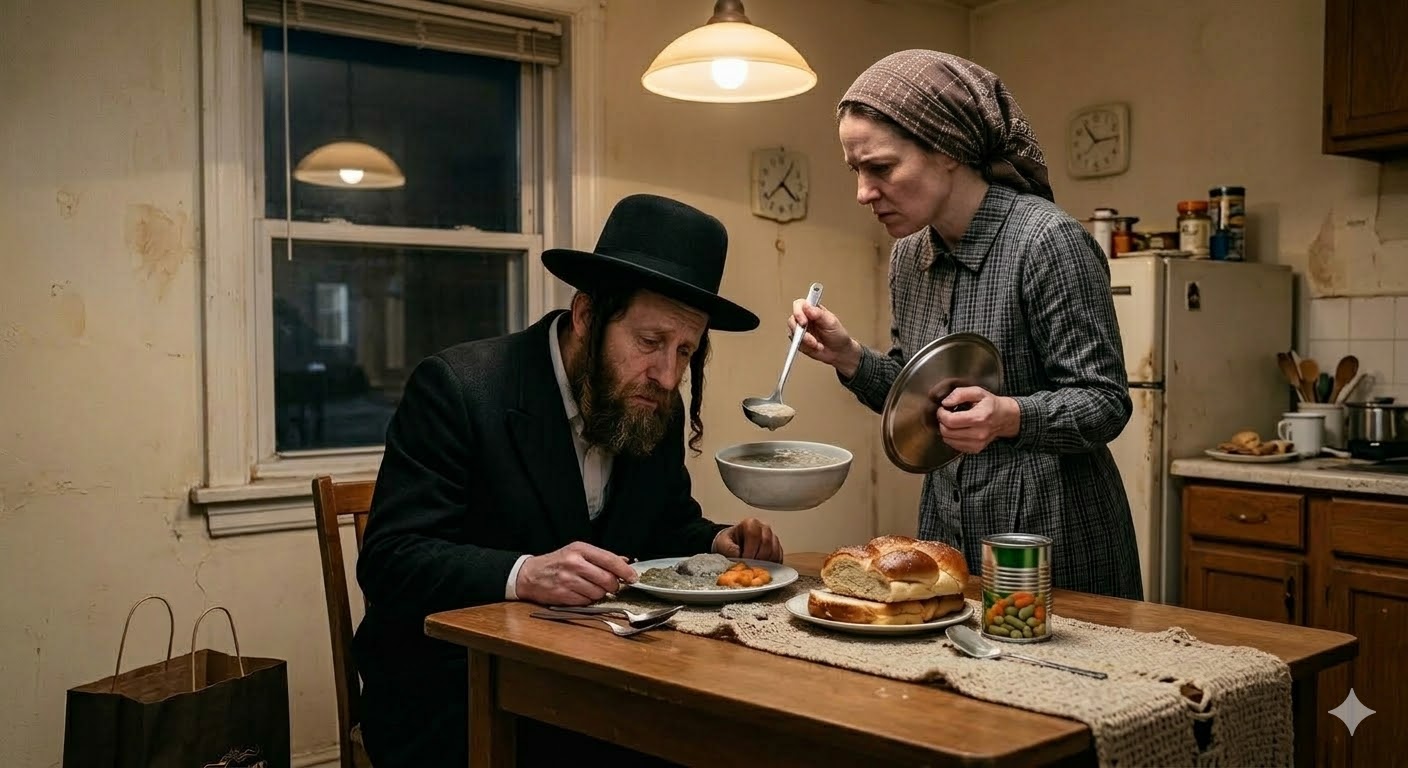
This is the source of the famous expression זִיבּוּלָא בַּתְרַיְיתָא.

אֲמַר רַבָּה בַּר רַב שֵׁילָא: הַיְינוּ דְּאָמְרִי אֱינָשֵׁי: לִיבְעֵי אֱינַשׁ רַחֲמֵי אֲפִילּוּ עַד זִיבּוּלָא בַּתְרַיְיתָא שְׁלָמָא.

Rabba bar Rav Sheila said, that is the meaning of the folk saying: A person should even pray for mercy until the final shovelful of dirt is thrown upon his grave.

6 – Discussed the topic of a בית מדרש versus a בית כנסת.

7 – The humorous דרשה on the continuation of this פסוק in תהילים.

עַל זֹאת יִתְפַּלֵּל כׇּל חָסִיד אֵלֶיךָ לְעֵת מְצֹא רַק לְשֵׁטֶף מַיִם רַבִּים אֵלָיו לֹא יַגִּיעוּ.

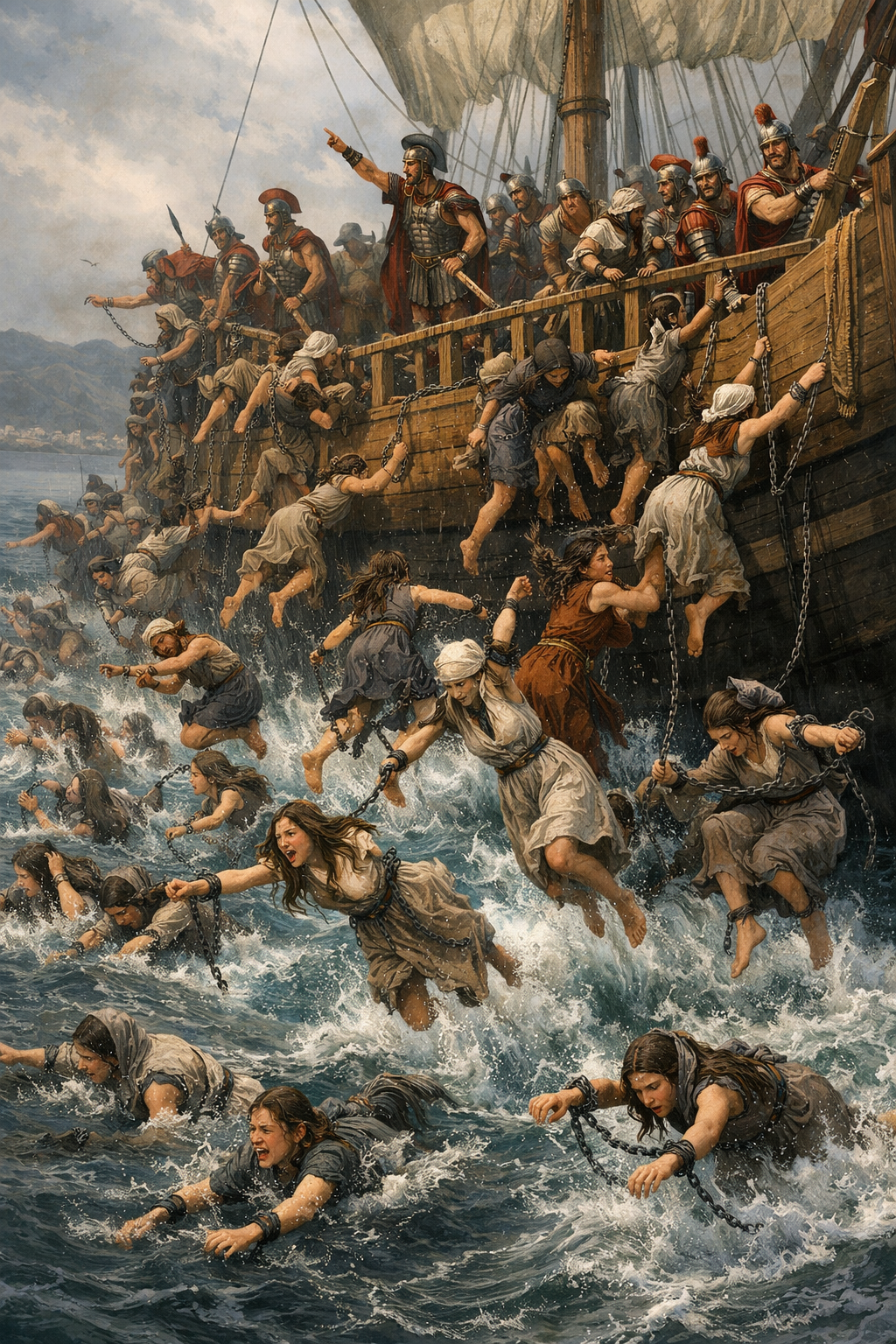
The story of the girls jumping into the water first and the boys copying them. גיטין.

The ruling of the בית דין של מעלה that these girls will ‘control their husbands’….

Thus the prayer that this לעת מצא, a ruling wife – לְשֵׁטֶף מַיִם רַבִּים אֵלָיו לֹא יַגִּיעוּ

עַל זֹאת יִתְפַּלֵּל כׇּל חָסִיד אֵלֶיךָ לְעֵת מְצֹא רַק לְשֵׁטֶף מַיִם רַבִּים אֵלָיו לֹא יַגִּיעוּ

ומסיימין בטוב.

😀

—————

Hebrew notes.


יבמות סג, א. רב ובנו.

מצא, מוצא את האשה. האשה בגמט׳ איש, כלומר שמושלת עליו. מהרש״א.

מצא, לעיתים רחוקים. מוצא, יותר מצוי. ערל״נ.

עין יעקב- כל הכוונה היא לתת מוסר לחתן שאם יתנהג עפ״י תורה יזכה למצא.

גר״א – אין הכוונה לפסוק. רק מצא לשון עבר. כי כשטוב לאדם מקצר ואומר טוב, וזה הוא, מצא. אבל כשלא טוב לו ממשיך תמיד, מוצא.

חפץ חיים- אשה רעה כולם יודעים כבר ואין בזה לשה״ר…

זו מיתה. gruzovik של דבש.

לשטף מים רבים.