Brochos 7b
Shvat 16, 5786. 02/03/2026
Short notes on topics discussed.
1 – The request of משה רבינו that the שכינה should not ‘rest’ upon גויים.
Was it granted? What about בלעם?
2 – Mentioned the recently published letter of the Rebbe to Reb Yitzchok Hunter. Here. Page 30 and on.
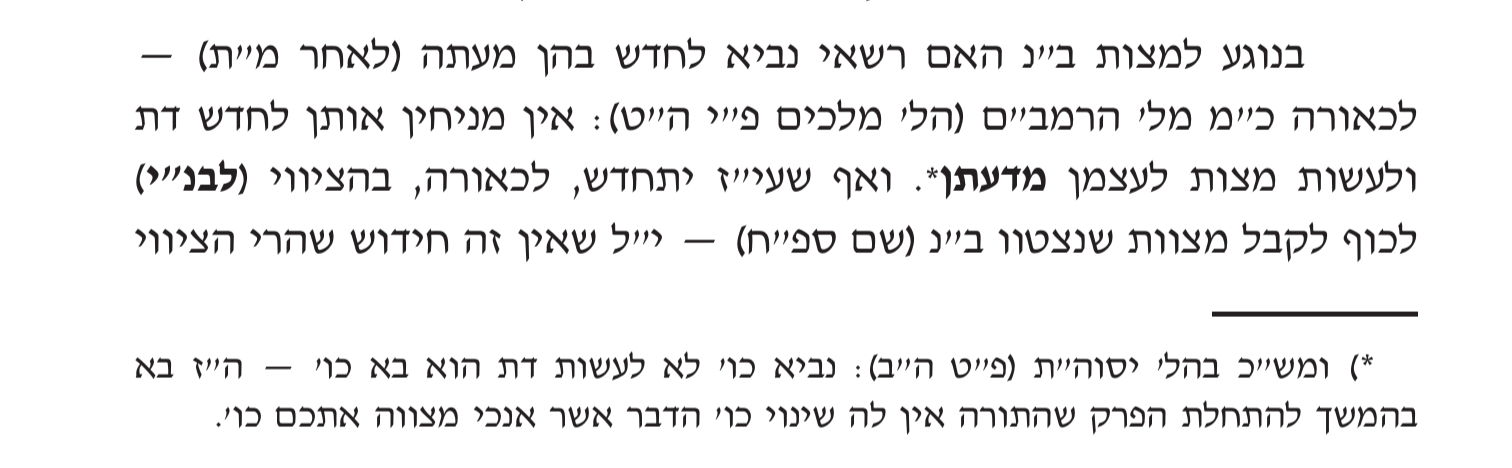
Can a נביא אמת (that is not Jewish?) add an additional מצווה to the שבע מצוות בני נח? Whereas by בני ישראל this is not possible (since the Torah explicitly says that this will never occur), the Rebbe suggests that from the Rambam (today was the Siyum), it seems that it is a possibility.
The Rambam writes that גויים are prohibited from adding any מצווה ‘on their own’, מדעתן, which seems to imply that if a (or their) נביא claims that he was instructed מלמעלה, it becomes a new מצווה for them.
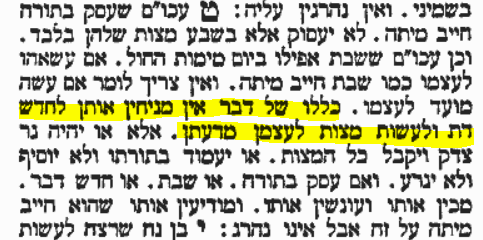
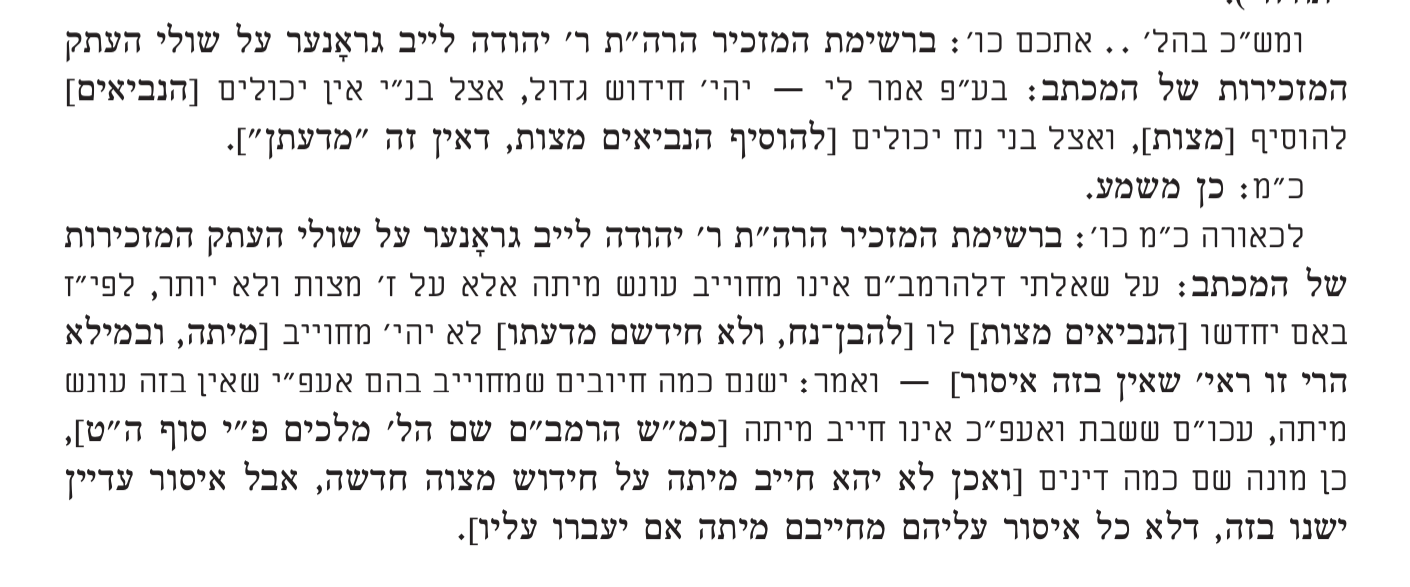
See the interesting footnotes where the Rebbe himself expressed a פליאה on such an idea.
3 – We learnt the Tosfos that points out some interesting facts.
It states that when אברהם אבינו was 70 years old, while in ארץ ישראל at the ברית בין הבתרים, (this land) ארץ ישראל was promised to his children. And it seems that afterwards he returned to חרן.
Question: How does this reconcile with what it says in פרשת לך לך that at the age of 75!, אברהם אבינו who was in חרן at the time, was told to leave מארצך and go to an ‘unspecified land’. Unspecified? אברהם אבינו was there just 5 years ago and was promised that his children will inherit this land. So how is this אל ארץ אשר אראך unspecified?
[we joked that on his first visit he was part of a Birthright group….]


Searching for an answer. See below from AI-Gemini.
4 – Mentioned the רשב”א חידושי אגדות that explains our גמרא about אברהם אבינו being the first one to use the term א- ד-נ-י. Although there were other great צדיקים prior to אברהם אבינו that were true believers, א”א was the first to publicize the fact that the מזלות do not control the world by bearing a child at the age of 99. He would go around and cause people to proclaim ה’ אחד.
He quotes the מדרש that was the Rebbe’s motto and directive to us all.
אל תקרא ויקרא אלא ויקריא מלמד שהקריא אברהם אבינו לשמו של הקב״ה בפי כל עובר ושב. כיצד, לאחר שאכלו ושתו עמדו לברכו אמר להם וכי משלי אכלתם והלא משל אלקי עולם אכלתם, הודו ושבחו וברכו למי שאמר והי׳ העולם.

He didn’t just pronounce השם‘s existence and unity, he also caused others to recognize and proclaim it.
5 – Tosfos quotes the Rashbam on the topic of the chronological order of אברהם אבינו’s life and the way it’s written in the חומש.
We mentioned the פירוש of the Rashbam on חומש and his definition on פשוטו של מקרא.
His take is that one needs to explain the פסוקים with עומק הפשט , which is ‘simpler’ that פשוטו של מקרא and the most straightforward method. He writes (פרשת וישב) that he even discussed this approach with רש״י, his grandfather, who admitted that had he had more time he would indeed explain חומש using this method.
“אלה תולדות יעקב” – ישכילו ויבינו אוהבי שכל, מה שלימדונו רבותינו כי “אין מקרא יוצא מידי פשוטו” (שבת סג א). אף כי עיקרה של תורה באת ללמדנו ולהודיענו ברמיזת הפשט ההגדות וההלכות והדינין, על ידי אריכות הלשון, ועל ידי שלושים ושתים מידות של רבי אליעזר בנו של רבי יוסי הגלילי, ועל ידי שלוש עשרה מידות של רבי ישמעאל.
והראשונים מתוך חסידותם נתעסקו לנטות אחרי הדרשות שהן עיקר, ומתוך כך לא הורגלו בעומק פשוטו של מקרא; ולפי שאמרו חכמים (ברכות כח ב): “אל תרבו בניכם בהגיון”, וגם אמרו (בבא מציעא לג א) “העוסק במקרא – מידה ואינה מידה, העוסק בתלמוד – אין לך מידה גדולה מזו”. ומתוך כך לא הורגלו כל כך בפשוטן של מקראות, וכדאמרינן במסכת שבת (סג א): הוינא בר תמני סרי שנין, וגרסינ’ כולה תלמודא, ולא הוה ידענא דאין מקרא יוצא מידי פשוטו.
וגם רבינו שלמה אבי אמי, מאיר עיני גולה, שפירש תורה נביאים וכתובים – נתן לב לפרש פשוטו של מקרא. ואף אני שמואל ב”ר מאיר חתנו זצ”ל, נתווכחתי עמו ולפניו, והודה לי שאילו היה לו פנאי – היה צריך לעשות פירושים אחרים לפי הפשטות המתחדשים בכל יום.
ועתה יראו המשכילים מה שפירשו הראשונים: אלה תולדות יעקב – אלו מקראות ומאורעות שאירעו ליעקב. והנה זה הבל הוא. כי כל אלה תולדות האמור בתורה [ובנביאים] ובכתובים, יש מהם שמפרשים בני האדם, ויש מהם רבים שמפרשים בני בנים, כאשר פירשתי באלה תולדות נח. למעלה בפרשת בראשית כתיב (ה לב) ויהי נח בן חמש מאות שנה ויולד נח את שם ואת חם ואת יפת, ואחרי כן מפרש כי העולם חטאו ונח מצא חן, ואחרי כן מפרש אלה תולדות נח (לעיל ו ט) בני בניו, היאך…
6 – We mentioned a few examples from the Rashbam’s פירוש. Here are two:
A – ויהי ערב ויהי בוקר יום אחד. According to the Rashbam, עומק הפשט says that ויהי ערב means evening has arrived and ויהי בוקר means that morning has arrived and it concluded יום אחד. Thus, in the days of ששת ימי בראשית, the night followed the day!

There is a letter of the Rebbe about this Rashbam. The point is that one must keep in mind that this is obviously only in the world of פשוטו של מקרא not Halachically.
B –
They לשון הרע by Aharon and Miriam about Moshe.
וַתְּדַבֵּ֨ר מִרְיָ֤ם וְאַהֲרֹן֙ בְּמֹשֶׁ֔ה עַל־אֹד֛וֹת הָאִשָּׁ֥ה הַכֻּשִׁ֖ית אֲשֶׁ֣ר לָקָ֑ח כִּֽי־אִשָּׁ֥ה כֻשִׁ֖ית לָקָֽח׃
Miryam and Aharon spoke against Moshe regarding the Cushite wife he had taken, for he had taken a Cushite wife.

וַיֹּאמְר֗וּ הֲרַ֤ק אַךְ־בְּמֹשֶׁה֙ דִּבֶּ֣ר יְהֹוָ֔ה הֲלֹ֖א גַּם־בָּ֣נוּ דִבֵּ֑ר וַיִּשְׁמַ֖ע יְהֹוָֽה׃
They said, “Has Hashem spoken only with Moshe? Has He not also spoken with us?” And Hashem heard.
Rashi explains these two points as one; they were referring to משה’s wife ציפורה, who was unquestionably beautiful (obvious as ‘black and white’) that Moshe was married to but then separated from. They thought that Moshe decided to separate from her on his own due to the fact that השם communicated with him. They spoke behind his back and claimed that they too were נביאים and yet, stayed married.

So כושית – black, actually means a white woman. And לקח, which connotes ‘married’, means here divorced!
The Rashbam however, says that this is not עומק הפשט at all.

He explains that these two פסוקים are two separate points of their לשון הרע.
The first, האשה הכושית אשר לקח, refers (literaly) to a black Ethiopian princess that Moshe was married to when he lived there. Their error was not being aware that משה never had any relationship with her.
כושית – שהיא ממשפחת חם.
כי אשה כושית לקח – כדכתיב בדברי הימים דמשה רבנו: שמלך בארץ כוש ארבעים שנה, ולקח מלכה אחת, ולא שכב עמה, כמו שכתוב שם. והם לא ידעו כשדיברו בו, שלא נזקק לה. זהו עיקר פשוטו.
שאם בשביל צפורה דיברו, מה צורך לפרש כי אשה כושית לקח? וכי {עד} עתה לא ידענו כי ציפורה מדיינית היא? ועוד תשובה: כי לא היתה כושית, כי כוש מבני חם הוא, ומדיין מבני קטורה אשר ילדה לאברהם
The second point was referring to his considering himself an elitist being that השם spoke to him, when השם spoke to them as well.
ויאמרו הרק אך במשה {וגו׳} – כלומר: עוד זאת אמרו על משה: במה יכול להתפאר עלינו, הלא גם בנו דבר לישראל.
More on this next week.
See also the ילקוט שמעוני on – קסח ,שמות.
Answer on above question from Gemini AI:
This is a classic question discussed by the Rishonim, arising from the chronological calculations in Seder Olam. The difficulty you noted—that Avraham had already been to Eretz Yisrael and received a promise there at age 70—makes the “unspecified” nature of the command at age 75 (“to the land that I will show you”) very difficult to understand.
Here are the primary ways the commentators reconcile this:
1. The Goal was to Increase the Reward
The most common explanation (noted by Rashi and Ramban) is that Hashem intentionally kept the destination vague to increase Avraham’s reward. Every step he took without knowing exactly where he was going demonstrated a greater level of faith (Emunah). Even though Avraham likely suspected he was headed back to the land he had visited five years prior, the command was phrased as “the land I will show you” to make the journey an act of pure obedience rather than a return to a known location.
2. A “New” Command for a Permanent Move
The Tosafot in Brochos 7b (the page you are currently viewing) and other places (like Shabbos 10b) deal with the timeline. They explain that the first trip at age 70 for the Brit Bein HaBetarim (Covenant Between the Parts) was a temporary visit.
- At age 70, he went to Eretz Yisrael, had the vision, and returned to Charan.
- At age 75, the command of Lech Lecha was a command to leave his father’s house permanently.
The “unspecified” nature served to test if he would leave his established life in Charan for a destination he couldn’t “claim” or “own” yet, despite having seen it before.
3. The “Unspecified” Land refers to the specific spot
Some commentators suggest that while Avraham knew he was going to the general area of Canaan, he did not know exactly where within that land he was meant to settle or where the “holiest” part was. The “land I will show you” refers to the specific site of the altar or the place where the Shekhinah (Divine Presence) would eventually rest.
4. Re-evaluating the Promise
The Gur Aryeh (Maharal) explains that the first promise at age 70 was a general covenant for his descendants. The command at age 75 was a personal directive for Avraham himself to live there. The vagueness was a way of telling Avraham: “Don’t go there because you already know the land; go there because I am showing it to you now.” This transformed a logical return into a Divine mission.
In short, the “unspecified” language is seen not as a lack of geographic knowledge on Avraham’s part, but as a spiritual trial designed to ensure his journey was motivated solely by Hashem’s word.
——————
Hebrew notes.
- רמב״ם, נביא, גוי. ב”נ מדעתן אסור לחדש. מכתב כ’ אדר תשל”ב להר”י הוטנר.
- בתוס׳ מביא את הרשב״ם. עומק הפשט.
ר״פ וישב. אין מקרא יוצא מידי פשוטו. החכמים לא הורגלו בעומק פשוטו ש״מ. ויהי ערב. נזיד עדשים. מכירת יוסף. אשה כושית. מן הוא – בלשון מצרי מן פירושו ׳מה׳.
- אאע״ה הי׳ בן 70 בבבה״ב. ,תוס כאן ורש”י פ’ בא. ובהתחלת פ’ לך לך הי’ בן עה?!
- רשב״א חידושי אגדות כאן. אף שהיו צדיקים לפני אברהם הוא הי׳ הראשון שפרסם אלוקותו, והביא ראי׳ שאין המזלות שולטות מזה שיצחק נולד לעת זקנותו. סוטה י. ב, א״ת ויקרא כו׳.
————————