BSD
Brochos 7a (2)
Teves 24, 5786. 01/14/2026
Short notes.
1 – The famous גמרא:
תַּנְיָא: אָמַר רִבִּי יִשְׁמָעֵאל בֶּן אֱלִישָׁע: פַּעַם אַחַת, נִכְנַסְתִּי לְהַקְטִיר קְטוֹרֶת לִפְנֵי וְלִפְנִים, וְרָאִיתִי אַכְתְּרִיאֵל יָהּ ה׳ צְבָאוֹת, שֶׁהוּא יוֹשֵׁב עַל כִּסֵּא רָם וְנִשָּׂא, וְאָמַר לִי: יִשְׁמָעֵאל בְּנִי, בָּרְכֵנִי! אָמַרְתִּי לוֹ: יְהִי רָצוֹן מִלְּפָנֶיךָ שֶׁיִּכְבְּשׁוּ רַחֲמֶיךָ אֶת כַּעֲסֶךָ, וְיִגּוֹלוּ רַחֲמֶיךָ עַל מִדּוֹתֶיךָ, וְתִתְנַהֵג עִם בָּנֶיךָ בְּמִדַּת הָרַחֲמִים, וְתִכָּנֵס לָהֶם לִפְנִים מִשּׁוּרַת הַדִּין. וְנִעְנַע לִי בְּרֹאשׁוֹ. וְקָא מַשְׁמַע לַן שֶׁלֹּא תְּהֵא בִּרְכַּת הֶדְיוֹט קַלָּה בְּעֵינֶיךָ.
Rabbi Yishmael ben Elisha, the High Priest, said: Once, on Yom Kippur, I entered the the Holy of Holies, to offer incense, and in a vision I saw Akatriel Ya, the Lord of Hosts, one of the names of God expressing His ultimate authority, seated upon a high and exalted throne (see Isaiah 6). And He said to me: Yishmael, My son, bless Me. I said to Him the prayer that God prays: “May it be Your will that Your mercy overcome Your anger, and may Your mercy prevail over Your other attributes, and may You act toward Your children with the attribute of mercy, and may You enter before them beyond the letter of the law.” The Holy One, Blessed be He, nodded His head and accepted the blessing. This event teaches us that you should not take the blessing of an ordinary person lightly. If God asked for and accepted a man’s blessing, all the more so that a man must value the blessing of another man.
2- We touched upon the meaning of אַכְתְּרִיאֵל יָהּ ה׳ צְבָאוֹת. It seems, as many point out, that this is not referring to a particular מלאך, because even מלאכים could not be present during this time in the קודש הקדשים. So it must mean one of the many names of השם.

Iraqi קמיע – Amulet
3 – וְקָא מַשְׁמַע לַן שֶׁלֹּא תְּהֵא בִּרְכַּת הֶדְיוֹט קַלָּה בְּעֵינֶיךָ – A man must value the blessing of another man. Even if the one giving the blessing is a הדיוט.

We mentioned an interesting idea by the נצי”ב. (Megilah 15) Our גמרא’s הדיוט means a goy! Because a blessing from any Yid is a given that it is effective.
He quotes a מדרש that ‘it was due to the ברכות by the women to רות on her wedding day to בועז that the dynasty of דוד המלך survived in the days of Atalia’. (see story here and here)

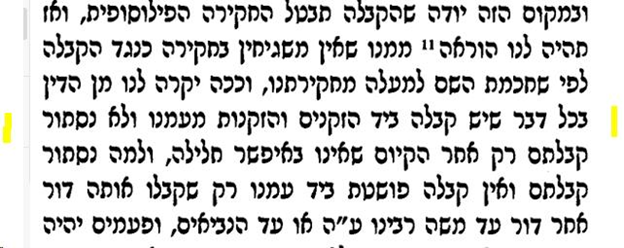
The Rebbe mentioned many times, (here page 378. and here) words of the רשב”א that any מנהג that is popular amongst בני ישראל, even if the source is from זקנים וזקנות, it is part of Torah and must be adhered to. (Unless we find another source or הלכה that contradicts it).
The fact that it is a non disputed and popularly practiced מנהג, is proof that it traces back to משה רבינו!
4 – The story with בלעם’s attempted curses. The גמרא discusses the fleeting seconds when there is כעס – anger למעלה , that בלעם was (in theory) able to latch on to and curse effectively.
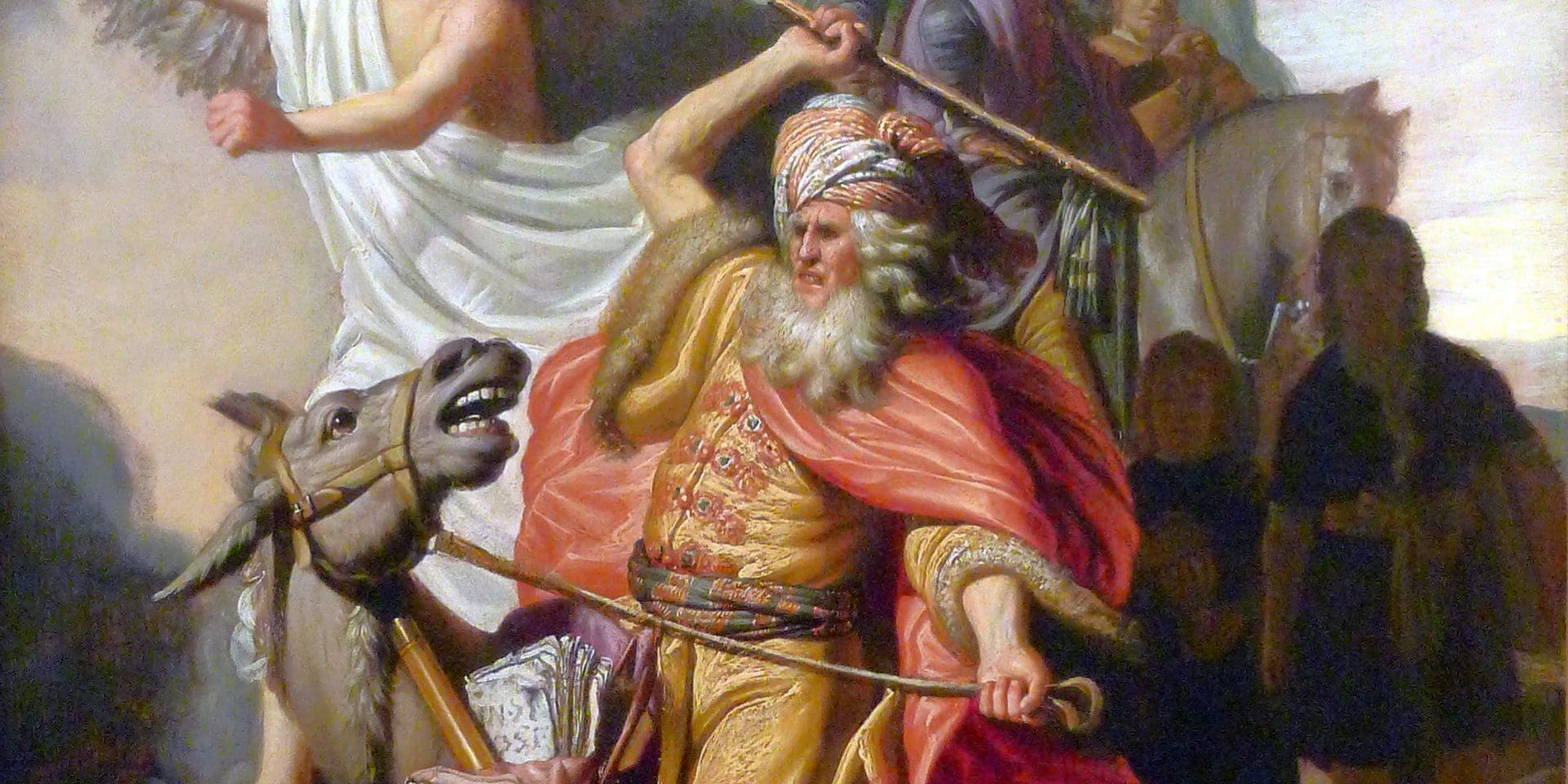
השם made sure that on those days of the story with בלעם, there was no anger למעלה.
Various seconds or milliseconds are discussed.
Bottom line is that it lasts as long as it takes to say the word רגע.

See the גמרא that says that anyone can use a rooster to figure out when this occurs…..
וְאֵימַת רָתַח? אֲמַר אַבַּיֵי: בְּהָנָךְ תְּלָת שָׁעֵי קַמַּיְיתָּא, כִּי חִיוָּרָא כַּרְבַּלְתָּא דְּתַרְנְגוֹלָא וְקָאֵי אַחַד כַּרְעָא.

The Gemara asks: When is the Holy One, Blessed be He, angry? Abaye said: God’s anger is revealed through animals. During the first three hours of the day, when the sun whitens the crest of the rooster and it stands on one leg. When it appears that its life has left him and he suddenly turns white, that is when God is angry.
5 – Famous Tosfos that discusses what could have בלעם cursed when this time is so minute?
The first answer is that he could have said ‘obliterate’ כַלֵּ֑ם.
The second answer is that once he began to curse, at that exact second, he could have continued and it would ח”ו have been calamitous.
So the trick is to begin on time.
6 – We spoke about the Rebbes of פשיסחה. The first, Reb Yaakov Yitzchak Rabinowicz of Peshischa and his successor Reb Simcha Bunim of Peshischa (Bonhardt).

שמחה בונם מפשיסחה
The first is known as the הייליגער ייד – ‘The Holy Jew’ par excellence.
We discussed briefly their unique Chassidus style and mentioned that the שפת אמת writes that the יהודי הקדוש would elevate himself on a daily basis. Each day was higher ברוחניות than the previous one, and not on a gradual scale, but with a daily gigantic leap; today was way and above yesterday’s קדושה. A daily transformative journey.
This new level of today, in comparison to yesterday’s, was similar to the elevation of a goy converting to be a Yid!!!
שפת אמר במדבר עה”פ ויתילדו.

We spoke briefly about his תלמיד the Koktzker Rebbe, the Gerer Chassidim and their חסידישע unconventional ways that were sharply curtailed by the אמרי אמת.
7 – Now, Reb Tzvi Arye Fromer (we mentioned him in the past) quotes an explanation, from Reb Yaakov Yitzchak of Peshischa, on the מנהג of many Chassidim to Daven late.
At first glance it is against the Shulchan Aruch that states quite clearly that one must Daven שחרית before the first third of the day and at the latest until חצות. Afterwards, one is not allowed to Daven.
Says the פשיסחה Rebbe, if one starts before the end of the זמן, there is no issue with continuing into the time after the זמן. What is important is the start time.
His proof is from the above Tosfos. All בלעם needed to do was to grasp that fleeting second and begin to curse. Starting on time allows one to continue even past the allotted time.
Similarly in תפילה, once one begins to Daven בזמן he can continue way past that allotted time.

שו”ת ארץ צבי ח”א סו”ס קלא.
What does ‘begin to Daven’ mean? Learning Chassidus? Drinking coffee as a הכנה would be a bit of a stretch….

We mentioned that this proof from Tosfos, that it matters when one begins, is also found in the Litvishe world as per the ערוך השולחן קי ה.
8 – Despite the above, from the Peshischa and the ערוך השלחן, it is quite obvious that the הלכה does not follow this idea.
We mentioned a few examples where it states quite clearly that the entire שחרית must be finished before חצות.
Here is one.

9 – To end on a humorous note, we mentioned last week the story with the שדכן and his apprentice…. !אהא! א הויקער…

——————
We finished with the story that occurred at the Rebbe’s table upstairs in 770. Reb Zalman Teibel, after introducing the popular melody of אנא אנא עבדא, attempted to teach another tune. See here.
For further reading on the topic of Davning after the זמן see here.
הלכה ומנהג – תפילת שחרית לאחר חצות