BSD
Brochos 6b (3) – 7a
Teves 17, 5786. 01/06/2026
1- We concluded the topic of the importance of תפילת המחנה with a few observations:
a – What is the definition of וַיְהִי בַּעֲלוֹת הַמִּנְחָה mentioned in the story with אליהו הנביא?
וַיְהִי בַּעֲלוֹת הַמִּנְחָה וַיִּגַּשׁ אֵלִיָּהוּ הַנָּבִיא וַיֹּאמַר, יְהֹוָה אֱלֹהֵי אַבְרָהָם יִצְחָק וְיִשְׂרָאֵל הַיּוֹם יִוָּדַע כִּי אַתָּה אֱלֹהִים בְּיִשְׂרָאֵל וַאֲנִי עַבְדֶּךָ, וּבִדְבָרְךָ עָשִׂיתִי אֵת כׇּל הַדְּבָרִים הָאֵלֶּה.
It seems that there was no קרבן מנחה, but it was the time of Mincha.

b – These are the פסוקים we discussed.
עֲנֵנִי יְהֹוָה עֲנֵנִי וְיֵדְעוּ הָעָם הַזֶּה כִּי אַתָּה יְהֹוָה הָאֱלֹהִים, וְאַתָּה הֲסִבֹּתָ אֶת לִבָּם אֲחֹרַנִּית.
וַתִּפֹּל אֵשׁ יְהֹוָה וַתֹּאכַל אֶת הָעֹלָה וְאֶת הָעֵצִים וְאֶת הָאֲבָנִים וְאֶת הֶעָפָר, וְאֶת הַמַּיִם אֲשֶׁר בַּתְּעָלָה לִחֵכָה.
וַיַּרְא כׇּל הָעָם וַיִּפְּלוּ עַל פְּנֵיהֶם, וַיֹּאמְרוּ יְהֹוָה הוּא הָאֱלֹהִים יְהֹוָה הוּא הָאֱלֹהִים.
c – We mentioned a very sharp saying (popular amongst some) that a great Rebbe once said that prior to the coming of משיח there will be a similar situation. The good versus the bad will face off in a public debate, just like in the time of אליהו הנביא. The fire will come down to the ‘other side’ casing a difficult נסיון and we should remember not to be fooled and despite the fire pointing to the קליפות, stick with our אמונה.
ובספר ‘קול יעקב’ (לרבי יעקב טיטלבוים תלמיד מרן רבי מאיר אריק זצוק”ל, עמ’ פב’) הביא מה ששמע בשם הרבי מרוז’ין שאמר: ” תדעו יהודים שלפני ביאת המשיח יחזור על עצמו הדבר שהיה בהר הכרמל שירד אש מן השמים לאלי’ הנביא. אלא, שלעתיד לבוא האש ירד לנביאי הבעל, ויצטרכו לטפס על קירות חלקים כדי להחזיק עצמם באמונה”.
d – The גמרא continues to explain the double wording of אליהו’s Davning. ענני x 2.
עֲנֵנִי יְהֹוָה עֲנֵנִי
מלמד שאמר אליהו לפני הקב”ה רבש”ע ענני שתרד אש מן השמים ותאכל כל אשר על המזבח וענני שתסיח דעתם כדי שלא יאמרו מעשה כשפים הם
The first עֲנֵנִי was for the fire to come down. The second עֲנֵנִי was a prayer that people should not attribute the fire to כשפים.

Many מפרשים ask, true, אליהו payer is part of the story, but why place it here when discussing the importance of מנחה.
Mentioned the בני יששכר (See מאמרי השבתות ח, טו) that explains the words
לְעוֹלָם יְהֶא אָדָם זָהִיר בִּתְפִלַּת הַמִּנְחָה, שֶׁהֲרֵי אֵלִיָּהוּ לֹא נַעֲנָה אֶלָּא בִּתְפִלַּת הַמִּנְחָה,
During the week, afternoons in general, are a time of גבורה, as opposed Shabbos when it is רעווא דרעווין

רעווא דרעווין
The לעולם means to say that even during the week, when there is ‘opposition- דין’, it’s important to daven מנחה, as we see in the story above with אליהו בהר הכרמל.
But, asks the בני יששכר, perhaps the story with אליהו הנביא occurred on Shabbos! So where do we see the importance of מנחה even during the week?
[Boaz mentioned that the בני יששכר’s Yor Tzeit was tonight! See here]
To answer this question, the גמרא inserts here the second part, explaining the double ענני.
שלא יאמרו מעשה כשפים הם
אליהו was concerned that people would not be convinced that it was a נס and would attribute it to כישוף.
But says the בני יששכר, on Shabbos כישוף is not effective!

“כישוף doesn’t work on Shabbos!”
So the story must have occurred mid week. Thus the
לְעוֹלָם יְהֶא אָדָם זָהִיר בִּתְפִלַּת הַמִּנְחָה – even during the week.
[If כישוף is not effective on Shabbos is a large topic on its own]
e – We mentioned the Ariza”l that says that אדם הראשון’s first מנחה was accompanied by תשובה on the sin of the עץ הדעת. Thus the importance of this תפילה.

2 – The famous גמרא:
וַאֲמַר רִבִּי חֶלְבּוֹ אֲמַר רַב הוּנָא: כָּל הַנֶּהֱנֶה מִסְּעוּדַת חָתָן וְאֵינוֹ מְשַׂמְּחוֹ עוֹבֵר בַּחֲמִשָּׁה קוֹלוֹת, שֶׁנֶּאֱמַר: ״קוֹל שָׂשׂוֹן וְקוֹל שִׂמְחָה, קוֹל חָתָן וְקוֹל כַּלָּה, קוֹל אוֹמְרִים הוֹדוּ אֶת ה׳ צְבָאוֹת״ ירמיהו ל״ג:י״א.
And Rabbi Ḥelbo said that Rav Huna said: Anyone who benefits from the feast of a groom but does not cause him to rejoice violates the ‘five voices’
וְאִם מְשַׂמְּחוֹ, מַה שְּׂכָרוֹ? אֲמַר רִבִּי יְהוֹשֻׁעַ בֶּן לֵוִי: זוֹכֶה לַתּוֹרָה, שֶׁנִּתְּנָה בַּחֲמִשָּׁה קוֹלוֹת, שֶׁנֶּאֱמַר: ״וַיְהִי בַיּוֹם הַשְּׁלִישִׁי בִּהְיוֹת הַבֹּקֶר, וַיְהִי קוֹלוֹת וּבְרָקִים וְעָנָן כָּבֵד עַל הָהָר, וְקוֹל שׁוֹפָר וְגוֹ׳ וַיְהִי קוֹל הַשּׁוֹפָר וְגוֹ׳ וְהָאֱלֹהִים יַעֲנֶנּוּ בְקוֹל״ שמות י״ט:ט״ז.
What is his reward if he causes the groom to rejoice? He is privileged to acquire the Torah, which was given with five voices,

We related the story of the special Farbrengen by the Rebbe on the Shabbos שבע ברכות of Reb Dovid Schochet ע”ה.

Printed in Likutei Sichos 6, 107 It’s a very deep שיחה explaining the חמישה קולות.
See also here מאמר of the previous Rebbe on this גמרא.
3 – Mentioned the טעמי המנהגים that writes that the potential violation of enjoying a wedding (when paid by the חתן) and not adding any שמחה to the bride and groom, caused the the מנהג to be that the father of the bride pays for the wedding.
Speaking of the טעמי המנהגים, we mentioned the last few pages in this Sefer where various remedies and סגולות are enumerated.
Some have of them conclude with בדוק ומנוסה. Tested and verified.
Story of the fellow who read in a ספר that ‘anyone whose beard is longer than a טפח is a fool’ טיפש ….so every morning he would check in the mirror to see if his beard is longer than a טפח. From so much daily pulling and yanking, lo and behold, he saw some hair strands sticking out of his טפח. Least someone mistaken him for a טיפש, but unwilling to cut it, he approached a candle and attempted to burn off the few protruding millimeters of hair. Well, it didn’t work out well.

We went back to the book and added after this סימן ‘anyone whose beard is longer than a טפח is a טיפש’ :
בדוק ומנוסה.
Tested and verified….

4 – Prior to the next section in the גמרא, [where many ideas are discussed that seem to imply the הקב”ה has some human form etc.] we quipped with the saying of Rabbi Moshe Zoberman, who for many years was the מגיד שיעור of the largest Daf Hayomi shiur in Boro Park.

Prior to starting מסכת יבמות he would say:
It’s a מנהג ישראל, that when one says about a particular person: ‘he died’, we preface it with anyone of these memes:
רחמנא ליצלן
לא עלינו
חס ושלום
נישט אויף אונז געזאגט
נישט אויף קיינעם געזאגט
עליו השלום
זכותו יגן עלינו
Gentlemen, Rabbi Zoiberman concluded, יבמות is a long מסכתא.
Now, the basic premise of יבמות means that someone passed away and we are dealing with an אלמנה and a יבם.
If I were to say any of the above every time there is a mention of someone dying….we will never finish this מסכת…
Therefore I will say it now, once for the entire מסכתא…
So let’s begin : say יעקב died childless, רחמנא ליצלן, לא עלינו, חס ושלום, נישט אויף אונז געזאגט and left a wife and a brother… he is the יבם…. and the Mishna continues on…..
חֲמֵשׁ עֶשְׂרֵה נָשִׁים פּוֹטְרוֹת צָרוֹתֵיהֶן וְצָרוֹת צָרוֹתֵיהֶן מִן הַחֲלִיצָה וּמִן הַיִּבּוּם עַד סוֹף הָעוֹלָם.
Similarly, our גמרא too needs a disclaimer! These concepts are not to be taken literally. So we will say once: ‘כביכול’, ‘so to speak’, ‘figuratively’ ‘as if to say’…..

5 – In addition to the above, we discussed the explanation by the Rebbe on the idea that a human can understand G-D by looking at his own structure and being. “מבשרי אחזה אלוקה”. The human body and its nature is a משל for G-Dliness.
Conversely, with what one can comprehend of אלוקות, one use it as a map to understand the human.
When the ספרים came back from ‘captivity’, in תשמ”ח, the Rebbe instructed one of them to be printed. The ספר chosen was the דרך אמונה.
One the Shabbos following its printing, the Rebbe explained the beginning concepts of the דרך אמונה, of מאיר בן יחזקאל אבן גבאי. The ideas presented in that Sicha are very fundamental in understanding the entire corpus of קבלה and חסידות.

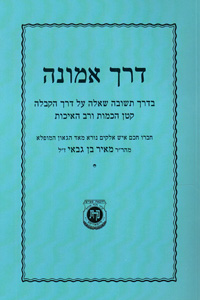
The Sicha. הקדמה כללית – שיחה על ספר דרך אמונה, ספר השיחות, ויצא תשל“ח.
ע’ 131.
BL”N we will write a synopsis in the future. Or ask AI to do it for us…..