BSD
Brochos 12b
Menachem Av 27, 5786. 08/11/2026
גמרא topics discussed:
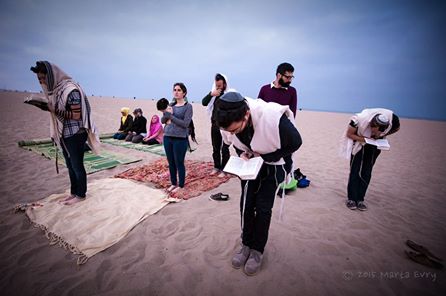
- The proper method of bowing during שמונה עשרה.
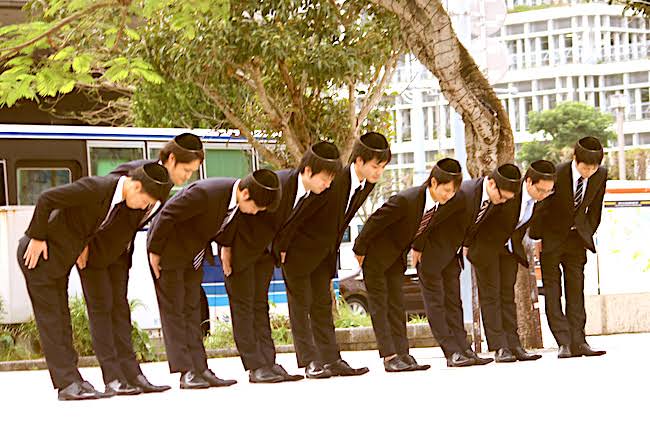
- Saying המלך הקדוש and המלך המשפט from Rosh Hashanah until the end of Yom Kippur.
- An error on the first night of Rosh Hashana and the unique opinion of Rabbi Abba (Abele) Paslover.
- Praying for a friend in need.
Brief points of interest.
1- The first topic has Shmuel relating to his friend’s son, Rav Chiya the son of Rav on the proper way to bow down and straighten up during שמונה עשרה, as he, Shmuel heard it from Rav himself.
Mentioned that Rav and Shmuel were from the 11 students that attended the בית מדרש of רבי, and are considered the ‘first generation אמוראים’. Rav is actually a hybrid, being both תנא and אמורא.
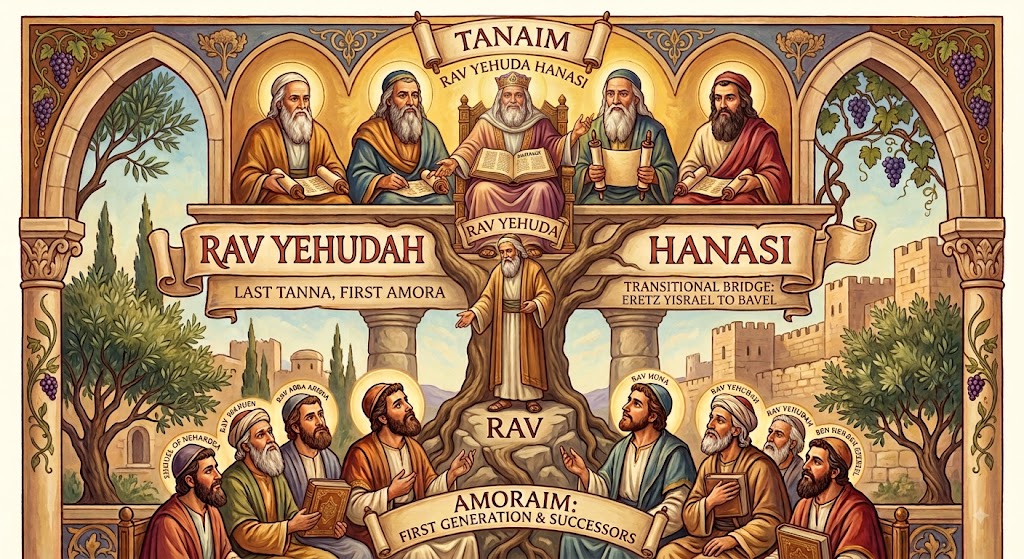
תנא הוא ופליג – see references here to others who held this special distinction.
2 – We related the story of Reb Yochanan who lived in Israel and was a contemporary of Shumel and Rav.
Here is the story from Chulin 95b.
During all the years when Rav lived in Babylonia, Rabbi Yoḥanan, who lived in Eretz Yisrael, would write to him and begin with the greeting: To our Master who is in Babylonia. When Rav died, Rabbi Yoḥanan would write to Shmuel and begin with the greeting: To our colleague who is in Babylonia.
Shmuel said: Does Rabbi Yoḥanan not know any matter in which I am his master? Shmuel wrote and sent to Rabbi Yoḥanan the calculation of the leap years for the next sixty years. Rabbi Yoḥanan was not impressed by this and said: Now he has merely demonstrated that he knows mathematics, which does not make him my master.
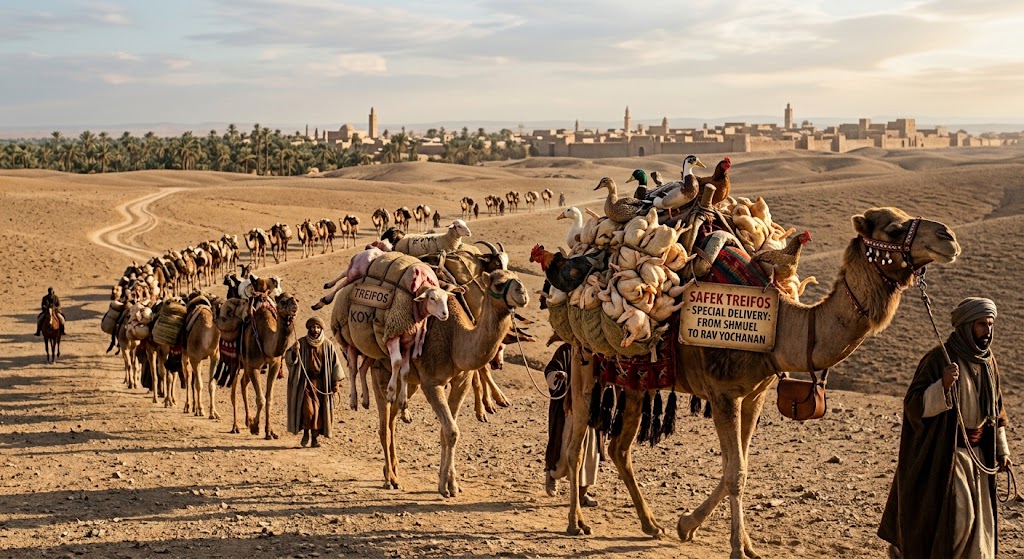
Shmuel then wrote and sent to Rabbi Yoḥanan explications of uncertainties pertaining to tereifot that had to be transported on thirteen camels. Rabbi Yoḥanan was impressed by this and said: I have a Master in Babylonia; I will go and see him.
Before departing on his journey, Rabbi Yoḥanan said to a child: Recite to me your verse that you studied today. The child recited the following verse to Rabbi Yoḥanan: “Now Samuel was dead” (I Samuel 28:3). Rabbi Yoḥanan said to himself: Learn from this that Shmuel has died. Therefore, Rabbi Yoḥanan did not go to see Shmuel.
3 – In relation to the previous Shiurim about ברכות we touched on the topic of ‘do ברכות change with the times’? Many ברכות are based on the ‘norm’, meaning that most people eat it in a particular fashion, like cooked or raw.
What happens if the ‘norm’ changes? Eating habits evolve, like who ate raw fish in the USA prior to 1985 when Sushi was introduced?

“…and so the pilgrims turned around and went home.”
We mentioned that Reb Zalman Shimon Dvorkin’’s opinion was to make a שהכל when eating raw carrots.
Why? Because that is the הלכה as per the שלחן ערוך! The ‘norm’ at that time was that most carrots were consumed only after they were cooked.
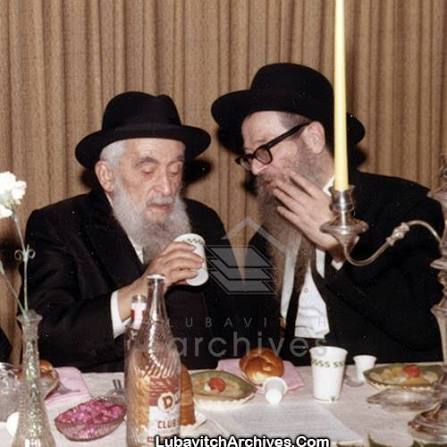
“that carrot is שהכל”
However, the average person today makes a האדמה on raw carrots because eating raw carrots is the norm today.
4- This leads to an even larger issue. After we wash for bread, we do not say a ברכה on whatever is served. Such as fish, meat and soup.
The reason being is ‘these items are served because they are part of the meal’. Meaning, that the ‘norm’ is to eat these food items only after washing for bread, thus the המוציא applies on what follows.
א דברים הבאים בתוך הסעודה אם הם דברים הבאים מחמת הסעודה דהיינו דברים שדרך לקבוע סעודה עליהםא בין ללפת בהם את הפתב כגון בשר ודגיםג וירקותד וגבינה וביציםה ומיני מלוחיםו בין למזון ולהשביעז כגון כרוב ותרדיןח ודייסא וכל מעשה קדרה שאינן באין ללפת אלא לתבשיל ולמזוןט א“צ ברכה לפניהם אפילו אוכלם בלא פת שברכת המוציא פוטרתם ולא לאחריהם שברכת המזון פוטרתםי (א) (שכיון שאין דרכםיא לאכול אותם כל היום כמו הפירות אלא בשעת סעודה בלבד הרי הם טפלים לפת שהוא עיקר הסעודה ולכן נפטרים בברכת הפת אע”פ שאוכלם בלא פתיב). .
‘these items – fish, meat, vegatbles, chesses, egg… (unlike fruits which are eaten all day) are eaten only during a meal…’
Today the entire idea of washing to eat fish or meat hardly exists. Soup in consumed not necessarily while eating a סעודה. We nibble on slices of cheese, we eat French fries all the time.
So why do we not make a ברכה on them when eating these items during a סעודה?
4 – Spoke briefly about the idea that potatoes, introduced to Europe only in the sixteenth century, is to be considered a bean and prohibited to eat it on פסח.
See here (and נשמת אדם ב כ, שכן המנהג באשכנז.)
5- Concluded with the peculiar ,מנהג חב”ד’