BSD
Brochos – 15b (2) – 16a
Kislev 14, 5787. 11/24/2026
Short notes.
1 – תָּנֵי רַב עוֹבַדְיָה קַמֵּיהּ דְּרָבָא: ״וְלִמַּדְתָּם״, שֶׁיְּהֵא לִמּוּדָךְ תָּם, שֶׁיִּתֵּן רֶיוַח בֵּין הַדְּבֵקִים.
Rav Ovadya taught a baraita before Rava: That which was stated: “And you shall teach them ״וְלִמַּדְתָּם״ to your children”
teaches that your teaching must be complete [tam] that one should leave space between adjacent words, where the last letter of the first and the first letter of the second are identical. One must distinguish between the words and enunciate each one clearly.
And then גמרא continues to give examples:
עָנֵי רָבָא בָּתְרֵיהּ: כְּגוֹן ״עַל לְבָבֶךָ״, ״עַל לְבַבְכֶם״, ״בְּכָל לְבָבְךָ״, ״בְּכָל לְבַבְכֶם״, ״עֵשֶׂב בְּשָׂדְךָ״, ״וַאֲבַדְתֶּם מְהֵרָה״, ״הַכָּנָף פְּתִיל״, ״אֶתְכֶם מֵאֶרֶץ״.
Rava responded after him by way of explanation: For example, one must enunciate עַל , pause, לְבָבֶךָ and not read them as one word. So too, al levavkhem, bekhol levavekha, bekhol levavkhem, esev besadkha, va’avadtem mehera, hakanaf petil, and etkhem me’eretz. Because the last letter of the first word and the first letter of the second are identical, the words are liable to be enunciated together and the correct meaning is liable to be obscured.

Here is the תוספות, which adds other words that we need to be careful with.
רב אלפס מוסיף כגון וחרה אף, דאם לא יתן ריוח אז נראה כמו וחרף. וכן מוסיף וראיתם אותו, וזכרתם את, ועשיתם את, שצריך ליתן ריוח בין מ״ם שבסוף תיבה לאל״ף שבתחלת תיבה שאחרי׳. וכן צריך
להתיז זיי״ן של תזכרו, שלא ישמע שי״ן למען שיהיה לנו שכר מצות, ואין לנו לעשו׳ על מנת לקבל פרס.
The זיין of למען תזכרו!
2 – Now this piece of Gemara is a trove that many great Acharonim and also modern scholars have used to try to figure out how people in the time of גמרא pronounced words. Namely, the type of הברה, or pronunciation used (Sephardic or Ashkenazic) and, within these two categories, which of the many dialects people pronounced these words in ancient times.
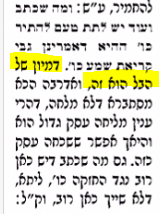
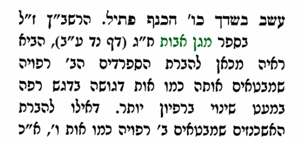
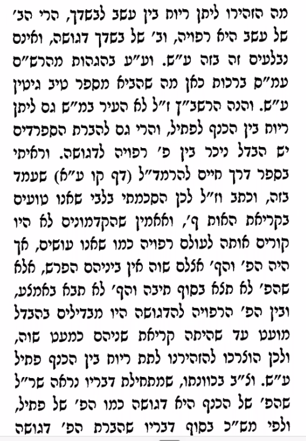
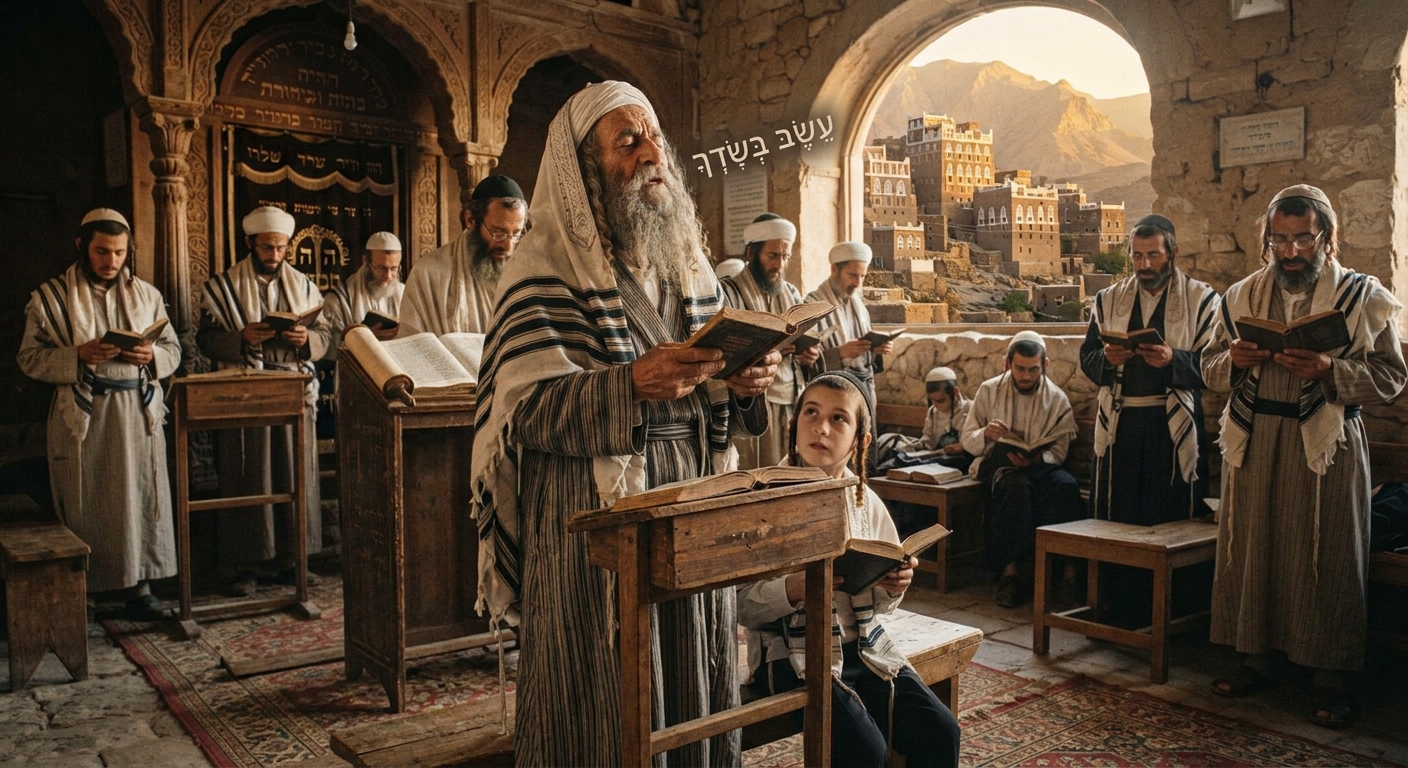
The first thing that jumps at you is these two words. ״עֵשֶׂב בְּשָׂדְךָ״! Why would you need to pause between these two words? Although the first word ends with a בית and the next one also begins with a בית, we Ashkenazim pronounce it totally differently.
3 – To start here is the מגן אבות, רשב”ץ and others : מספר מגדים חדשים
4 – The next piece of גמרא says that someone who says קריאת שמע very carefully the גֵּיהִנָּם is cooled off for him.
אֲמַר רַבִּי חַמָּא בֵּרַבִּי חֲנִינָא: כָּל הַקּוֹרֵא קְרִיאַת שְׁמַע וּמְדַקְדֵּק בְּאוֹתִיּוֹתֶיהָ, מְצַנְּנִין לוֹ גֵּיהִנָּם,
Rabbi Ḥama, son of Rabbi Ḥanina, said: Anyone who recites Shema and is punctilious in enunciating its letters, גֵּיהִנָּם is cooled for him
We discussed at length what the meaning is of ‘someone going through the גֵּיהִנָּם’.
Here is the צל”ח and a rough AI translation:
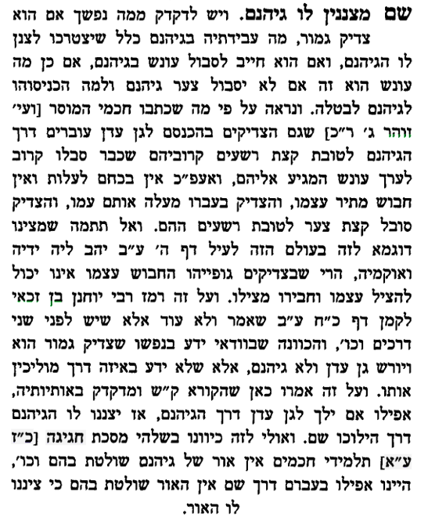
“They cool Gehinnom for him.” One should ask: what does this mean? If he is a complete tzaddik, why does Gehinnom need to be cooled for him at all? And if he deserves punishment in Gehinnom, what punishment is it if he feels no pain there? Why bring him into Gehinnom for nothing?

The answer seems to follow what the Mussar sages wrote (see Zohar vol. 3, p. 220). Even tzaddikim, on their way into Gan Eden, pass through Gehinnom. They do this for the sake of wicked relatives who have already suffered close to their full punishment but don’t have the strength to rise out. “A prisoner cannot free himself” (Berachos 5b). So the tzaddik lifts them up with him as he passes through, and he suffers a little pain for their sake……
Rabban Yochanan ben Zakai hinted at this below, on daf 28b, when he said: “Moreover, there are two paths before me…” He surely knew he was a complete tzaddik who would inherit Gan Eden and not Gehinnom. What he didn’t know was which road they would take him on.

This is what the Gemara means here. Someone who reads Shema carefully, even if he is taken to Gan Eden by way of Gehinnom, has Gehinnom cooled for him along the road he travels. Perhaps this is also the meaning at the end of Chagigah (27a): “Gehinnom’s fire has no power over Torah scholars.” Even when they pass through it, the fire can’t harm them, because it has been cooled for them.
5- We spoke about this famous גמרא with Rabbi Yochanan ben Zakai and the interpretation of it with חסידות חב”ד. Here.
וכשחלה רבי יוחנן בן זכאי נכנסו תלמידיו לבקרו כיון שראה אותם התחיל לבכות וכו’ ואיני יודע באיזו מוליכים אותי ולא אבכה וכו’ יהי רצון שתהא מורא שמים עליכם כמורא בשר ודם
We mentioned the interpretation of the חתם סופר.
מדוע התחיל לבכות דוקא כשבאו התלמידים? ולמה אמר “מוליכין אותי” ולא “אלך”? חתם סופר הסביר שריב”ז לא פחד מצד מעשיו, כי ידע הוא צדיק, אבל פחד שמא תלמידיו לא ילכו בדרך הישר ויצטרך לרדת לגיהנום בגללם, כי הלומד עם תלמיד שאינו הגון נופל לגיהנם (חולין קלג), וזה מה שאמר “ואיני יודע באיזו מוליכים אותי” – כלומר באיזו דרך מוליכים אותי התלמידים, ולכן בירך אותם שיהיו יראי ה’, ואז לא ילך לגיהנום
And of course what the Baal Shem Tov said about the ב”ח: everybody, every tzaddik, needs to go through the גֵּיהִנָּם, and before the Bach went through the גֵּיהִנָּם, they cooled it off for him for 40 days prior to his arrival.
See Oitzer Minhage Chabad, where this is brought down- regarding Chadash.
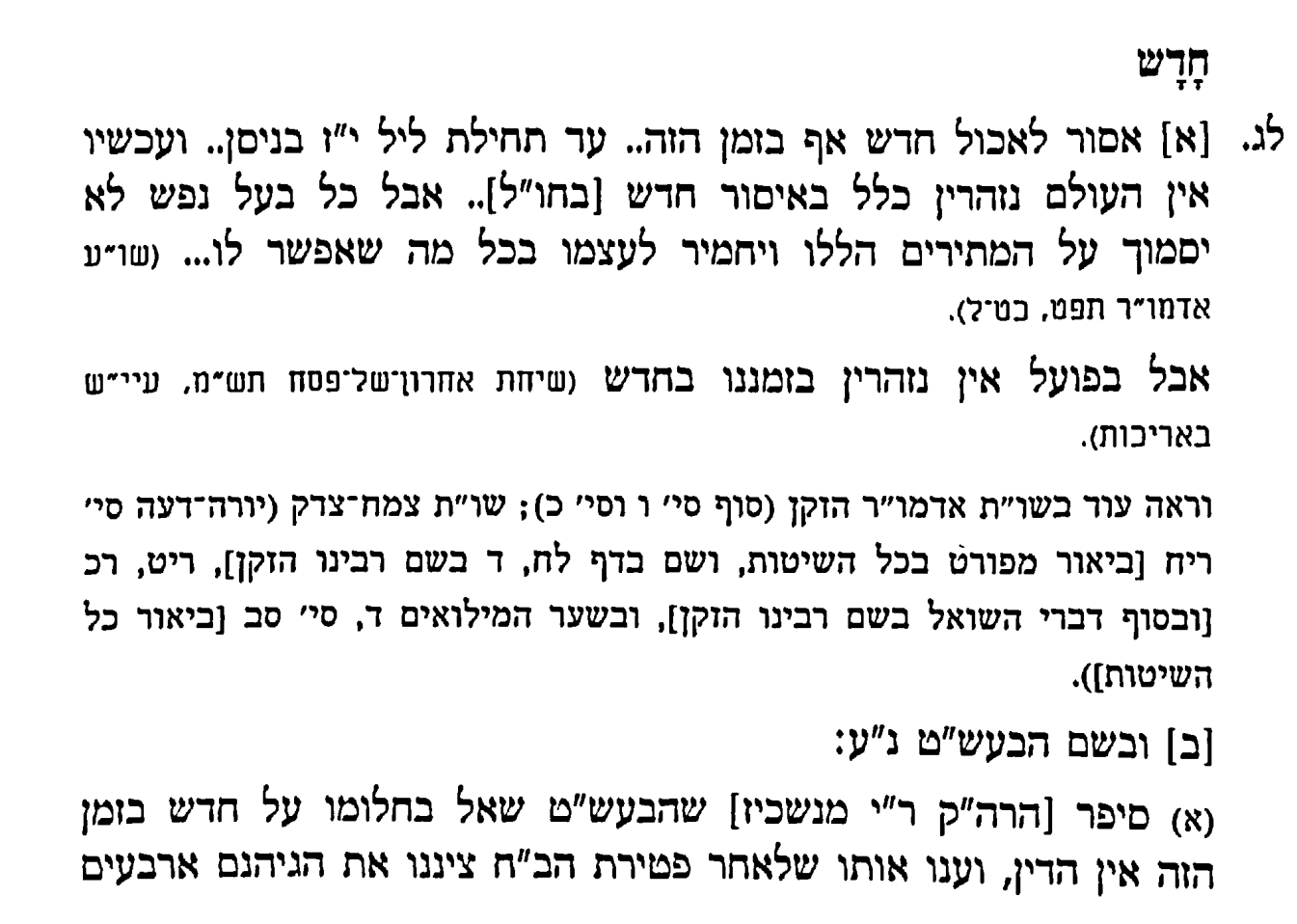
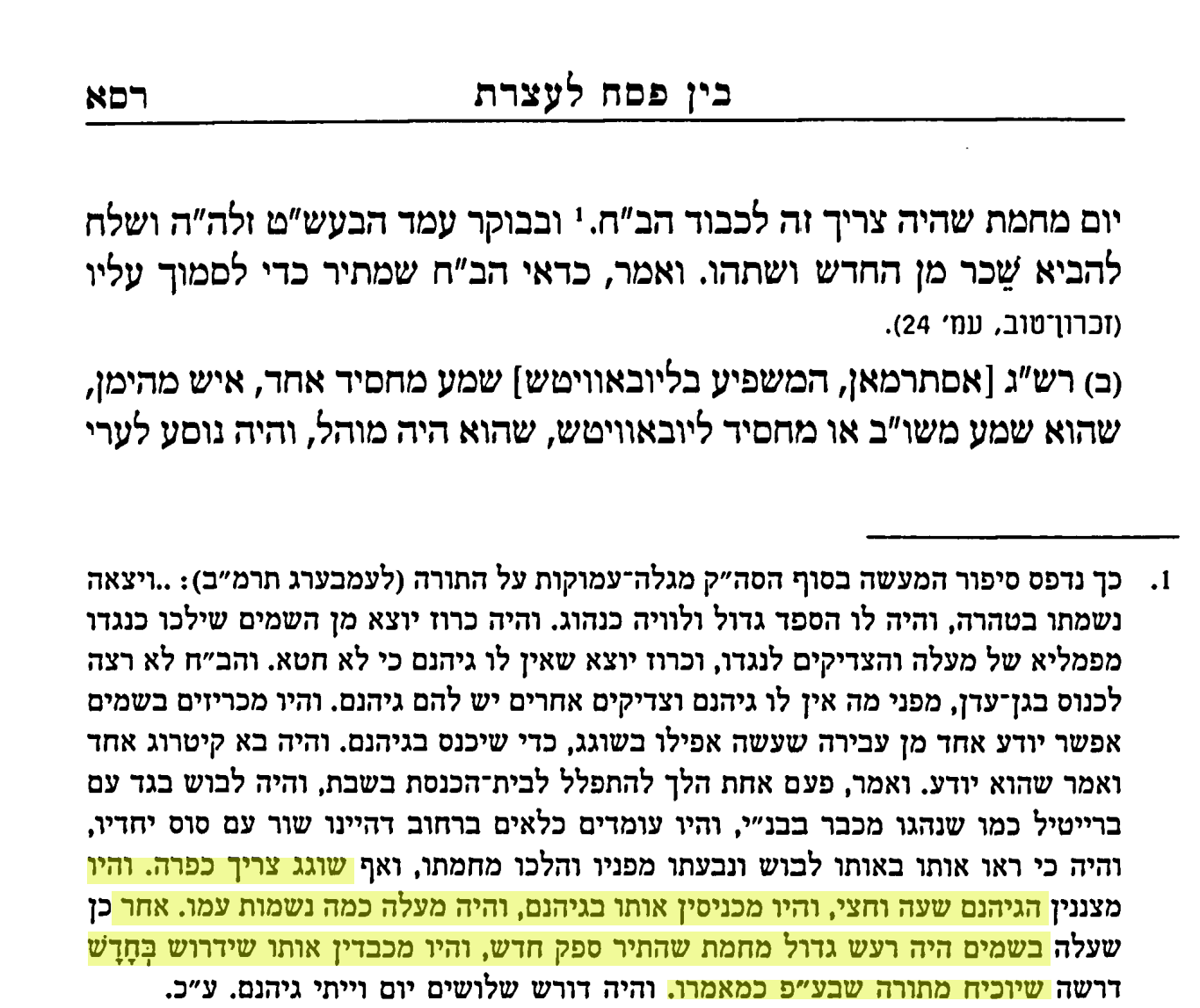
Story of the fellow that did not have a clock up above but actually had a ventilator…..

6- On Daf 16a, the גמרא discusses somebody saying קריאת שמע and lost his concentration and he’s unsure of where he is at.
At the end the Gemara says that if he is unsure whether he is up to the first וּכְתַבְתָּם or the second, but he has already started לְמַעַן יִרְבּוּ יְמֵיכֶם, we assume he said it correctly: מִיגְרַס גְּרִיס וְאָזֵיל, his habit carried him through.
In other words what the גמרא is saying is that if someone has a doubt whether he has performed or said something, we can assume he did it since he does it on a regular basis.
The ט”ז uses this גמרא on an interesting הלכה of a totally unrelated topic:
A woman cooked a piece of meat and suddenly realizes that she has no recollection of salting (koshering) the meat! YD 69, SK 24
ומעשה בא לידינו באשה אחת שבשלה בשר ושכחה אם מלחה אותו תחילה אם לאו

The ט”ז uses the premise that our Gemara has established that if something somebody does on an ongoing basis and one day has no recollection if he did it, we can assume that he did indeed do it.
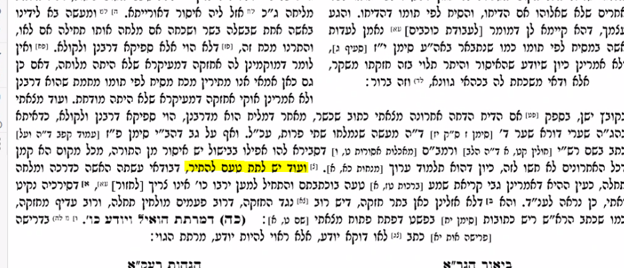
The ש”ך disagrees and has rather sharp words on this: