Shiur Brochos 7b (4) – 8a Adar 7, 5786. 02/24/2026

BSD

Brochos 7b (4) -8a

Adar 7, 5786. 02/24/2026

Notes on the Shiur

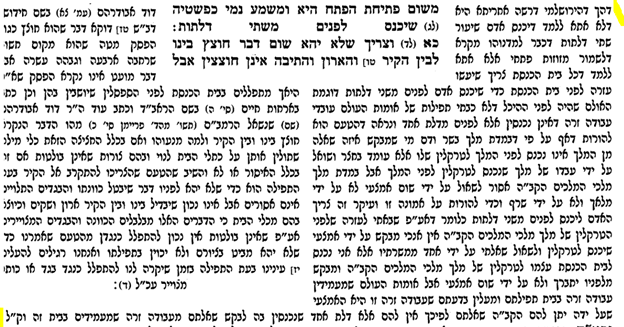
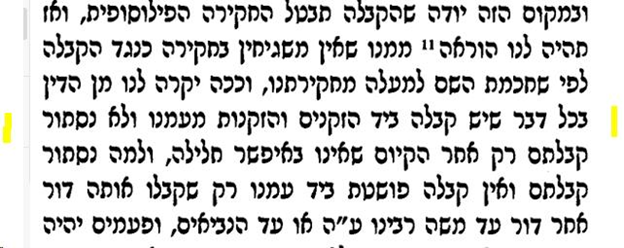
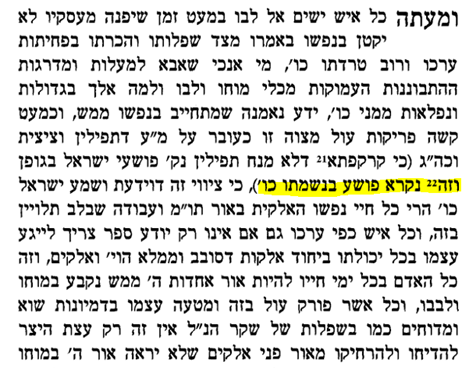
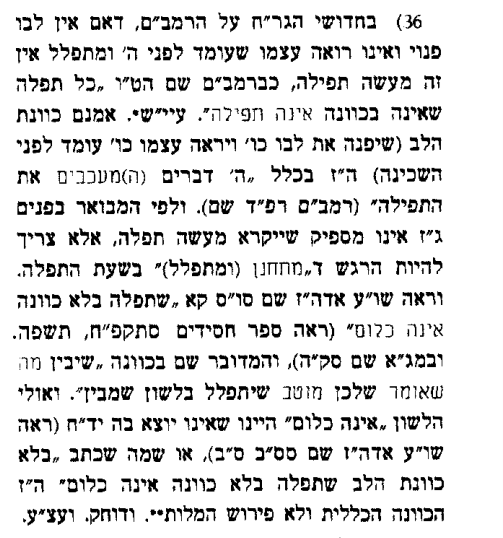
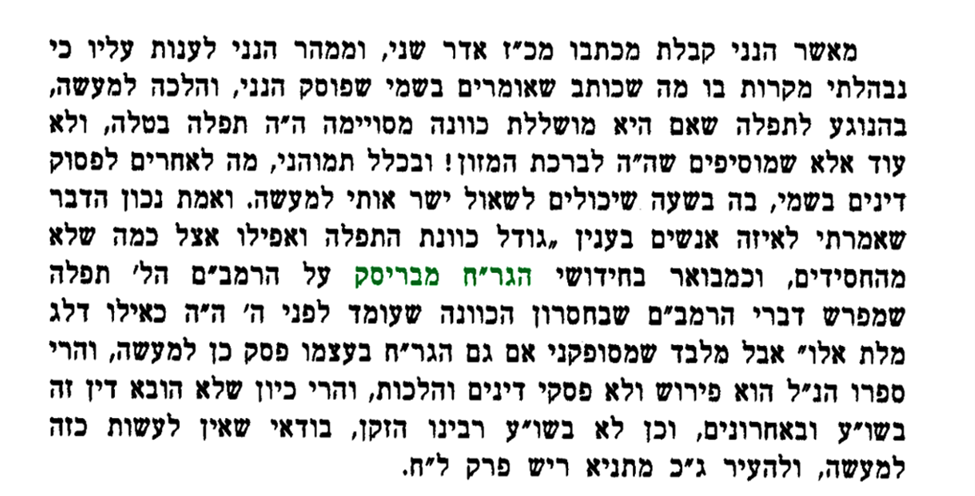
1- To wrap up the topic of last week concerning the זהר and קבלה  being part of our מסורה even in הלכה (as opposed to those who doubt it),

we mentioned the הגהה of the צמח צדק in last week’s תורה אור.

תרומה פג, ג

  ועיין כה“ג בפרדס שער החמישי פ“ג בשם הבית יוסף ומלכות נפיק כו‘ ומשום הכי קאמר אברהם כו‘

This is the רמ”ק in his פרדס רימונים quoting the בית יוסף on a pure קבלה topic.

We mentioned that the Rebbe’s Library has the original כתב יד of the רמ”ק’s Sefer אור יקר on the זהר – and is occasionally on display.

See here.

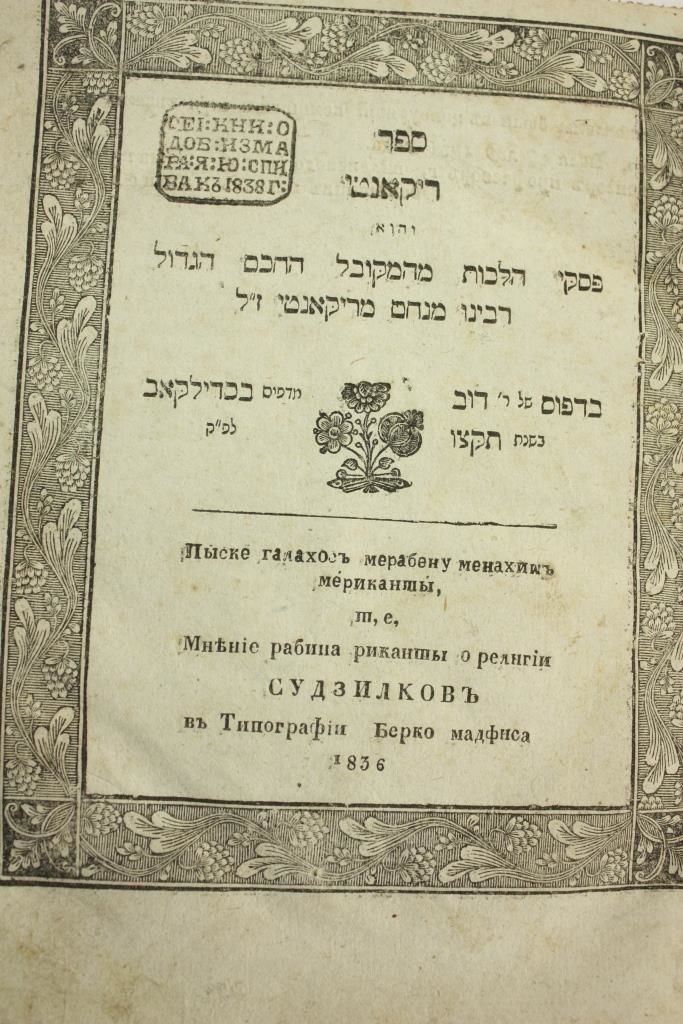
See a previous Shiur in Sukkah where the בית יוסף brings a phenomenal mystical story of the מקובל Reb Menachem Ricanti.

2- The גמרא moves on to the topic of Davening in a בית כנסת in general and  with a מנין in particular.

Now Davening with a מנין is a big topic that will be discussed in the next few Shiurim IYH.

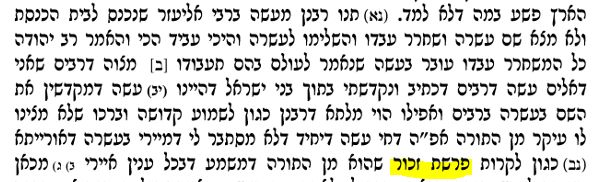
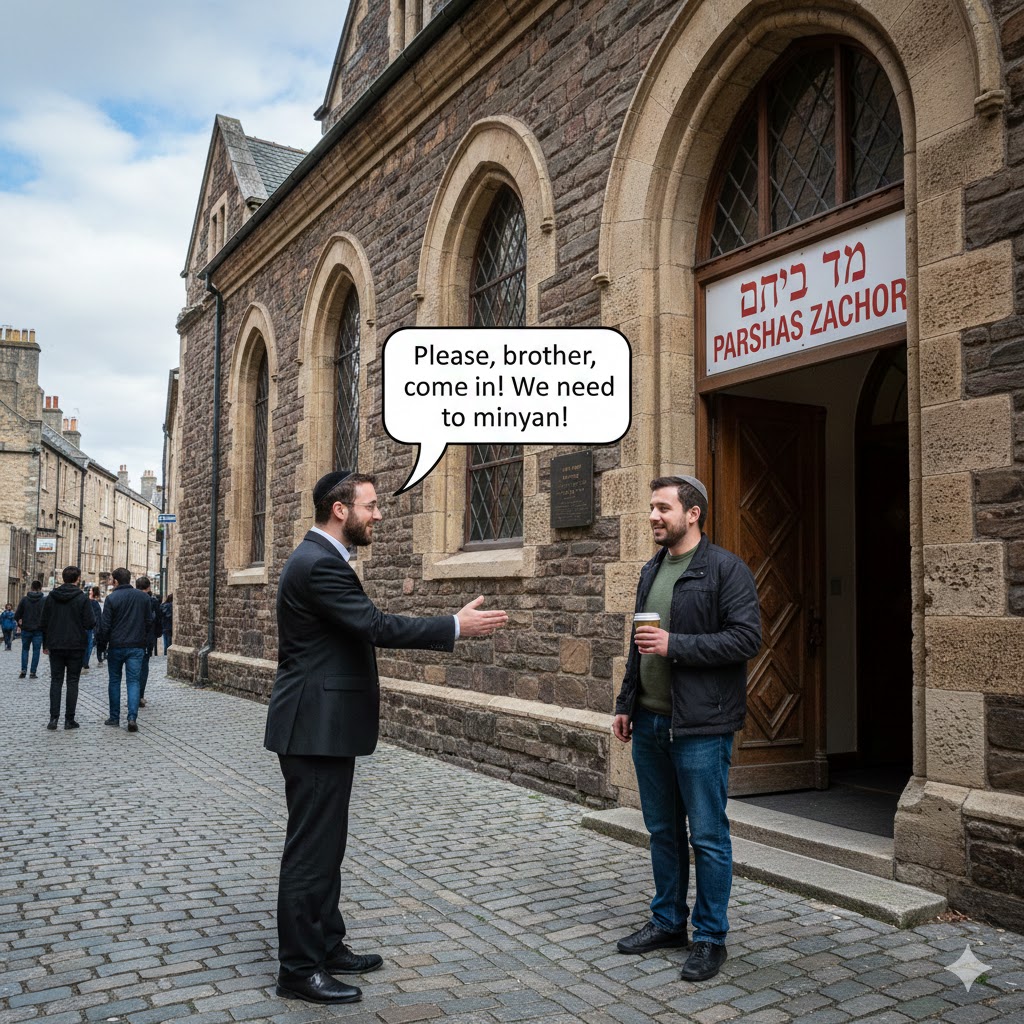
Being that this coming Shabbos is פרשת זכור, we spoke about the story we will encounter on Daf מז, ב. concerning a Minyan.

Reb Eliezer, looking for a ‘tenth’ for a מנין, had no other choice but to free  his slave!

The גמרא takes issue with this since generally, one should not free slaves and concludes that since it was done for the purpose of  מצוה של רבים – i.e. a מנין, it was permitted.

The רא״ש writes that although קדיש and ברכו is only דרבנן, the gathering of ten people is a קידוש השם and that is a מצוות עשה of ונקדשתי בתוך בני ישראל.

Although one may argue that the story of Reb Eliezer attempt to get a מנין was on שבת זכור! when the קריאת התורה  in מדאורייתא, that is not the simple פשט of the story.

There is much more to this to be discussed BL”N in the future.

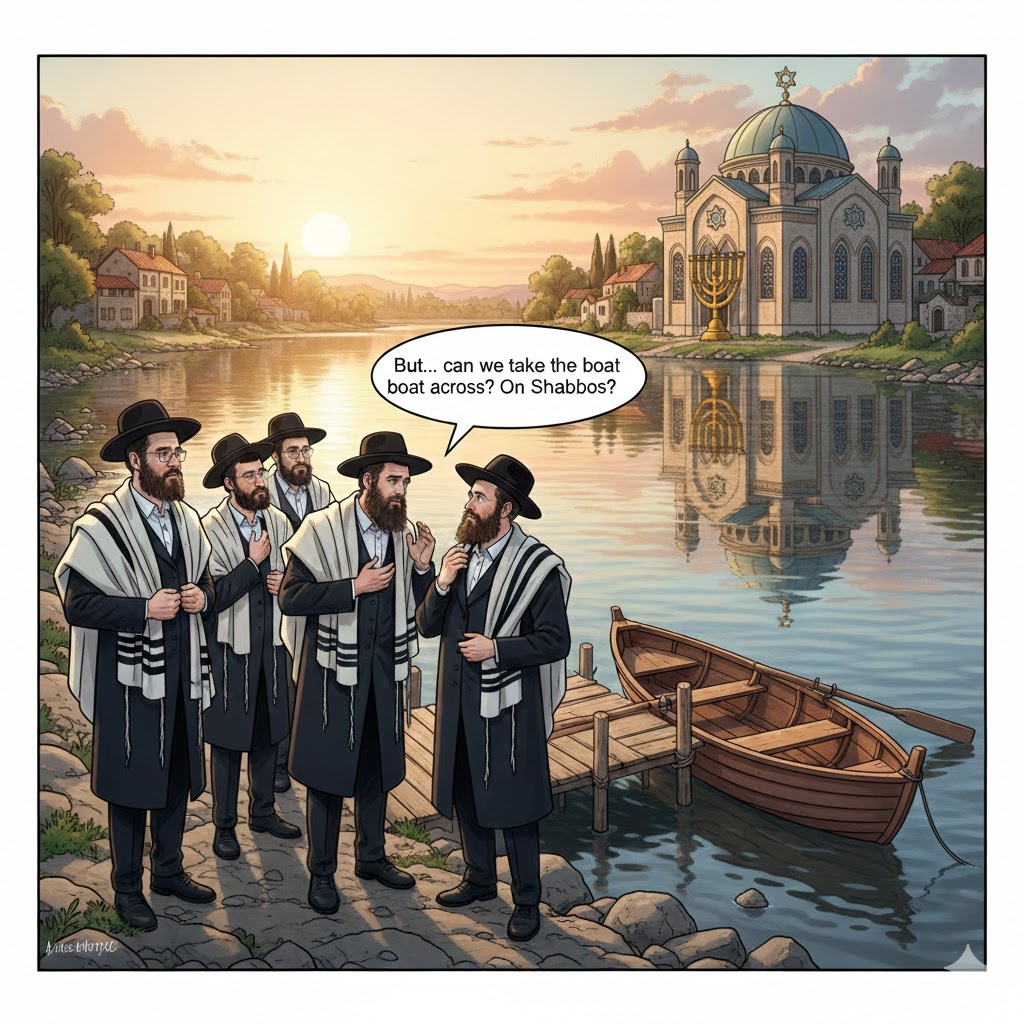
3 – We discussed the תשובה from Reb Akiva Eiger (13) who was asked by inhabitants of a city that had a river cutting across it. The only מנין was on one side of the river and they were searching for a היתר to cross this river by raft on Shabbos.

Generally, boarding and traveling on any type of boat is prohibited on Shabbos. The גזירה is that one may build a water craft on Shabbos. This איסור is also if one want to cross לדבר מצוה.

Reb Akiva Eiger tries to find a היתר based on the great importance of (not just joining a מנין) creating a מנין; meaning when one is the 10th. (He quotes the רא”ש above).  However, ultimately he rules against crossing the river on Shabbos.

4 – Our גמרא continues with the famous גמרא (for Chabadniks..)

פָּדָה בְשָׁלוֹם נַפְשִׁי מִקְּרׇב לִי״ וְגוֹ׳. אָמַר הַקָּדוֹשׁ בָּרוּךְ הוּא: כָּל הָעוֹסֵק בַּתּוֹרָה וּבִגְמִילוּת חֲסָדִים וּמִתְפַּלֵּל עִם הַצִּבּוּר, מַעֲלֶה אֲנִי עָלָיו כְּאִילּוּ פְּדָאַנִי, לִי וּלְבָנַי, מִבֵּין אוּמּוֹת הָעוֹלָם.

Iggeres HaKodesh 26.

 אָמַר הַקָּדוֹשׁ בָּרוּךְ הוּא: Anyone who engages in Torah study, and in acts of kindness, and prays with the ציבור , I ascribe to him credit as if he redeemed Me and My children from among the nations of the world.

We mentioned the very interesting שיחה of the Rebbe on this גמרא on  י”ט כסליו תשכ”ג.

5 – Reb Yochanon was wondering as to what merit the people in בבל had to reach an old age. After all the ברכה for אריכות ימים seems to be only when living in ארץ ישראל!

When he was told that the people in בבל go early to Shul and stay late (after מעריב) he understood that this was their זכות  to live long.

We mentioned that it still is a problem since the פסוק explicitly says that old age is something unique to those living in ארץ ישראל.

Spoke about the story with the Chosid who wanted to make aliya and the Rebbe the צמח צדק told him מאך דא ארץ ישראל. ‘Make Israel here’.

The source in נגלה for this idea as the Rebbe mentioned from the מאירי.

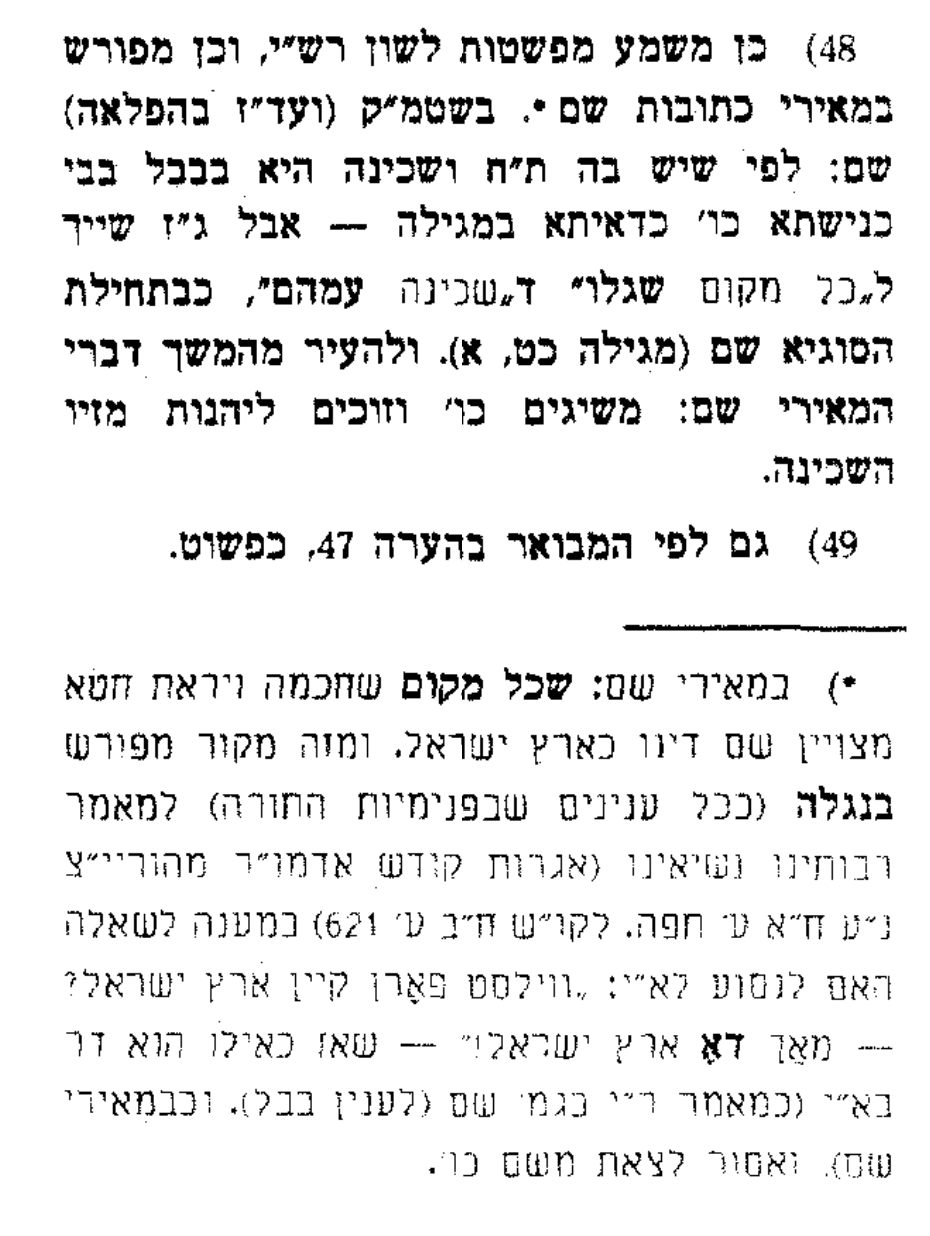
לקו”ש חי 404 (and see here  אגרות קודש א, תפה (ריי”צ))

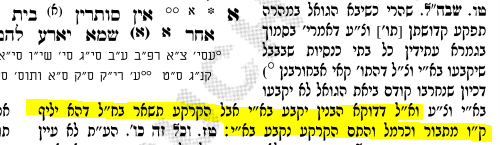
Additionally, the מגן אברהם writes that the prophecy that all Shuls and בתי מדרשים will be transported to ארץ ישראל when משיח arrives applies to the land under these בתי כנסיות ובתי מדרשים. OC 160, 9.

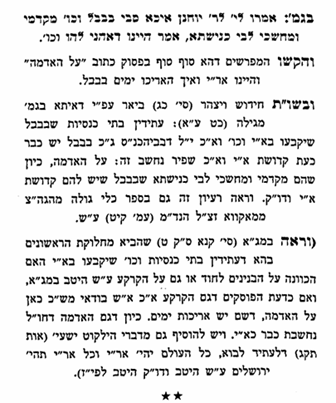
So perhaps, as others point out, (see below) the elders of בבל spent their time in the Shuls of בבל, which in a sense is ארץ ישראל. Truly על האדמה.

6 – The entering into a Shul thru 2 doors.

Literally or the time it takes to walk the width of two doors. Standing right at the door shows that the person can’t wait to escape.

See here for the many explanations of these ‘two doors’. OC 90, 19.

The very interesting explanation of the ירושלמי as quoted by the ב״ח.

7 – The topic of מצא or מוצא we will write up next time BL”N.

Thumbs Up Thumbs Down Vector Art, Icons, and Graphics for Free Download

Happy Purim to all.

Happy Purim to everyone who celebrates! I love this holiday as it's all about joy, laughter and coming together as a community. Whether you're enjoying delicious hamantaschen or dressing up in your… |


Shiur Brochos 7b (3) – Shvat 30, 5786 – 02/17/2026

BSD

Brochos 7b (3)

Shvat 30, 5786. 02/17/2026

Some short notes.

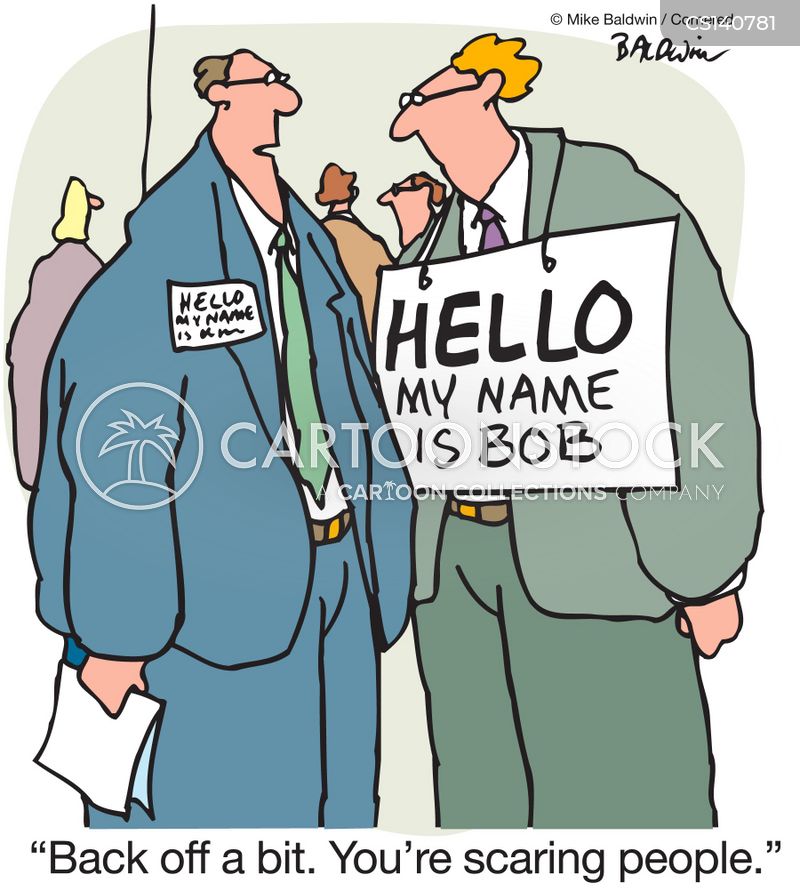
1 – Our גמרא touches on the topic of names.

מְנָא לַן דִּשְׁמָא גָּרֵים? אֲמַר רִבִּי אֶלִיעֶזֶר: דַּאֲמַר קְרָא: ״לְכוּ חֲזוּ מִפְעֲלוֹת ה׳ אֲשֶׁר שָׂם שַׁמּוֹת בָּאָרֶץ״ (תהלים מ״ו:ט׳). אַל תִּקְרֵי ״שַׁמּוֹת״, אֶלָּא שֵׁמוֹת.

Regarding the basic assumption that these interpretations of names are allusions to one’s future, the Gemara asks: From where do we derive that the name affects one’s life? Rabbi Eliezer said that the verse says: “Go, see the works of the Lord, who has made desolations [shamot] upon the earth” (Psalms 46:9). Do not read the word as shamot, rather as שמות, names. The names given to people are, therefore, “the works of the השם upon the earth.”

 Reading into a person’s name

Mentioned the story of Reb Meir who suspected an individual just by his name and was proven right. Yuma 83.

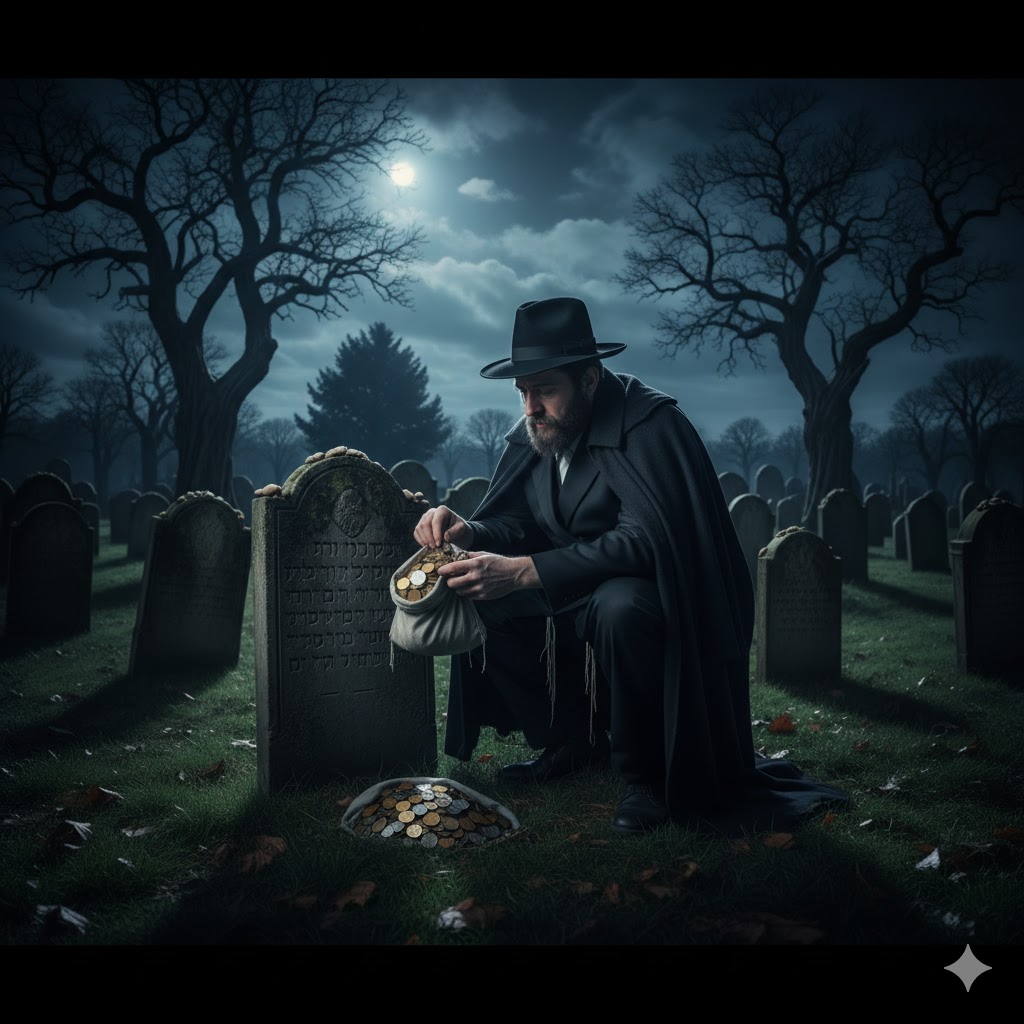
רַבִּי מֵאִיר וְרַבִּי יְהוּדָה וְרַבִּי יוֹסֵי הֲווֹ קָא אָזְלִי בְּאוֹרְחָא רַבִּי מֵאִיר הֲוָה דָּיֵיק בִּשְׁמָא רַבִּי יְהוּדָה וְרַבִּי יוֹסֵי לָא הֲווֹ דייקו בִּשְׁמָא כִּי מְטוֹ לְהָהוּא דּוּכְתָּא בְּעוֹ אוּשְׁפִּיזָא יְהַבוּ לְהוּ אֲמַרוּ לו מָה שְׁמָךְ אֲמַר לְהוּ כִּידוֹר אֲמַר שְׁמַע מִינַּהּ אָדָם רָשָׁע הוּא שֶׁנֶּאֱמַר {דברים ל״ב:כ׳} כִּי דוֹר תַּהְפּוּכוֹת הֵמָּה רַבִּי יְהוּדָה וְרַבִּי יוֹסֵי אַשְׁלִימוּ לֵיהּ כִּיסַיְיהוּ רַבִּי מֵאִיר לָא אַשְׁלֵים לֵיהּ כִּיסֵיהּ אֲזַל אוֹתְבֵיהּ בֵּי קִיבְרֵיהּ דַּאֲבוּהּ.

Rabbi Meir and Rabbi Yehuda and Rabbi Yosei were walking on the road together. Rabbi Meir would analyze names and discern one’s nature from his name, while Rabbi Yehuda and Rabbi Yosei were not apt to analyze names.

When they came to a certain place, they looked for lodging and were given it. They said to the innkeeper: What is your name? He said to them: My name is Kidor. Rabbi Meir said to himself: Perhaps one can learn from this that he is a wicked person, as it is stated: “For they are a generation [ki dor] of upheavals” (Deuteronomy 32:20). Since it was Friday afternoon, Rabbi Yehuda and Rabbi Yosei entrusted their purses to him.

Rabbi Meir did not entrust his purse to him but went and placed it at the grave of the innkeeper’s father.

 אִתְחֲזִי לֵיהּ בְּחֶלְמֵיהּ תָּא שְׁקֵיל כִּיסָא דְּמַנַּח אַרֵישָׁא דְּהָהוּא גַּבְרָא לִמְחַר אֲמַר לְהוּ הָכִי אִתְחֲזִי לִי בְּחֶלְמַאי אָמְרִי לֵיהּ חֶלְמָא דְּבֵי שִׁמְשֵׁי לֵית בְּהוּ מַמָּשָׁא אֲזַל רַבִּי מֵאִיר וְנַטְרֵיהּ כּוּלֵּי יוֹמָא וְאַיְּיתְיֵהּ.

The innkeeper’s father appeared to the innkeeper in a dream and said to him: Go take the purse placed at the head of that man, i.e., the innkeeper’s father. The following day, he said to the Sages: This is what appeared to me in my dream. They said to him: Dreams during twilight on Shabbat evening have no substance and should not be trusted. Even so, Rabbi Meir went and guarded his money all that day and then took it.

לִמְחַר אֲמַרוּ לו הַב לַן כִּיסַן אֲמַר לְהוּ לֹא הָיוּ דְבָרִים מֵעוֹלָם אֲמַר לְהוּ רַבִּי מֵאִיר אַמַּאי לָא דָּיְיקִיתוּ בִּשְׁמָא אֲמַרוּ לֵיהּ אַמַּאי לָא אֲמַרְתְּ לַן מָר אֲמַר לְהוּ אֵימַר דַּאֲמַרִי אֲנָא חֲשָׁשָׁא, אַחְזוֹקֵי מִי אֲמַרִי.

The next day, the rabbis said to the innkeeper: Give us our purses. He said to them: These matters never occurred; you never gave me any purses.

Rabbi Meir said to them: Why didn’t you analyze his name to learn that he is a wicked man? They said to him: Why didn’t the Master tell us? He said to them: I said one should be suspicious, but have I said a person should be established as wicked? Could I say to you with certainty that he is wicked based on his name alone?

 See there for the conclusion of the story.

 2 – The name of a person or object is its ‘life’

Discussed the Alter Rebbe’s words in Tanya.

וְכֵן בְּכָל הַנִּבְרָאִים שֶׁבָּעוֹלָם, And so it is with all created things in the world. The Holy Tongue, the Hebrew of the Torah, was the language used in creation. Thus, all created things are directly affected by their Hebrew names as well as by the component letters of their names. In this, the Holy Tongue is unlike other, arbitrary languages, the meaning of whose words is the result of mere consensus.

הַשֵּׁמוֹת שֶׁנִּקְרָאִים בָּהֶם בִּלְשׁוֹן הַקֹּדֶשׁ – הֵן הֵן אוֹתִיּוֹת הַדִּבּוּר, הַמִּשְׁתַּלְשְׁלוֹת מִמַּדְרֵגָה לְמַדְרֵגָה מֵעֲשָׂרָה מַאֲמָרוֹת שֶׁבַּתּוֹרָה,

The names [of all creatures] in the Holy Tongue are the very letters of speech which descend, degree by degree, from the ten utterances recorded in the Torah,

3 –

דוד המלך‘s praising ‘ה while on the run

The גמרא moves on to the פרק תהלים that דוד המלך composed while running away from אבשלום, his rebellious son.

מִזְמוֹר לְדָוִד בְּבׇרְחוֹ מִפְּנֵי אַבְשָׁלוֹם בְּנוֹ. תהלים פרק ג.

Despite being hunted by his son, דוד המלך  begins with the words, מזמור לדוד! A praise to השם.

The גמרא explains this seeming paradox with a משל of someone in debt that has anxiety about sourcing the funds to pay off the debt.

Once he is successful in paying it, he feels a sense of relief.

Now דוד המלך was expecting something bad to happen to him, as he was told by the נתן הנביא.

כֹּ֣ה ׀ אָמַ֣ר יְהֹוָ֗ה הִנְנִי֩ מֵקִ֨ים עָלֶ֤יךָ רָעָה֙ מִבֵּיתֶ֔ךָ וְלָקַחְתִּ֤י אֶת־נָשֶׁ֙יךָ֙ לְעֵינֶ֔יךָ וְנָתַתִּ֖י לְרֵעֶ֑יךָ וְשָׁכַב֙ עִם־נָשֶׁ֔יךָ לְעֵינֵ֖י הַשֶּׁ֥מֶשׁ הַזֹּֽאת׃

His anxiety was that the rebellion will be led by one of his slaves, or perhaps even worse, by a ממזר who would have no רחמנות on him.

4 – We discussed the זהר, (Reb Akiva Eiger refers to it)  that suggests a different answer to the above.

In short- דוד המלך  was concerned that this prophecy would not materialize during his life time and the retribution would come to דוד in the עולם האמת.

He began to sing when he realized that his suffering is happening now, in עולם הזה, purifying him to arrive with a ‘clean slate’ in the world to come.

5 –

The success of humans that are less than perfect

The next section in the גמרא is truly tough to comprehend. It is, in a sense, a continuation of the topic of the previous עמוד, where the suffering of the righteous is discussed.

Here the גמרא deals with something even more perplexing – the success of evil people not only in their own personal lives, but more so, in their interaction against others. Others that are ‘better people’.

The גמרא says that if one sees a  רשע that is currently successful – stay away from him because it seems that (for whatever reason, at this moment) his מזל is ‘shinning’ and he will be victorious even in a בית דין or, more so, even בידי שמים!

Wow! This is not easy to understand.

6 – We mentioned some examples of this idea such as (תענית כט) not going to court when your opponent is a גוי during חודש of מנחם אב. It is a time when his מזל shines and may cause the יהודי to lose.

Discussed the כהן גדול praying that the suspected murderer should be acquitted. מכות יא ב.

Now how can prayer sway a בית דין? Don’t they rule with pure logic?

It seems that תפילה has the ability to bring out one’s מזל even if this individual is someone that is guilty and unworthy.

As above, this is not an easy topic to understand.

7 – The doubts of a גדול

 In relation to the זהר mentioned above we told a story with Reb Yoel Kahan ע”ה.

In 2004 a certain well known גדול passed away and the media was filled with his praise. This individual was truly a great תלמיד חכם and was also known to ‘think out of the box’. His interests were, in addition to תורה, philosophy, classical music etc. Occasionally, despite living a simple and austere life, ‘he enjoyed a glass of fine wine’ etc.

I showed Reb Yoel a collection of articles and comments about this man.

In short, after reading the articles about him, this is what he told me:

The fact that he liked classical music, fine wine, nu nu. One can live with that. Not all גדולים are alike.

 But when I came across that this גדול expressed once in while that ‘I am unsure about the validity of the זהר and קבלה’, that is something very disturbing.

 Reb Yoel continued: Surely, when קבלה was revealed to the masses (after being cloaked in secrecy for thousands of years), if one would doubt its truth ח”ו, the skepticisms may have been somewhat justified.

However, now, after hundreds of years of קבלה being part of our מסורה, to doubt it, is a very serious matter. How can someone doubt קבלה when the בית יוסף, the רמ”א, מגן אברהם who form the basis of הלכה for every Yid, quote it?!

 Doubting the authenticity of קבלה means that they were all fooled by a forgery.

 Every Yid says בריך שמה at פתיחת הארון. So what is this ‘גדול’ saying? That this passage is not from a valid source?! It’s a poem written not by Rashbi of his חבריה?

Reb Yoel concluded that in his humble opinion this גדול had much deeper doubts! והמבין יבין.

8 –

The Yeminite ‘Dardayim’.

We discussed the famous sect of Yeminite Jews that were opposed to anything associated with קבלה and mysticism. They named themselves ‘The Dor Daim’ from the words דור דעה. See here. כת הדרדעים. Here.

Rabbi Yahya Kapach – Founder

[There is also a group of “Yeke’ German Jews that have similar השקפות, but that is for another Shiur].

ומסיימים בטוב

אך כל ישראל מאמינים בני מאמינים. לקו”א פמ”ב.

————————–

Hebrew notes.

שמות רבי מאיר מדייק בשמא. יומא פג ב.

אבשלום. גהש”ס מהזוהר. ג.נ. כת הדרדעים. קפיח.


ב”מ קז, ב.

מזל אפילו בדי”ש. מזלו גובר.

תענית כט – אדר- רש”י ערכאות של נכרים.

מכות יא ב. כ”ג שנתמנה לפני גמר דינו של הורג בשוגג. מאי הוי”ל למעבד? (הלא לא הי’ כ”ג בעת ההריגה) הי’ לו לבקש רחמים שיגמר דינו לזכות ולא ביקש! י״א שהכוונה שהי׳ לו להתפלל שכל חברי הב״ד ידונו לחובו וע״י״ז יפטר.

אור זרוע לר”צ.


Shiur Brochos 7b (2) – Shvat 12, 5786 – 02/10/2026

BSD

Brochos 7b (2)

Shvat 12, 5786. 02/10/2026

Shiur notes in short.

1 – The גמרא discusses the topic of people’s names.

It begins with the naming of יהודה  by his mother לאה.

וַאֲמַר רִבִּי יוֹחָנָן מִשּׁוּם רִבִּי שִׁמְעוֹן בֶּן יוֹחַי: מִיּוֹם שֶׁבָּרָא הַקָּדוֹשׁ בָּרוּךְ הוּא אֶת עוֹלָמוֹ, לֹא הָיָה אָדָם שֶׁהוֹדָה לְהַקָּדוֹשׁ בָּרוּךְ הוּא, עַד שֶׁבָּאֲתָה לֵאָה וְהוֹדַתּוּ, שֶׁנֶּאֱמַר: ״הַפַּעַם אוֹדֶה אֶת ה׳ ״.

And Rabbi Yoḥanan said in the name of Rabbi Shimon ben Yoḥai: From the day  הַקָּדוֹשׁ בָּרוּךְ הוּא created the world, no one thanked the Holy One, Blessed be He, until Leah came and thanked Him, as it is stated: “And she became pregnant and gave birth to a son, and she said, ‘This time I will give thanks to God,’ and thus he was called יהודה”.

Blessed: Gratitude check - EMOttawa Blog

We mentioned what דרשנים would say on this גמרא. Surely there were others that gave thanks to ’ה prior to לאה. What לאה did was to thank ‘ה in a perpetual way. By naming her son יהודה she created an ‘ongoing thank you’.

2 – Speaking of names, the גמרא continues with the story of לאה naming ראובן.

Although the פסוק itself gives the reason for her naming her first born ראובן, the גמרא adds another reason.

The פסוק:

וַתַּ֤הַר לֵאָה֙ וַתֵּ֣לֶד בֵּ֔ן וַתִּקְרָ֥א שְׁמ֖וֹ רְאוּבֵ֑ן כִּ֣י אָֽמְרָ֗ה כִּֽי־רָאָ֤ה יְהֹוָה֙ בְּעׇנְיִ֔י כִּ֥י עַתָּ֖ה יֶאֱהָבַ֥נִי אִישִֽׁי׃

Leah conceived and bore a son. She named him Reuven, for she said “Because Hashem has seen my affliction. Surely, now, my husband will love me.”

ראובן  from the word ראה.

The גמרא:

רְאוּבֵן. אֲמַר רִבִּי אֶלְעָזָר: אָמְרָה לֵאָה: רְאוּ מַה בֵּין בְּנִי לְבֶן חָמִי, דְּאִילּוּ בֶּן חָמִי, אַף עַל גַּב דְּמִדַּעְתֵּיהּ זַבְּנֵיהּ לִבְכִירוּתֵיהּ, דִּכְתִיב: ״וַיִּמְכֹּר אֶת בְּכֹרָתוֹ לְיַעֲקֹב״ חֲזוּ מַה כְּתִיב בֵּיהּ: ״וַיִּשְׂטֹם עֵשָׂו אֶת יַעֲקֹב״

Reuben. Rabbi Elazar said: Reuben’s name should be considered a prophecy by Leah, as Leah said: See [re’u] the difference between my son [beni] and the son of my father-in-law, (עשיו, son of Isaac). Even though עשיו knowingly sold his birthright to his brother Jacob, as it is written: “And he sold his birthright to Jacob” nonetheless, it is written about him: “And עשיו hated Jacob”.


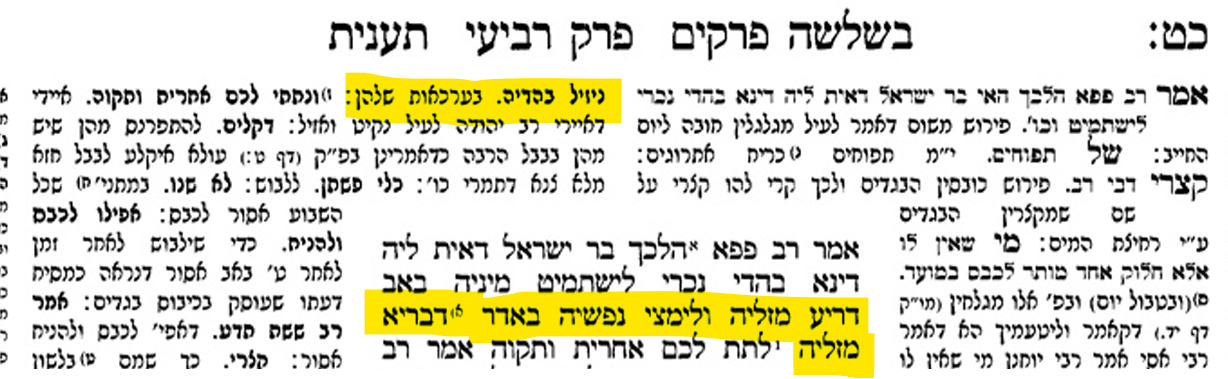
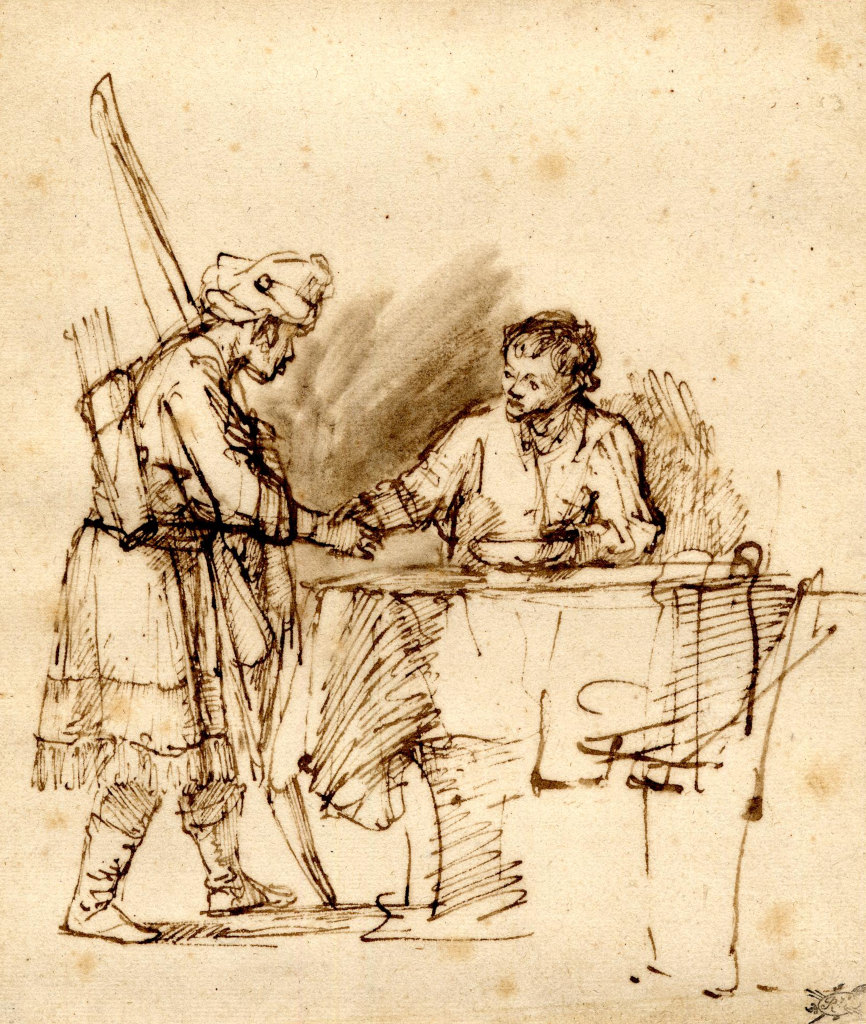
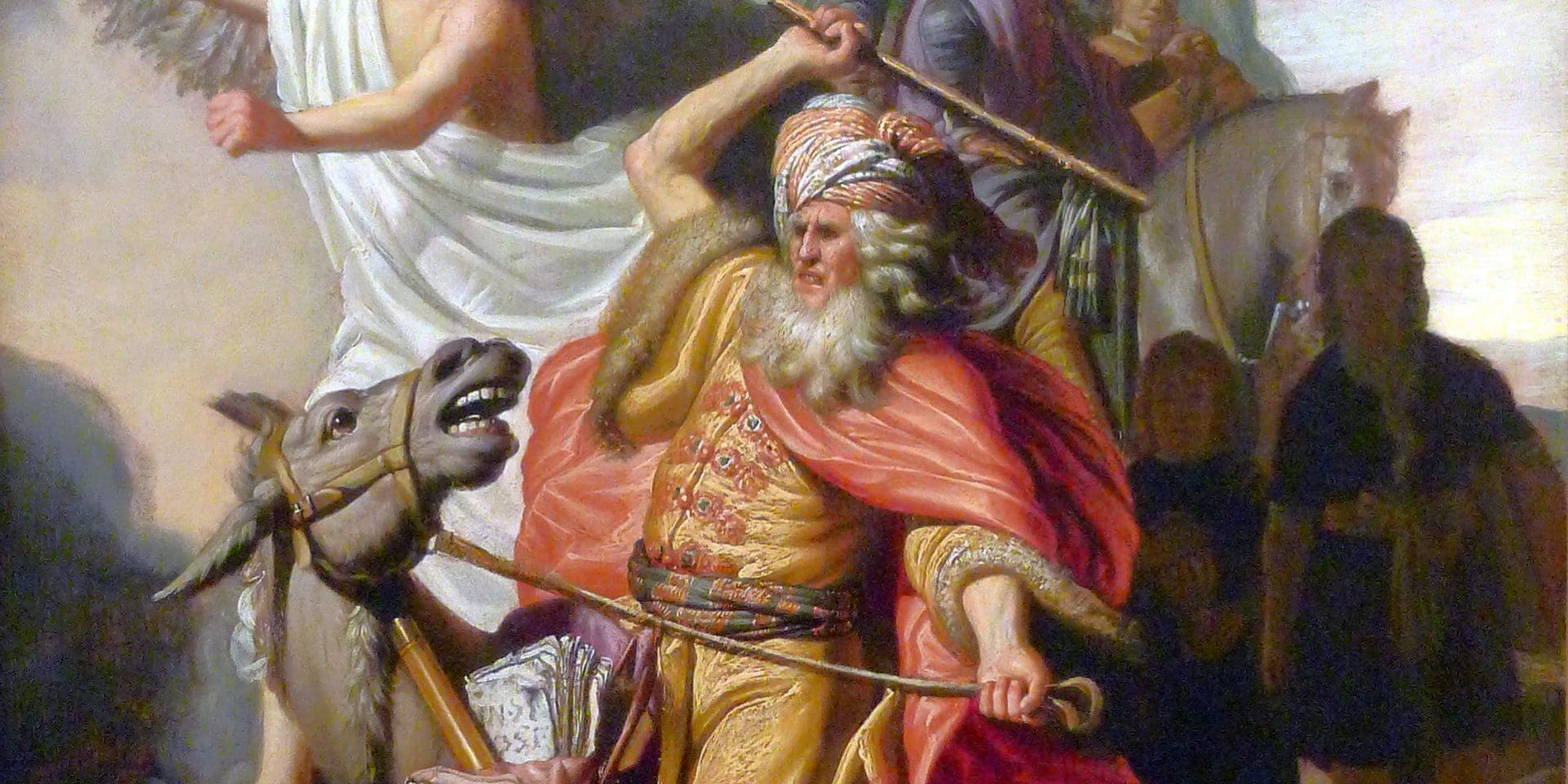
Esau selling his Birthright to Jacob  – Rembrandt

וּכְתִיב: ״וַיֹּאמֶר הֲכִי קָרָא שְׁמוֹ יַעֲקֹב, וַיַּעְקְבֵנִי זֶה פַעֲמַיִם״ וְגוֹ׳

עשיו  was not only angry over Isaac’s blessing, but he was angry about another matter as well, as it is written: “And he said, ‘Is he not rightly named Jacob, for he has supplanted me twice? He took my birthright, and behold, now he has taken my blessing’” Despite having sold his birthright, he refused to relinquish it.

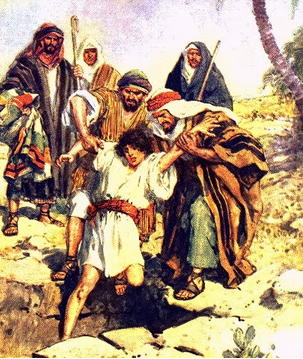
Nevertheless, לאה says,  ראובן held no grudge against יוסף when his בכורה rights were taken from him and given to יוסף  He even saved יוסף’s life when his brothers wanted to do away  him.

וְאִילּוּ בְּנִי, אַף עַל גַּב דְּעַל כָּרְחֵיהּ שַׁקְלֵיהּ יוֹסֵף לִבְכִירוּתֵיהּ מִנֵּיהּ, דִּכְתִיב: ״וּבְחַלְּלוֹ יְצוּעֵי אָבִיו, נִתְּנָה בְּכוֹרָתוֹ לִבְנֵי יוֹסֵף״ , אֲפִילּוּ הָכִי לָא אִקָּנֵא בֵיהּ, דִּכְתִיב: ״וַיִּשְׁמַע רְאוּבֵן וַיַּצִּילֵהוּ מִיָּדָם״

Did Reuben Lie with Bilhah? Yes, No, We Don't Talk About It! - TheTorah.com

וּבְחַלְּלוֹ יְצוּעֵי אָבִיו

While my son, Reuben, even though Joseph took his birthright from him by force, as it is written: “And the sons of Reuben the firstborn of Israel, for he was the firstborn; but, since he defiled his father’s bed, his birthright was given to the sons of Joseph,

Nevertheless, he was not jealous of him, as it is written when Joseph’s brothers sought to kill him: “And Reuben heard and he saved him from their hands, saying ‘Let us not take his life’.


Mentioned briefly the topic of when exactly did ראובן lose his בכורה. The גמרא in בבא בתרא, and the מהרש”א there. 123a.

3 – We mentioned the פני יהושע that explains why the reason for ראובן’s name given by the גמרא is not mentioned in the פסוק.

לאה, although knowing via נבואה that רחל will also bear children (יוסף), she kept it to herself,  so that יעקב would have affection towards her…

4- We discussed the מהרש”א who writes that לאה was not a נביאה per se, as she is not enumerated in  14a מסכת מגילה as one of the 7 women נביאות.

שֶׁבַע נְבִיאוֹת מַאן נִינְהוּ? שָׂרָה, מִרְיָם, דְּבוֹרָה, חַנָּה, אֲבִיגַיִל, חוּלְדָּה וְאֶסְתֵּר.

It seems that it is מדרשות חלוקות as we find in many other places where it clearly states that all 4 אמהות were נביאות.

5 – Mentioned the topic of parents naming their children if this is actual נבואה or another form of  רוח הקודש.

The אור החיים הקדוש  in שמות ב, י. seems to imply that this התגלות applies to גויים as well.

ואולי כי האמהות היו בעלי רוח הקודש והיו משיגות בחינת השם וקריאת השם היתה למה שהיו מכוונים בו מה שאין כן קריאת שם משה מגיד הכתוב כי לא השיגה לידע בחינת השם כי שמו נפלאות יגיד. וצא ולמד מה שכתוב בספר הזוהר (ח״ג דע״ו תיקונים תיקון ס״ט) מה ירמוז שם זה. וה׳ השם שמות בארץ שם בפיה שם משה ומה שאמרה היא בטעם השם הוא כי מן המים משיתהו ולא ידעה טעם זולת זה.

Reb Zusha Wilhelm ע”ה wrote an interesting book on the topic of names.

זיו השמות.

6 – The next name is discussed: רות.

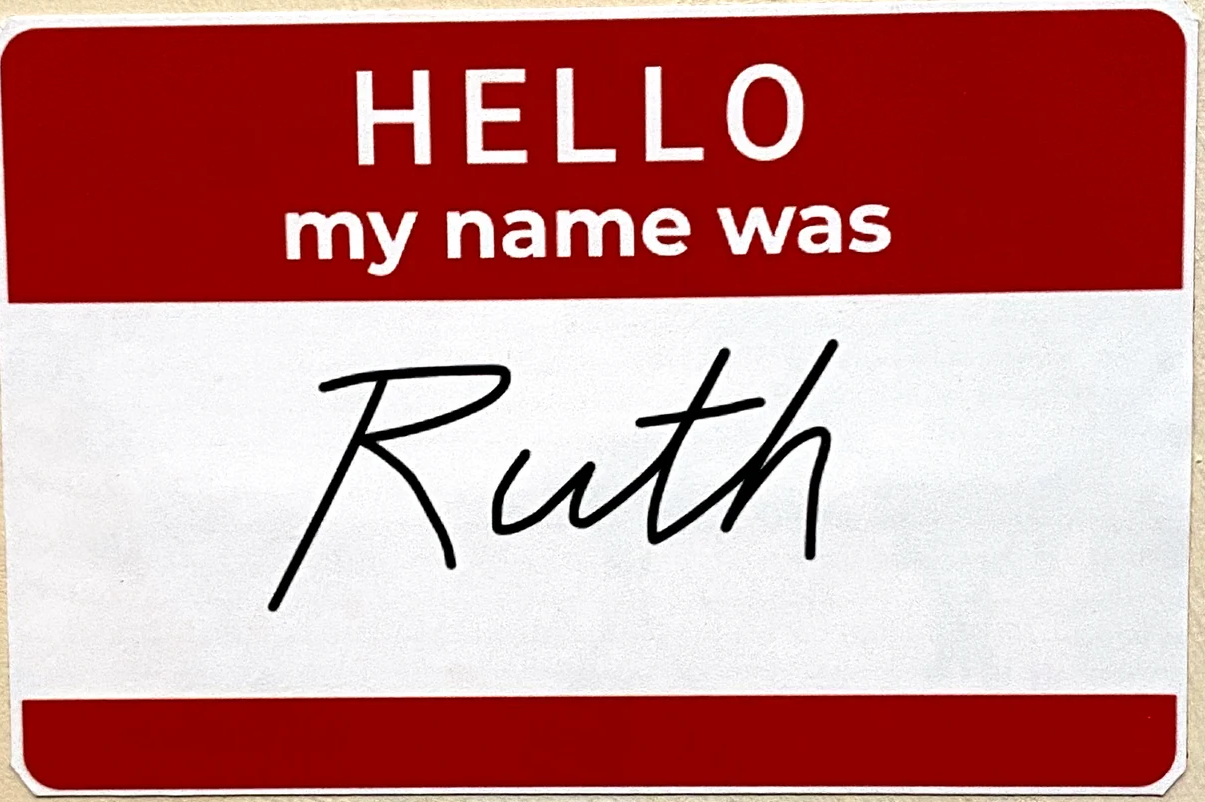
רוּת. מַאי רוּת? אֲמַר רִבִּי יוֹחָנָן: שֶׁזָּכְתָה וְיָצָא מִמֶּנָּה דָּוִד, שֶׁרִיוָּהוּ לְהַקָּדוֹשׁ בָּרוּךְ הוּא בְּשִׁירוֹת וְתִשְׁבָּחוֹת.

What is the meaning of the name רות? Rabbi Yoḥanan said: That she had the privilege that David, who inundated (satiated) the Holy One, Blessed be He, with songs and praises in תהילים, would descend from her. The name Ruth [Rut] is etymologically similar in Hebrew to the word inundate [riva].

 We discussed:

A – What exactly is the גמרא’s question about רות’s name?

B – What was her name before her גיור?

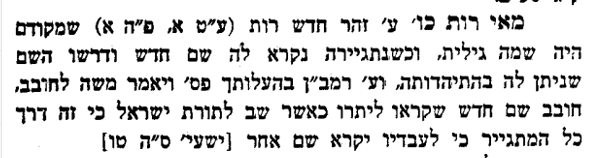
C – One explanation: רות equals 606, which is the number of additional מצוות (on top of the שבע מצוות בני נח)  that רות accepted upon herself when she converted. So the גמרא’s question is why she is not called תרו, as opposed to רות. (See more here).

D – זהר : Her  original name was גילית and the גמרא’s question is why she picked רות upon her conversion.

E – Her name was  רות and never changed. The Ramban writes that a גר usually changes his/her name. So the question is why רות did not change it.


F – Interesting explanation  by the  בן יהוידע.

גרים, the מדרש says are always suffering. Some say it is because they hesitated to convert earlier, when the opportunity arose. The reason for the name change, שינוי השם, is to avoid the consequence of them not converting earlier.

רות, however, could not have converted earlier because at that time the הלכה was not yet established that  עמוני ולא עמונית, מואבי ולא מואבית. It was only codified right before her marriage to בועז. Thus, there was no need for her to change her name!

QUICK POLL: What Took You So Long? | theprimewriters

So the question is why she had the זכות, prior to her conversion, of having a name that signifies the שבע מצוות בני נח plus the future of adding another 606.

7- Mentioned the idea from the Kotzker or Reb Yolish of Satmar about the fact that Boaz, who lived to a ripe old age of 400, passed away the day after he married רות.

Seems to be a sign from above that בועז should not have married רות  because she was a מואביה. Nevertheless the הלכה is that one is indeed permitted to marry either a עמונת or a מואביה! So much for calculating ‘a sign from above’.

Ethical Hacking - Friend or Foe? - Insights | Public Sector Network

Trying to hack into G-ds computer

8 – A fascinating footnote to a previous shiur where the topic of ט’ טבת was discussed.

We spoke about the two suggestions on why it is a fast day and why the חכמים did not want to disclose the reason for the fast.

1- Birthday of אותו האיש.

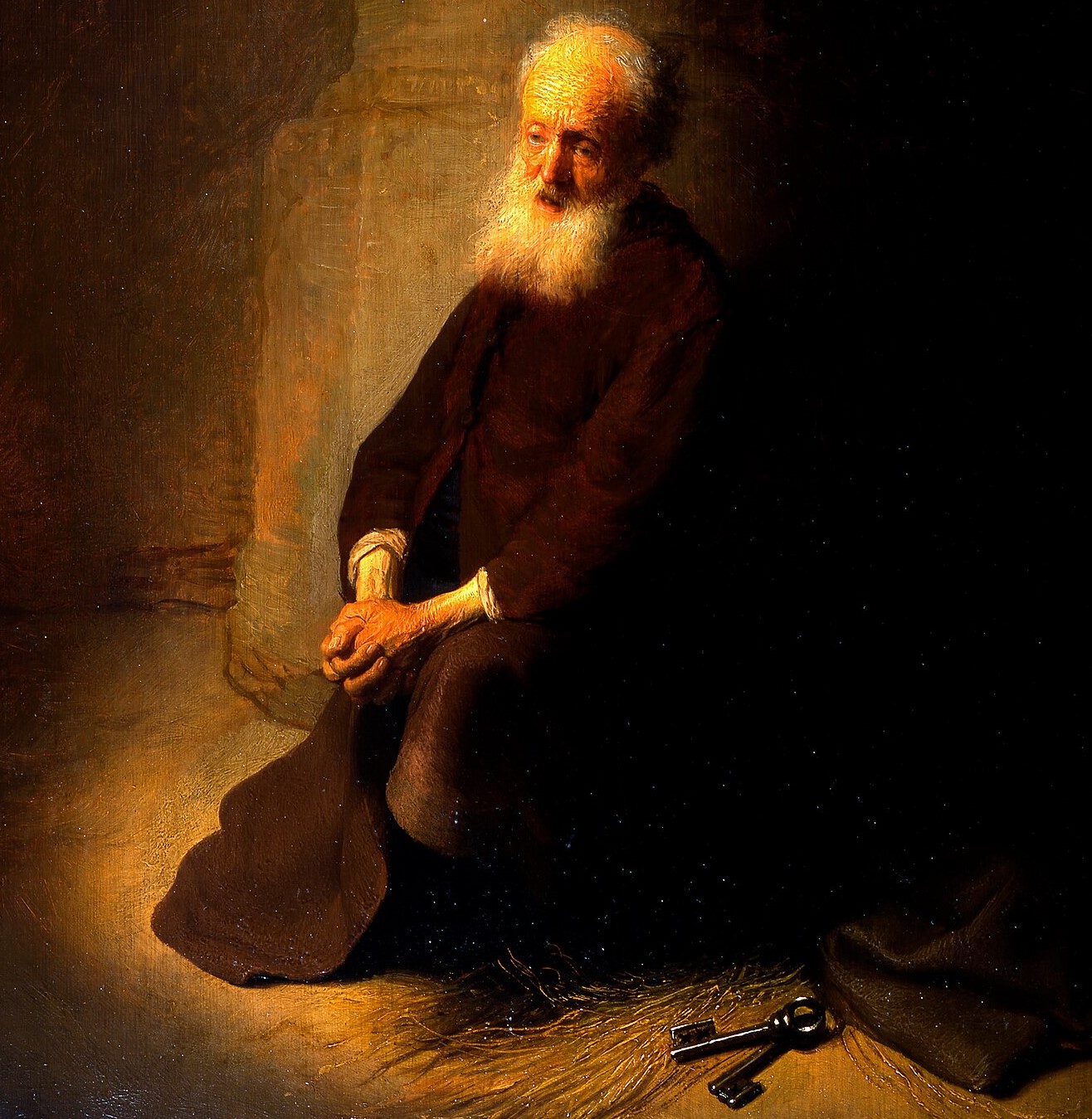
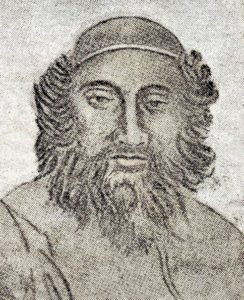
2- Yortzeit of רבי שמעון, the תנא who was מוסר נפש to create a schism and a separation between this new עבודה זרה and traditional יהדות. He joined this new sect posing as a member, and convinced them to abandon תורה ומצוות. This Reb Shimon is associated in non-Jewish sources as  שמעון הקלפוס or Simeon of Jerusalem.

– See previous Shiur

Simeon in prison– Rembrandt

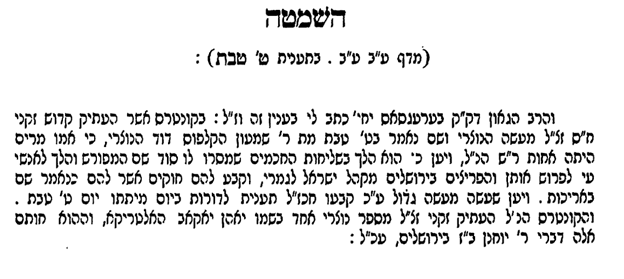
I recently found a source from the חתם סופר that adds another tidbit to this story.

ספר תקנות ותפילות, לר’ שלמה צבי שיק

מקום הדפסה: מונקץ

Reb Shimon was a brother to מרים the mother of אותו האיש!!

9 – Speaking of תהילים of King David we concluded with the amazing story of the בעל שם טוב’s student who received a lesson from a מלמד דרדקי.

Although דוד המלך was in the middle of singing ברכי נפשי, he could not control himself and shouted out:

מָה רַבּוּ מַעֲשֶׂיךָ יְהֹוָה כֻּלָּם בְּחׇכְמָה עָשִׂיתָ מָלְאָה הָאָרֶץ קִנְיָנֶךָ.

 —————————————

Hebrew notes.

  • פנ”י – למה לא כתוב בפסוק את הסיפור העתיד עם הנבואה? והפי’ שלאה לא גלתה כי רצתה שיעקב יחשוב שרק לה יהי’ בנים….
  • קריאת שם ע״י הוריו אינה נבואה. אלא ה׳ שם בפי הקורא, ויש שאחר זמן המשמעות מתגלית לכל.
  • תופעה זו היא גם אצל הגויים! אוה״ח שמות ב, י.
  • שער הגלגולים הקדמה.
  • רות תרו. גילית.
  • בן יהוידע. גרים מעונים כי התמהמהו להתגייר, ולכן משנים את שמה. אבל רות עד אז לא היתה יכולה להתחתן, ולכן לא הי׳ צורך לשנות שמה. – ושאלת הגמ׳ היתה למה זכתה שנקראה רות (תרו)  עוד לפני שהתגיירה, מעת שנולדה להורי עוע״ז. ותירצו שריווהו להקב״ה בשירות לכן הקדימו לה מן השמים.
  • מתי איבד ראובן את הבכורה?
  • ומתי נתנה ליוסף? ב״ב קכג, א.
  • מהרש״א שם.


Shiur Brochos 7b – Shvat 16, 5786 – 02/03/2026

Brochos 7b

Shvat 16, 5786. 02/03/2026

Short notes on topics discussed.

1 – The request of משה רבינו that the שכינה should not ‘rest’ upon גויים.

Was it granted? What about  בלעם?

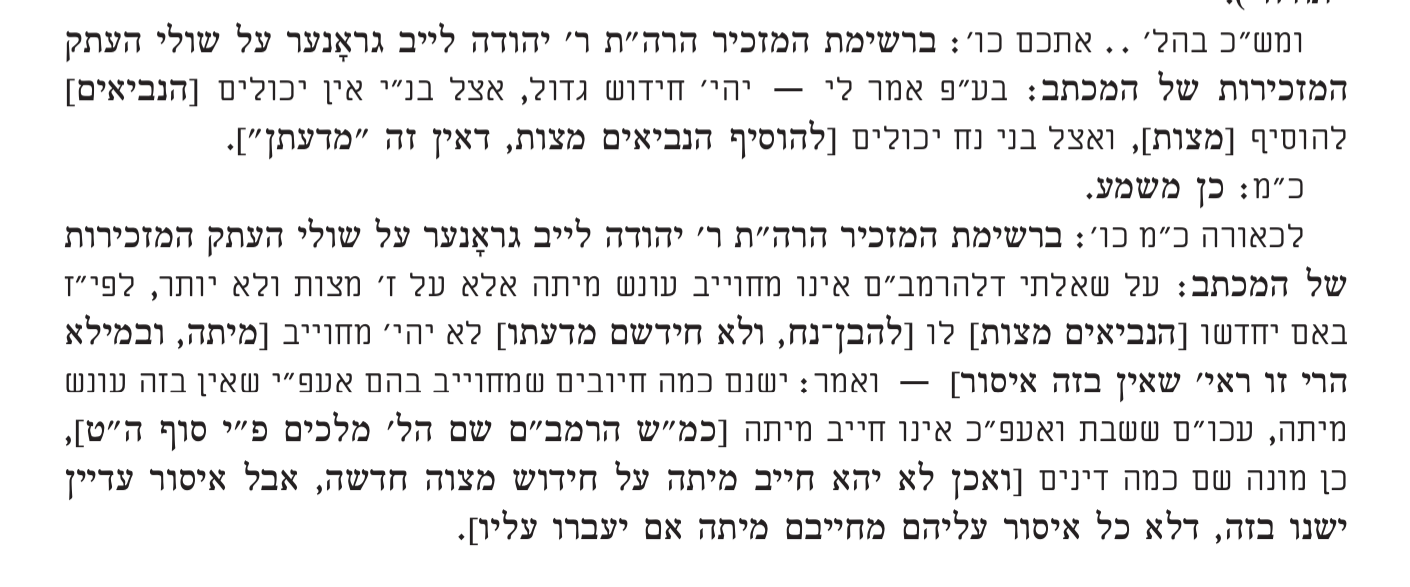
2 – Mentioned the recently published letter of the Rebbe to Reb Yitzchok Hunter. Here. Page 30 and on.

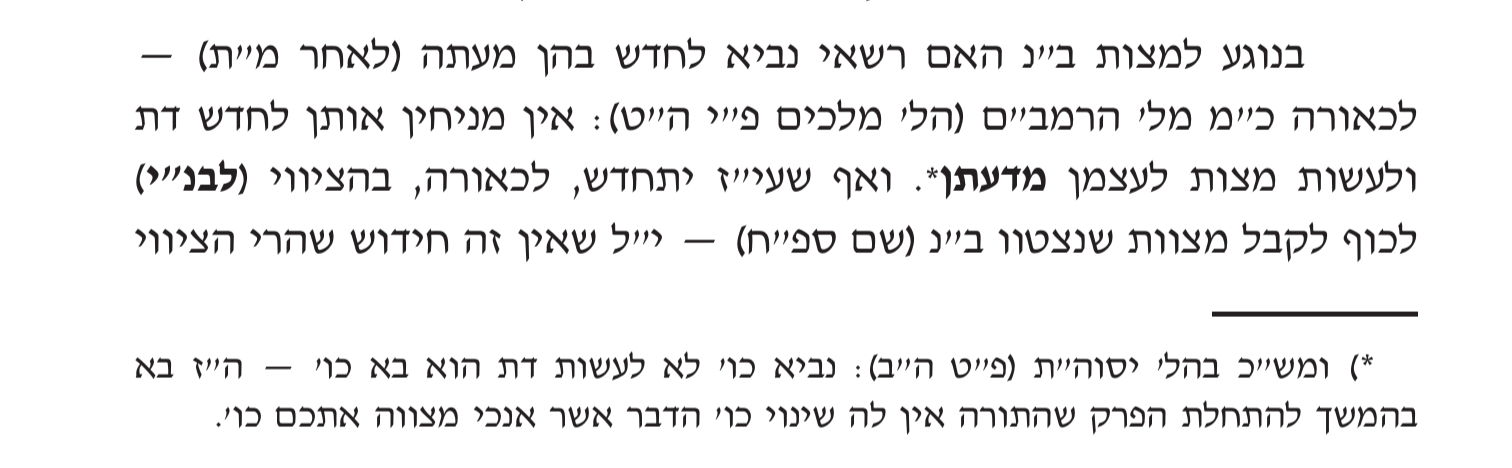
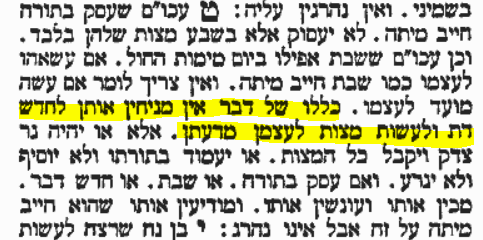
Can a נביא אמת (that is not Jewish?)  add an additional מצווה to the שבע מצוות בני נח? Whereas by בני ישראל this is not possible (since the Torah explicitly says that this will never occur), the Rebbe suggests that from the Rambam (today was the Siyum), it seems that it is a possibility.

The Rambam writes that גויים are prohibited from adding any מצווה ‘on their own’,  מדעתן, which seems to imply that if a (or their) נביא claims that he was instructed מלמעלה, it becomes a new מצווה for them.

See the interesting footnotes where the Rebbe himself expressed a פליאה on such an idea.

3 – We learnt the Tosfos that points out some interesting facts.

It states that when אברהם אבינו was 70 years old, while in ארץ ישראל at the ברית בין הבתרים, (this land) ארץ ישראל was promised to his children. And it seems that afterwards he returned to חרן.

Question: How does this reconcile with what it says in פרשת לך לך that at the age of 75!, אברהם אבינו who was in חרן at the time, was told to leave מארצך and go to an ‘unspecified land’. Unspecified? אברהם אבינו was there just 5 years ago and was promised that his children will inherit this land. So how is this  אל ארץ אשר אראך unspecified?

[we joked that on his first visit he was part of a Birthright group….]

Fulfilling the Promise to Abraham Sermon, October 23, 2022 San Carlos Community United Church

Birthright Israel - Gift of Life

Searching for an answer. See below from AI-Gemini.

4 – Mentioned the רשב”א חידושי אגדות that explains our גמרא about אברהם אבינו being the first one to use the term א- ד-נ-י. Although there were other great צדיקים prior to אברהם אבינו that were true believers, א”א was the first to publicize the fact that the מזלות do not control the world by bearing a child at the age of 99. He would go around and cause people to proclaim ה’ אחד.

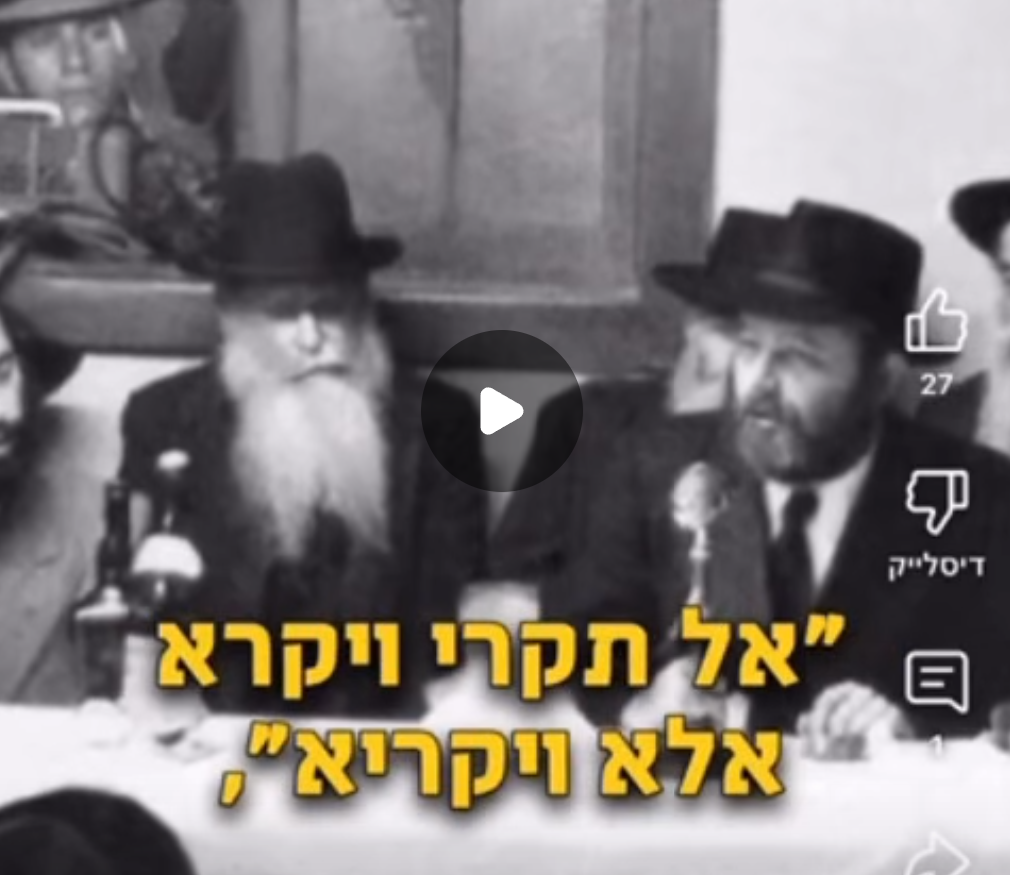
He quotes the מדרש that was the Rebbe’s motto and directive to us all.

אל תקרא ויקרא אלא ויקריא מלמד שהקריא אברהם אבינו לשמו של הקב״ה בפי כל עובר ושב. כיצד, לאחר שאכלו ושתו עמדו לברכו אמר להם וכי משלי אכלתם והלא משל אלקי עולם אכלתם, הודו ושבחו וברכו למי שאמר והי׳ העולם.

He didn’t just pronounce השם‘s existence and unity, he also caused others to recognize and proclaim it.

5 – Tosfos quotes the Rashbam on the topic of the chronological order of אברהם אבינו’s life and the way it’s written in the חומש.

We mentioned the פירוש of the Rashbam on חומש and his definition on פשוטו של מקרא.

His take is that one needs to explain the פסוקים with עומק הפשט , which is ‘simpler’ that פשוטו של מקרא and the most straightforward method. He writes (פרשת וישב) that he even discussed this approach with רש״י, his grandfather, who admitted that had he had more time he would indeed explain חומש using this method.

“אלה תולדות יעקב” – ישכילו ויבינו אוהבי שכל, מה שלימדונו רבותינו כי “אין מקרא יוצא מידי פשוטו” (שבת סג א). אף כי עיקרה של תורה באת ללמדנו ולהודיענו ברמיזת הפשט ההגדות וההלכות והדינין, על ידי אריכות הלשון, ועל ידי שלושים ושתים מידות של רבי אליעזר בנו של רבי יוסי הגלילי, ועל ידי שלוש עשרה מידות של רבי ישמעאל.

והראשונים מתוך חסידותם נתעסקו לנטות אחרי הדרשות שהן עיקר, ומתוך כך לא הורגלו בעומק פשוטו של מקרא; ולפי שאמרו חכמים (ברכות כח ב): “אל תרבו בניכם בהגיון”, וגם אמרו (בבא מציעא לג א) “העוסק במקרא – מידה ואינה מידה, העוסק בתלמוד – אין לך מידה גדולה מזו”. ומתוך כך לא הורגלו כל כך בפשוטן של מקראות, וכדאמרינן במסכת שבת (סג א): הוינא בר תמני סרי שנין, וגרסינ’ כולה תלמודא, ולא הוה ידענא דאין מקרא יוצא מידי פשוטו.

וגם רבינו שלמה אבי אמי, מאיר עיני גולה, שפירש תורה נביאים וכתובים – נתן לב לפרש פשוטו של מקרא. ואף אני שמואל ב”ר מאיר חתנו זצ”ל, נתווכחתי עמו ולפניו, והודה לי שאילו היה לו פנאי – היה צריך לעשות פירושים אחרים לפי הפשטות המתחדשים בכל יום.

ועתה יראו המשכילים מה שפירשו הראשונים: אלה תולדות יעקב – אלו מקראות ומאורעות שאירעו ליעקב. והנה זה הבל הוא. כי כל אלה תולדות האמור בתורה [ובנביאים] ובכתובים, יש מהם שמפרשים בני האדם, ויש מהם רבים שמפרשים בני בנים, כאשר פירשתי באלה תולדות נח. למעלה בפרשת בראשית כתיב (ה לב) ויהי נח בן חמש מאות שנה ויולד נח את שם ואת חם ואת יפת, ואחרי כן מפרש כי העולם חטאו ונח מצא חן, ואחרי כן מפרש אלה תולדות נח (לעיל ו ט) בני בניו, היאך…

6 – We mentioned a few examples from the Rashbam’s פירוש. Here are two:

A – ויהי ערב ויהי בוקר יום אחד. According to the Rashbam, עומק הפשט says that ויהי ערב means evening has arrived and ויהי בוקר means that morning has arrived and it concluded יום אחד. Thus, in the days of ששת ימי בראשית, the night followed the day!

There is a letter of the Rebbe about this Rashbam. The point is that one must keep in mind that this is obviously only in the world of פשוטו של מקרא not Halachically.

B –

They לשון הרע by Aharon and Miriam about Moshe.

וַתְּדַבֵּ֨ר מִרְיָ֤ם וְאַהֲרֹן֙ בְּמֹשֶׁ֔ה עַל־אֹד֛וֹת הָאִשָּׁ֥ה הַכֻּשִׁ֖ית אֲשֶׁ֣ר לָקָ֑ח כִּֽי־אִשָּׁ֥ה כֻשִׁ֖ית לָקָֽח׃

Miryam and Aharon spoke against Moshe regarding the Cushite wife he had taken, for he had taken a Cushite wife.

Jew or Not Jew: Tharbis

וַיֹּאמְר֗וּ הֲרַ֤ק אַךְ־בְּמֹשֶׁה֙ דִּבֶּ֣ר יְהֹוָ֔ה הֲלֹ֖א גַּם־בָּ֣נוּ דִבֵּ֑ר וַיִּשְׁמַ֖ע יְהֹוָֽה׃

They said, “Has Hashem spoken only with Moshe? Has He not also spoken with us?” And Hashem heard.

Rashi explains these two points as one; they were referring to משה’s wife ציפורה, who was unquestionably beautiful (obvious as ‘black and white’) that Moshe was married to but then separated from. They thought that Moshe decided to separate from her on his own due to the fact that השם communicated with him. They spoke behind his back and claimed that they too were נביאים and yet, stayed married.

GIVE or TAKE  ?

So כושית – black, actually means a white woman. And לקח, which connotes ‘married’, means here divorced!

The Rashbam however, says that this is not עומק הפשט at all.


He explains that these two פסוקים are two separate points of their לשון הרע.

The first, האשה הכושית אשר לקח, refers (literaly) to a black Ethiopian princess that Moshe was married to when he lived there. Their error was not being aware that משה never had any relationship with her.

כושית – שהיא ממשפחת חם.

כי אשה כושית לקח – כדכתיב בדברי הימים דמשה רבנו: שמלך בארץ כוש ארבעים שנה, ולקח מלכה אחת, ולא שכב עמה, כמו שכתוב שם. והם לא ידעו כשדיברו בו, שלא נזקק לה. זהו עיקר פשוטו.

שאם בשביל צפורה דיברו, מה צורך לפרש כי אשה כושית לקח? וכי {עד} עתה לא ידענו כי ציפורה מדיינית היא? ועוד תשובה: כי לא היתה כושית, כי כוש מבני חם הוא, ומדיין מבני קטורה אשר ילדה לאברהם

The second point was referring to his considering himself an elitist being that השם spoke to him, when השם spoke to them as well.

ויאמרו הרק אך במשה {וגו׳} – כלומר: עוד זאת אמרו על משה: במה יכול להתפאר עלינו, הלא גם בנו דבר לישראל.

More on this next week.

See also the ילקוט שמעוני on  –  קסח ,שמות.


Answer on above question from Gemini AI:

This is a classic question discussed by the Rishonim, arising from the chronological calculations in Seder Olam. The difficulty you noted—that Avraham had already been to Eretz Yisrael and received a promise there at age 70—makes the “unspecified” nature of the command at age 75 (“to the land that I will show you”) very difficult to understand.

Here are the primary ways the commentators reconcile this:

1. The Goal was to Increase the Reward

The most common explanation (noted by Rashi and Ramban) is that Hashem intentionally kept the destination vague to increase Avraham’s reward. Every step he took without knowing exactly where he was going demonstrated a greater level of faith (Emunah). Even though Avraham likely suspected he was headed back to the land he had visited five years prior, the command was phrased as “the land I will show you” to make the journey an act of pure obedience rather than a return to a known location.

2. A “New” Command for a Permanent Move

The Tosafot in Brochos 7b (the page you are currently viewing) and other places (like Shabbos 10b) deal with the timeline. They explain that the first trip at age 70 for the Brit Bein HaBetarim (Covenant Between the Parts) was a temporary visit.

  • At age 70, he went to Eretz Yisrael, had the vision, and returned to Charan.
  • At age 75, the command of Lech Lecha was a command to leave his father’s house permanently.

The “unspecified” nature served to test if he would leave his established life in Charan for a destination he couldn’t “claim” or “own” yet, despite having seen it before.

3. The “Unspecified” Land refers to the specific spot

Some commentators suggest that while Avraham knew he was going to the general area of Canaan, he did not know exactly where within that land he was meant to settle or where the “holiest” part was. The “land I will show you” refers to the specific site of the altar or the place where the Shekhinah (Divine Presence) would eventually rest.

4. Re-evaluating the Promise

The Gur Aryeh (Maharal) explains that the first promise at age 70 was a general covenant for his descendants. The command at age 75 was a personal directive for Avraham himself to live there. The vagueness was a way of telling Avraham: “Don’t go there because you already know the land; go there because I am showing it to you now.” This transformed a logical return into a Divine mission.

In short, the “unspecified” language is seen not as a lack of geographic knowledge on Avraham’s part, but as a spiritual trial designed to ensure his journey was motivated solely by Hashem’s word.


——————

Hebrew notes.


  • רמב״ם, נביא, גוי. ב”נ מדעתן אסור לחדש. מכתב כ’ אדר תשל”ב להר”י הוטנר.


  • בתוס׳ מביא את הרשב״ם. עומק הפשט.

ר״פ וישב. אין מקרא יוצא מידי פשוטו. החכמים לא הורגלו בעומק פשוטו ש״מ. ויהי ערב. נזיד עדשים. מכירת יוסף. אשה כושית. מן הוא – בלשון מצרי מן פירושו ׳מה׳.


  • אאע״ה הי׳ בן 70 בבבה״ב. ,תוס כאן ורש”י פ’ בא. ובהתחלת פ’ לך לך הי’ בן עה?!


  • רשב״א חידושי אגדות כאן. אף שהיו צדיקים לפני אברהם הוא הי׳ הראשון שפרסם אלוקותו, והביא ראי׳ שאין המזלות שולטות מזה שיצחק נולד לעת זקנותו. סוטה י. ב, א״ת ויקרא כו׳.


————————


Shiur Brochos 7a (3) – Shvat 2, 5786 01/20/2026

BSD

Brochos 7a (3)

Shvat 2, 5786. 01/20/2026

1- Our גמרא offers a lesson in psychology:

אֲמַר רִבִּי יוֹחָנָן מִשּׁוּם רִבִּי יוֹסֵי: טוֹבָה מַרְדּוּת אַחַת בְּלִבּוֹ שֶׁל אָדָם יוֹתֵר מִכַּמָּה מַלְקֻיּוֹת, וְרֵישׁ לָקִישׁ אָמַר: יוֹתֵר מִמֵּאָה מַלְקֻיּוֹת.

And Rabbi Yoḥanan said in the name of Rabbi Yosei: A single regret or pang of guilt in one’s heart is preferable to many lashes administered by others that cause only physical pain.  Remorse is more effective than any externally imposed punishment.  Reish Lakish said it seems that such remorse is preferable to one hundred lashes.

1+ Thousand Jew Crying Royalty-Free Images, Stock Photos & Pictures | Shutterstock

The גמרא is saying that one’s self reflection is more effective than 100 rebukes by others.

2 – We touch on the history of the Novardoker Mussar movement. Here. Here. A type of ביטול was practiced where there was an עבודה of walking into a pharmacy and asking to purchase nails. The rebuke from the pharmacist ‘are you crazy’ would be what the בחור wanted to hear.

Radical Mussarites: The School of Novardok | Jewish History Soundbites

Story of the Novardoker immigrant who walked into a CVS asking for nails….

3 – Mentioned the explanation on the word ראומה. Bereishis 22, 24. see here from the Mittler Rebbe, וש”נ.

וּפִֽילַגְשׁ֖וֹ וּשְׁמָ֣הּ רְאוּמָ֑ה וַתֵּ֤לֶד גַּם־הִוא֙ אֶת־טֶ֣בַח וְאֶת־גַּ֔חַם וְאֶת־תַּ֖חַשׁ וְאֶֽת־מַעֲכָֽה׃

And his פלגש , whose name was Re’umah, she, too, bore Tevach, Gacham, Tachash and Ma’akhah.

In general the word מה  symbolizes true ביטול. However רְאוּמָ֑ה means ביטול accompanied with a ראו, ‘look and see how great is my ביטול’….


תיקון חצות – If only someone would walk by and see…

והנה הרבותא היא על שבת תתאה שהוא ביטול היש שגם זה אינו אלא בחי’ תשמרו דהיינו שצ”ל שלא יהיה ביטול זה גופא בבחי’ יש שהוא ביטל עצמו ע”י כחו (וכמ“ש ופלגשו ושמה ראו מ“ה שעושה יש ודבר מהביטול והוא שרש השתלשלות והתהוות היש גשמי דסט”א כו’).

לקו“ת ויקרא מג, א.

4 – The next piece of the גמרא is one that we are familiar with.

בִּקֵּשׁ לְהוֹדִיעוֹ דְּרָכָיו שֶׁל הַקָּדוֹשׁ בָּרוּךְ הוּא, וְנָתַן לוֹ, שֶׁנֶּאֱמַר: ״הוֹדִיעֵינִי נָא אֶת דְּרָכֶיךָ״ (שמות ל״ג:י״ג). אָמַר לְפָנָיו: רִבּוֹנוֹ שֶׁל עוֹלָם, מִפְּנֵי מָה יֵשׁ צַדִּיק וְטוֹב לוֹ וְיֵשׁ צַדִּיק וְרָע לוֹ, יֵשׁ רָשָׁע וְטוֹב לוֹ וְיֵשׁ רָשָׁע וְרָע לוֹ?

To understand the back and forth of this dialogue we segmented it.

A- The Questions:

בִּקֵּשׁ לְהוֹדִיעוֹ דְּרָכָיו שֶׁל הַקָּדוֹשׁ בָּרוּךְ הוּא, וְנָתַן לוֹ, שֶׁנֶּאֱמַר: ״הוֹדִיעֵינִי נָא אֶת דְּרָכֶיךָ״ (שמות ל״ג:י״ג). אָמַר לְפָנָיו: רִבּוֹנוֹ שֶׁל עוֹלָם, מִפְּנֵי מָה יֵשׁ צַדִּיק וְטוֹב לוֹ וְיֵשׁ צַדִּיק וְרָע לוֹ, יֵשׁ רָשָׁע וְטוֹב לוֹ וְיֵשׁ רָשָׁע וְרָע לוֹ

In short: Why do the righteous suffer and the wicked prosper?

My Goodness - Random Groovy Bible Facts

״הוֹדִיעֵינִי נָא אֶת דְּרָכֶיךָ״

B- 1st answer: – צדיק בן צדיק. A צדיק’s  suffering is  because of his father’s sins.

C – The rebuttal: Sins are non-transferable.


D – The answer: As per the מהרש”א, the suffering of the צדיק שאינו גמור צדיק ורע לו are attributed to the small amount of his עבירות. The pleasures of עולם הזה enjoyed by רשע וטוב לו  – רשע שאינו גמור are attributed as payback for the small amount of מצוות.

Maharsho:

צדיק ורע לו צדיק שאינו גמור כו’. ועל כן רע לו על מיעוט עונותיו כדי לזכותו בעה”ב ובהיפך ברשע שאינו גמור שטוב לו בעוה”ז כדי שיקבל שכרו על מיעוט זכיותיו .ולטרדו בעולם הבא כמו שאמרנו ומשלם לשונאיו על פניו ועיין בזה במפרשים:

E – קבלה explanation. צדיק ורע לו means he’s a גלגול. We discussed this at length.

F – זהר. Tanya.  Inner meaning.

These 5 levels are (also) the measure of the טוב ורע within each person.

G – Reb Meir’s opinion. All the above is beyond human comprehension!  Rashi & Ramban (see  הקדמה רמב”ן to איוב).

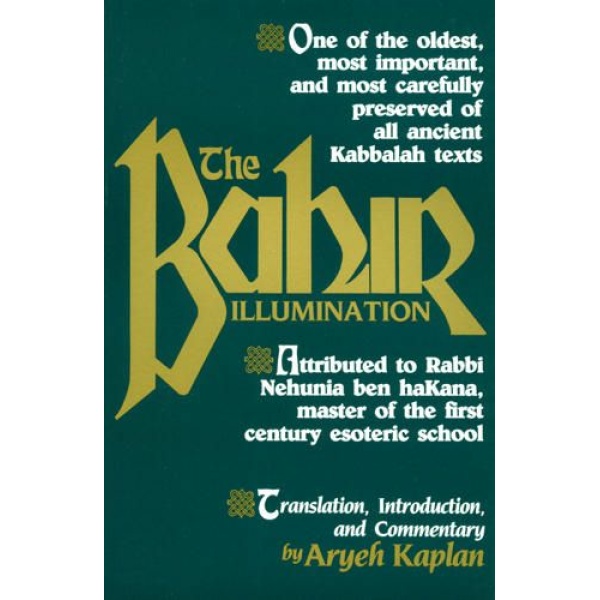
5 – In relation to Gilgulim (E above)  the answer to the age old question as to ‘Why do righteous suffer’ according to the ספר הבהיר is that it is caused by unfinished issues in a previous גלגול.

The Bahir Illumination - by Aryeh Kaplan - Mekor Judaica

Mentioned Reb Arye Kaplan ע”ה, (a prolific author that unfortunately passed away at a very young age) and his English translation of the ספר הבהיר. See here.

some of the Sefarim by R Aryeh Kaplan

6 – Discussed the various opinions of the מקובלים on how many times does/can one come back to rectify what occurred at an earlier incarnation. 3, 4 or even 1000!

Mentioned the ספר ציוני פרשת וישב

7 – More on גלגולים.

  • Spoke about the opinion of some that were skeptical the to entire concept of גלגולים.
  • After the Ariza”l it was basically universally accepted.
  • ספר הגלגולים. שער הגלגולים.
  • Alter Rebbe in Tanya. 19. IG”H 19 & 29.
  • Our generation are גלגולים of the דור המדבר.
  • Every person needs to come back until he does all the 613 מצוות.
  • The נודע ביהודה. See נוב”י יו”ד תנינא קסד.

8 – The opinion of Reb Meir – don’t even try to hack into G-D’s computer…it’s beyond us.

According to Rabbi Meir, the way in which השם conducts the world and bestows good and better was not revealed even to משה רבינו.

——————————

Notes in Hebrew.

ה’ חלוקות – רבי יוסי-

א- השאלה היא בגשמיות על צרת הצדיק ר”ל.

ב- תירוץ – צדיק בן צדיק.

ג- פירכא – לא מענישים זע”ז.

ד- תירץ – טוב לו – גמור. רע לו – שאינו גמור, כפירוש המהרש”א לענין שכר ועונש בעוה”ז. .

ה- צדיק ורע לו. גילגולים. ספר הבהיר קצ”ה.

ו- זהר, לקו”א. הכוונה היא לא על גשמיות כ”א על נפשו. רע לו- שהרע בטול לטוב. (אבל ראה בקיצורים מהצ”צ).

ז – גילגולים – בכללות: רס”ג. זהר. לקו”א לט. אגה”ק יט וכט. בזה”ז דור המדבר.

ציוני וישב: מחלוקת כמה פעמים. (רש”ש ב”מ, קז, א.) נוב”י יו”ד תנינא קסד.

ח- רבי מאיר – א”א להבינו. רש”י ורמב”ן.


Shiur Brochos 7a (2) – Teves 24, 5786 – 01/14/2026

BSD

Brochos 7a (2)

Teves 24, 5786. 01/14/2026

Short notes.

1 – The famous גמרא:

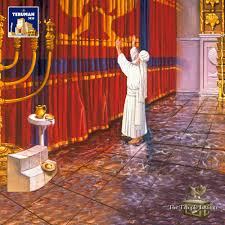
היום, כ"ה בסיון, יום עלייתו השמימה של ר' ישמעאל בן אלישע כהן גדול, אחד מעשרת הרוגי מלכות. - תניא: אמר רבי ישמעאל בן אלישע: פעם אחת נכנסתי להקטיר קטורת לפני ולפנים, וראיתי

תַּנְיָא: אָמַר רִבִּי יִשְׁמָעֵאל בֶּן אֱלִישָׁע: פַּעַם אַחַת, נִכְנַסְתִּי לְהַקְטִיר קְטוֹרֶת לִפְנֵי וְלִפְנִים, וְרָאִיתִי אַכְתְּרִיאֵל יָהּ ה׳ צְבָאוֹת, שֶׁהוּא יוֹשֵׁב עַל כִּסֵּא רָם וְנִשָּׂא, וְאָמַר לִי: יִשְׁמָעֵאל בְּנִי, בָּרְכֵנִי! אָמַרְתִּי לוֹ: יְהִי רָצוֹן מִלְּפָנֶיךָ שֶׁיִּכְבְּשׁוּ רַחֲמֶיךָ אֶת כַּעֲסֶךָ, וְיִגּוֹלוּ רַחֲמֶיךָ עַל מִדּוֹתֶיךָ, וְתִתְנַהֵג עִם בָּנֶיךָ בְּמִדַּת הָרַחֲמִים, וְתִכָּנֵס לָהֶם לִפְנִים מִשּׁוּרַת הַדִּין. וְנִעְנַע לִי בְּרֹאשׁוֹ. וְקָא מַשְׁמַע לַן שֶׁלֹּא תְּהֵא בִּרְכַּת הֶדְיוֹט קַלָּה בְּעֵינֶיךָ.

Rabbi Yishmael ben Elisha, the High Priest, said: Once, on Yom Kippur, I entered the the Holy of Holies, to offer incense, and in a vision I saw Akatriel Ya, the Lord of Hosts, one of the names of God expressing His ultimate authority, seated upon a high and exalted throne (see Isaiah 6). And He said to me: Yishmael, My son, bless Me. I said to Him the prayer that God prays: “May it be Your will that Your mercy overcome Your anger, and may Your mercy prevail over Your other attributes, and may You act toward Your children with the attribute of mercy, and may You enter before them beyond the letter of the law.” The Holy One, Blessed be He, nodded His head and accepted the blessing. This event teaches us that you should not take the blessing of an ordinary person lightly. If God asked for and accepted a man’s blessing, all the more so that a man must value the blessing of another man.

2- We touched upon the meaning of אַכְתְּרִיאֵל יָהּ ה׳ צְבָאוֹת. It seems, as many point out, that this is not referring to a particular מלאך, because even מלאכים could not be present during this time in the קודש הקדשים. So it must mean one of the many names of השם.

IRAQI HEBREW WOMAN'S AMULET.

Iraqi קמיע – Amulet 

3 –  וְקָא מַשְׁמַע לַן שֶׁלֹּא תְּהֵא בִּרְכַּת הֶדְיוֹט קַלָּה בְּעֵינֶיךָ – A man must value the blessing of another man. Even if the one giving the blessing is a הדיוט.


We mentioned an interesting idea by the נצי”ב. (Megilah 15) Our גמרא’s הדיוט means a goy! Because a blessing from any Yid is a given that it is effective.

He quotes a מדרש that ‘it was due to the ברכות by the women to רות on her wedding day to בועז  that the dynasty of דוד המלך survived in the days of Atalia’. (see story here and here)

The Rebbe mentioned many times, (here page 378. and here) words of the רשב”א that any מנהג that is popular amongst בני ישראל, even if the source is from זקנים וזקנות, it is part of Torah and must be adhered to. (Unless we find another source or הלכה that contradicts it).

The fact that it is a non disputed and popularly practiced  מנהג, is proof that it traces back to משה רבינו!

שו”ת הרשב”א א, ט

4 – The story with בלעם’s attempted curses. The גמרא discusses the fleeting seconds when there is כעס – anger למעלה , that בלעם was (in theory) able to latch on to and curse effectively.

Understanding Balaam, Part II – Bible Discovery TV

השם made sure that on those days of the story with בלעם, there was no anger למעלה.

Various seconds or milliseconds are discussed.

Bottom line is that it lasts as long as it takes to say the word  רגע.

Zeptosecond - the smallest time unit ever measured - BBC Newsround

See the גמרא that says that anyone can use a rooster to figure out when this occurs…..

וְאֵימַת רָתַח? אֲמַר אַבַּיֵי: בְּהָנָךְ תְּלָת שָׁעֵי קַמַּיְיתָּא, כִּי חִיוָּרָא כַּרְבַּלְתָּא דְּתַרְנְגוֹלָא וְקָאֵי אַחַד כַּרְעָא.

The Gemara asks: When is the Holy One, Blessed be He, angry? Abaye said: God’s anger is revealed through animals. During the first three hours of the day, when the sun whitens the crest of the rooster and it stands on one leg. When it appears that its life has left him and he suddenly turns white, that is when God is angry.

5 – Famous Tosfos that discusses what could have בלעם cursed when this time is so minute?

The first answer is that he could have said ‘obliterate’ כַלֵּ֑ם.

The second answer is that once he began to curse, at that exact second, he could have continued and it would ח”ו have been calamitous.

So the trick is to begin on time.

6 – We spoke about the Rebbes of פשיסחה. The first, Reb Yaakov Yitzchak Rabinowicz of Peshischa  and his successor  Reb Simcha Bunim of Peshischa (Bonhardt).

Jew of the Week: Simcha Bunim of Peshischa | Jew of the Week

שמחה בונם מפשיסחה

The first is known as the  הייליגער ייד – ‘The Holy Jew’ par excellence.

We discussed briefly their unique Chassidus style and mentioned that the שפת אמת writes that the יהודי הקדוש would elevate himself on a daily basis. Each day was higher ברוחניות than the previous one, and not on a gradual scale, but with a daily gigantic leap; today was way and above yesterday’s קדושה. A daily transformative journey.


This new level of today, in comparison to yesterday’s, was similar  to the elevation of a goy converting to be a Yid!!!

שפת אמר במדבר עה”פ ויתילדו.

We spoke briefly about his תלמיד the Koktzker Rebbe, the Gerer Chassidim and their  חסידישע unconventional ways that were sharply curtailed by the אמרי אמת.

7 – Now, Reb Tzvi Arye Fromer (we mentioned him in the past) quotes an explanation, from Reb Yaakov Yitzchak  of Peshischa, on the מנהג  of many Chassidim to Daven late.

At first glance it is against the Shulchan Aruch that states quite clearly that one must Daven שחרית before the first third of the day and at the latest until חצות. Afterwards, one is not allowed to Daven.

Says the פשיסחה Rebbe, if one starts before the end of the זמן, there is no issue with continuing into the time after the זמן. What is important is the start time.

His proof is from the above Tosfos. All  בלעם needed to do was to grasp that fleeting second and begin to curse. Starting on time allows one to continue even past the allotted time.

Similarly in תפילה, once one begins to Daven בזמן he can continue way past that allotted time.

שו”ת ארץ צבי ח”א סו”ס קלא.

What does ‘begin to Daven’ mean? Learning Chassidus? Drinking coffee as a הכנה would be a bit of a stretch….

We mentioned that this proof from Tosfos, that it matters when one begins, is also found in the Litvishe world as per the ערוך השולחן קי ה.

8 – Despite the above, from the Peshischa and the ערוך השלחן, it is quite obvious that the הלכה does not follow this idea.

We mentioned a few examples where it states quite clearly that the entire שחרית must be finished before חצות.

Here is one.

9 – To end on a humorous note, we mentioned last week the story with the שדכן and his apprentice…. !אהא! א הויקער…

Hunchback character illustration Stock Photo - Alamy

——————

We finished with the story that occurred at the Rebbe’s table upstairs in 770.  Reb Zalman Teibel, after introducing the popular melody of אנא אנא עבדא, attempted to teach another tune.  See here.

For further reading on the topic of Davning after the זמן see here.

הלכה ומנהג – תפילת שחרית לאחר חצות

Shiur Brochos – 6b (3) – 7aץ Teves 17, 5786 – 01/06/2026

BSD

Brochos 6b (3) – 7a

Teves 17, 5786. 01/06/2026

1- We concluded the topic of the importance of תפילת המחנה with a few observations:

a – What is the definition of  וַיְהִי בַּעֲלוֹת הַמִּנְחָה mentioned in the story with אליהו הנביא?

וַיְהִי בַּעֲלוֹת הַמִּנְחָה וַיִּגַּשׁ אֵלִיָּהוּ הַנָּבִיא וַיֹּאמַר, יְהֹוָה אֱלֹהֵי אַבְרָהָם יִצְחָק וְיִשְׂרָאֵל הַיּוֹם יִוָּדַע כִּי אַתָּה אֱלֹהִים בְּיִשְׂרָאֵל וַאֲנִי עַבְדֶּךָ, וּבִדְבָרְךָ עָשִׂיתִי אֵת כׇּל הַדְּבָרִים הָאֵלֶּה.

It seems that there was no קרבן מנחה, but it was the time of Mincha.


b – These are the פסוקים we discussed.

עֲנֵנִי יְהֹוָה עֲנֵנִי וְיֵדְעוּ הָעָם הַזֶּה כִּי אַתָּה יְהֹוָה הָאֱלֹהִים, וְאַתָּה הֲסִבֹּתָ אֶת לִבָּם אֲחֹרַנִּית.

וַתִּפֹּל אֵשׁ יְהֹוָה וַתֹּאכַל אֶת הָעֹלָה וְאֶת הָעֵצִים וְאֶת הָאֲבָנִים וְאֶת הֶעָפָר, וְאֶת הַמַּיִם אֲשֶׁר בַּתְּעָלָה לִחֵכָה.

וַיַּרְא כׇּל הָעָם וַיִּפְּלוּ עַל פְּנֵיהֶם, וַיֹּאמְרוּ יְהֹוָה הוּא הָאֱלֹהִים יְהֹוָה הוּא הָאֱלֹהִים.

c – We mentioned a very sharp saying (popular amongst some) that a great Rebbe once said that prior to the coming of משיח there will be a similar situation. The good versus the bad will face off in a public debate, just like in the time of אליהו הנביא. The fire will come down to the ‘other side’ casing a difficult נסיון and we should remember not to be fooled and despite the fire pointing to the קליפות, stick with our אמונה.

ובספר ‘קול יעקב’ (לרבי יעקב טיטלבוים תלמיד מרן רבי מאיר אריק זצוק”ל, עמ’ פב’) הביא מה ששמע בשם הרבי מרוז’ין שאמר: ” תדעו יהודים שלפני ביאת המשיח יחזור על עצמו הדבר שהיה בהר הכרמל שירד אש מן השמים לאלי’ הנביא. אלא, שלעתיד לבוא האש ירד לנביאי הבעל, ויצטרכו לטפס על קירות חלקים כדי להחזיק עצמם באמונה”.

d – The גמרא continues to explain the double wording of אליהו’s Davning. ענני x 2.

עֲנֵנִי יְהֹוָה עֲנֵנִי

מלמד שאמר אליהו לפני הקב”ה רבש”ע ענני שתרד אש מן השמים ותאכל כל אשר על המזבח וענני שתסיח דעתם כדי שלא יאמרו מעשה כשפים הם

The first עֲנֵנִי was for the fire to come down. The second עֲנֵנִי   was a prayer that people should not attribute the fire to כשפים.

Fire from Heaven Is a Problem for Mohammad - [Revelation-Now]

Many מפרשים ask, true, אליהו payer is  part of the story, but why place it here when discussing  the importance of מנחה.

Mentioned the בני יששכר (See מאמרי השבתות ח, טו) that explains the words

לְעוֹלָם יְהֶא אָדָם זָהִיר בִּתְפִלַּת הַמִּנְחָה, שֶׁהֲרֵי אֵלִיָּהוּ לֹא נַעֲנָה אֶלָּא בִּתְפִלַּת הַמִּנְחָה,

During the week, afternoons in general, are a time of גבורה, as opposed Shabbos when it is רעווא דרעווין


רעווא דרעווין

The לעולם means to say that even during the week, when there is ‘opposition- דין’,  it’s important to daven מנחה, as we see in the story above with אליהו בהר הכרמל.

But, asks the בני יששכר, perhaps the story with אליהו הנביא occurred on Shabbos! So where do we see the importance of מנחה even during the week?

[Boaz mentioned that the בני יששכר’s Yor Tzeit was tonight! See here]

To answer this question, the גמרא inserts here the second part, explaining the double ענני.

שלא יאמרו מעשה כשפים הם

אליהו was concerned that people would not be convinced that it was a נס and would attribute it to כישוף.

But says the  בני יששכר, on Shabbos כישוף is not effective!

“כישוף doesn’t work on Shabbos!”

So the story must have occurred mid week. Thus the

לְעוֹלָם יְהֶא אָדָם זָהִיר בִּתְפִלַּת הַמִּנְחָה  – even during the week.

[If כישוף is not effective on Shabbos is a large topic on its own]

e – We mentioned the Ariza”l that says that אדם הראשון’s first מנחה was accompanied by תשובה on the sin of the עץ הדעת. Thus the importance of this תפילה.

2 – The famous גמרא:

וַאֲמַר רִבִּי חֶלְבּוֹ אֲמַר רַב הוּנָא: כָּל הַנֶּהֱנֶה מִסְּעוּדַת חָתָן וְאֵינוֹ מְשַׂמְּחוֹ עוֹבֵר בַּחֲמִשָּׁה קוֹלוֹת, שֶׁנֶּאֱמַר: ״קוֹל שָׂשׂוֹן וְקוֹל שִׂמְחָה, קוֹל חָתָן וְקוֹל כַּלָּה, קוֹל אוֹמְרִים הוֹדוּ אֶת ה׳ צְבָאוֹת״ ירמיהו ל״ג:י״א.

And Rabbi Ḥelbo said that Rav Huna said: Anyone who benefits from the feast of a groom but does not cause him to rejoice violates the ‘five voices’

 וְאִם מְשַׂמְּחוֹ, מַה שְּׂכָרוֹ? אֲמַר רִבִּי יְהוֹשֻׁעַ בֶּן לֵוִי: זוֹכֶה לַתּוֹרָה, שֶׁנִּתְּנָה בַּחֲמִשָּׁה קוֹלוֹת, שֶׁנֶּאֱמַר: ״וַיְהִי בַיּוֹם הַשְּׁלִישִׁי בִּהְיוֹת הַבֹּקֶר, וַיְהִי קוֹלוֹת וּבְרָקִים וְעָנָן כָּבֵד עַל הָהָר, וְקוֹל שׁוֹפָר וְגוֹ׳ וַיְהִי קוֹל הַשּׁוֹפָר וְגוֹ׳ וְהָאֱלֹהִים יַעֲנֶנּוּ בְקוֹל״ שמות י״ט:ט״ז.

What is his reward if he causes the groom to rejoice? He is privileged to acquire the Torah, which was given with five voices,

Original Oil Painting: Hasidic Dance by Alex Levin

We related the story of the special Farbrengen by the Rebbe on the Shabbos שבע ברכות of Reb Dovid Schochet ע”ה.

Harav Dovid Schochet A”H: A Firm & Compassionate Rav - Chabadinfo.com

Printed in Likutei Sichos 6, 107  It’s a very deep שיחה explaining the חמישה קולות.

See also here מאמר of the previous Rebbe on this גמרא.

3 – Mentioned the טעמי המנהגים that writes that the potential violation of enjoying a wedding (when paid by the חתן) and not adding any שמחה to the bride and groom, caused the the מנהג to be that the father of the bride pays for the wedding.

Speaking of the טעמי המנהגים, we mentioned the last few pages in this Sefer where various remedies and סגולות are enumerated.

Some have of them conclude with  בדוק ומנוסה. Tested and verified.

Story of the fellow who read in a ספר that ‘anyone whose beard is longer than a טפח is a fool’ טיפש ….so every morning he would check in the mirror to see if his beard is longer than a טפח.  From so much daily pulling and yanking, lo and behold, he saw some hair strands sticking out of his טפח. Least someone mistaken him for a  טיפש, but unwilling to cut it, he approached a candle and attempted to burn off the few protruding millimeters of hair. Well, it didn’t work out well.

We went back to the book and added after this סימן  ‘anyone whose beard is longer than a טפח is a טיפש’ :

בדוק ומנוסה. 

Tested and verified….


4 – Prior to the next section in the גמרא, [where many ideas are discussed that seem to imply the הקב”ה has some human form etc.] we quipped with the saying of Rabbi Moshe Zoberman, who for many years was the מגיד שיעור of the largest Daf Hayomi shiur in Boro Park.

Prior to starting מסכת יבמות he would say:

It’s a מנהג ישראל, that when one says about a particular person: ‘he died’, we preface it with anyone of these memes:

רחמנא ליצלן

לא עלינו

חס ושלום

נישט אויף אונז געזאגט

נישט אויף קיינעם געזאגט

עליו השלום

זכותו יגן עלינו

Gentlemen,  Rabbi Zoiberman concluded, יבמות  is a long מסכתא.

Now, the basic premise of יבמות means that someone passed away and we are dealing with an אלמנה and a יבם.

If I were to say any of the above every time there is a mention of someone dying….we will never finish this מסכת…

Therefore I will say it now, once for the entire מסכתא…

So let’s begin : say יעקב died childless, רחמנא ליצלן, לא עלינו, חס ושלום, נישט אויף אונז געזאגט and left a wife and a brother… he is the יבם…. and the Mishna continues on…..

חֲמֵשׁ עֶשְׂרֵה נָשִׁים פּוֹטְרוֹת צָרוֹתֵיהֶן וְצָרוֹת צָרוֹתֵיהֶן מִן הַחֲלִיצָה וּמִן הַיִּבּוּם עַד סוֹף הָעוֹלָם.

Similarly, our גמרא too needs a disclaimer! These concepts are not to be taken literally. So we will say once:  ‘כביכול’, ‘so to speak’, ‘figuratively’ ‘as if to say’…..

5 – In addition to the above, we discussed the explanation by the Rebbe on the idea that a human can understand G-D by looking at his own structure and being.  “מבשרי אחזה אלוקה”. The human body and its nature is a משל for G-Dliness.

Conversely, with what one can comprehend of אלוקות,  one use it as a map to understand the human.

When the ספרים came back from ‘captivity’, in תשמ”ח, the Rebbe instructed one of them to be printed. The ספר chosen was the דרך אמונה.

One the Shabbos following its printing, the Rebbe explained the beginning concepts of the דרך אמונה, of מאיר בן יחזקאל אבן גבאי. The ideas presented in that Sicha are very fundamental in understanding the entire corpus of קבלה and חסידות.

Derech Emunah

The Sicha. הקדמה כללית – שיחה על ספר דרך אמונה, ספר השיחות, ויצא תשל“ח.

ע’ 131.

 BL”N we will write a synopsis in the future. Or ask AI to do it for us…..


Shiur Brochos 6b (2) 10 Teves, 5786 – 12/27/2025

BSD

Brochos 6b (2)

Teves 10, 5786. 12/27/2025

Some short notes:

1 – The Shiur was on עשרה בטבת and we picked up the גמרא of last week that discusses the שכר for fasting on such a day.

אֲמַר מָר זוּטְרָא: אַגְרָא דְּתַעֲנִיתָא, צִדְקְתָא.

Mar Zutra said: The primary reward for fasting is for the charity given to the poor on the fast day.

We mentioned the גמרא and Rashi in Sanhedrin (35, a) that this צדקה is specifically for ready-to-eat food (as opposed non edible such as grains) that is distributed at the end of the fast to poor people. These needy souls eagerly await for the fast to end to collect edible food with which they can break their fast.

Feeding the Poor Is Our Responsibility - Holy Land Moments Devotional

As an example of ‘edible foods’ the גמרא cites: ‘bread and dates’.

Does that mean the custom at the time was for people to eat dates when a fast day ended? Maybe.

Anyway, based on the גמרא that says אין עני אלא בדעת, which includes all of us….we served dates….

2 – Next the גמרא discusses the prohibition of Davening in the opposite direction than the rest of the Shul. We mentioned the difference of opinions of Rashi and Tosfos as to which direction the Shul the גמרא is referring to is facing.

One interesting architectural point is that ‘all the Shuls faced (either) מזרח או מעריב, and the doors were on the opposite end either מזרח או מעריב’.

כל פתחי בית הכנסת היו במזרח והכי תניא בתוספתא דמגילה (פרק ג) מעין מקדש ומשכן,

פניהם למערב ואחוריהם למזרח.

See the Tosfos on 6a.


3 – The גמרא dissects the פסוק in תהלים  י״ב:ט

סָבִיב רְשָׁעִים יִתְהַלָּכוּן

The wicked walk round about (the righteous).

כְּרוּם זֻלּוּת לִבְנֵי אָדָם

What is the meaning of these last four words?

Two explanations are offered.

One is about the importance of תפילה.

The other refers to a person that unfortunately needs to reach out to others for financial assistance ר”ל. He loses dignity in their eyes (זֻלּוּת לִבְנֵי אָדָם ), and his face changes colors like a כרום.

Now what is a כרום?

A multicolored bird.

See here.

https://daf-yomi.com/DYItemDetails.aspx?itemId=9417

Sunbird

So the חכמים are teaching us that the colorful bird in the Gemara symbolizes someone struggling financially or is overwhelmed by debt. This hardship forces them to seek help, causing them embarrassment – a ‘change of face’.

3 – The מהרש”א says that it refers primarily to a מלוה that ‘walks around’ a לוה that has no money to pay back his loan, causing the לוה to change colors.

סָבִיב רְשָׁעִים יִתְהַלָּכוּן

The wicked walk round-about (the righteous and destitute).

4 – The איי הים , by the Maggid of Slonim, Reb Yehudah Adel (or Edel), offers a deeper insight: when seeking help, one must adapt to the giver’s perspective, adjusting their approach and even their thinking to align with the donor’s values. He needs to conform and say to the giver ‘I’m really like you’. So that is the meaning that the person in need ‘changes colors’…..

5 – We spoke about a fascinating topic – The fast of the 9th of Teves.

See first here from the Shulchan Aruch. OC 580, 2.

‘The חכמים did not know the reason for the fast of the 9th of Teves’.

What follows is just the tip of the iceberg on this subject.

There are two issues here:

1 – As the commentators question – this day is the Yortzeit of Ezra the Scribe  – עזרא הסופר.

Ezra the Skilled Scribe |

So what is unknown? Just as we fast on ז אדר  ( for משה רבינו)  and on  ראש חודש אב (for אהרן הכהן) we also fast on ט טבת for עזרא הסופר!

2 – We find in various sources the reason for this ט טבת fast – and the cause for the resistance to reveal it.

A- The birthday of אותו האיש.

Unrelated image, but thought it should go here.

See here from the תוספות חדשים למגילת תענית.

The Rebbe references this source in a letter about ניטל. LS 15, 554

B – The passing of Reb Shimon who sacrificed his life by joining the church.

Briefly – the חכמים, realizing that some Jews may be swayed by this new religion, searched for a way to cause these אפיקורסים to abandon תורה ומצוות. If this new sect would remain ‘frum’ (with their mistaken belief on the idea of אותו האיש) they reasoned, it would attract others.

Reb Shimon (a תנא) volunteered to ‘join’ this religion and it was him who convinced their followers to stop keeping Shabbos etc. This caused a total dissociation from this new sect.

This Reb Shimon is associated in non-Jewish sources as  שמעון הקלפוס or Simeon of Jerusalem.

This secret mission was never publicized and neither was the reason for the fast on the day of Reb Shimon’s passing ever revealed.

See here.

See an interesting article here and here.

There obviously is much more on this fascinating topic.

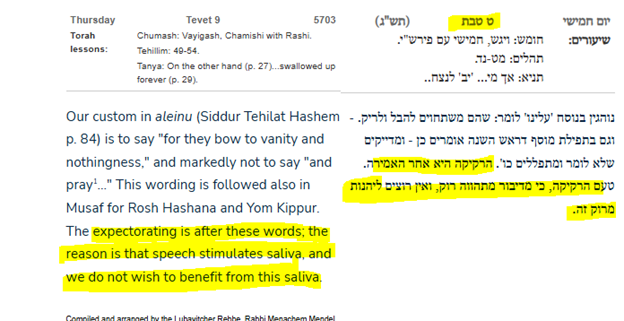
6 – Reb Michoel Seligson has pointed to an interesting observation. The היום יום of ט טבת refers to a topic of עבודה זרה. (expectorating is a fancy word for ‘spitting’)

English Farbrengen For Men With Rabbi Michoel Seligson | CrownHeights.info – Chabad News, Crown Heights News, Lubavitch News

R’ Michoel Seligson

7 – Some Chabad history: We mentioned the cute colored Haitian, Bondejour, who was part of the maintenance staff of 770.

At that time, 770 was not covered with tiles – it was just concrete. After Davening, with hundreds of people spitting during עלינו, the visible spots on the concrete was not a pretty sight.

Bondejour would holler at everybody that it’s not respectful. כבוד בית הכנסת….

He had a point, one must say….perhaps spitting into a handkerchief would be more appropriate.

770 Shul Gets a Proper Cleaning

Interestingly, at the time, the staff of 770 was this Bondejour, who only spoke French, and להבדיל , a Jewish fellow from Flatbush who just came off the boat from Georgia – a גרוזיני, who only spoke גרוזיניש!

It was quite humorous to observe how these two worked hand-in-hand communicating with hand motions only….


One bright moment would be every morning when they would approach Reb Michoel Lipker ע”ה (after Davning in in 770) who grew up in גרוזיה and then moved on Shlichus to Morocco. Being fluent in both Georgian and French, he would translate the day’s schedule for both…..


8 – The story of the Magid Shiur who always refused a cup of coffee when offered by his students. When asked why, he would respond cryptically עיין זבחים פז,ב. His students looked up this גמרא but found nothing about ‘drinking coffee’ or anything else while learning. They thought that perhaps the מגיד שיעור had another גירסה but he would not divulge his true meaning.

Finally, after much nagging, he told them to look up זבחים פז,ב in the ש”ס that is in his study.

Sure enough, when opening his ש”ס at  זבחים פז,ב they found a large coffee stain…..


9 – The גמרא continues with the famous saying:

וַאֲמַר רִבִּי חֶלְבּוֹ אֲמַר רַב הוּנָא: לְעוֹלָם יְהֶא אָדָם זָהִיר בִּתְפִלַּת הַמִּנְחָה, שֶׁהֲרֵי אֵלִיָּהוּ לֹא נַעֲנָה אֶלָּא בִּתְפִלַּת הַמִּנְחָה, שֶׁנֶּאֱמַר: ״וַיְהִי בַּעֲלוֹת הַמִּנְחָה וַיִּגַּשׁ אֵלִיָּהוּ הַנָּבִיא וַיֹּאמַר״ וְגוֹ׳ (מלכים א י״ח:ל״ו). ״עֲנֵנִי ה׳, עֲנֵנִי!״

And Rabbi Ḥelbo said that Rav Huna said: One must always be vigilant with regard to מנחה, as Elijah’s prayer was only answered in the afternoon prayer, as it is stated: “And it was at the time of the afternoon offering that Elijah the Prophet came near, and he said: Answer me, Lord, answer me, that this people will know that You, Lord, are God” (I Kings 18:36-37). Because Elijah was answered in the afternoon prayer, it has particular significance.

If this an actual מנחה brought by אחיהו הנביא or was it during מנחה, afternoon time, we will discuss IYH next week.

  10 – We mentioned the מהרש”א that the point of the גמרא is not the obligation to Daven  מנחה (which is obvious), but the idea that one should Daven מנחה as soon as its time arrives.

Now there is the time of מנחה גדולה that begins at 30 minutes after חצות, which is the  earliest time one may Daven מנחה.


Then there is מנחה גדולה that starts two and a half (Halachic) hours before צאת הכוכבים.

Simply put – on a perfect day of 12 equal hours of  day and night,  מנחה גדולה begins at 12:30 PM and מנחה קטנה at 3:30 PM.

According to the Shulchan Aruch, (233,1)  מנחה, should לכתחילה be not before מנחה גדולה, or 3:30.

Why people  Daven at מנחה גדולה is a good question.

10 -We mentioned in jest about this fellow who always insisted to Daven Mincha on Shabbos right after Shacharis.

He was told that for him, it is not תפילת מנחה but rather   קריאת שמע שעל המיטה …. so he can dive into bed the entire afternoon until מעריב…..

Some even suspected that he was wearing his pajamas under his kapote….


Shiur Brochos 6b – Teves 3, 5786 12/23/2025

BSD

Brochos 6b

Teves 3, 5786. 12/23/2025

Short notes on some interesting topics discussed.

1 – The topic of never missing a day of Shul attendance.

אֲמַר רַבִּין בַּר רַב אִדָּא אֲמַר רִבִּי יִצְחָק: כָּל הָרָגִיל לָבֹא לְבֵית הַכְּנֶסֶת וְלֹא בָא יוֹם אֶחָד, הַקָּדוֹשׁ בָּרוּךְ הוּא מַשְׁאִיל בּוֹ, שֶׁנֶּאֱמַר: ״מִי בָכֶם יְרֵא ה׳ שׁוֹמֵעַ בְּקוֹל עַבְדּוֹ אֲשֶׁר הָלַךְ חֲשֵׁכִים וְאֵין נוֹגַהּ לוֹ״.

 Ravin bar Rav Adda said that Rabbi Yitzḥak said: One who is accustomed to come to the synagogue and did not come one day, the Holy One, Blessed be He, asks about him, as it were, to determine what happened to him, as it is stated: “Who among you fears the Lord? Who hears the voice of His servant? Though he walks in darkness and has no light, let him trust in the name of the Lord, and rely upon his God”

In other words, God asks, who among you fears the השם yet did not come to hear the voice of the חזן, who engages in the service of God? He who went out before dawn and walked in darkness before prayer.

With Holiness and Love - Mishpacha Magazine

As the גמרא continues, it is referring to someone that skipped Shul, not to do a מצווה, but to attend his business.

If it is for a matter involving a mitzvah that he went and absented himself from prayer in the synagogue, then, despite the darkness, there is light for him, the aura of his mitzva will protect him. But if it is for an optional matter, some mundane purpose, that he went and absented himself from prayer in the synagogue, then, even once the day begins, there is no light for him (Maharsha).

2- The פסוק for there is no light for him is  וְאֵין נוֹגַהּ לוֹ. ‘Noga’ means light.

We mentioned something rather fascinating on this topic.

As per the זהר, the term אש נוגה is used to designate a Shul. ‘A fire of light’.

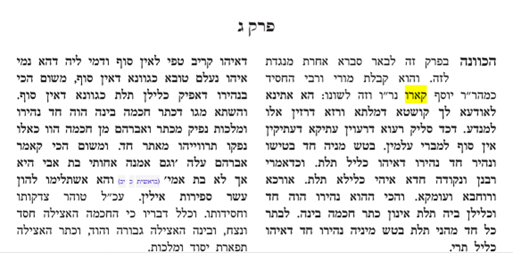
Zohar 3, 282a.

The זהר continues to say that the source of the word ‘Synagogue’ in Spanish is derived from אש נוגה. EshNoga, Shenegoga, Esnoga, synagōga (Latin) la sinagoga (Spanish) Sinagoga (Portuguese) .

It’s amazing that the זהר written thousands of years ago, uses a Hebrew word, אש נוגה, to explain the origin for the Latin/ Spanish/Portuguese word for Synagogue!

See here the זהר and the side note of Reb ראובן מרגליות. [See here for a dissenting opinion- and that’s another huge topic].


Actually, the old Portuguese Synagogue in Amsterdam is known as the Esnoga. Video.

Welcome bij de oudste Joodse gemeente van Nederland! - Portugees-Israëlietische Gemeente

Esnoga – Portuguese Synagogue in Amsterdam –

3 – The next piece of גמרא discusses the importance of having a set and designated place to Daven.

 אֲמַר רִבִּי חֶלְבּוֹ אֲמַר רַב הוּנָא: כָּל הַקּוֹבֵעַ מָקוֹם לִתְפִלָּתוֹ, אֱלֹהֵי אַבְרָהָם בְּעֶזְרוֹ,

Rabbi Ḥelbo said that Rav Huna said: One who sets a fixed place for his prayer, the God of Abraham assists him.

וּכְשֶׁמֵּת, אוֹמְרִים לוֹ: אֵי עָנָיו, אֵי חָסִיד, מִתַּלְמִידָיו שֶׁל אַבְרָהָם אָבִינוּ!

 And when he dies, those who eulogize one who set a fixed place for his prayer say about him: “Where is the humble one, where is the pious one, he was a  disciple of our father Abraham

 Wow!

As many דרשנים have asked – just by choosing a place to Daven and sticking to it one is considered a חסיד? An עניו? How is Davening consistently in one place a sign that one is a חסיד and humble?

Rabbeinu Yona explains that it is referring to a צדיק that is also קובע מקום.

We mentioned the בן יהוידע that explains it in a rather interesting (semi humorous?)  way.

In short: A shul has many seats. Some for the ‘important’ people. (As BM always says…Di be’sere mentchen). Some for the less important барахло. Seats for the rich, seats for the poor and seats for the middle class. Additionally, there are seats for children and teenagers.

You're In My Seat Cartoons and Comics - funny pictures from CartoonStock

Now, all Shul-goers start in the children’s area and then make their way to the teenagers’ seats and so on. Similarly, those that are now poor ל”ע, when blessed with wealth, they will inevitably change their seat to sit amongst the גבירים…….

However, a true עניו and חסיד, stays put in his original seat. His humility causes him to be a מכיר את מקומו and stay put. His ‘upward mobility’ did not get to his head.

And this is they type of person the גמרא is referring to! One who sets a fixed place for his prayer …is called ‘a humble one, where is the pious one, he was a  disciple of our father Abraham’.

4 – The גמרא continues with yet another interesting topic. It lists numerous positive actions and then tells us the rewards are for something else!

Here is the list

1 – אָמַר רַבִּי זֵירָא: אַגְרָא דְפִרְקָא — רִהֲטָא.

Rabbi Zeira said: The reward for attending the lecture is for running to the lecture.

2 – אָמַר אַבָּיֵי: אַגְרָא דְכַלָּה — דּוּחְקָא.

Abaye said: The reward for attending the kalla (Rabbi’s דרשה  before Yom Tov) is for sitting squashed amongst the crowd.

Behind the Famous Panoramic Picture of the Rebbe's Farbrengen From the thousands of pictures of the Rebbe, one of the most iconic photos was shot by Donal Holway, a photographer doing a

3 – אָמַר רָבָא: אַגְרָא דִשְׁמַעְתָּא — סְבָרָא.

Rava said: The reward for learning the halakhic traditions of the Amora’im is for the logical analysis not (only) for the dry הלכה.

4 – אָמַר רַב פָּפָּא: אַגְרָא דְבֵי טַמְיָא — שְׁתִיקוּתָא.

Rav Pappa said: The primary reward for attending a house of mourning is for the silence of the מנחם.

5 – אָמַר מָר זוּטְרָא: אַגְרָא דְתַעֲנִיתָא — צִדְקְתָא.

Mar Zutra said: The primary reward for fasting is for the charity given to the poor on the fast day

6 – אָמַר רַב שֵׁשֶׁת: אַגְרָא דְהֶסְפֵּדָא — דַּלּוֹיֵי.

Rav Sheshet said: The primary reward for delivering a eulogy is for causing those in attendance to raise their voices and cry

7 –  אָמַר רַב אָשֵׁי: אַגְרָא דְבֵי הִלּוּלֵי — מִילֵּי.

Rav Ashi said: The primary reward for participating in a wedding is for the words and blessings which bring Joy.

In general, the idea here as explained by many, is not to minimize the actual מצווה.

Surely participating in a Shiur and fasting on a תענית יום is important.

What these אמוראים were saying was that in addition to the actual מצווה, there are ancillary deeds that should not to be overlooked. Fasting, for example is the primary מצווה on a fast day of course. But let’s not forget about those in need.

8 – We suggested another idea based upon the words of a the famous חסיד Reb אברהם אלי’ Axelrod of Baltimore. See here about this legendary Chosid. The Life and Times of Rabbi Avrohom Elya Axelrod

Rabbi Abraham Elijah Axelrod (1893-1952) - Find a Grave Memorial

‘The Rebbe [Rayatz] convinced Reb Avrohom Elya to start covering his tzitzit with his shirt to appease the people, but from that day forward, he wore a larger yarmulka that protruded from behind his hat, ensuring his Jewish identity was constantly showcased for all to see.’

When asked once as to why he was adamant for his Yarmulke to stick out from his hat he answered:

As the Alter Rebbe writes in Tanya chapter 9, the two souls are fighting over control of the body just like two kings fighting over control of a city.

Now, in a war, there is the ‘front line’ where the fiercest battles are fought. It is always beneficial for the defending city to ensure that this front line be placed as far as possible away from the city. The reason is that in case the front is overrun, there are other lines  of defense before the enemy can reach the city.

In my personal war, said Reb Eli, I want the fight to be about the size of my Yarmulke. My יצר טוב says that it should be large, my יצר הרע is fighting for it to be small.

So the size of my כיפה, is where my front line battle is.

And it should stay that way forever. All day ‘they’ are trying to sway me to either ‘large or small’ and again, ‘large or small’.

They are so busy with this little war that there never is a battle about other more important things, such as קיום המצוה or לימוד התורה.

So perhaps that is what the meaning of ‘The reward for attending the lecture is for running to the lecture’ is that the battle is not whether to attend a שיעור or not. Attendance is a given. The battle is whether to ‘run’ to it, to want to attend with a חיות and to arrive on time…..

Similarly, The reward for fasting is for the charity given to the poor on the fast day means that the battle is not whether to fast or not. Fasting is a given. The battle is how much to give צדקה on a יום תענית.

Giving In Jewish Tradition - ChabadAlberta.org

8 – Time allowed us to discuss the first one of the seven phrases of wisdom above. .

How can the reward for attending a שיעור be only for the running to the שיעור?

Rashi has a ‘sharp’ explanation: Most people attending usually do not comprehend anyway…. Even if they do, it’s only superficial comprehension and they cannot repeat it….

אגרא דפרקא – עיקר קבול שכר הבריות הרצים לשמוע דרשה מפי חכם היא שכר המרוצה. שהרי רובם אינם מבינים להעמיד גרסא ולומר שמועה מפי רבן לאחר זמן’ שיקבלו שכר למוד.

We mentioned the unique explanation on this idea of ‘reward for the running’ of the ספר הערוך.

Reb Nosson of Rome, whom we encountered in the past, authored the first Jewish dictionary focusing on Aramaic and other foreign words of ש”ס. It was one of the first Hebrew books to be printed in 1477.

See here at length.

For the entry of  the word אגר – reward, he writes:

אגר – אגרא דפירק׳  – ריהט׳ (ברכות ו) פי׳ כדי שישמע מתחילה.

Meaning that the reward for attending a שיעור is the running to the שיעור to arrive on time! 

Being present at the beginning of a שיעור or דרשה is as important as going to hear this שיעור.

9 – We briefly mentioned a famous ruling of Reb Nosson that is much debated in the ראשונים and has ramifications today. Namely, walking by a camera on Shabbos that has a motion sensor. Or even without a motion sensor- just by moving one is ‘creating’ a video of what the camera pans.

Very briefly – causing the camera to record one’s movement by passing it, is unintentional. דבר שאינו מתכוון which is מותר.

However, the rule of  דבר שאינו מתכוון (see this Shiur, Beitza 23a) applies only if the מלאכה may occur. In our case, it would mean there is a chance that it will not record. If there is no way the camera will not record (as is usually the case) then the rule of פסיק רישא applies and it reverts back to being prohibited. [In a sense it is considered דבר המתכוון]

Here comes Reb Nosson’s ruling (Tosfos Kesubos 6a ד”ה האי  and Tosfos in Shabbos 103a below ) into play – פסיק רישיה is prohibited only if the person performing this  מלאכה has any benefit from it.

וכן פירש בערוך דכל פסיק רישיה דלא ניחא ליה שרי

If he does not need it, or better yet he is unhappy with the מלאכה then it is back to a  דבר שאינו מתכוון.

Needles to say that we’re not offering here guidance on what to do……

10  – מי כעמך ישראל. The amazing story of the  חב”ד Atlanta קהילה coming out in force to attend the needs of a 6 month old orphan.
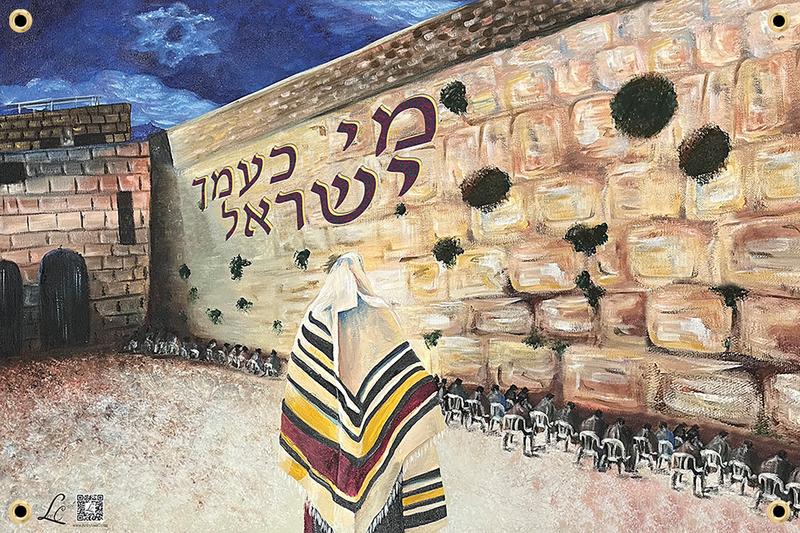
Full Collection – Art by Leec

———————————————–

הרגיל לבוא כו׳ אפילו לפרנסה.

קובע מקום. רבינו יונה,

הכוונה היא שהוא צ״ג וגם קובע מקום לתפילתו.

מה השייכות לעניו? בן יהוידע- נשאר במקומו גם אחרי שהעשיר!!

פסיעה גסה.

שבת קיג, ב.

מה מחדש אביי? מהרש״א שכוונת אביי הוא לצאת מבהכנ״ס לביהמ״ד.

צלח- יש פסיעה גסה ויש למרהט : לרוץ. וזה החידוש.

אגרא דפירקא ריהטה. בערוך פי׳ לרוץ לבוא בזמן!!

https://library.alhatorah.org/?r1=Sefer_HeArukh_Aleph_%D7%90%D7%92%D7%A8&s1=1

ספר הערוך – אגר – אגרא דפירק׳  – ריהט׳ (ברכות ו) פי׳ כדי שישמע מתחיל׳. אגרא דכל׳ – דוחקא, שכר ישיבת החבור׳ דוחקא. אגרא דבי טמיא – שתיקות׳ שכר האבל שתיקות ולקבל באהבה. אגרא דהספדא דלויי שמגביה קולו בהספד שנאמר וישא קולו ויבך.


Shiur Brochos 6a (2) – Kislev 26, 5786 12/16/2025

BSD

Brochos 6a (2)

Kislev 26, 5786. 12/16/2025
Topics discussed.

1 – Our גמרא explains the idea that the שכינה is always present when Torah is studied; whether it be a group of 10 learners, 3, 2 or even 1.

What Is a Kollel? - Chabad.org

We mentioned the Alter Rebbe’s explanation of the different levels of the שכינה in Igeres HaKodesh 23.

The גמרא brings פסוקים to support the above and the verse for the single learner is:

וּמִנַּיִן שֶׁאֲפִילּוּ אֶחָד שֶׁיּוֹשֵׁב וְעוֹסֵק בַּתּוֹרָה, שֶׁשְּׁכִינָה עִמּוֹ? שֶׁנֶּאֱמַר: ״בְּכָל הַמָּקוֹם אֲשֶׁר אַזְכִּיר אֶת שְׁמִי אָבוֹא אֵלֶיךָ וּבֵרַכְתִּיךָ״ (שמות כ׳:כ׳).

And from where is it derived that when even one who sits and engages in Torah study, the שכינה  is with him? As it is stated: “In every place where I cause My Name to be mentioned, I will come to you and bless you” (Exodus 20:21)

13 Facts About Learning Torah - Chabad.org

‘I cause My Name to be mentioned’. Now where in this פסוק is the studying of תורה mentioned?

2- We discussed an interesting מהרש”א that explains ‘mentioning השם’s name means while learning תורה ‘. It means that when one studies תורה and encounters השם’s name  in the text, he is allowed to pronounce it!

That is perplexing as the פני יהושע asks. The הלכה is that one is not permitted to say ה’s name when learning. (as opposed to davening).

בד״ה אשר אזכיר את שמי אשר יזכר שמי על מצותי ודברי עכ״ל. ולפי פירושו אין זה ענין ליושב ועוסק בתורה דוקא כיון דבכל המצות שייך לומר כן.

וכן במה שפי׳ מהרש״א ז״ל דאשר אזכיר את שמי איירי בתורה דדרך לימודו יש לו רשות להזכיר שמו של הקב״ה נמי קשיא לי דה״ד אי בשם המיוחד אפילו דרך לימודו נמי אסור כדאיתא בפסחים ס״פ אלו עוברין דרבא סבר למידרשא בפירקא אמר ליה ההוא סבא לעלם כתיב. ואי בשאר שמות הדרא קושיא לדוכתי׳ מאי איריא תורה אפי׳ תפלה ושאר מצות אנו מזכירין שמו של הקב״ה בברכותיהן.

His explanation:

ולענ״ד היה נראה דודאי פשטא דקרא דאשר אזכיר את שמי לא איירי כלל בד״ת אלא בקרבנות דכתיבי ברישא דקרא וזבחת עליו את עולותיך ואת שלמיך וגו׳ ובסיפא דקרא דכתיב בכל המקום אשר אזכיר את שמי ופי׳ הרמב״ן ז״ל בפי׳ החומש דהיינו נמי בכל מקום שיקריב קרבנו. אלא דהכא בק״ו יליף לה כיון דאפי׳ ביחיד שהוא מקריב שכינה שרויה שם כדכתיב אבוא אליך בלשון יחיד א״כ כ״ש ת״ת דעדיף מעבודה כדאית׳ בכמה דוכתי:

We discussed this הלכה as the Alter Rebbe rules that an adult person who is learning  how to make a ברכה, is not permitted to pronounce השם’s name. 215, 2.

וכן אין עונין אמן אחר תינוק שלומד הברכות לפני רבויט שמותר ללמד לתינוק הברכות כתקונן אפילו שלא בזמנןכ ואע”פ שהם לבטלה בשעת הלימוד אע”פ שאסור לגדול המתלמדכא אבל כשאינן מברכין לבטלה עונין אחריהם אמןכב כגון שמברכין אותן בזמנן כדי לפטור מחיובן שהם חייבים בהן כדי לחנכם במצות וכן בשעה שקורין ההפטרה בציבור ומברכין לפניה ולאחריהכג:

I Can Make A Bracha Board Book

See more on this from the Rebbe in Igros. 3, 503.

3 – Next section in the גמרא discusses the תפילין of הקב”ה and the idea of fear that is instilled by wearing תפילין שבראש.

וּמִנַּיִן שֶׁהַתְּפִילִּין עוֹז הֵם לְיִשְׂרָאֵל? דִּכְתִיב: ״וְרָאוּ כָּל עַמֵּי הָאָרֶץ כִּי שֵׁם ה׳ נִקְרָא עָלֶיךָ וְיָרְאוּ מִמֶּךָ״ (דברים כ״ח:י׳), וְתַנְיָא, רִבִּי אֱלִיעֶזֶר הַגָּדוֹל אוֹמֵר: אֵלּוּ תְּפִילִּין שֶׁבָּרֹאשׁ.

It was taught in a baraisa that Rabbi Eliezer the Great says: This is a reference to the תפילין of the head, upon which the name of God is written in fulfillment of the verse: “That the name of the Lord is called upon you.”

We mentioned the Tosfos that deals with how the שם השם is visible on a Jew (כִּי שֵׁם ה׳ נִקְרָא עָלֶיךָ) when wearing  תפילין שבראש. Either because of the שין on the בית and the דלי”ת  on the knot, or simply due to the fact that he wears תפילין on top his head for all to see as opposed to the תפילין של יד which is hidden.

Tefilin shel rosh showing horizontal crack between the upp… | Flickr

4 – Story of the Alter Rebbe and his explanation as to why the average person’s תפילין do not instill fear on others.

We mentioned the time R Simcha Elberg told the crowd at a Kinus Torah in 770 that he found an ‘amazing Medrash’ regarding the importance of putting on Tefillin, only to be told that every Bar Mitzvah boy learns this Medrash….

5 – Mentioned the גמרא in ראש השנה (17a)

פּוֹשְׁעֵי יִשְׂרָאֵל בְּגוּפָן וּפוֹשְׁעֵי אוּמּוֹת הָעוֹלָם בְּגוּפָן יוֹרְדִין לְגֵיהִנָּם וְנִידּוֹנִין בָּהּ שְׁנֵים עָשָׂר חֹדֶשׁ לְאַחַר שְׁנֵים עָשָׂר חֹדֶשׁ גּוּפָן כָּלֶה וְנִשְׁמָתָן נִשְׂרֶפֶת וְרוּחַ מְפַזַּרְתָּן תַּחַת כַּפּוֹת רַגְלֵי צַדִּיקִים

The rebellious Jews who have sinned with their bodies and also the rebellious people of the nations of the world who have sinned with their bodies descend to גיהנום and are judged there for twelve months. After twelve months, their bodies are consumed, their souls are burned, and a wind scatters them under the soles of the feet of the righteous

What is this ‘sinned with their bodies’? The גמרא continues:

קרקפתא דלא מנח תפילין- a head that does not put on תפילין.

According to the גירסה of רבינו חננאל and others the text reads קרקפתא דלא מנח תפילין לעולם! Just one time is sufficient to exit the awful category and status of פושעי ישראל בגופם!

When the Rebbe  initiated  מצבע תפילין  he quoted this גמרא about the importance of putting on תפילין at least once in a lifetime so he is not a קרקפתא דלא מנח תפילין.

He is no longer a ‘sinner with his body’.

Hours before he was murdered: Rabbi Eli Schlanger Z"L HYD, helps a young Jewish man put on tefillin this morning 💔

We also mentioned the story of Hillel Piekarski, the well-known shliach of the Pletzel who never takes no for an answer,

He once  met a Jew who told him that since putting on Tefillin with a Shliach in the street years ago, he dons Tefillin daily.

Searching on his phone to show the Rabbi who the Shliach was, he discovered that the Shliach he met years ago was…Hillel Piekarski.

Speaking about פושעי ישראל בגופם we discussed as to what is פושעי ישראל בנשמתן?

The Mitteler Rebbe writes in his הקדמה to the אמרי בינה that it refers to those who do not study the idea יחודא עילאה ויחודא תתאה!!!

In simple words – studying the idea of אחדות השם and how this world is בטל לאלוקות.

Oneness and the Infinite - Prior to Creation, there was only the infinite revelation of G-d. - Chabad.org

6 – The topic of the minimum כוונה that is needed in שמונה עשרה to be יוצא the מצווה of תפילה.

Lot 9 - Chidushei Rabbeinu Chaim Halevi, Innovations and Elucidations on the Rambam, Authored by Rabbi Chaim Soloveitchik Abd of Brisk, First Edition, Brisk - 1936. | בית המכירות תפארת

R Chaim Soloveitchik of Brisk 

Spoke about the famous Reb Chaim of Brisk’s explanation on a seemingly contradiction of 2 הלכות in the Rambam.

רמב”ם הלכות תפילה פ”ד

טו –  כוונת הלב כיצד, כל תפילה שאינה בכוונה אינה תפילה, ואם התפלל בלא כוונה, חוזר ומתפלל בכוונה. מצא דעתו משובשת ולבו טרוד, אסור לו להתפלל עד שתתישב דעתו. לפיכך הבא מן הדרך והוא עיף או מצר, אסור לו להתפלל עד שתתישב דעתו. אמרו חכמים, שלשה ימים עד שינוח ותתקרר דעתו, ואחר כך יתפלל:

Proper intention: What is implied? Any prayer that is not [recited] with proper intention is not prayer. If one prays without proper intention, he must repeat his prayers with proper intention.

Would R' Zalman Kleinman Have Painted This Picture? | Anash.org

פ“י א – מי שהתפלל ולא כוון את לבו, יחזור ויתפלל בכוונה. ואם כוון לבו בברכה ראשונה, שוב אינו צריך

A person who prayed without concentrating [on his prayers] must pray a second time with concentration. However, if he had concentrated during the first blessing, nothing more is necessary.

Form the first הלכה it seems that the entire תפילה must be said with כוונה, whereas in the second הלכה the Rambam writes that בדיעבד, just the first ברכה needs to be בכוונה.

Reb Chaim’s famous answer is that there are two concepts in   כוונה בתפילה. The first is the general idea of being cognizant that one is עומד בתפלה לפני ד׳. The second one is the פירוש המילות.

Unlike other מצוות where there is the מעשה המצווה and the כוונה, in Davening, this (first and general)  כוונה is the מצווה.

chassid Davening — Ilan Block

ונראה דכוונה זו אינה מדין כוונה, רק שהוא מעצם מעשה התפלה, ואם אין לבו פנוי ואינו רואה את עצמו שעומד לפני ד׳ ומתפלל אין זה מעשה תפלה, והרי הוא בכלל מתעסק דאין בו דין מעשה. וע״כ מעכבת כוונה זו בכל התפלה, דבמקום שהיה מתעסק דינו כלא התפלל כלל, וכאלו דלג מלות אלה, והלא ודאי דלענין עצם התפלה כל הי״ט ברכות מעכבין.

So if one’s mind drifts off in the middle of שמונה עשרה  it is as if he skipped those words and one is not יוצא.

Wow! According to Reb Chaim one needs to have כוונה the entire שמונה עשרה, barring that, one is simply not יוצא!

As to פירוש המילות, just the first ברכה is  מעכב.

ורק היכא שמכוון ומכיר מעשיו ויודע שהוא עומד בתפלה אלא שאינו יודע פירוש הדברים שזה דין מסוים רק בתפלה לבד, הוספת דין כוונה.  בזה הוא דאיירי הסוגיא דברכות דף ל״ד [ע״א] המתפלל צריך שיכוון לבו בכל הברכות ואם אינו יכול לכוון את לבו בכולם יכוון באחת מהן, אמר ר׳ חייא א״ר ספרא משום חד דבי רבי באבות.  Just the first ברכה.

7 – The Rebbe mentions this Reb Chaim many times (LS 22, 117 footnote 9) as to the importance of being constantly aware of דע לפני מי אתה עומד and how it is an integral part of תפילה.

However, in response to someone that wrote to the Rebbe that he heard that the Rebbe’s opinion is that Reb Chaim’s words are  הלכה למעשה (implying that if this general כוונה is missing it is considered a  תפלה בטילה) he responded very sharply. He added that even Reb Chaim perhaps didn’t write this להלכה!

8 – We mentioned that even among Litvak’s, Reb Chaim’s ruling was not accepted. One of them, who is not part of the ‘Brisker brotherhood’ observed that it is practically impossible not to have any side thoughts for the entire span of שמונה עשרה.

MARC JACOBS WEIGHT LOSS JOURNAL: THAT'S BRISK, BABY!®

9 – We concluded with the ירושלמי that as מפרשים write should not be taken literally.

https://yerushalmi.alhatorah.org/Full/Berakhot/10.15#e0n6

רִבִּי לִיָא רִבִּי יָסָא בְשֵׁם רִבִּי אָחָא רוּבָּא נִתְפַּלֵּל וְנִמְצָא עַצְמוֹ בְשׁוֹמֵעַ תְּפִילָּה חֲזָקָה כִּיוֵּין. רִבִּי יִרְמְיָה בְשֵׁם רִבִּי אֶלְעָזָר: נִתְפַּלֵּל וְלֹא כִיוֵּין לִבּוֹ אִם יוֹדֵעַ שֶׁהוּא חוֹזֵר וּמְכַוֵּין אֶת לִבּוֹ יִתְפַּלֵּל וְאִם לָאו אַל יִתְפַּלֵּל. אָמַר רִבִּי חִייָא רוּבָּא: אֲנָא מִן יוֹמָי לֹא כַווְנִית אֶלָּא חַד זְמָן בָּעִי מְכַוְּונָה וְהִרְהָרִית בְּלִיבִּי וְאָמְרִית מַאן עֲלֵיל קוֹמוֹי מַלְכָּא קְדָמִי אַרְקַבֶּסָּא אוֹ רֵישׁ גָּלוּתָא. שְׁמוּאֵל אָמַר אֲנָא מָנִית אֶפְרוֹחַיָּא. רִבִּי בּוּן בַּר חִייָא אָמַר אֲנָא מָנִית דֵּימוֹסִיָּא. אָמַר רִבִּי מַתַּנְיָה אֲנָא מְחַזֵּק טִיבוּ לְרֹאשִׁי דְּכַד הֲוָה מָטֵי מוֹדִים הוּא כָרַע מִגַּרְמֵיהּ.

Rebbi Lia, Rebbi Yasa in the name of the great Rebbi Aḥa: If he prayed and he found himself in “He Who hears prayer”, he may assume that he prayed with intent. Rebbi Jeremiah in the name of Rebbi Eleazar: If he prayed without intent and he knows that the second time he will pray with intent, he may pray a second time; otherwise he should not pray. The great Rebbi Ḥiyya said: I never managed to pray with intent, but one time I made an effort to concentrate and I started to think and said to myself, who enters first before the king, the ἀργαπέτης or the Resh Galuta? Samuel said: I counted baby birds. Rebbi Abun bar Ḥiyya said: I counted stone rows. Rebbi Mattaniah said: I am thankful to my head that when I come to modim it bends down by itself.


Ari Chitrik Shiur Points