All posts by daf

Mikvaos Siman 201, Shiur 7 02/26/19

Shiur 7 – 02/26/19

1- We learned the מחבר and רמ”א concerning placing one כלי into another and then dipping both into a mikvah.

The Mechaber uses the term  “a כלי טמא ” .  We discussed this at length that although today, for practical purposes, we do not have any practical halachos relating to טומאה and טהרה, at least as it pertains to food and כלים,  there was a time that some people kept their homes at a high level of ‘טהרה’.

רבי יוסף חיים

בן איש חי

For example, a Kohen, who needed to be טהור when eating תרומה, may have elected to have all his food, even the non תרומה, at a level of טהור. It would make life simpler for him. 

We spoke about these levels.

חולין at a level of  simple טהרה. 

חולין at the level of תרומה and  even higher – חולין at the level of קדשים. [We mentioned an even higher level – the level of the פרה אדומה].

2- Some say the famous בן איש חי kept to one of the above levels. 

3- We tried to understand the reasoning behind the Halacha in סעיף ט. The ש”ך quotes from R’ Shimson, (of Coucy), and his father’s explanation.  See below.

Related image


4- We reviewed a drawing showing a Mikvah with two ‘boros’ and how each elevates the water from the tap, which is ‘sheuvin’ to ‘mei geshomim’ and a kosher Mikvah.


5- Here is סעיף ט. Thanks to Dani Chitrik for the translation.

Mechaber

כלי טמא שנתן בתוכו כלים אחרים והטביל הכלי, עלתה להם טבילה אף על פי שפי הכלי צר ביותר, שהרי המים כנסים לו, ומתוך שעלתה טבילה לכלי הגדול עלתה טבילה לכלים שבתוכו – An impure vessel that other vessels were put inside of, and the vessel was immersed, their immersion is valid even if the vessel’s opening is very narrow, because water does get inside it, and since the immersion was valid for the large vessel, it is valid for the vessels inside of it.

ואם הטהו על צדו והטביל, לא עלתה להם טבילה עד שיהיה פיו רחב כשפופרת הנאד – However, If it was turned on its side and immersed, the immersion is not valid for them unless the opening is as large as a  vat spout.

וכן אם היה הכלי טהור ונתן לתוכו כלים טמאין והטבילן, לא עלתה להם טבילה, עד שיהיה פיו רחב כשפופרת הנוד – So, too, if the vessel was pure and impure vessels were put inside of it and it was immersed, their immersion is invalid, unless the opening is the size of a bladder spout.


הגה:

ומותר לטבול כלים בסל או בשק, דכיון דאינו מחזיק מים עדיף טפי מניקב כשפופרת הנוד (בית יוסף בשם משנה ופירש הר”ש פ”ו דמקואות ורמב”ם פ”ו) – . And one may immerse vessels in a basket or sack, since as it does not hold water, it is even better than an opening the size of a bladder spout.

——

ש”ך

ואם הטהו על צדו. כ״ח:

לשון ר’ שמשון – Rav Shimshon (ר”ש משאנץ) explained this halachic reasoning as follows:  דבפיו למעלה כיון שהמים צפים על גביו הוי חיבור בכל שהוא אבל כשמטהו על צדהו אין מתחבר למעלה אלא מן הצד לכך בעי שפופרת הנאד עכ”ל  –

When the opening of the vessel is upwards, because the water overflows on top, it’s considered a connection. Even if only a small amount touches the water above it. However, when the vessel is laying sideways, it’s not connected above to the water, and would therefore need an opening the size of a vat spout.

   ר”ל דמצריך שיהא הכלי נטבל בתוך המקוה ומי המקוה יהיו על גבי הכלי  – Meaning, that he, Rav Shimshon holds that Halachically we need the vessel to be immersed inside the mikvah and that the waters of the mikvah should be on top of the opening of the vessel.  

 א”כ כשפיו למעלה אז המים בתוך הכלי הנוגעים למקוה מתחברים למקוה ויש להם דין מקוה ומכסים על הכלי  – Therefore, when the mouth of the vessel is upwards, the water inside the vessel that is touching the water of the mikvah, connect it to the mikvah and is now considered as part of the original mikvah waters; and it now covers the 2nd vessel inside the first vessel. מה שאין כן כשמתחברים מן הצד   – However when the water is connected from the side  שאז מים שעל גבי כלים לא נחשבו כמי מקוה – Then in this instance, the waters above the vessel are not considered like the waters of the mikvah   רק מן הצד מה ששוה למי מקוה נחשב למי מקוה  – The only waters that are considered as if they’re mikvah water are those from the side which can only purify the outer vessel and not the inner one  כך פי’ הגאון אמ”ו זצ”ל – This is how my father explained it –  .והעט”ז פי’ בע”א והוא מגומגם ע”ש וע”ל סי’ ר”ב ס”ג


Mikvaos, Siman 201 Shiur 6, 2/13/19

Shiur 6 –  2/13/19

1- We learned the Halacha of a כלי that is connected to a מעין.

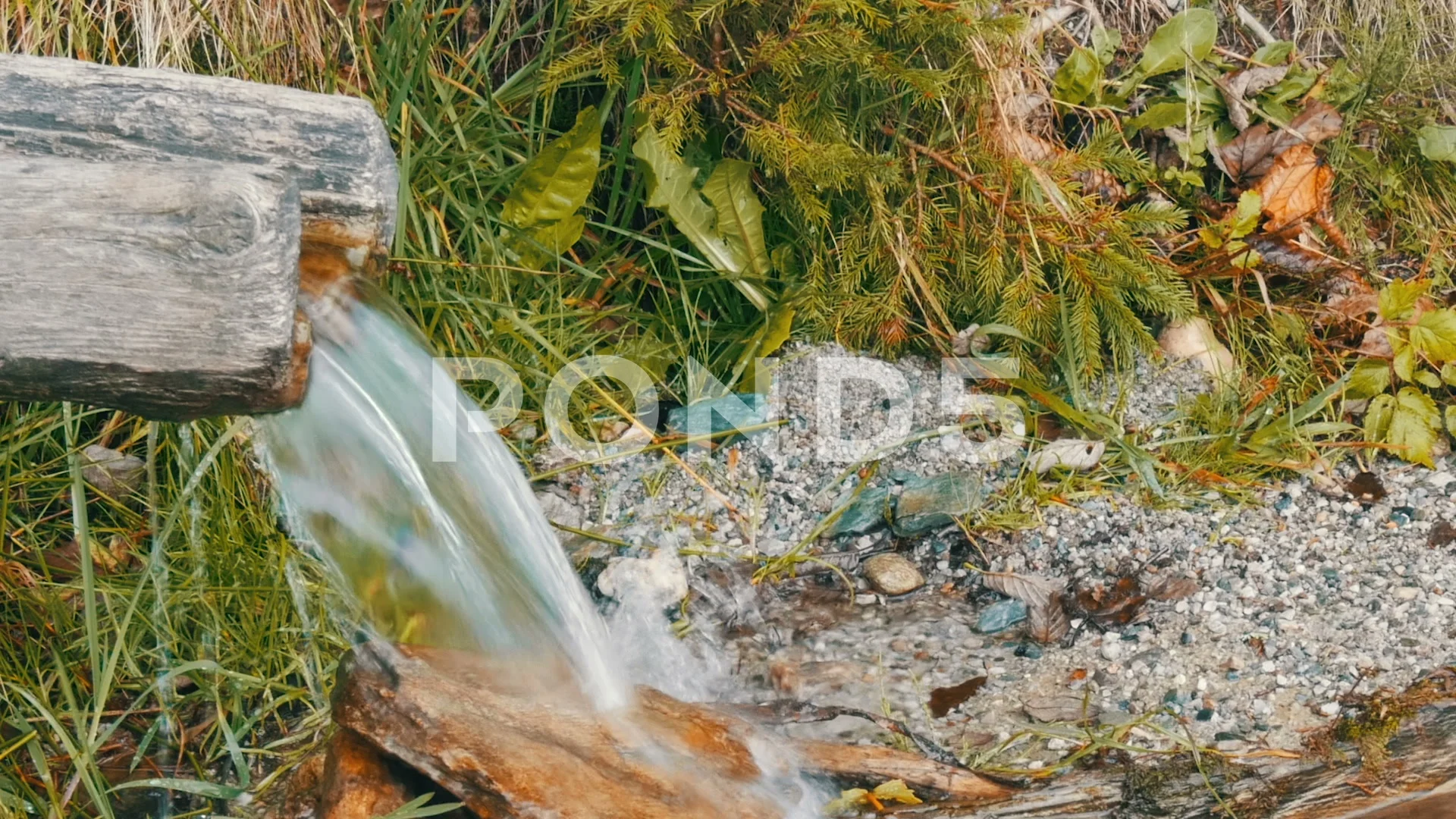
Image result for stream trough

Generally, a מעין, has the properties to be מטהר, all types of waters. Such as drawn water שאובין. However, a מעין cannot change the issue of a כלי.


The Torah says מעין ובור. That excludes any type of כלי.

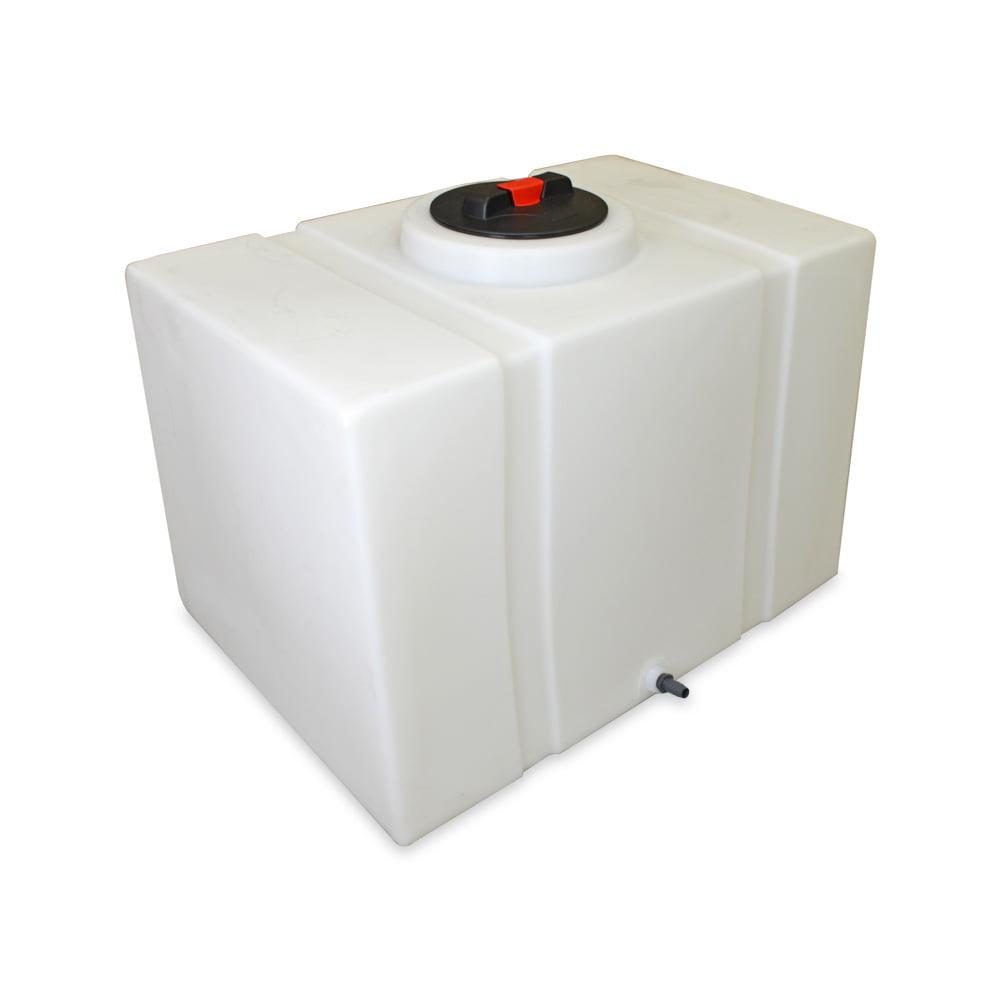
2- It follows, that a spring of water, despite it flowing from a well a מעין, when it fills a large tub or tank, it does not create a kosher מקוה. The issue is the structure of the מקוה, in this case a כלי. So because the water is in this tub, despite being connected to the steam, it does not negate the fact that it is a כלי, and a כלי cannot be used as a Mikvah, and therefore the water becomes שאובין.

Related image

3- Now, the overflow of this כלי, is also problematic. Because once the water enters this tank it is considered שאובין and the overflow is obviously שאובין. 

4- However, if some of this stream’s water never enters the tank and it mixes with the overflow then the water of the מעין, will ‘purify’ the rest of the שאובין overflow.

Related image

Here is the text we learnt.

סעיף ח

Preface:

Mishna, Mikvous Chapter 5, 1

מַעְיָן שֶׁהֶעֱבִירוֹ עַל גַּבֵּי הַשֹּׁקֶת, פָּסוּל. הֶעֱבִירוֹ עַל גַּבֵּי שָׂפָה כָל שֶׁהוּא, כָּשֵׁר חוּצָה לָהּ, שֶׁהַמַּעְיָן מְטַהֵר בְּכָל שֶׁהוּ

Regarding a spring that was led to pass over a man-made trough, the mikveh filled from its waters is invalid. Because it was from a vessel (the trough) and considered drawn.

If any even minimal amount of water was led to pass over its edge, it is valid for immersion outside of it, anywhere outside of the trough, and even on its edge. Since a spring purifies even with a minimal amount.

Mechaber

מעיין שמקלח לתוך כלי, פסול לטבול בין במים שבתוך הכלי בין לאחר שיצאו מהכלי – A spring that trickles into a vessel, is invalid to immerse in. Whether in the water that’s in the vessel or in the water that comes out of the vessel. Because it was from a vessel and considered drawn.

ואם המעין מקלח על שפת הכלי ולתוכו, תוך הכלי אסור לטבול; וחוצה לו, מותר, אפילו אם המים שבתוכו מרובין – However, if the spring leaks onto the edge of the vessel and into it, one may not immerse inside the vessel; but outside of it, it is allowed to immerse in. Since a spring purifies even with a minimal amount less than 40 Seah, even if the water inside is more than the water outside of the trough.

——

ש”ך

מעיין כו כ״ו:

פי’ דאם מעיין מקלח לתוך הכלי (אפי’ הוא תלוש – Meaning, that if the spring trickles into the vessel (even if it’s disconnected)    ויוצאים לחוץ ממנו פסולים לטבול בהן – And then proceeds to go out of the vessel it’s invalid to immerse in this water.

  דמה שבתוך הכלי פשיטא פסול  – For what is inside the vessel is most obviously invalid as it

is drawn water  ומה שלחוץ נמי פסול דמיד שעברו בכלי נעשו שאובים  – And for the water which went out of the vessel is also invalid. For as soon as it passes through the vessel it immediately becomes drawn water and is thus invalid water for immersion.

וכתב הב”ח סעיף י”ג דל”ש כשהכלי שלם בלא שום נקב והמעיין מקלח לתוך הכלי וכשנתמלא הכלי יוצאים אח”כ מפה הכלי ולחוץ – The Bac”H writes in seif 13 – That it makes no difference whether the vessel is complete without any holes, thus the spring trickles inside the vessel, and when the vessel fills to the top it overflows and exits from the mouth of the vessel     

ל”ש שיש נקב בצדו של כלי וממנו מקלחים לחוץ נקראו מים שאובים  – Or whether there is a hole in the side of the vessel and from there that hole it leaks outside. In both instances, the water is considered drawn.   דלא נתבטל שם כלי מחמת הנקב שמצדו כיון שמקבל מים מן הנקב ולמטה  – For it does not lose its status as a vessel because of such a hole. Since it can hold water below the hole. Thus, if the hole is high enough to have room to hold water below it, it’s still considered a vessel. And now that its status is established as a vessel, it will invalidate any water that enters it – as drawn water.   אבל נקב בשולי הכלי כשפופרת הנאד אז ודאי דנתבטל שם כלי ושרי לטבול אף בתוך הכלי כמו שנתבאר במקוה דבדבר זה שוה מעיין ומקוה עכ”ל ופשוט הוא – However, a hole in the bottom of the vessel as wide as a vat spout, thus it cannot hold any water. It most definitely loses its status as a vessel. Hence, one may immerse inside this water and even inside this vessel. As explained earlier that in a case of a vessel  a spring and mikvah are similar regarding their laws. And this is obvious.

כ״ז: ואם המעיין כו

פי’ רוב המעיין עובר לתוך הכלי וקצתו עובר ומקלח אצל שפת הכלי  – Meaning, that most of the water goes through the vessel, and only some of the water passes and trickles on the rim of the vessel, however that small amount on the rim, never enters the vessel. And thus –  כיון שמעט מימי המעיין לא עברו תוך הכלי כלל  – Because this small amount of water did not become invalid. As it did not at all pass through the vessel הן מעלין את המים המרובים ומטהרין את השאובים ואע”פ שחוזרים ומתערבים כולם יש להם דין מעיין – They, this water, that did not enter the vessel, and is thus not considered drawn water. They purify the majority of the invalid drawn water inside the vessel and make the drawn water valid for immersion. Although they nonetheless all mix together, they are now valid immersion water and are considered mayan water.

(ועיין ב”י מ”ש לדעת רשב”א וכבר מחו ליה אמוחא הר”ר יוסף טייצאק והב”ח אך מ”ש הב”ח על הב”י והחזיק דבריו מלשון תשובת הרשב”א כו’ ועובר על גביו ולחוץ טובלין וכמו ששנינו כו’ ותימה גדולה כו’ שגגה יצאה מלפניו דתיבת ולחוץ נמשך לתיבת טובלים והוא כדעת בית יוסף דלא כב”ח שהבין דולחוץ נמשך למעלה ולכן טרח בחנם להגיה בדברי הרשב”א וזה ברור ואין צורך להאריך כאן בדברי’ אלו כיון שלענין הדין המחבר גופיה פסק דבעינן מקלח על שפת הכלי וק”ל)

וכתב הב”ח מיהו מה שמתיר הרשב”א לטבול תוך הכלי כשיש מ’ סאה ביניהם – The Bac”h writes : that this that the Rashb”a allows one to immerse inside a vessel that is connected to a spring of valid immersion water when there are 40 seah between them. For the reason of

“ עירוב מקוואות – mixing”. i.e. Since the vessel is inside the water, and there is both water inside the vessel on its outer edges. Thus, the water on its outer edges mixes with the water inside the vessel and validates them as they are now mixed and attached. However, this would only be in a case where the vessel carries 40 seah, for if not the Mishnah clearly states that this would make it invalid.    דין חדש הוא ולא משמע הכי מהפוסקים  – This is a “new law” and it does not seem this way from the Halachic authorities   אלא תוך הכלי לעולם פסול אם לא ניקב בשוליו אפי’ יש מ’ סאה בין המעיין לכלי – Rather, immersing inside the vessel is always invalid. Unless it has a hole, which would remove its status as a vessel. Even if there are 40 seah between both the spring and vessel וגם מלשון הרא”ש גופיה נראה דלא פסיק ליה האי דינא ע”כ – And it would seem that even the Ros”h himself did not hold like this law.

כתב הב”י בשם המרדכי בשם רבי יואל ובשם הרוקח  – The B”Y writes in the name of the Mordechai in the name of Reb Yoel and The Rokeach

דאמת המים שהמשיכוה דרך חריץ בקרקע אל גיגית גדולה – An aquatic aqueduct that was cut as a trench in the ground to a large tub  

 מחזקת יותר ממ’ סאה  – Which can hold more than 40 seah  

ושקע הגיגית בקרקע אסור לטבול בתוך הגיגית כו’ אע”פ שמי הגיגית שהן שאובין מחוברים אל האמה ע”כ  – And the tub was attached to the ground, it is invalid to immerse inside the tub

  ופשוט הוא דאם יש בשולי הגיגית נקב כשפופרת הנוד דכשר – And it is obvious that if there is a hole on the bottom of the tub the size of a bladder spout it would be valid for immersion:


——

ט”ז

על שפת הכלי ולתוכו.

פי’ שהיו מי המעיין נופלים מקצתן ע”ג שפת הכלי ומקצתן לתוך הכלי כשרים המים היוצאי’ מן הכלי  – Meaning, there was some water on the edge of the vessel, and some water inside the vessel. The water exiting the vessel is Kosher for immersion   אע”פ שאסור להטביל בתוכו – Although one is not allowed to immerse inside the vessel itself

   לפי שהמעיין שנופל על שפת הכלי מטהר כל המים בכל שהוא  – Since the water that falls on the edge of the vessel,  so to say purifies all of the water. Even if it’s a minute amount   אע”פ שמי הכלי הם מרובים – Although, ostensible this should not be the case, as most of the water is inside the vessel. And this water is “drawn water”.

. מ”מ כל המים הם מחוברים למעיין ע”י המים המעוטים הנופלי’ על שפת הכלי ונטהרים – Nonetheless, all of the water, even the water inside the vessel, are now attached to the spring, by being attached to the minimal water that fell on the edge and they are thus purified.  

   אע”פ שכבר נפסלו בשאיבה כשעברו דרך הכלי  – Even though, at one point, they were invalid as drawn water when they went through the vessel .כ”כ הרא”ש ועי’ מ”ש בסעיף ב’ דל”ת מכאן על התם.


Mikvaos, Siman 201 Shiur 5 – 02/06/19

BS”D

Shiur 5 – 2/6/19

1- We continued to learn about turning a כלי into a proper מקוה . This requires a two step process:

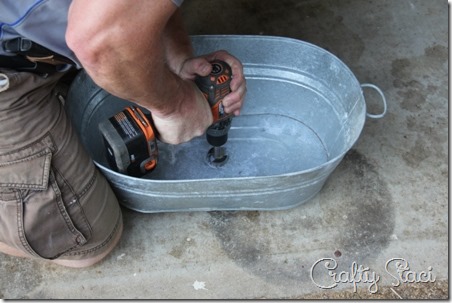
A- To puncture a hole in the כלי.

Image result for drilling hole in tub

We discussed the various opinions as to the size of the hole. See ahead the Mechaber and Ramo.

B- To affix the כלי to the ground or to do something that shows that this כלי will no longer be used as a כלי. Such as patching the hole with cement.

Image result for prefab pool with hole

2- We learned the Reb Akiva Eiger (see  10 פתחי תשובה ) that discusses the case of a box that was placed into a river. The process was to first puncture the box, thereby being מבטל  the כלי. Afterwards, the hole would be plugged and filled with hot water. Prior to the tevila, the plug would be pulled out.

We will study this more in detail IY”H in the upcoming shiurim.

3- Here is the Machaber, Ramo, Shach and Taz.

Mechaber 7

The Mechaber now sets forth the parameters of what constitutes a vessel invalidating a Mikvah:

הלוקח כלי גדול, כגון חבית גדולה או עריבה גדולה, ונקבו נקב המטהרו – One who takes a large vessel, such as a large barrel or a large trough, and makes in it a hole that “purifies” it.   וקבעו בארץ ועשהו מקוה, ה”ז כשר – And affixes it in the ground and makes it into a mikvah, it is kosher.

(וי”א דבעינן נקב כִשְׁפוֹפֶרֶת הַנּוֹד (טור והרא”ש בתשובה) וכן יש להחמיר)  – And there are those that say that we are referring to a hole the size of a tube of a flask – size of two fingers), and so one should be stringent).

וכן אם פקק הנקב בסיד ובבנין, אינו פוסל והמים הנקוים בתוכו מקוה – כשר – In addition, if the hole is filled with lime and building stones, it does not invalidate it and the water that pools inside it is a kosher mikvah.

 סתמו בסיד או בגפסית, עדיין הוא פוסל את המקוה עד שיקבענו בארץ או יבנה – However, if one clogs the hole with lime and plaster, it invalidates the mikvah, as it is now not considered to be a hole. Unless it is affixed in the ground or building.

 ואם הוליכו על גבי הארץ ועל גבי הסיד, ומירח בטיט מן הצדדין, ה”ז כשר – And if it was dragged along the ground and on lime, and it was smeared by pitch along the sides, it is kosher.

הגה

מותר לעשותו על הגג, ובלבד שלא יהיה תוך כלי או אבן אחת שחקקו ולבסוף קבעו, אבל חבור אבנים הרבה לא מקרי כלי (תשובת הרשב”א סימן ת”ת) – One may place it on the roof, on the condition that it not be in a vessel or a single stone which was first hollowed out and only afterwards affixed there, but a combination of many attached stones is not considered a vessel.

——

ש”ך

:כה) בסיד ובבנין כו

כלומר תרתי בעינן חדא שיהא ניקב נקב המטהרו ועוד צריך שיקבע בארץ  – Meaning, the vessel is valid as a mikah if it fills both criteria. One, by making a hole that “purifies” it. Two by attaching it to the ground.   או שיהא בו הוכחה שהוא דבר של בנין ולא דבר של כלי – Or if the vessel has clear proof, it is obvious, that it is part of the building, and not a vessel.

ומ”ה אם פקקו בסיד ובבנין כלומר בצרורות וכיוצא בהן כעין בנין לא חשיב כלי כלל ולפיכך אינו פוסל את המקוה – Therefore, if the hole is filled with lime and building – meaning stones and similar object, thus making it as if it’s part of the building; it is not considered it a vessel. And thus, does not invalidate the mikvah.   כלומר שהמים שבתוכו יחשבו מים שאובים – Meaning that we don’t consider the water inside the vessel as drawn water. As שאובים invalidates a mikvah. וה”ה דכשר לטבול בוAnd one is allowed to immerse in it.

Image result for cement with gravel

אבל כשנסתמו בסיד או בגפסית לבד – However, when if one clogs the hole with lime and plaster alone, without the stones  כיון דאין דרך בנין באלו לבדם בלא אבנים או צרורות – Since it is unusual for these materials to be used for building without stones   עדיין שם כלי עליו ופוסל את המקוה – It is still called, considered, a vessel and it invalidates it as a Mikvah.  וכ”ש שאסור להטביל בתוכו –  And of course one is not allowed to immerse in it.

ובתר הכי קאמר דאע”פ שלא קבעו בארץ דהיינו קבורה בארץ וגם לא בנאו אלא שהושיבו על הארץ ומירחו כשר – And afterwards the Mechaber goes on the explain – That although one did not affix it to the ground. Meaning, that not only one did not dig/bury it into the ground, and in addition, one did not build it into the ground; Rather, they just placed it on the ground and plastered it – it is valid as a kosher mikvah.

Image result for plaster

Plaster

אפי’ הושיבו ע”ג סיד וגפסית כיון שהסיד וגפסית על הארץ הם עומדין כארעא סמיכתא דמיא – And even in a case where one laid the vessel on lime or plaster on top the ground, because the lime and plaster and on the ground, it’s as if the vessel is itself on the ground. – And would thus be valid.

וכל שמירח הצדדים בטיט חשיב כקבוע וכשר ב”י – Thus is the opinion of the B”Y, that anytime the vessel was smeared by pitch along the sides it is as if it’s connect to the ground itself. And –  it is kosher.

Image result for smear\ with tar

אבל הרא”ש והר”ש והרשב”א יש להם שטה אחרת בפירוש סיד וגפסית ומביאם ב”י וכתבו הט”ו לקמן סעיף מ’ ע”ש: – However, the רא”ש והר”ש והרשב”א have a different opinion on explaining the meaning of lime and plaster and the B”Y brings them down.  

—-

ט”ז

ט) נקב המטהרו.

פי’ שע”י נקב כזה נתבטל שם כלי ממנו ואינו מקבל טומאה – Meaning that with a whole of this size the name vessel it loses its definition as a vessel and it does not become impure.

Related image

ושיעורו הוא כמוציא זית והוא פחות משפופרת הנוד ועי’ בסעיף מ’ דין נקב בצדיו – And its measurement is like a perforation with a hole large enough for an olive to emerge. Which is less than a vat spout hole.


Mikvaos, Siman 201 Shiur 4 – 01/15/2019

BS”D

Shiur 4

1- We concluded Seif 4 regarding concerning a Mikvah that a gentile has the key to and can change the water at his own will.

2- We began to learn Seif 5.

סעיף ה

The Mechaber first establishes that all oceans have a Din of a מעין, meaning that they are valid even when flowing.

כל הימים יש להם דין מעיין לטהר בזחילה –

All the seas have the same rule of a spring to purify in zochalin-running water

He then discusses detached waves and states two cases of a wave that detached itself from the ocean.

1- A person (or כלי) is standing on the beach, a wave detaches itself and lands on the ground covering the person.

Image result for tsunami wave

2- A case of toveling inside a wave that is still in the air, prior to landing on the ground:

Case 1- הילכך גל שנתלש מהים ובו ארבעים סאה ונפלו על האדם או על הכלים, עלתה להם טבילה –

Therefore a wave that detaches from the sea and it has 40 seah and it fell on a person or on vessels, their immersion is valid.

Case 2- . אבל אם הטביל בגל כשהוא באויר, קודם שיפול על הארץ

או שזרק כלים באמצעית הגל שהוא עשוי ככיפה אע”פ שיש בו ארבעים סאה לא עלתה להם טבילה

However, if they immersed in a wave that was in the air, before it fell onto the ground   – even though it had in it 40 seah  , – or if one throws vessels into the middle of a wave that is formed as a detached canopy, the immersion is invalid.

Image result for surfer flying

3- We concentrated on Case 1 where it says “Therefore a wave that detaches from the sea and it has 40 seah and it fell on a person or on vessels, their immersion is valid”.

According to all opinions a drop of water from a  מעין is sufficient for כלים to make them טהור.  According to others, even for a person a כל שהוא  of a מעין is sufficient (ט”ז סעיף א).

Visual Concept Graphic Design by Mucu - Pure Water Drop Wallpaper 7

The obvious question then is, why is there a need for this wave to contain 40 seah? If an ocean has the Din of a מעין (and זוחלין is OK, as we see with this wave which is indeed זוחלין) then even less than 40 seah should be sufficient. For כלים at least and according to others, even for a human.  (‘גר”א סעיף א, ו’)

4- We read the text of the ט”ז and the ש”ך and their different answers on the above question.

ט”ז – Although water from a מעין is מטהר בכל שהוא, nevertheless it has to cover the entire body. [meaning that a small person can do with less than 40 seah]. The amount calculated by the חכמים for the average person is 40 seah. Therefore the מחבר chooses to state 40 seah.

ש”ך- The law that a מעין is מטהר בכל שהוא, is only when the water flowing from the מעין is attached to the מעין. A wave, since it is detached, although it has the characteristics of a מעין  in regards to זוחלין , it needs 40 full seah.

Puddle on the Beach Wallpaper


5- More on this topic and the Tzemach Tzedek of this YI”H next shiur.

6- Concerning case 2 – Rashi says the reason is because – שלא אמרה תורה מקוה של אויר לטבילה.  A Mikva cannot be in the air.


Mikvaos, Siman 201 Shiur 3 – 01/01/2019

BS”D

Shiur 3

1- We learned the Ta”z in סעיף ב  that answers the perplexing question we discussed last week.

See below the entire Ta”z as translated by Dani. Our thanks to him.

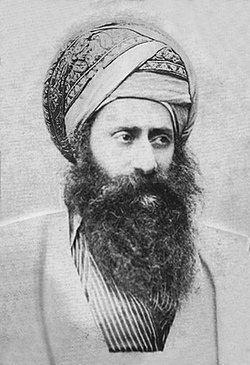
3- We discussed the חיד”א and his Sefer on Shulchan Aruch called ברכי יוסף.

Related image

The Chida

Here is a great article on him.

We also mentioned his amazing work שם הגדולים  – see inside here.

The Chida’s note we discussed concerned a Mikvah that was housed inside a steam bath house. The Mikvah was losing an inch or two of water every day. Suspecting a leak, they emptied the water and checked for a hole or a crack and found none. The Chida quotes sources that one can rely that the steam and humidity inside the Mikvah building was causing the water to evaporate on a daily basis.
Related image

4- We related the story of the yungerman whose כוס של אליהו , to his children’s amazement was very slowly being emptied.

Image result for wine glass nearly empty

…Eliyahu was here.

We spoke about the story of the Guter Yid that was crying during davening and arouse his chassidim to Teshuva. Turns out he wasn’t crying due to his תפילה but because he was simply in pain due to a medical condition.

Was their teshuva valid?………

5- We began to learn the תיקוני מקוה of the Alter Rebbe where he begins that the Mikvah should never have a water level (even if there is 40 סאה) lower than about 9” above the navel. That  ensures that the person טובל is complete immersed in the water even if he just bends down at the waist.

Related image

Mikveh in Gerona, Spain


——————————–

ט”ז ס”ק ג.

Thank you Dani Chitrik.

free translation

ואם רבו הנוטפין על הזוחלין כו’. – but if the quantity of the rain water is greater than the flowing [spring] water, and similarly if the quantity of rain water is greater than the river water it does not purify as flowing water.

Preface: In general,זוחלין  is water that is not still i.e. moving[1]. אשבורן means gathered in one place i.e. in a pit or hole.

  1. A mikvah of rainwater can only be metaher if it’s אשבורן, if it’s זוחלין it’s invalid. This is derived in Toras Kohanim[2] from the verse אַךְ מַעְיָן וּבוֹר מִקְוֵה מַיִם – Only a spring or a put or a gathering of water, shal be Tahor. The word אַךְ comes to exclude a הקיש- connection between a mikvah and a מַעְיָן – that only a well or river are kosher when they are זוחלין , whereas a mikvah of rain water is only kosher when it is באשבורן.

Hence a ma’ayan is effective even though it is running water (zochalin), whereas a mikvah’s waters must be stationary (ashboren).

  1. There is a dispute amongst the תנאים‎ whether large amount of rain makes a river invalid. The reason to פסל  it is because the river is now a majority rainwater and would hence need to be אשבורן (ר”ח רמב”ם and   ראב”ד מהר”ם hold that this is the halacha).

On the other hand, if a river increases from its own bedrock during the rainy season and its own water is the majority water [‘it’s bedrock’ added the new water] it would therefore be kosher even while זוחלין . (ר”ת סמ”ג א”ז  and מהרי”ק סמ”ק are more lenient with this opinion lehalacha)

  1. שאובין is drawn water, it is invalid for a Mikvah.
  2. One can convert שאובין into Kosher mikvah water through processes mentioned bellow. One can only convert זוחלין  into אשבורן by trapping the water into a single place/hole.

The Taz discusses a question regarding the ruling of trickling or rainwater invalidating a river:

כתוב בת”ה סי’ רנ”ד  – The Terumas Hadehsen Writes in his responsa in Siman 254   שמעתי מקשים  – I’ve heard it asked, people have asked this question מאי שנא נוטפין דפסלי זוחלין ברבייתן   – Why is it that when rainwater, which is valid water for a mikvah, drips into a river it invalidates it as running water when it becomes the majority     ומפקי’ להו מתורת זוחליןAnd it thus removes it from being a permissible running water mikvah, and is invalid unless it is gathered  

באשבורן  ומים שאובי’ דפסלי המקוה לגמרי   – Yet, drawn water which completely

invalidates a mikvah   ואפ”ה אם היה כבר מקוה של מ’ סאה ונפלו לתוכה – a Mikvah of 40 Saah and the drawn water falls into it    אפי’ אלף סאין שאובין בבת אחת לא יפסלוהוEven if it’s volume of drawn water is a thousand,  and poured at one time, it does not nullify it making it invalid,    כמ”ש בסימן זה סעיף ט”ו במקוה ובמעיין אפי’ כל שהואAs in mentioned later on in the Seif סעיף ט”ו regarding a mikvah which is 40 Saah or any size well; that one may pour any amount of drawn water into them and they are kosher, even though the quantity is greater than the water originally in there.

The Taz answers:

ותירץ שם בת”ה – The Teumas Hadeshen answers there    דכתב הרא”ש דהטעםQuoting the reasoning from the Rosh that:  שאין שאובין פוסלין המקוה דהוי כאילו נזרעו בתוכהSheuvin, drawn water does not invalidate a mikvah because it is as if it was implanted into it. Once the Sheuvin touches the water of the mikvah it is transformed into kosher mikvah water through a process called Zeri’ah [3] (or Hashakah)[4]     והרי הם כמחוברים וכשרים – And it’s as if they are connected and Kosher    ע”כ ניחא הקושיא – And the question is answered. דעיקר פסול שאובין

הוא דהויין כתלושין ע”י אדםBecause the invalidity of drawn water is because it was affected and detached through a human, not through nature such as rainwater    ולכך מהני בהו זריעה ויתחשבו מחוברים  – And therefore, once it goes through Zeri’ah it’s now considered combined with the kosher Mikvah water and is thus valid אבל פסול דנוטפים שאינם מטהרים בזחילה אינו מטעם שהם תלושים However the invalidity of rain water is not because it’s detached, באשבורן    דהא מקוה שלימה מנוטפים כשרה ואפ”ה אין מטהרים ע”י זחילהFor as We see that a full Mikvah of rainwater is kosher, but not when it  is zochalin   הלכך לא מהני בהו זריעה שנזרעו במי’ זוחלין  Therefore the principal of Zeri’ah would not help when it is implanted into זוחלין water  דלא מהני אלא לשוויי תלוש למחובר ע”כ – As it only helps in situations of connecting detached water to attached water:

The Taz brings a different answer from him Father in Law[5]

ומו”ח ז”ל תירץ קושיא דת”ה And my father in law answered the question of the Terumas Hadehs דשאני שאובין שהם כשרים מן התורה  – By answering that, drawn water is different than, נוטפין, because biblically drawn water is kosher, whereas נוטפין is invalid biblically כמבואר לקמן בסי’ זה   As is mentioned later on in this Siman  משא”כ בפסול נוטפין שהוא מן התורה – whereas נוטפין is biblically invalid  

The Taz questions both answers, by raising a general objection:

ותמיה לי אהנך תירוצים I question these answers    דהא בהדיא תנן בפ”ה דמקואות מעיין שהוא משוך כנדל והמשיכו הרי הוא כמו שהיה- For as it states in the fifth chapter of Mikvaos that water from a well which are conducted into channels [radiating like the feet of a centipede], if one added upon it and it continued flowing, it is thereby still as it was   וזה קאי אנוטפין שריבה בו המעיין  – And this addition that the Mishnah mentions is relating to rain water that was added    כמ”ש ב”י בשם הר”ן כאן וגם הראב”ד שנביאנו בסמוך –  As the Beis Yosef writes in the name of the Ran and the Rava”d that will be brought down shortly א”כ חזינן דאף בנוטפין מהני הכשר המעיין – Thus we see that even adding trickling or rainwater the ma’ayan validates the water.

The Taz now specifically questions the answer from the Terumas Hadehsen:

ומלבד זה ג”כAnd besides for the above general objection   תמיה לי מה חילוק בין זה לזה – I am perplexed as to the difference between one and the other מה לי שהתלוש נעשה ע”י זה כמחובר או המחובר נעשה מחובר כמוהו  – What does it matter if detached drawn water converts into non-drawn water by connecting through Zeri’ah, or if connected rain water becomes valid by connecting to kosher זוחלין  water, thus becoming like kosher connected water just like it.

The Taz concludes and answers:

ונלע”ד לכאורה דקושיא מעיקרא ליתא דהא כתב בית יוסף בשם הראב”ד– It seems to me that there is no question at all as is seen from what the Beis Yosef writes in the name of the Ravad (who is meikel as mentioned above preface 2)   (paragraph starting ובמה שרצה מהרי”ק  ד”ה.)

The Taz first explains a contradiction from the Ravad:

שהקשה ממתני’ דנדל שזכרתי –  On which he asked from the Mishnah of the centipede mentioned earlier דמשמע אף אם ריבה נוטפין   על הזוחלין כשר -From which it seems that even if he added dripping water to זוחלין it is nonetheless kosher   אהא דאמרינן בנהר פרת שמא ירבו הנוטפין על הזוחלין דש”מ דרבוי נוטפין פוסל והא פרת מעיין משוך הואOn this that the Gemara mentions that women should not immerse in the Pras river the winter months because there may be more נוטפין than זוחלין – we thus see that dripping water to זוחלין is invalid, although it’s a mayan of moving water.       

The Taz explains the answers to the contradiction from the Ravad:

ותירץ

דנהר פרת כשמגיע לבבל הוא כלה בקיץAnd the Ravad answers, this that the Gemara mentions that women should not immerse in the Pras river the winter months, is specifically talking about the Pras river when it reaches bavel. Since, when the water from the Pras river reaches Bavel  it completely stops in the summer months it’s not connected anymore to the main river and it hence is now considered ashboren!   ובימות הגשמים הגשמים רבין עליו וממשיכין אותו  – and in the winter months when the rain builds up these dry rivers and builds them up ע”כ הוה כאילו היה המעיין עומד ואינו זוחל  – And it is therefore as if the mayan is standing and not moving ashboren דאיתא בסיפא דמתני’ דנדל דבזה כשריבה נוטפין אינו מטהר בזחילה  – Where it is mentioned in the latter part of the Mishna of the centipede that when there is more dripping water than river water it does not purify when it is zochalin  ומזה דן הראב”ד דבכל הנהרות שמתמעטים בקיץ ובימות הגשמים מושכין ועושין נחלים אילך ואילך דשם לא מטהרים בזוחלין  – And it is from here that the Ravad ruled that all rivers which diminish and decrease in the summer months, yet in the winter they expand into many streams, one does not purify themselves in them, however in a situation where the Mayan waters a relatively constant throughout the year one would be allowed to immerse even if the dripping or rainwater increased the Mayan in size  וא”כ אין כאן קושיא של ת”ה דבאמת אי הוה מעיקרא כאן זוחלין ועכשיו נתרבו שם נוטפין ה”נ דמהני כיון שמעיין מושך הוא  – And therefore there is no question from the Terumas Hadeshen,  since if it was a valid mikvah/Mayan that was זוחלין and is now built up with dripping or rain water it would still be valid because it was always a flowing river.

The Taz raises another question:

אלא דקשה עדיין ממה דאיתא בסעיף ח’  – However there is still a question regarding that which is written in Seif 8  חוצה לו מותר מטעם שהמים המועטין מטהרין הפסולין המרובים כמו שכתבתי שם בשם הרא”ש  – if a river leaks onto the edge of a vessel and into it, one may not immerse inside the vessel; but outside of it, – one is allowed to immerse in the water once it drips from the river into the vessel then again drips outside the vessel, because of the reasoning explained there that the small amount of valid water on the edge of the vessel validates the invalid water in the vessel, which therefore make the water leaving the vessel valid water. This is because they are connected directly to the spring through the water on the edge of the vessel. However, this would not be the case if there was a disconnect in the water, i.e. spring trickles into the vessel. וכן מסעיף י’ מעיין שהמשיכו לבריכה שיש בה נוטפין דחשוב כמעיין ואמאי לא נימא גם כאן שהזוחלין יטהרו הנוטפין  – And also in Seif 10 A spring that ran into a pool of water that is pooled and standing still, has the rule of a spring, but if the head of the trickle has stopped, it returns to having the rules of a mikvah; but if the trickle of the spring returns and continues into it, it returns to having the rules of a spring. In both of these case why don’t we say here as well that the זוחלין validates the נוטפין.

The Taz answers:

ואחר העיון נ”ל לתרץ  – After much deliberation it the answer seems to meדהכא פסול מטעמא דחיישינן שהפשרת שלגים וגשמים יורדין ממקום גבוה שאצל שפת הנהר  – That זוחלין does not validate the נוטפין because we are worried that when the snow and rain melts it falls from high places near the edge of the river, but not directly from the actual river  ובזה אין חבור דקי”ל קטפרס אינו חבור  – And in this case it is not considered connected as we hold the Halacha is that water falling vertically isn’t considered connected, it must be connected horizontally or directly   וא“כ חיישינן שמא תטבול באותו מקום מדרון ושם אין חיבור להזוחלין הנמשכים למטה מן המעיין ונמצא שטובלת במקום פסול בזוחלין – And therefore, we are worried lest she might immerse in that specific place of the slope where there is no connection to the זוחלין which are bellow it in the river and she is thus immersing in a place that is invalid for זוחלין ויש ראיה לזה ממ”ש המרדכי הלכות נדה – And there is proof for this from what the Mordechai  write in Hilchos Niddah   וז”ל  – And these are his words    ראבי”ה הקשה היאך טובלין – Ravya”h asked how  is it permissible to immerse בנהר והלא קטפרס דרך ירידתו אינו חבור  – In a river, for a slope of water falling vertically isn’t considered connected a connection and should thus be invalid because it’s זוחלין   וי”ל דוקא למעלה אין לטבול כו’ עכ”ל – And he answers that specifically above one should not immerse.  We are not worried about a slope of vertical fall of water when one is immersing in the actual river bed, however if there is a disconnect or something similar one should be careful not to immerse there. ע”כ הכא נמי יש חשש שמא למעלה הוה כולו מי גשמים ולא מהני חבור דלמטה למי שטובל למעלה – So too here, we are worried that above it is all rain water and the connection does not help in the situation when one immerses above the riverbed.


[1] חֲמַת זֹחֲלֵי עָפָר  – דברים לב כד – venom of crawling things of the dust.

[2] תורת כהנים שמיני ט

[3] This term literally means “planting.” Conceptually, the water is replanted into a body of natural water, thus removing its status as mayim she’uvim, just as a seed achieves a new status when it is planted in the ground.

[4] Hashakah (literally, “kissing”) means that two bodies of water can become one entity by their waters meeting each other. For example, if the waters of a valid mikvah touch the waters of an adjacent pool of tap water, this “kiss” unites them as one body.

[5] Rabbi Yoel Sirkes, known as the BaCH
 

Mikvaos, Siman 201 Shiur 2 – 12/25/18

BS”D

Shiur 2

1- We learned סעיף ב where the topic of using a river or  זוחלין as a Mikvah is discussed.

Image result for nile river

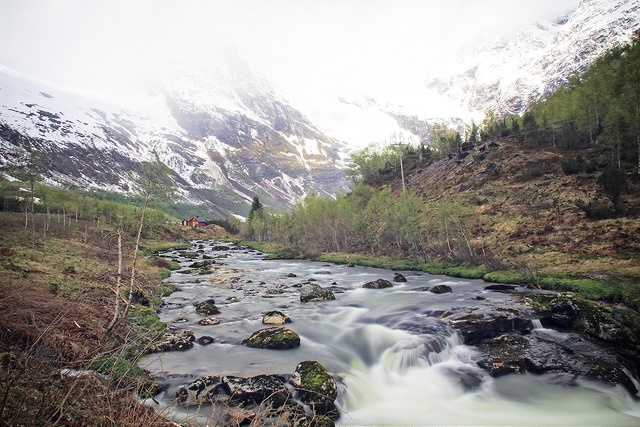
In theory at least, there is no issue in a river being considered a proper place for טבילה. Although the water is flowing, since the source of a river is from a ‘well’ or underground water, the fact that it is flowing is not a problem.

That is because ‘well water can be used even if flowing’.

מי מעיין מטהרין אף בזוחלין

The waters of a spring purify even if they are flowing. They don’t need to confined to one space ( זוחלין נמשכים והולכים ואינן מכונסים)the meaning of  זוחלין “flowing” is, continually flowing and moving and are not gathered together.  

2- Rainwater that is flowing cannot be used.

Image result for flowing rainwater

מי גשמים אין מטהרין אלא באשבורן

Rain water does not purify unless it is in an “ashboren”. It needs to be limited to one space   (פירוש מקום עמוק שמתכנסים בו המים ונקרא אשבורן) (that is, a deep place in which water can collect: called ashboren).

3- Thank you to Yankee Teitelbaum who sent this link showing a flash river from rainwater.

https://www.youtube.com/watch?v=S02RRTlWDPM

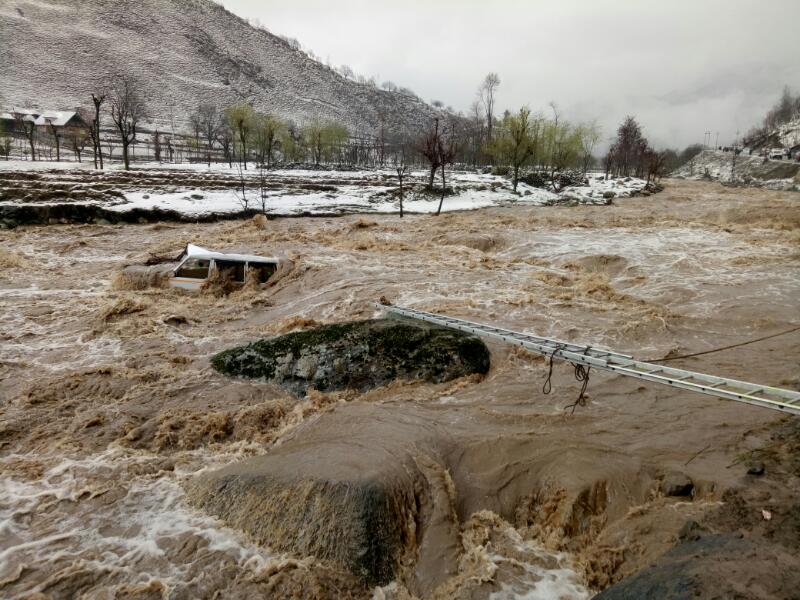
Water flowing from a flash flood due to a strong rainfall would not be כשר  to use.

4- So what is the issue with using a river? During the rain season or in the spring when the snow begins to melt the river size increases due to the rain water.

Image result for spring snowmelt mountain floods

So no we have a mixture; rain water with well water. Thus, when one uses the river is he  טובל in the original river/well water (no issue despite the water flowing, as above) or in the newly added rain water (which is not כשר unless it’s stationary in a מקוה).

The problem is if the rain water volume is greater than the original volume of the river.

Image result for river in flood

5- In short- the מחבר – Shulchan Aruch prohibits using a river during the rain season. The Rama says that the Minhag is in many places to use it if there is no other proper mikvah.   

The Rama:

אבל יש מתירים לטבול בנהרות כל השנה, אף בשעת הגשמים והפשרת שלגים ורבו הנוטפים על הזוחלין, משום דעיקר גידול הנהר הוא ממקום מקורו (טור בשם ר”ת וב”י בשם רש”י וסה”ת וסמ”ג); –

However, there are those that permit immersing in rivers all year long, even during the rainy season and the times when the snow is melting – and thus the majority is notfim rainwater rather than the flowing spring water, because the main part of the growth of a river is from its original source flowing from a spring. Even though it would ostensibly seem like the rainwater is causing the river to overflow or rise, it is nonetheless considered part of the river water.

וכן נהגו ברוב המקומות במקום שאין מקוה, – and so is the custom in the majority of places that do not have a mikvah to immerse in the river year round, even during the winter months,    ואין למחות ביד הנוהגין להקל כי יש להם על מי שיסמוכוand one should not object to those that have the custom to be lenient because they have whom to rely on. (מהרי”ק ובת”ה שם ומהרי”ו סימן ע’ וב”ז סימן קנ”ד).

Image result for russian with beard in icy river

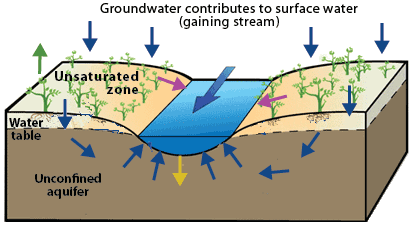
5- We read the Sha”ch that quotes the Gemara that the increase in volume of a river during the rain season is primarily from the swelling groundwater. So basically, most of this new water volume is from well sources.

Image result for groundwater to river


Mikvaos, Siman 201 Shiur 1 – 12/18/18

B”S”D

Shiur 1 –Mikvaos, Siman 201

הלכות מקואות  יורה דעה רא

1- We began with the first סעיף.

אין האשה עולה מטומאתה ברחיצה במרחץ A woman does not leave her status of [ritual]  impurity through washing in a bath,    ואפילו עלו עליה כל מימות שבעולםeven if all of the waters in the world went over her,   עדיין היא בטומאתה she nonetheless remains in her status of impurity.    – וחייבים עליה כרת and one would be liable for Karet for [cohabiting with] her.   עד שתטבול כל גופה בבת אחת במי מקוה או מעיין שיש בהם ארבעים סאהuntil she immerses her entire body at once in the waters of a mikvah or a spring which contains 40 seah. (About 100 gallons) of water.

Image result for 100 gallons

100 gallon tank

We read the TAZ that says that for טבילת כלים in a מעין  even a drop of water is sufficient. Provided of course that the water covers the entire utensil.

עיינות ענר

2- We read the ש”ך who writes that the consensus is that the only time only a מעין will work is for a זב.

There are other opinion that a woman זבה also needs a מעין. But the Halachah is as the ש”ך writes.

3- We mentioned the Pupa Mikvah in Williamsburg as one that is actually connected to a מעין.

Image result for Well water


4- Surprisingly, the Alter Rebbe in Likutei Torah Bamidbar 42b writes:

וכן  לנדה וזבה טהרתן במים חיים דוקא וכן אמרו רז”ל מעין מטהר בכל שהוא

The Rebbe, in his notes published at the end of the LT,  points out that the AR’s explanation ,עפ”י חסידות , follows the opinion of the Zohar, many of the Geonim,  Rashi’s teachers and many others. 

5- We learned the Gra (6) and the interesting take about fish being able to swim underground into a river.

Image result for underground fish

This is from 1750 +- meaning that they had scientists tagging fish with ‘silver rings’ and finding them miles away!

Image result for tagged fish with rings

IY”H more on all the above in the following weeks.


Shiur 11/13/18 – Beitza 39b

BS”D

Beitza 39b

1-  The Mishnah discusses the Techum limitation of water drawn from the wells:

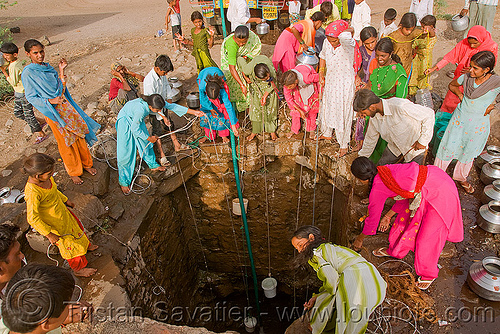
Image result for drawing well water

A- Private wells. – If the owner draws water from his own well, the water assumes his Techum.

B Communal wells. – A city dweller that draws water from this well, the water assumes the Techum to where all the city dwellers can go to.

Image result for communal well

C- Wells that were dug by “the people who came back from Bavel”.  Water drawn is limited to the Techum of the one that draws it. Once the water is drawn, it locks in his Techum. If he gives the water to another, the Techum remains as it was.

2- The Gemara discusses the status of water drawn from a well that was dug  by  the people who came back from Bavel by one person on behalf of another.

R’ Nachman and R’ Sheishes disagree about the status of water drawn by one person for another.

According to R’ Nachman the water is limited to the Techum of the person for whom the water is drawn whereas according to R’ Sheishes it is limited to the techum of the one who drew the water.

The Gemara explains that the point of dispute is whether the water in these wells is owner less הפקר or collectively owned by all Jews שותפות.

Image result for no benefits

3- The Gemara introduces the idea of ‘a vow not allowing another person to have הנאה from your assets’.

We discussed the story written in the Mishna in נדרים.

In short: This fellow made a vow that his father should not derive any benefit from him. Now he wanted to invite his father to his own son’s wedding.  So he ‘gave away’ the wedding food to his friend so that his father would be able to attend and eat.

This friend, having ‘received’ the wedding food, was מקדיש the entire meal! So the son tells him ‘that’s not what I gave it to you for’!

So the Chachomim ruled that indeed, it seems that the entire ‘transaction’ was not done in good faith since it was just for the purpose of bypassing the vow and thus invalid.

Yankel Koralyzki asked a good question: When gifting an Esrog with מתנה על מנת להחזיר the receiver cannot be מקדיש it either. SO how is it considered a true gift and becomes לכם of the receiver.

The Ran and Tsofos in Nedorim ask and answer this question.

Here it is from Sefaria.

MISHNA: With regard to one who is prohibited by a vow from deriving benefit from another and he does not have anything to eat, the other may give the food to someone else as a gift and he is then permitted to eat it.

The mishna recounts: An incident occurred involving someone in the city of Beit Ḥoron whose father had vowed not to derive benefit from him, and the son was marrying off his own son and wanted his father to be able to participate in the wedding meal. And he therefore said to another: The courtyard where the wedding will take place and the wedding meal are given before you as a gift, but only so that my father will come and eat with us at the meal.

The recipient said: If they are mine, they are all hereby consecrated to Heaven, i.e., the Temple, and are forbidden to everyone. The son said to him in anger: And did I give you my property so that you should consecrate it to Heaven? He, the recipient, said to him: You gave me your property only so that you and your father would eat and drink and thereby appease each other, and the sin of transgressing the vow would be hung on his, i.e., my, head, as I enabled the transgression. The Sages therefore said: Any gift that is not so absolute so that if the recipient were to consecrate the gift it would be consecrated, is not a gift. In other words, in order for it to be a gift, the recipient must have the ability to consecrate it.


4- Since we were discussing the concept of a partnership in some communal wells, we spoke about the idea of a Société anonyme , LLC or a Corporation. That is a fairly new concept of ownership (late 1700’s) where an entity has partners but the real owner is the non-human company.  

There are many opinions as to the Halachic status of these entities are they pertain to many שאלות

Is it considered an entity that owns some assets without real owners? Or is it basically a partnership but without liability from the shareholders? Or…perhaps since no-one owns it, Halachicly it is owner less!

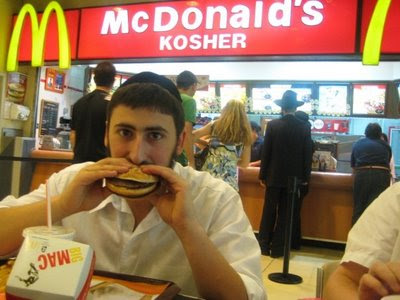
The questions arising: A corporation having חמץ in their possession. Who owns that חמץ? If it’s the shareholders, owning shares in McDonald’s poses an issue.

Image result for kosher mcdonalds

What about banks? Can one pay them interest on a loan if some shareholders are יהודים? As a shareholder, can you collect interest?

See here,  here for some opinions. Also here.

5-  We spoke about lighting a cigarette from a candle that is in front of an עבודה זרה.

Image result for buddha smoking

See Alter Rebbe here. 298, 8.


Shiur 11/06/18 Beitza 39a (2)

BS”D

Beitza 39a (2)

1- Carrying a flame on Shabbos is Potur.

How can one ‘carry a flame’ without it being attached to a match or coal?

Image result for flame

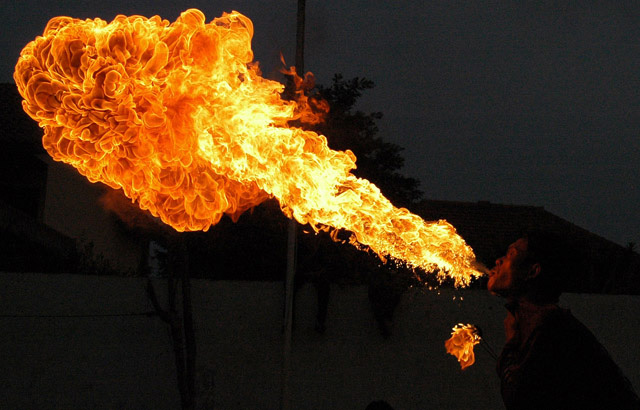
The Gemara suggests that it can be done by ‘blowing on the flame causing it to move from a Reshus HaYochid to a Reshus HoRabim’.

Image result for blowing fire

2- We spoke briefly about the argument in Bava Kama (22a) concerning the idea of fire as it pertains to paying damages.

אשו משום חיציו או משום ממונו,

Meaning that if someone ignites a fire and it travels into his neighbor’s property he is obviously required to pay. The question is the basis of his obligation: Is it like an arrow that one shoots and causes damages or is it like his ox that gores someone.

An arrow is directly associated with the shooter. An extension of his hand. One would thus be liable for נזק, צער, ריפוי, שבת, ובושת.

Related image

On the other hand an ox causing damage is one step removed from his owner and he would not be liable for all the above.

See this discussion.

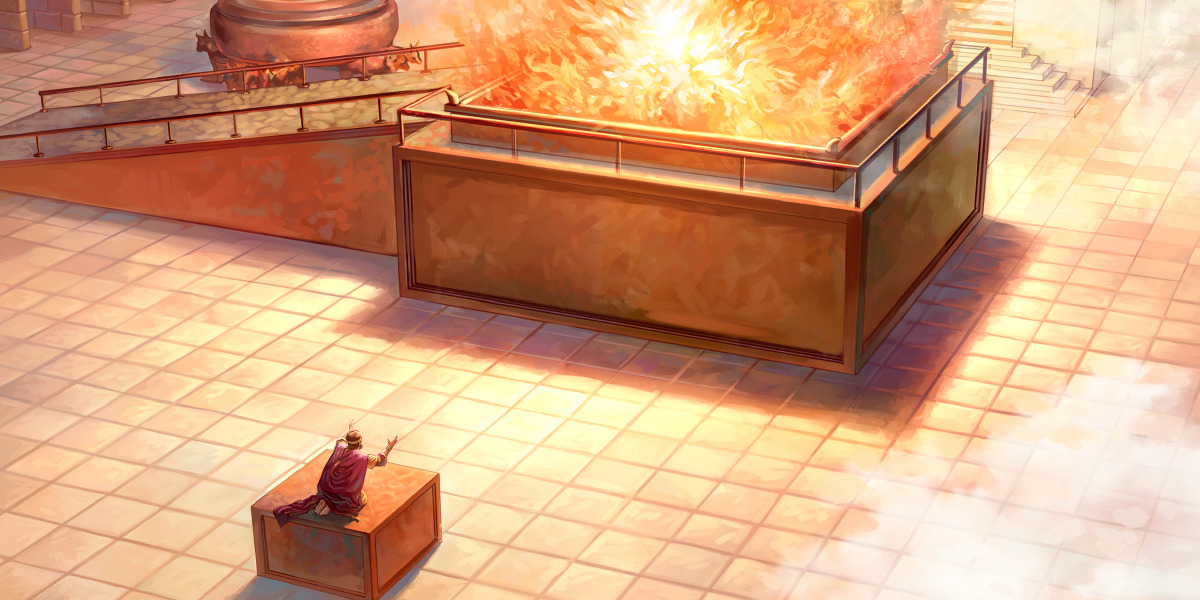
3- We mentioned that although our Gemara says that using a flame from  הקדש is not considered מעילה, nevertheless some say that the flame of the מזבח is indeed considered דבר שיש בו ממש.  Yuma 21,b. Tosfos Nedorim 10,b.

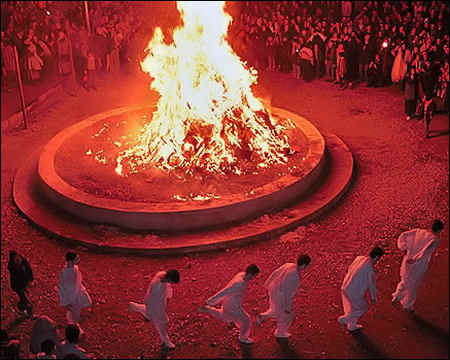
Image result for flame on the altar in temple

Stay tuned…more on using a flame of עבודה זרה next week. 

4- Moving on to water…

We mentioned the Halachah that one needs to make a ברכה on water only when thirsty. Water used to swallow medicine does not require a Brachah.


Image result for cold glass of water

When making an Eiruv ( תחומין או חצרות) one cannot use water as a ‘food’ since water, although crucial for survival, it is not considered something that nurtures the body. Ditto for salt.

5- We spoke about the Yerushalmi (Eiruvin 3,1) that states that water or salt cannot be used since ‘they are cursed’! Water from the מבול and salt from סדום.

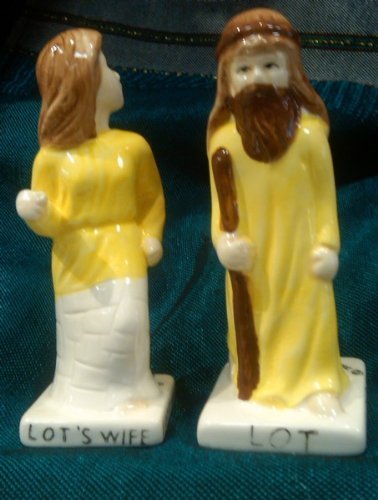
Image result for lots wife salt

Mentioned that Reb Yosef Engel writes about this. Berochos 44,a.

Story of the visitor to Reb Yosef: His wife tells the guest that Reb Yosef is sleeping. He pleaded with her to allow him to enter the bedroom ‘just to look at his face’. He noticed that despite Reb Yosef being asleep he was moving his hand and thumb  as if trying to explain a difficult concept!

Expressing amazement to his wife she replied: You mean to tell me that not all men do this…?

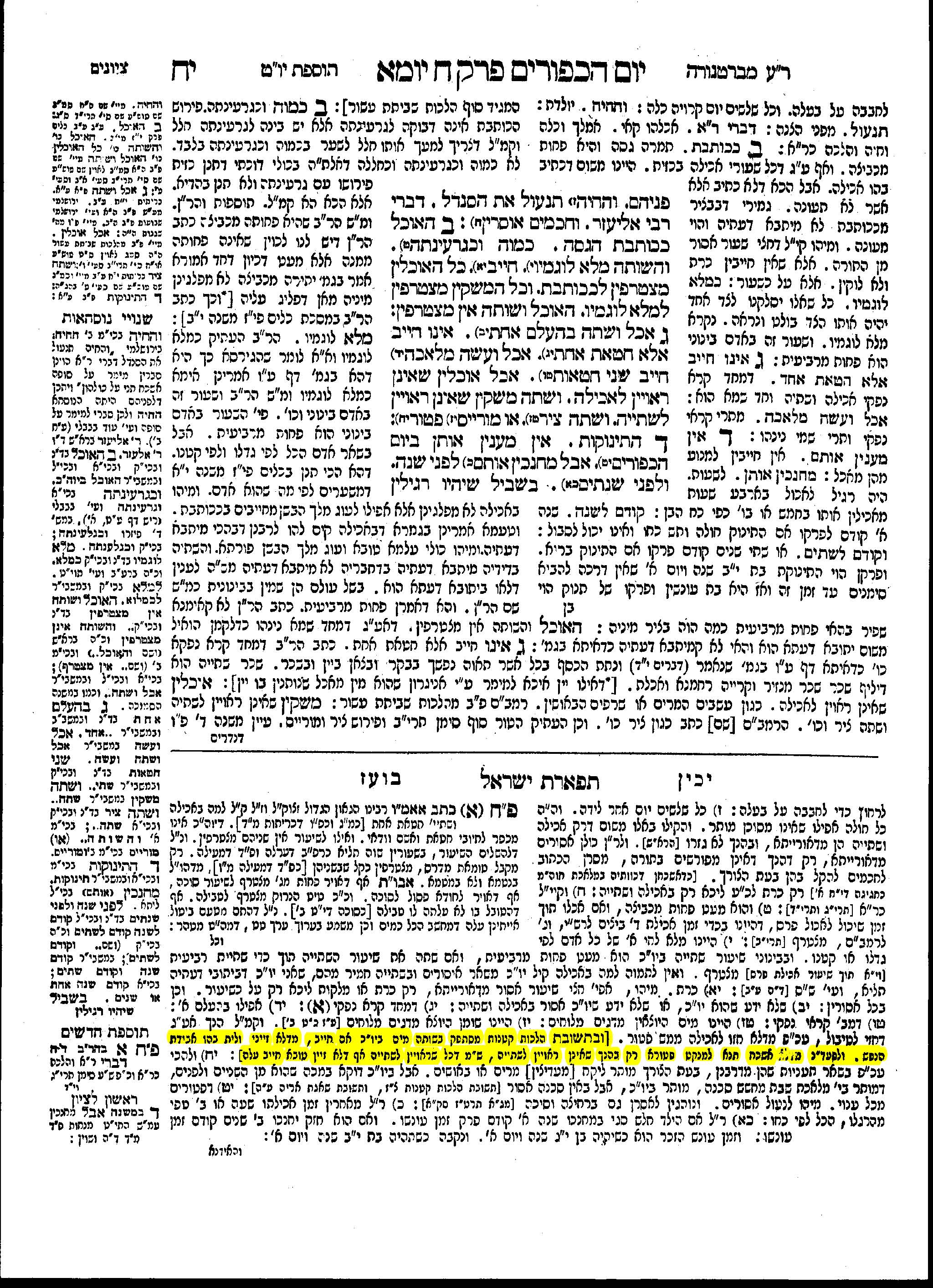
6- Speaking of water we mentioned the opinion of the הלכות קטנות that drinking water on Yom Kippur may not be an Issur כרת since it has no nutritional value. This is of course a minority opinion. See Tiferes Yisroel, Yuma 8, 1.

7- A few weeks ago we mentioned the port of Salonika which prior to WW2 was closed on Shabbos!

See here an interesting article about the Jews of this ancient city.


Shiur 10/30/2018 – Beitza 39a

BS”D

Beitza 39a

1- We concluded the Sugya of the definition of Techumin –  ממון או איסור.

2- The Gemara talks about דבר שיש לו מתירין .

Image result for hourglass

We mentioned the classic explanation of the Ran (Nedarim 52a).

We spoke in the past about the Ran when we learned Daf 3b:

http://www.shiurpoints.com/?p=462

http://www.hebrewbooks.org/shas.aspx?mesechta=16&daf=52&format=pdf>

The Ran in Nedarim (52a) explains that the reason why, normally, an item of Issur becomes annulled in a mixture with items of Heter is because when opposites combine they contrast against each other and annul (whichever one is the majority is Mevatel the one which is the minority). This is the mechanism behind the concept of Bitul. When like items combine they cannot be Mevatel each other because there is no contrast. 

Normally, when an item of Issur becomes mixed with Heter, one annuls the other. Even though the two items are the same type of food, they contrast because one is Asur and one is Mutar, and thus they are considered opposites. However, if an item is Asur now and will become Mutar later, it cannot become annulled when it falls into Heter because there is not enough opposition; it is as if the item of Isur (which will become Mutar later) is Mutar right now.

Image result for apples with apples


דהיינו טעמא משום דמין במינו לא בטיל לפי שכל דבר שהוא דומה לחבירו אינו

“מחלישו ומבטלו אלא מעמידו ומחזקו 

The Pnei Yehoshua has a totally different take on this.  Beitza 38a- ד”ה משום:

היינו משום דהוי כאילו הוכר האיסור ונסתלק משם היינו דוקא באיסור דתליא בטעמא

3- The Mishnah distinguishes between a burning coal and a flame. The  תחום of a piece of coal on Yom Tov is defined by the owner of the coal.

Related image

On the other hand a flame, since it is not tangible, is considered ownerless. Thus, one may light a match from someone’s flame on Yom Tov and move it away from the owners תחום into his own because ‘he didn’t take anything’.  

4- We discussed the same concept in regard to עבודה זרה. Can one use a flame from  עבודה זרה?

Related image

5- We mentioned Reb Yakov Chagiz. (1620–1674) See here. His famous Sefer is הלכות קטנות.

See here (2,41) where he writes something interesting.

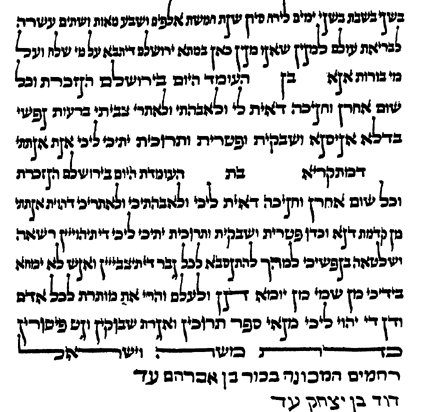
The Gemara (19a) says in Gittin that a man may divorce his wife by tattooing a גט on the hand of a slave he owns. He then gives the slave as a gift to his wife. Once she accepts……she is divorced…..since she received the גט……

Image result for ‫גט \‬‎

Now writes Reb Yakov Chagiz, if this slave walks out on Shabbos to the street….it is considered that he is carrying the גט. Although it is part of his body, nevertheless the fact that the owner wants this to be a proper גט  gives this importance.

He then refers to our Gemara that says that carrying a flame on Shabbos is not considered ‘carrying’. So why is the tattoo any different?

Image result for spiritual flame

He concludes that a flame is רוחניות! And one cannot prohibit the carrying of a flame.

How can one carry a flame with a match or coal?

Next week. BLN.