BSD
Shkolim 20a
Nisan 10, 5785 – 4/8/25
Short notes:
Due to the short time, here are some notes in Hebrew with links.
The topic was the גמרא פסחים סו, א.
תָּנוּ רַבָּנַן הֲלָכָה זוֹ נִתְעַלְּמָה מִבְּנֵי בְתִירָא פַּעַם אַחַת חָל אַרְבָּעָה עָשָׂר לִהְיוֹת בְּשַׁבָּת שָׁכְחוּ וְלֹא יָדְעוּ אִם פֶּסַח דּוֹחֶה אֶת הַשַּׁבָּת אִם לָאו אָמְרוּ כְּלוּם יֵשׁ אָדָם שֶׁיּוֹדֵעַ אִם פֶּסַח דּוֹחֶה אֶת הַשַּׁבָּת אִם לָאו אָמְרוּ לָהֶם אָדָם אֶחָד יֵשׁ שֶׁעָלָה מִבָּבֶל וְהִלֵּל הַבַּבְלִי שְׁמוֹ שֶׁשִּׁימֵּשׁ שְׁנֵי גְּדוֹלֵי הַדּוֹר שְׁמַעְיָה וְאַבְטַלְיוֹן וְיוֹדֵעַ אִם פֶּסַח דּוֹחֶה אֶת הַשַּׁבָּת אִם לָאו שָׁלְחוּ וְקָרְאוּ לוֹ אָמְרוּ לוֹ כְּלוּם אַתָּה יוֹדֵעַ אִם הַפֶּסַח דּוֹחֶה אֶת הַשַּׁבָּת אִם לָאו אָמַר לָהֶם וְכִי פֶּסַח אֶחָד יֵשׁ לָנוּ בַּשָּׁנָה שֶׁדּוֹחֶה אֶת הַשַּׁבָּת וַהֲלֹא הַרְבֵּה יוֹתֵר מִמָּאתַיִם פְּסָחִים יֵשׁ לָנוּ בַּשָּׁנָה שֶׁדּוֹחִין אֶת הַשַּׁבָּת.
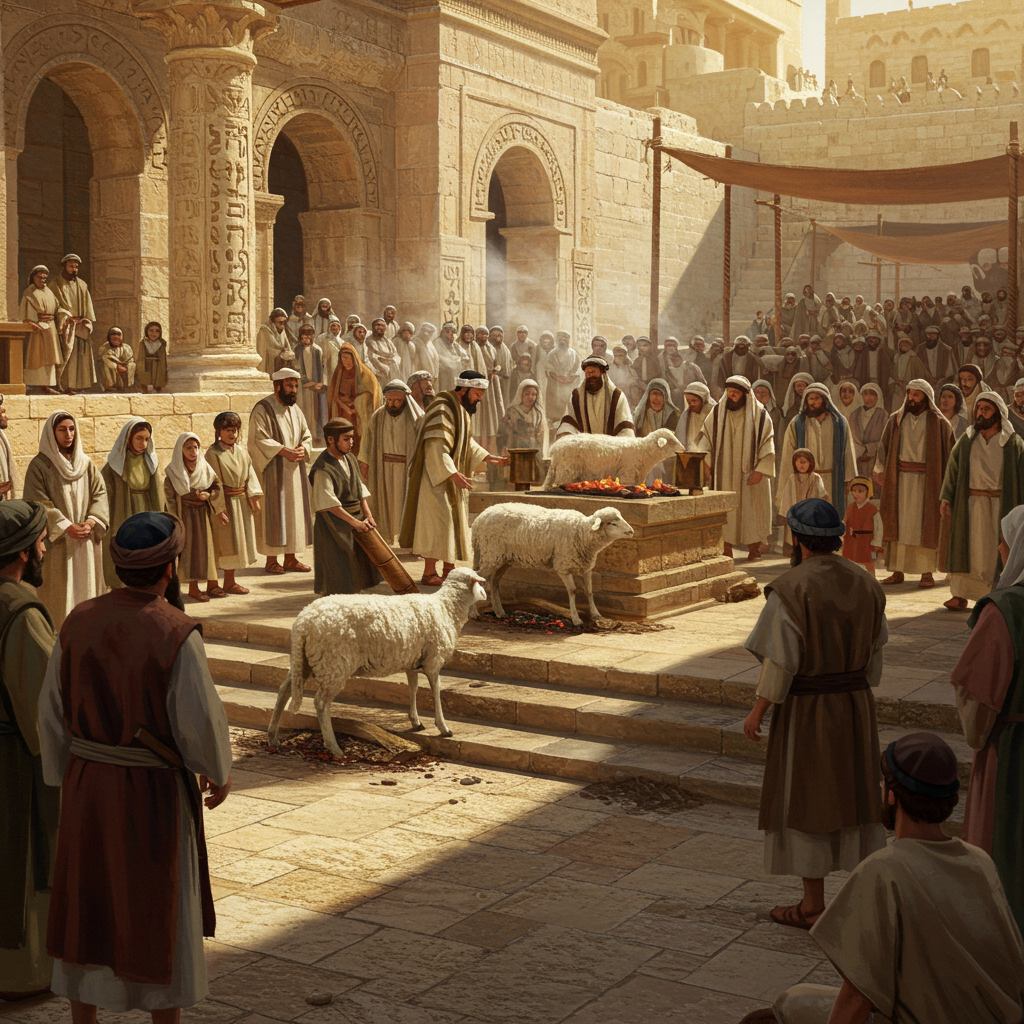
GEMARA: The Sages taught a baraita with regard to the basic halakha governing the eve of Passover that occurs on Shabbat: This law was forgotten by the sons of Beteira, who were the leaders of their generation. The fourteenth of Nisan once occurred on Shabbat, and they forgot and did not know whether the Paschal lamb overrides Shabbat or not. They said: Is there any person who knows whether the Paschal lamb overrides Shabbat or not? They said to them: There is a certain man in Jerusalem who came up from Babylonia, and Hillel the Babylonian is his name. At one point, he served the two most eminent scholars of the generation, Shemaya and Avtalyon, and he certainly knows whether the Paschal lamb overrides Shabbat or not. The sons of Beteira sent messengers and called for him. They said to him: Do you know whether the Paschal lamb overrides Shabbat or not? He said to them: Have we but one Paschal lamb during the year that overrides Shabbat? Do we not have many more than two hundred Paschal lambs, i.e., sacrifices, during the year that override Shabbat?
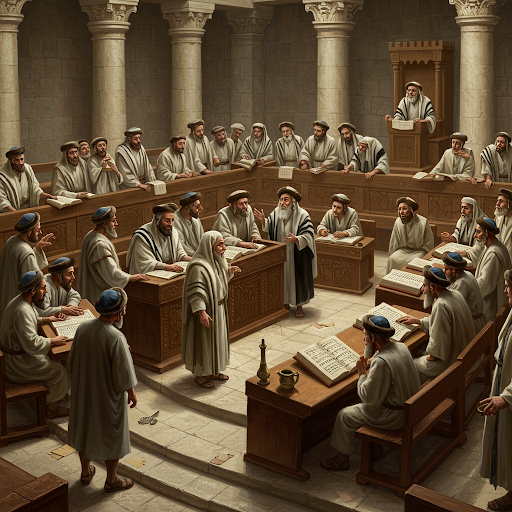
The famous question, as asked in ירושלמי, how could they possible forget if in every 14 years there are two times that ערב פסח occurs on שבת?
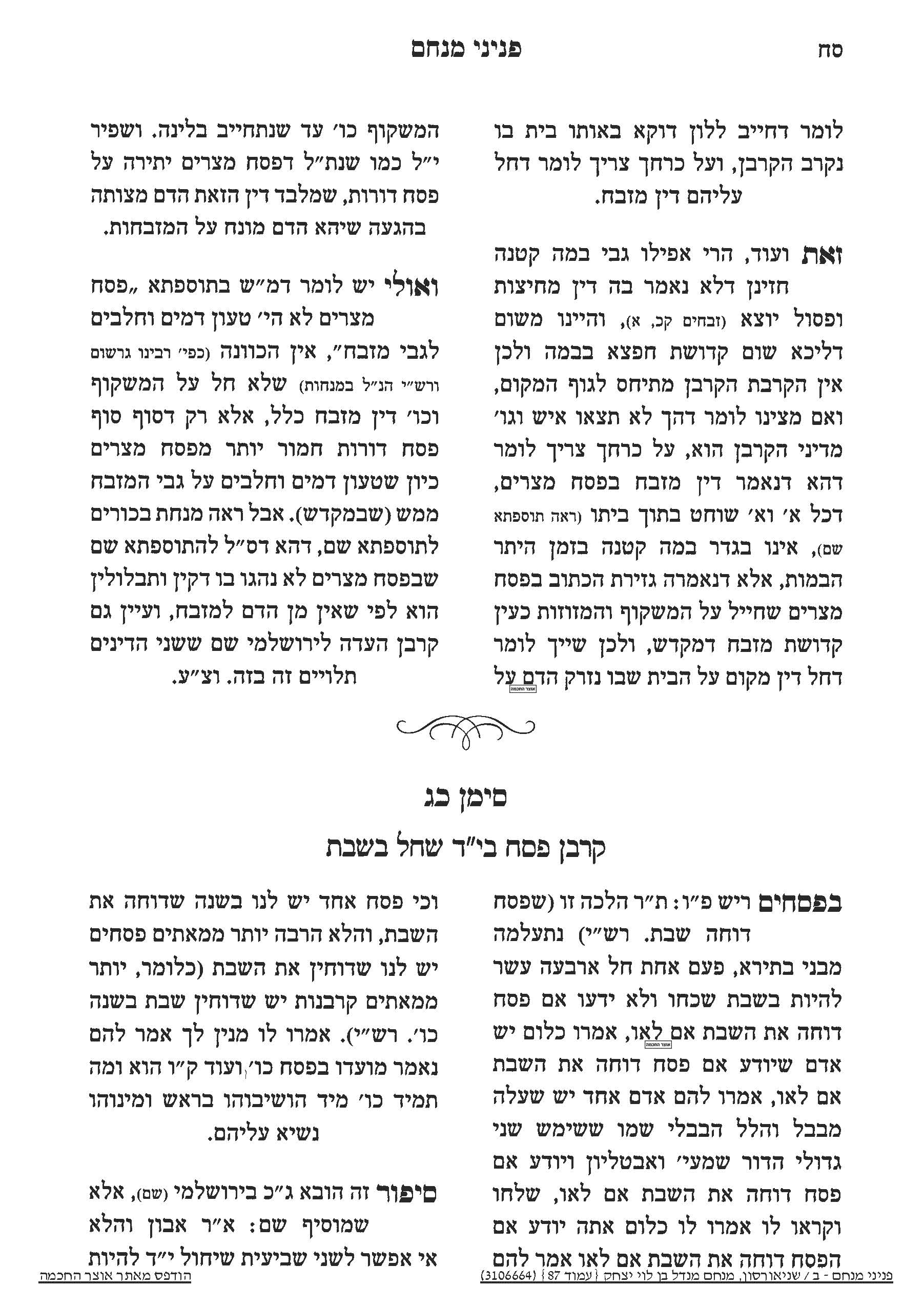
The answer given by ר’ אבון, (or “בון” as it says there) that it was a miracle that the בני בתירא forgot. This was to bring about the appointment of Hillel as the new נשיא.
However, all of כלל ישראל were present at the last occurrence. Does that mean that every single of them one forgot??

What is the Halachah….? Can not remember…
Many answers (as discussed in a previous Pesasch shiur) and we mentioned two of them.
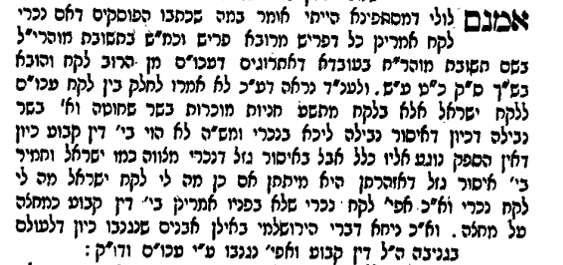
שאלת ר’ אבין בירושלמי (פסחים ו, א): הלא כל 14 שנה חל ע”פ בשבת. ותירץ- ‘כדי ליתן גדולה להלל’.
אבל איך שכחו כל הקהל?
רר”מ:
תמיד דחו שלא יפול ערב פסח בשבת. נקודה. והבי”ד וכל ישראל לא שכחו כלום כי אף פעם לא חל ע״פ בשבת.
אבל, היות וקביעת החודש ע”י הסנהדרין נעקרה ממקום מרכזי, אירע אז שלא דחו את התחלת חודש ניסן, וע”פ כן חל בשבת בשנה ההיא.
אז השאלה של ב”ב היתה: מה הטעם שמאז ומקדם תמיד דחו שלא יחול ערב פסח בשבת?
או משום שבעצם הקרבת הפסח אינה דוחה את השבת. ולכן דחו את החודש כדי לאפשר ההקרבה, כדי שלא תתבטל המצוה.
או שבעצם הקרבת הפסח כן דוחה את השבת. והסיבה שתמיד דחו את החודש היתה מפני חשש עשיית מלאכה, כמו הוצאה וכדומה.
והנפק”מ היא: אם מאיזה סיבה כן חל ע”פ בשבת!
אם הסיבה היא שבעצם אין ק”פ דוחה את השבת, אז להלכה למעשה לא יקריבו הפסח השנה. ואם הסיבה היא שדוחין מפני חשש, אז השנה כן צריכים להקריבו.
ולכן, היות ובשנה ההיא לא דחו את הקביעות, וע”פ כן חל בשבת, ונתעלמה מבני בתירא הסיבה, לא ידעו מה לעשות. להקריב או לא להקריב.
והעלמה זו היתה בהשגחה כדי שהלל יעלה לגדולה.
תירוץ הרבי.
שיחות קודש 588 ואילך.
מביא שהקרבת הפסח הראשונה ובשנת המ’ חל ע”פ בשבת.
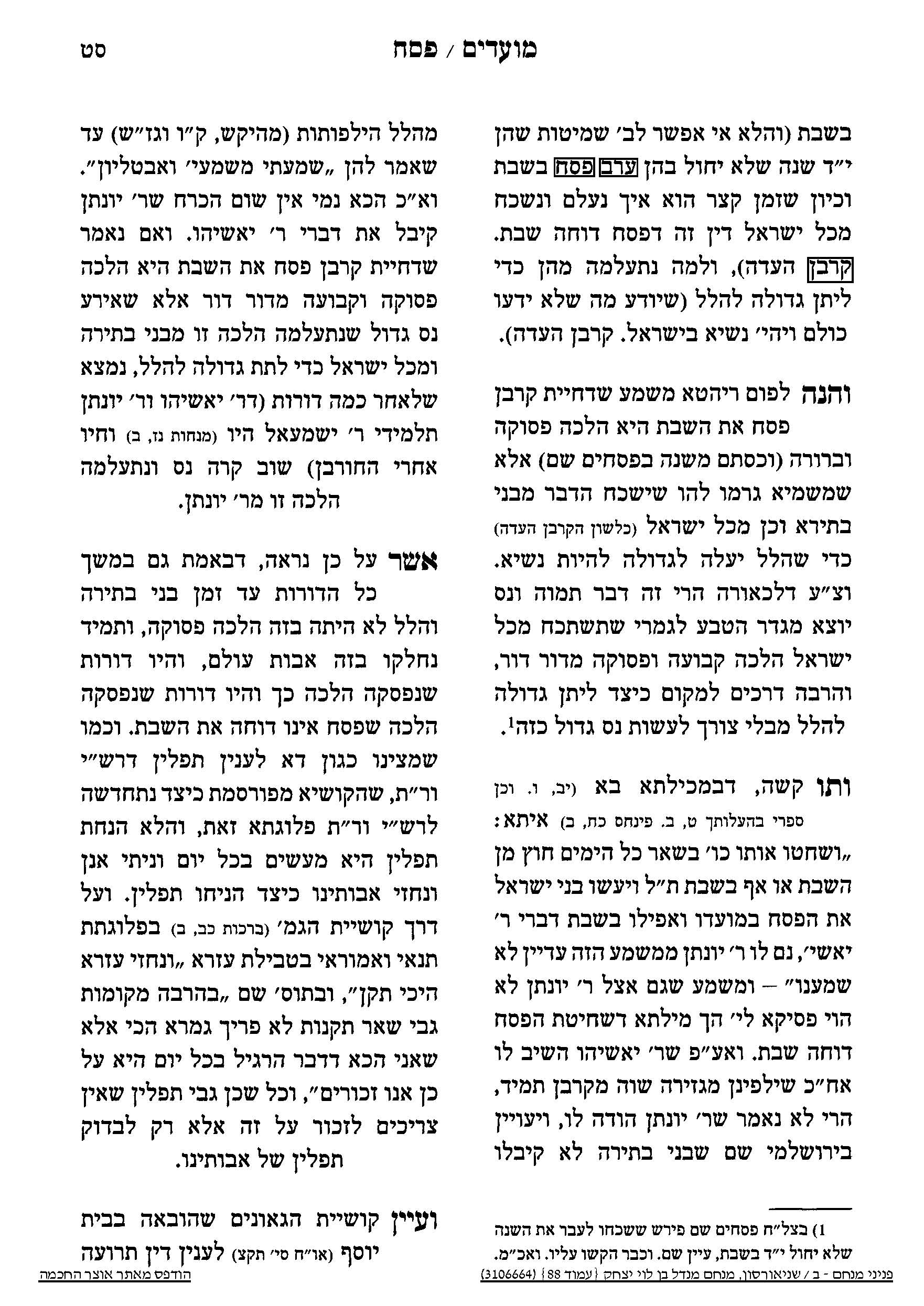
קשה לומר שנתעלמה מה לעשות. וכשאלת ר’ אבין (ירושלמי פסחים ו, א) . ותירוצו צ”ע כי איך שכחו כל הקהל. ובפרט שהקרבת הפסח היתה בשמחה ובפירסום. (ודלא כמעשה פנחס).
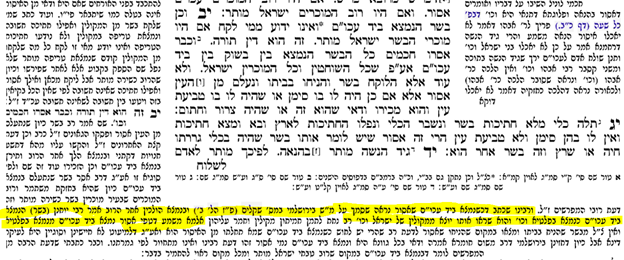
ומ”ש הצל”ח (פסחים סו,א) שאף פעם לא חל ע”פ בשבת חידוש גדול הוא ולא אשתמיט תנא ואמורא לומר חידוש כזה!
ובכללות השאלה איך יכול להיות מחלוקת בדבר הנהוג תמיד. שאלת הגאונים – (ב”י או”ח תקצ) בנוגע לתק”ש, ומתרצים שבדיעבד יוצאים בשברים או בתרועה, ואחרים נהגו כך כו’. ואח”כ הנהיגו לתקוע שניהם.
אבל כ”ז בתק”ש, שחל רק פעם בשנה ושכחו. אבל תפילין וציצית נהוג בכל יום.
והתירוץ הוא שאף פעם לא היתה בזה פסק הלכה שנתקבלה ע”י כולם. וכמו ‘באתריה דרב’. כי טרם נקבעה ההלכה בזה. כמו החילוק עד היום בין ספרדים ואשכנזים.
ובשנה שחל ע”פ בשבת, בכל הדורות היתה בזה מחלוקת ולא נפסקה הלכה לדורות. ואכן היו כאלו שלא הקריבו וכאלו שכן הקריבו.
[וזה ששכחו איך אמר משה רבינו לנהוג לדורות – הרי”ז כמו מנצפ”ך. תוס’ וריטב”א מגילה ב,ב]
ואפילו לאחר שפסק הלל עדיין נחלקו תנאים בהלכה זו עצמה!
650 ואילך.
כנ”ל.
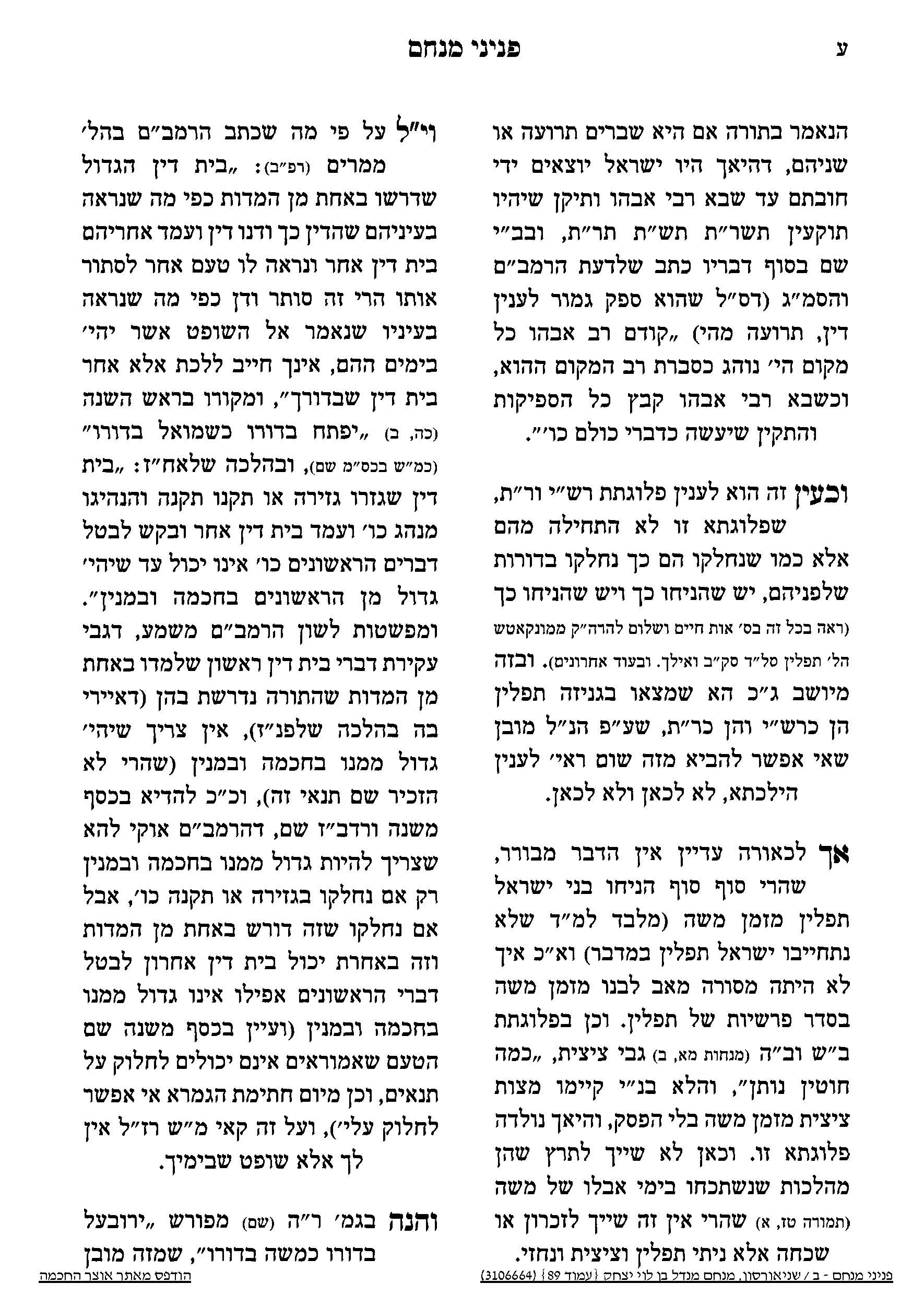
מביא הרמב”ם ממרים רפ”ב: ב”ד גדול שדרשו באחת מן המדות כפי מה שנראה בעיניהם שהדין כך ודנו דין. ועמד אחריהם ב”ד אחר ונראה לו טעם אחר לסתור אותו הרי זה סותר ודן כפי מה שנראה בעיניו.
ובכ”מ שם, שזה שצריך ב”ד גדול בחכמה ובמנין זהו דווקא על גזירה ולא על דרשות של י”ג מדות.
[ובהערה שם- שבזה אפשר לחלוק גם על משרע”ה!]
וזה שא”א שאמורא יחלוק על תנא ולא ראשונים על הגאונים וכו’,היינו שכך קיימו וקבלו. (כ”מ שם).
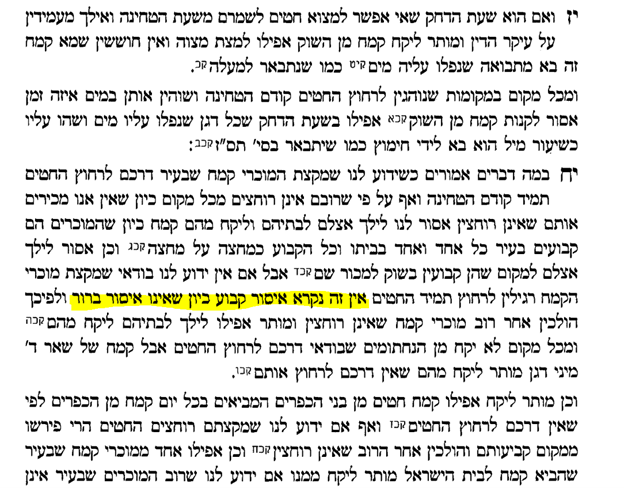
ומחלוקת רש”י ור”ת בתפילין מחלוקת ישנה היא, ואף פעם לא נפסקה ע”י הגאונים.
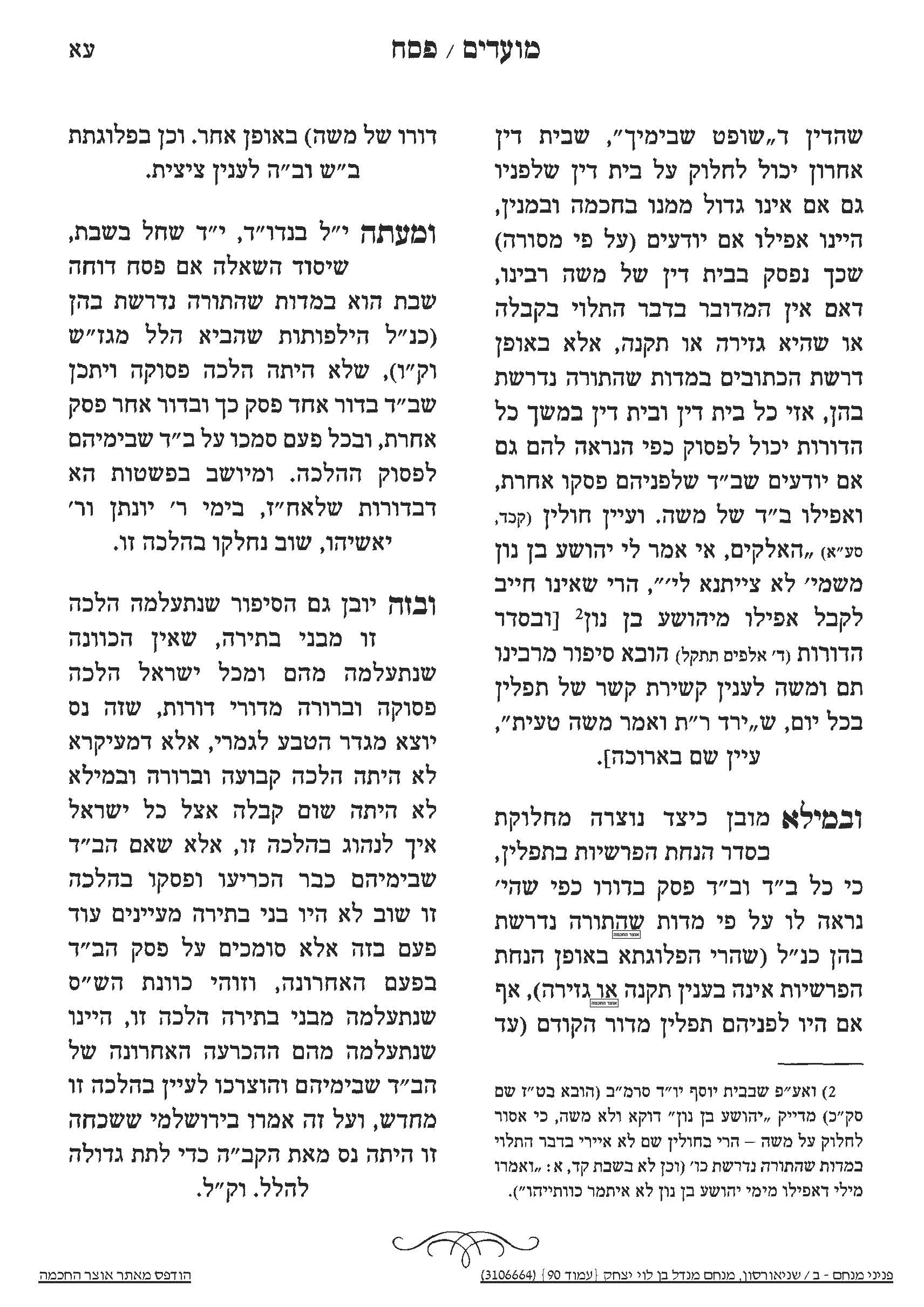
ועד”ז בנוגע ק”פ שחל בשבת, תמיד נחלקו. ואצל הבני בתירא, אף שהם יכולים לחלוק על מה שפסקו בדור לפני זה, נעלם מהם איך הי’ בפועל בפעם האחרונה – האם רוב הביאו את הקרבן פסח או לא.
לא נוגע איך נהגו בכל הדורות שלפני זה, רק איך הי’ בפועל בפעם האחרונה.
אם היו זוכרין לא היו נכנסין לכל השקו”ט (אף שיכולין לחלוק על פסק של דור שלפניהם), רק היו סומכין על ההנהגה של דור הקדום.
ולכן אין פלא ששכחו הב”ב מה הי’ הרוב. וכן כל הקהל לא זכרו מה הי’ הרוב. *
[ע”ד הסיפור עם הציצית של דור המדבר עם רבב”ח. דלכאורה, למה כעסו עליו שלא בדק אם הלכה כב”ש או ב”ה? הרי זה דבר שפילו נהגו כך בדור שלפני זה הרי אפשר לחלוק עליהם. אלא, אם היו יודעים איך נהגו לפועל בדור שלפני זה, היו סומכין עליהם].
Rough Translation of the Rebbe’s answer above:
The Rebbe answers (Sichot Kodesh p588), that the Koban Pesach in the second and 40th year fell on Shabbos. So it is difficult to say that the entire community could forget the procedure for the Korban KP when it coincided with Shabbos (like R Avin asks in (ירושלמי פסחים ו, א) – especially since KP was performed publicly and with such joy (unlike the story of Pinchas).
Regarding the Tzlachs assertion (פסחים סו,א) that the KP never fell on Shabbos (except as above) – this is a tremendous chiddush, and we find no Tanna or Amora stating so.
As to the general question of how could there be a difference of opinion in regards to something which is practiced regularly – such as the Geonim’s question (ב”י או”ח תקצ) regarding Tekias Shofar – that one is still Yotze – fulfills their obligation with Shevarim or Terua, however one perform Tekios differently, etc. – this is in regard to Tekias Shofar, which only happens once a year, and people can forget (something done rarely).
But Tefillin and Tzitizs which are practiced daily…?
The lack of a clear, universally accepted Halakhic ruling explains the confusion, such as ongoing differences between Sephardic and Ashkenazi customs.
So in the years when the KP fell on Shabbat, there was ongoing disagreement throughout the generations, and no definitive Halakhic ruling was established for the future.
Consequently, some individuals did not perform a KP, while others did!
This phenomenon of forgetting even instructions from Moshe Rabbeinu for future generations is similar to the changes in the letters ” מנצפ”ך.” תוס’ וריטב”א מגילה ב,ב
Even after Hillel made a ruling on the matter, later Tannaim still disagreed on this very law.
The dispute of machlokes regarding tefillin of Rashi or Rabbeinu Tam is an ancient machlokes, predating Rashi and R”T; the definitive halachah was never universally established by the Geonim. Similar to the issue of KP which falls on Shabbos – the halacha was always in dispute.
Regarding the Bnei Beseira, even though they had the authority to disagree with the halachic rulings of the previous generation, they had forgotten the actual practice in the most recent instance when KP fell on Shabbos– specifically, whether the majority of people brought the KP or not.
They were not concerned with the historical practices of all previous generations, but only with the most recent precedent. If they had remembered the practice of the majority of the immediate past, they would not have engaged in deliberations (even though they could have technically disagreed with the previous generation’s ruling) and would have instead relied on the established custom of the preceding generation.
Therefore, it is not surprising that the Bnei Beseira and the entire community forgot what the majority did. (Like the story of the Tzitzis in the desert with Rabba bar bar Chana – why were they angry with him?) why did he not check their Tzitzis to determine whether the Halacha is like B”S or B”H?
Whatever he may have seen, could still have (anyway) been disputed?
However, knowledge of the previous generation’s actual practice would have been considered authoritative and relied upon.
Here is a synopsis of the Rebbe’s Sicha.
פניני מנחם ע’ סה.