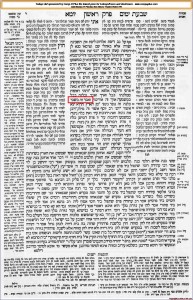
Beitzah 7a.
1- “An egg is considered an egg only once it is laid” Rav said.

Our Gemara continues to decipher the meaning of this cryptic statement.
2- Perhaps it means that only an egg that is laid naturally is considered an egg. As opposed to eggs that are found inside a chicken after it was shechted, which are not considered eggs per se.
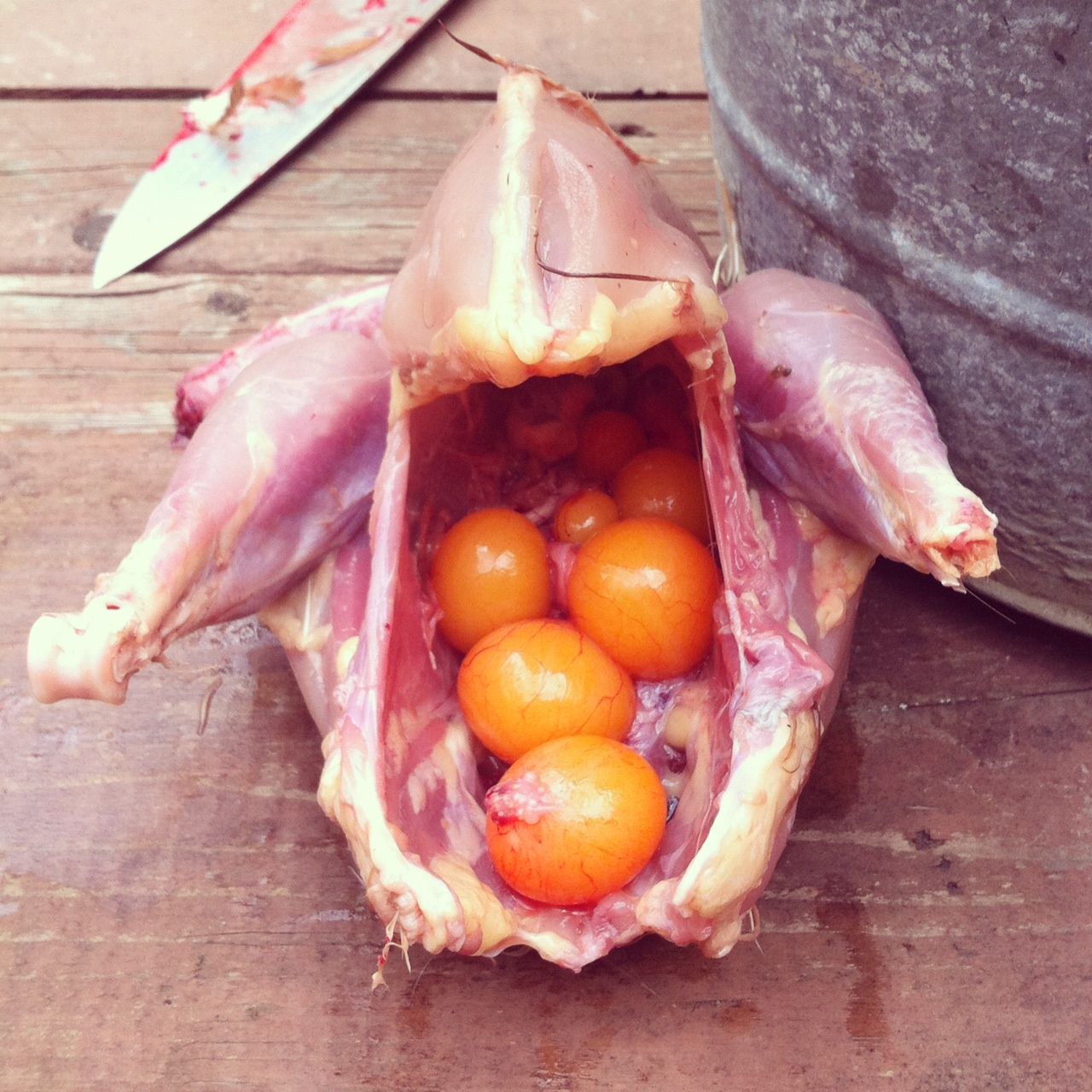
The practical difference would be is if a buyer specifies that he wants to buy “live eggs” (only), meaning that he does not want eggs found inside a chicken.
If the seller did indeed deliver such eggs (from inside the chicken) then he technically didn’t deliver “eggs”, but rather a different product.

The Gemara relates a story of a Din Torah pertaining to the above. Rav Ami ruled that the seller must return the money for a full refund. We do not say that the sale was an effective sale and the seller only needs to refund the difference in the value (ביני ביני) between natural born eggs and ‘inside the chicken eggs’. Rather, the entire sale is voided – מקח טעות.
We discussed as to why we would think that the sale was effective when the general rule in Halacha in regards to commerce is that the seller must deliver exactly as advertised and promised. If he does not, then the sale is invalidated. The seller cannot simply offer the buyer the difference between the value of the inferior product delivered to the one advertised. We would call that a discount. A full refund is the rule.

3- Similar story of a dispute when the buyer expected fertilized eggs and received unfertilized eggs.

4- Our Gemara continues discussing if the sac of the eggs and the ovary are considered “‘flesh of the chicken” or not in regards to ‘Felishigs’ and Tumah.
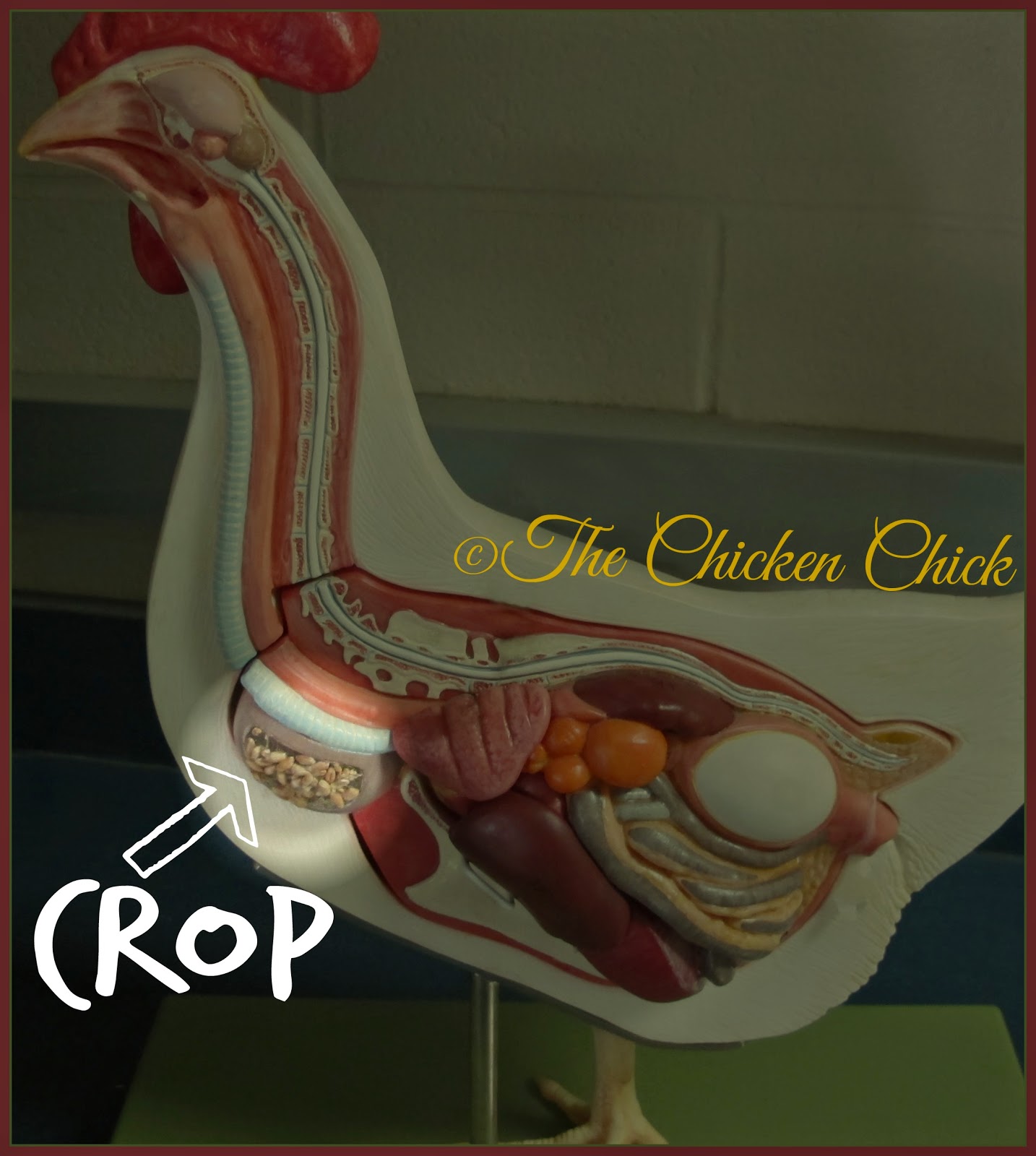
“Kurkavan” also, see the cluster of eggs in the center…. – שלל של ביצים

Cluster of eggs, from tiny to almost fully formed – אשכול של ביצים

5- Related the story of the Din Torah regarding a sale of a condo unit sold specifically and clearly ‘as is‘ condition.
Months after the buyer moved in the complaints began arriving in torrents.

Discussed if the ‘as is’ concept exists in Halacha.
It seems like it does not!

Unless the seller states and itemizes the exact defect(s) and the buyer accepts it. otherwise, a general ‘as is’, even if the buyer signs a release when he moves in does not preclude the buyer from requesting payment for items unknown to him when he signed the release.
We discussed the three sources/ reasons as to why, in general, eating an egg is not prohibited as an ‘eiver min ha’chai’.
See here 232;7, and also found this online.
We discussed the three sources/reasons as to why, in general, eating an egg is not prohibited as an ‘eiver min ha’chai’.
We discussed the three sources/ reasons as to why, in general, eating an egg is not prohibited as an ‘eiver min ha’chai’:
The gemara in Chullin proves that eggs from a non-kosher bird are not kosher from a possuk in this week’s parshah – “ואת בת היענה” – “and the daughter of the ostrich”.
The gemara asks “does an ostrich have a daughter?”

Tosfos says we must say that this possuk comes to teach us that the egg of a kosher bird is kosher. (We already knew that an egg from a non-kosher bird was not-kosher because it came from a non-kosher bird). See here, last tosfos. We touched on honey last week, which is toward the end of this tosfos).
Tosfos also brings the proof from Shiluach Hakan.
The Ramban explains that since we know it is permissible to eat chickens, we must say their eggs are permissible too (using the same principle of the בה”ג above – כל היוצא מן הטמא, טמא – because if the eggs were assur, the chickens would have to be assur too.