BSD
Brochos 3a (2)
Menachem Av 18, 5785 08/13/2025
Short notes on topics discussed.
1 – We continued on the topic of תיקון חצות. Whereas in נגלה, it is not noted as a designated time to lament the חורבן, in the world of נסתר there is much written about it.

As mentioned last week the Alter Rebbe does not mention it in his שלחן ערוך, but added it when he began to rewrite it.
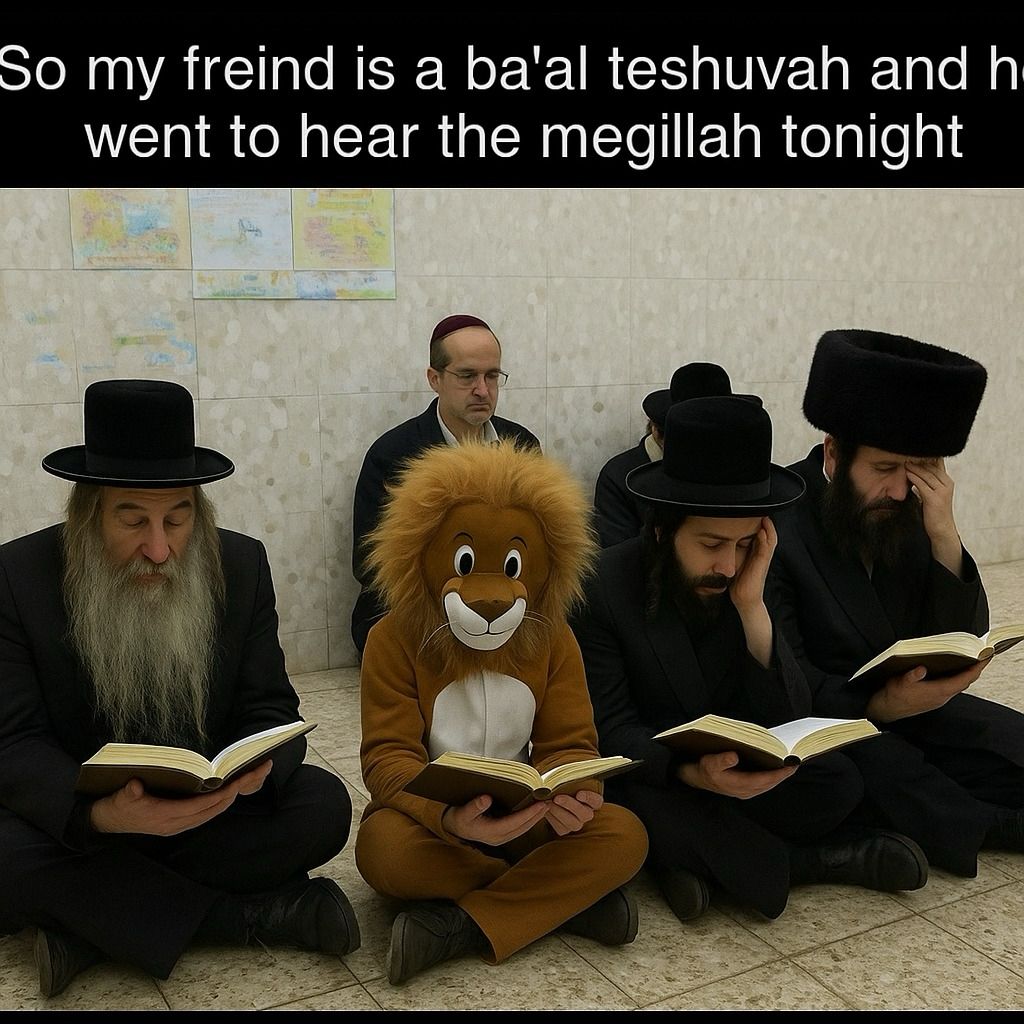
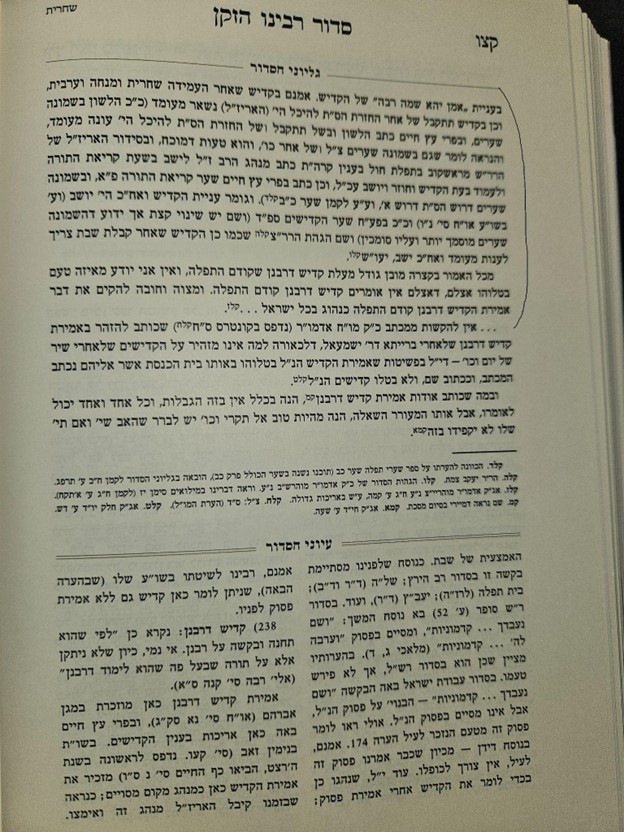
2 – Spoke that the Alter Rebbe, despite his Siddur being very minimalist, omitting many parts that are printed in all Siddurim today (such as סליחות and אבינו מלכנו on a fast day), he did include תיקון חצות in his Siddur.

There is even a מאמר that prefaces it – and a unique one at that. It is actually, as the Alter Rebbe begins, an elaboration and explanation on Tanya Chapter 43. Meaning that the Alter Rebbe himself wrote a פירוש on Tanya!
3 – The next piece of גמרא is a story of Reb Yosi and אליהו הנביא. We mentioned in a previous Shiur the famous חתם סופר where he writes that אליהו הנביא makes his reappearance in two ways – as a נביא and as a חכם.
When in a נביא form, his rulings on הלכה would be problematic since תורה לא בשמים היא. However when he comes down as a human then he is just as any other חכם.
Therefore, concludes the חתם סופר, there is no issue with him advising Reb Yosi about various הלכות, just as there is no problem when we say תיקו- which means that אליהו הנביא will resolve many questions that were left unanswered.
4 – Part of the conversation:
וְאָמַר לִי: בְּנִי, מַה קּוֹל שָׁמַעְתָּ בְּחוּרְבָּה זוֹ? וְאָמַרְתִּי לוֹ: שָׁמַעְתִּי בַּת קוֹל שֶׁמְּנַהֶמֶת כַּיּוֹנָה וְאוֹמֶרֶת: אוֹי לִי שֶׁחָרַבְתִּי אֶת בֵּיתִי, וְשָׂרַפְתִּי אֶת הֵיכָלִי, וְהִגְלֵיתִים לְבֵין הָאוּמּוֹת. וְאָמַר לִי: חַיֶּיךָ וְחַיֵּי רֹאשָׁךְ! לֹא שָׁעָה זוֹ בִּלְבָד אוֹמֶרֶת כָּךְ, אֵלָּא בְּכָל יוֹם וָיוֹם שָׁלֹשׁ פְּעָמִים אוֹמֶרֶת כָּךְ, וְלֹא זוֹ בִּלְבָד, אֵלָּא בְּשָׁעָה שֶׁיִּשְׂרָאֵל נִכְנָסִין לְבָתֵּי כְנֵסִיּוֹת וּלְבָתֵּי מִדְרָשׁוֹת, וְעוֹנִין ״יְהֶא שְׁמֵיהּ הַגָּדוֹל מְבוֹרָךְ״, הַקָּדוֹשׁ בָּרוּךְ הוּא מְנַעֲנֵעַ רֹאשׁוֹ וְאוֹמֵר: אַשְׁרֵי הַמֶּלֶךְ שֶׁמְּקַלְּסִין אוֹתוֹ בְּבֵיתוֹ כָּךְ! מַה לּוֹ לָאָב שֶׁהִגְלָה אֶת בָּנָיו, וְאוֹי לָהֶם לַבָּנִים שֶׁגָּלוּ מֵעַל שׁוּלְחַן אֲבִיהֶם!
And after this Elijah said to me: What voice did you hear in that ruin?
I responded: I heard a Heavenly voice, like an echo of that roar of the Holy One, Blessed be He (Maharsha), cooing like a dove and saying: Woe to the children, due to whose sins I destroyed My house, burned My Temple, and exiled them among the nations.
and I heard a heavenly voice…
And Elijah said to me: By your life and by your head, not only did that voice cry out in that moment, but it cries out three times each and every day. Moreover, any time that God’s greatness is evoked, such as when Israel enters synagogues and study halls and answers in the kaddish prayer,יְהֶא שְׁמֵיהּ הַגָּדוֹל מְבוֹרָךְ, He shakes His head and says: Happy is the king who is thus praised in his house. When the Temple stood, this praise was recited there, but now: How great is the pain of the father who exiled his children, and woe to the children who were exiled from their father’s table.
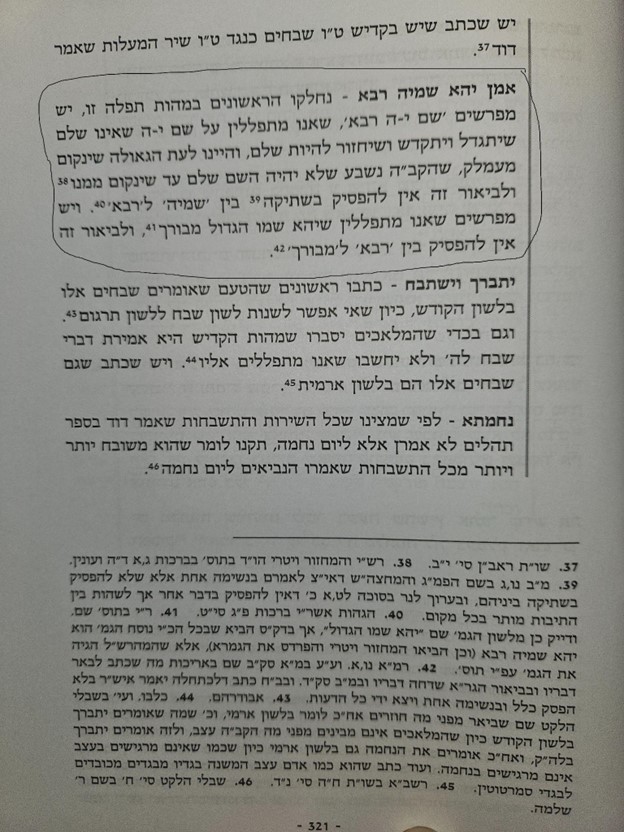
5 – We learnt the תוספות about the two ways of understanding the meaning of:
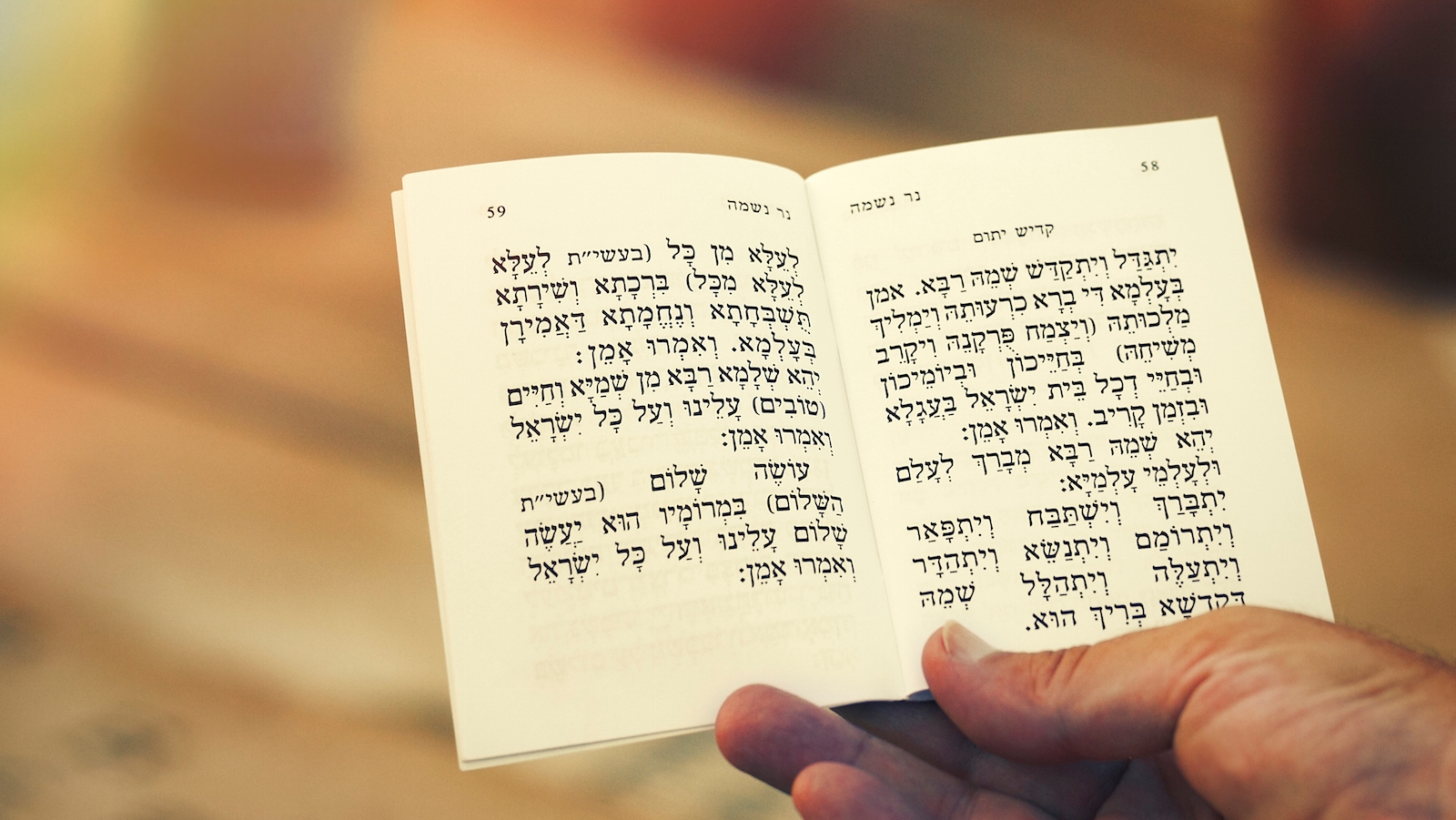
אָמֵן, יְהֵא שְׁמֵיהּ רַבָּא מְבָרַךְ לְעָלַם וּלְעָלְמֵי עָלְמַיָּא יִתְבָּרֵךְ.
Is it
אָמֵן, יְהֵא שְׁמֵיהּ רַבָּא. מְבָרַךְ לְעָלַם וּלְעָלְמֵי עָלְמַיָּא יִתְבָּרֵךְ.
A period after רַבָּא. Meaning that there is a pause because it splits into 2 prayers.
#1- יְהֵא שְׁמֵיהּ רַבָּא.- May we merit the days when Hashem’s name will be read fully – time of Moshiach. (Full pronunciation of the 4 letters). Pause. This is a בקשה.
#2 – מְבָרַךְ לְעָלַם וּלְעָלְמֵי עָלְמַיָּא יִתְבָּרֵךְ. That is another prayer.
Or
אָמֵן, יְהֵא שְׁמֵיהּ רַבָּא מְבָרַךְ לְעָלַם וּלְעָלְמֵי עָלְמַיָּא יִתְבָּרֵךְ
No period, just one sentence. May the great name of Hashem be blessed forever. This is (not a בקשה but) a praise.
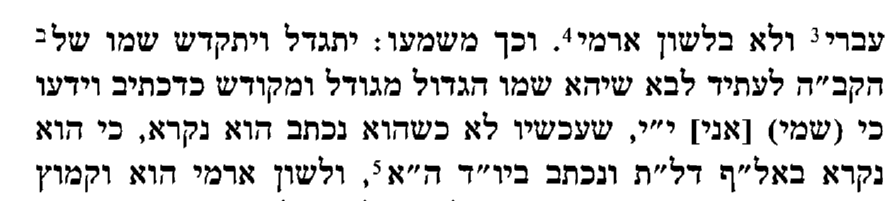
מחזור ויטרי הל’ שחרית ט – 216 – see below.

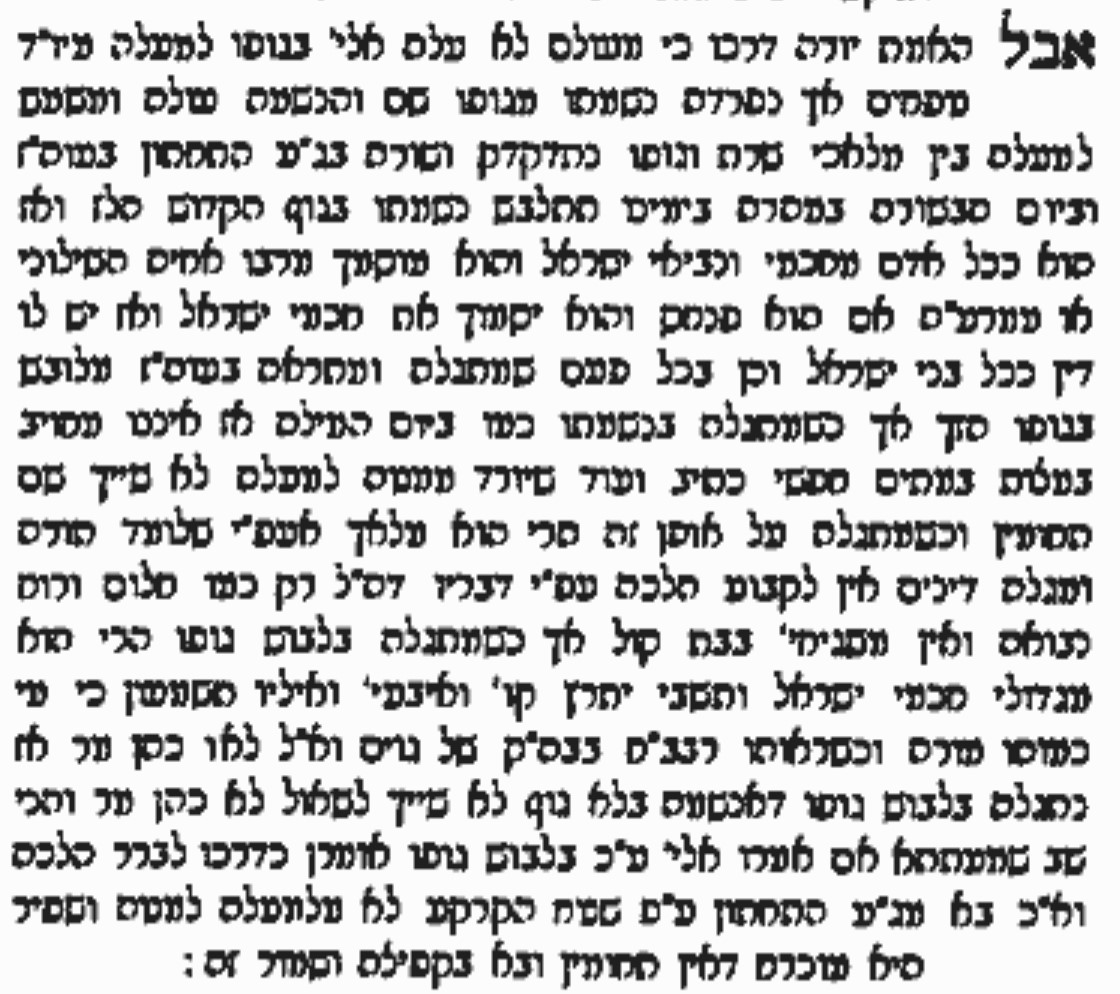
Some commentators suggest that besides inserting a pause (according to the first explanation – יְהֵא שְׁמֵיהּ רַבָּא. Pause) there is another practical difference between the two meanings – does one need to stand during Kaddish? If it’s a בקשה, then it’s proper to stand.
See below from Yisrolik M.
6 – Spoke about the various שלחן ערוך type compilations, that were written from the time the ש”ס was completed, that acted as a ‘guide’ for the average person to follow.
These concise הלכות were culled from ש”ס and the works of the גאונים that followed.
We have the הלכות of רב האי גאון and others and then the רמב”ם and finally the שלחן ערוך.
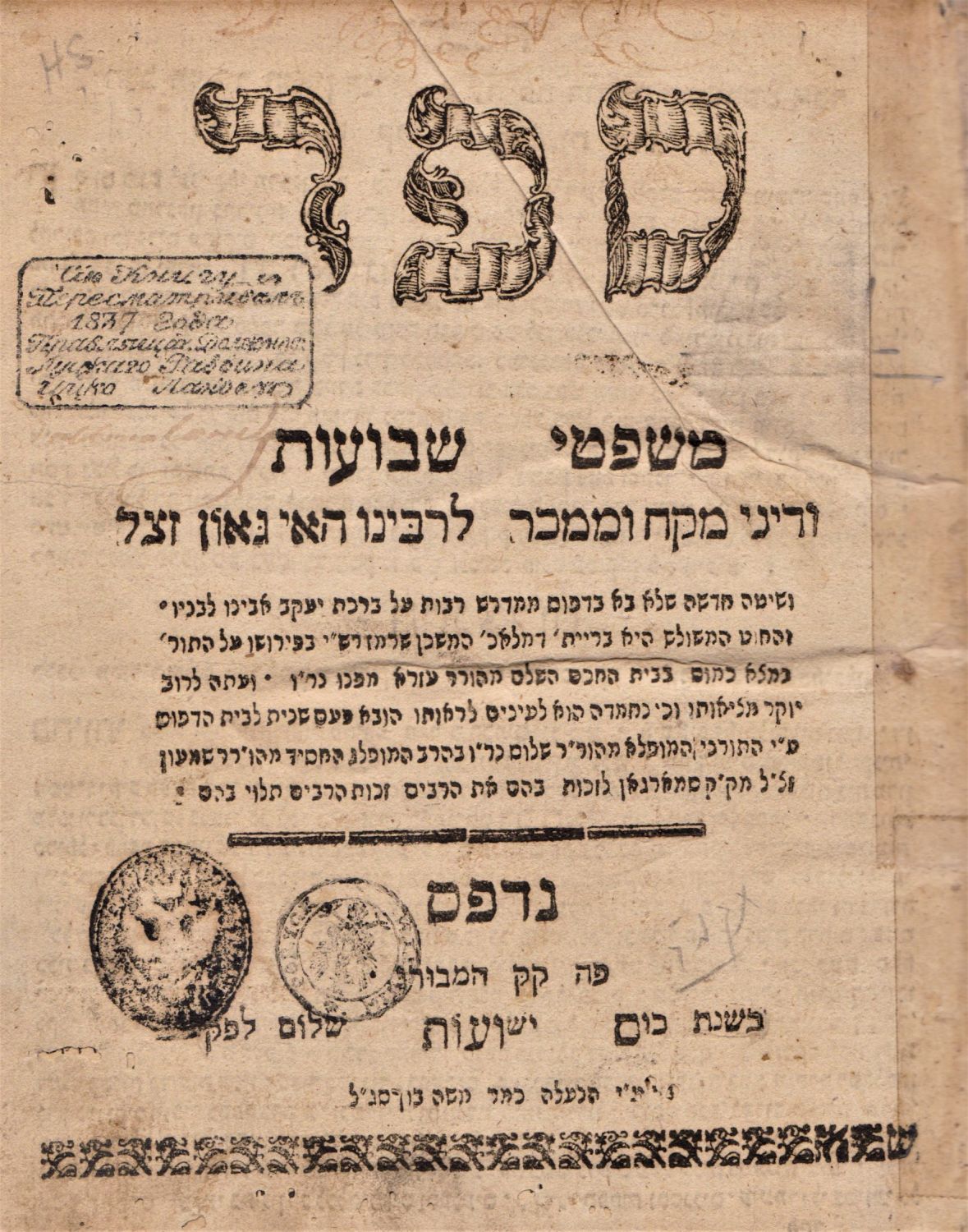
[Mentioned the שערי דורא which for hundred of years before the בית יוסף wrote his שלחן ערוך was the de facto reference guide for הלכות of יורה דעה]
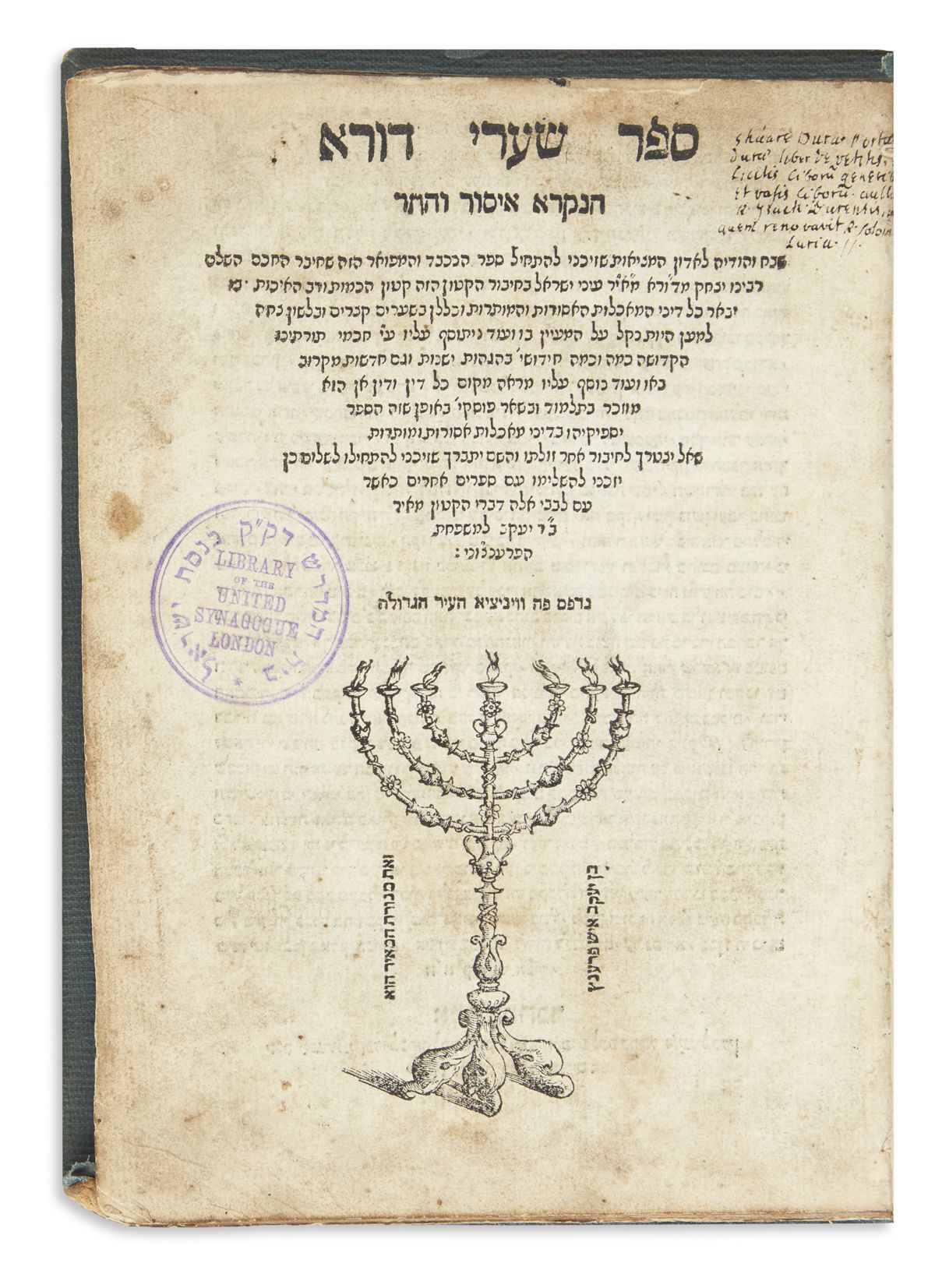
One of the earliest surviving ‘book of codes’ called מחזור ויטרי, which is a מחזור that was compiled by רבי שמחה from the town of Vitry in France, who was one of the talmidim of Rashi. Here.
Also see previous Shiur.
This compilation is used as a basis for many of the Ashkenazi minhogim still practiced today.
[We mentioned the non-Chabad custom not to sit in the Sukkah on שמיני עצרת. Despite the fact that it goes against a clear גמרא, they follow the מחזור ויטרי].
The first explanation above in קדיש is mentioned in our Tosfos.
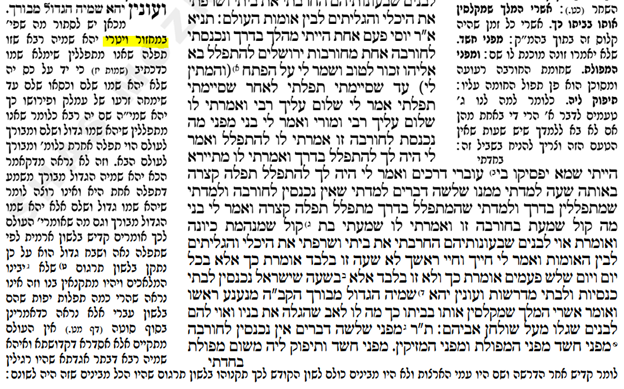
7 – We discussed the latter part of the Tosfos as to what the קדיש is said in Aramaic.
.