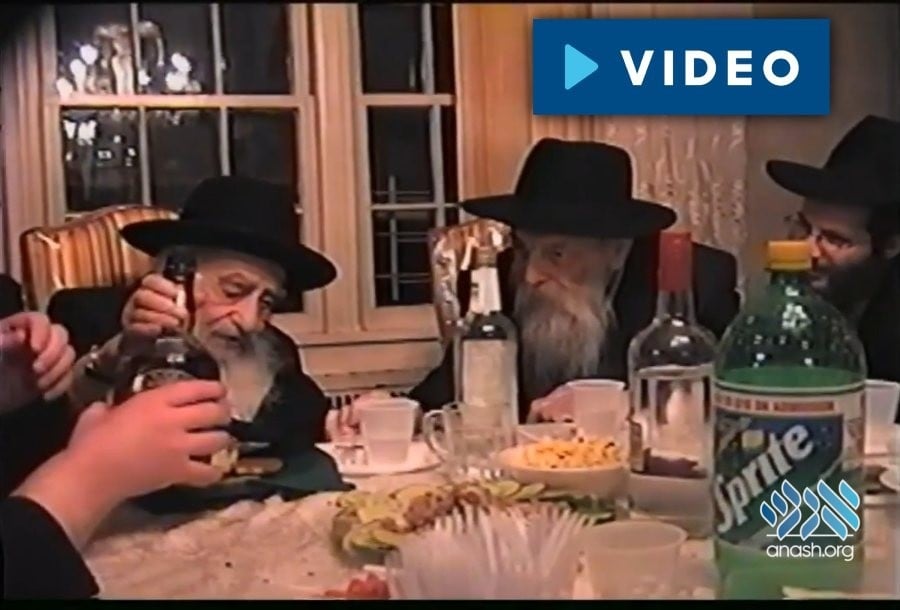
Shiur Brochos 5b – Kislev 5, 5786 -11/25/2025

BSD

Brochos 5b

Kislev 5, 5786. 11/25/2025

Some short notes:

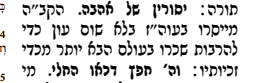
1 – We continued to discuss the idea of יסורין של אהבה.

Whatever the explanation  of יסורין של אהבה we encountered last week, it basically means that these יסורין are not due to the person’s faults or עבירות.

Whether these יסורים are to ‘increase his שכר’, as a result of his שוגג actions or to atone to the sins of others, these יסורים are not coming for his own כפרה.



יסורים-שכר  –  o-meter (AI version)

So obviously these יסורים happen only to the most righteous people.

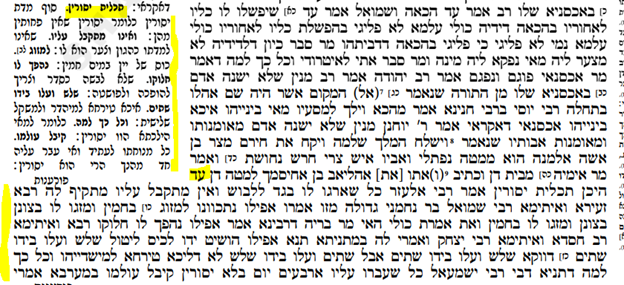
2- Our גמרא discusses one whose children deceased ח”ו before him and someone that never had children. Which one is יסורין של אהבה?

3 – The terrible tragedy of רבי יוחנן who buried 10 of his sons with the last one dying in a horrific accident.

רבי יוחנן always carried around with him a bone or tooth of that last son to console other people when distraught. .
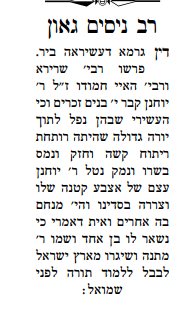


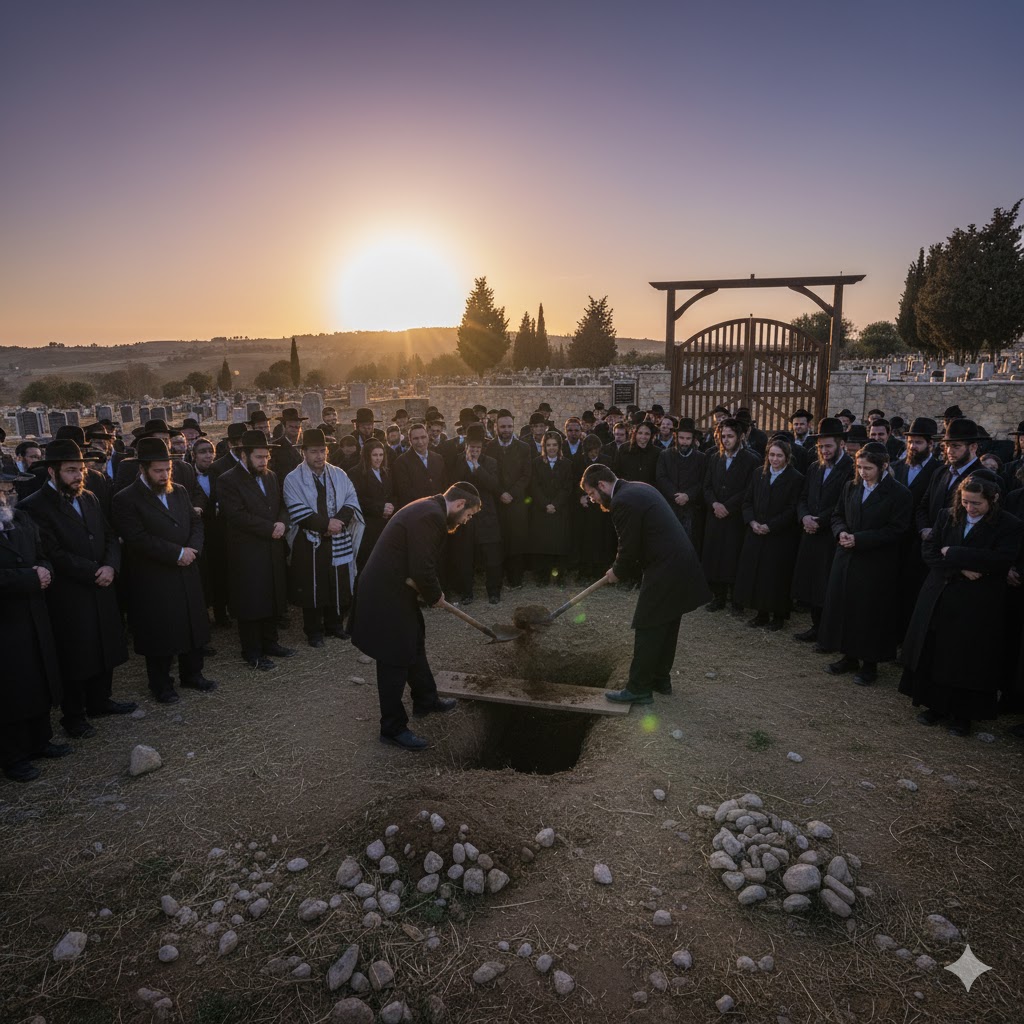
4 – The issue with טומאה and the קבורה of this bone.

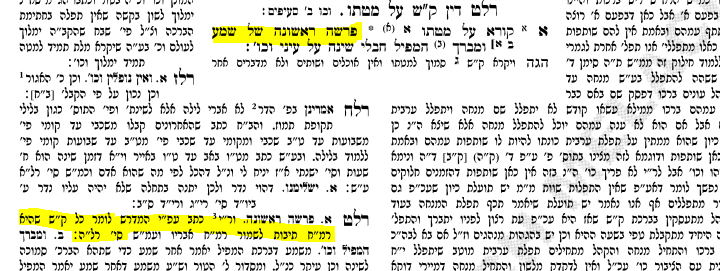
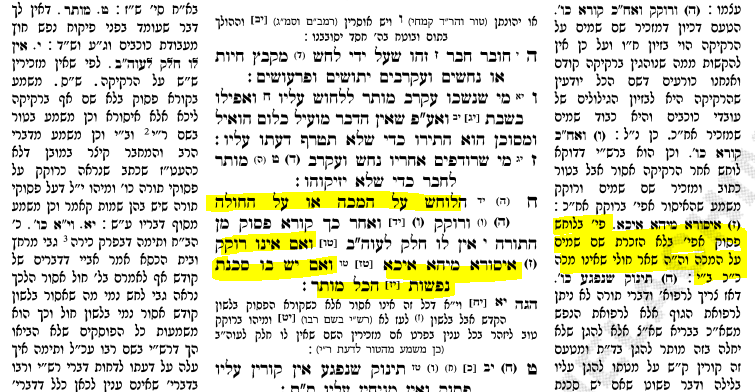
We discussed the issue of burial of an amputated limb.

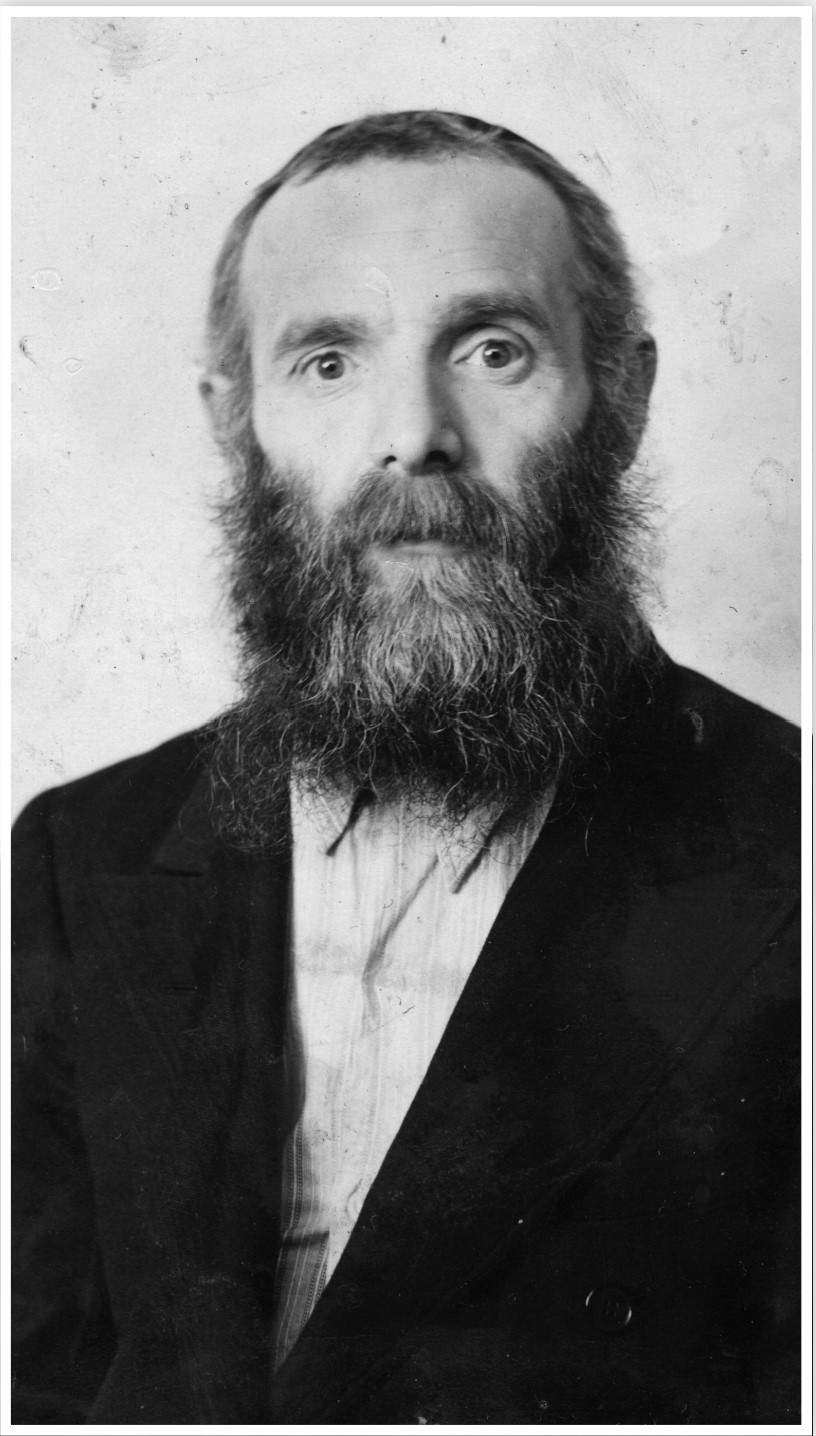
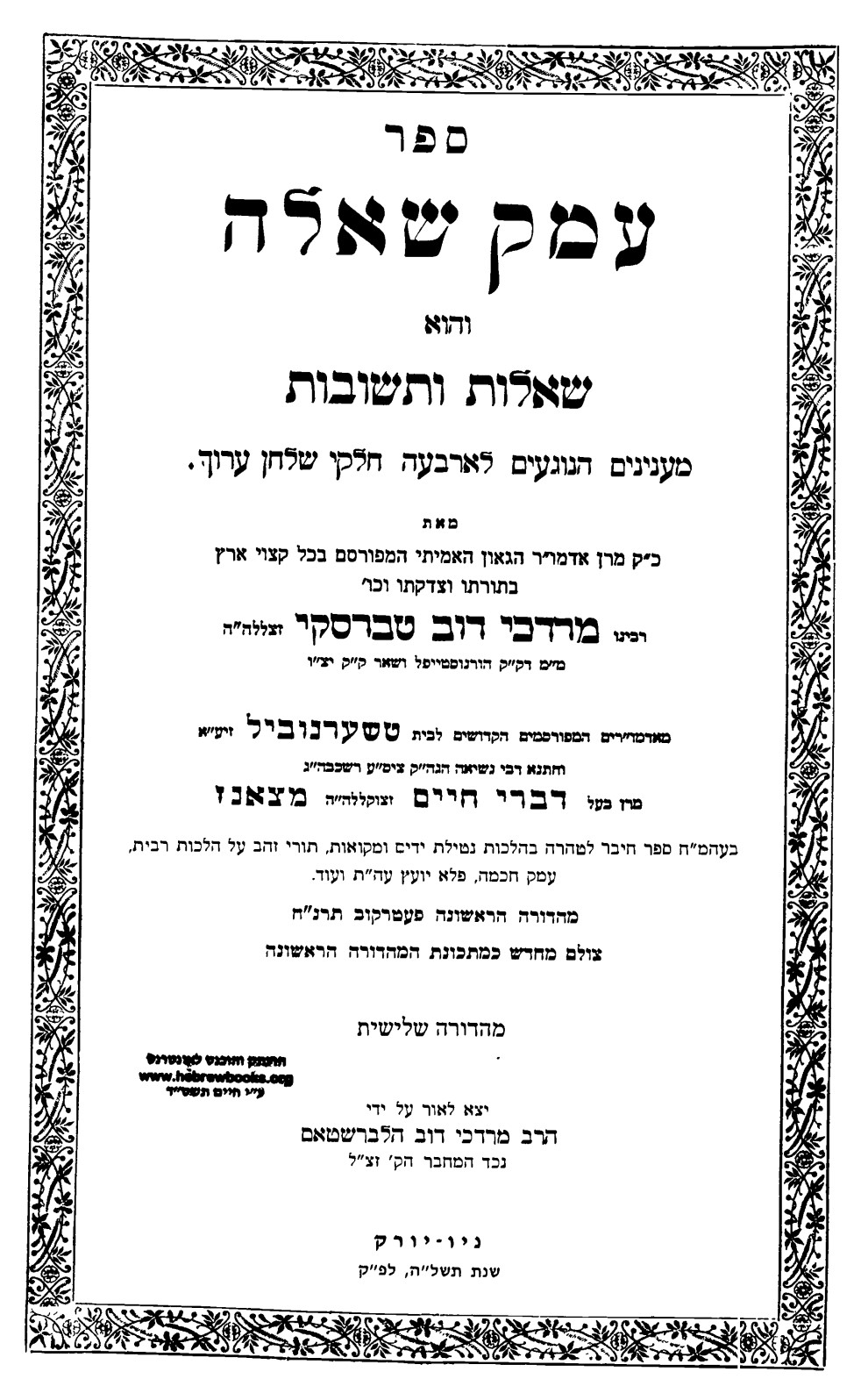
מרדכי דב טברסקי הורניסטייפול (spoke about him here)

ספר ספרושות עמק שאלה באתר היברובוקס.

קבורה לאבר מאדם חי.

שבות יעקב, קא. נוב”י תנינא יו”ק רט.
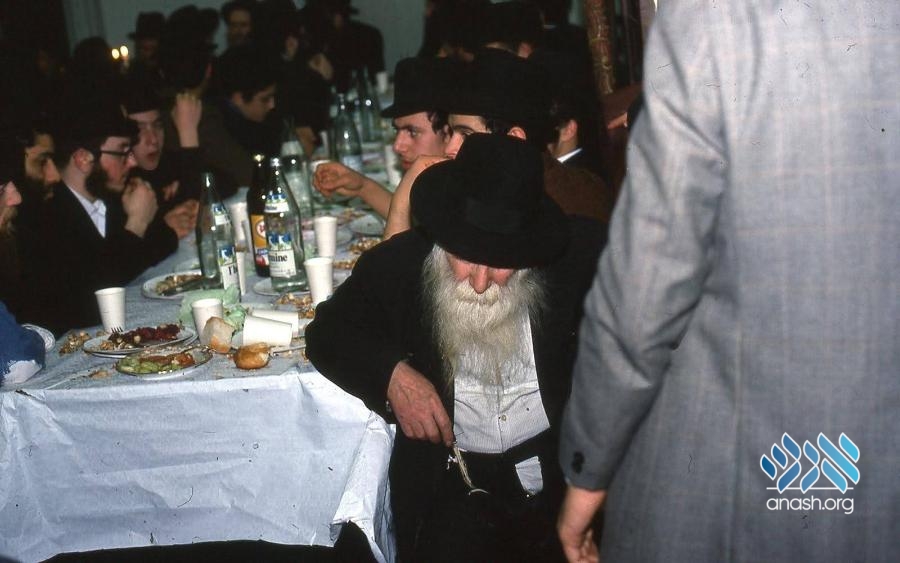
5 – Story told by Reb אהרן יוסף Belinitzki (see Shiur of last week and see herep19 has additional background – ed.) when he would smuggle bodies out of the hospital in Samarkand to bring them to קבר ישראל.

Despite being fully aware that he was carrying a dead body, he would always be startled when the dangling hand of the corpse would ‘tap him on his back’….

6 – Case of the שוחט that offered some a delicacy at a ברית…

Restaurant-Style Za’atar Crusted Branzino

today, we’re making gribenes!

7 – Crying on the ‘beauty that will be lost’.

רִבִּי אֶלִיעֶזֶר חֲלַשׁ. עָל לְגַבֵּיהּ רִבִּי יוֹחָנָן, חֲזָא דַּהֲוָה קָא גָּנֵי בְּבַיִת אָפֵל. גַּלְּיֵיהּ לִדְרָעֵיהּ וּנְפַל נְהוֹרָא. חַזְיֵיהּ דַּהֲוָה קָא בָכֵי רִבִּי אֶלִיעֶזֶר, אֲמַר לֵיהּ: אַמַּאי קָא בָכֵית? אִי מִשּׁוּם תּוֹרָה דְּלָא אַפַּשְׁתְּ, שָׁנִינוּ: אֶחָד הַמַּרְבֶּה וְאֶחָד הַמַּמְעִיט, וּבִלְבַד שֶׁיְּכַוֵּין לִבּוֹ לַשָּׁמַיִם; וְאִי מִשּׁוּם מְזוֹנֵי, לֹא כָל אָדָם זוֹכֶה לִשְׁתֵי שֻׁלְחָנוֹת; וְאִי מִשּׁוּם בְּנֵי, דֵּין גַּרְמָא דַּעֲשִׂירָאָה בִּיר.

The Gemara relates that Rabbi Elazar fell ill. Rabbi Yoḥanan entered to visit him, and saw that he was lying in a dark room. Rabbi Yoḥanan exposed his arm, and light radiated from his flesh, filling the house.

He saw that Rabbi Elazar was crying, and said to him: Why are you crying? Are you weeping because you did not study as much Torah as you would have liked?

But we learned: One who brings a substantial sacrifice and one who brings a meager sacrifice have equal merit, as long as he directs his heart toward Heaven.



Illustration only – not actually R Yochanan and R Eliezer

If you are weeping because you lack sustenance and are unable to earn a livelihood, as Rabbi Elazar was, indeed, quite poor, not every person merits to eat off of two tables, one of wealth and one of Torah, so you need not bemoan the fact that you are not wealthy.

If you are crying over children who have died, this is the bone of my tenth son, and suffering of that kind afflicts great people, and they are afflictions of love. יסורין של אהבה
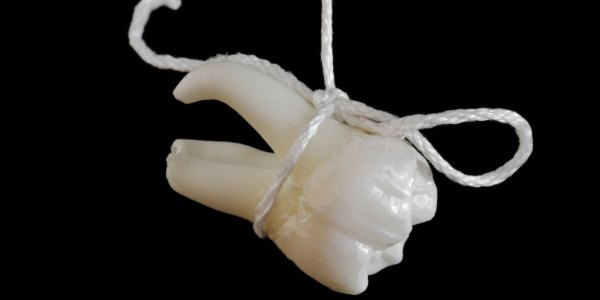
What Happens to Your Tooth After It's Extracted

some say it was a tooth

The גמרא concludes:

אֲמַר לֵיהּ: לְהַאי שׁוּפְרָא דְּבָלֵי בְעַפְרָא קָא בָכֵינָא. אֲמַר לֵיהּ: עַל דָּא וַדַּאי קָא בָכֵית. וּבְכוֹ תַּרְוַיְיהוּ.

Rabbi Elazar said to Rabbi Yoḥanan: I am not crying over my misfortune, but rather, over this beauty of yours that will decompose in the earth, as Rabbi Yoḥanan’s beauty caused him to consider human mortality.

Rabbi Yoḥanan said to him: Over this, it is certainly appropriate to weep. Both cried over the fleeting nature of beauty in the world and death that eventually overcomes all.


Explanation of the מהרש”א that they cried primarily on the ‘beauty of ירושלים’ that will be lost when רבי יוחנן passes away.

רבי יוחנן  was the last one remaining of the חכמים of ירושלים and רבי Eliezer  was crying that when passes away that exceptional generation will be gone.

ומסיימין בטוב

Shiur Brochos 5a (2) – Mar Cheshvan 27, 5786 – 11/18/2025

BSD

Brochos 5a (2)

Mar Cheshvan 27, 5786. 11/18/2025

Brief notes:

1 – Our גמרא discusses at length about יסורים.

Half in jest we said that learning this גמרא is a form of יסורים….

Especially the idea of יסורים של אהבה.

ערכם של הייסורים - מבחן האהבה - הידברות

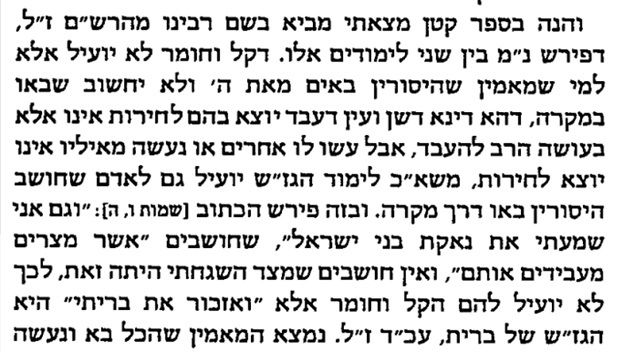
The perplexing רש”י that defines יסורים של אהבה as afflictions that come upon a person who has no sins; just to ‘generate for him שכר more than he is deserving’.


We mentioned the Ramban in his שער הגמול that seems to take issue with this explanation. Why would ‘ה do that?

The Ramban says that יסורים של אהבה mean יסורים that come upon a person to cleanse his עבירות that were done בשוגג.

Oops Figure Stock Illustrations – 132 Oops Figure Stock Illustrations, Vectors & Clipart - Dreamstime

The פני יהושע suggest other ideas, such as perhaps it is for the atonement of the sins of others.

ויש לפרש עוד בענין אחר דאותן היסורים שמביא הקב״ה על הצדיק בלי שום עון ע״כ היינו כדי למרק עוונותיהם של ישראל כדאיתא בסנהדרין דאהדר ליה ר״ג להאי צדוקי דא״ל אלקיכם גחכן הוא אם רחמן מלא רחמים הוא מייסר הגדולים שבהן ביסורין. והענין מבואר שאין הקב״ה רוצה בהשחתת העולם אלא בקיומו ואם יביא היסורים על הבינונים אפשר שלא יקבלו היסורים מדעתן ויבעטו ביראתו ח״ו לכן הבוחן לבות מביא אותן היסורים עצמן על הצדיק שיקבלם באהבה לטובת ישראל

2 – The גמרא says that one who has יסורין and is clueless as to why he deserves it and what caused them, he should:

A- Search his מעשים. If he can’t find anything lacking, he should:

למה הקב"ה ברא ייסורים? - אקשיבה

B- Attribute it to ביטול תורה. If he can’t find anything lacking in ביטול תורה, he should realize that it is :

C – יסורים של אהבה. [As above]

The obvious question is:

How can a person honestly say (A above) that ‘I have searched and found nothing lacking’ and then be told to find ביטול תורה? If he has ביטול תורה then his search and finding ‘nothing wrong’ (פשפש ולא מצא) was not truthful.

We mentioned that in the גמרא מתיבתא they list no less than 24 answers to this question!

One is: If one cannot find within himself any item that needs improvement, then he should attribute this lack of finding (ולא מצא) on ביטול תורה. For a true scholar would not fool himself to such an extreme.

Self Awareness Vector Art, Icons, and Graphics for Free Download

Another answer: A person who was ’ פשפש ולא מצא’ is obviously a great צדיק and is a תורתו אומנתו type. A person, like רשב”י , who studies not stop is  פטור from many מצוות. However, if it is a מצווה that cannot be done by others and he is the only that can do this מצווה, then he must stop his leaning and perform this מצווה.

So חז”ל are referring to such a person in particular, and a מצווה came up that others could not do it, but he didn’t stop learning to perform it!

Such a person should attribute his יסורים on the ביטול תורה – meaning that he should have been מבטל!

3 – The story with the Rov and the bowl of fruit, see here.

Image result for fruit of israel


4 – Speaking of יסורים, we quoted a very interesting גמרא in ערכין טז, ב.

What is the least hurtful type of pain – יסורים?

1- Ordering a tailor made suit and not liking it.

Oversized Suit Images – Browse 9,807 Stock Photos, Vectors, and Video | Adobe Stock

I don’t know, I just don’t like the way it looks

2- Asking for a cup of hot water and being served cold.

A glass of tea with a thermometer – License Images – 944985 ❘ StockFood

3- Realizing that you put on a jacket inside out, the need to remove it, turning it outside in and putting it on again.

4- Inserting your hand into the pocket to pick up 3 coins but only 2 came up.

Ouch, ouch, ouch and ouch.

The גמרא ask: What is the purpose of listing these seemingly trivial יסורים?

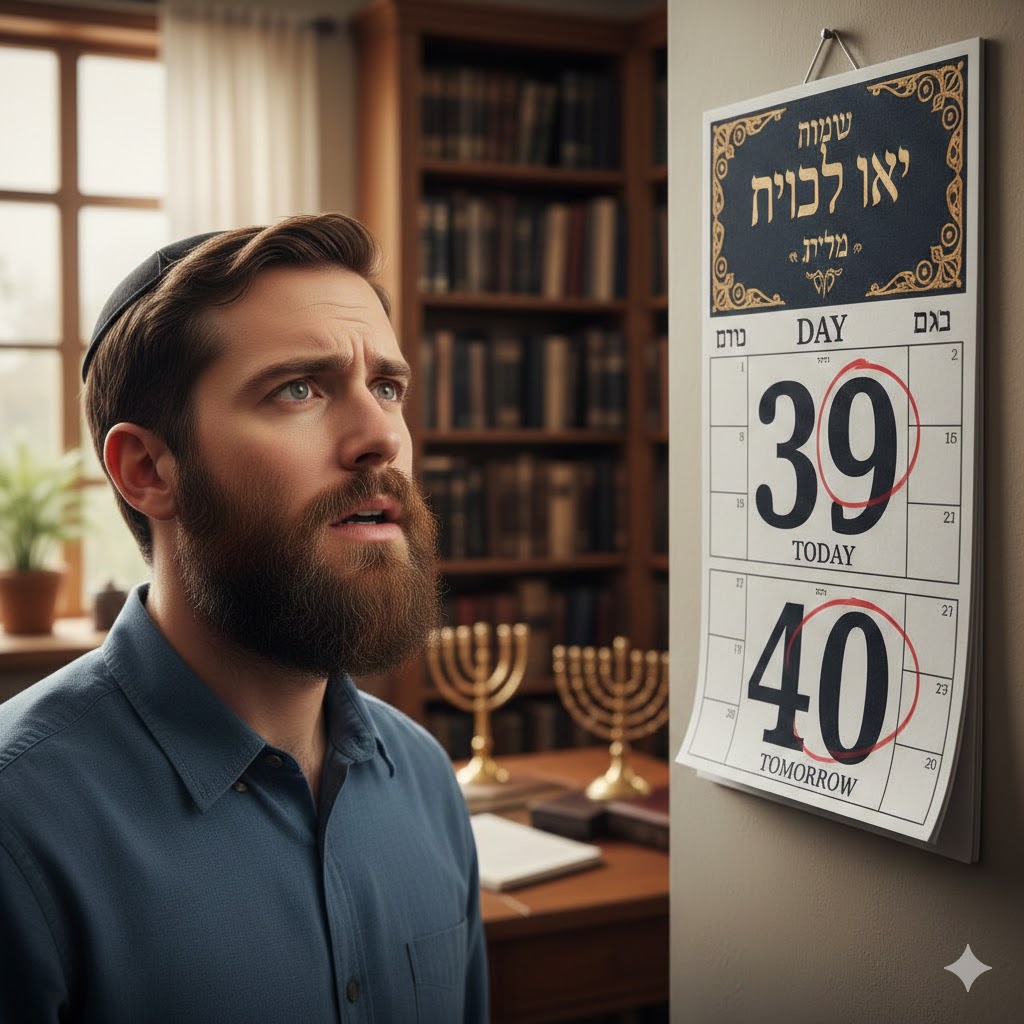
They answer that if 40 days have passed and one didn’t even ‘suffer’ such inconveniences, something is off.


Rashi explains it to be a sign מלמעלה that his life is so comfortable that he is living his עולם הבא while still being in this world.

If 40 days have passed and one has felt no discomfort whatsoever means that he is using up all his ‘credit’ and there will be nothing left for him in עולם הבא.

[In relation to the option 1 above, we mentioned the Chosid Reb Chaim Serebryanski O”H who once walked into Shul wearing a light color, glittering shiny sharkskin suit.

Art Gallery - ChabadEasternOrange.com

For those that didn’t know him it seemed that he’s gone modern….

Those that did know who Reb Chaim was, knew that he had no clue what he was wearing…]

5- The phenomenal idea of  Reb Shimshon of Ostrapoli.


6 –  Speaking of such morbid topics, we finished on a humorous note with a story of the famous Reb אהרן יוסף בלניצקי ע”ה.

Reb Aharon Yosef Belinitzky

…in Brunoy

He used to lament the idea of giving and receiving too many compliments, which in his eyes was not the דרך חב”ד.

He related the story when he received multiple compliments from many about how well he took care of the מקוה in the פלעצעל in Paris. These compliments came as a response when he asked  the מקוה users about the heat and cleanliness of the water. The clean towels etc.

“I actually enjoyed these compliments that were told to me in French. For many years all I heard when I asked the Mikvah members if this or that was OK, was one just word in French (which I didn’t speak). I took it to be ‘thank you very much’.

And so it was for years, until the day I was told that the word I have been hearing (and took it as a compliment)  ‘Ça sent mauvais’, means ‘it smells bad’!!!

Bad Smell Face Emoji

So much for compliments…..

———————————-

Notes in Hebrew.

איך פשפש ולא מצא? ממש? ועכשיו הוא מוצא שביטל תורה.

א- העונש הוא לא לפי ערך הביטול

ב- הסיבה שלא מצא היא עונש ע״ז שביטל תורה.


סיפור עם הרב וקערה מלאה פירות.


  • יתלה בעוון ביטול תורה. ייטב לב- יתלה הסיבה שיסירו ממנו היסורין – בביטול תורה, כלומר שהיסורים מבטלין אותו מללמוד תורה.
  • חת”ס יתלה מי שתורתו אומנתו בביטול תורה. כלומר הוא לא ביטל תורה על מצווה שאי אפשר לעשותו ע”י אחרים!


יסורין של אהבה. רש”י. שער הגמול. פנ”י.


ר’ שמשון מאוסטרופולי.

אשרי הגבר אשר תלמדנו. חגיגה ה. ר״י הוי בכי. והי׳ כי תמצאנה. למה דווקא ר״י.

רבי יוחנן מק”ו. ריש לקיש מגז״ש- ברית מלח.  נפק״מ אם ע״י גרמא.

וגם אני שמעתי, נמצא שע״י המצרים, אבל ואזכור את בריתי- כלומר גם יסורים כאלו ממרקים.


יסורים קלים. ערכין ט״ז ב.


Shiur Brochos 5a – Mar Cheshvan 20, 5786 – 11/11/25

BSD

Brochos 5a

Mar Cheshvan 20, 5786. 11/11/2025

1 – Our גמרא is the source for saying קריאת שמע שעל המיטה.

Two reasons are discussed, either so people go to sleep מתוך דברי תורה.

Thus a תלמיד חכם who learns constantly, would not need to say it.

The second reason is for protection – שמירה מן המזיקים.

The הלכה follows the second reason, requiring all to say it.

​​

2 – We mentioned briefly the topic of saying תהילים or any other דברי תורה for ‘healing’ or protection, as in קריאת שמע שעל המיטה

See here. Here.

​​

3  – The next piece of גמרא touches on many interesting topics.

אֲמַר רִבִּי לֵוִי בַּר חַמָּא אֲמַר רִבִּי שִׁמְעוֹן בֶּן לָקִישׁ: לְעוֹלָם יַרְגִּיז אָדָם יֵצֶר טוֹב עַל יֵצֶר הָרָע, שֶׁנֶּאֱמַר: ״רִגְזוּ וְאַל תֶּחֱטָאוּ״ (תהלים ד׳:ה׳). אִם נִצְּחוֹ, מוּטָב, וְאִם לָאו, יַעֲסוֹק בַּתּוֹרָה, שֶׁנֶּאֱמַר: ״אִמְרוּ בִלְבַבְכֶם״. אִם נִצְּחוֹ, מוּטָב, וְאִם לָאו, יִקְרָא קְרִיאַת שְׁמַע, שֶׁנֶּאֱמַר: ״עַל מִשְׁכַּבְכֶם״. אִם נִצְּחוֹ, מוּטָב, וְאִם לָאו, יִזְכּוֹר לוֹ יוֹם הַמִּיתָה, שֶׁנֶּאֱמַר: ״וְדוֹמּוּ סֶלָה״.

6 Lessons From Jacob's Wrestling With the Angel - Chabad.org

אַתָּה רָע וְרָשָׁע וּמְשׁוּקָּץ וּמְתוֹעָב וּמְנֻוָּול

Rabbi Levi bar Ḥama said that Rabbi Shimon ben Lakish said: One should always incite his good inclination against his evil inclination, i.e., that one must constantly struggle so that his evil inclination does not lead him to transgression. If one succeeds and subdues his evil inclination, excellent, but if he does not succeed in subduing it, he should study Torah, as alluded to in the verse: “Say to your heart.” If he subdues his evil inclination, excellent; if not, he should recite Shema, which contains the acceptance of the yoke of God, and the concept of reward and punishment, as it is stated in the verse: “Upon your bed,” which alludes to Shema, where it says: “When you lie down.” If he subdues his evil inclination, excellent; if not, he should remind himself of the day of death, whose silence is alluded to in the continuation of the verse: “And be still, Selah

A-  לְעוֹלָם יַרְגִּיז אָדָם יֵצֶר טוֹב עַל יֵצֶר הָרָע,

incite his good inclination against his evil inclination,

The Mitzvah - Shalom Adventure Magazine

We mentioned the מהרש”א that explains it to mean to ‘wage battle’  מלחמה with the יצר הרע.  Rashi writes in Sanhedrin that if the יצר הרע incites someone to do an עבירה not only does one not do it, but on the contrary, he performs a מצוה instead.

רש״י בסנהדרין קיא, אם היצה״ר אומר לו לעבור עבירה אז ילחם עמו ויעשה מצווה.

13 Facts About the Mitzvah to Visit the Sick - Chabad.org

Spoke about the Alter Rebbe’s application of this מאמרז”ל in Tanya chapter 31.

When one is in a state of sadness (for whatever reason) he should use this sadness and turn it into a ‘bitterness’  מרירות of קדושה for ‘stocktaking’ of his spiritual shortcomings.

Cute When Life Gives You Lemons Make Lemonade Art Print

See here.

B-  יִזְכּוֹר לוֹ יוֹם הַמִּיתָה

he should remind himself of the day of death

The simple meaning is that one should keep in mind his own mortality.

Some translate it as to remind the יצר הרע of his death and demise as the גמרא says in Sukka 52a.

C – So the order is: 1st pick a fight. If unsuccessful, (2) learn Torah.  If unsuccessful, (3) say שמע. If still unable to overcome the יצר הרע remind him of the (4) ‘day of death’.

The obvious question is why not go directly for the kill, pardon the pun, and remind him of the ‘day of death’?

the fourth option might not work out so well

One answer is that option #4- death, usually caused sadness and/or depression. So it’s used only after try other ,more cheerful options.

Another answer is that reminding the יצר הרע is not very effective for the average person. The proof is that death is inevitable and people usually do not dwell on it.

However, a person who has tried #1,  #2 and #3 is a man of substance, discipline and intelligence. It is he on whom the thought of ‘after 120’ has an effect.

4 – We mentioned last week the topic of אגדתא and saying ברכת התורה on it even if one does not understand.

This is a חידוש of the Alter Rebbe.

In general, the definition of ‘learning Torah’ means to understand it. Saying words of גמרא, with out any comprehension is meaningless. One cannot say ברכת התורה on such ‘learning’.

However, in regards to מקרא, the הלכה is that just saying the words with no understanding is also considered לימוד התורה.

אך אם מוציא בשפתיו אף על פי שאינו מבין אפילו פירוש המלות מפני שהוא עם הארץ הרי זה מקיים מצות ולמדתם ולפיכך כל עם הארץ מברך ברכת התורה בשחר לפני הפסוקיםקפו וכן כשעולה לספר תורהקפז:

יג במה דברים אמורים בתורה שבכתבקפח אבל בתורה שבע”פ אם אינו מבין הפירוש אינו נחשב לימוד כללקפט.

ואף על פי כן יש לאדם לעסוק בכל התורה גם בדברים שלא יוכל להביןקצ ולעתיד לבא יזכה להבין ולהשיג כל התורה שעסק בה בעולם הזה ולא השיגה מקוצר דעתוקצא:

קפט מא או”ח סינ סק”ב. וראה גם לעיל שם ס”ב. תניא קו”א קנד, ב. לקו”ת שם ושם. לקו”ש חי”ד ע’ 22 הערה 9. חי”ח ע’ 438 (בנוגע לזהר וחלק האגדה שבתורה). שיח השדה, שער ברכת ה’ ס”א. ארץ צבי סי’ יא בהגהה. חקרי הלכות ח”ב סב, א. ח”ד פז, ב.

The Alter Rebbe adds that this applies to אגדתא as well.

כי הנה ענין הלימוד במקרא אינו ע”ד לימוד משנה ותלמוד שהעיקר הוא להשיג החכמה שבהן שעי”ז יתקשר שכל האדם בחכמה זו שבתורה כו’ אלא דצריך ג”כ להוציא הדברים בדיבור פה דוקא אבל מ”מ אם אומר ההלכה ואינו מבין אינו נחשב לו ללימוד כלל כמ”ש במ”א סי’ נ’, משא”כ בעסק המקרא ותשב”כ אם מוציא בשפתיו אע”פ שאינו מבין אפי’ פי’ המלות מפני שהוא ע”ז ה”ז מקיים מצות ולמדתם, שלפיכך כל ע”ה מברך ברכת התורה בשחר לפני הפסוקים וכן כשעולה לס”ת…

 והנה בכלל לימוד המקרא הוא גכ לימוד האגדות שהרי רוב האגדות הם על הפסוקים ומעט מוסר וגם הם אין מושגים ובכלל מקרא יחשב.

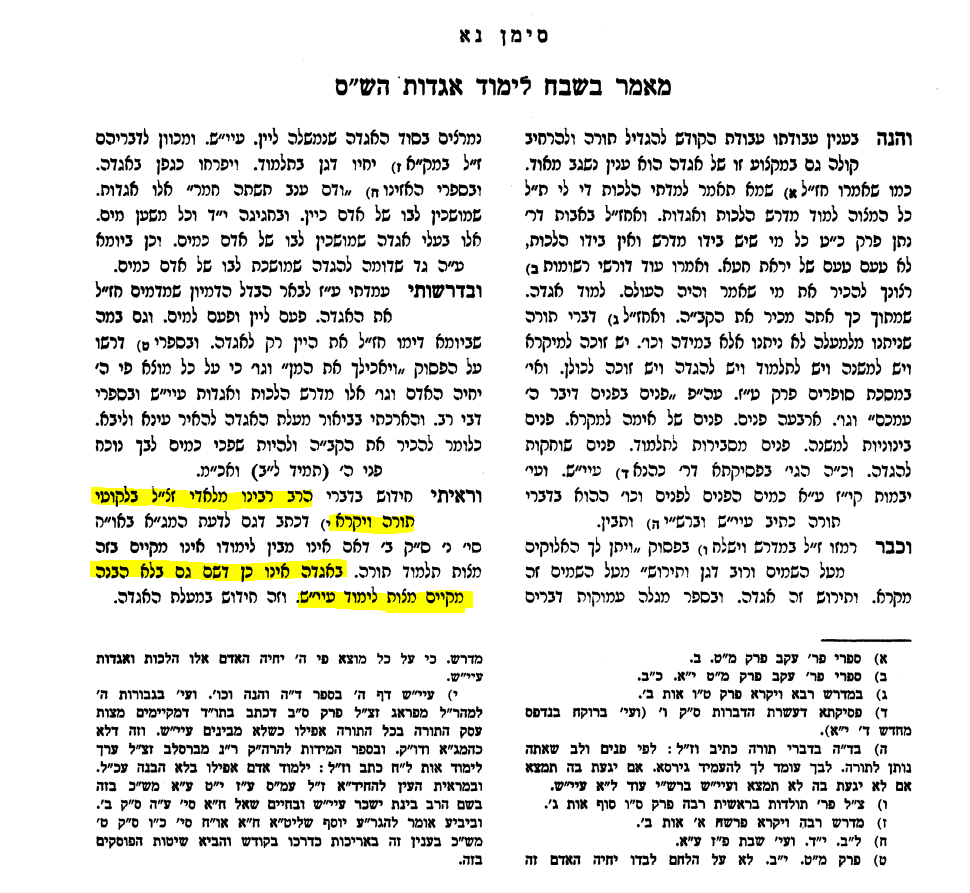
See here from Reb Menachem Zemba הי”ד where he discusses this novel idea of the Alter Rebbe.

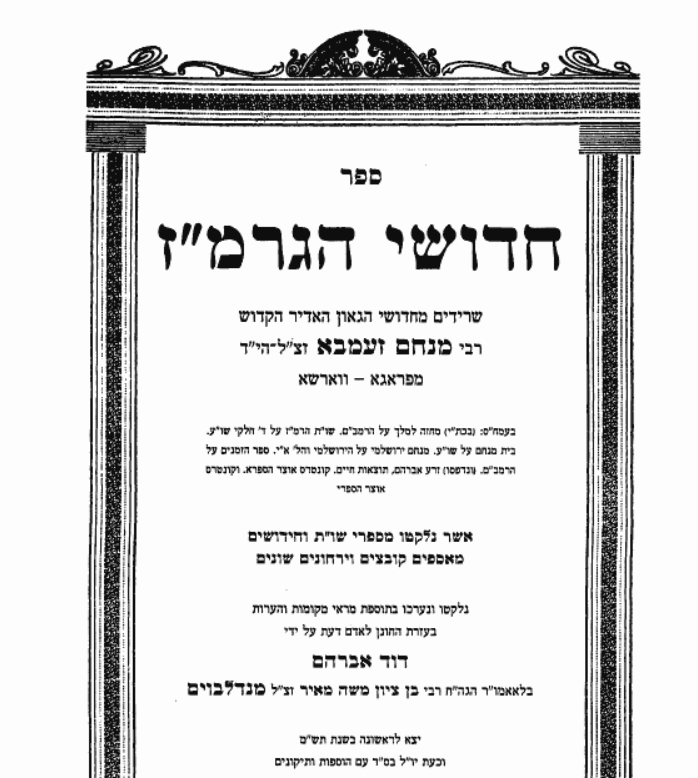
חידושי הגרמז עקלא. ​

We also repeated the story of Graf Potocki, who was known as Avraham ben Avraham, and who was buried next to the גר”א in Vilna.

R Shlomo Zalman Auerbach said in the name of the גר”א that you no longer have to worry about walking  ד אמות in the morning before נטילת ידים, because the מסירת נפש of Avraham ben Avraham, severely weakened the סטרא אחרא,

ומסיימין בטוב

———————————————————-

ירגיז- מלחמה- מהרש”א

רש״י בסנהדרין קיא, אם היצה״ר אומר לו לעבור עבירה אז ילחם עמו ויעשה מצווה.

יזכיר לו יום כו’

למה לא להתחיל ע”ז?

כי רק מי שכבר למד כו’ יזיזנו הזכרה זו. אכול ושתו כי מחר נמות. שפתי חכמים.

עין יעקב. הזכרת יום כו’ רק כשאין ברירה, כי זה מביא לידי עצבות!

פירוש מעניין:יזכיר לו יום מיתת היצ”ר”


Shiur Brochos 4b (2) – Mar Cheshvan 13, 5786 – 11/04/2025

BSD

Brochos 4b (2)

Mar Cheshvan 13, 5786. 11/04/2025

Short notes.

1- We continued on the topic of תפילת ערבית רשות או חובה.

Since the הלכה is that it is רשות, it seems that the חכמים wanted to make sure that people should know that it is indeed רשות.

For example:

  • No חזרת הש”ץ at מעריב.
  • After finishing קריאת שמע and its ברכות – (which are a חובה) a קדיש is said right after שומר את עמו ישראל לעד. [As opposed to Shacharis where no קדיש is said].
  • There is an obligation to say אשרי 3 times a day. So why not by מעריב? One of the reasons is to emphasize that ערבית is רשות. See further ahead.

2 – Here is the גמרא about saying אשרי three times a day:

אָמַר רִבִּי אֶלְעָזָר אָמַר רִבִּי אַבִּינָא: כָּל הָאוֹמֵר ״תְּהִלָּה לְדָוִד״ (תהלים קמ״ה:א׳) בְּכָל יוֹם שָׁלֹשׁ פְּעָמִים, מוּבְטָח לוֹ שֶׁהוּא בֶּן הָעוֹלָם הַבָּא.

Rabbi Elazar said that Rabbi Avina said: Anyone who recites: “A Psalm of David” (Psalms 145) three times every day is assured of a place in the World-to-Come.

 3 – The גמרא continues to explain the importance of reciting this קפיטל in particular. Briefly, since it has all the letters of the אלף בית (except the letter  נון) and also the important פסוק of

פותח את ידיך ומשביע לכל חי רצון

4 – As per רש”י the 3 times correspond to the שלש תפילות.

The obvious question is why we do not say it by מעריב.

We mentioned the שיחה of the Rebbe on this topic.

לקו”ש יח, פנחס ד. ע’ 351

In the זהר it actually says that saying אשרי is only a חיוב twice a day and the 3rd time is just as a שבח.

The צמח צדק explains that the זהר is of the opinion that תפילת ערבית רשות. Therefore the 3rd time is not a חיוב.

Rev Levik, the Rebbe’s father, has a different approach.

5 – Some say the reason for not saying אשרי before מעריב is simply because the חכמים figured that since people were lax with מעריב, as it is only רשות, they would not say it and not have the ‘3 times per day’ of saying אשרי and miss out on the מוּבְטָח לוֹ שֶׁהוּא בֶּן הָעוֹלָם הַבָּא.

אשרי ג”פ. ולא במעריב כי חששו שיבטלוה. הרא”ה.

6  –  We discussed the ריב”ש about the community that were preoccupied with a funeral and didn’t Daven מנחה and planned to do  מעריב  twice. The question was if to say אשרי after מעריב right before the second שמונה עשרה for the מנחה they missed.

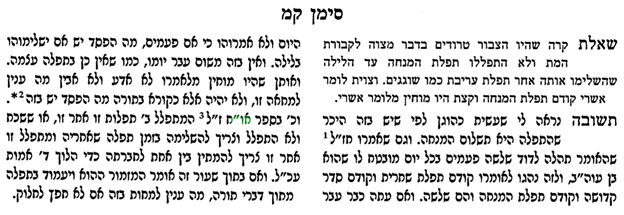
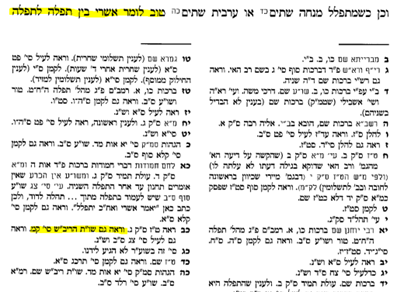
The ריב”ש ruled that they should. See here:

ריב”ש


   שו”ע אדה”ז קח,

סעיף ה

The Alter Rebbe quotes this ריב”ש but adds the זהר that one should not say פסוקים at night.

7 – We discussed this topic of not saying מקרא at night.

8 – Spoke about the topic of אגדתא and saying a ברכת התורה on it even if one does not understand. Will BL”N write about this next week.

Vort of JB on the difficulty of saying a Shiur on אגדתא.

9  – In a previous Shiur we spoke about certain מנהגים/דינים which are generally not adhered to (for whatever reason). One was not eating 30 minutes before the time for  מעריב, despite it being a clear הלכה in Shulchan Aruch!

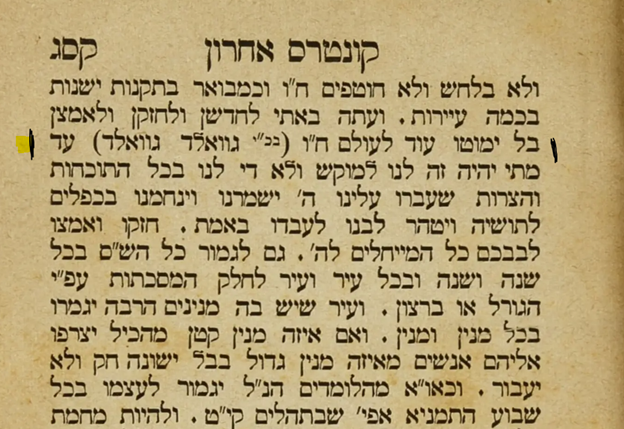
We spoke about a תקנה of the Alter Rebbe mentioned in Tanya that the Rebbe writes that he has not seen it been practiced widely. Saying קפיטל קי”ט once a week!

קונטרס אחרון סימן ט

גם לגמור כל הש”ס בכל שנה ושנה ובכל עיר ועיר לחלק המסכתות עפ”י הגורל או ברצון. ועיר שיש בה מנינים הרבה יגמרו בכל מנין ומנין. ואם איזה מנין קטן מהכיל יצרפו אליהם אנשים מאיזה מנין גדול בבל ישונה חק ולא יעבור. וכאו”א מהלומדים הנ”ל יגמור לעצמו בכל שבוע התמניא אפי’ שבתהלים קי”ט.

The Rebbe added that his father used to say it at מנחה on Shabbos.

9 – Speaking of that particular סימן in Tanya we mentioned what we once heard from Reb Meir Itkin that when it arrived in Nevel, they were so overtaken by the words “גוואלד גוואלד” –

that they had a Farbreingen for two weeks non stop!

Here is an actual image of that Farbreingen:


לקו”ש יח, פנחס ד. ע’ 351

כנגד ג’ תפילות – רש”י.

זהר: ב”פ חיוב והג’ בגין שבחא.

לפי הצ”צ: הש”ס ס”ל תע”ח. ולפי הזהר תע”ר, ולכן מספיק לומר רק ב”פ.

לפי הלקולו”י: גם לפי הזהר, שתע”ר, צ”ל ג’ פעמים.