BSD
Brochos 5a (2)
Mar Cheshvan 27, 5786. 11/18/2025
Brief notes:
1 – Our גמרא discusses at length about יסורים.
Half in jest we said that learning this גמרא is a form of יסורים….
Especially the idea of יסורים של אהבה.

The perplexing רש”י that defines יסורים של אהבה as afflictions that come upon a person who has no sins; just to ‘generate for him שכר more than he is deserving’.
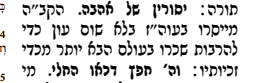
We mentioned the Ramban in his שער הגמול that seems to take issue with this explanation. Why would ‘ה do that?
The Ramban says that יסורים של אהבה mean יסורים that come upon a person to cleanse his עבירות that were done בשוגג.

The פני יהושע suggest other ideas, such as perhaps it is for the atonement of the sins of others.
ויש לפרש עוד בענין אחר דאותן היסורים שמביא הקב״ה על הצדיק בלי שום עון ע״כ היינו כדי למרק עוונותיהם של ישראל כדאיתא בסנהדרין דאהדר ליה ר״ג להאי צדוקי דא״ל אלקיכם גחכן הוא אם רחמן מלא רחמים הוא מייסר הגדולים שבהן ביסורין. והענין מבואר שאין הקב״ה רוצה בהשחתת העולם אלא בקיומו ואם יביא היסורים על הבינונים אפשר שלא יקבלו היסורים מדעתן ויבעטו ביראתו ח״ו לכן הבוחן לבות מביא אותן היסורים עצמן על הצדיק שיקבלם באהבה לטובת ישראל
2 – The גמרא says that one who has יסורין and is clueless as to why he deserves it and what caused them, he should:
A- Search his מעשים. If he can’t find anything lacking, he should:
B- Attribute it to ביטול תורה. If he can’t find anything lacking in ביטול תורה, he should realize that it is :
C – יסורים של אהבה. [As above]

The obvious question is:

How can a person honestly say (A above) that ‘I have searched and found nothing lacking’ and then be told to find ביטול תורה? If he has ביטול תורה then his search and finding ‘nothing wrong’ (פשפש ולא מצא) was not truthful.
We mentioned that in the גמרא מתיבתא they list no less than 24 answers to this question!
One is: If one cannot find within himself any item that needs improvement, then he should attribute this lack of finding (ולא מצא) on ביטול תורה. For a true scholar would not fool himself to such an extreme.

Another answer: A person who was ’ פשפש ולא מצא’ is obviously a great צדיק and is a תורתו אומנתו type. A person, like רשב”י , who studies not stop is פטור from many מצוות. However, if it is a מצווה that cannot be done by others and he is the only that can do this מצווה, then he must stop his leaning and perform this מצווה.
So חז”ל are referring to such a person in particular, and a מצווה came up that others could not do it, but he didn’t stop learning to perform it!

Such a person should attribute his יסורים on the ביטול תורה – meaning that he should have been מבטל!
3 – The story with the Rov and the bowl of fruit, see here.

4 – Speaking of יסורים, we quoted a very interesting גמרא in ערכין טז, ב.
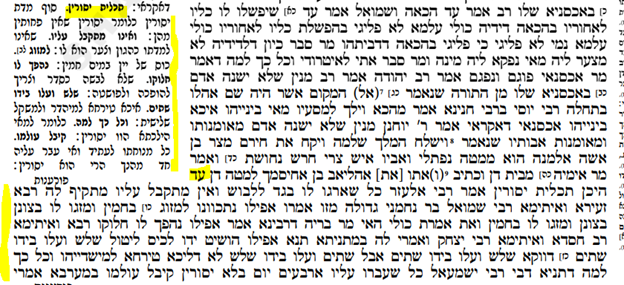
What is the least hurtful type of pain – יסורים?
1- Ordering a tailor made suit and not liking it.

I don’t know, I just don’t like the way it looks
2- Asking for a cup of hot water and being served cold.

3- Realizing that you put on a jacket inside out, the need to remove it, turning it outside in and putting it on again.
4- Inserting your hand into the pocket to pick up 3 coins but only 2 came up.
Ouch, ouch, ouch and ouch.
The גמרא ask: What is the purpose of listing these seemingly trivial יסורים?
They answer that if 40 days have passed and one didn’t even ‘suffer’ such inconveniences, something is off.
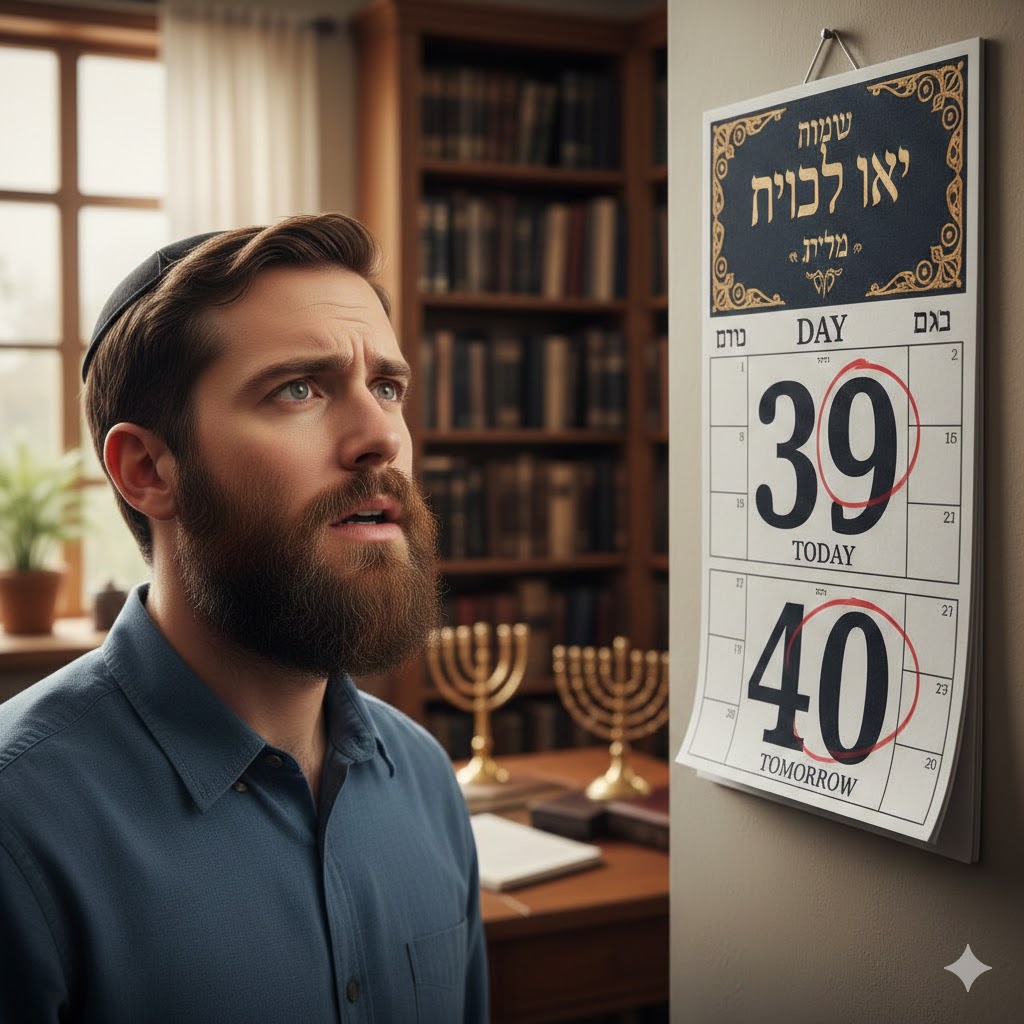
Rashi explains it to be a sign מלמעלה that his life is so comfortable that he is living his עולם הבא while still being in this world.
If 40 days have passed and one has felt no discomfort whatsoever means that he is using up all his ‘credit’ and there will be nothing left for him in עולם הבא.
[In relation to the option 1 above, we mentioned the Chosid Reb Chaim Serebryanski O”H who once walked into Shul wearing a light color, glittering shiny sharkskin suit.

For those that didn’t know him it seemed that he’s gone modern….
Those that did know who Reb Chaim was, knew that he had no clue what he was wearing…]
5- The phenomenal idea of Reb Shimshon of Ostrapoli.
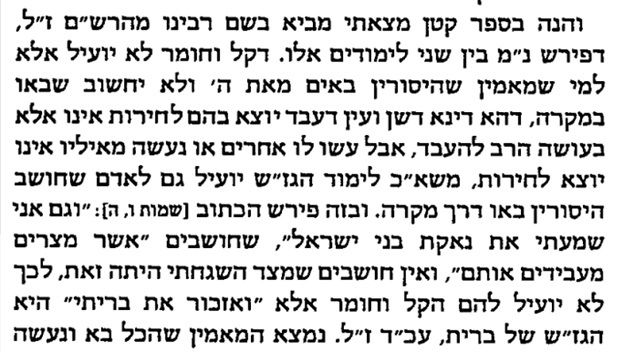
6 – Speaking of such morbid topics, we finished on a humorous note with a story of the famous Reb אהרן יוסף בלניצקי ע”ה.
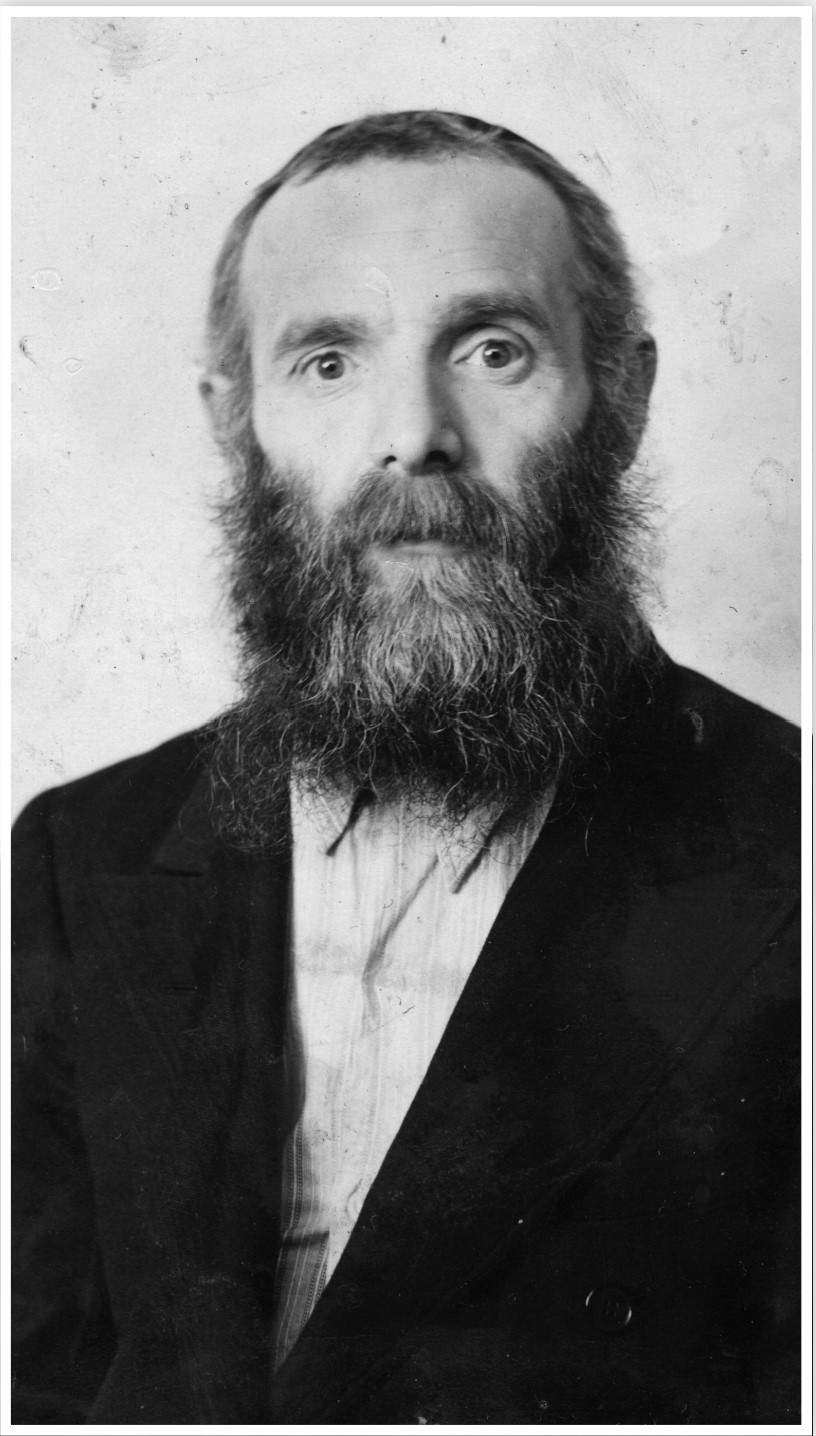
Reb Aharon Yosef Belinitzky
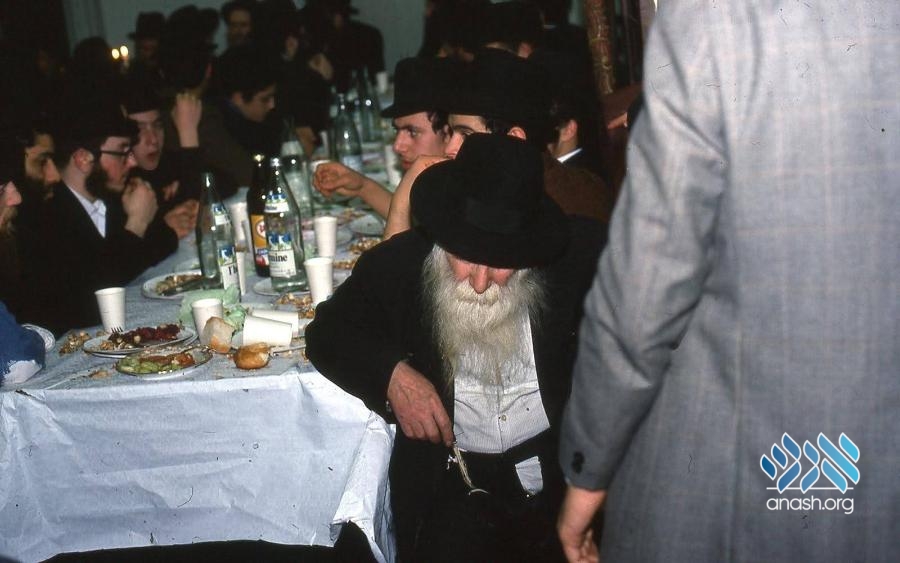
…in Brunoy
He used to lament the idea of giving and receiving too many compliments, which in his eyes was not the דרך חב”ד.
He related the story when he received multiple compliments from many about how well he took care of the מקוה in the פלעצעל in Paris. These compliments came as a response when he asked the מקוה users about the heat and cleanliness of the water. The clean towels etc.
“I actually enjoyed these compliments that were told to me in French. For many years all I heard when I asked the Mikvah members if this or that was OK, was one just word in French (which I didn’t speak). I took it to be ‘thank you very much’.
And so it was for years, until the day I was told that the word I have been hearing (and took it as a compliment) ‘Ça sent mauvais’, means ‘it smells bad’!!!

So much for compliments…..
———————————-
Notes in Hebrew.
איך פשפש ולא מצא? ממש? ועכשיו הוא מוצא שביטל תורה.
א- העונש הוא לא לפי ערך הביטול
ב- הסיבה שלא מצא היא עונש ע״ז שביטל תורה.
סיפור עם הרב וקערה מלאה פירות.
- יתלה בעוון ביטול תורה. ייטב לב- יתלה הסיבה שיסירו ממנו היסורין – בביטול תורה, כלומר שהיסורים מבטלין אותו מללמוד תורה.
- חת”ס יתלה מי שתורתו אומנתו בביטול תורה. כלומר הוא לא ביטל תורה על מצווה שאי אפשר לעשותו ע”י אחרים!
יסורין של אהבה. רש”י. שער הגמול. פנ”י.
ר’ שמשון מאוסטרופולי.
אשרי הגבר אשר תלמדנו. חגיגה ה. ר״י הוי בכי. והי׳ כי תמצאנה. למה דווקא ר״י.
רבי יוחנן מק”ו. ריש לקיש מגז״ש- ברית מלח. נפק״מ אם ע״י גרמא.
וגם אני שמעתי, נמצא שע״י המצרים, אבל ואזכור את בריתי- כלומר גם יסורים כאלו ממרקים.
יסורים קלים. ערכין ט״ז ב.