BSD
Brochos 5b
Kislev 5, 5786. 11/25/2025
Some short notes:
1 – We continued to discuss the idea of יסורין של אהבה.
Whatever the explanation of יסורין של אהבה we encountered last week, it basically means that these יסורין are not due to the person’s faults or עבירות.
Whether these יסורים are to ‘increase his שכר’, as a result of his שוגג actions or to atone to the sins of others, these יסורים are not coming for his own כפרה.

יסורים-שכר – o-meter (AI version)
So obviously these יסורים happen only to the most righteous people.
2- Our גמרא discusses one whose children deceased ח”ו before him and someone that never had children. Which one is יסורין של אהבה?
3 – The terrible tragedy of רבי יוחנן who buried 10 of his sons with the last one dying in a horrific accident.
רבי יוחנן always carried around with him a bone or tooth of that last son to console other people when distraught. .
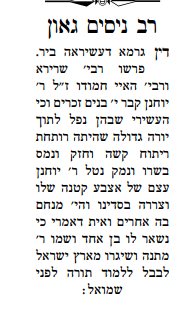
4 – The issue with טומאה and the קבורה of this bone.
We discussed the issue of burial of an amputated limb.
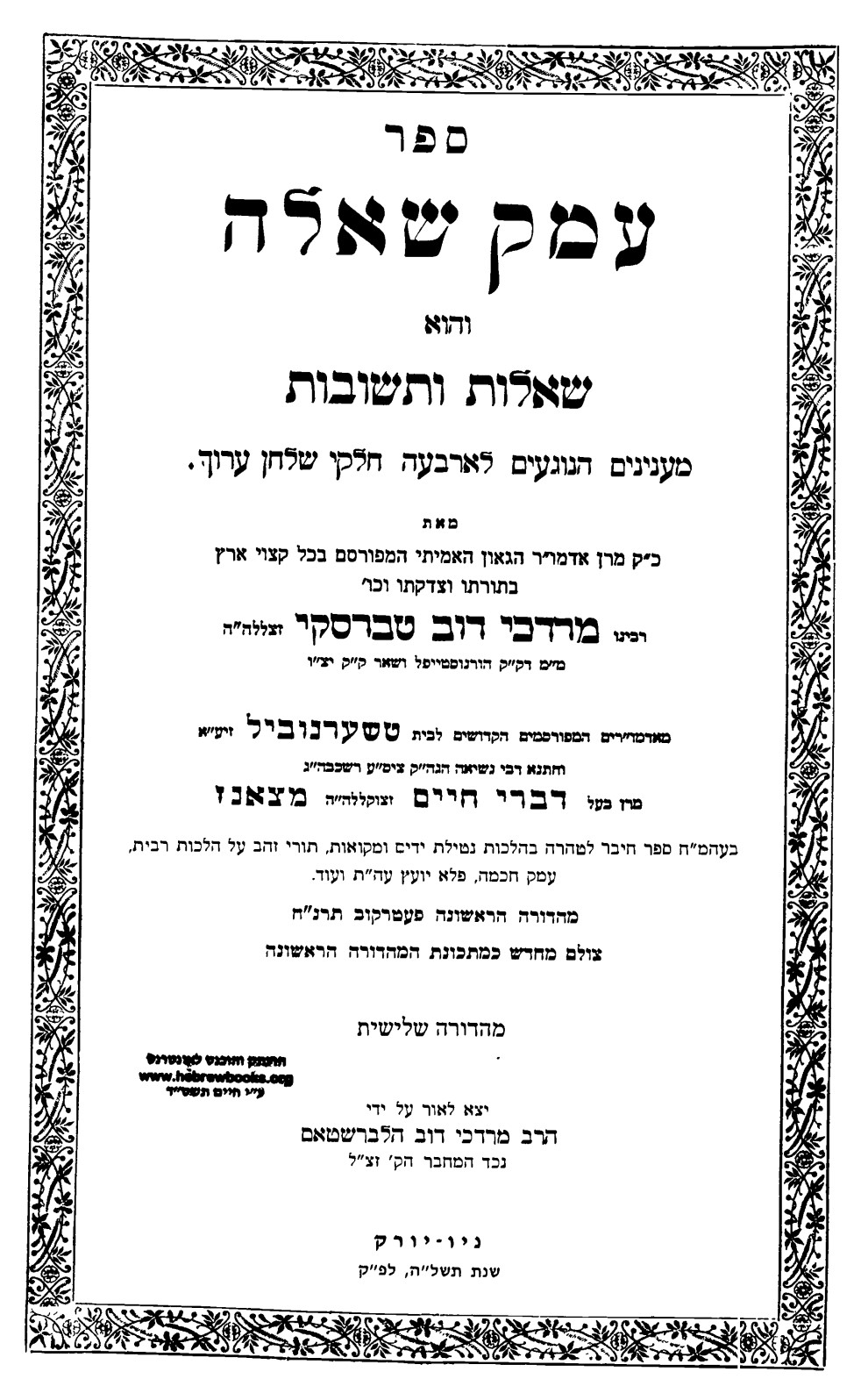
מרדכי דב טברסקי הורניסטייפול (spoke about him here)
ספר ספרו “שו“ת עמק שאלה“ באתר היברובוקס.
קבורה לאבר מאדם חי.
שבות יעקב, קא. נוב”י תנינא יו”ק רט.
5 – Story told by Reb אהרן יוסף Belinitzki (see Shiur of last week and see here, p19 has additional background – ed.) when he would smuggle bodies out of the hospital in Samarkand to bring them to קבר ישראל.
Despite being fully aware that he was carrying a dead body, he would always be startled when the dangling hand of the corpse would ‘tap him on his back’….
6 – Case of the שוחט that offered some a delicacy at a ברית…

today, we’re making gribenes!
7 – Crying on the ‘beauty that will be lost’.
רִבִּי אֶלִיעֶזֶר חֲלַשׁ. עָל לְגַבֵּיהּ רִבִּי יוֹחָנָן, חֲזָא דַּהֲוָה קָא גָּנֵי בְּבַיִת אָפֵל. גַּלְּיֵיהּ לִדְרָעֵיהּ וּנְפַל נְהוֹרָא. חַזְיֵיהּ דַּהֲוָה קָא בָכֵי רִבִּי אֶלִיעֶזֶר, אֲמַר לֵיהּ: אַמַּאי קָא בָכֵית? אִי מִשּׁוּם תּוֹרָה דְּלָא אַפַּשְׁתְּ, שָׁנִינוּ: אֶחָד הַמַּרְבֶּה וְאֶחָד הַמַּמְעִיט, וּבִלְבַד שֶׁיְּכַוֵּין לִבּוֹ לַשָּׁמַיִם; וְאִי מִשּׁוּם מְזוֹנֵי, לֹא כָל אָדָם זוֹכֶה לִשְׁתֵי שֻׁלְחָנוֹת; וְאִי מִשּׁוּם בְּנֵי, דֵּין גַּרְמָא דַּעֲשִׂירָאָה בִּיר.
The Gemara relates that Rabbi Elazar fell ill. Rabbi Yoḥanan entered to visit him, and saw that he was lying in a dark room. Rabbi Yoḥanan exposed his arm, and light radiated from his flesh, filling the house.
He saw that Rabbi Elazar was crying, and said to him: Why are you crying? Are you weeping because you did not study as much Torah as you would have liked?
But we learned: One who brings a substantial sacrifice and one who brings a meager sacrifice have equal merit, as long as he directs his heart toward Heaven.
Illustration only – not actually R Yochanan and R Eliezer
If you are weeping because you lack sustenance and are unable to earn a livelihood, as Rabbi Elazar was, indeed, quite poor, not every person merits to eat off of two tables, one of wealth and one of Torah, so you need not bemoan the fact that you are not wealthy.
If you are crying over children who have died, this is the bone of my tenth son, and suffering of that kind afflicts great people, and they are afflictions of love. יסורין של אהבה
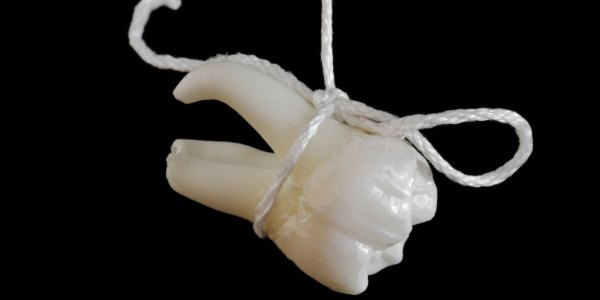
some say it was a tooth
The גמרא concludes:
אֲמַר לֵיהּ: לְהַאי שׁוּפְרָא דְּבָלֵי בְעַפְרָא קָא בָכֵינָא. אֲמַר לֵיהּ: עַל דָּא וַדַּאי קָא בָכֵית. וּבְכוֹ תַּרְוַיְיהוּ.
Rabbi Elazar said to Rabbi Yoḥanan: I am not crying over my misfortune, but rather, over this beauty of yours that will decompose in the earth, as Rabbi Yoḥanan’s beauty caused him to consider human mortality.
Rabbi Yoḥanan said to him: Over this, it is certainly appropriate to weep. Both cried over the fleeting nature of beauty in the world and death that eventually overcomes all.
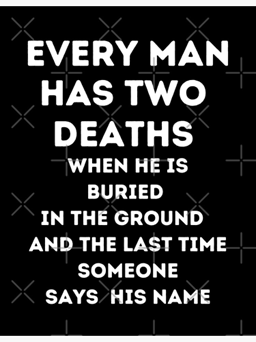
Explanation of the מהרש”א that they cried primarily on the ‘beauty of ירושלים’ that will be lost when רבי יוחנן passes away.
רבי יוחנן was the last one remaining of the חכמים of ירושלים and רבי Eliezer was crying that when passes away that exceptional generation will be gone.

ומסיימין בטוב