BSD
Brochos 6a (2)
Kislev 26, 5786. 12/16/2025
Topics discussed.
1 – Our גמרא explains the idea that the שכינה is always present when Torah is studied; whether it be a group of 10 learners, 3, 2 or even 1.

We mentioned the Alter Rebbe’s explanation of the different levels of the שכינה in Igeres HaKodesh 23.
The גמרא brings פסוקים to support the above and the verse for the single learner is:
וּמִנַּיִן שֶׁאֲפִילּוּ אֶחָד שֶׁיּוֹשֵׁב וְעוֹסֵק בַּתּוֹרָה, שֶׁשְּׁכִינָה עִמּוֹ? שֶׁנֶּאֱמַר: ״בְּכָל הַמָּקוֹם אֲשֶׁר אַזְכִּיר אֶת שְׁמִי אָבוֹא אֵלֶיךָ וּבֵרַכְתִּיךָ״ (שמות כ׳:כ׳).
And from where is it derived that when even one who sits and engages in Torah study, the שכינה is with him? As it is stated: “In every place where I cause My Name to be mentioned, I will come to you and bless you” (Exodus 20:21)

‘I cause My Name to be mentioned’. Now where in this פסוק is the studying of תורה mentioned?
2- We discussed an interesting מהרש”א that explains ‘mentioning השם’s name means while learning תורה ‘. It means that when one studies תורה and encounters השם’s name in the text, he is allowed to pronounce it!
That is perplexing as the פני יהושע asks. The הלכה is that one is not permitted to say ה’s name when learning. (as opposed to davening).
בד״ה אשר אזכיר את שמי אשר יזכר שמי על מצותי ודברי עכ״ל. ולפי פירושו אין זה ענין ליושב ועוסק בתורה דוקא כיון דבכל המצות שייך לומר כן.
וכן במה שפי׳ מהרש״א ז״ל דאשר אזכיר את שמי איירי בתורה דדרך לימודו יש לו רשות להזכיר שמו של הקב״ה נמי קשיא לי דה״ד אי בשם המיוחד אפילו דרך לימודו נמי אסור כדאיתא בפסחים ס״פ אלו עוברין דרבא סבר למידרשא בפירקא אמר ליה ההוא סבא לעלם כתיב. ואי בשאר שמות הדרא קושיא לדוכתי׳ מאי איריא תורה אפי׳ תפלה ושאר מצות אנו מזכירין שמו של הקב״ה בברכותיהן.
His explanation:
ולענ״ד היה נראה דודאי פשטא דקרא דאשר אזכיר את שמי לא איירי כלל בד״ת אלא בקרבנות דכתיבי ברישא דקרא וזבחת עליו את עולותיך ואת שלמיך וגו׳ ובסיפא דקרא דכתיב בכל המקום אשר אזכיר את שמי ופי׳ הרמב״ן ז״ל בפי׳ החומש דהיינו נמי בכל מקום שיקריב קרבנו. אלא דהכא בק״ו יליף לה כיון דאפי׳ ביחיד שהוא מקריב שכינה שרויה שם כדכתיב אבוא אליך בלשון יחיד א״כ כ״ש ת״ת דעדיף מעבודה כדאית׳ בכמה דוכתי:
We discussed this הלכה as the Alter Rebbe rules that an adult person who is learning how to make a ברכה, is not permitted to pronounce השם’s name. 215, 2.
וכן אין עונין אמן אחר תינוק שלומד הברכות לפני רבויט שמותר ללמד לתינוק הברכות כתקונן אפילו שלא בזמנןכ ואע”פ שהם לבטלה בשעת הלימוד אע”פ שאסור לגדול המתלמדכא אבל כשאינן מברכין לבטלה עונין אחריהם אמןכב כגון שמברכין אותן בזמנן כדי לפטור מחיובן שהם חייבים בהן כדי לחנכם במצות וכן בשעה שקורין ההפטרה בציבור ומברכין לפניה ולאחריהכג:

See more on this from the Rebbe in Igros. 3, 503.
3 – Next section in the גמרא discusses the תפילין of הקב”ה and the idea of fear that is instilled by wearing תפילין שבראש.
וּמִנַּיִן שֶׁהַתְּפִילִּין עוֹז הֵם לְיִשְׂרָאֵל? דִּכְתִיב: ״וְרָאוּ כָּל עַמֵּי הָאָרֶץ כִּי שֵׁם ה׳ נִקְרָא עָלֶיךָ וְיָרְאוּ מִמֶּךָ״ (דברים כ״ח:י׳), וְתַנְיָא, רִבִּי אֱלִיעֶזֶר הַגָּדוֹל אוֹמֵר: אֵלּוּ תְּפִילִּין שֶׁבָּרֹאשׁ.
It was taught in a baraisa that Rabbi Eliezer the Great says: This is a reference to the תפילין of the head, upon which the name of God is written in fulfillment of the verse: “That the name of the Lord is called upon you.”
We mentioned the Tosfos that deals with how the שם השם is visible on a Jew (כִּי שֵׁם ה׳ נִקְרָא עָלֶיךָ) when wearing תפילין שבראש. Either because of the שין on the בית and the דלי”ת on the knot, or simply due to the fact that he wears תפילין on top his head for all to see as opposed to the תפילין של יד which is hidden.

4 – Story of the Alter Rebbe and his explanation as to why the average person’s תפילין do not instill fear on others.
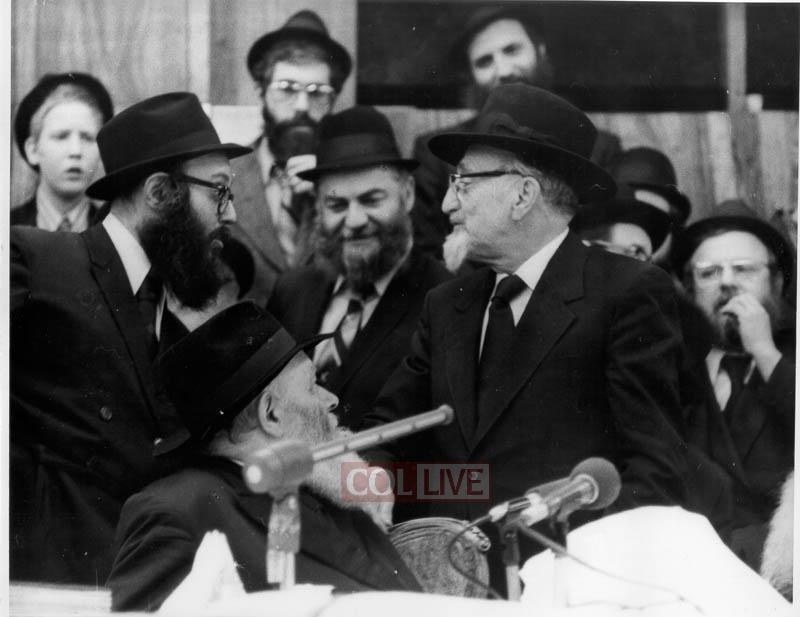
We mentioned the time R Simcha Elberg told the crowd at a Kinus Torah in 770 that he found an ‘amazing Medrash’ regarding the importance of putting on Tefillin, only to be told that every Bar Mitzvah boy learns this Medrash….
5 – Mentioned the גמרא in ראש השנה (17a)
פּוֹשְׁעֵי יִשְׂרָאֵל בְּגוּפָן וּפוֹשְׁעֵי אוּמּוֹת הָעוֹלָם בְּגוּפָן יוֹרְדִין לְגֵיהִנָּם וְנִידּוֹנִין בָּהּ שְׁנֵים עָשָׂר חֹדֶשׁ לְאַחַר שְׁנֵים עָשָׂר חֹדֶשׁ גּוּפָן כָּלֶה וְנִשְׁמָתָן נִשְׂרֶפֶת וְרוּחַ מְפַזַּרְתָּן תַּחַת כַּפּוֹת רַגְלֵי צַדִּיקִים
The rebellious Jews who have sinned with their bodies and also the rebellious people of the nations of the world who have sinned with their bodies descend to גיהנום and are judged there for twelve months. After twelve months, their bodies are consumed, their souls are burned, and a wind scatters them under the soles of the feet of the righteous
What is this ‘sinned with their bodies’? The גמרא continues:
קרקפתא דלא מנח תפילין- a head that does not put on תפילין.
According to the גירסה of רבינו חננאל and others the text reads קרקפתא דלא מנח תפילין לעולם! Just one time is sufficient to exit the awful category and status of פושעי ישראל בגופם!
When the Rebbe initiated מצבע תפילין he quoted this גמרא about the importance of putting on תפילין at least once in a lifetime so he is not a קרקפתא דלא מנח תפילין.
He is no longer a ‘sinner with his body’.
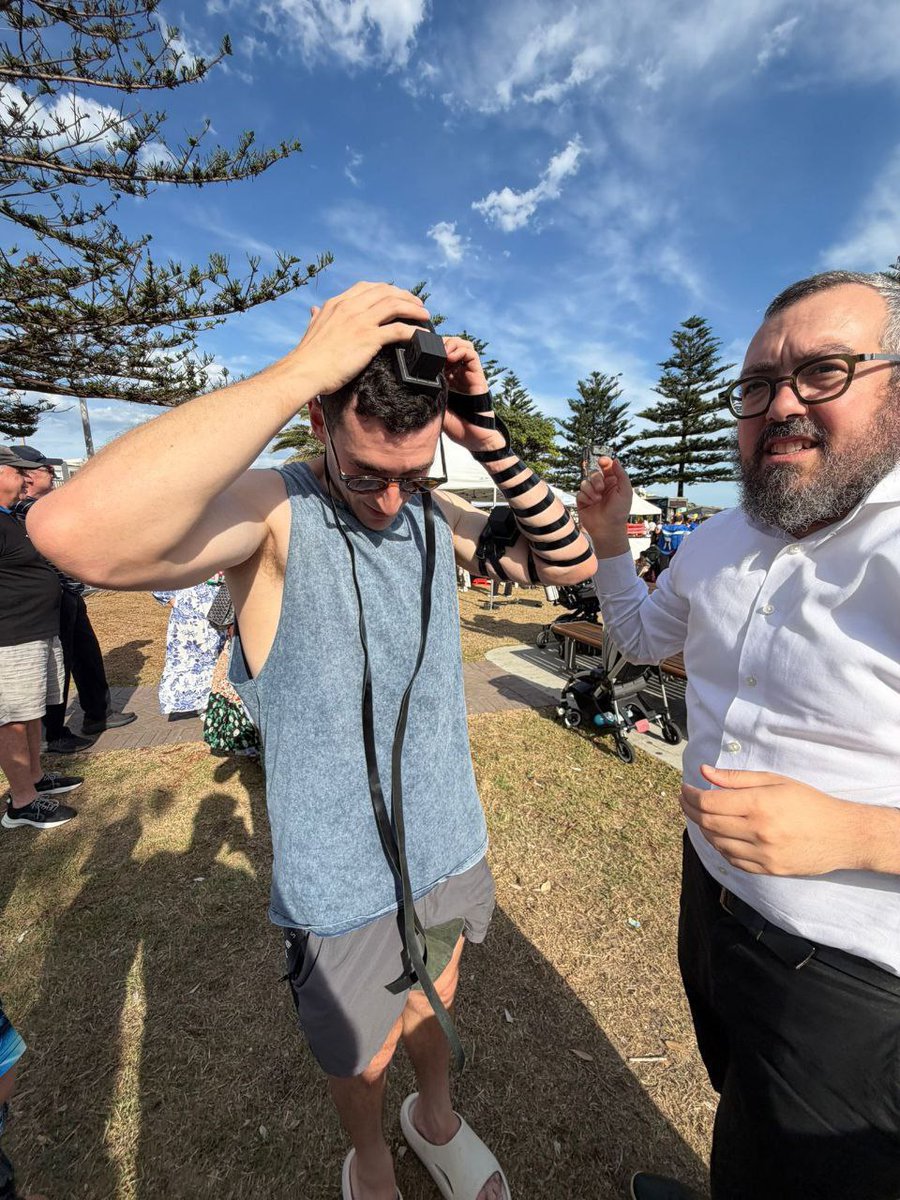
We also mentioned the story of Hillel Piekarski, the well-known shliach of the Pletzel who never takes no for an answer,
He once met a Jew who told him that since putting on Tefillin with a Shliach in the street years ago, he dons Tefillin daily.
Searching on his phone to show the Rabbi who the Shliach was, he discovered that the Shliach he met years ago was…Hillel Piekarski.
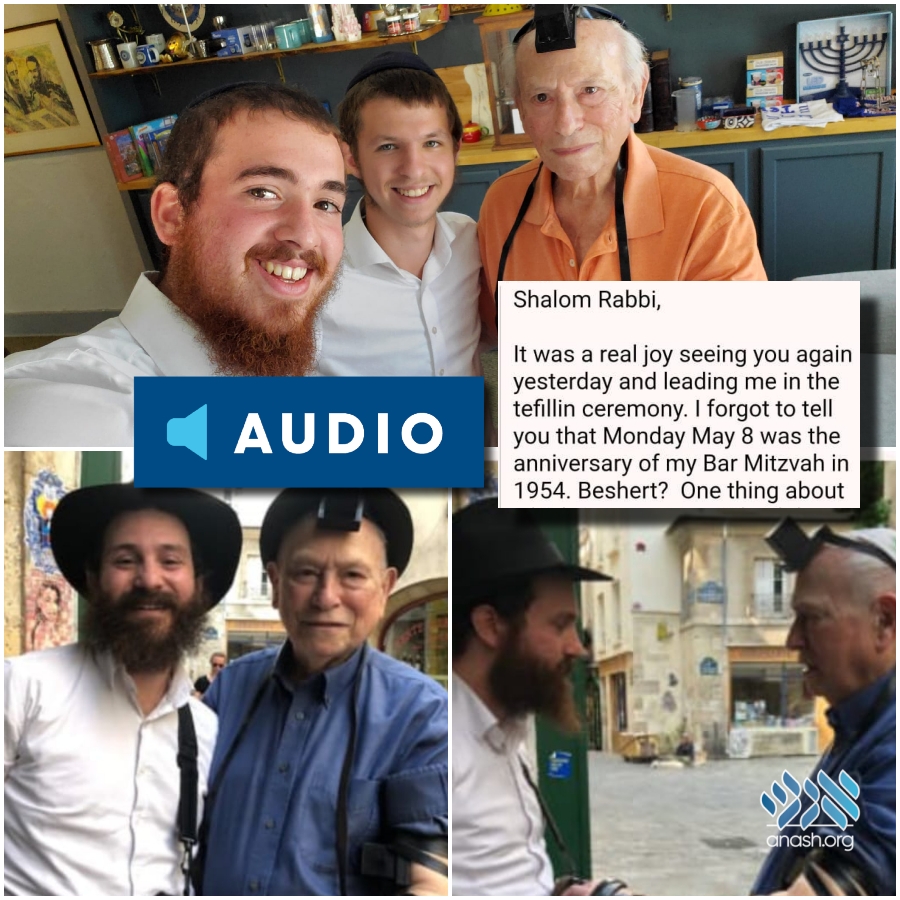
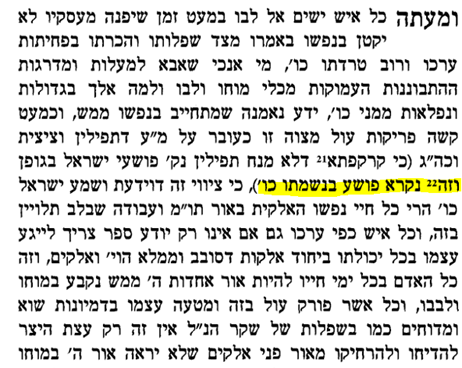
Speaking about פושעי ישראל בגופם we discussed as to what is פושעי ישראל בנשמתן?
The Mitteler Rebbe writes in his הקדמה to the אמרי בינה that it refers to those who do not study the idea יחודא עילאה ויחודא תתאה!!!
In simple words – studying the idea of אחדות השם and how this world is בטל לאלוקות.

6 – The topic of the minimum כוונה that is needed in שמונה עשרה to be יוצא the מצווה of תפילה.

R Chaim Soloveitchik of Brisk
Spoke about the famous Reb Chaim of Brisk’s explanation on a seemingly contradiction of 2 הלכות in the Rambam.
רמב”ם הלכות תפילה פ”ד
טו – כוונת הלב כיצד, כל תפילה שאינה בכוונה אינה תפילה, ואם התפלל בלא כוונה, חוזר ומתפלל בכוונה. מצא דעתו משובשת ולבו טרוד, אסור לו להתפלל עד שתתישב דעתו. לפיכך הבא מן הדרך והוא עיף או מצר, אסור לו להתפלל עד שתתישב דעתו. אמרו חכמים, שלשה ימים עד שינוח ותתקרר דעתו, ואחר כך יתפלל:
Proper intention: What is implied? Any prayer that is not [recited] with proper intention is not prayer. If one prays without proper intention, he must repeat his prayers with proper intention.
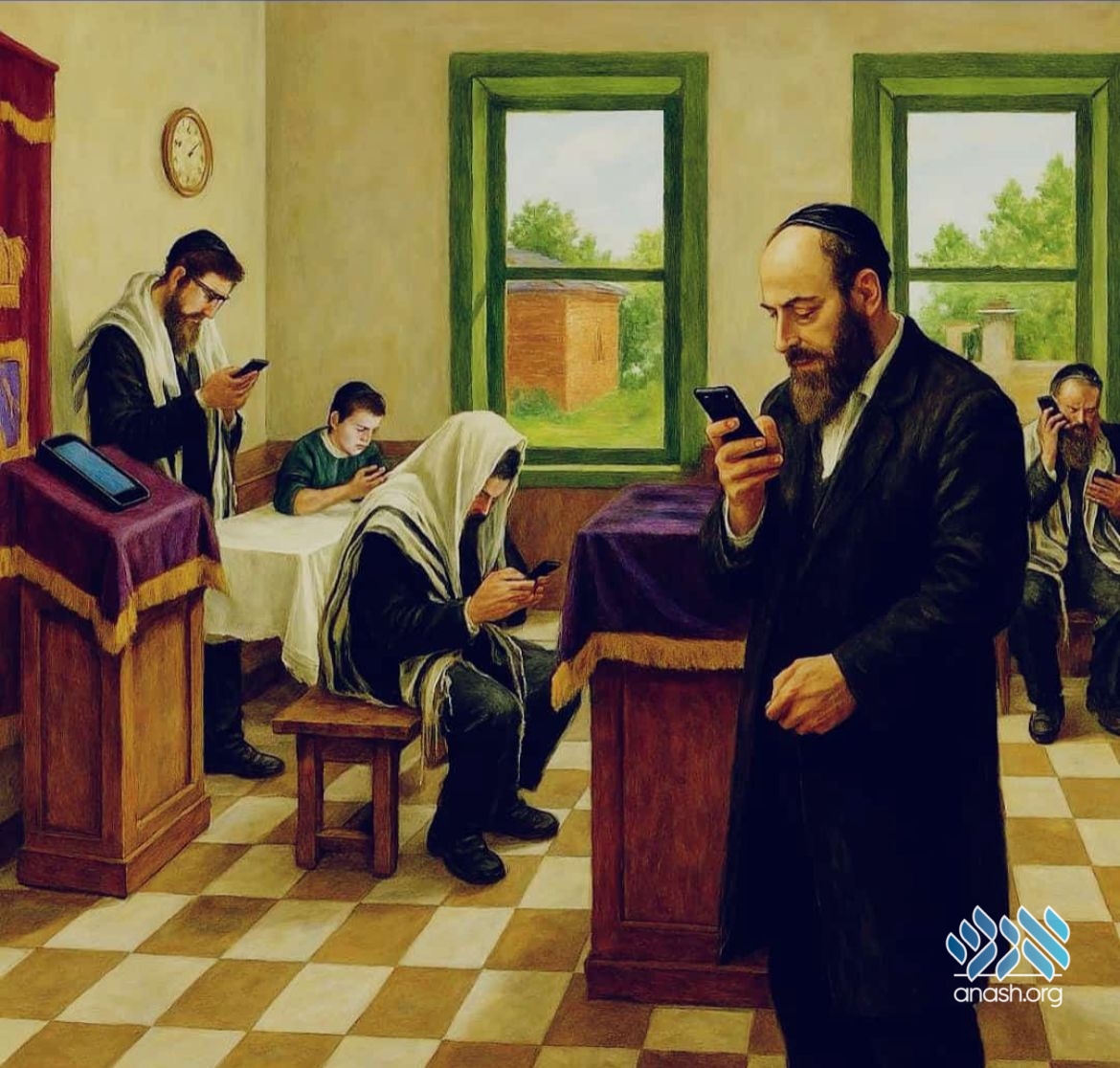
פ“י א – מי שהתפלל ולא כוון את לבו, יחזור ויתפלל בכוונה. ואם כוון לבו בברכה ראשונה, שוב אינו צריך
A person who prayed without concentrating [on his prayers] must pray a second time with concentration. However, if he had concentrated during the first blessing, nothing more is necessary.
Form the first הלכה it seems that the entire תפילה must be said with כוונה, whereas in the second הלכה the Rambam writes that בדיעבד, just the first ברכה needs to be בכוונה.
Reb Chaim’s famous answer is that there are two concepts in כוונה בתפילה. The first is the general idea of being cognizant that one is עומד בתפלה לפני ד׳. The second one is the פירוש המילות.
Unlike other מצוות where there is the מעשה המצווה and the כוונה, in Davening, this (first and general) כוונה is the מצווה.

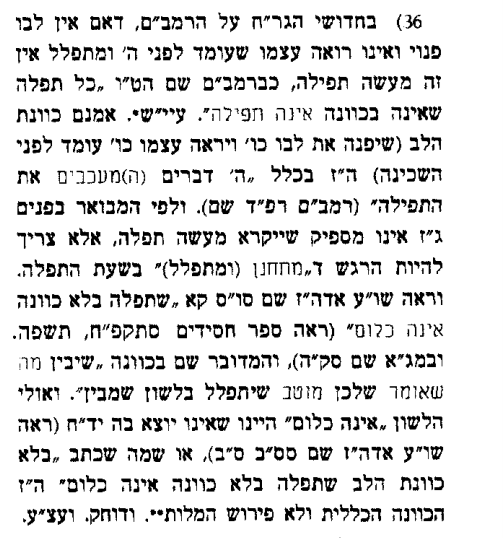
ונראה דכוונה זו אינה מדין כוונה, רק שהוא מעצם מעשה התפלה, ואם אין לבו פנוי ואינו רואה את עצמו שעומד לפני ד׳ ומתפלל אין זה מעשה תפלה, והרי הוא בכלל מתעסק דאין בו דין מעשה. וע״כ מעכבת כוונה זו בכל התפלה, דבמקום שהיה מתעסק דינו כלא התפלל כלל, וכאלו דלג מלות אלה, והלא ודאי דלענין עצם התפלה כל הי״ט ברכות מעכבין.
So if one’s mind drifts off in the middle of שמונה עשרה it is as if he skipped those words and one is not יוצא.
Wow! According to Reb Chaim one needs to have כוונה the entire שמונה עשרה, barring that, one is simply not יוצא!
As to פירוש המילות, just the first ברכה is מעכב.
ורק היכא שמכוון ומכיר מעשיו ויודע שהוא עומד בתפלה אלא שאינו יודע פירוש הדברים שזה דין מסוים רק בתפלה לבד, הוספת דין כוונה. בזה הוא דאיירי הסוגיא דברכות דף ל״ד [ע״א] המתפלל צריך שיכוון לבו בכל הברכות ואם אינו יכול לכוון את לבו בכולם יכוון באחת מהן, אמר ר׳ חייא א״ר ספרא משום חד דבי רבי באבות. Just the first ברכה.
7 – The Rebbe mentions this Reb Chaim many times (LS 22, 117 footnote 9) as to the importance of being constantly aware of דע לפני מי אתה עומד and how it is an integral part of תפילה.
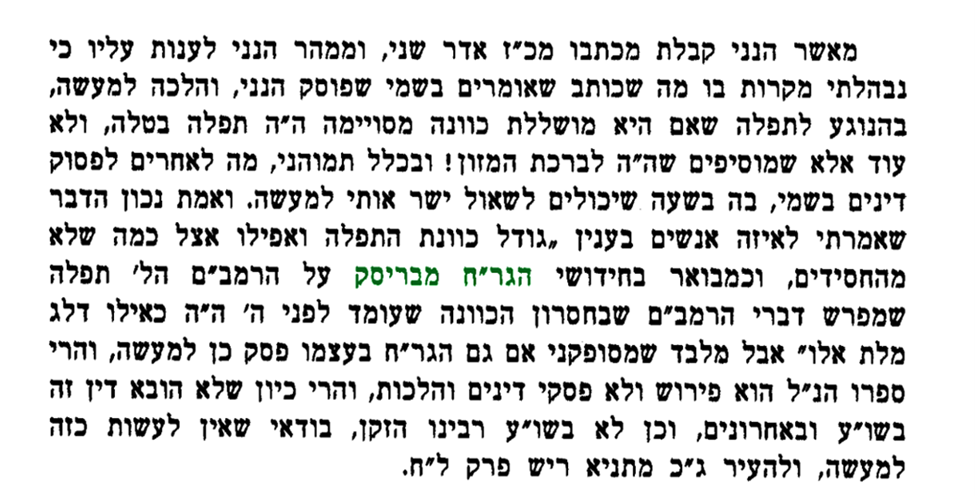
However, in response to someone that wrote to the Rebbe that he heard that the Rebbe’s opinion is that Reb Chaim’s words are הלכה למעשה (implying that if this general כוונה is missing it is considered a תפלה בטילה) he responded very sharply. He added that even Reb Chaim perhaps didn’t write this להלכה!
8 – We mentioned that even among Litvak’s, Reb Chaim’s ruling was not accepted. One of them, who is not part of the ‘Brisker brotherhood’ observed that it is practically impossible not to have any side thoughts for the entire span of שמונה עשרה.

9 – We concluded with the ירושלמי that as מפרשים write should not be taken literally.
https://yerushalmi.alhatorah.org/Full/Berakhot/10.15#e0n6
רִבִּי לִיָא רִבִּי יָסָא בְשֵׁם רִבִּי אָחָא רוּבָּא נִתְפַּלֵּל וְנִמְצָא עַצְמוֹ בְשׁוֹמֵעַ תְּפִילָּה חֲזָקָה כִּיוֵּין. רִבִּי יִרְמְיָה בְשֵׁם רִבִּי אֶלְעָזָר: נִתְפַּלֵּל וְלֹא כִיוֵּין לִבּוֹ אִם יוֹדֵעַ שֶׁהוּא חוֹזֵר וּמְכַוֵּין אֶת לִבּוֹ יִתְפַּלֵּל וְאִם לָאו אַל יִתְפַּלֵּל. אָמַר רִבִּי חִייָא רוּבָּא: אֲנָא מִן יוֹמָי לֹא כַווְנִית אֶלָּא חַד זְמָן בָּעִי מְכַוְּונָה וְהִרְהָרִית בְּלִיבִּי וְאָמְרִית מַאן עֲלֵיל קוֹמוֹי מַלְכָּא קְדָמִי אַרְקַבֶּסָּא אוֹ רֵישׁ גָּלוּתָא. שְׁמוּאֵל אָמַר אֲנָא מָנִית אֶפְרוֹחַיָּא. רִבִּי בּוּן בַּר חִייָא אָמַר אֲנָא מָנִית דֵּימוֹסִיָּא. אָמַר רִבִּי מַתַּנְיָה אֲנָא מְחַזֵּק טִיבוּ לְרֹאשִׁי דְּכַד הֲוָה מָטֵי מוֹדִים הוּא כָרַע מִגַּרְמֵיהּ.
Rebbi Lia, Rebbi Yasa in the name of the great Rebbi Aḥa: If he prayed and he found himself in “He Who hears prayer”, he may assume that he prayed with intent. Rebbi Jeremiah in the name of Rebbi Eleazar: If he prayed without intent and he knows that the second time he will pray with intent, he may pray a second time; otherwise he should not pray. The great Rebbi Ḥiyya said: I never managed to pray with intent, but one time I made an effort to concentrate and I started to think and said to myself, who enters first before the king, the ἀργαπέτης or the Resh Galuta? Samuel said: I counted baby birds. Rebbi Abun bar Ḥiyya said: I counted stone rows. Rebbi Mattaniah said: I am thankful to my head that when I come to modim it bends down by itself.