All posts by daf

Shiur 7/3/18 – Beitza 35a -b

Beitza 35 a-b

1- We concluded our Sugya of שבת קובעת למעשר, and made a Siyum on Perek המביא.

הדרן עלך

We see that Hillel, against all his contemporaries, is of the opinion that שבת קובעת למעשר (see last Rashi on the page).

When Ravin arrived in Bavel from Eretz Yisroel, he taught that R. Yochanan said four things do not trigger and change the status of unfinished fruit to finished. 

1- שבת – Shabbos. Unlike Hillel’s opinion above

2- תרומה – Separating Teruma before they are completed.

3- חצר –  Bringing it into the house.

4- מקח – The last point was concerning a sale, ; despite the produce being sold it does not  give the unprocessed/unfinished produce enough importance for them to become חייב במעשר.

The Gemore assumes that most ignorant people certainly give תרומה  and probably Maaser as well.

2- We began the 5th and final פרק  of Beitza.

The Mishnah discusses what type of tedious work is permitted to be performed on Shabbos and Yom Tov.

‘Work’ obviously meaning not any of the 39 מלאכות that are prohibited on Shabbos and similarly, not the corresponding מלאכות that are prohibited on Yom Tov.

As an example, the Mishnah writes about ‘lowering fruits thru a skylight into the house’.

Related image

There is no proper מלאכה involved in doing so. The issue is the טרחה יתירה on Shabbos and Yom Tov.

3- Next week we will learn about the amount of fruit one is allowed to move. The Gemarah states: 3 boxes.

How much is a box?

3 סאה.

How much is a סאה?

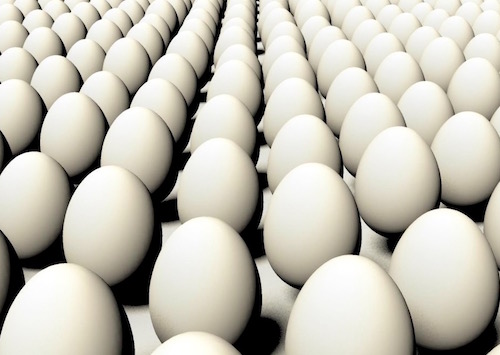
144 eggs.

Image result for 144 eggs

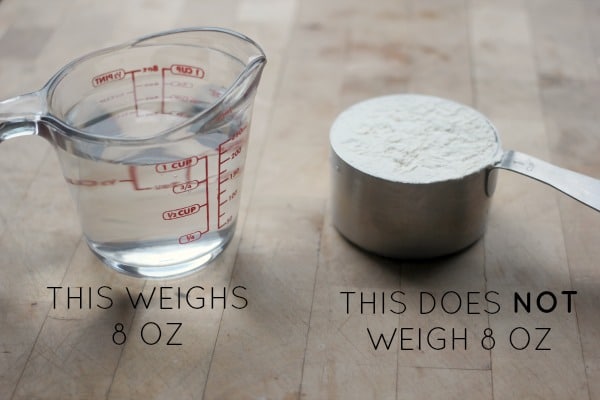
We explained that the measurement of סאה, כזית etc are measurements of volume. Not weight.

Image result for volume, not weight

Thus a כזית of מצה  will weigh more than a כזית   of מרור lettuce.

So the סאה  is a measurement of not the weight of 144 eggs but rather the space 144 eggs take up. Volume. נפח  in Hebrew.

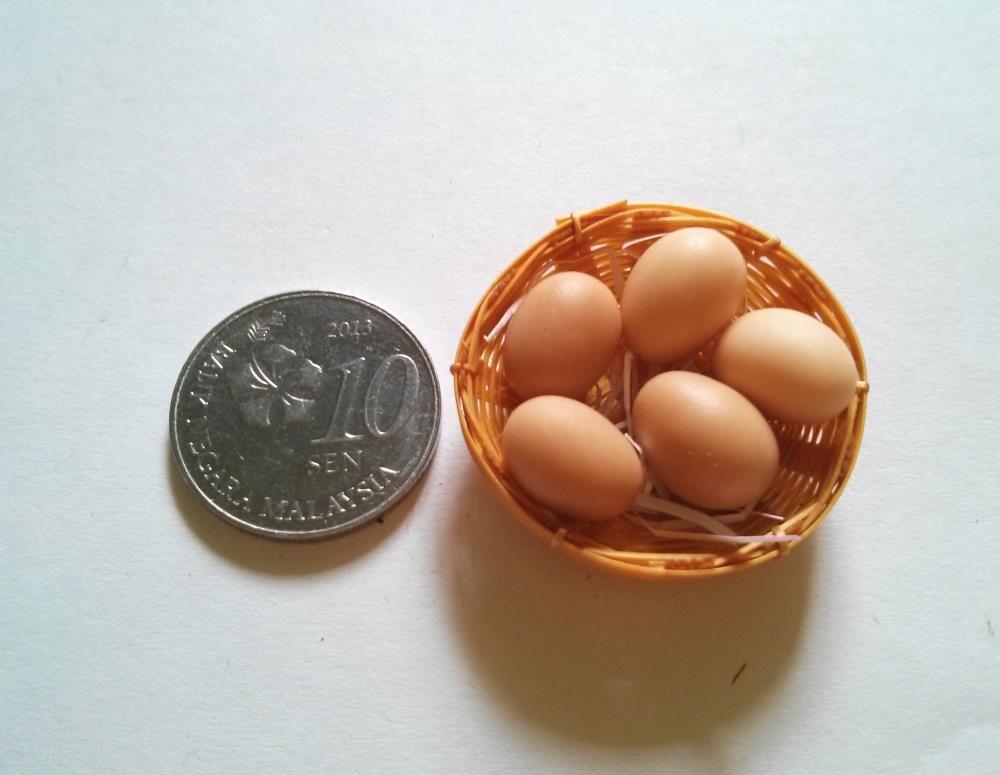
4- We touched the surface on the Noda BiYehuda’s opinion that the ‘eggs of our times have been reduced in size’. נתקטנו הביצים.

Related image

5- We mentioned the Gemora in Menachos (11a, Rashi  ד”ה זו אמה  and 88a) that writes about the ‘two measuring sticks’ that were attached to the outside wall on the Beis Hamikdosh. One of an אמה plus ½ finger the other an אמה and a full finger.

  • אמות גדולות היו שתים: אחת בת ששה טפחים וחצי אצבע, והיא היתה יתרה על של משה חצי אצבע; ואחת בת ששה טפחים ואצבע, והיא היתה יתרה על של משה אצבע. ושתיהן היו נתונות ב”שושן הבירה” (כלים שם; מנחות שם) שהוא חדר שהיה בנוי על שער המזרחי של העזרה ומצוייר עליו צורת שושן הבירה (רש”י מנחות צח א ד”ה בשושן).

If archaeologists were to find these two ‘rulers’ we would have much to learn from them ……


Shiur Points 6/25/18 Beitza 35a

Beitza 35a

1- We went further into the idea of שבת קובעת למעשר.

Image result for olive press

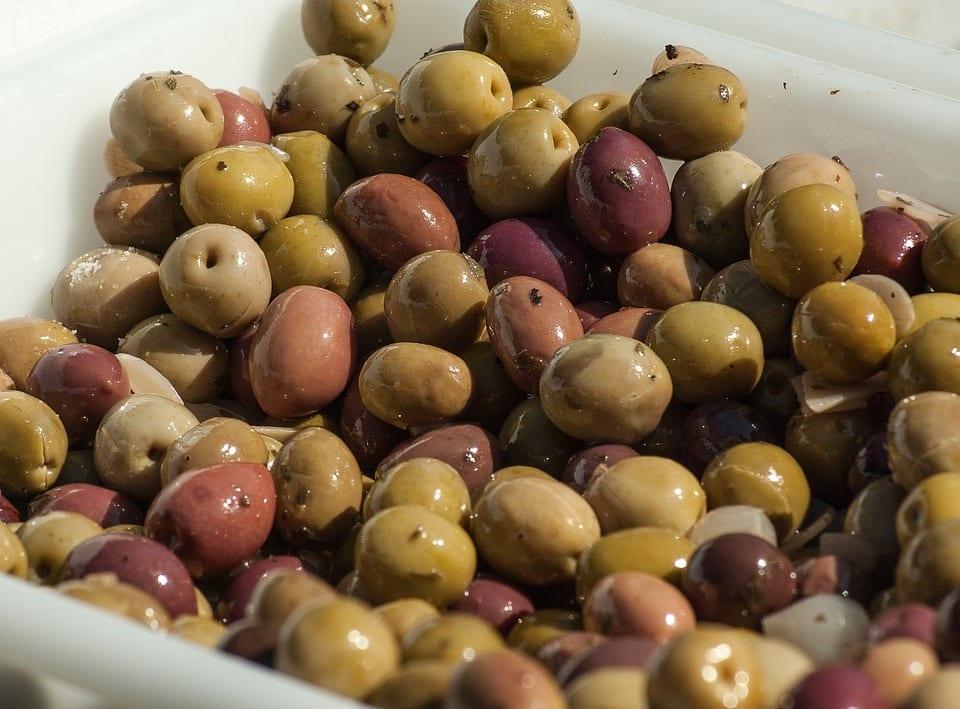
2- Our Gemara quotes a Mishnah concerning one who places a large amount of olives in an olive press. In general, the olives in the press are considered ‘unfinished’ since they are not meant to be eaten but to produce olive oil. So eating a few olives from the press would not require מעשר as it is a סעודת ארעי.

Image result for tiny steak

סעודת ארעי

Now, when lunchtime comes along, this fellow פרעסער dips his hand into the press and removes 10 olives to munch on. This large amount of olives creates a סעודת קבע  requiring מעשר to be given.

Image result for huge steak

סעודת קבע

However, according to Reb Eliezer, even if one takes out many olives,  since the uneaten balance may be returned to the olive press, then all 10 olives are not considered סעודת קבע.
 

Related image

3- Further in the Gemara we find the case of one that is holding a cluster of grapes. This cluster is not חייב במעשר.

How is that? Rashi explains that ‘generally, a cluster of grapes is considered ‘unfinished’’. לא נגמרה מלאכתו

Related image

We discussed the meaning of this:

Was Rashi (who was a winemaker) referring specifically to wine grapes (only) that are usually not eaten?

Or perhaps he was referring to all types of grapes,  including ‘table grapes’, and it’s just that eating habits have changed since his time. Perhaps centuries ago, grapes were generally not consumed as food but only processed into wine.  
 

Image result for table grapes

Table grapes were first planted in the USA in 1839.

Therefore grapes are considered ‘unfinished’ and not חייב במעשר until they turn into wine.

Related image

4- We spoke about ברכות that have changed in time. A prime example is the carrot.

The Alter Rebbe (11) writes that on raw carrots one makes שהכל since it is not the normal way to eat them!  Most people eat carrots when they are cooked. 

colorful carrots to grow in your garden

purple carrots

Carrots, the way they used to look…no one ate these uncooked.

When has this changed? Reb Zalman Shimon Dworkin (d. 1985) would say that one should indeed make  שהכל on raw carrots.

5- We spoke about perhaps another change. When one washes on bread all the other ברכות on the food dishes that follow are not made.

Why?

Because these items such as fish and meat are usually not eaten without bread’. (4,1)
Image result for fish with bread

Thus, the  ברכה המוציא, applies on the balance of the meal. However, deserts, such as cake, since one eats cake also outside of the meal, the המוציא does not apply to them.

Now let’s think….. Who eats fish with bread today? Soup maybe. Sometimes. But are fish and meat ‘usually eaten in a bread meal’?

In other words – is fish any different today, than say an apple, in regard to eating them with bread or in  a bread meal?
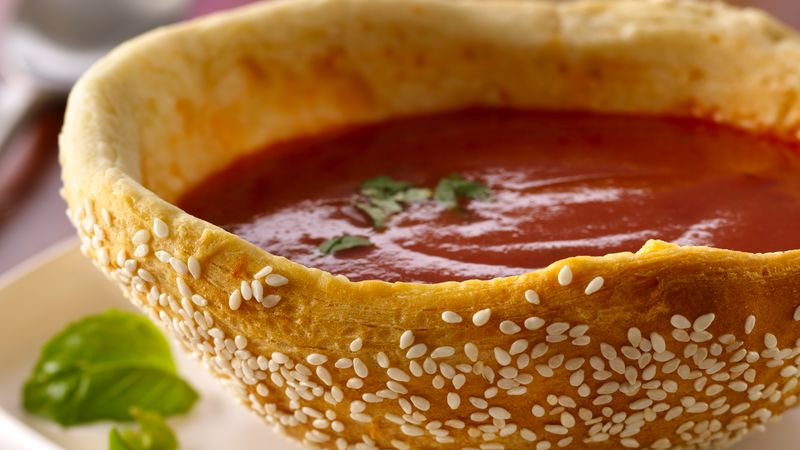
Image result for soup in bread bowl

6- We discussed that the Alter Rebbe wrote these הלכות in three places.

1- שולחן ערוך

2- לוח ברכת הנהנין

3- סדר ברכת הנהנין

See the language here  his שולחן ערוך.

(177, 1)

א דברים הבאים בתוך הסעודה אם הם דברים הבאים מחמת הסעודה דהיינו דברים שדרך לקבוע סעודה עליהם בין ללפת בהם את הפתב כגון בשר ודגים וירקות וגבינה וביצים ומיני מלוחים בין למזון ולהשביע כגון כרוב ותרדין ודייסא וכל מעשה קדרה שאינן באין ללפת אלא לתבשיל ולמזון א”צ ברכה לפניהם אפילו אוכלם בלא פת שברכת המוציא פוטרתם ולא לאחריהם שברכת המזון פוטרתםי

(שכיון שאין דרכם  לאכול אותם כל היום כמו הפירות אלא בשעת סעודה בלבד הרי הם טפלים לפת שהוא עיקר הסעודה ולכן נפטרים בברכת הפת אע”פ שאוכלם בלא פת ).

7- In connection to Birchas Hanehenin, this story was related:

Once a rabbi arrived in town for a “prubbe” to see if he was up to the task of becoming their Rav.

They placed a sumptuous plate of various fruit in front of him and waited to see which fruit he would choose first, thereby demonstrating his Halachic acumen.
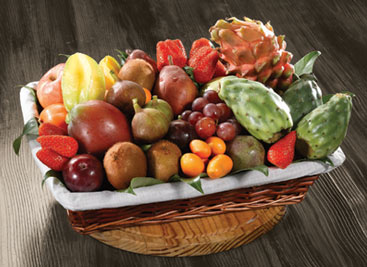
Image result for fruit of israel

When the the plate was brought before the rabbi, he blanched, unsure of which fruit to eat first. Turning to his hosts, he excused himself to use the facilities. Alone, he pulled out one of the above mentioned three sefarim struggling in vain to determine which fruit to eat first. Meanwhile, the townspeople proceeded to mix up and slice some of the fruit, thereby adding further layers of complexity to the question!

Finally the rabbi returned, believing he could pull it off.

Gazing upon the discombobulated plate of fruit again, his eyes fell and was stumped. Again he asks to be excused to use the facilities…..

Until his return the townspeople added and removed and sliced some  of the fruits.  The Rabbi returns once again and could not figure out what Brocho to make.

Another aged Talmid Chochom, realizing that this Rabbi was not up to par tells him: ” …פשפש ולא מצא “.

What did he mean with that? It was a classical ‘double entendre’.  [a figure of speech or a particular way of wording that is devised to be understood in two ways,]

The Gemore says in Berochos (5,a)

אם רואה אדם שיסורין באין עליו יפשפש במעשיו שנא’ “נחפשה דרכינו ונחקורה ונשובה עד ה’ ”

פשפש ולא מצא יתלה בבטול תורה שנאמר “אשרי הגבר אשר תיסרנו יה ומתורתך תלמדנו”

When a person sees that he is afflicted with pain and wonders as to why he deserved to be punished from Above, he should first reflect on his actions . יפשפש במעשיו.

If he can’t find anything wrong in his way of life…… פשפש ולא מצא…..  he should attribute his pain to his ביטול תורה.

So the old Talmid Chochom meant to say:

פשפש ולא מצא…… meaning that this ‘Rabbi did פשפש twice….. and still can’t figure out the proper ברכה… so one must attribute his lack of knowledge to his own ביטול תורה……..

פשפש ולא מצא יתלה בבטול תורה


Shiur 06/12/18 – Beitza 34b – 35a

Beitza 34b -35a

1- We continued the Sugya of Shabbos creating a new status. Shabbos elevates the status of  fruits and produce to the level of טבל.

Image result for shabbat elevator

2- For Gimmel Tamuz we studied the text of Reshimos #105. 

The point the Rebbe is making is that a Yid can never be outnumbered. His being and existence is a stand-alone entity that cannot be nullified.

Whereas in Halacha, for example, a particle of food may be nullified, נתבטל, a Yid, despite being a minority, a ‘single digit’, cannot be overwhelmed or diluted by huge ‘numbers’. He forever maintains his importance and uniqueness.  

Image result for one pure drop

The Rebbe points out the various shiurim we find in the laws of ביטול such as רוב (one in a mixture of three) 17,  60, 100 (Teruma) , 200 (orlah) and 960.

Thus the highest number of ביטול, is 960. Meaning that something that is mixed into a mixture that has 960 parts is definitely בטל.

But a Yid overcomes this ‘960’ that is stacked up against him – thus showing his resilience.

Image result for resilience

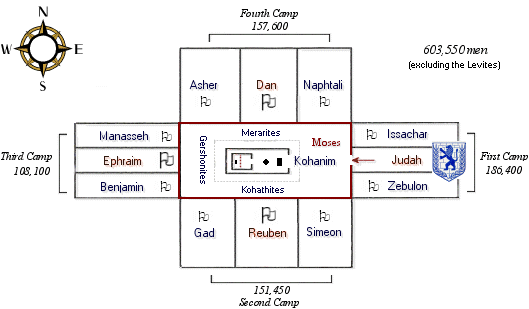
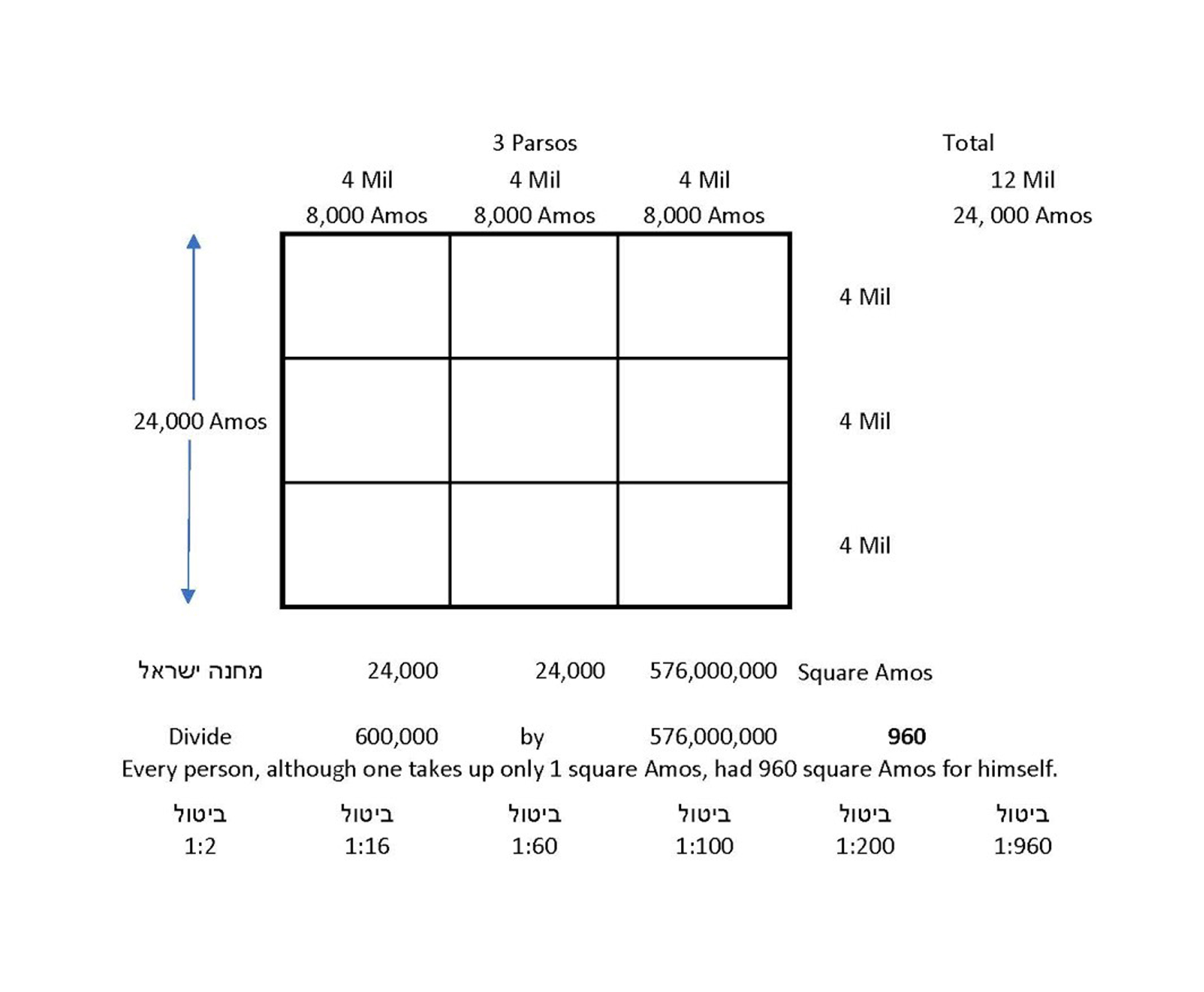
Where do we find this powerful message? In the square area of מחנה ישראל.  

As the Rebbe explains, a simple mathematical calculation shows that area of מחנה ישראל was 576,000,000 square Amos.

See graph below.


Related image

Concerning various Halachos we find that a person’s body ‘fills’ one square Amo.  

If one divides the 600,000 Yiden into the 576,000,000 square Amos, it shows that every person, despite only needing one square Amo for himself, had 960 square Amos in מחנה ישראל.

Image result for ‫מחנה ישראל‬‎

[An Amo is 18” or 1.5 feet. A square Amo is 2.25 square feet. So 960 square Amos is 2,160 square feet! That’s a nice sized apartment…]

So despite his own ‘personal space’ being only one square Amo he was allotted 960 times that amount.

Related image

And yet his little square Amo holds its own and is never overwhelmed or  בטל, even in a 1:960 ratio. 

960 being the sum when all individual particles lose their identity. When something is outnumbered by a ratio of one in 960 this ‘one’ ceases to exist. It cannot  ‘holds its own’ status, Except the Yid.

The makeup and size of Machane Yisroel came about as a result of the final 40 days that משה רבינו  spent on הר סיני asking for and receiving a full pardon for the חטא העגל.

Thus 40 days and nights has 960 hours……

http://www.lahak.org/templates/lahak/article_cdo/aid/2967226

https://docs.google.com/viewerng/viewer?url=https://w3.chabad.org/media/pdf/893/yYYT8932664.pdf


Shiur 06/05/18 – Beitza 34b

Beitza 34b

1- We continued the discussion of the idea that Shabbos elevates/changes the status of a person and/or food.

Image result for shabbos effectOur Gemara is the source of all the resulting הלכות about the effect of Shabbos on the world.
The case discussed concerns the transition of harvested farm produce to the level of  טבל.

In order for produce to enter the stage of טבל, making it inedible until תרומות ומעשרות  have been given, it needs to be:

A- Brought into the house or courtyard.
B- Ready to eat.

Image result for semi dried fruit

If these two parameters are not present, then min Hatorah it is not טבל and one can eat these grains and fruits even as a full meal and Miderabonon only as a snack. For example – eating an apple as a snack in the orchard prior to giving תרומות ומעשרות would be permitted. For although a picked apple is considered ‘finished food’ it has not yet reached the house.  

2- Our Gemara states that on Shabbos (and perhaps Yom Tov too) fruit that is ready but still out in the field would not be permissible to eat, even as a snack, without first giving the תרומות ומעשרות.

Why?

Related image

Because due to the obligation to have עונג – enjoyment of food on Shabbos, the מצוה gives importance to the snack as if it is an ‘important meal’ – סעודת קבע. Therefore, these fruits, despite them still being out on the farm (never brought into the house) cannot be eaten, even after Shabbos (unless ones takes care of the  תרומות ומעשרות).

See below about עונג on Shabbos

[The Gemara’s question is if Shabbos would elevate non-processed food to be considered  פירות שנגמרה מלאכתן]

Image result for ‫פירות שנגמרה מלאכתן‬‎


3- A direct result of this effect of Shabbos is the Halacha that one should not even drink water prior to Kiddush. Although drinking water is obviously not a סעודת קבע, nevertheless Shabbos give it importance. Pesachim 105a.

Image result for kiddush,

4- Another example: An Am Ha’aretz does not lie on Shabbos. Thus, if on Shabbos an AH claims that he gave Ma’aser from his fruit one can rely on his say so and is permitted to eat it.

Related image

Did you give maaser?

We mentioned the paradox that after Havdalah these fruits are not permitted to be eaten, unless Ma’aser is given……

5- The example we spoke about last week if eating a small amount of cake or cookies on Shabbos would obligate one to wash and bentch.

Image result for tiny cake

6- The example of the שפת אמת. Pesachim 35,b. Concerning the eating of Matzah on Pesach.

Matzah that is טבל one is not יוצא.

So if one has his סדר out on the farm, where the grain is not טבל yet, it would seem that he can be יוצא since grains on the farm are not טבל  as they have not arrived at the house. 

Image result for seder in the field

Seder on the cotton Farm

The שפת אמת, based on our Gemara, suggests that perhaps the Mitzvah of Matzah is קובע! Therefore the grain is indeed considered טבל.

We will discuss next week if eating in a Sukka also creates ‘importance’.

7- We concluded by learning the beginning of the  Alter Rebbe’s Shulchan Aruch in Hilchos Shabbos where he brings two opinions if eating fine food and dressing with clean clothes on Shabbos is מן התורה or  מדרבנן.

Shiur 05/29/2018 Beitza 34a-b

Beitza 34a-b

1- We continued the discussion concerning doing a permitted מלאכה when there is a chance that it may go awry and  result in expending effort needlessly. If it does happen to go bad, the work one did is considered חילול יום טוב.

Related image

Rashi:

שצריך לבודקן – אם יוכלו לקבל לבונה הלכך ביו”ט לא דלמא פקעי ואשתכח דטרח שלא לצורך

The Mishnah and Gemara tackle the case of  the ‘new tiles’. As mentioned last week, an ancient  method of cooking was by heating a tile and then placing food on it to cook.

If a tile has never been used there is a chance that it may crack and thus the cooking on Yom Tov would be in vain.

From there the Gemara goes on to a case of shechting a chicken on Yom Tov where the odds are that after inspection it will turn out to have been treif.

Related image

We mentioned the Halachah that a Mohel should not do his first Bris on Shabbos! The concern is that he may mess up (ouch!) and be considered a מחלל שבת.

See here. 331,13.

2- We learnt about using a bellows on Yom Tov.

Image result for bellows

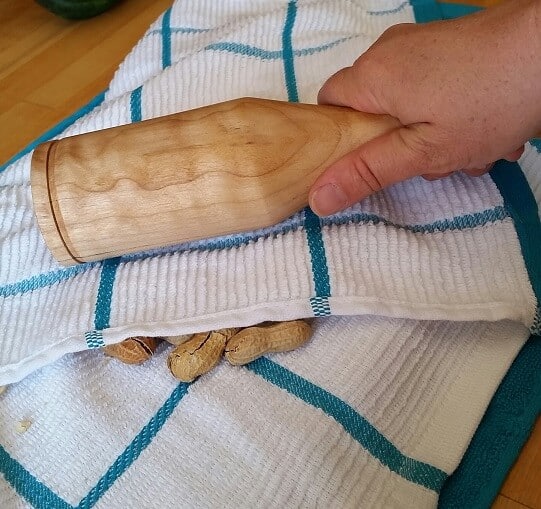
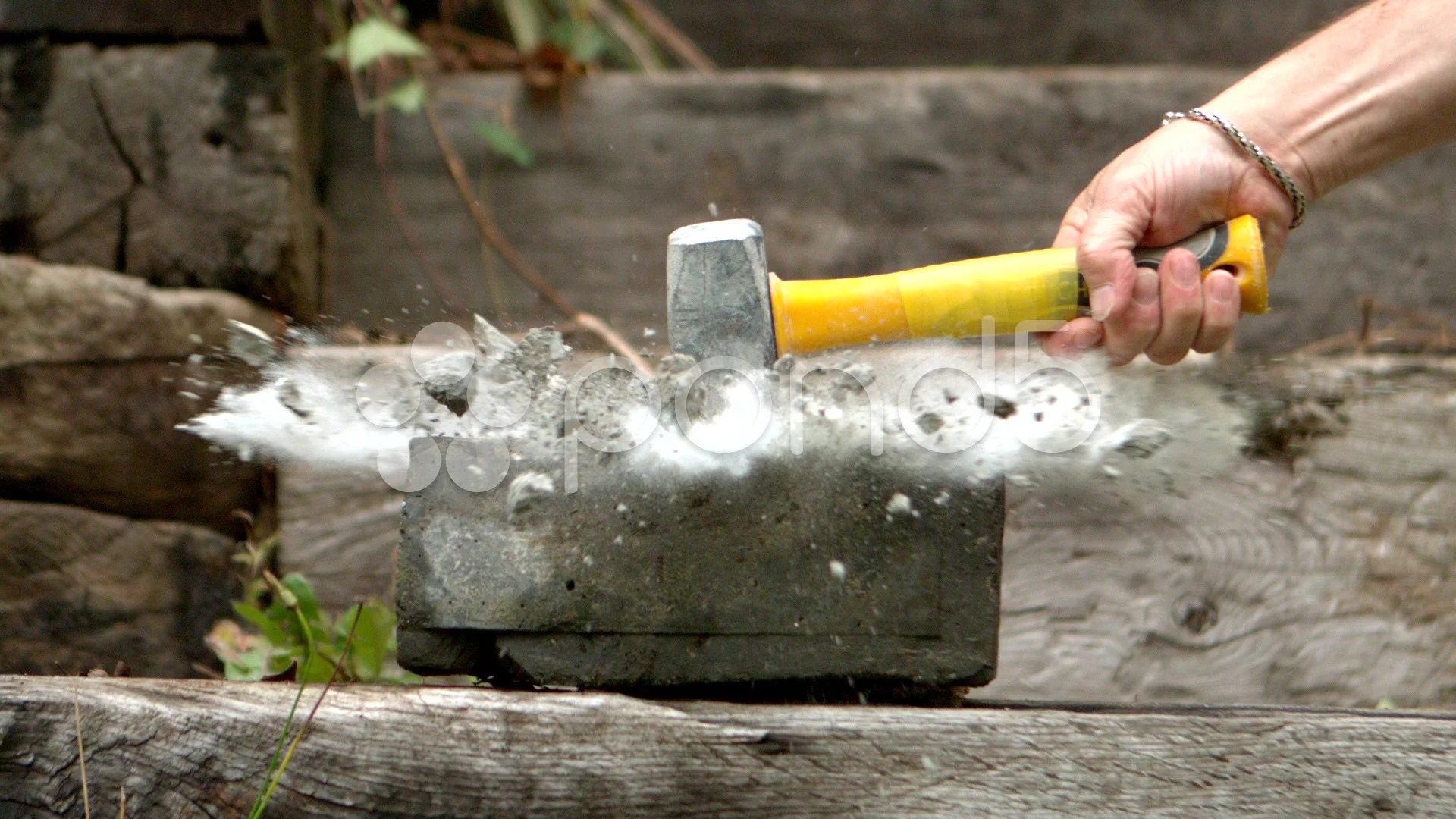
3- A way of cracking nuts in large quantities is by placing them inside a towel and smashing them with a hammer. The nut shells will crack indeed but the towel may get ripped as well.  The Gemore says that such cracking is permitted on Yom Tov.

Rashi says that the ripping קורע (one of the 39 מלאכות) is not an issue because ripping is only prohibited when the intention is to rip for the purpose of mending (sewing it back together).

ואין חוששין שמא תקרע – ואפי’ נקרעת לא אכפת לן דאין זה קורע על מנת לתפור

We learnt the Reb Akiva Eiger who asks on Rashi that such an action (ripping without the intent to resew it) is nevertheless prohibited miDerabonon .

Reb Akiva Eiger has another explanation on this.

4- From here we entered another interesting Sugya:

Image result for table floating in air

Does the mandated eating on Shabbos have the power to ‘uplift’ the status of the meal?

We mentioned one scenario enwhere the Shabbos meal perhaps changes the meal status and we will get into the Gemara’s cases next week.

The case concerns the eating of non-bread (aka cake) and the ברכה אחרונה.

Generally, only bread establishes an eating event as a meal . קביעת סעודה.

Image result for surrounded by cookies

Nevertheless, one needs to wash, say המוציא and bentch a full ברכת המזון on cake if he eats more than 6 or 8 ounces. This large quantity of cake, cookies or pizza creates a סעודה and a regular washing, המוציא and bentching is required. See here. (2, 2)

Image result for cake challah

Due to the מצוה  of eating on Shabbos, does eating cake on Shabbos (at a Shabbos meal where one does not wash), create ‘an important meal’ and would it necessitate a המוציא and full bentching even if one eats only one small piece of cake?


More next week.

Shiur 05/22/18 – Beitza 33b – 34a

Beitza 33b – 34a

The Gemara explains that the prohibition involved with lighting a fire on Yom Tov is that the person is ‘creating a new entity’. משום דקא מוליד ביום טוב.

Related image

We discussed that despite this clear Gemara, the Rambam (Y”T 4, 1) writes that the reason is ‘because one could have lit the fire before Yom Tov’.

The ראב”ד makes note of this.

אין מוציאין את האש לא מן העצים ולא מן האבנים ולא מן המתכות. כגון שחוככין אותן זו בזו או מכין זו בזו עד שתצא האש. וכן הנפט החד ביותר שהוא במים שמנידין אותם עד שידלק. או כלי זך קשה או זכוכית מלאה מים שמניחין אותה כנגד עין השמש עד שיחזור נגהה לפשתן וכיוצא בו וידלק. כל זה וכיוצא בו אסור ביום טוב. שלא הותר ביום טוב אלא להבעיר מאש מצויה. אבל להמציא אש אסור שהרי אפשר להמציא אותה מבערב:

אין מוציאין את האש וכו’. כתב הראב”ד ז”ל ויאמר מפני שהוא מוליד ואין כאן הכנה והוא הטעם שמפרש בגמרא עכ”ל:

We mentioned the Alter Rebbe (502, 1)  that combines both reasons: מוליד  and the lighting the fire prior to Yom Tov.

2- We spoke about an important, but unknown to many, Halachah that is the basis for many of the things we do on Yom Tov.

Even though one is permitted to cook on Yom Tov this applies only to food that cannot be cooked before Yom Tov or food that will lose some of its taste by being cooked a day before Yom Tov.

Food that tastes better when aged, such as lokshen, (  סעיף ו ) one is prohibited from cooking on Yom Tov!

Image result for lokshen

The reason is that one will be busy all Yom Tov cooking food and forgetting about שמחת יום טוב.

[We mentioned some Poskim that say this about potatoes!]

See Alter Rebbe here.

3- An ancient  method of cooking was by heating a clay or ceramic tile and then placing food on this red-hot tile.

There is a prohibition against heating new and unused tiles because either it is necessary to test them before use since some tiles may crack in the oven making them useless, or because it is the final stage of production of the tiles.  מכה בפטיש.

3- From this the Gemara swung into הלכות טריפות concerning a chicken that was stepped on or smashed against a wall. We discussed the concept of ריסוק אברים – dislocated limbs and the 24 hour one must wait until the shechita to ensure the chicken is not a treifah.  

4- We mentioned some of the issues of chicken producers throwing the chicken crates off the trucks if that is considered ‘a chicken that fell’  – נפולות.  The real מחמירים have each chicken walk four amos prior to shechita. See here.

Related image

latest in fowl fashion from the Chicken Runway

5- We continued discussing shechting a ספק טריפה on Yom Tov.

While shechting in general is permitted since most animal are not treif  (although we mentioned the Maharshal, quoted by the Alter Rebbe, that says that today one should not shecht on Yom Tov ) if the animal loses its חזקת כשרות (as above, a chicken that fell or was crushed) then it may be an issue just like using new tiles to cook. The tile may crack and the chicken may turn out to be treif.

Image result for too many cooks spoil the broth

6- Our Gemara discusses a case where many people are involved in the cooking process each doing a different parts. One of the them is ‘bringing the water’,  

We began to discuss the issue of cooking water on Shabbos and Yom Tov.

Some interesting facts that we will continue next week.

Image result for boiling water

a- Is cooking water considered ‘cooking’?! The Halacha is that one who cooks something that does not need to be cooked (i.e. something that is already cooked) is not חייב. 

Image result for water vapor cycle in pot

So water, since it does not change when cooked and returns to its original state once it is cooled off does not ‘need to be cooked to be consumed’.  רדב”ז

ולענין דבר הנאכל כמו שהוא חי אם יש בו משום מבשל בשבת לענין מלקות אינה לוקה אבל אסור מדרבנן.

[The Alter Rebbe disagrees on raw fruit].

See Rambam (Shabbos 9, 1) and Kesef Mishna that quotes the רמ”ך. He was Reb Moshe HaKohen from Lunel. A city in the Provence, France that was founded by Jews from Yericho. (Now it’s free of Jews and lehavdil, a nest of terrorists)

b- what is the temperature of cooking water? Boiling or is just warming is also considered cooking?

We mentioned the אגלי טל.

בהפנים סעיף ח’ החמרתי במים כדאיתא שם, ומקור הדברים עפ”י מ”ש בס”ק י”ט אות ט”ז עייש”ה, וחוזרני בי מדברים אלו דאין ראי’ מבישול עכו”ם דחשוב בישול משום החימום לבד, דאף דהמים שותין אותן כשהן חיין זהו כששותה אותם צוננים, אבל השותה אותן חמין אינו שותה אותן אלא מבושלין, והעד שמחממין את המים עד שיעלה רתיחות כדי שיבושלו כל צרכן, וכשכבר נתבשלו ונצטננו אין מחממין אותן כל כך רק עד שיהי’ מחוממין הראוי’ לשתי’, ש”מ שחמין אין שותין רק מבושלין, וע”כ כשמבשלין המים לשתותן חמין חשיב בישול לא בשביל החמום לבד, רק משום הבישול דלשתותן חמין צריך אל הבישול ג”כ וכו’

We mentioned the source for the prohibition for cooking water on Shabbos being our Gemara, from the

פרי חדש, 68- p123 . טור ב, שו”ה מהכי

http://beta.hebrewbooks.org/tursa.aspx?a=yd_x4563

To be continued.

.פמ”ג – אף שיש בישול א”ב בדבר לח, מ”מ יתכן ששמן של אווז שא”א לאכלו חי יש בא”ב. רנד, א”א, א.


Shiur 5/8/18 Beitza 33a (2)


Beitza 33a (2)

1- Our Mishnah presents a dispute regarding the permissibly of gathering slivers of wood.

Related image

Rav Yehudah rules that it is permitted to make slivers – toothpicks – out of materials that are soft enough to be used as animal food, such as straw or reeds.

2- Our Mishnah continues about the prohibition of creating a fire on Yom Tov,  specifying the types of materials one can use to create a fire:

Rubbing wood, knocking stones, heated sand, and tiles which are banged against each other.

Image result for rubbing wood for fire

It also mentions creating fire from ‘water’ !

Rashi explains that one uses water as a magnifying  glass to create a flame. He concludes ‘so I have heard from the Gaon of Lombardia, Italy’.

Related image

cooking on heated sand

See here an interesting forum about the teachers quoted by Rashi.

Image result for water to make fire

3- We discussed the general rule about cooking on Shabbos. The Gemara in perek Kira in Shabbos 39a, categorizes two types of heat sources:

1- Fire- אור (ur)

2- The sun – חמה

Cooking/baking/frying/ on a fire is  of course prohibited Min Hatorah.

Cooking by a derivative of fire, such as placing raw food on a hot tray that was heated by fire, is also Min Hatorah.  תולדות האור.

Image result for cooking with sun

cooking with the sun

On the other hand, cooking by using the heat of the sun is fully permitted! Such as placing a pitcher of water exposed to the sun on very hot day. That is not considered  בישול at all.

Reason being in that it is not ‘the usual way of cooking’, or because it is ‘not the way things were cooked in the Mishkan’.

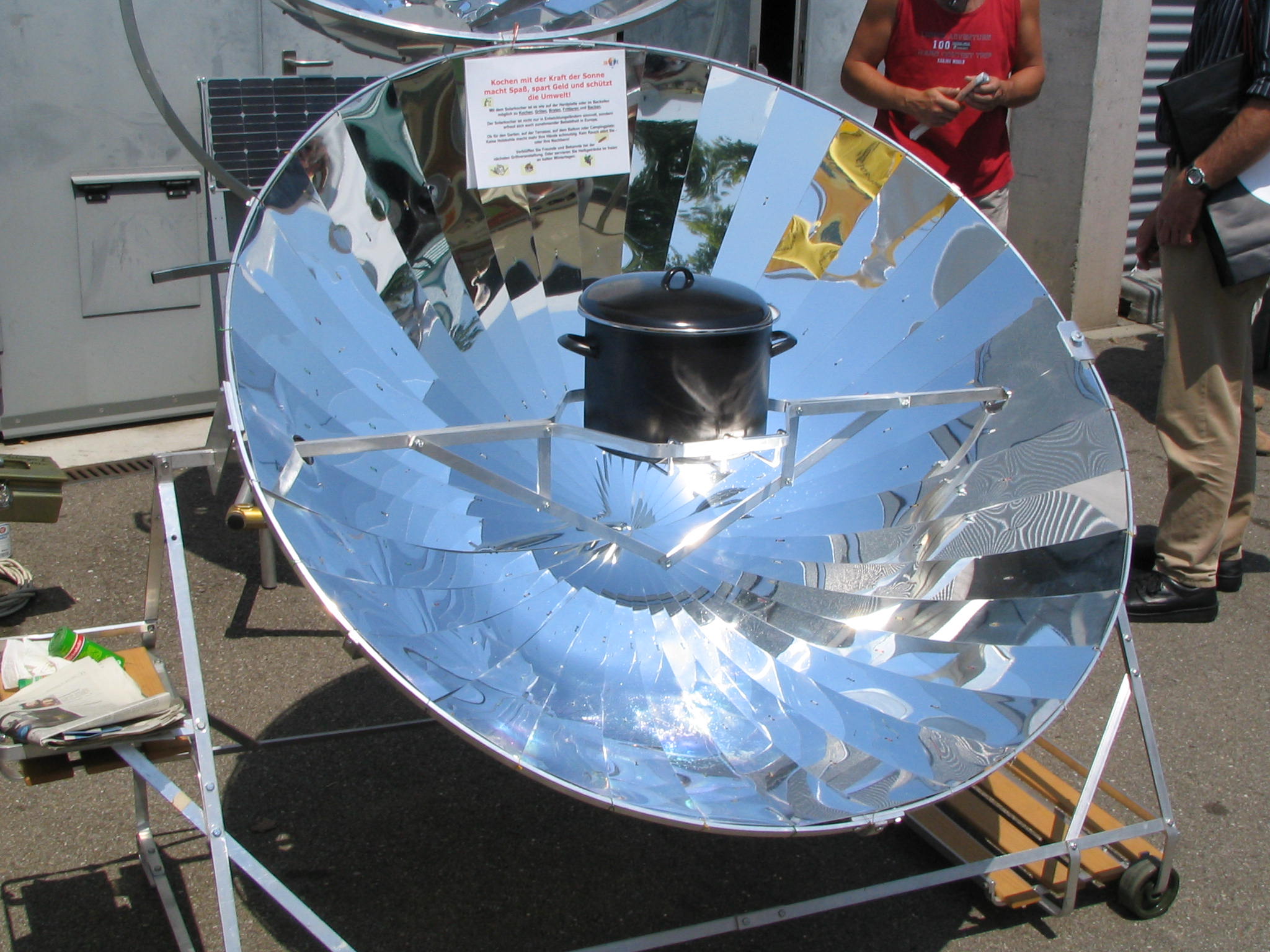
Image result for cooking by sun

sun oven

But cooking in a derivative of the sun’s rays is prohibited. So placing raw food on a hot try that was heated by the sun is prohibited MideRabonon. תולדות החמה.

4- What about cooking using a mirror that reflects the sun’s rays?

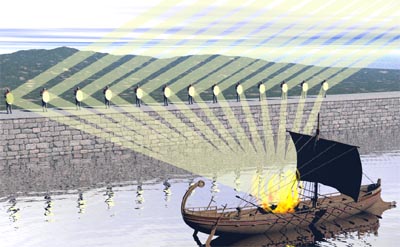
We mentioned the ancient Greek story of Archimedes (lived in the times of the, lehavdil, early תנאים) that set the ship of his foes on fire by using a the sun’s rays via a glass contraption.

Image result for archimedes mirror

For years it was considered a myth until some scientists at MIT were able to somewhat replicate this feat.

See here.

A solar power tower surrounded by mirrors.

A sea of mirrors reflects sunlight toward a solar power tower, heating liquid, creating steam, turning a turbine, making electricity.

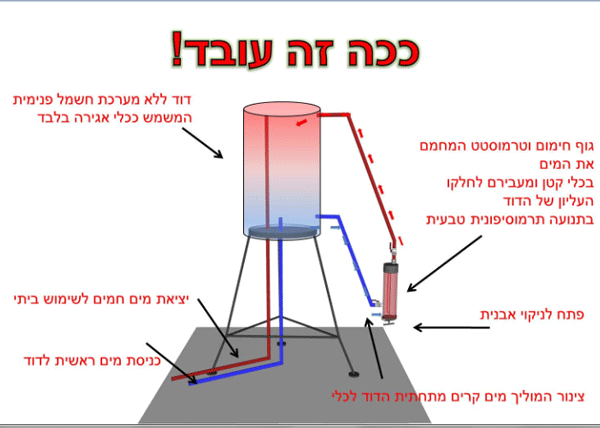
5- From here we went to discuss the issue of the Israeli דוד שמש.

Related image

                 “dud shemesh” not employing electric heating


Water is heated by absorbing the sun’s rays and then piped down to the house. If one were to place raw food in water heated by this solar system, would that be considered cooking  by ‘the sun’ (permitted) or cooking in the ‘derivative of the sun’ (prohibited)?

This question generated a heated (pardon the pun) debate among the great Rabbis of the previous generation. See here for many opinions.

Image result for ‫דוד שמש‬‎

                      some dude cleaning his dud

6- We spoke about the opinions about using matches or as it was called צינדהעלצעל. Is lighting one considered crating a new fire or perhaps the phosphorus has ‘the fire in it already’ and it is like lighting from an existing flame.

Related image

The כתב סופר and others prohibited it and such is the Halachah. See here. (67)

http://beta.hebrewbooks.org/pdfpager.aspx?req=950&st=&pgnum=123

7- We mentioned cooking in a natural hot water spring like חמי טברי.

Image result for cooking eggs in hot springs

To be continued…

Shiur 05/01/18 Beitza 33a

Beitza 33a.

Lag B’Omer.

1- Our Gemore mentions both Rashbi and his son Reb Elazar in regard to muktzeh on Yom Tov.

Image result for carob tree

2- The word ‘chingeh’.  חינגא. Rashi translates it as a dance. In our Gemare that word is used to describe a market place being that people go around in circles around the aisles and stalls.

fiddler-on-the-roof-6-bottle-dance


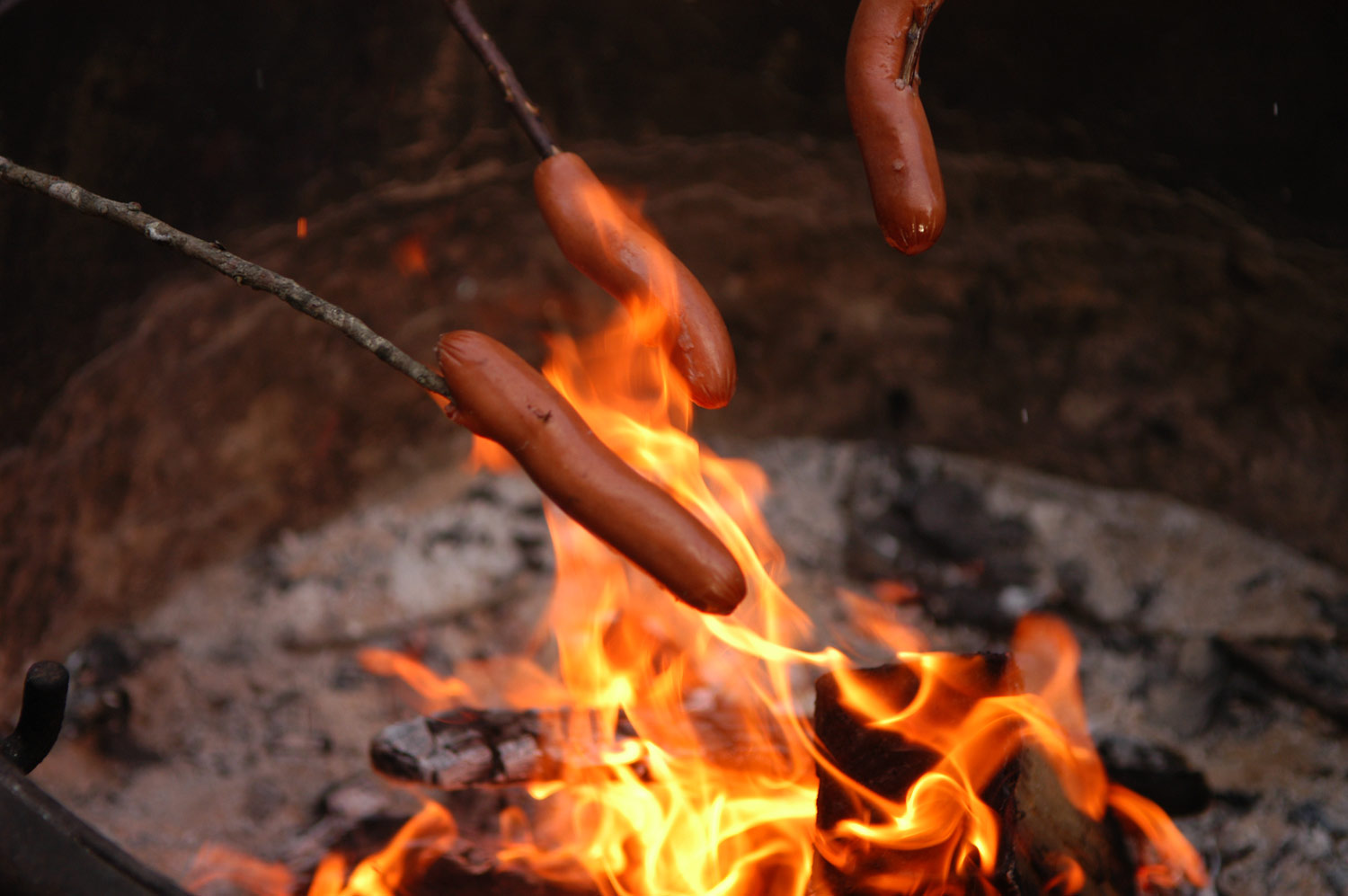
3- We next discussed the issue of using a fresh branch as a spit. Since such a moist twig will not be used as firewood, if a person didn’t prepare it as a spit before Yom Tov, it is Muktzeh and cannot be used to roast a hot dog on a BBQ.

Image result for roast hot dog on twig

[As Yankel reminds us – a BBQ is with coals. Not gas.]


4- From here we went to discuss the age old question of lowering the fire on a gas range on Yom Tov.

Before we continue let’s be clear – in general, don’t reduce a flame on Yom Tov.  

Case: Someone has a pot on the fire and realizes that the flame is too high and the food will overcook or burn. Moving the pot a bit off the fire will not help.

Image result for turning knob on stove

Now, if he has only one burner, and he wants to keep the food hot, then there seems to be no issue. He may indeed lower the gas.

Why? Because just as one is allowed to ignite a fire (from an existing flame) to prepare food for  Yom Tov one may equally extinguish (or partly reduce a fire’s intensity) for the same purpose – ensuring that the food does not burn and remain edible.

We indeed find that reducing a fire is allowed on Yom Tov. Such as in our Mishnah concerning the scraping the oven for the preparation of baking even with a wet scrape.

The question is when, B”H, as in our homes, we have more than one burner.

Image result for residential home with 12 burner stove

So when a pot is about to burn and we want the food to remain hot, one has two options:

1- Lower the gas under pot.

2- Move the pot to another burner and ignite a new smaller flame.

If we tell him to choose option two, to start a new fire and  to avoid reducing or extinguishing the exsisting flame, what has been gained? He did a melachah (lighting a fire) to avoid another one!

Unless extinguishing is worse than igniting.

This topic is wide ranged and we will discuss it more in the future BL”N.

5- We continued the topic of the Chidush of the Alter Rebbe concerning tearing and ripping on Shabbos and Yom Tov.

Last week someone mentioned that modern production of paper may define paper as ‘not one piece’.

Image result for paper pulp

Pulp

Image result for paper fibers

fibers

Image result for paper fibers

Paper

Mendel Nemanov remind us that we spoke about this in the past.

Here it is:

MAKOS 4A – SHIUR (6/17/14)

JUNE 17, 2014 DAF LEAVE A COMMENT

Makos 4a.

  1. We spoke about the big chiddush of the A”R in Hilchos Shabbos. In short, the A”R states that there are two ‘melochos’  pertaining to cutting/tearing/ripping on Shabbos:

A-  Chotech-, which only applies when cutting an object something to measure and/or in an exact line. Such as a perforated sheet or tissue.

B-  Ko’rea-  which only applies in a case where cutting, ungluing or taking apart any composite material. Meaning  that is put together from a bunch of parts. Such as a piece of cloth that is woven from many strands.

Therefore, cutting a paper, which is not a composite,  there is no issue to do so on Shabbos unless one forms something new by cutting it.

​ The Mishna Brurah mentions this chiddush of the A”R but does not mention the A”R’s name! See the attached PDF.

We mentioned that an Israeli Yemenite Rov, a  true talmid chochom, Reb Pinchos Zevichi, writes that due to the change in the method of producing paper nowadays (it is a composite of many materials)   A”R would agree that even today you would not be allowed to tear a paper on Shabbos.

It is in his book  עטרת פז. ח”א.

http://www.bsd-paz.org/Texts/AteretPaz_v1_Orech_Haim/html/E7ECF75FE05FEBF8EA5FE05FE0E5F8E75FE7E9E9ED5FF1E9EEEF5FE9E15FE0E5FA5FE62DE7.htm

Others who mention it:

http://www.hebrewbooks.org/pagefeed/hebrewbooks_org_51762_62.pdf

http://atranet.co.il/aviadstollman/responsan_new.asp?m=6

——————–


Shiur Beitza 32b (2) 4/24/18

Beitza 32b (2)

1- BBQing in the times of the Mishnah: When roasting fish, one would place something between the grate and the fish to prevent the fish from getting burned.

Image result for fish in leaves on grill


Our Mishnah prohibits the breaking of a piece of earthenware (shard) or cutting a piece of water soaked paper on Yom Tov to place between the fish and the charcoals.  

Image result for pottery shard on grill


The Gemara states the reason for this is because it violates the prohibition against ‘fixing a utensil’.

Cutting the piece of paper to fit under the fish is based on the Melachah of מכה בפטיש.

Image result for smashing with hammer

An excellent example of fixing a utensil with a hammer.

Our discussion was the reason the Gemara does not cite a more obvious issue: Cutting paper,  קורע or  חותך itself is something that is prohibited, so why not cite this Melachah.

Image result for tearing paper

2- As an introduction to this topic we studied the  list of the 39 Melachos:

Sowing, Plowing, Reaping, Binding Sheaves, Threshing, Winnowing, Selecting, Grinding, Sifting, Kneading, Baking.

Shearing Wool, Cleaning, Combing, Dyeing, Spinning, Stretching the Threads, Making Loops, Weaving, Separating the Threads, Tying a Knot, Untying a Knot, Sewing, Tearing.

Trapping,Slaughtering, Skinning, Tanning, Smoothing, Ruling Lines, Cutting, Writing, Erasing, Building, Breaking Down, Extinguishing a Fire, Kindling a Fire, Striking the Final Hammer Blow, Carrying.

What is the difference between ‘tearing’ and ‘cutting’?

Please select one of the above: which one was opened correctly?

3- We spoke about the Alter Rebbe’s (340 17) definition, explanation and ruling on the מלאכות  of קורע and חותך.

כשקורע ומפריד גופים רבים שנתחברו, כגון בגד ארוג וכו’,

Image result for opening huge bag of chips

קורע –  is when one detaches or  separates two or more items that were once separate and united into one. Such as pulling part a sweater. The threads were separate and then knitted to create a sweater. Opening the glued flaps of a cereal box. Opening a bag of potato chips where it is sealed ‘Tearing apart’.

Related image

חותך – is when one tears or rips an item that was always one piece. Such as a piece of paper. A swatch of leather that covers a jug. ‘Cutting’.

[ We suggested an easy way to remember the definition of these two מלאכות.  

קורע is like קריאת התורה….. Where some years a few פרשיות  are joined together and sometimes are separate….]

These are two distinct מלאכות, each with different parameters which we will discuss IY”H next week.

We had a heated debate about the cutting a piece of paper towel on Shabbos or Yom Tov. To be continued.

Image result for tearing paper towels


4- The Mishna and the Gemara discuss the issue of building on Yom Tov as it pertains to cooking. Such as assembling two pots side by side and then placing a third on top of there two. Another example offered, as explained by Rashi, is placing eggs on a tripod that hovers over a fire.

Image result for stacking eggs on each other

We tried to figure out the meaning of this.

5- The Gemara suggests the proper way of setting up a bed, canopy, etc. First by holding up in the air the mattress and then setting up the bed frame and only then lowering the mattress on the frame. This is done in order to avoid the מלאכה  of בונה ומאהיל.

Image result for floating mattress suspended in air

First, place the mattress, floating in thin air….

We discussed opening a folding table on Shabbos and/or Yom Tov.

6- Mentioned the interesting Tosfos in Shabbos (95,a. VeHarode) that asks a simple question. The Gemara there discusses the prohibition of מגבןone who presses together curds of milk to form cheese. On Shabbos it is prohibited because it is like בונה. Meaning that on Yom Tov it would be allowed.

So now we have a type of בונה that would be permitted on Yom Tov – cheese making. Based on the rule of מתוך  , a person whose home was destroyed on Yom Tov should be allowed to literally rebuild it if he can manage to eat there on Yom Tov!

[If it fell before Yom Tov and he was able to rebuild before Yom Tov then he would not be allowed].

Tosfos concludes that… Min Hatorah one could…

7- We mentioned the Avnei Nezer  – (OC 412) who asks, based on the above, why are we not allowed to ‘build the Beis Hamikdash on Yom Tov’? By finishing the construction we may then bring certain קרבנות and that are we are only allowed to be מקריב on Yom Tov, (or for the שתי הלחם)?