BSD
Brochos 5a
Mar Cheshvan 20, 5786. 11/11/2025
1 – Our גמרא is the source for saying קריאת שמע שעל המיטה.
Two reasons are discussed, either so people go to sleep מתוך דברי תורה.
Thus a תלמיד חכם who learns constantly, would not need to say it.
The second reason is for protection – שמירה מן המזיקים.
The הלכה follows the second reason, requiring all to say it.
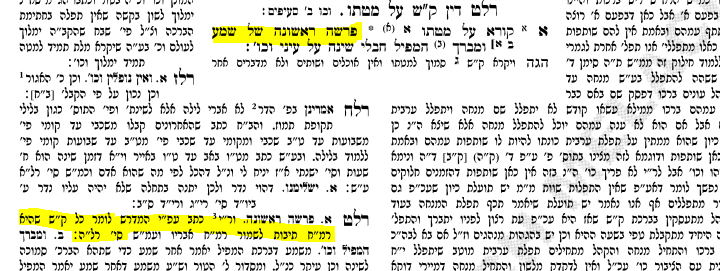
2 – We mentioned briefly the topic of saying תהילים or any other דברי תורה for ‘healing’ or protection, as in קריאת שמע שעל המיטה
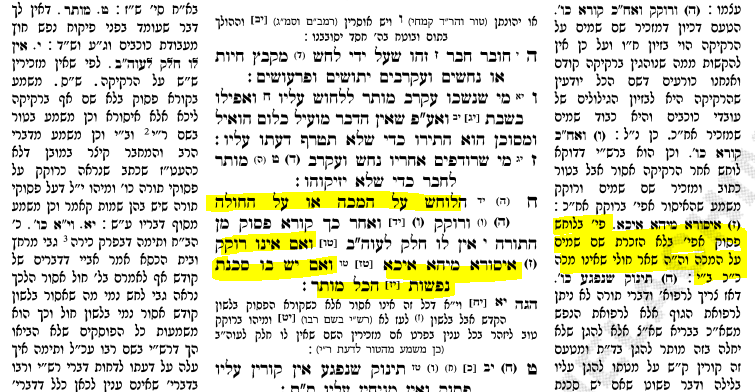
3 – The next piece of גמרא touches on many interesting topics.
אֲמַר רִבִּי לֵוִי בַּר חַמָּא אֲמַר רִבִּי שִׁמְעוֹן בֶּן לָקִישׁ: לְעוֹלָם יַרְגִּיז אָדָם יֵצֶר טוֹב עַל יֵצֶר הָרָע, שֶׁנֶּאֱמַר: ״רִגְזוּ וְאַל תֶּחֱטָאוּ״ (תהלים ד׳:ה׳). אִם נִצְּחוֹ, מוּטָב, וְאִם לָאו, יַעֲסוֹק בַּתּוֹרָה, שֶׁנֶּאֱמַר: ״אִמְרוּ בִלְבַבְכֶם״. אִם נִצְּחוֹ, מוּטָב, וְאִם לָאו, יִקְרָא קְרִיאַת שְׁמַע, שֶׁנֶּאֱמַר: ״עַל מִשְׁכַּבְכֶם״. אִם נִצְּחוֹ, מוּטָב, וְאִם לָאו, יִזְכּוֹר לוֹ יוֹם הַמִּיתָה, שֶׁנֶּאֱמַר: ״וְדוֹמּוּ סֶלָה״.

אַתָּה רָע וְרָשָׁע וּמְשׁוּקָּץ וּמְתוֹעָב וּמְנֻוָּול
Rabbi Levi bar Ḥama said that Rabbi Shimon ben Lakish said: One should always incite his good inclination against his evil inclination, i.e., that one must constantly struggle so that his evil inclination does not lead him to transgression. If one succeeds and subdues his evil inclination, excellent, but if he does not succeed in subduing it, he should study Torah, as alluded to in the verse: “Say to your heart.” If he subdues his evil inclination, excellent; if not, he should recite Shema, which contains the acceptance of the yoke of God, and the concept of reward and punishment, as it is stated in the verse: “Upon your bed,” which alludes to Shema, where it says: “When you lie down.” If he subdues his evil inclination, excellent; if not, he should remind himself of the day of death, whose silence is alluded to in the continuation of the verse: “And be still, Selah
A- לְעוֹלָם יַרְגִּיז אָדָם יֵצֶר טוֹב עַל יֵצֶר הָרָע,
incite his good inclination against his evil inclination,

We mentioned the מהרש”א that explains it to mean to ‘wage battle’ מלחמה with the יצר הרע. Rashi writes in Sanhedrin that if the יצר הרע incites someone to do an עבירה not only does one not do it, but on the contrary, he performs a מצוה instead.
רש״י בסנהדרין קיא, אם היצה״ר אומר לו לעבור עבירה אז ילחם עמו ויעשה מצווה.

Spoke about the Alter Rebbe’s application of this מאמרז”ל in Tanya chapter 31.
When one is in a state of sadness (for whatever reason) he should use this sadness and turn it into a ‘bitterness’ מרירות of קדושה for ‘stocktaking’ of his spiritual shortcomings.

See here.
B- יִזְכּוֹר לוֹ יוֹם הַמִּיתָה
he should remind himself of the day of death
The simple meaning is that one should keep in mind his own mortality.

Some translate it as to remind the יצר הרע of his death and demise as the גמרא says in Sukka 52a.
C – So the order is: 1st pick a fight. If unsuccessful, (2) learn Torah. If unsuccessful, (3) say שמע. If still unable to overcome the יצר הרע remind him of the (4) ‘day of death’.
The obvious question is why not go directly for the kill, pardon the pun, and remind him of the ‘day of death’?

the fourth option might not work out so well
One answer is that option #4- death, usually caused sadness and/or depression. So it’s used only after try other ,more cheerful options.
Another answer is that reminding the יצר הרע is not very effective for the average person. The proof is that death is inevitable and people usually do not dwell on it.
However, a person who has tried #1, #2 and #3 is a man of substance, discipline and intelligence. It is he on whom the thought of ‘after 120’ has an effect.
4 – We mentioned last week the topic of אגדתא and saying ברכת התורה on it even if one does not understand.
This is a חידוש of the Alter Rebbe.
In general, the definition of ‘learning Torah’ means to understand it. Saying words of גמרא, with out any comprehension is meaningless. One cannot say ברכת התורה on such ‘learning’.
However, in regards to מקרא, the הלכה is that just saying the words with no understanding is also considered לימוד התורה.
אך אם מוציא בשפתיו אף על פי שאינו מבין אפילו פירוש המלות מפני שהוא עם הארץ הרי זה מקיים מצות ולמדתם ולפיכך כל עם הארץ מברך ברכת התורה בשחר לפני הפסוקיםקפו וכן כשעולה לספר תורהקפז:
יג במה דברים אמורים בתורה שבכתבקפח אבל בתורה שבע”פ אם אינו מבין הפירוש אינו נחשב לימוד כללקפט.
ואף על פי כן יש לאדם לעסוק בכל התורה גם בדברים שלא יוכל להביןקצ ולעתיד לבא יזכה להבין ולהשיג כל התורה שעסק בה בעולם הזה ולא השיגה מקוצר דעתוקצא:
קפט מ“א או”ח סי‘ נ סק”ב. וראה גם לעיל שם ס”ב. תניא קו”א קנד, ב. לקו”ת שם ושם. לקו”ש חי”ד ע’ 22 הערה 9. חי”ח ע’ 438 (בנוגע לזהר וחלק האגדה שבתורה). שיח השדה, שער ברכת ה’ ס”א. ארץ צבי סי’ יא בהגהה. חקרי הלכות ח”ב סב, א. ח”ד פז, ב.
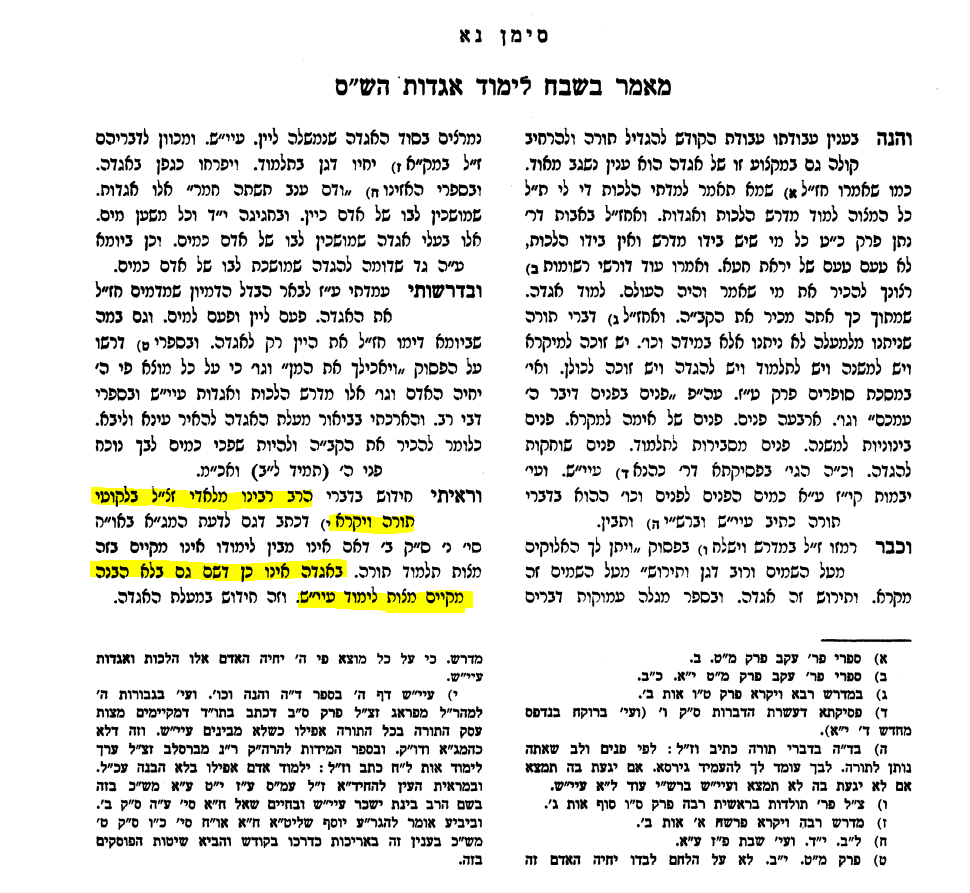
The Alter Rebbe adds that this applies to אגדתא as well.
כי הנה ענין הלימוד במקרא אינו ע”ד לימוד משנה ותלמוד שהעיקר הוא להשיג החכמה שבהן שעי”ז יתקשר שכל האדם בחכמה זו שבתורה כו’ אלא דצריך ג”כ להוציא הדברים בדיבור פה דוקא אבל מ”מ אם אומר ההלכה ואינו מבין אינו נחשב לו ללימוד כלל כמ”ש במ”א סי’ נ’, משא”כ בעסק המקרא ותשב”כ אם מוציא בשפתיו אע”פ שאינו מבין אפי’ פי’ המלות מפני שהוא ע”ז ה”ז מקיים מצות ולמדתם, שלפיכך כל ע”ה מברך ברכת התורה בשחר לפני הפסוקים וכן כשעולה לס”ת…
והנה בכלל לימוד המקרא הוא ג“כ לימוד האגדות שהרי רוב האגדות הם על הפסוקים ומעט מוסר וגם הם אין מושגים ובכלל מקרא יחשב.
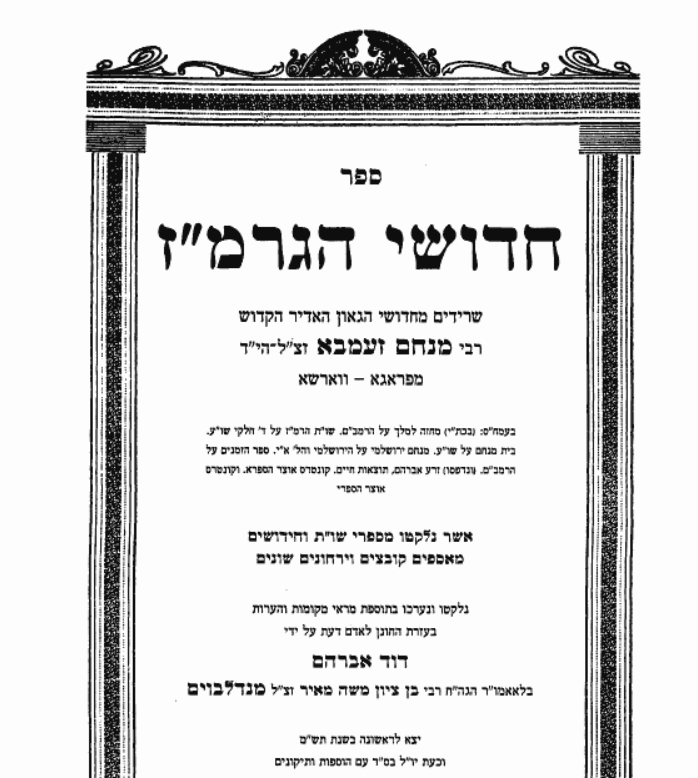
See here from Reb Menachem Zemba הי”ד where he discusses this novel idea of the Alter Rebbe.
We also repeated the story of Graf Potocki, who was known as Avraham ben Avraham, and who was buried next to the גר”א in Vilna.
R Shlomo Zalman Auerbach said in the name of the גר”א that you no longer have to worry about walking ד אמות in the morning before נטילת ידים, because the מסירת נפש of Avraham ben Avraham, severely weakened the סטרא אחרא,
ומסיימין בטוב
———————————————————-
ירגיז- מלחמה- מהרש”א
רש״י בסנהדרין קיא, אם היצה״ר אומר לו לעבור עבירה אז ילחם עמו ויעשה מצווה.
יזכיר לו יום כו’
למה לא להתחיל ע”ז?
כי רק מי שכבר למד כו’ יזיזנו הזכרה זו. אכול ושתו כי מחר נמות. שפתי חכמים.
עין יעקב. הזכרת יום כו’ רק כשאין ברירה, כי זה מביא לידי עצבות!
פירוש מעניין:יזכיר לו יום מיתת היצ”ר”