Shiur Sukkah 47b 01/17/23

BS”D

Sukkah 47b

Teves 24, 5783. January 17, 2023

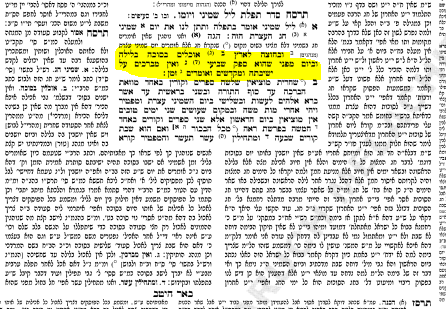
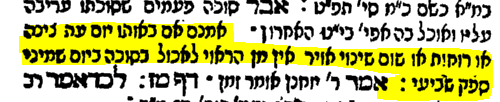
1– Concerning  שמיני עצרת, that it is a Yom Tov in and of itself (separate from Sukkos), our גמרא quotes Rebi Yuhuda who specifies four items that are required on Shemini Atzeres. 

אַף שְׁמִינִי טָעוּן קׇרְבָּן וְשִׁיר וּבְרָכָה וְלִינָה.

2– Last week we discussed ברכה . Meaning that since it is a new Yom Tov we make a שהחיינו. (As opposed to שביעי של פסח  which is an extension of Pesach). 

3שיר. A different song on the קרבן sung by the לויים  in the  בית המקדש. Rashi writes that he is unaware of this particular שיר. Tosfos however quotes from מסכת סופרים that a special שיר was said in Shul on שמיני  עצרת, so perhaps that is the one sung in the בית המקדש. 

למנצח על השמינית. 

THE RETURN OF DAVID'S HARP

4- לינה. The need to stay overnight in Yerushalayim on a Yom Tov and whenever bringing a קרבן or ביכורים. 

We discussed topics of the long Tosfos 47a.

  • What causes the necessary overnight stay, Simchas Yom Tov or bringing the Korban.
  • If one has בשר קרבן from the day before does he need to stay another night?
  • Are the full 7 days of Sukkos and Pesach considered one continuous day? If yes, one would need to stay over the entire Yom Tov. 

5 – Speaking of this interesting מצוה (spending more time in the area of the בית המקדש) we digressed to the topic of  the Torah view on social issues. 

Mentioned the book Social Vision by Professor Philip Wexler (may he have a רפואה שלימה) where he gathered the Rebbe’s view on many social issues, such as public education, criminal justice reform, women’s empowerment, and alternative energy. (See here

See here Tzvi Freemans review.

Social Vision: The Lubavitcher Rebbe's Transformative Paradigm for the World (Jewish Spiritual Traditions and Contempo): Wexler, Philip: 9780824550387: Amazon.com: Books

6- Spending more time in the area of ירושלים. 

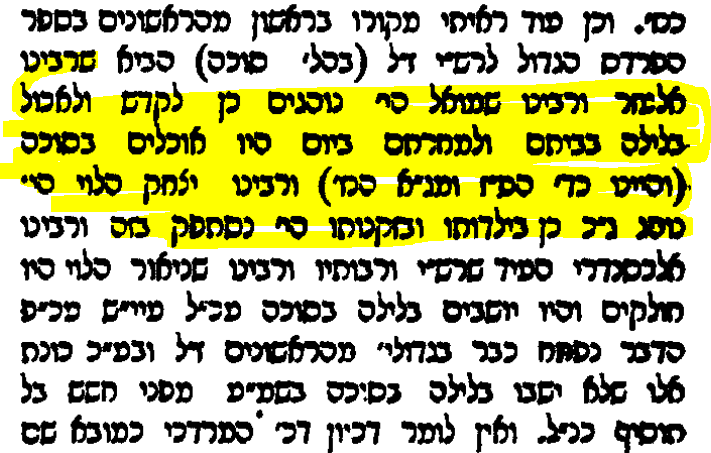
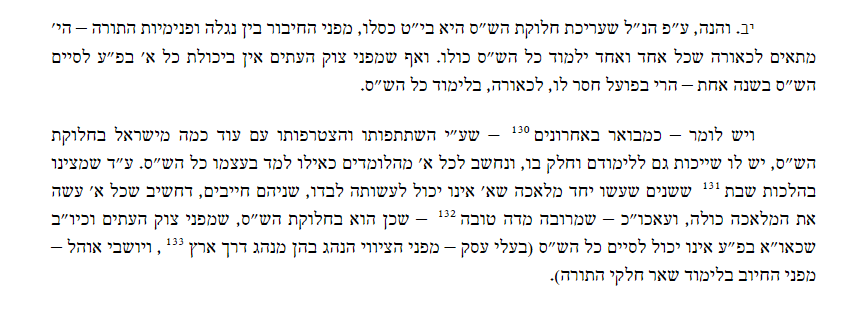
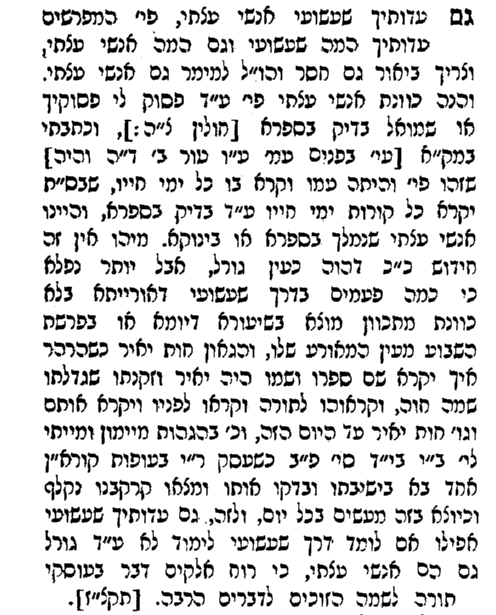
We read the interesting take of the ספר החינוך on מצות מעשר, which forms a basic and broad explanation of the Torah’s outlook on social, behavioral and education of כלל ישראל. The  חינוך explains the interaction between the common Jew and the intellectuals that mostly lived in ירושלים. 
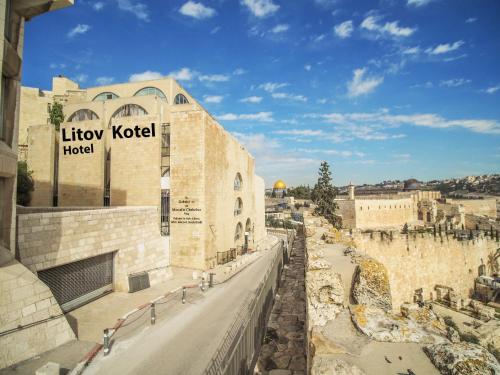
Litov Kotel Hotel - A Jewish Orthodox Hotel, Jerusalem, - Booking.com

See full text below. 

In short – The חינוך suggests an explanation on the entire idea and structure of מעשר. Specifically the מעשר that one needs to shlep up to be consumed in ירושלים. Like מעשר  שני and  מעשר בהמה. This is also the idea behind נטע רבעי. 
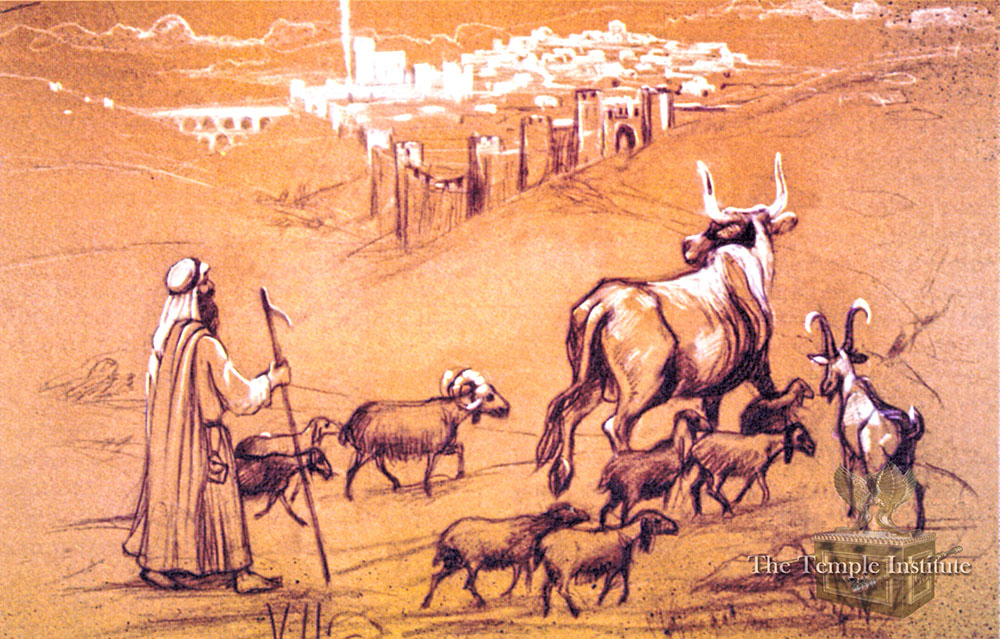
Musaf Offering Shemini Atzeret

On the surface it seems the point of מעשר is to cause the common man to bring his מעשר fruits and animals to the city of ירושלים to be consumed and enjoyed in the vicinity of the בית המקדש. 
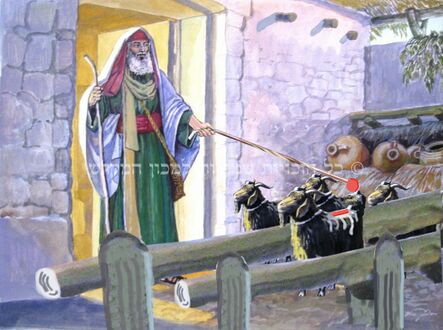
Suggests the ספר החינוך that there is much more behind these מצוות. 

Being that the common man is busy and preoccupied in making a living and acquiring wealth, his head is in חומר, or as we call call it גשמיות. Studying Torah and delving in intellectual pursuits is not his thing. 

Hashem therefore prescribed some מצוות that will cause the common man to make his way to ירושלים to mingle and interact with the חכמים in the vicinity of the  בית המקדש  where the סנהדרין is located and scholars and knowledge abound. 

To perform these מצוות a person would either make the trip himself or send a son to spend time there and have the necessary provisions to eat while there – the מעשר!

He or his son, having acquired and absorbed Torah knowledge, will, upon their return to their families, have an influence on the entire household. 

A family member that transmits knowledge to his family is far superior than listening to a Shiur from a local Rov – even with a weekly shiur. This is especially true to women and children. 

In conclusion, the Sefer Hachinuch explains how the Mitzvot of  Maaser Beheima, Maaser Sheni, and Neta Reva’i are not just practical commandments to bring a portion of one’s wealth to Jerusalem to eat and party. Rather, it’s to cause him to absorb רוחניות and תורה. 
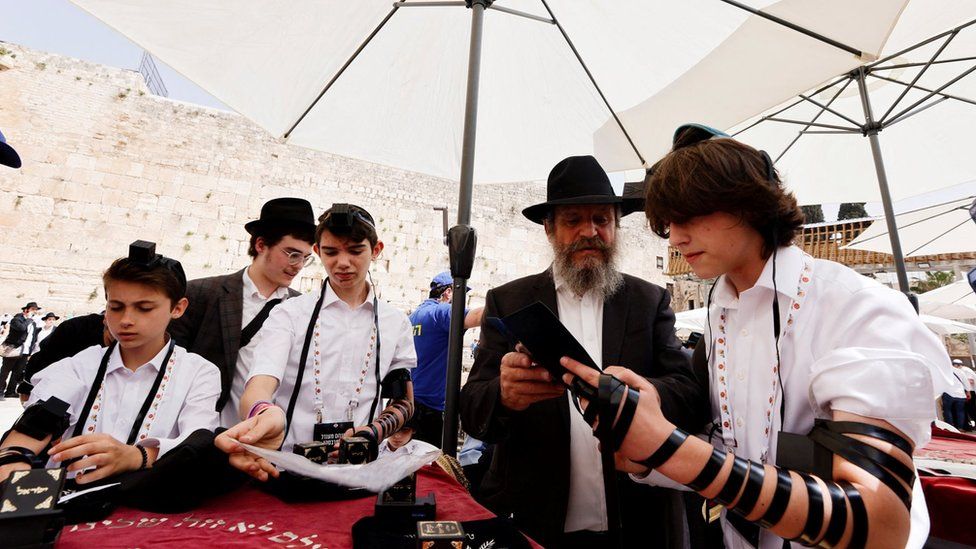
Jerusalem on edge as festivals fall amid tensions - BBC News

We suggested that perhaps the Mitzvah of לינה, is in the same vein.

Don’t just pop into the בית המקדש, attend your קרבן at 8:00 AM and take off with the 9:15 AM flight. The Torah wants you to spend some time with the holy and smart people in ירושלים. Take in some of their inspiration and intelligence. Upon your return home you will have what to share and disseminate amongst your family and friends. 
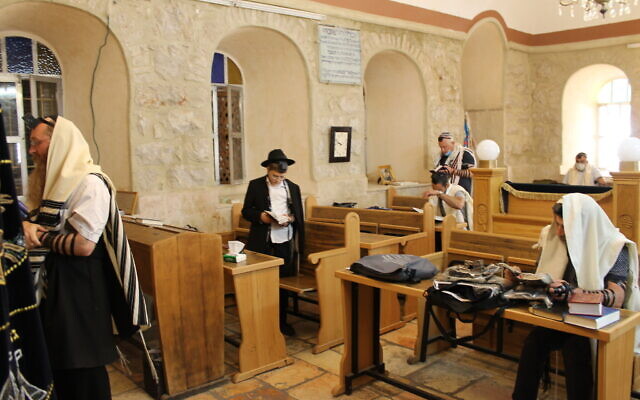
Lax observance: In reopened Israeli synagogues, hazy virus rules stoke anxiety | The Times of Israel

7– The גמרא quotes opinions on how the תנופה of ביכורים was done. According to one opinion, both the owner and the כהן need to lift the fruits together. 

Shavuot First-Fruits/Twin Loaves Reenactment - YouTube

We learnt the Tosfos that quotes an interesting ירושלמי in Sota of how the תנופה was performed with the מנחת סוטה. 

Here is the ירושלמי. 

“The Cohen puts his hands under hers and performs the wave.” 

סוטה – ויקימקדש

Question: Does the Cohen put his hands under hers? Is that not objectionable. Is the bodily contact between the Cohen and an otherwise married woman not immoral? 

Answer: He places a kerchief between his and her hands, not to touch the woman.

Question: Is that not a חציצה?

Answer: We use for this an elderly Cohen

Another answer: You may even say, a young כהן, since bad inclinations do not happen at that hour.
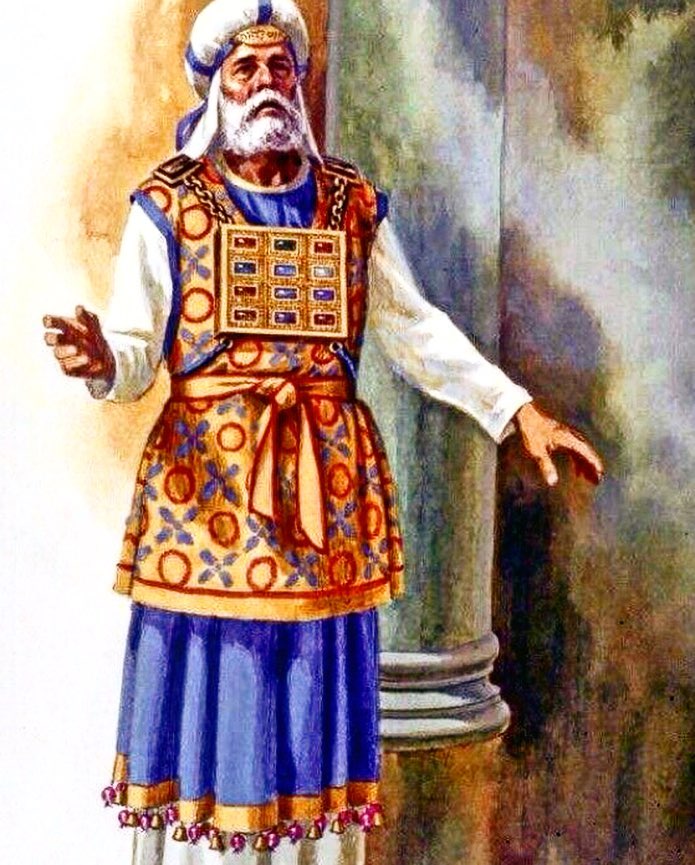
The "Ephod"(breastplate) one of the eight holy garments that the Kohen Gadol (High Priest) used to wear when conducting his services in the Holy Temple, had 12 Gem Stones each one representing

We mentioned that this principle, of ‘bad inclinations’ if only for a short time is not something the חכמים were concerned about  is relevant in regards to placing the ring during certain Chupas. 

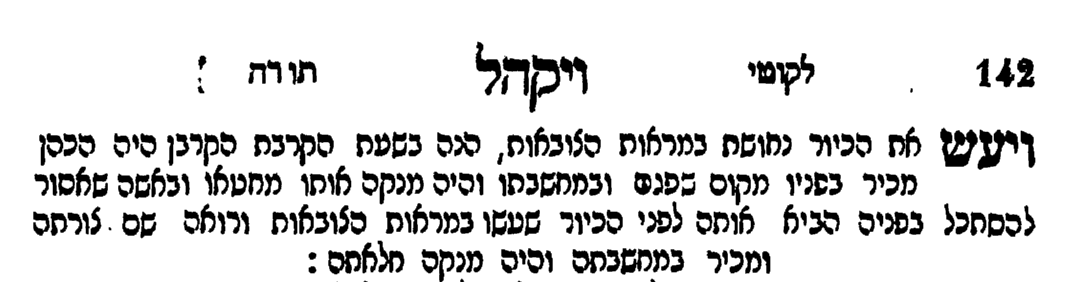
8- We read the text of the לקוטי תורה  of the Arizal where he writes that when in the בית המקדש a Kohen would look at the forehead of the individual, identify his sins and help him with his תשובה. 

הר הבית חדשות - צפו: נקודה בהר הבית - כאן עמד הכיור

Asks the Ariza”l what about women? He answers that the כהן would see their faces as they were reflected in the כיור that was polished like a mirror. 
We mentioned that some אחרונים discuss if what one sees in a mirror is considered in Halocho as ‘seeing’. 

More on this topic in the future. 


————————————

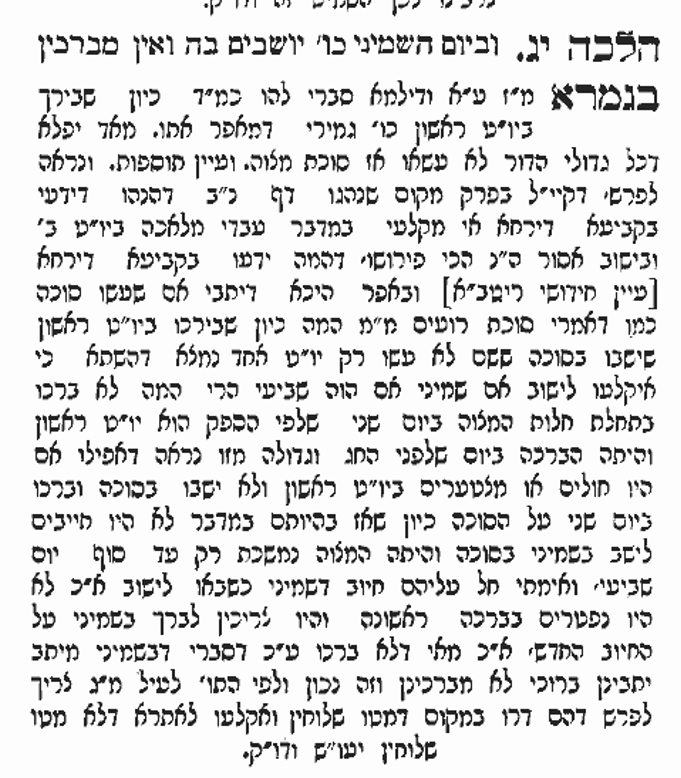
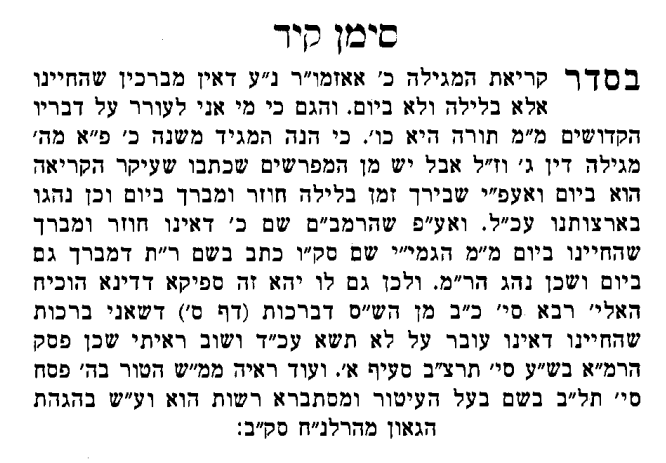
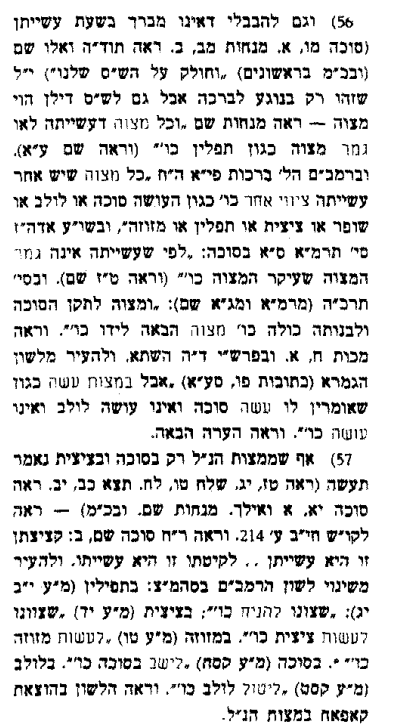
חינוך מצוה שס. 

משרשי המצוה. שהאל ברוך הוא בחר בעם ישראל וחפץ למען צדקו

להיות כלם עוסקי תורתו ויודעי שמו, ובחכמתו משכם במצוה זו למען

ילמדו יקחו מוסר, כי יודע אלקים שרב בני אדם נמשכים אחר החמר

הפחות, בשגם הוא בשר, ולא יתנו נפשם בעמל התורה ובעסקה

תמיד,

על כן סבב בתבונתו ונתן להם מקום שידעו הכל דברי תורתו על כל

פנים, שאין ספק כי כל אדם נמשך לקבע דירתו במקום שממונו שם.

ולכן בהעלות כל איש מעשר כל בקר וצאן שלו שנה שנה במקום

שעסק החכמה והתורה שם והיא ירושלים, ששם הסנהדרין יודעי דעת

 ומביני מדע, וכמו כן נעלה לשם מעשר תבואתנו בארבע שני השמטה,

כמו שידוע שמעשר שני נאכל שם, וכן נטע רבעי שנאכל שם, על כל

פנים או ילך שם בעל הממון עצמו ללמד תורה, או ישלח שם אחד

מבניו שילמד שם ויהיה נזון באותן פירות.

ומתוך כך יהיה בכל בית ובית מכל ישראל איש חכם יודע התורה,

אשר ילמד בחכמתו כל בית אביו, ובכן תמלא הארץ דעה את השם, כי

אם חכם אחד לבד יהיה בעיר או אפילו עשרה יהיו הרבה מבני אדם

שבעיר וכל שכן הנשים והילדים שלא יבואו לפניהם כי אם פעם אחת

בשנה, או אפילו ישמעו דבריהם פעם אחת בשבוע, ילכו לביתם

וישליכו כל דברי החכם אחרי גום, אבל בהיות המלמד בכל בית ובית

שוכן שם ערב ובקר וצהרים ויזהירם תמיד, אז יהיו כלם אנשים ונשים

וילדים מזהרין ועומדים, ולא ימצא ביניהם שום דבר חטא ועון, ועל ידי

זה יזכו למה שכתוב ויקרא כו יא יב ונתתי משכני בתוככם. ירמיה יא ד

והייתם לי לעם ואנכי אהיה לכם לאלהים.

It is from the roots of the commandment [that it is because] God chose the nation

of Israel and wished for the sake of His righteousness that all of them be engaged

with His Torah and be knowers of His Name. And in His Wisdom, he lured them

with this commandment so that they would study [and] draw moral teachings. As


God knows that most people are lured by lower physicality, ‘as [they] are also

flesh’ and they will not put their souls to the toil of the Torah and its constant

involvement. 

Therefore, in His understanding, He caused [it] and gave them a

place wherein everyone will know the words of His Torah regardless – for there is

no doubt that every man will be drawn to establish his residence in the place that

his money is there. 

And as such, when each person brings up the tithe of all his

cattle and his sheep each year to the place where involvement with wisdom and

Torah is found – that is Jerusalem, where is the Sanhedrin of those who master

knowledge and understand information – and we similarly bring up the tithe of

our grain in four years of the sabbatical [cycle], as we know that the second tithe

is eaten there, and so [too,] the fourth year planting is eaten there; the owner of

[these things] will perforce either go there and study Torah himself, or send one

of his sons to study there and to be sustained by that produce.


And through this, each and every house in all of Israel will have someone who is

wise and knowledgeable in the Torah who can [then] teach all of the household of

his father with his wisdom. And with this ‘the land will be filled with knowledge

of the Lord’. 

If there was only one sage in each city – or even ten – there would

be many men who would only come in front of them once a year, and all the

more so the women and the children. And even if they heard their words once a

week, they would [then] go to their home and throw all the words of the sage

behind their back. 

However, when the teacher is in each and every house, dwelling there evening, morning and afternoon and constantly reminding them; then they will all – men, women and children – be careful and aware and no matter of sin or iniquity will be found among them. 

And through this they will merit that which is written (Leviticus 26:11-12) ‘And I will place My dwelling amongst you […] and you will be for Me a nation, and I will be for you God’.  
 

Shiur Sukkah 47a 01/10/23

BS”D

Sukkah 47a

Teves 17, 5783. January 10, 2023

1 – We reviewed the fascinating Ohr Sameach which we discussed last week about the  חכמים that didn’t sit in a Sukkah until  שמיני עצרת because they ‘were out in the marshes’. 
2 – One of the most  famous lines in Sha”s: 

וְהִלְכְתָא: מֵיתַב יָתְבִינַן, בָּרוֹכֵי לָא מְבָרְכִינַן.

And the Halachah is that we sit in the Sukkah [on Shemini Atzeres] but we do not recite a Brachah [לישב בסוכה] 

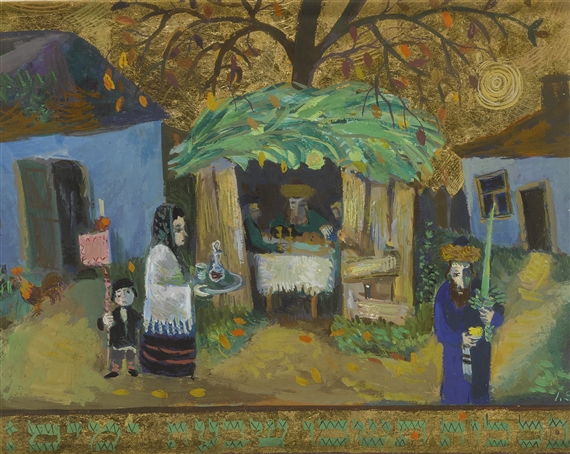
Ilya Schor | YOU SHALL SIT IN THE SUKKAH SEVEN DAYS (1958) | MutualArt

Now, what could be more clearer than that? And yet…… not everyone does that. 

3 – The Shulchan Aruch (668) says very clearly:

See מגן אברהם:

Some do not sit in the  סוכה for the night meal but do sit for the day meal. The Tur says that this Minhag is not proper. But some people in our country do so because they saw their parents act so. The Beis Yosef explains their  מנהג (Night no – day yes) because sitting in the Sukkah and saying  שהחיינו for  שמיני עצרת  is a contradiction. 

Asks the  מגן אברהם- sitting in the Sukkah by day is also a contradiction since we say in Bentching  שמיני עצרת החג הזה…?

He suggests that the issue is  בל תוסיף.  Skipping the Sukkah for the night meal shows we are aware that our sitting in the Sukkah the next day is only due to a  ספק, maybe it’s the 7th day of Sukkos. 

Empty Sukkah 5773 – DC Real Estate and House History

[It only looks like בל תוסיף. See previous Shiur

However he concludes, the Tur is right as the Beis Yosef agrees based on the simple meaning in the Gemara. Most other פוסקים also state that all the meals should be eaten in the Sukkah. 

4 – We mentioned the GR”A that says that one must not only eat but also sleep in the Sukkah on  שמיני עצרת. He adds that even if one had reason not to sleep in the Sukkah all week he must do so on  שמיני עצרת because  ערבין עלי דברי סופרים!!

5- We discussed the  קרבן נתנאל who was one of the first to give a reason for not sitting in the Sukkah on  שמיני עצרת. 

Is Rain on Sukkot a Bad Omen? - Chabad.org

Taking into account the  בל תוסיף issue and in addition (as per the Rif) to ‘embarrassing  שמיני עצרת’, sitting in a Sukkah when it is cold, windy and uncomfortable is very blatant that one is doing it  לשם מצוות סוכה  (as mentioned in Tosfos). 

Therefore one should not sit in the Sukkah. 

 6- We mentioned the Munkatcher’s long  תשובה in the  מנחת אלעזר (See fascinating  Video of his daughter’s wedding in Munkatch). 

חיים אלעזר שפירא – ויקיפדיה

4, 31.

He tries to explain the Minhag of some חסידים to eat only some or all of the שמיני עצרת meals indoors based on the קרבן נתנאל. 

He adds that the גמרא was referring to warm climates like in Iraq and the Beis Yosef in Israel. People living in the northern parts of the world where on Sukkos it’s cold makes sense to eat indoors. 

The 9 Craziest Sukkahs in the World | CrownHeights.info – Chabad News, Crown Heights News, Lubavitch News

He quotes from the ספר הפרדס that some ראשונים of France ate the night meal indoors and the daytime ones in the Sukkah. 

Photos: Sukkos Mivtzoim at the Eiffel Tower | CrownHeights.info – Chabad News, Crown Heights News, Lubavitch News

7- We moved on to the חידוש of רבי יוחנן that on Shemini Atzeres one needs to say שהחיינו since it is a Yom Tov in its own right. 

We discussed that the Torah mentions Shemini Atzeres in a way that can be construed to be either an ‘extension’ of Sukkos or a new Yom Tov on the 8th day that  happens to be the day after Sukkos – but in reality it stands on its own as a separate Yom Tov. 

To be continued next week IY”H. 

8- Parshas ויחי. 

Joseph Interprets Pharaoh's Dream (Genesis 41:16) | Walk with Me

We concluded with the solid question of the Chasam Sofer. דרשות ע’ צט

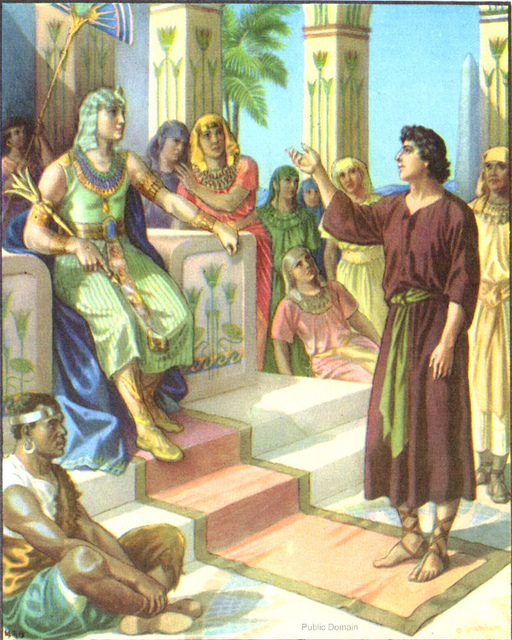
For at least 26 years Yosef kept his promise to פרעה not to divulge that he, Yosef, spoke a language that was not known to פרעה. 

Sotah, 36b:

פרעה lived in fear least Yosef publicize his ignorance of לשון הקודש.   

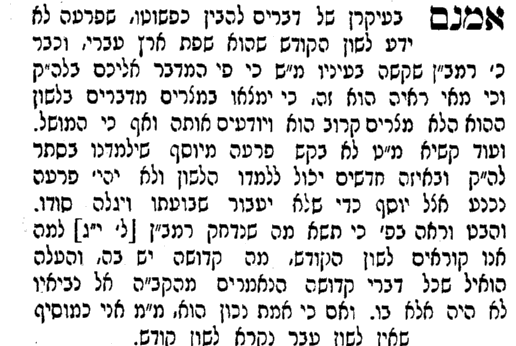
Asks the Chasam Sofer: What was so difficult for פרעה, who knew 69 languages, to learn another language? Why didn’t he ask Yosef to teach him again and again ? In a mere few months he would have picked up לשון הקודש. 

How to Learn Hebrew With Your Kids | PJ Library

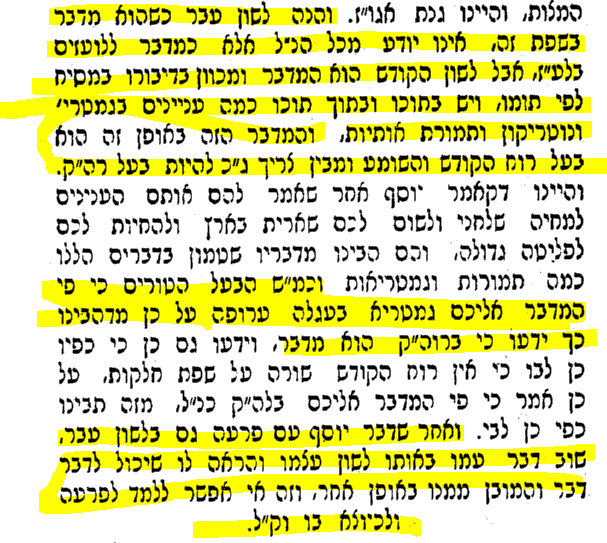
In short, the Chasam Sofer answers that there are two languages. לשון עברי and לשון קודש. 

The first is the plain simple language that can be spoken by all. (And perhaps פרעה did indeed know this). 

Then there is true לשון הקודש. That is the holiness and intricate meaning that every word contains. For someone to truly speak and understand this language one needs רוח הקודש. 

Such as גימטריאות – numerology, of every word and its meaning. 

Mirracle Astrology Nd Hebrew Pyramid Numerology Photos, Erode, Erode- Pictures & Images Gallery - Justdial

Example – בזאת יבוא אהרן. The 410 years of the 1st בית המקדש is hidden in the word  בזאת, which equals 410. 

Then there is    נוטריקון– what we call ראשי תיבות. Every letter of the  words in  לשון הקודש alludes to some mysterious meaning. [The CS cites some examples]. 

Additionally, there are  תמורות – exchanges. Meaning that there are various methods of exchanging the letters to form different words. Like א”ת ב”ש. 

[We will come across this idea further ahead 52b]. 

Someone like פרעה  may have indeed known לשון עברי. 

However לשון קודש is something that can be acquired only thru רוח הקודש. It’s not a language that can be ‘learnt’. 
 

Shiur Sukkah 46b – 47a 01/03/23

 BS”D

Sukkah 46b – 47a

Teves 10, 5783. January 3, 2023

1- We  began with a topic that is much discussed in many places in Sha”s and in the world of Lomdus. 

Reb Zeira says that one should not give his Lulav to a child while the child can indeed acquire it (be קונה) he cannot give it (or sell it) back to the father. 

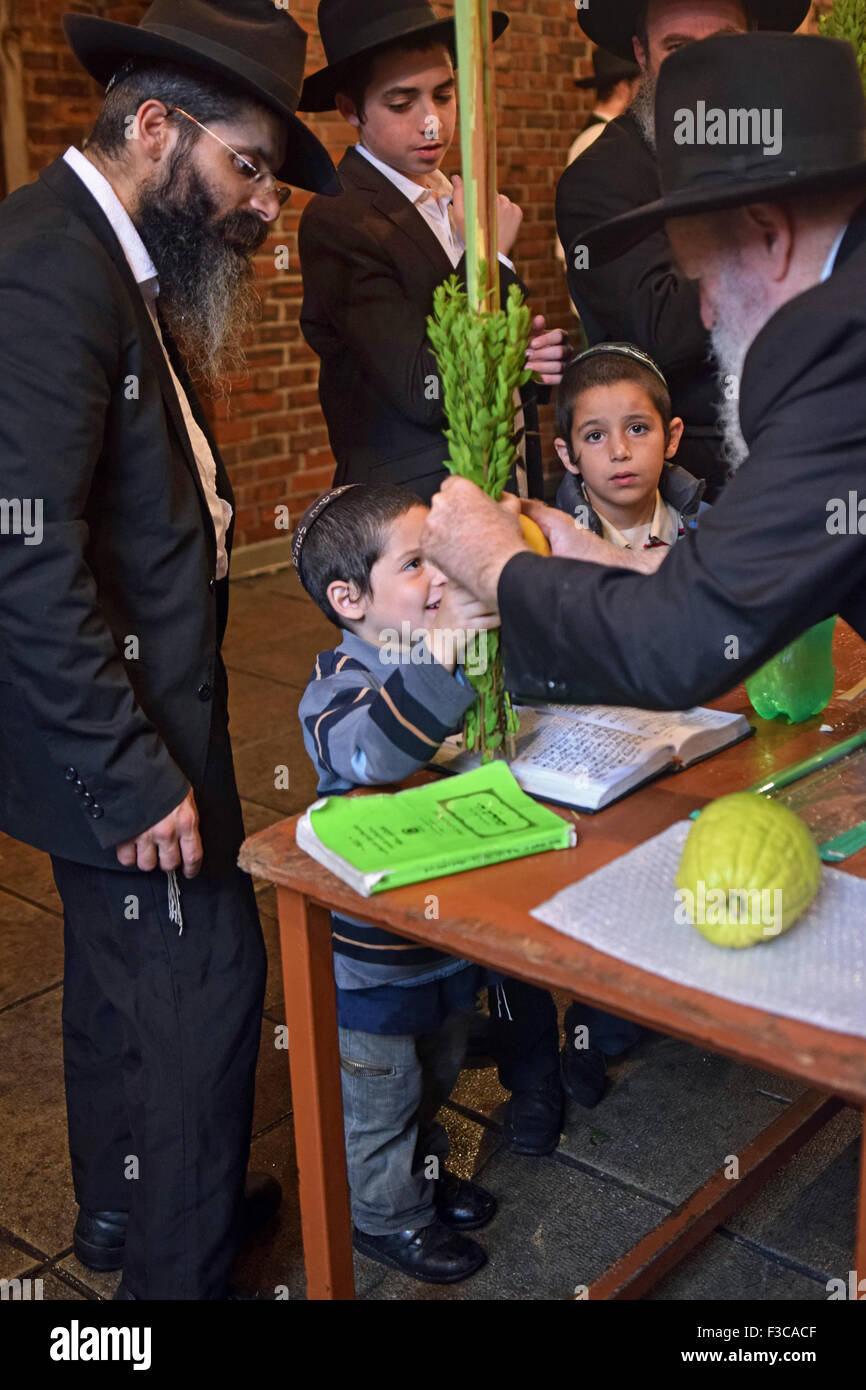
An older man gives a young boy an esrog and lulav to bless on the Jewish holiday of Sukkot. In Crown Heights, Brooklyn, New York Stock Photo - Alamy

This one-way transaction is based on a תקנה of the Rabanan. Min Hatorah, a child under Bar Mitzva cannot buy or sell. Acquire or gift. 

Seeing that unscrupulous people would grab away items from children causing anxiety, the חכמים enacted that once the child is given something it belongs to him. Period. The תקנה is for the קטן to acquire, not to give it to others. 

Thus,  giving the Lulav to a child would be non reversible. Meaning the father/giver would not be able to ‘own’ it by taking it back from him. 

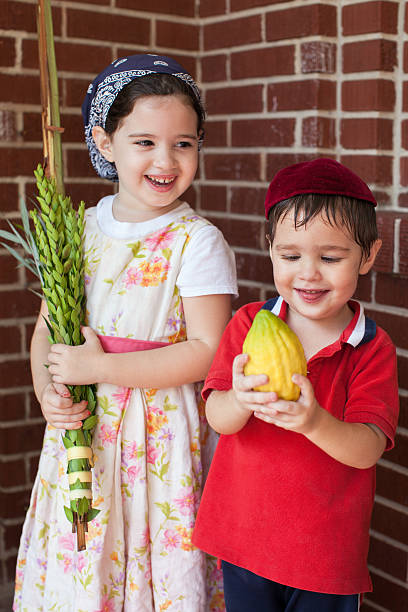
Children Celebrating Sukkot Stock Photo - Download Image Now - Judaism, Child, Family - iStock

2- From this suggestion, of not giving it to a קטן, it would seem that there is no method at all to give it to a  קטן and get it back – even with a מתנה על מנת להחזיר. 

As we mentioned in a previous shiur,  the Rosh writes מתנה על מנת להחזיר will not help with a קטן- ‘since to fulfill the תנאי the קטן would need to ‘gift it’ ‘back to his father.
This means that according to the Rosh,  in general with any מתנה על מנת להחזיר the return is not automatic. It needs a full הקנאה in return. 

We mentioned the קצות that disagrees and explains that מתנה על מנת להחזיר goes back automatically to the original owner. 

We discussed if giving to a קטן with a מתנה על מנת להחזיר would indeed work with a Lulav. 

3 – Another wide ranging topic discussed concerns an Esrog that was unpaid for before Yom Tov. 

Crowd of Orthodox Jews Buying the Etrog for the Lulav, Four Types Market, During Sukot, Israel' Photographic Print - Eitan Simanor | Art.com

The buyer acquired the Esrog with קנין משיכה by taking the Esrog home. Now, this קנין, as opposed to קנין כסף, is only מדרבנן. 

So the question is: does the buyer ‘own’ the Esrog only at a דרבנן level (an issue of the לכם on the first day)  or the תקנת חכמים has the power to elevate their קנין to a דאורייתא level. 

We mentioned the מחנה אפרים who was the first one to raise this question. 

4- We began the famous Sugya of what to do about Sukkah and Lulav on Shemini Atzeres. 

7th and 8th Grade Expansion of Learning Days | Mountain Valley Middle School

At first glance, since we are/were unsure if Shemini Atzeres is indeed the 8th day (and a separate Yom Tov on itself) or perhaps it’s the 7th day of Sukkos, of course we need to do both Lulav (מדרבנן like all  חול המועד  days), and eat in the Sukkah (מן התורה). 

 All Yomim Tovim we observe a second day since we are unsure and perhaps it is actually the first day of Yom Tov. Like the second day of Pesach. 

The issue with the 8th day of Sukkos is that it perhaps it’s the 7th day of Sukkos or maybe not. However, if it is not, then it is indeed the 8th day which is a new Yom Tov, Shemini Atzeres, on its own.

In other words, as opposed to other ימים טובים , if the day in doubt is incorrect, then it’s not a יום טוב. In the case of שמיני עצרת, if it’s not the 7th day of Sukkos then it’s a Yom Tov of שמיני עצרת.

Second Day Yom Tov for Israelis - Torah Musings

We discussed briefly as to why we make a ברכה on יום טוב שני despite the general rule of ספק ברכות להקל.

Discussed some of the issues that arise with observing Sukkos on שמיני עצרת. 

  • Such as, מוקצה for the Lulav, if it is indeed שמיני עצרת. 
  • Contradiction of observing שמיני  עצרת and acting, by sitting in the Sukka, as if it is not Yom Tov. Imagine we would need to put on Tefillin on the Second Day Yom Tov!
  • As the רי״ף writes, it’s a זלזול יום טוב.
  • Bal Tosif. בל תוסיף. Taking the ד׳ מינים an extra day. 

5- In general, the לא תעשה of בל תוסיף when doing a Mitzvah, not in its prescribed time frame, like Tefillin on Shabbos, is transgressed only if one has the intention כוונה to be מקיים to perform this extra Mitzvah לא בזמנו. 

However, for example, someone who is unsure if today is the 7th day of Sukkos or Shemini Atzeres, on the contrary, he must sit in the Sukkah but with a תנאי: ‘If today is not Sukkos I’m just sitting outdoors for pleasure’. 

So the גמרא  says that the sitting in the Sukkah on Shemini Atzeres, which we must do, should be somehow different – perhaps by not making a לישב בסוכה. This emphasizes the doubt we’re in. Our sitting in the Sukka is without intention of being מקיים מצות סוכה if it is indeed שמיני עצרת. 

To be continued next week when bl”n well try to understand the Minhag of many, (despite an open and clear cut גמרא to sit in the Sukkah and not make a ברכה) – not to sit in the Sukkah!

6 – We encountered a truly rare and mystifying גמרא. Adding to the mystery is that no ראשונים attempt to explain. 

The גמרא relates a story about Rav Huna and all the גדולי הדור were in the farmlands with no Sukkah for the 7 days of Sukkos. They came into town only on שמיני עצרת and entered a Sukkah for the first time. 

Plant Life: Farmland

The expression in the Gemare is גמירי דמאפר קא אתו – ‘we have a קבלה that they arrived from אפר – a marsh’. 

Hamilton Marsh. - Foto di Hamilton Marsh, Isola di Vancouver - Tripadvisor

As Rashi explains they didn’t sit in a Sukkah until שמיני עצרת!

How is that possible? All Gedolei Hador didn’t observe מצוות סוכה?

We find many explanations in אחרונים starting with the מהרש״ל that it was a שעת הגזירה that prevented them from gaining access to a Sukka until שמיני עצרת. 

In the name of Reb Chaim Berlin (grandson of the נצי״ב) it says that אפרא here means Queen Ifrah Hurmiz who was the mother of Shvur , who was the king over Eretz Yisroel at the time. (Bava basra 10b) אִיפְרָא הוֹרְמִיז אִימֵּיהּ דְּשַׁבּוּר מַלְכָּא

These great men needed to meet her for טובת הכלל and sacrificed their Sukkah observance for the benefit of כלל ישראל. 

We mentioned what Reb Levke Kaplan related in the name of Reb Mottel Rivkin A”H.  Reb Mottel was told by an old Russian Jew of seeing a rare manuscript in the home of a wealthy non Jewish baron. This manuscript was of a hand written Shas on parchment. 

Upon inspection, he noticed that on the sidebar on מסכת סוכה, next to the words מאפר there was a handwritten note

מאפ״ר מאימת פחד מלכות רומי. 

David Blixt: Roman Legions - Terms and Definitions

 Meaning that the word מאפר was written in code. The גמרא didn’t mean that these חכמים spent Sukkos on a farm without a Sukkah. These great people were on the run or unable to observe the Yom Tov properly in fear of the oppressing Roman rule. 

We mentioned briefly the earliest know hand written manuscript of the entire Shas. 

See here. https://www.bavlionline.org/manuscripts/

The above note does not appear there. 

7- Another brilliant explanation from the Ohr SameachHere: 6, 13. 

In short- the גמרא wants to prove that although we sit in a Sukkah on Shemini Atzeres a ברכה is not said. They quote the above story when these חכמים entered the Sukkah for the first time on שמיני עצרת they didn’t make a ברכה. That seems like solid proof that no ברכה is made on the Sukkah on שמיני עצרת. 

The גמרא counters that perhaps the opinion of these Gedolim was that לישב בסוכה is said only once, on the first night of Sukka. That is why they didn’t make a ברכה on שמיני עצרת. 

So their not making a ברכה on Shemini Atzeres is not a proof for us. As we make a ברכה every time we walk into a Sukkah, and we need to do it on שמיני עצרת as well. 

The גמרא responds that ‘we have a קבלה that they arrived from אפר – a marsh’. 

As above, Rashi says, they didn’t have a Sukkah until שמיני עצרת. 

The אור שמח suggests that while in the marshes they did indeed have a Sukka and made a ברכה the first night only (as per their opinion) and that was valid for the entire 7 days preceding this encounter in the city. 

But these scholars were unique in their observance of Yom Tov. While the city dwellers were unsure of the correct days of Yom Tov, (this occurred at a time before the calendar was established)  these גדולים knew the exact days of when Yom Tov occurs. 

The rule is, as per the גמרא in Pesachim 52, one who knows how to calculate the monthly calendar can indeed follow his mathematical conclusion and observe that day as the Yom Tov only with no need to observe the second day:

52a

Indeed, one keeps one day only, but with one caveat. One can do that only if he is out of the city, traveling or in a desert. Inside the city walls he must follow the city dwellers and observe two days. 

The First Sukkah? - TheTorah.com

These scholars were in the marshes kept only 1 day Yom Tov, as opposed to those in the city, who kept 2 days. On the first night of Sukkos they made a לישב בסוכה. They had no intention, as above, to make this ברכה again throughout the entire Yom Tov. On their  שמיני עצרת they obviously would not have sat in the Sukkah. 

However, they entered the city and now need to follow the custom of the locals and observe 2 days Yom Tov. So their שמיני עצרת is now perhaps only the 7th day of Sukkos. 

And their first night of Sukkos, based upon the calculation of the city people, was….ערב Yom Tov. 

So the ברכה they made on the first night was null. Since they didn’t make a  ברכה on the second night (unlike the city fellows) they never made a proper ברכה. 

So when they entered the city Sukka on שמיני עצרת, which is perhaps the 7th day of Sukkos, they would have needed to make a ברכה. Unlike the city people who made a ברכה on the second night and therefore had no need to make the ברכה. 

So why didn’t they make a ברכה?

Aha! 

That is proof that on שמיני עצרת the חכמים established that despite it being a ספק, perhaps it’s the 7th day of Sukkos, we should (sit in the Sukka but) not make a ברכה for reasons above in paragraph 4. 


Shiur Sukkah 46b 12/27/22

BSD


Sukkah 46b 

Teves 3, 5783. December 27, 2022

1- We began with the old Jewish quip about the fellow walking to Shul on Chol Hamoed covered with his Tallis, Tefillin on his head and hand, the right hand holding the Lulav and the Esrog with his left when suddenly he develops an itch on his back…..

Tefillin

Being unable to reach over and scratch it he looks up to heaven and says ‘Ribbono Shel Olom, look how much I am doing for You, can I ask You to please scratch my back….’ 

Our גמרא quotes an opinion that when someone performs multiple Mitzvot at once, they should make one general ברכה for all of them 

אשר קדשנו במצותיו וצונו על המצוות 

Rashi cite as an example: ליטול לולב לישב בסוכה להניח תפילין להתעטף בציצית

Watercolor Style And Abstract Image Of Jewish Festival Of Sukkot Traditional Symbols Etrog Lulav Hadas Arava Stock Photo - Download Image Now - iStock

2- Tefillin on Chol Hamoed? We discussed if this רש”י is proof regarding his opinion on this ancient מחלוקת, dating back to the ראשונים if Tefillin are donned on Chol Hamoed. 

The ערוך לנר suggest that the Rashi needs to be read with a comma: 

ליטול לולב לישב בסוכה, להניח תפילין להתעטף בציצית

Meaning that he is citing two separate examples on performing more than one Mitzvah at a time. 

Rabbi Avi Grossman: Tefillin on Chol HaMoed: Maimonides & the Vilna Gaon - YouTube

Today it’s down to the Minhog one follows; whereas the ספרדים and Chassidim do not and the Askenazim do (some without a ברכה). OC 31

3- There is a discussion as to why Rashi places Tefillin before the Tallis. 

4- We moved on to the גמרא that cites the importance of acquiring Torah knowledge when one is young. ‘The more one studies in his youth the easier it will be for him to do so when he ages’. 

Raising Religiously Resilient Children - Jewish Action

The גמרא also urges one to repeat one’s learning- what we call חזרה. 

5- We entered the סוגיא concerning the status of an item that is מוקצה because it is a מצווה, such as an Esrog. 

The issue is if this type of מוקצה has the same rules of מוקצה on Shabbos. 

A primary rule  of Shabbos מוקצה is that its status is ‘locked in’ Friday night at בין .השמשות (See this in a previous shiur) Once it’s locked in, the מוקצה status does not change. Say a broken toy (מוקצה) that is repaired by a goy on Shabbos. The מוקצה status does not change. 

6- Reb Yochanon says that this Shabbos rule applies on a מוקצה because of a Mitzvah as well.  Therefore, on הושענא רבה even though,  after מוסף, one is done with the לולב, since at the previous בין השמשות it was מוקצה, the status remains unchanged for the rest of the day. 

Reish Lakish disagrees, Muktzeh because of a Mitzvah is limited by the ‘time’ of performing the Mitzvah. Once the performance is complete, it loses its מוקצה status. Thus, one can bite into his Esrog right after Davning. 

Will continue on this topic next week BLN. 

6 – We diverged to talk about בין השמשות. 

Beautiful sunset over the Western wall. #israel #jerusalem #beautiful #westernwall #sunset | Places to go, Places to travel, Jerusalem

Mentioned the famous Tosfos at the beginning of Shas, Brochos 2a. 

The issue is the earliest time for the night קריאת שמע and שמונה עשר of מעריב. 

There are many מנהגים as when to Daven מעריב. Before צאת הכוכבים or way before it. There is also the need to say קריאת שמע after צאת. See here in the Shulchan Aruch and side commentators. OC 235

Bright Lights in the Evening Sky: Spot Venus & Jupiter Tonight | Space

In short – those that Daven Maariv before צאת have plenty of פוסקים on which to rely upon. 

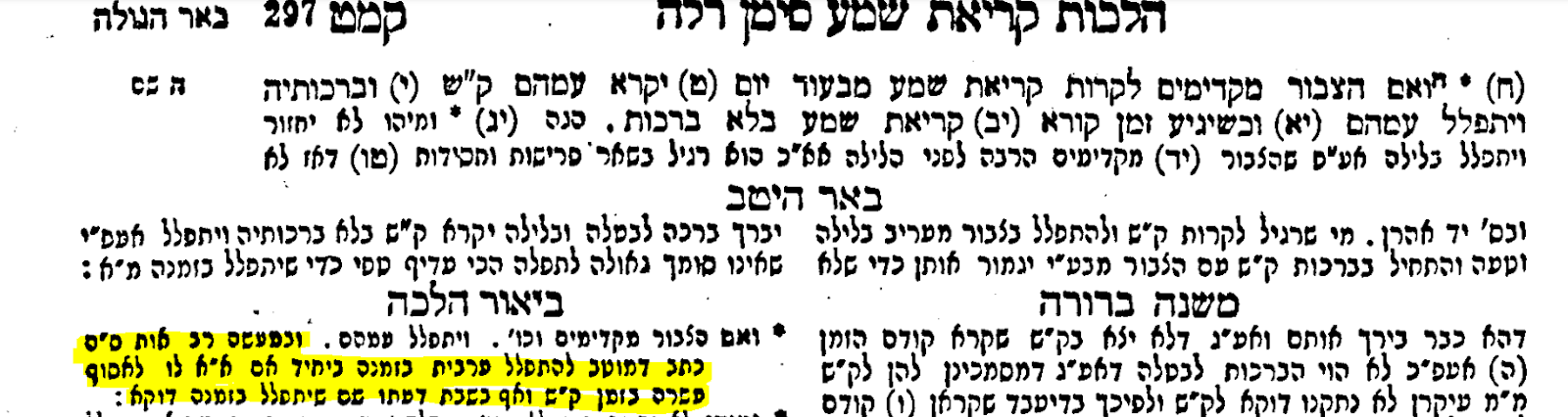
Our point was that many are unaware that the גר״א was very much against Davning Maariv early!

As the משנה ברורה quotes from the מעשה רב, the גר״א said that it’s better to Daven Maariv ביחידות that to Daven before צאת even on Shabbos. OC 235.

7-  For Lubavitchers, unfortunately we do not have this סימן in the Alter Rebbe’s Shulchan Aruch. 

However, we find that the Alter Rebbe in one of his תשובות regarding the type of חלף one should use for שחיטה he concludes with an interesting line:

“And we indeed come across some הלכות where there the early or later פוסקים disagreed and in previous generation our forefather’s Minhag was to follow the lenient opinion. 

However, in our generation many upon many have accepted to follow the opinion of the more stringent ones. Such as חדש, and Davning Maariv in its proper time.” (After צאת הכוכבים)

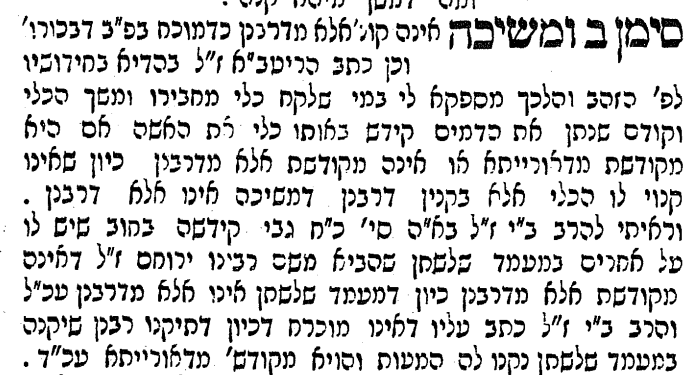
וכהאי גוונא מצינו כמה הלכות שנחלקו בהן הפוסקים ראשונים או אחרונים ובדורות שלפנינו נהגו אבות אבותינו כדעת המקילין ובדורות הללו רבו כמו רבו הנוהגים להחמיר, כמו חדש לג ותפלת ערבית בזמנה לד וכהאי גוונא טובא לה:

https://chabadlibrary.org/books/adhaz/shut/7.htm

8- We will discuss next week the connection of the above to our גמרא. 

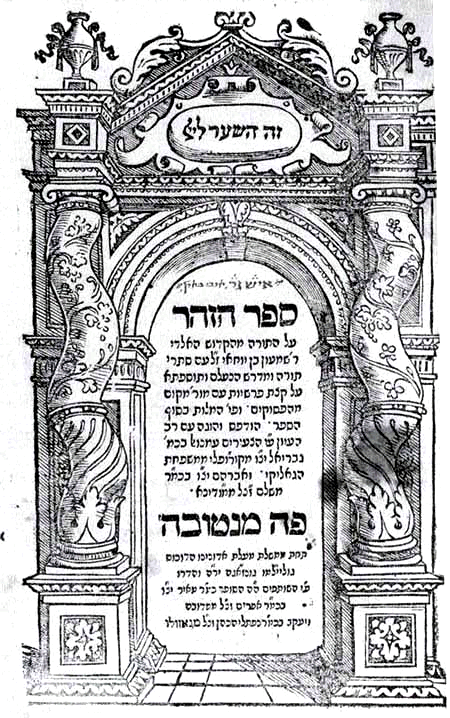
Zohar - Wikipedia

9- We related Reb Yoel’s opinion about a גדול that expressed ‘doubt about the זוהר and  קבלה’. 

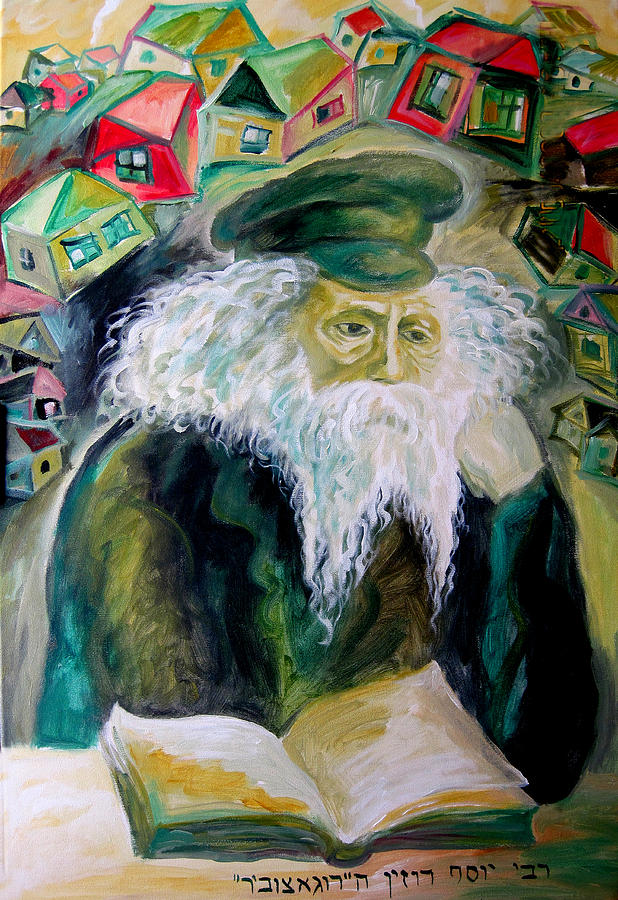
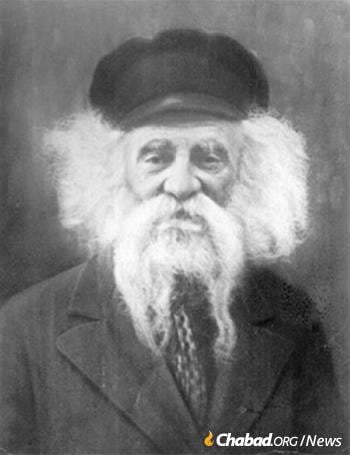
10 – Story with the Ragatchover when invited to be the first speaker at an אסיפת הרבנים.

Rabbi Yosef Rosen The Rogatchover Gaon Painting by Leon Zernitsky - Fine Art America

He suggested that all others speak first and he will address the crowd at the end.

His reasoning was that the order he suggested would improve the quality of all the דרשות. 

How is that? It’s a Mishna, he said. 

Nobody present could figure out  as to what Mishna he was referring to until he told them……

End of Kinim:

רַבִּי שִׁמְעוֹן בֶּן עֲקַשְׁיָא אוֹמֵר, זִקְנֵי עַם הָאָרֶץ, כָּל זְמַן שֶׁמַּזְקִינִין, דַּעְתָּן מִטָּרֶפֶת עֲלֵיהֶן, שֶׁנֶּאֱמַר (איוב יב), מֵסִיר שָׂפָה לְנֶאֱמָנִים וְטַעַם זְקֵנִים יִקָּח. אֲבָל זִקְנֵי תוֹרָה אֵינָן כֵן, אֶלָּא כָל זְמַן שֶׁמַּזְקִינִין, דַּעְתָּן מִתְיַשֶּׁבֶת עֲלֵיהֶן, שֶׁנֶּאֱמַר (שם), בִּישִׁישִׁים חָכְמָה וְאֹרֶךְ יָמִים תְּבוּנָה:

Rabbi Shimon ben Akashiah says: ignorant old people, the older they become, the more their intellect gets befuddled, as it is said: “He removes the speech of men of trust and takes away the sense of the elders.” 

But when it comes to aged scholars, it is not so. On the contrary, the older they get, the more their mind becomes composed as it is said: “With aged men comes wisdom, and understanding in length of days.”

Rogachover Gaon's Enigmatic Teachings Brought to Light in New Study Program - Early 20th-century sage described by the Rebbe as an 'unmatched scholar' - Chabad.org

 So, concluded the Ragatchover, the earlier you speak the better it will sound… on the other hand, the later I speak …..


Shiur Sukkah 46a (2) 12/20/22

BS”D

Suka 46a (2)


Kislev 26, 5783. December 20, 2022

1- We finished the Sugya of the ברכות of סוכות and moved on to the next topic.

2- Before we began, an interesting observation was made:

The Shiur was on the third night of Chanukah.

US ambassador to light Hanukkah menorah at Western Wall with Netanyahu | The Times of Israel

In the Yeshiva world there is a saying in the name of the חתם סופר that one who learns גמרא and comes across a פסוק (in the גמרא) from that day’s or week’s portion of the חומש, it is proof that he learns Torah לשמה!

[See below that what the CS actually says is that occasionally, one encouters in one’s learning ideas that pertain to what is happening in his personal life].

Well, do we need more proof about the quality of our learning when the גמרא we encountered, in מסכת סוכה, talks about חנוכה?!

3- Here is the Chasam Sofer.

חתם סופר על התורה” חלק “’ י”ל ע”י מכון להוצאת ספרים וכת”י ע”ש החת”ס זצ”ל ירושלים תשס”ז  ליקוטים תהילים עמוד קנז

He quotes a few sources about encountering חומש of the day and other occurrences during learning.

A- The book  חות יאיר, by Reb Yair Bachrach 1638-1702.

See here. In English here.

חות יאיר means ‘the farmlands of Yair’. This was what יאיר בן מנשה named the land he captured on the East side of the Jordan in the times of Moshe Rabbeinu.

וְיָאִיר בֶּן מְנַשֶּׁה הָלַךְ וַיִּלְכֹּד אֶת חַוֹּתֵיהֶם, וַיִּקְרָא אֶתְהֶן חַוֹּת יָאִיר

When deciding what to name his book, Reb Yair Bachrach, received an עליה with that particular Torah portion.

Yair Bacharach - Wikipedia

The author, Reb Yair Bachrach, took the עליה as a sign and merged his grandmother’s name, חוה, and his own name, Yair, to create the title of the book  שו”ת חות יאיר.

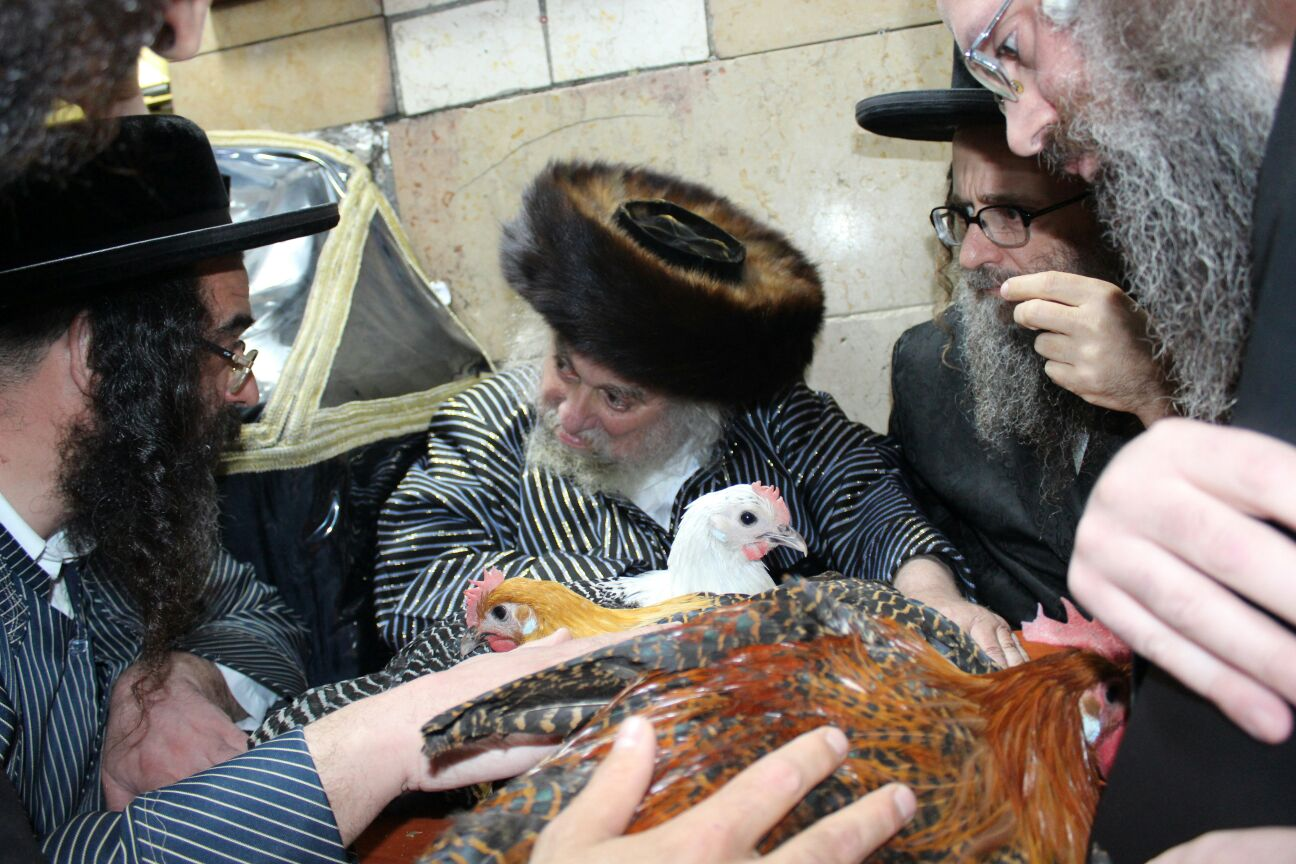
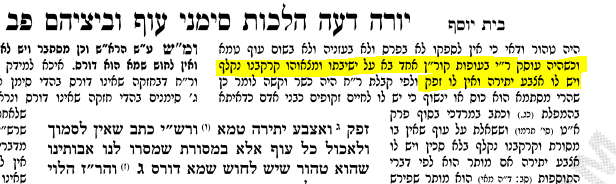
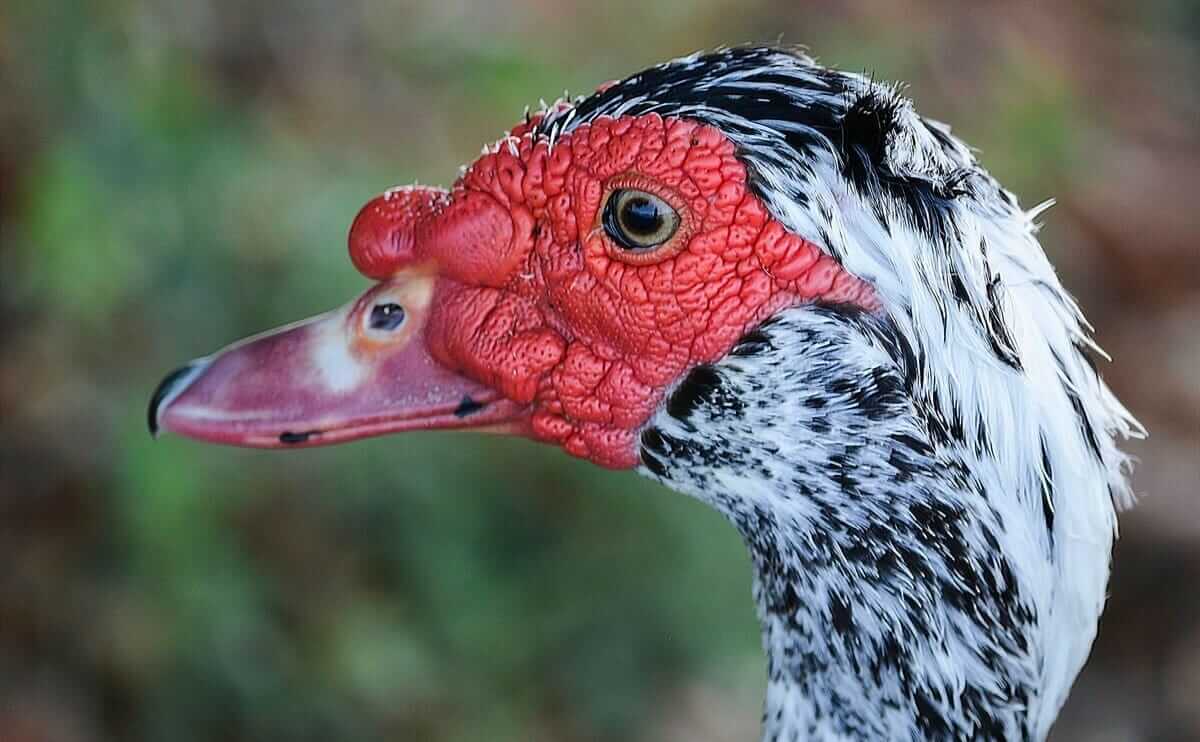
B- The הגהת מיימוני write that when one of the ראשונים was studying whether a particular bird (Korin species?) was Kosher, the bird flew by, perched itself next to him and he checked its סימנים.

See here in the בית יוסף. YD 82, 2.


Wait, Is This Weird Duck Kosher Or Not? - Modern Farmer

The Chasam Sofer concludes that “this is due to the Spirit of Hashem speaking within the ones that study Torah לשמה….”

4- So here is the גמרא about חנוכה.

Firstly, as we learnt last week, there is the opinion of numerous אמוראים that all Mitzvos דרבנן do not require a ברכה. Our Gemara states that the Halachah is that a ברכה is indeed made on the lighting of the Menorah as well as on all מצוות דרבנן.

Hanukkah celebrations in Jerusalem 2022 | Jerusalem Municipality

Secondly, the interesting הלכה concerning someone that is both – traveling and will not personally light נרות חנוכה and neither does he have his family lighting in his house. Such an individual, when he encounters a lit מנורה must make the שעשה ניסים לאבותינו. On the first night, he also adds שהחיינו. OC 676.

5- We mentioned the opinion of the ב”ח and others that even if one’s family lights the מנורה in his home, he must say this ברכה upon his first sighting.

Their reasoning is that the obligation of הדלקת הנרות is twofold.

1-  His home and assets need to light. פרסומא ניסא

2- He personally must participate in the lighting. הודאה על נס.

Thus, if one is home and lights or is present at the lighting both 1 and 2 are fulfilled.

When traveling and someone lights in his house, only #1 is accomplished. He personally has ‘not experienced  הדלקת הנרות‘. He needs to see a Menorah and say  שעשה ניסים לאבותינו.

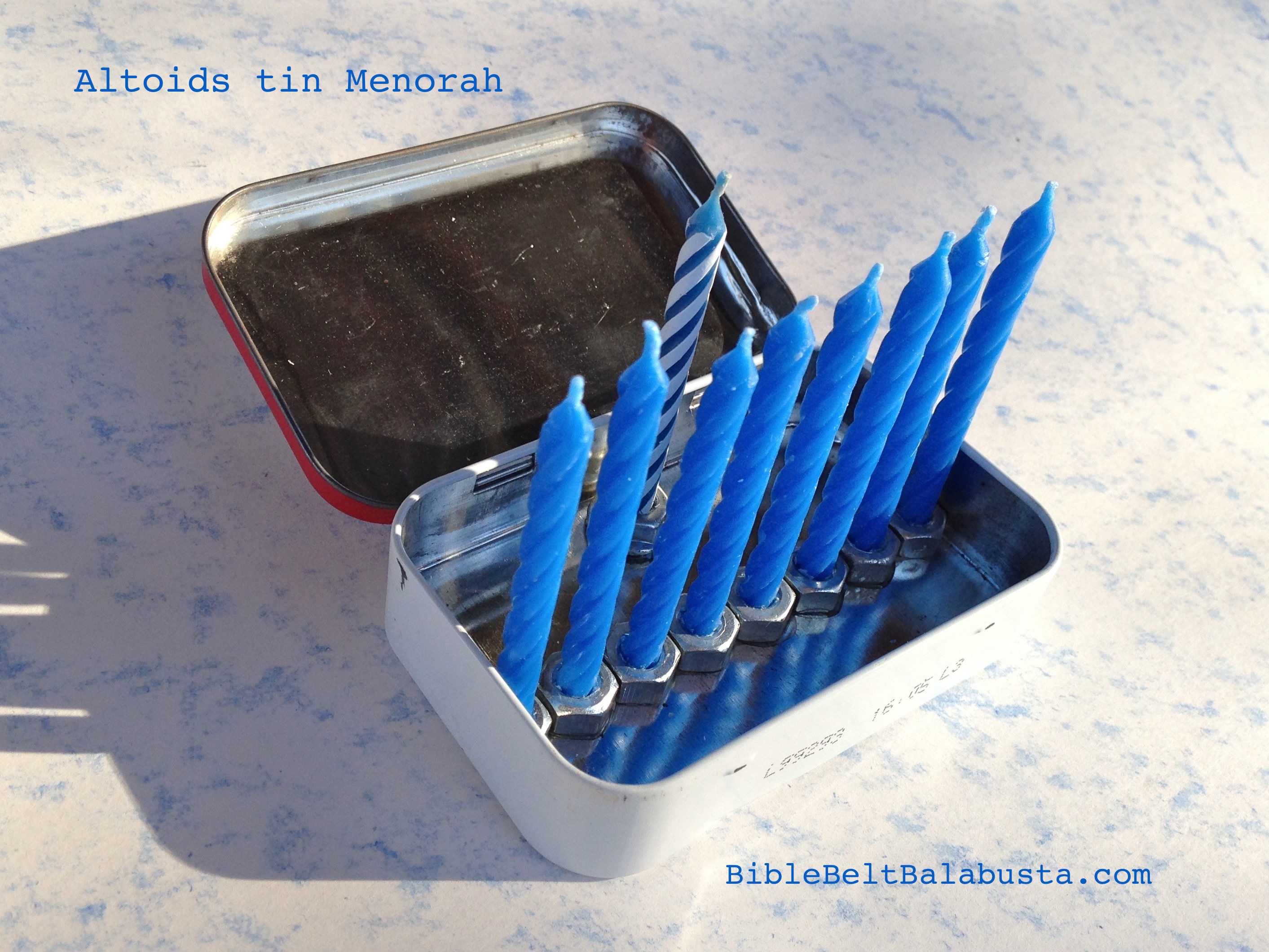
Altoids tin Menorah | Bible Belt Balabusta

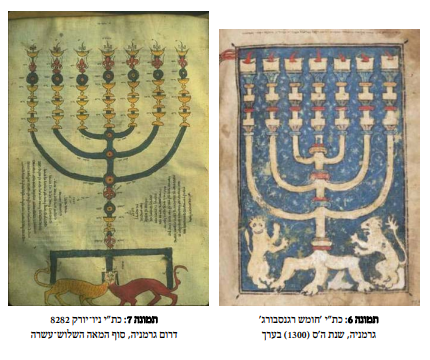
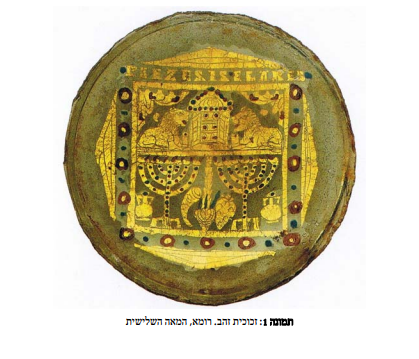
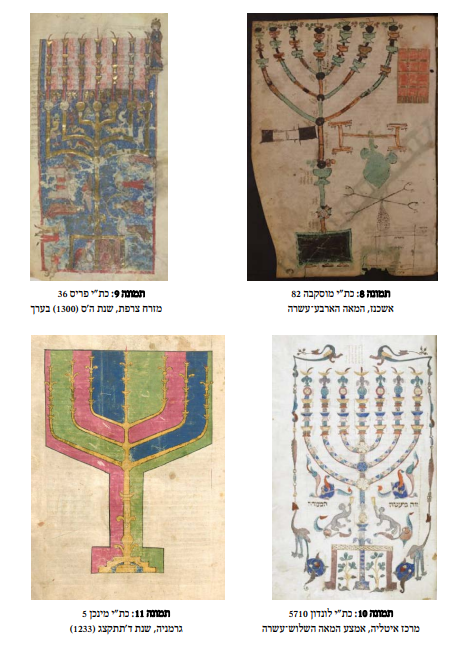
6 – We finished off with an interesting topic about the מנורה. A few researches, specifically  Reb יעקב ישראל סטל of Israel, have written about this. Reb

יעקב ישראל is a 45 year old יונגרמאן that is a very learned תלמיד חכם and researcher.

In one of his recent well researched articles he discusses a particular פיוט (liturgical poem) concerning the מנורה of the בית המקדש, penned by the famed Jewish poet יניי or ינאי.

Although יניי is mentioned by the רס”ג- Reb Sadia Gaon and   רבינו גרשום מאור הגולה as one of the ‘חכמים הראשונים’ that wrote קרובות לכל סדר וסדר, not much is known about this individual poet- פייטן. Most of his writings have been lost over time. See here from the Cairo Geniza.


יני wrote פיוטים on every פרשה but followed the Minhag ארץ ישראל that completed a full Chumash cycle every three years.

This Piyut is recited in some Ashkenaz communities on פרשת בהעלותך.

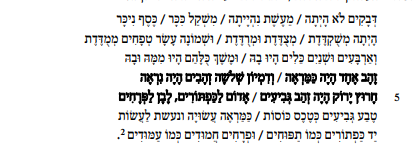
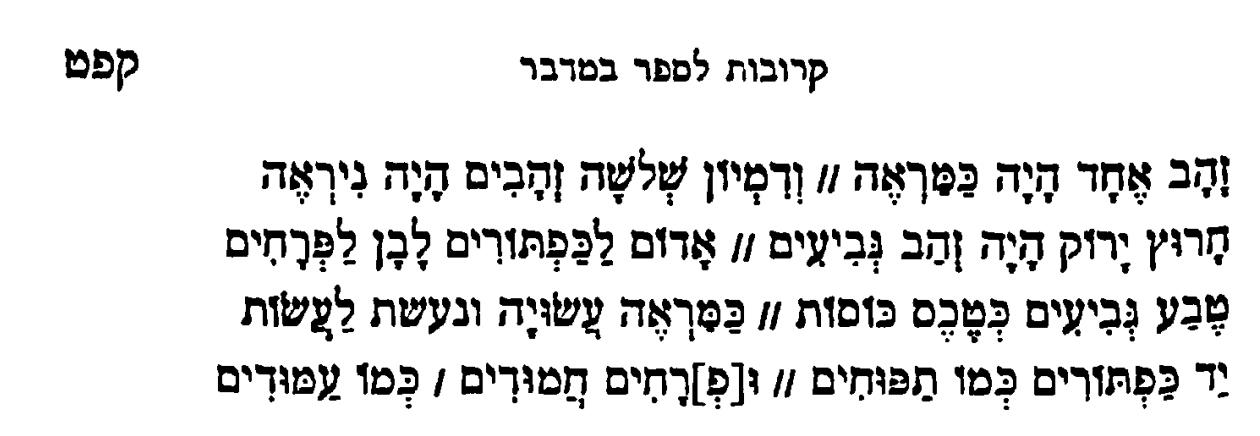
Here are the lines of this Piyut סטל discusses:


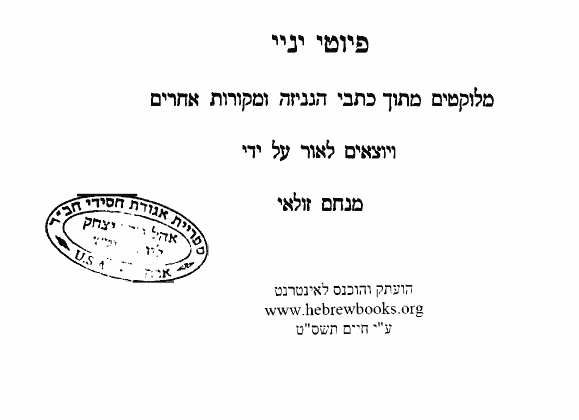
See here from פיוטי יניי the Rebbe’s library:


In short, the poet seems to say that the מנורה, despite it being crafted from one solid piece of gold, was….multicolor!

Small Hanukkah Menorah - Chabad - Multicolor

The גביעים were green gold.

The כפתורים were red gold.

The פרחים were white gold.

[What color is ירוק?  see this Shiur #5]

Likely, suggests סטל, it is based on a מדרש:

כיון שהראה לו הקב”ה מעשה המנורה, נתקשה בה משה. אמר לו הקב”ה: הרי אני עושה אותה לפניך. מה עשה הקב”ה? הראה לו אש לבנה, ואש אדומה, ואש שחורה, אש ירוקה, ועשה מהן את המנורה, גביעיה, כפתוריה, ופרחיה וששת הקנים, והוא אומר לו: כך וכך עשה אותם… שהראה לו הקב”ה באצבע את המנורה

[סטל  discusses the  4th color ‘black gold’ in the Midrash and suggests that perhaps it was the center post or the background that was black]

How is that possible if gold, in its natural state, is yellow and only when mixed with other alloys does it change colors? However, the מנורה was crafted using only זהב טהור.

molten-gold-being-made - Miningmx

Is this why משה רבינו had a tough time with creating the מנורה and, as we know, ultimately it was created miraculously?

Read the linked article at length.

סטל then researched many early illustration and mosaics from the 3rd to the 13th century that indeed show artisans depicting the מנורה (not only in yellow gold but also) with green red and white.

A sense of continuity' - www.israelhayom.com

Does that mean that at a time in history, Jews had a tradition that the Menorah was multicolor?

Photos reprinted with permission of Reb Yakov Stal with our thanks to him.

Reb  יעקב ישראל סטל


Here is the link to the article.

See also here. #7 from שפרבר.


Shiur Sukkah 46a 12/13/22

BS”D

Sukkah 46a

Kislev 19, 5783. December 13, 2022

1 – We continued the גמרא discussing as to how many times we say לישב בסוכה and על נטילת לולב. 

2 – We read the text in Tosfos where the famous Yerushalmi is quoted that one needs to say a ברכה when building his Sukkah. 

3 – The גמרא brings a ברייתא that requires a שהחיינו to be made, both when building the Sukkah and when binding the Lulav. 

[Our custom is as per the conclusion of the גמרא (next week) that we say   שהחיינו  only at Kiddush for both].  

A Very Very Simple Guide for Sukkot Celebration - Sofya Tamarkin Blog %

4 – Tosfos goes into a discussion regarding שהחיינו as to why on some Mitzvos and occasions we do say שהחיינו while on others not. 

  • Lulav and Sukkah – yes. 
  • Pidyon Haben – yes. 
  • Megillah – yes. 
  • Tefillin and Tzitzis- no. 
  • Bris – no. 
  • Hallel – no. 

Tosfos at first suggests that only when performing Mitzvos that are related to שמחה and performed at a time of שמחה is שהחיינו recited. 

At a Bris there is the pain of the child.

Hallel? Good question. The only pain that comes to mind is listening to an off tune חזן…….

The Bris Ceremony | Circumcision.net

At the end of Tosfos they bring the answer of Reb Sherira Gaon that only Mitzvos that are not constant do we say שהחיינו . The problem is פדיון הבן. 

We discussed other Mitzvos not mentioned in Tosfos. 

Burning Chometz – perhaps because of the anguish of destroying food. 

Burning the Chametz - Program 501 - Living Torah

Yom Kippur is definitely not pleasurable, yet we do say שהחיינו. 

Yom Kippur Schedule 2017 — Pikesville Jewish Congregation

4- Speaking of שהחיינו we mentioned the one of the few times that the Rebbe the צמח צדק  argues with his grandfather, the Alter Rebbe. 

This is in regards to saying  שהחיינו when reading the Megillah (for the second time) פורים morning.  

Whereas the Alter Rebbe writes in his Siddur not to say שהחיינו  following the opinion of the Rambam, the  צמח צדק  writes (OC 114)  ‘who am I to doubt his Holy words, but it’s Torah….’

He concludes that we should follow the רמ”א (OC 692, 1)  and should say שהחיינו.

Religious Jewish men reading from the Megillah during Purim services in Crown Heights, Brooklyn, New York Stock Photo - Alamy

Additionally, he quotes the AR  who says about  שהחיינו that it can never be considered a  ברכה לבטלה


5- We mentioned the Chasam Sofer (OC 156) who discusses שהחיינו and whether one says it when becoming a רב. 

The interesting story of the Rov named Dovid who was unsure whether to recite שהחיינו at his acceptance דרשה.

So he paraphrased the Pasuk:

וַיְבָרֶךְ דָּוִיד אֶת יְהוָה לְעֵינֵי כָּל הַקָּהָל וַיֹּאמֶר דָּוִיד בָּרוּךְ אַתָּה יְהוָה אֱלֹהֵי יִשְׂרָאֵל אָבִינוּ מֵעוֹלָם וְעַד עוֹלָם.

Instead he said 

וַיְבָרֶךְ דָּוִיד אֶת יְהוָה לְעֵינֵי כָּל הַקָּהָל וַיֹּאמֶר דָּוִיד בָּרוּךְ אַתָּה יְהוָה אלוקינו מלך העולם שהחיינו וקיימנו לזמן הזה

St Kilda Shul inducts new Rabbi – The Australian Jewish News

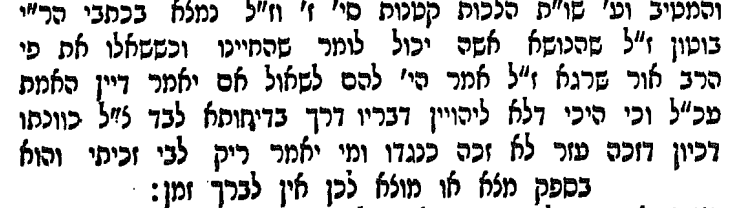
6- The humorous Reb Yosef Engel  כתובות דף  ז, ב) גליוני הש”ס)  concerning the reciting of  שהחיינו  when getting married. 

He quotes  a ראשון who says ‘why are you asking the question about saying שהחיינו and not on ברוך דיין האמת ……’ [the ברכה made when a misfortune ר”ל happens] 

In a Week, Moving a Wedding from Ukraine to New York - The New York Times

‘In order not assume that this ראשון was joking, I suggest that based upon the גמרא in Yevamos concerning marriage that  the ones with Mazal have a happy marriage and the ones with less Mazal have an unhappy one…. מצא או מוצא,

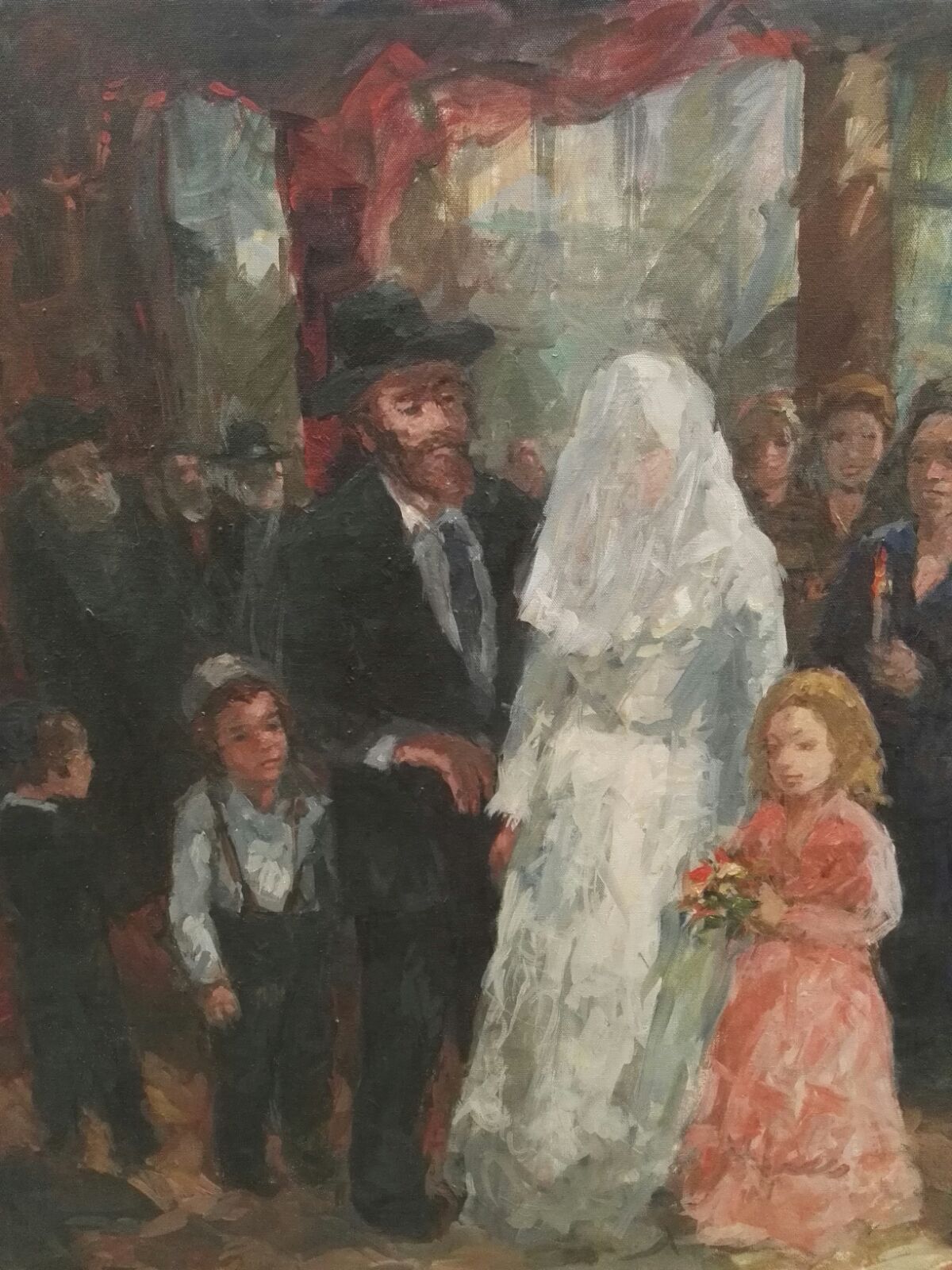
Ivantiques | Antiques & Collectibles - Hedva Ferenci ~Oil on Canvas The Jewish Wedding

So while standing under the Chuppah  what חתן can say that ‘my heart is pure and deserving and worthy of a good Mazal’ and I’ll say שהחיינו… when it’s a ספק as to how things will turn out…..’

7- Spoke about the הכנסת ספר תורה של משיח in 1970 תש”ל, that the Rebbe recited a שהחיינו and ate a new fruit. 

Sefer Torah shel Moshiach

8- Being that it was י”ט כסלו we referred back to a recent Shiur about 2 people jointly performing a מלאכה when each one individually would not be able to do so. להלכה it is considered that each one performed this מלאכה entirely on his own and is חייב. 

The Rebbe writes about the חלוקת הש”ס  on  י”ט כסלו , where each one takes upon himself and learns only one מסכתא. 

Since one cannot (usually) finish the entire ש”ס on his own, by joining a group that together do indeed finish the entire ש”ס, it is considered as if each participant completed the entire ש”ס! 

Shiur Sukkah 45b (3) 12/6/22

Shiur Sukkah 45b (3)

BS”D

Sukkha 45b (3)

Kislev 13, 5783. December 6, 2022

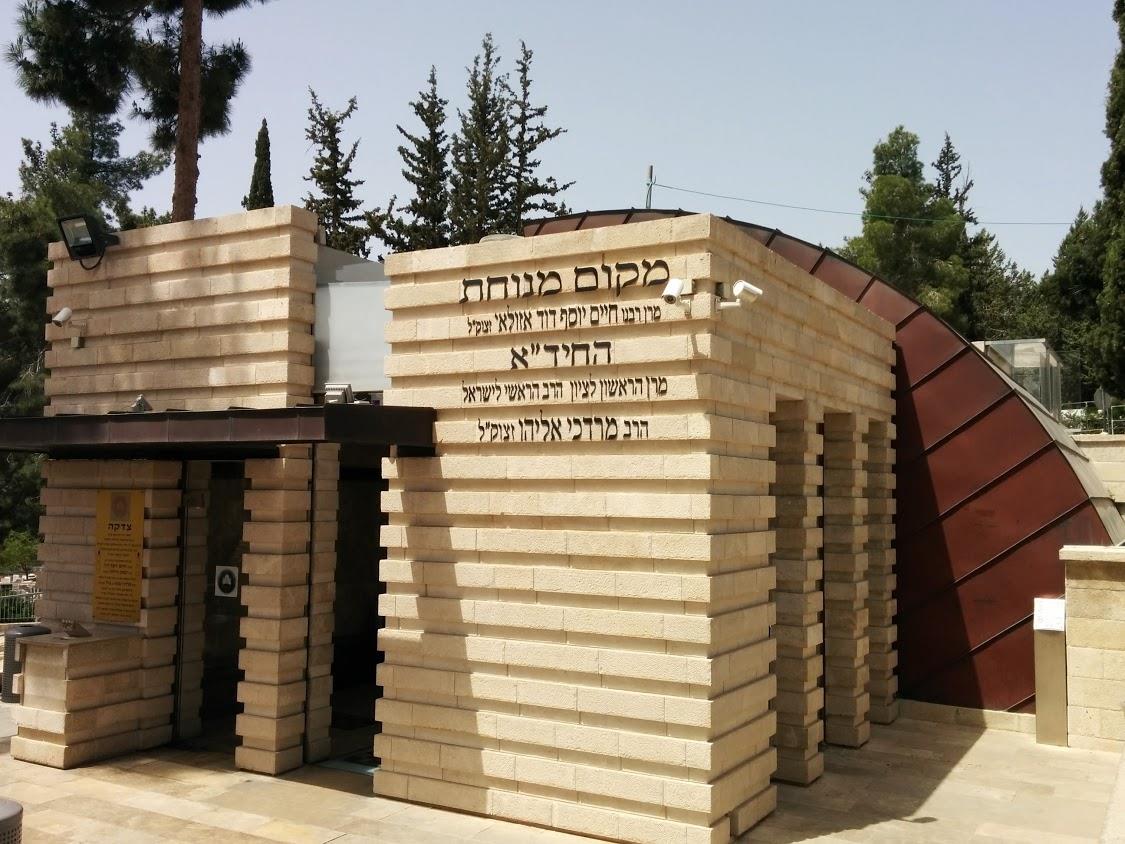
1- We wrapped up last week’s discussion of the Chida by mentioning what Reb Mordechai Eliyahu related of the time the remains of the Chida arrived in Israel for reburial. 

מהחיד"א והרב אליהו אל יקירי ירושלים והורי הל"ה • הקול היהודי

See last week’s link and also here

“The bones arrived in a box but all mixed up. I speak into the coffin and say Rabeinu Chida! And all the bones began to move and rearranged themselves into a full skeleton”.

2- Our Gemara:  ‘The date tree has only one heart’. 

Galil Hearts Of Palm | Whole | Non-GMO | 14 oz

What Bracha do you make on Hearts of palm?

See here. 

The bracha is  Ha’adama…

3- We began the Sugya of the ברכות on the 

  • Making of a Sukkah (ברכה or not)
  • Sitting in a Suka (ברכה. Once or at every entry)
  • Binding of the Lulav (ברכה or not)
  • Bentching on the Lulav  (1st day or all 7) 
  • Shehechiyonu on building the Sukkah (ברכה or not)
  • Shehechiyonu on sitting in the Sukkah (Before לישב בסוכה or after) 
  • Shehechiyonu on the Lulav (Before or on Yom Tov)
  • Shehechiyonu on the Yom Tov (If not made on day 1) 

The magic of Sukkot - The Washington Post

4 – Making of a Suka (ברכה or not)

In general: The basic opinions of the Bavli vs the Yerushalmi if a Brachah s made on the building of as Sukkah. 

Bavli – No.  Menachos 42b

ובישראל אין צריך

אלא לאו היינו טעמא כל מצוה דעשייתה גמר מצוה כגון מילה אע”ג דכשירה בעובד כוכבים בישראל צריך לברך וכל מצוה דעשייתה לאו גמר מצוה כגון תפילין אע”ג דפסולות בעובד כוכבים בישראל אינו צריך לברך
Rather, isn’t this the reason for the distinction between different mitzvot: For any mitzva whose performance is the completion of the mitzva, such as circumcision, even though it is valid when performed by a gentile, when it is performed by a Jew he must recite a blessing. But for any mitzva where the performance of a particular act is not the completion of the mitzva, such as writing phylacteries, where one does not complete the mitzva until he dons them, even though it is not valid when performed by a gentile, when it is performed by a Jew he does not need to recite a blessing.

Yerushalmi – Yes. Brochos Chapter 9:3 

הָעוֹשֶׂה סוּכָּה לְעַצְמוֹ. אוֹמֵר בָּרוּךְ אֲשֶׁר קִידְּשָׁנוּ בְמִצְוֹתָיו וְצִיוָּנוּ לַעֲשׂוֹת סוּכָּה

We discussed the rationale of the Yerushalmi as to why make a Brachah on an act that is only a הכשר מצוה. 

Some suggest since it says ועשית חג הסוכות it means that the Posuk wants to give the building of the Sukkah the status of a Mitzvah. 

We discussed that according to the Yerushalmi the writing of a מזוזה, for example, since it says וכתבתם is a Mitzvah that requires a Brachah as well. 

World's Largest Mezuzah

Read part of the Rebbe’s footnote on this topic in לקו”ש יז,   page 188 that even according to the בבלי it is a Mitzvah but one that does not require a ברכה. 

5 –Sitting in a Sukkah and Bentching on the Lulav

The opinion of Shmuel:

On the Sukkah we make the ברכה only once for the entire Yom Tov! But on the Lulav – every day. His explanation is 

לוּלָב שִׁבְעָה, וְסוּכָּה יוֹם אֶחָד. מַאי טַעְמָא? לוּלָב דְּמַפְסְקִי לֵילוֹת מִיָּמִים, כׇּל יוֹמָא מִצְוָה בְּאַפֵּיהּ נַפְשֵׁיהּ הוּא. סוּכָּה דְּלָא מַפְסְקִי לֵילוֹת מִיָּמִים, כּוּלְּהוּ שִׁבְעָה כְּחַד יוֹמָא אֲרִיכָא דָּמוּ.

Since the obligation is to sit in the Sukkah literally non stop 24/7,  it is one long Mitzvah! Thus one ברכה suffices for the full 7 days. 

Ilya Schor | YOU SHALL SIT IN THE SUKKAH SEVEN DAYS (1958) | MutualArt

On the other hand Lulav, since there is no Mitzva at night, each day is a separate entity and requires a new ברכה. 

6- We diverted to another Mitzvah that is constant – learning תורה. 

Despite the obligation of  וְהָגִיתָ בּוֹ יוֹמָם וָלַיְלָה we make a ברכה only once a day – in morning. Why don’t we make a ברכה every time we (stopped and) begin to learn?  Why is the pausing not considered a הפסק? 

בקיצור There are two approaches to this issue

The approach of the Rosh:

We absolutely have to make a new ברכה everytime we begin to learn!

Akhlah :: The Jewish Children's Learning Network :: Rashi - Akhlah

However, someone that is a learner – whose mind is always into learning (and that could be a businessman as well who is in a hurry to finish his work and return to his Gemore) is always connected to לימוד התורה. Even if this learner stops to learn for a few hours, it is never a true הפסק in his learning since the חיוב is constant and he is never מסיח דעת. Therefore, there is no need for him to say new ברכה. However, when he sleeps and cannot be learning, he must make a ברכה upon awakening. So every morning we say ברכת התורה. 

A non- learner, must indeed make a new ברכה every time he pauses!!!

The approach of the אגור:

ברכת התורה is like all the other ברכות השחר that were established to be said only once, in the morning. So pausing and restarting to learn does not cause a need to say ברכת התורה again. 

We follow the opinion of the אגור. 

See also the Sicha on this. LS 14, 148 and on.

7- Sitting in a Sukkah and Bentching on the Lulav

One opinion of Reb Yochanon’s ruling. (and that is the Halacha we follow). 

Both, Sukkah and Lulav require a ברכה every day. 

Yanover Esrog Set - Standard — Mitzvahland.com

8- We read the text of Tosfos, that despite the expression “Lulav and Sukkah on all 7 days”, there is a world of difference between them. Whereas with Lulav, the obligation is to shake it once a day only. So if someone decides to shake it again, after the morning מצוה, no ברכה is said. 

Conversely, Sukkah, being that the obligation is a constant for the entire 7 days and nights, if one exists the Sukkah, a new ברכה must be made when re-entering. 

So What Does "Laishev BaSukkah" Actually Mean? - The Yeshiva World

9- Tosfos likens the constant obligation of Sukkah to תפילין that we are obligated to wear all times. Putting them on in the morning does not release us from performing the מצוה the entire day. We don’t do it because of גוף נקי. 

Jewish Man Wearing Tefillin in Jewish Quarter of Old CIty Jerusalem Editorial Stock Image - Image of historical, middle: 138950819

[We wondered why we don’t put them on again for Minchah, which is shorter (for some…) than שחרית].
See באר היטב here.  37, 3 from the Rama miPanu that one should indeed put them on for Mincha. 

In conclusion we mentioned that some disagree and say Tefillin is  only a once a day obligation. 

10- Spoke at length about the sad times in history of many communities that תפילין was very lax to the point that people just didn’t do it. 

Tefillin - The Jewish Museum London

Some  put on Tefillin only after ‘doing Teshuva’. Some only during עשרת ימי תשובה.

The Rebbe quoted the ספר מצוות גדול of an era where Tefillin was not popular and this great ראשון brought about a resurgence of מצוות Tefillin. 

See this very interesting Sichah when the Rebbe announced the מבצע תפילין . As usual, critics tried to cool the enthusiasm and the Rebbe methodically responded to the criticism לקוטי שיחות ו, 271

Page 273:

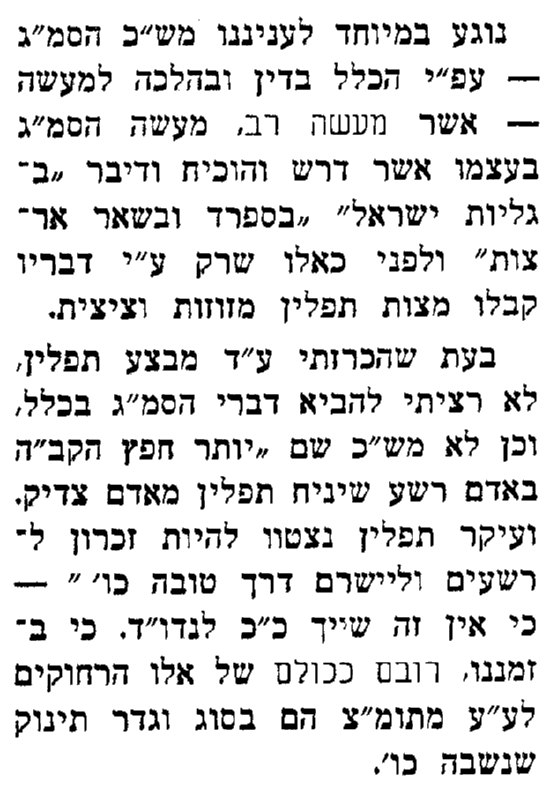
The סמ”ג  encouraged thousands in Spain to put on Tefillin.

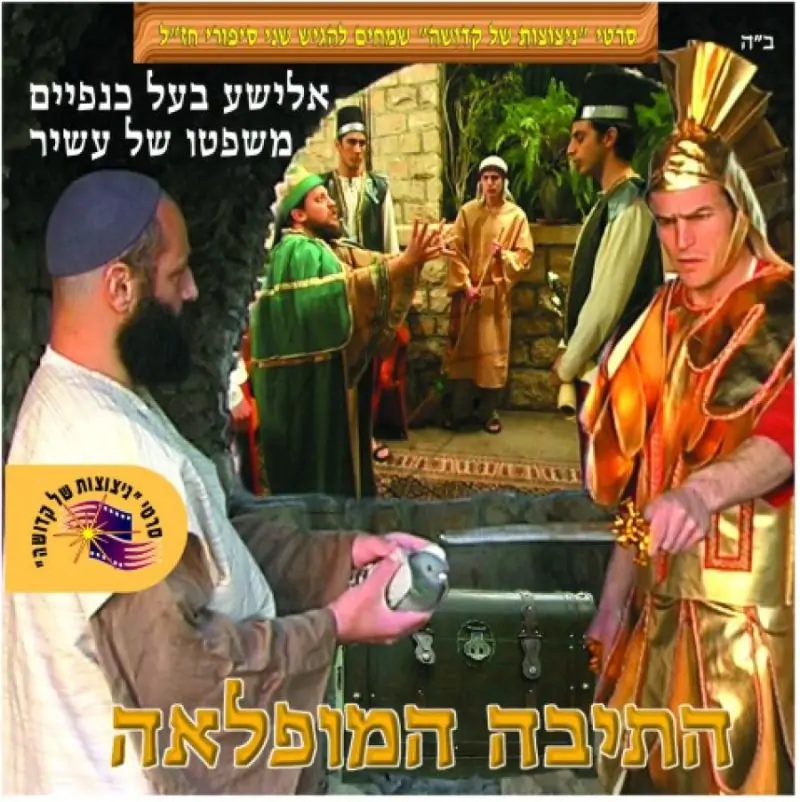
We mentioned אלישע בעל כנפים, who is mentioned in that סמ”ג, and in the article below.

סמ”ג  מ”ע ג. 

ויהי אחר ארבע אלפים ותשע מאות ותשעים וחמש שנים לבריאות עולם היתה סיבה מן השמים להוכיח ובשנת תתקצ״ו הייתי בספרד להוכיחם ואמץ הקב״ה זרועותי בחלומות היהודים ובחלומות העכו״ם וחזיונו׳ הככבים ויט עלי חסדו ותרגז הארץ ותהי לחרדת אלהים ועשו תשובות גדולות וקבלו אלפים ורבבות מצות תפילין מזוזות וציצית וכן בשאר ארצות הייתי אחר כך ונתקבלו דברי בכל המקומות ובקשו ממני לכתוב פירוש המצות בקוצר והנני שואל עזר מאת אלקי גליות ישראל וחפצו בידי יצליח.

See here a well researched article citing all the history of this saga. 

מעניין לציין שמחברנו אינו מזכיר הברכה על הנחת תפילין׳…

משמע שאנשי מרסיי לא הניחו תפילין…

https://www.alysefer.com/tefilin/

11- We mentioned the Beis Yosef  (EH end of 65) who quotes an old custom of placing ashes on the forehead of a חתן to commemorate the חורבן. ‘To place ashes in the place of Tefillin’.

However, he writes, this was abolished since not everyone puts on Tefillin!! 

The זכר לחורבן was replaced by the breaking of a glass. 

12- We concluded with the famous story of Elisha  בעל כנפיים.

 שבת קל, א

וְאַמַּאי קָרוּ לֵיהּ ״אֱלִישָׁע בַּעַל כְּנָפַיִם״? שֶׁפַּעַם אַחַת גָּזְרָה מַלְכוּת הָרְשָׁעָה גְּזֵרָה עַל יִשְׂרָאֵל שֶׁכׇּל הַמַּנִּיחַ תְּפִילִּין עַל רֹאשׁוֹ — יִקְּרוּ אֶת מוֹחוֹ, וְהָיָה אֱלִישָׁע מַנִּיחַ תְּפִילִּין וְיָצָא לַשּׁוּק, וְרָאָהוּ קַסְדּוֹר אֶחָד. רָץ מִלְּפָנָיו וְרָץ אַחֲרָיו. כֵּיוָן שֶׁהִגִּיעַ אֶצְלוֹ, נְטָלָן מֵרֹאשׁוֹ וַאֲחָזָן בְּיָדוֹ. אָמַר לוֹ: מַה בְּיָדְךָ? אָמַר לוֹ: כַּנְפֵי יוֹנָה. פָּשַׁט אֶת יָדוֹ וְנִמְצְאוּ בָּהּ כַּנְפֵי יוֹנָה. לְפִיכָךְ הָיוּ קוֹרְאִין אוֹתוֹ ״בַּעַל כְּנָפַיִם״.

The Gemara asks: And why did they call him Elisha, Man of Wings? Because on one occasion the wicked empire of Rome issued a decree against the Jewish people that, as punishment, they would pierce the brain of anyone who dons phylacteries on his head. Nevertheless, Elisha would don them and defiantly go out to the marketplace. One day, an official who was appointed to enforce the decree saw him. Elisha ran away from him, and the official ran after him. When the official reached him, Elisha removed the phylacteries from his head and held them in his hand. The officer asked him: What is in your hand? Elisha said to him: It is merely a dove’s wings. A miracle took place: He opened his hand, and, indeed, it was found to be a dove’s wings. Therefore, in commemoration of this miracle, they would call him Elisha, Man of Wings.

137 Magician Dove Magic Trick Bird Stock Photos, Pictures & Royalty-Free Images - iStock

That story too is proof that Tefillin is not a one time מצווה.

The גמרא there has an interesting expression: Any Mitzvah that Jews had מסירת נפש to perform it, its observance continued thorough history. Such as מילה and עבודה זרה.  

As opposed to תפילין that Jews did not have  ,מסירת נפש It is only casually observed! 

 We mentioned Rabbi Lord Jonathan Sacks and his explanation as to why every Jew knows about Pesach and Yom Kippur but may not be aware of the other Yomim Tovim. His explanation is that as children, the above two were associated with work, sweat or being uncomfortable thus making  a lasting impression on them.

Tips for Easier Passover Cleaning (15-Minute Mommy Peptalk)


https://www.greentec.co.il/uploads_thumbs/resized/large/products/2/871/main_image.webp?t=1660316214


Shiur Sukkah 45b (2) 11/30/22

BS”D

Sukkah 45b (2)

Kislev 6, 5783. November 30, 2022

1- The next few lines in the Gemara are אגדתא. 

It begins with a quote from רבי שמעון בר יוחי that on the surface seems very strange indeed. 

יכולני לפטור את כל העולם כולו מיום שנבראתי עד עתה.

 I am able to absolve the entire world from judgment for sins committed from the day I was created until now.

2 – Topics discussed –  why is this not considered boasting? How could he accomplish this feat taking upon himself the judgment for others?

3- Interesting explanation of what Reb Shimon meant by the ספר  נזירות שמשון

In short: 

a- The Gemara in Sanhedrin (91a) states the following exchange. 

Rabi Yehudah and the emperor Antoninus: the Great Switcheroo - Jewish Rome Tours by Marco Misano (RomanJews)

Antoninos, said to Rabbi Yehuda HaNasi: The body and the soul are able to exempt themselves from judgment for their sins. How so? The body says: The soul sinned, as from the day of my death when it departed from me, I am cast like a silent stone in the grave, and do not sin. And the soul says: The body sinned, as from the day that I departed from it, I am flying in the air like a bird, incapable of sin. 

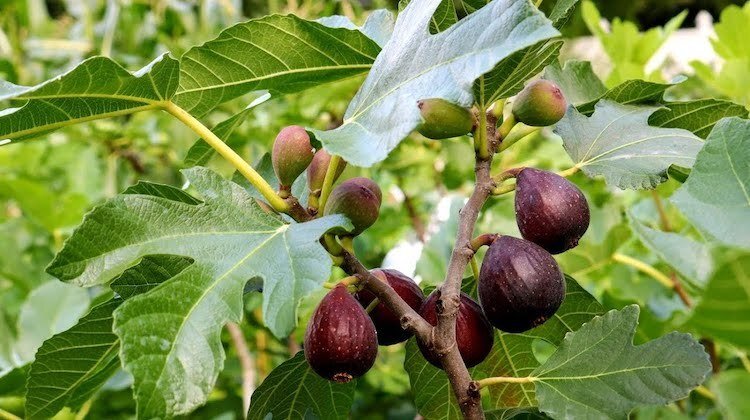
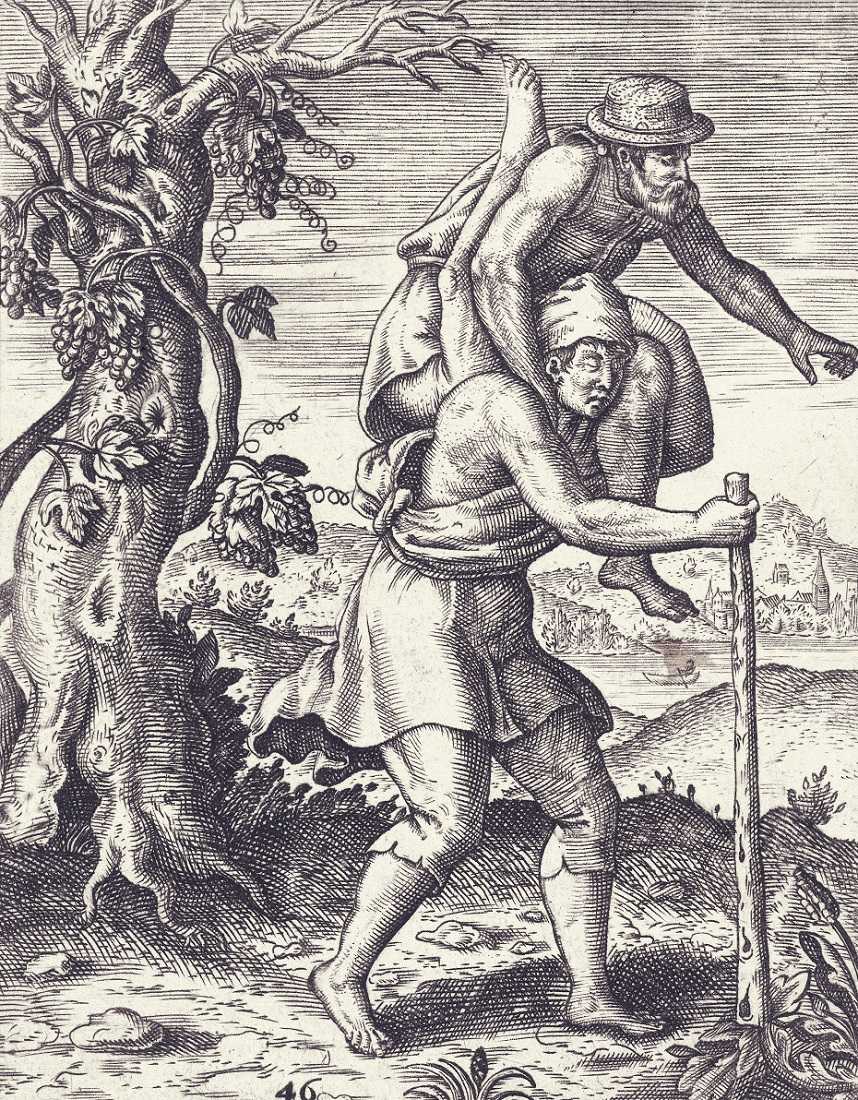
Rabbi Yehuda HaNasi said to him: I will tell you a parable. To what is this matter comparable? It is comparable to a king who had a fine orchard, and in it there were fine first fruits of a fig tree, and he stationed two guards in the orchard, one lame, who was unable to walk, and one blind. Neither was capable of reaching the fruit on the trees in the orchard without the assistance of the other. The lame person said to the blind person: I see fine first fruits of a fig tree in the orchard; come and place me upon your shoulders. I will guide you to the tree, and we will bring the figs to eat them. The lame person rode upon the shoulders of the blind person and they brought the figs and ate them.

A fig tree's outsized role in helping the planet — Stone Pier Press

Sometime later the owner of the orchard came to the orchard. He said to the guards: The fine first fruits of a fig tree that were in the orchard, where are they? The lame person said: Do I have any legs with which I would be able to walk and take the figs? The blind person said: Do I have any eyes with which I would be able to see the way to the figs? What did the owner of the orchard do? He placed the lame person upon the shoulders of the blind person just as they did when they stole the figs, and he judged them as one.

So too, the Holy One, Blessed be He, brings the soul on the day of judgment and casts it back into the body, as they were when they sinned, and He judges them as one.

b- The חיד”א says that the rationale behind the judgment of the גוף and נשמה, even though each would not have been able to sin individually, is based on the הלכה that a מלאכה for example, that cannot be accomplished by one person (like carrying a 200 lb. suitcase on Shabbos) when done by two people both are חייב. 

The blind and the lame, by Johann Theodor de Bry, 1596. Rijksmuseum

Similarly, true, the גוף and נשמה could not have sinned on their own/individually, but when merged into one they are each liable and judged.  

c- So, concludes the נזירות שמשון, the הלכה above, that both are חייב, is the opinion of Reb Yehuda. Reb Shimon’s opinion however, is that since each one on his own could not have accomplished this מלאכה, both are פטור!!!

So in a sense, Reb Shimon is saying, יכולני לפטור את כל העולם כולו מיום שנבראתי עד עתה, meaning  that humans (due to the גוף ונשמה) have the perfect excuse to wiggle their way out of יום הדין! 

Chida mentioned previously

d- We spoke about the footnote of Reb Akiva Eiger that references a similar saying of רשב”י from אבות דרבי נתן on the same topic; absolving humans from judgment. 

Here is the parable there:

Rabbi Shimon ben Yochai would say: From this you know that Israel will never see the face of Gehenna. They give a parable: To what can this be compared? [It can be compared] to a human king who had a barren field. Some people came along and rented it for ten bundles of wheat. They fertilized it, plowed it, watered it, and harvested it, but they yielded only one bundle of wheat the whole year. The king said to them: What is this? They said: Our master the king, you know that with regard to the field you gave us, in the beginning you were not able to yield anything from it. Now we have fertilized it, harvested it, and watered it, yet we have still not been able to yield more than one bundle of wheat the whole year. Although the renters didn’t, as it were, keep their side of the deal, they want the king to appreciate their efforts, given the challenging circumstances. So will Israel say one day before the Holy Blessed One: You know well that the Evil Urge has tempted us, as it says (Psalms 103:14), “For He knows our urges” [lit., how we were formed].

146,490 Barren Field Stock Photos, Pictures & Royalty-Free Images - iStock

4 – Speaking of the Chid”a, we mentioned the fascinating story of the moving of his interred body from Livorno, Italy to Har Hamenuchos in ירושלים. 

Listen to Reb Mordechai Eliyahu’s story

Rabbi Mordechai Eliyahu ZT"L ⋆ מאת Sivan Rahav-Meir

https://www.youtube.com/watch?v=yNjgxPDk3Yg

5- Rashbi continues to say: ראיתי בני עלי’ והם מועטין. Very few truly righteous people. 

We discussed the Alter Rebbe’s 2 explanations of the word עלי’ בני in Tanya Chapter 10. 

The Gemare moves on to discuss the number of צדיקים that exist in the world. 18,000, 1,000, 36. 

אספקלריה - ויקימילון

We discussed in the past  אספקלריא המאירה 

See shiur here: 

6-  Mentioning the 36 צדיקים we spoke about the באר היטב (OC 645, 9) that quotes others about the לולב and the reference to these 36 צדיקים. 

כתב בתשובת מהרי”ו לולב אותיות ל”ו ל”ב כלומר ל”ו צדיקים בכל דור ודור וכנגד ל”ו מסכתות. ול”ב היינו התורה המתחלת בב’ ומסיימת בלמ”ד.

 ולולב גימט’ חיים היינו תורה ואתרוג גימט’ תר”י עם ג’ מינים תרי”ג ששקול נגד תרי”ג מצות ומהרי”ל כתב מי שקונה אתרוג עם לולב יפים זוכה לחיי עוה”ז ולחיי עולם הבא:

7- וכנגד ל”ו מסכתות

We discussed the topic of the oft quoted “61 מסכתות and (only) 36 of them have גמרות’ when in reality, a least the way we have, it is 60 מסכתות and 37 גמרות! 

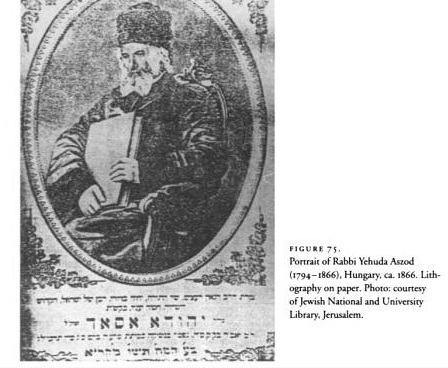
Mentioned again the famed Reb Yehuda Aszad that devotes his first תשובה on this topic. 

https://beta.hebrewbooks.org/pdfpager.aspx?req=57981&st=&pgnum=11

8- We touched upon the huge topic of ‘buying and selling’ שכר ועונש of another person. 

Story with Michael Steinhardt

Michael Steinhardt: The Greatest Traders And Investors In History

and Dovid Lichtenstein

David Lichtenstein - The Real Deal

Will continue IY”H next week. 

Shiur Sukkah 45b – 11/22/22

BS”D

Sukkah 45b

Mar-Cheshvon 28, 5783. November 22, 2022

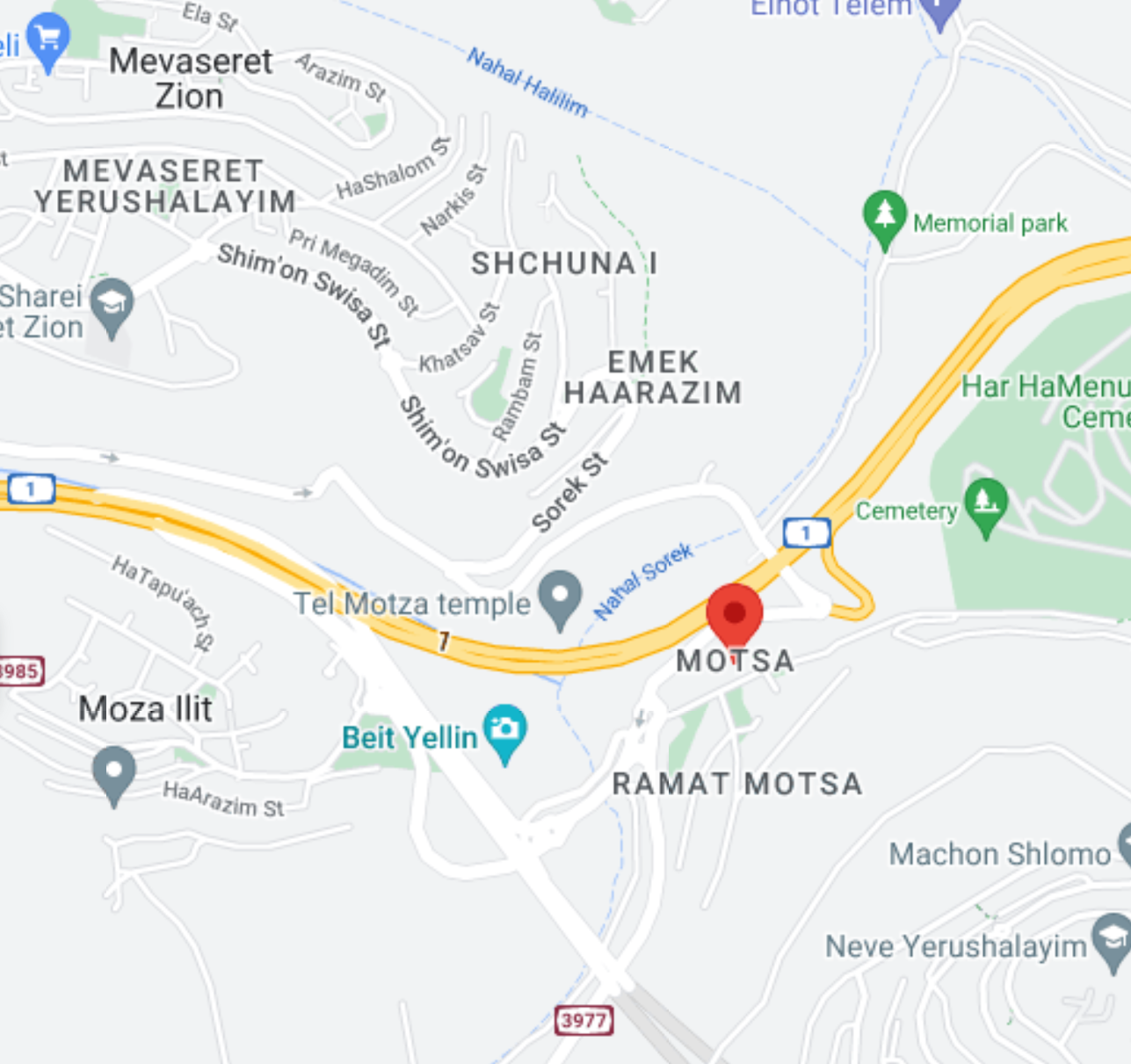
1 – We began with the Gemara that follows the Mishna where it identifies a particular area (Kalania or Motza) right outside Yerushalayim that was designated as (what is called today) a ‘Free Zone’. Meaning that goods that enter this assigned zone are exempt from taxes. 

Home | Sourcepanamafreezone

We mentioned the famous tragedy of the plane that a terrorist bomb blew up that was carrying many Jewish people that travelled regularly to a Free Zone in Panama. Interestingly, this Free Zone city is also called Colon

Most of the 21 people killed were Jewish businessmen operating in Panama’s Colon Free Trade Zone”. 

Remembering Those Lost on Alas Chiricanas Flight 901 - B'nai B'rith International

Alas Chiricanas Airlines Flight 00901

See here. Here. Here

הי”ד.

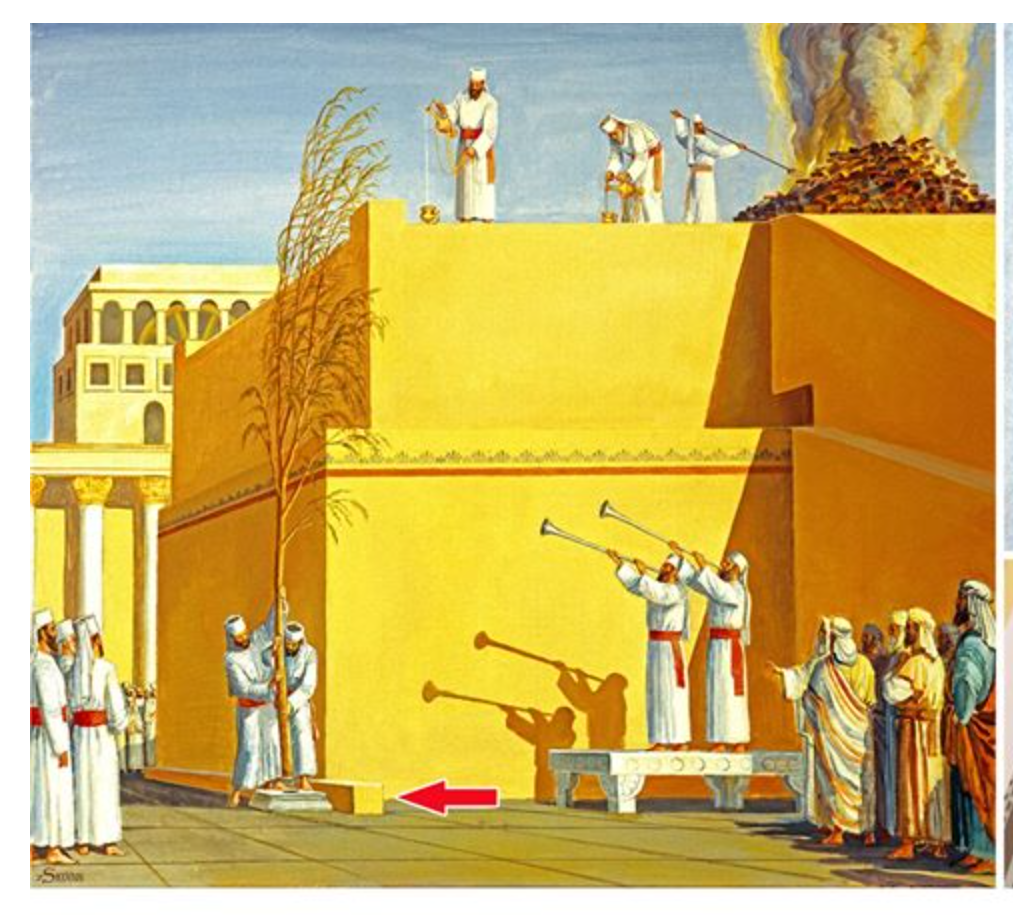
2 – The Gemara describes the long ערבות that were placed at the side of the מזבח and ‘hovered’ ‘a full אמה over the top’. Being they were 11 Amos in length, they were placed on top of the יסוד to accomplish this overhang of 1 אמה. 

1 + 5 + 3 = 9. Plus 2 to create the overhang. Due to the horizontal angle of the ערבות it needed to be placed on the יסוד. 

Mizbe'ach HaOlah (Alter) - Mikdash Educational Center


3 – The Gemara continues with various explanation of the פסוק 

.״אִסְרוּ חַג בַּעֲבוֹתִים עַד קַרְנוֹת הַמִּזְבֵּחַ״

One is: 

כׇּל הָעוֹשֶׂה אִיסּוּר לֶחָג בַּאֲכִילָה וּשְׁתִיָּה, מַעֲלֶה עָלָיו הַכָּתוּב כְּאִילּוּ בָּנָה מִזְבֵּחַ וְהִקְרִיב עָלָיו קׇרְבָּן, שֶׁנֶּאֱמַר: ״אִסְרוּ חַג בַּעֲבוֹתִים עַד קַרְנוֹת הַמִּזְבֵּחַ״.

Rashi, in his first explanation says that the Gemara is referring to the eating and drinking on Yom Tov. Meaning to say that one should ensure that the Yom Tov is enjoyed in a festive was by eating and drinking. 

The Maharshah wonders, if it means just consuming food, then how does the word אסרו, which generally means binding, constraining or limiting, fit in. 

He suggests that it refers to the constraint of not over indulging and getting too drunk!  

לפרש”י לשון איסור לא ידעתי לפרש. ולולי פירושו נראה דאיסור כמשמעו שעושה לו איסור וגדר במצות אכילה ושתיה בחג דהיינו שלא לאכול אכילה גסה ושלא ישתכר יותר מדאי שאינו לש”ש והרי אותו מותר שלא אכל ושתה נחשב לו כאילו בנה מזבח והקריב עליו קרבן 

Anti-alcohol charities call last orders on Purim booze-ups | Jewish News

4 – In this context we mention the jousting of last week that Tosfos writes that if it is done בדרך שמחה, damages that unintentionally occur, are not considered גזילה.

Should You Get Drunk On Purim?

We spoke about the רמ”א in the laws of Purim OC 695, 2 that quotes some opinions that say concerning damage cause during the festivities of Purim פטור לשלם! 

5 – דרך גדולתן. 

This is a general concept that one needs to hold the ד’ מינים in a upright position ‘as they grew’. 

Points discussed. 

a – Rashi mentions the Lulav Aravos and Hadasim. He omits the Esrog! 

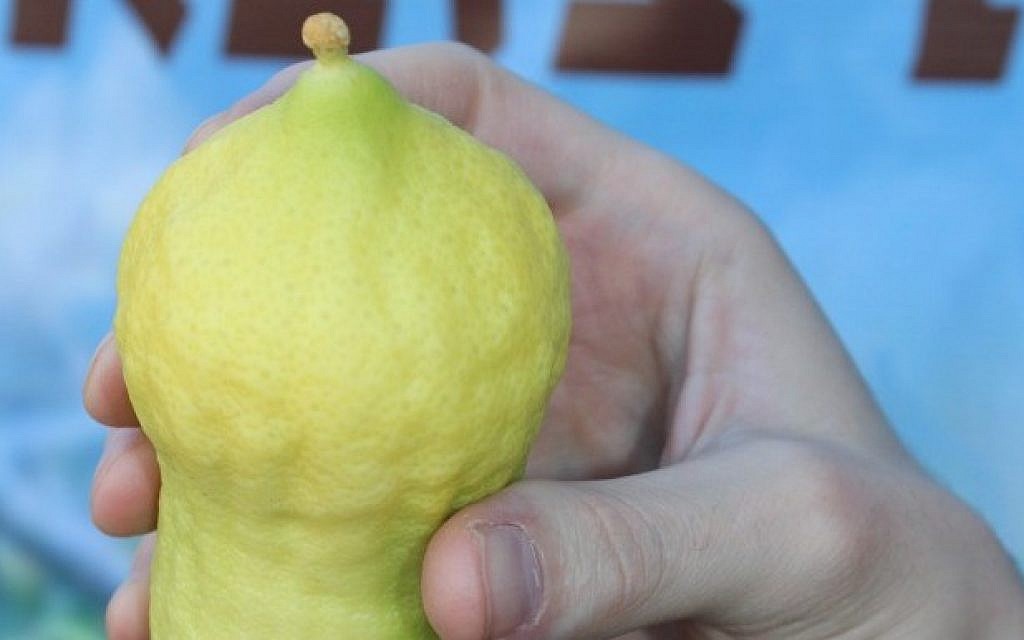
b- The Halachah is that the Esrog too needs to be held with the פיטום on the top. When one sees an Esrog tree the פיטום is actually facing down, towards the ground. 

Here is the reason we hold it Pitum up. 

:שולחן ערוך > אורח חיים חלק ד > הלכות לולב

ב כל ארבעה מינים הללו צריך ליטלן דרך גדילתןמט דהיינו שיהא ראשיהם למעלה ועיקריהם למטהנ ואם הפכן בשעה שנטלן לא יצא ידי חובתו בנטילה זונא והאתרוג אע”פ שהוא תלוי באילן עוקצו למעלה מכל מקום דרך גדילתו נקרא עוקצו למטהנב וצריך ליזהר מאד בהדס שבא ממרחקים להתיר אגודתו ולראות אם מונח כתיקונו דלפעמים נותנים ראשו של בד זה בצד עיקרו של בד זה וגם לפעמים כופפין ראשי הבדיןנג:

From Morocco to New York, the quest for the perfect etrog | The Times of Israel

c – We mentioned in the past what to do in the Southern Hemisphere. 

MEANWHILE - Very Demotivational - Demotivational Posters | Very Demotivational | Funny Pictures | Funny Posters | Funny Meme

d – What about the walls of the Sukkah? Do they need to be, if made of wood, ‘upright’? 

We discussed the Tur OC 631 who says there is no requirement to do so despite some מדקדקים. 

See the Bach here.

6- We continued from last week’s shiur about the שם ע”ב. 

72 Names of God Watch


Shiur Sukkah 44b – 45a 11/15/22

BS”D

Sukkah 44b – 45a

Mar-Cheshvan 20, 5783. November 15, 2022

1- We discussed the story concerning the righteous fellow that asked Reb Elazar that villagers come and hoe his vineyard during Shmittah and eat from the olive grove. Meaning that he is using grapes of Shmittah to pay for their work on the olive trees. לכם לאכלה ולא לסחורה. 

How You Can Observe Shmitta Even if You Live in The Diaspora | The Jewish Press - JewishPress.com | Sponsored Post | 10 Adar 5781 – February 21, 2021 | JewishPress.com

Is it appropriate or inappropriate?

Hoeing Images – Browse 41,991 Stock Photos, Vectors, and Video | Adobe Stock

When he was told not to do it, he left immediately and received praise from Reb Elazar. 

“I have resided in this land for forty years and I have not seen a person walk in a path as straight as this man does”. 

Erik Schepers | Beautiful roads, Nature pictures, Landscape photography

What was so great about this man? He heard a פסק דין and left. How does that reflect on his greatness? 

The ערוך לנר  suggests that the fact that this person left immediately, without even saying the appropriate goodbye, shows his concern for the workers on his property. He hurried to tell them to stop taking olives as payment so as not to transgress the prohibition of doing ‘business’ with פירות שביעית. 

2 – We had an issue about the next instructions given to this fellow:

Declare the olives ownerless for the poor  (be מפקיר), and pay perutot coins (cash) to the laborers as payment to hoe the grapes groves.

There is a Mitzvah for everyone to be מפקיר his produce at the beginning of Shmittah So why did this fellow need to do it again? 

In passing we mentioned the famous argument 450 or so years ago between Reb Yosef Karo and the Mabit – Reb Moshe di Trani:  Is this הפקר is an active commandment and happens only when one is actually מפקיר, or if it happens automatically. The difference is if one did not do it – is it הפקר or not?  Also – in the case of a field of a goy. 

See here if the obligation to be מפקיר applies just on the produce or on the actual field itself. 

Jewish Word | Shmita: A Sabbath for the Land—and Ourselves

3- Based on the next piece of Gemara, we mentioned the Halachah (OC 249) that one is not allowed to begin a journey on Friday morning that will take more than 4 hours or so. 

Amish man is suite vector silhouette illustration. Jewish business man. Tourist man traveler carrying his rolling suitcase vector silhouette illustration isolated on white background. diamond merchant Stock Vector | Adobe Stock

The reason is that by limiting the journey’s time, we are ensuring that his arrival at his destination to allow him enough time (the balance of ⅔ of the day) to prepare for the Shabbos meal. 

If he leaves early in the morning and travels just 4 +- hours, the day will still have plenty of hours (8 +-) for Shabbos preparation. 

ראה הצ”ע בערוך לנר 

Recipe for Greek Style Fried Sardines

כסא דהרסנא

The concern is that people need to be prepare for the Shabbos meal. Thus, when he arrives at his destination late on Friday he will not have time or ingredients to cook for Shabbos. 

That would apply even if one is returning from a trip and heading to his own home

Shabbat Shalom with Jewish friends | Saved by Grace

The reason is that perhaps his wife and children don’t have or didn’t prepare enough food to feed him. His arrival and the lack of food for him, will cause strife in his home. “Tatty, why didn’t you tell us you’re coming home”……..

However, there are exceptions to this rule and in general this Halachah does not apply today since BH, we are blessed with an abundance of food and the arrival of one more person will not cause anyone to go hungry. 

Mentioned the story of Reb Yisroel Labkowski, a true ירא שמים, who packed חלות and wine when he left the mountains to Crown Heights late one Friday afternoon.  

Picture of the Day

R. Yisroel, 2nd from L., 

4- We came across the two rows of benches that surrounded the בית המקדש and the cover above them. Since one could not carry his Lulav on Shabbos, people would bring them on Friday and place them on these benches. 

5- Daf 45a. Famous for (probably) being the only place in Sha”s that Rashi writes something of קבלה. 

The Mishnah says:

דֵּי הַמִּזְבֵּחַ, וְרָאשֵׁיהֶן כְּפוּפִין עַל גַּבֵּי הַמִּזְבֵּחַ. תָּקְעוּ וְהֵרִיעוּ וְתָקְעוּ. בְּכׇל יוֹם מַקִּיפִין אֶת הַמִּזְבֵּחַ פַּעַם אַחַת וְאוֹמְרִים: ״אָנָּא ה׳ הוֹשִׁיעָה נָּא, אָנָּא ה׳ הַצְלִיחָה נָּא״. רַבִּי יְהוּדָה אוֹמֵר: ״אֲנִי וָהוּ הוֹשִׁיעָה נָא״.

Now what does אֲנִי וָהוּ mean? 

We discussed the opinion of Rashi, Tosfos and the Rambam.

Rashi: 

אני והו – בגימטריא אנא ה’

ועוד משבעים ושתים שמות הן הנקובים בשלש מקראות הסמוכין בפרשת ויהי בשלח ויסע וגו’ ויבא בין מחנה ויט משה את ידו ושלשתן בני שבעים ושתים אותיות ומהן שם המפורש אות ראשונה של פסוק ראשון ואחרונה של אמצעי וראשונה של אחרון וכן בזה הסדר כולן השם הראשון והו וי”ו של ויסע ה”א דכל הלילה וי”ו דויט ושם השלשים ושבע הוא אני אל”ף דמאחריהם ונו”ן ראשון דהענן בחשבון של מפרע ויו”ד דרוח קדים:

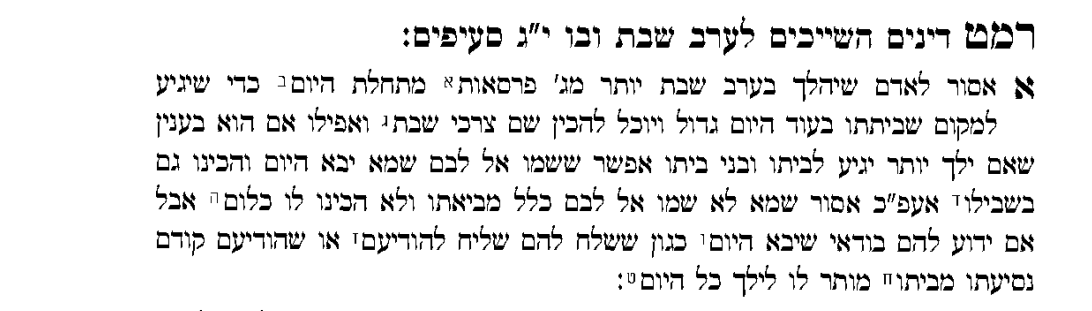
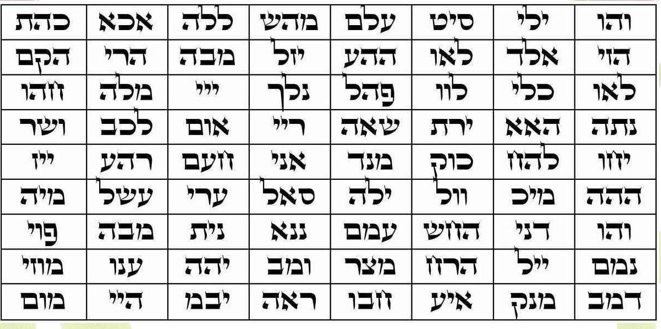
Rashi is saying that אֲנִי וָהוּ symbolizes Hashem’s name that contains 72 letters. 

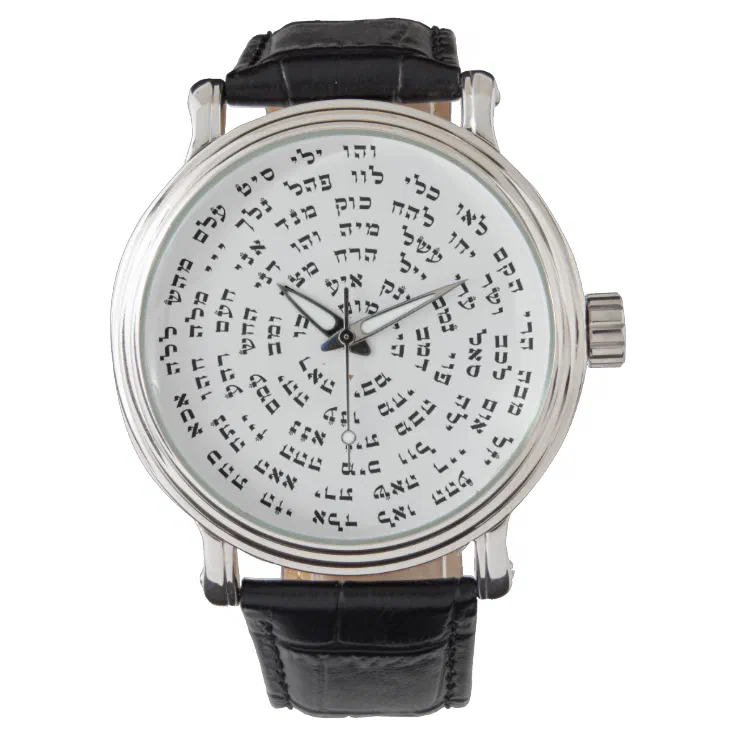
We know it as שם ע”ב

He goes on to explain at length the basis of this 72 lettered name and the אֲנִי וָהוּ. 

This is a very deep and wide topic as explained in קבלה, חסידות and the works of Reb Levi’k. In the next few shiurim we will bl”n try to add more to this interesting phenomenon. 

  • Why the right to left, left to right and finally right to left again.
  • Why אני (box 37) before והו (box 1).
  • Why no letter גימל in the 3 פסוקים.
  • בכן which equals 72 . Said 3 times on ראש השנה ויוה”כ correspond to the 3 פסוקים with 72 letters.
  • What about the בכן? Rebbe’s heart rending Sicha Purim תשי”א.
  • More.

אני והו

רש”י

שמות יד, יט – כא

וַיִּסַּ֞ע מַלְאַ֣ךְ הָאֱלֹהִ֗ים הַהֹלֵךְ֙ לִפְנֵי֙ מַחֲנֵ֣ה יִשְׂרָאֵ֔ל וַיֵּ֖לֶךְ מֵאַחֲרֵיהֶ֑ם וַיִּסַּ֞ע עַמּ֤וּד הֶֽעָנָן֙ מִפְּנֵיהֶ֔ם וַיַּֽעֲמֹ֖ד מֵאַחֲרֵיהֶֽם׃

The messenger of God, who had been going ahead of the Israelite army, now moved and followed behind them; and the pillar of cloud shifted from in front of them and took up a place behind them.

  וַיָּבֹ֞א בֵּ֣ין מַחֲנֵ֣ה מִצְרַ֗יִם וּבֵין֙ מַחֲנֵ֣ה יִשְׂרָאֵ֔ל וַיְהִ֤י הֶֽעָנָן֙ וְהַחֹ֔שֶׁךְ וַיָּ֖אֶר אֶת־הַלָּ֑יְלָה וְלֹא־קָרַ֥ב זֶ֛ה אֶל־זֶ֖ה כׇּל־הַלָּֽיְלָה׃

And it came between the army of the Egyptians and the army of Israel. Thus there was the cloud with the darkness, and it cast a spell upon the night, so that the one could not come near the other all through the night.

וַיֵּ֨ט מֹשֶׁ֣ה אֶת־יָדוֹ֮ עַל־הַיָּם֒ וַיּ֣וֹלֶךְ יְהֹוָ֣ה אֶת־הַ֠יָּ֠ם בְּר֨וּחַ קָדִ֤ים עַזָּה֙ כׇּל־הַלַּ֔יְלָה וַיָּ֥שֶׂם אֶת־הַיָּ֖ם לֶחָרָבָ֑ה וַיִּבָּקְע֖וּ הַמָּֽיִם 

Then Moses held out his arm over the sea and Hashem drove back the sea with a strong east wind all that night, and turned the sea into dry ground. The waters were split.

זוהר שמות ע’ ע”ר

ע"ב שמות - להתגברות על כל קושי וחיבור ישיר לברכה והצלחה | "הגשמה והוויה"

Tosfos and the Ramban have a different explanation to the meaning of אֲנִי וָהוּ. 

תוספות

יחזקאל א, א

וַיְהִ֣י בִּשְׁלֹשִׁ֣ים שָׁנָ֗ה בָּֽרְבִיעִי֙ בַּחֲמִשָּׁ֣ה לַחֹ֔דֶשׁ וַאֲנִ֥י בְתֽוֹךְ־הַגּוֹלָ֖ה עַל־נְהַר־כְּבָ֑ר נִפְתְּחוּ֙ הַשָּׁמַ֔יִם וָאֶרְאֶ֖ה מַרְא֥וֹת אֱלֹהִֽים׃

In the thirtieth year on the fifth day of the fourth month, when I was in the community of exiles by the Chebar Canal, the heavens opened and I saw visions of God.

ירמיהו מ, א

הַדָּבָ֞ר אֲשֶׁר־הָיָ֤ה אֶֽל־יִרְמְיָ֙הוּ֙ מֵאֵ֣ת יְהֹוָ֔ה  אַחַ֣ר שַׁלַּ֣ח אֹת֗וֹ נְבוּזַרְאֲדָ֛ן רַב־טַבָּחִ֖ים מִן־הָרָמָ֑ה בְּקַחְתּ֣וֹ אֹת֗וֹ וְהֽוּא־אָס֤וּר בָּֽאזִקִּים֙  בְּת֨וֹךְ כׇּל־גָּל֤וּת יְרוּשָׁלַ֙͏ִם֙ וִֽיהוּדָ֔ה הַמֻּגְלִ֖ים בָּבֶֽלָה׃

 The word that came to Jeremiah from the LORD, after Nebuzaradan, the chief of the guards, set him free at Ramah, to which he had taken him, bonded in chains, among those from Jerusalem and Judah who were being exiled to Babylon.

רמב”ם

דברים לב, לט

 עַתָּ֗ה כִּ֣י אֲנִ֤י אֲנִי֙ ה֔וּא וְאֵ֥ין אֱלֹהִ֖ים עִמָּדִ֑י  אֲנִ֧י אָמִ֣ית וַאֲחַיֶּ֗ה מָחַ֙צְתִּי֙ וַאֲנִ֣י אֶרְפָּ֔א  וְאֵ֥ין מִיָּדִ֖י מַצִּֽיל׃   רְא֣וּ

 See, then, that I, I am the One  There is no god beside Me I deal death and give life

I caused a wound and I will heal.  None can deliver from My hand.

6- The Mishnah concludes that as soon as the הושענא process was completed the adults  ‘grabbed the Esrogim from the children’s hands and bit into them!’

Caution: Don't Eat Esrog

Rashi explains that there is no issue with גזילה here since it was done as part of the festivities. 

Tosfos derives from רש”י that this concept is not limited to הושענא רבה but to other occasions as well. When being joyous and playful the laws of גזילה and מזיק do not apply. 

As an example they bring the custom (apparently popular at the time) of entertaining a חתן by jousting, obviously in a theatrical manner. Despite clothes being torn and damage to the horses , there was no concern for the גזילה that seemed to happen. . .

Jousting replaced the Melee as the main event towards the middle of the 13th century

 ומסיימין בטוב.


Ari Chitrik Shiur Points