Shiur Sukkah 34a 02/08/22

BSD

Suka 34a

1st. Adar 7 , 5782. February 8, 2022

1- We again learned the Mishna concerning ערבות. The גמרא cites opinions whether or not they actually need to grow on a river bank. Tosafos says that since according to Abba Shaul, our ערבות must be from a plant that is adjacent to a river as the literal translation of ערבי נחל. 

Plant Image Gallery

We mentioned the Rosh (and others) who says that he has never seen this in practice. The words ערבי נחל mean a species that usually grows on a river bank. 

Salix x 'Americana' Willow Variety Grown by Lakeshore Willows | Wainfleet, ON

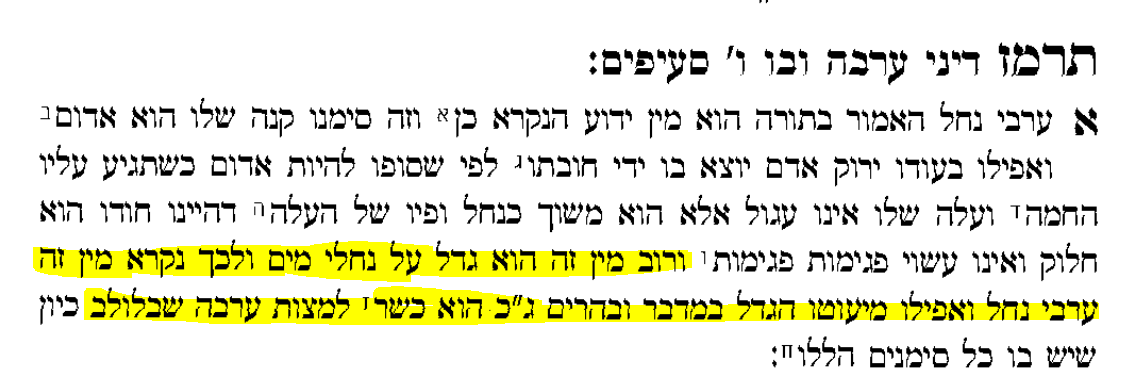
The Alter Rebbe 647, 1 agrees and uses the term רוב מין זה גדל על נחלי מים. 
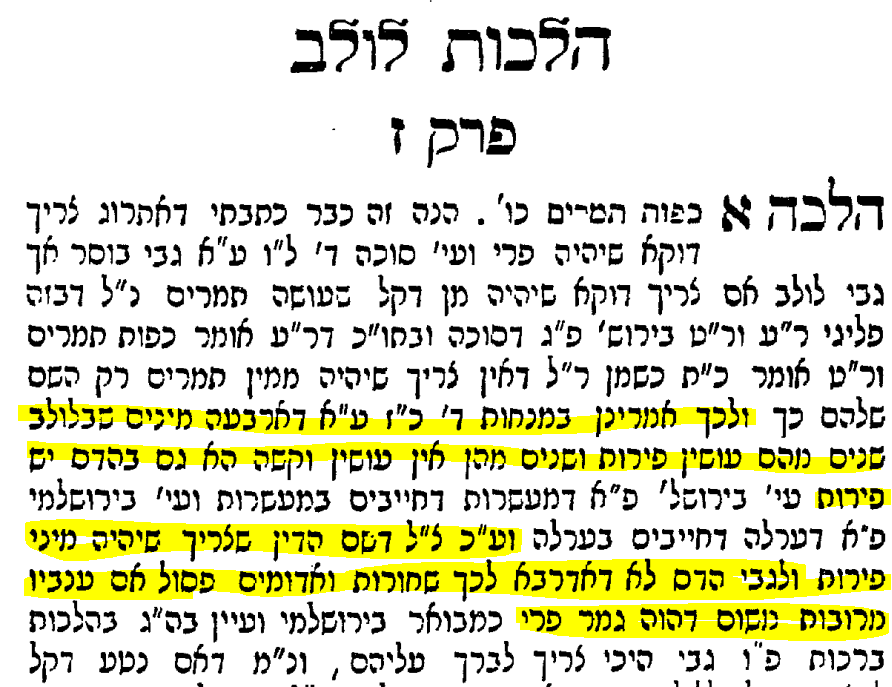
2- Going back to the question of dates of a Lulav tree and if it a prerequisite to use one only if the tree actually bears fruit – we mentioned the Rogatchover, Rambam, Lulav P7:

אך גבי לולב אם צריך דוקא שיהיה מן דקל שעושה תמרים

His point is that it must indeed produce fruit or at least be a species that is fruit bearing. (Meaning that a species of a fruit bearing palm tree that is located in a cold climate that hinders the growth of fruit would also be Kosher). 

His interesting proof is from the Gemara in Menochos 27a  that says concerning the ד’ מינים that 2 of 4 come from fruit bearing trees and two do not. He asks why is it only two?

דארבעה מינים שבלולב שנים מהם עושין פירות ושנים מהן אין עושין וקשה הא גם בהדס יש פירות

A הדס also produces berries as we discussed at length in previous shiurim.

Cotoneaster salicifolius (Willow Leaf Cotoneaster)

The Rogatchover derives from this that the Kosher הדס is when it does not have fruit! As the הלכה is that if it has berries that are black or red it is פסול since then the berries are considered fruit. (as opposed to green ones). 

Plants to Avoid — Biosphere Institute of the Bow Valley

Conversely, the גמרא, when it says that 2 of 4 produce fruit,  it meant to say that the 2, Lulav and Esrog, must produce fruit! 
3 – We continued to discuss the concept of when is it Shabbos and Yom Tov למעלה. Since there are different world time zones causing Shabbos and Yom Tom to occur at different times on earth, when is it Shabbos and Yom Tom in עולמות הרוחניים?   

Four Reasons Shabbat Is Compared to Bride and a Queen - Shabbat

We learnt the text of the Alter Rebbe that explains that it actually corresponds to the location of each individual. 

GPS coordinates, latitude and longitude with interactive Maps

Shabbos is here

This week we looked at  perhaps a somewhat different take on this.  

In short- There is an expression in the זהר “The שכינה is constantly present among בני ישראל on Shabbos and Yom Tov, even on Shabbos that is on a weekday”

What does ‘Shabbos of the weekday’ mean?  Is it שבת or חול? 

We spoke about Reb Yehuda Rosanes who lived in קושטא or  Constantinople,  Turkey, today called Istanbul. He is known for the massive book on the Rambam, the משנה למלך. Additionally he penned a Book of Droshos called פרשת דרכים. 

HebrewBooks.org Sefer Detail: פרשת דרכים -- רוזנס, יהודה בן שמואל, 1657-1727


In one (#23) of the דרשות he  writes about this perplexing Zohar. One explanation offered is that Shabbos can also be a weekday when someone is lost in a desert, not knowing what day of the week it is.

היה מהלך במדבר ואינו יודע אימתי שבת – מונה ששה ימים ומשמר יום אחד

The Halachah is that he needs to count 6 weekdays and the seventh day is ‘his Shabbos’. In a sense, that would be a ‘Shabbos of the weekday’. 

Biblical Moses Walks Through The Sinai Desert, The Wilderness, In Search Of The Promised Land, 3d Render Painting Stock Photo, Picture And Royalty Free Image. Image 132579174.

He then offers another explanation concerning the time zones. ‘We believe that just as there are weekdays and Shabbos on earth, there is also this difference in heaven. Such as in regards to the  גיהנום on Shabbos. 

Heaven or Earth? - Church of Christ Articles

So what time zone is used למעלה? 

earth globe time zones map spin Stock Footage Video (100% Royalty-free) 29986624 | Shutterstock

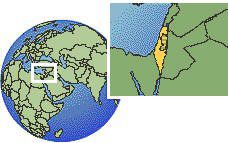
The consensus amongst Kabbalists is that Shabbos is primarily established on the Shabbos hours of  Yerushalayim, the other time zones are merely an offshoot of the Shabbos hours of Yerushalayim. So in heaven, that is the ‘real Shabbos’. 
Israel Time Zone Converter Difference Calculator

So in a sense, outside ארץ ישראל, all other times around the world are a weekday in comparison to the ‘real’ Shabbos in Yerushalayim. And that is the meaning in the זהר: Shabbos and Yom Tov and that is on a weekday. Meaning a Shabbos that is outside Yerushalayim when in  Yerushalayim it is a week day! 

Does this jive with what the Alter Rebbe writes? 

You be the judge. 



Shiur Sukkah 33b 02/01/2022

BS”D 

Suka 33b. 

Shvat 30, 5782. February 1, 2022

1- The conclusion of  the יש דחוי אצל מצוות או לא  topic.

We used an example of the minus and plus symbols. – +. 

Plus Minus Signs Stock Photo - Download Image Now - iStock

Minus is when the מצוה object is not usable –  it is a minus. 

When it reverses, and becomes usable, it is a plus

2- There are two scenarios in objects of דיחוי.  Meaning that a certain time it was not useable, not כשר, to perform a מצוה with . The question is if it can regain the כשר status. 

We discussed which is more logical to disqualify.  a or b. 

a- Minus, plus. דיחוי מעיקרא

b- Plus, minus, plus. נראה, נדחה ונראה

Example for ‘a’: – +

If a הדס  was trimmed at the top and after  Yom Tov begins, a berry grows on the top. 

So when the Yom Tov arrived and the הדס is unusable, that’s  a minus. דיחוי מעיקרא. It starts off פסול.

When the berry grows and makes it usable, כשר, that’s a plus

So we have a minus plus


Example for ‘b’: + – +

A הדס has many green berries, so it’s כשר. Plus

In the middle of Yom Tov, they turn black. The הדס becomes  פסול. Minus

One then picks off the berries (באיסור), the הדס is back to being כשר. Plus.  

So we have a plus minus plus. נראה ונדחה ונראה

3- We touched on the topic of אינו מתכוון and מלאכה שאינה צריכה לגופה. 

The difference between intent and purpose. 

young girl drags plastic garden chair across lawn Stock Photo - Alamy

Moving a bench across a vegetable patch to bring it to a deck for a Kiddush. 

The dragging may create a long ditch that can be used to plant seeds in it the next day. 

That’s ‘plowing’. חורש. 

His intent is not to plow but to move the bench from one location to another. 

That is אינו מתכוון. Without intent. 

Bed In A Grain Field- Concept Of Good Sleep Stock Photo, Picture And Royalty Free Image. Image 20129611.

…Just trying to move the bed

On the other hand, if someone needs gravel for a project and digs into the vegetable patch, his intent is indeed to dig. (as opposed to dragging the bench where his intent is not to dig). 

What is lacking is the purpose. The digging is for the earth, not for the hole (to plow).  

Headless Chicken – Stronger Generations Initiative

4- We discussed the concept of פסיק רישא. 

5- We began the new Mishna concerning ערבות. We will discuss next week if they actually need to grow on a river bank or not. 

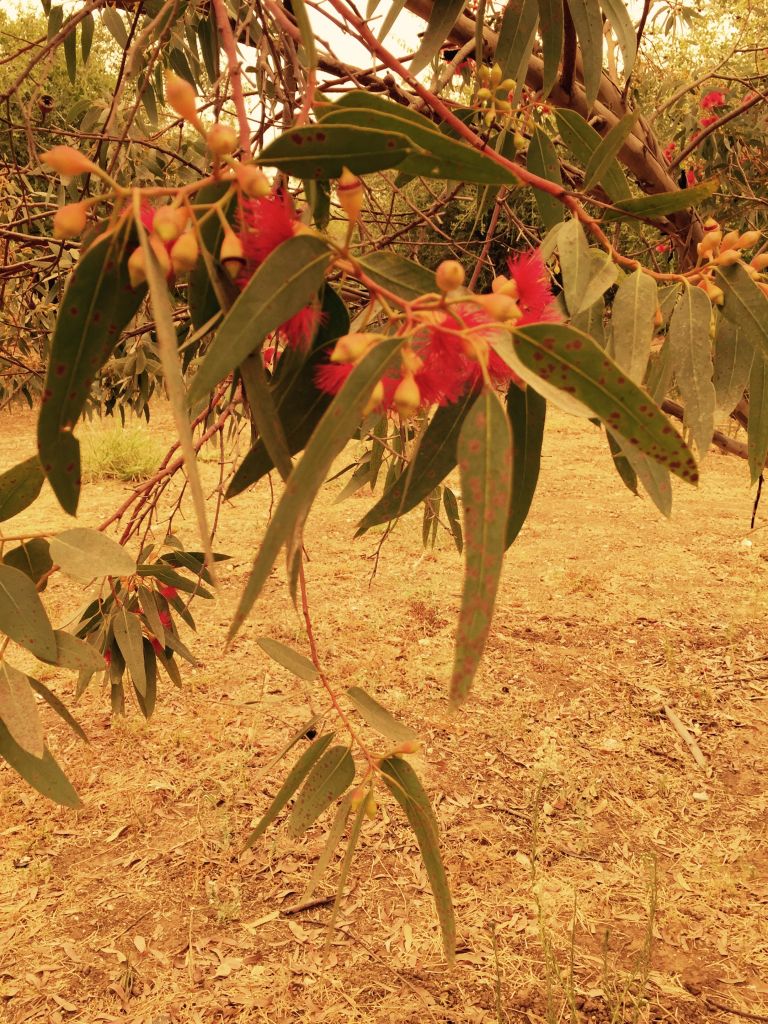
Israel's adopted eucalyptus trees are the bee's knees | The Times of Israel

Eucalyptus in Israel

See here about using a branch from a eucalyptus tree 

https://beta.hebrewbooks.org/pdfpager.aspx?req=22460&st=&pgnum=183

6- Concerning a Lulav, although the תורה says כפות תמרים, which means branches from a date tree, do they need to produce dates? 

date palm | Description, Uses, & Cultivation | Britannica

What if it is a date producing tree but due its location in cold climates it does not? 

Can Palm Trees Survive Snow? [The answer may surprise you!] - Garden Tabs

The consensus based of the Chasam Sofer is that the tree does need to be of a type that can produce dates, but it is fine if it does not actually produce dates.

See here

Disclaimer: The authors in this link do not necessarily express opinions that are accepted by all. 

7- A final note about the translation of the word ירוק. We mentioned the Rashi from this week’s פרשה.

Tekhelet: The Mystery of the Long-Lost Biblical Blue Thread - Mitzvahs &  Traditions

ותכלת” – צמר צבוע בדם חלזון וצבעו ירוק

“Wool that is dyed with the blood of the Chilazon and the color is Yarok”.

Green Tzitzit Set of 4 (Handmade Tzitzits),#Tzitzit, #Green, #Set, #Tzitzits | Active wear for women, Handmade, Green

We know that the חלזון is the fish from which the תכלת for ציצית is produced. And that is ….blue.

Yet, רש”י  used the word ירוק.


Shiur Sukkah 33a-b 1/25/22

BS”D

Suka  33 a-b. 

Shvat 23, 5782. January 25, 2022

1- We continued to discuss the . יש דחוי אצל מצוות או לא  topic… 

We discussed the three stages of דיחוי:

1- Prior to the time of the מצווה. 

2- After the start of the מצווה period. 

3- The ‘gray area’. 

Amazon.com: FLHFULIHUA 2PCS Forward Reverse Shift Switch for Kids Ride-On Toys Accessories Forward Stop Backward Switch Children's Electric Ride On Car Toys Replacement Parts : Toys & Games

In our case – in regards to a lulav with  הדסים which are פסול and then became ‘Kosher’. 

Before Sukkos. That is not considered דיחוי. 

After sundown on Sukkos. That is definitely considered דיחוי, since Yom Tov has begun. 

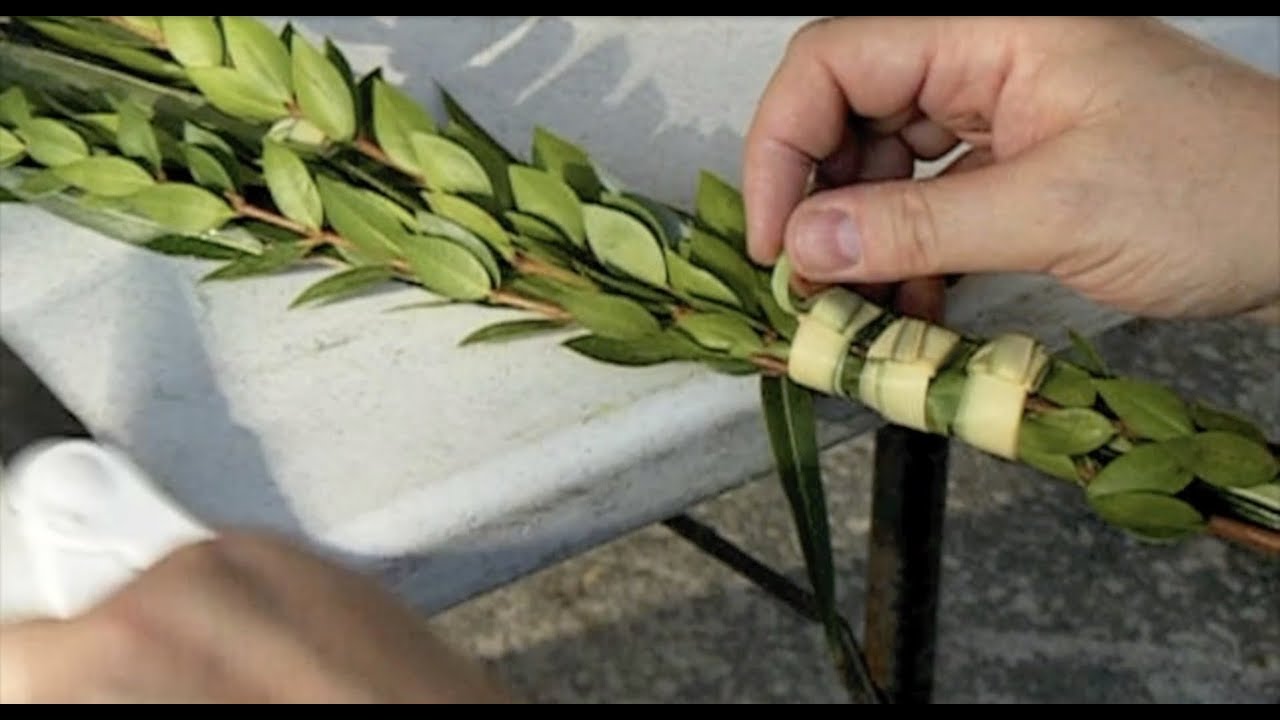
how to make lulav rings – The Blue Monkey Restaurant & Pizzeria

Before Yom Tov, but after it is bound:  

If binding a Lulav is obligatory, then the מצווה has begun even before Yom Tov. 

2- We continued to discuss the example mentioned last week concerning an Israeli who is in חוץ לארץ, if he keeps one or two days Yom Tov. Ditto for an American visiting Israel. The controversy within Chabad as what to do. One or two days?  Was there a change in the Rebbe’s opinion?
We spoke about the ‘final’ version of the Alter Rebbe Shulchan Aruch, 1, 8

8  The time of midnight is always [calculated] in the same manner in summer and winter— twelve hours after noon. This is the actual midpoint of the night, and a time of Divine favor above, at all times and in all places. Although the length of the days and the nights varies according to the climates [i.e., the various latitudes] and the longitudinal distances between one country and another, that does not change the above. This resembles the times for reciting Shema and Shemoneh Esreh and the times at which the Shabbos or the festivals commence, which are also [calculated] for each country according to the times of its own day and night.

(For the time of  “עֵת רָצוֹן” above, and the  יִחוּדִים עֶלְיוֹנִים effected by the recitation of Shema and Shemoneh Esreh, and the sanctity of Shabbos and the festivals — all transcend the limits of space and time, though they radiate “downward” into the physical realms to each and every place at the time appropriate for it. This also explains why a sublime holiness pervades in the Diaspora on the second day of a festival; hence inhabitants of Eretz Yisrael who are temporarily in the Diaspora are obliged to observe the holiness of that day, even though they intend to return [to Eretz Yisrael].68 This will be explained in the laws pertaining to the festivals.69)

חוּזְמַן חֲצוֹת לַיְלָה פז הוּא שָׁוֶה בַּקַּיִץ וּבַחֹרֶף,66 לְעוֹלָם שְׁתֵּים עֶשְׂרֵה שָׁעוֹת אַחַר חֲצִי הַיּוֹם, שֶׁהוּא אֶמְצַע הַלַּיְלָה מַמָּשׁ, וְהִיא “עֵת רָצוֹן” לְמַעְלָה,פח בְּכָל זְמַן וּבְכָל מָקוֹם.

וְאַף שֶׁהַיָּמִים וְהַלֵּילוֹת מִשְׁתַּנִּים לְפִי הָאַקְלִימִים וְרִחוּק הַמְּדִינוֹת זוֹ מִזּוֹ מִמִּזְרָח לְמַעֲרָב – אֵין בְּכָךְ כְּלוּם.67 וּכְמוֹ זְמַן קְרִיאַת שְׁמַע וּתְפִלָּה וּזְמַן כְּנִיסַת שַׁבָּת פט וְיוֹם־טוֹב, שֶׁהוּא גַּם כֵּן בְּכָל מְדִינָה וּמְדִינָה לְפִי זְמַן הַיָּמִים וְהַלֵּילוֹת שֶׁלָּהּ. (כִּי “עֵת רָצוֹן” שֶׁלְּמַעְלָה, וְיִחוּדִים עֶלְיוֹנִים שֶׁבִּקְרִיאַת שְׁמַע וּתְפִלָּה, וּקְדֻשַּׁת שַׁבָּת וְיוֹם־טוֹב – הוּא לְמַעְלָה מִגֶּדֶר הַמָּקוֹם וְהַזְּמַן, רַק שֶׁמֵּאִיר לְמַטָּה לְכָל מָקוֹם וּמָקוֹם בִּזְמַנּוֹ הָרָאוּי לוֹ. וְזֶהוּ גַּם כֵּן הַטַּעַם שֶׁשּׁוֹרָה קְדֻשָּׁה עֶלְיוֹנָה בְּחוּץ לָאָרֶץ בְּיוֹם־טוֹב שֵׁנִי שֶׁל גָּלֻיּוֹת. וְלָכֵן גַּם בְּנֵי אֶרֶץ יִשְׂרָאֵל הַבָּאִים לְחוּץ לָאָרֶץ חַיָּבִים בִּקְדֻשַּׁת הַיּוֹם אַף שֶׁדַּעְתָּם לַחֲזֹר,68 כְּמוֹ שֶׁנִּתְבָּאֵר בְּהִלְכוֹת יוֹם־טוֹב).צ, 69

We read the text of the above that is the basis of the various opinions. 

Next week bl”n, we will discuss the fascinating פרשת דרכים on this topic. 

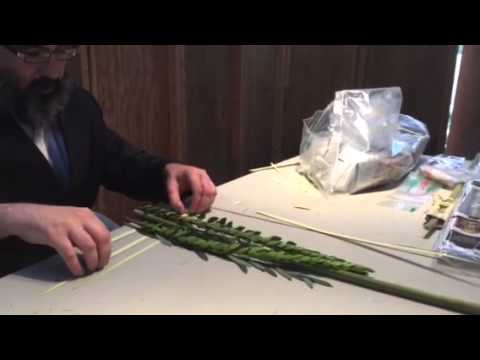
How to assemble A Lulav - Minhag Chabad - YouTube

3- As the Gemara mentioned a few times, there is a dispute if the binding of the Lulav is a must. Rebi Yehuda says it’s a חיוב, whereas the חכמים say it is not. Nevertheless, even the חכמים agree that at the very least it is a מצווה of  – נוי מצווה.  זֶה אֵלִי וְאַנְוֵהוּ

Binding a Lulav makes it presentable so it’s not just a bunch of items held by the holder’s hand. 

4- We discussed if a woman [or a goy] can bind the Lulav. In general, the rule is that only people obligated to perform a particular מצוה can create the מצוה. Such as תפילין. 

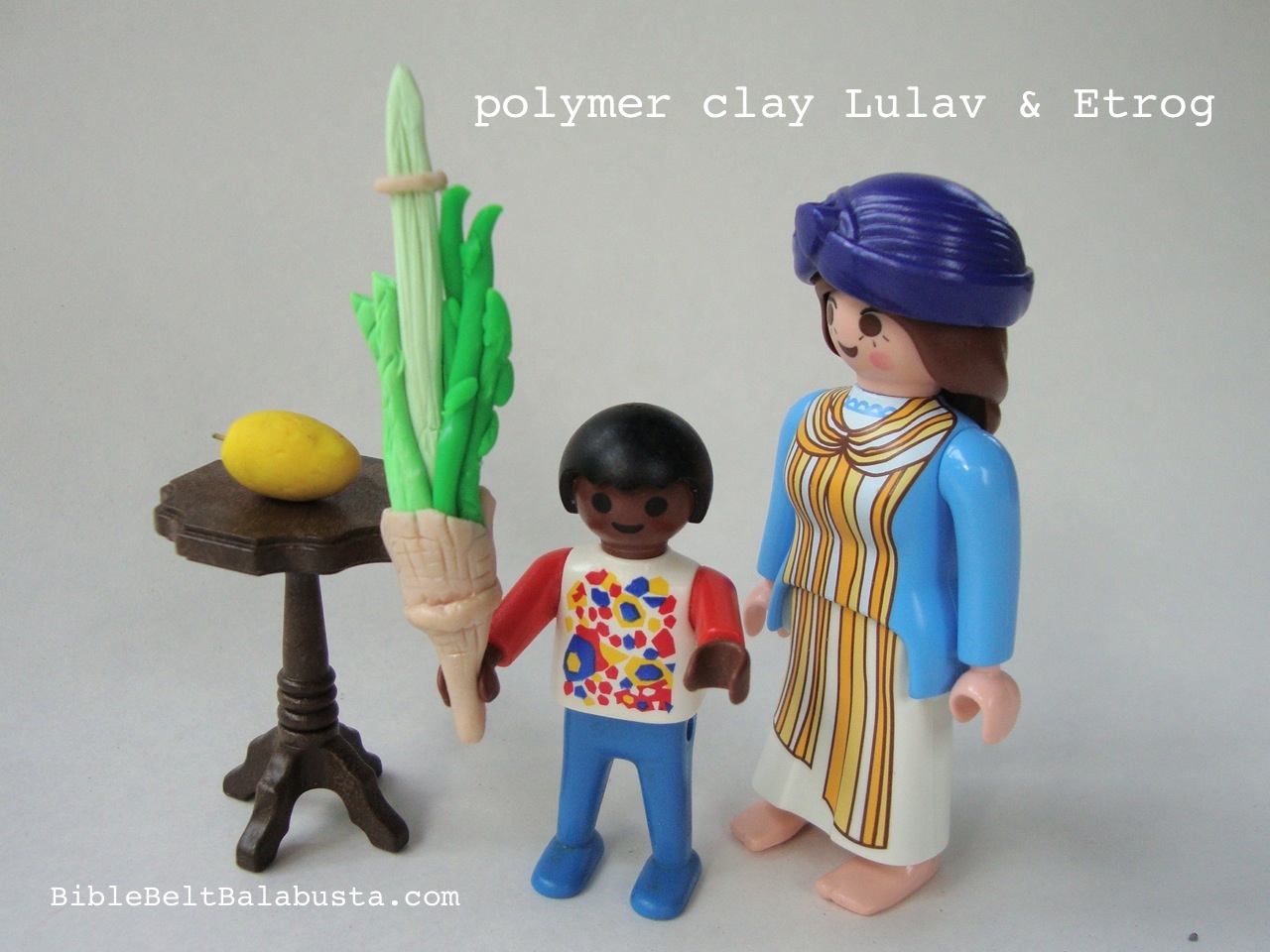
Mini Lulav and Etrog for a Tabletop Sukkah | Bible Belt Balabusta

We discussed if a woman can perform a Bris. See here. YD 264, 1. 

Planning a Brit Milah (Bris) | My Jewish Learning

In regards to Lulav, a woman is not obligated to Bentch on it, so perhaps she can bind it, since, as above, there is no חיוב to bind it! On the other hand, there is a Mitzvah to bind. See here. OC 649, 1. And MA 8. 

5- Today’s Chitas was about the laws of שומרים and  שואל. 

We concluded with the words of the Rebbe said by the Bar Mitzvah of Reb Shmuel Heber in 1942. He was a sweet Chosid that lived in S Louis. 


To listen to some snippets of his חזנות see here

A נשמה is ‘loaned’ to every person for the duration of one’s life. When he returns it, as with every return of a loaned item, it needs to be returned in good condition.
The laws of a שואל, a borrower, are more stringent than that of a renter or of a שומר. Both, whether a   שומר or שואל, are obviously required to return the item to its owner. However, a  שואל’s responsibility is a ‘general and no fault liability’. If it was stolen or lost, or even if an אונס happened,  he is obligated to pay for the lost object he borrowed. 

So all excuses one may have for not returning his נשמה in good condition, will not be accepted. 

Love the story, hate the headline: On guilt and fitness messaging – FIT IS A FEMINIST ISSUE

So what does one do, asked the Rebbe? 

There is an exception to this general liability, answered the Rebbe. As the תורה writes : בעליו עמו לא ישלם.  Mishnah, Bava Metzia, 94a

מתני׳ השואל את הפרה ושאל בעליה עמה או שכר בעליה עמה שאל הבעלים או שכרן ואחר כך שאל את הפרה ומתה פטור שנאמר (שמות כב, יד) אם בעליו עמו לא ישלם

If the owner/lender is present at the time of the borrowing and is ‘borrowed with the object’ then there is no liability from the  borrower.  [There are various reasons given for this interesting Halachah – see discussion here]. 

So if one wants to insure that his נשמה, when it is returned to its ‘owner’, does not incur any ‘payment for damages’ ח”ו, then the owner must be there at the time of the borrowing. And that is the מודה אני that one says every morning. 

מדבקה | מודה אני לפניך

When borrowing our נשמה every morning, prior to anything else, we must borrow the ‘owner’ with it. By doing that we are absolved from any damages that the נשמה may encounter during the day. 

This is what the Rebbe told Reb Shmuel at his Bar Mitzvah. See here.  רשימות קל. Also ויצא תשמ״ח.


shiur Sukkah 33a 01/18/2022

BSD

Suka  33a. 

Shvat 17, 5782.  01/18/2022

1- We once again began to discuss a global

Sha”s topic. יש דיחוי אצל מצוות, או לא

YESH DICHUY ETZEL MITZVOS or EIN DICHUY ETZEL MITZVOS

In general it means: 

“Pushed off.” This concept applies to cases in which a specific object is chosen for the fulfillment of a Mitzvah. If at one point, the item is unfit for use as required, then Dichuy says that it may no longer be used,  even if afterwards it becomes fit. 

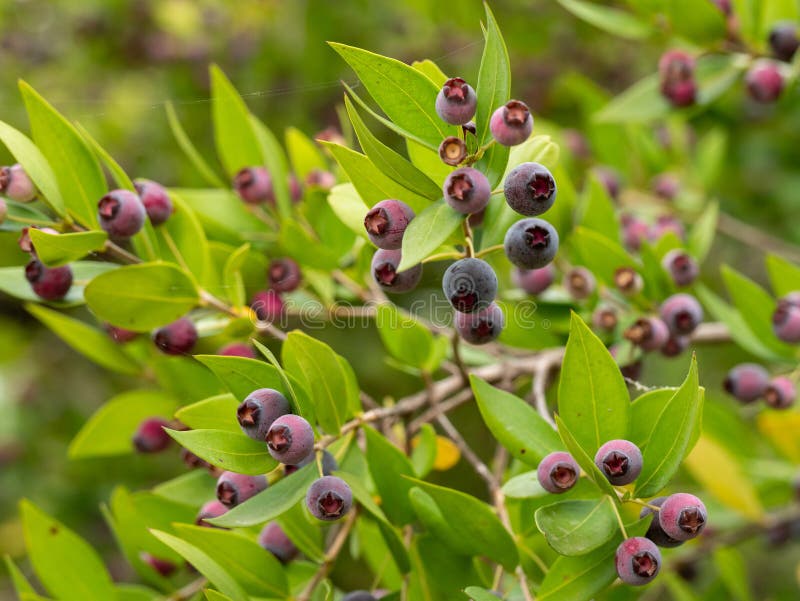
Myrtle Branch With Berries Stock Photo - Download Image Now - iStock

Hadas which grew a Tamar on Yom Tov

If, for example, one sanctifies an animal that has a Mum (blemish), this Dichuy idea  would not allow that animal to be offered upon the Mizbe’ach even after it has healed.

This wide ranging topic has many many facets. 

2- Pertaining to our Gemara – To simplify the concept we chose an example that is a bit humorous. A fellow walks into shul on the first day of Sukkos and shows off his Lulav. He points out that this year he was able to acquire some ‘designer’ הדסים…. Not only are the  leaves a bright neon green , they are also adorned with red berries! 

Detail of a Myrtle Bush with Berries in Autumn Stock Photo - Image of botanical, natural: 161281880

The Rov points out to him that since there are more berries than leaves, his designer הדסים are פסול. As we learned in the Mishna on 32b, – If it has more berries than leaves – פסול

So this fellow walks out of Shul with his Lulav, and quietly bites off the berries. [If he ate them, then he made a שהכל as per last week’s shiur. And he ate them in a Sukkah….] 

Man Eating Berries stock photo. Image of hold, cropped - 86080328

He walks back, all smiles, into the Shul. ..

3- So the question now is: What is the status of such a Lulav? 

Here is where דחוי אצל מצוות comes into play. Since, prior to his removing the berries, the Lulav was פסול, can it be brought ‘back to life’ or not. If one accepts the idea of דיחוי, that would mean that such a Lulav can never be re-Koshered. 

Bring Your Wilted Flowers Back To Life With Only Three Ingredients - The Plant Guide | Wilted flowers, Plants, Flower pot design

Brought back to life

[The other issue is that he Koshered his Lulav by default. Since it was already bound, and פסול, his Lulav became Kosher indirectly – תעשה ולא מן העשוי. More on this next Shiur IY”H]

4- In regards to קדשים this דחוי concept is accepted by all. Example: If on the way to pour blood on the מזבח, the Kohen temporarily hands the bowl to an ישראל, the blood is considered דחוי. [see Zevochim 34b].
Or if in the middle of the קרבן process the מזבח becomes פסול and is then repaired. דיחוי. 

However in regards to מצוות, Rav Yirmiya is unsure. Are מצוות like קדשים/קרבנות or not? 

5- We mentioned the fundamental idea from the Rosh. His explanation is the basis for this discussion. 

In Short: In קדשים, we are dealing with an object. If the item becomes invalid, even if only temporarily, it cannot come back to its original state. יש דיחוי. 

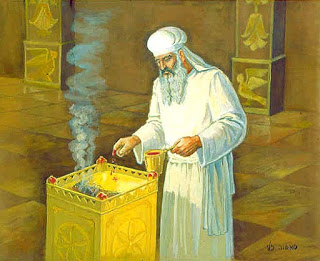
Siyum on Massechet Yoma: Blood and the Avodah of the Kohen Ha'Gadol. | Thoughts from the Shteiblech.

In regards to  מצוות however, it is the person that is מחוייב, and whether or not the object is valid to use or not, his personal חיוב never changed. 

6- We mentioned another interesting example, this one involving the ‘time’ factor of a מצווה.  A family is on a cruise ship, making Aliyah to ארץ ישראל. Once they arrive, they will become Israelis and need to keep only one day of Yom Tov. 

Photos: Odyssey of the Seas arrives in Israel | Royal Caribbean Blog

Arriving at Haifa

[We digressed to discuss this topic and

מנהג חב”ד, and will bl”n talk about it next week. Very interesting topic]. 

This family arrives early in the morning on the second day of Yom Tov.  Before disembarking, they were ‘from  חוץ לארץ ‘ and needed to keep two days Yom Tov. They made Kiddush the night before. 

They get off the boat and realize the men have not davened yet. Had they davened on the boat they would not put on Tefillin since they are still in Yom Tov mode. Now, when they set foot in ארץ ישראל, since it is a regular weekday, they need to daven with תפילין. 

Simple enough. 

Or….. maybe not! 

Since at the beginning of the day (the time frame for תפילין) they were פטור, perhaps the concept of דיחוי  would cause a פטור for the rest of the day! 

7- We spoke about the מחלוקת of the Maharam of Rutenberg and his student the רא”ש, concerning a boy who became a גדול during שבעה R”L. Prior to becoming a Gadol,  he was not obligated to sit שבעה. If the idea of דיחוי applies to מצוות as well, he may not need to sit שבעה  at all.  Rosh MK, 3, 96.

Misaskim to Suspend Shiva Supplies Delivery

8- Also discussed was a boy becoming Bar Mitzvah in the middle of Shabbos, meaning that for the first few hours of Shabbos he didn’t have a שבת at the דאורייתא level. What is his Shabbos status after becoming a גדול? 

9 – We concluded with discussing the human nature to forget….. and the מנהג to close the ספר  when stepping out of the room.

Difference between Forgot and Forgotten | Forgot vs Forgotten

The Sha”ch (YD 277) writes that the ‘demon’ that causes to forget one’s learning is called Shin Daled. שומר דפין. Keeper of the Pages . Therefore one should always close the sefer prior to leaving the room.

10 – We mentioned what the Arizal (EC 15) says that the demon’s name is  MAS. מ”ס. Which equals 100. He connects it with the Gemora in Chaggiga (9a) about the importance of learning everything 101 times. By reviewing one more than 100, he overpowers this demon (100)  and will not forget. See Tanya chapter 15. 

101 Lifestyle | MECCA

…ובזה יובן מ”ש בגמרא דעובד אלהים היינו מי ששונה פרקו מאה פעמים ואחד

פרק טו, תניא

11 – We concluded with the

כלי יקר

 ואתחנן  ) that points out that the word זכר, to remember equals 227. On the other hand, שכח to forget, equals 328. A difference of 101. 

Meaning, that forgetfulness has a natural  advantage over remembering by 101. 

This forgetfulness is overcome by reviewing 101 times!!! 

in his words: Every time one reviews his learning he weakens this מלאך that causes to forget. If he reviews it 101 times,  he totally weakens this מלאך and enters into the domain of the מלאך that is in charge of remembering. 

וכשחזר ק”א פעמים החליש כל כוחותיו היתרים ונכנס תחת יד המלאך הממונה על הזכרון ולא ישכח עוד.


Shiur Sukkah 32b(2) – 1/11/22

BSD

Sukkah 32b(2) – 33a. 

Shvat 9, 5782. January 11, 2021

1 – We reviewed the issue of the Lulovim that are of a different species – unlike the ones that have been used as far back in time as we can trace. 

2 – Having completed the laws of Lulav the next Mishna discusses הדסים. 

Myrtle - Garden In Delight

Hadasim – Myrtle

The Torah says that we need to use ענף עץ עבות. A stem that has braided leaves. That’s not very specific. What type of twig/stem/leaf is that? 

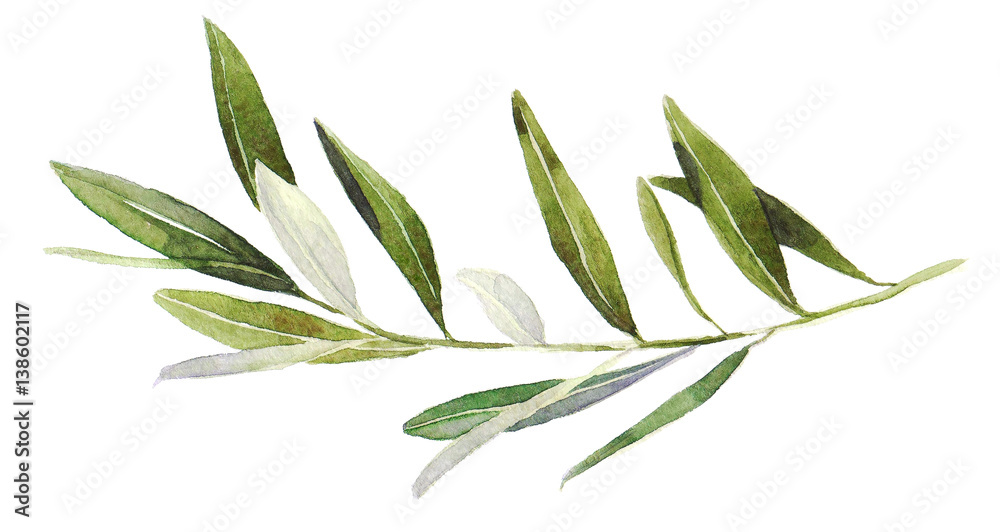
Watercolor olive branch on white background. Hand drawn watercolor illustration, painting the olive tree. Stock Illustration | Adobe Stock

Olive Branch

The Gemara suggested that perhaps ענף עץ עבות means a plant called הירדוף. It then says that it cannot mean this plant since Torah laws are meant to be pleasant. 

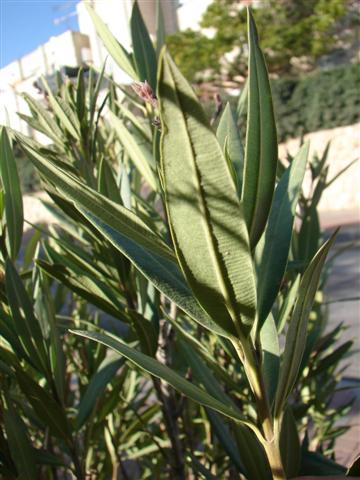
What is Hirdof? And what is not pleasant about it? 

 Rashi says it is a poisonous plant no less! 

הרדוף הנחלים – סידור עלים “משולש”

Tosfos says it cannot mean that, since הירדוף is a plant that can be used for…. מרור. It can indeed be bitter….. But not poisonous. 

So Tosfos suggests that הירדוף is a thorny plant. Using it would scratch the user. On the other hand, for מרור it would work, since this plant can be ground into small pieces and the thorns would be crushed. 

תני דבי שמואל אלו ירקות שאדם יוצא בהן ידי חובתו בפסח בחזרת בעולשין ובתמכא ובחרבינין ובחרגינין ובהרדופנין …. אמר ליה רב רחומי לאביי: ממאי דהאי מרור מין ירק הוא? … ואימא הירדוף? דומיא דמצה, מה מצה מין זרעים אף מרור מין זרעים וכו'” (פסחים, לט ע”א).

We mentioned, that in passing, we see that for the מצווה of מרור one can grind it. Some מחמירים actually bite into a solid piece of מרור.
See הגדה מעשה ניסים. And Rashash here.

Was this the Rebbe’s מנהג? 

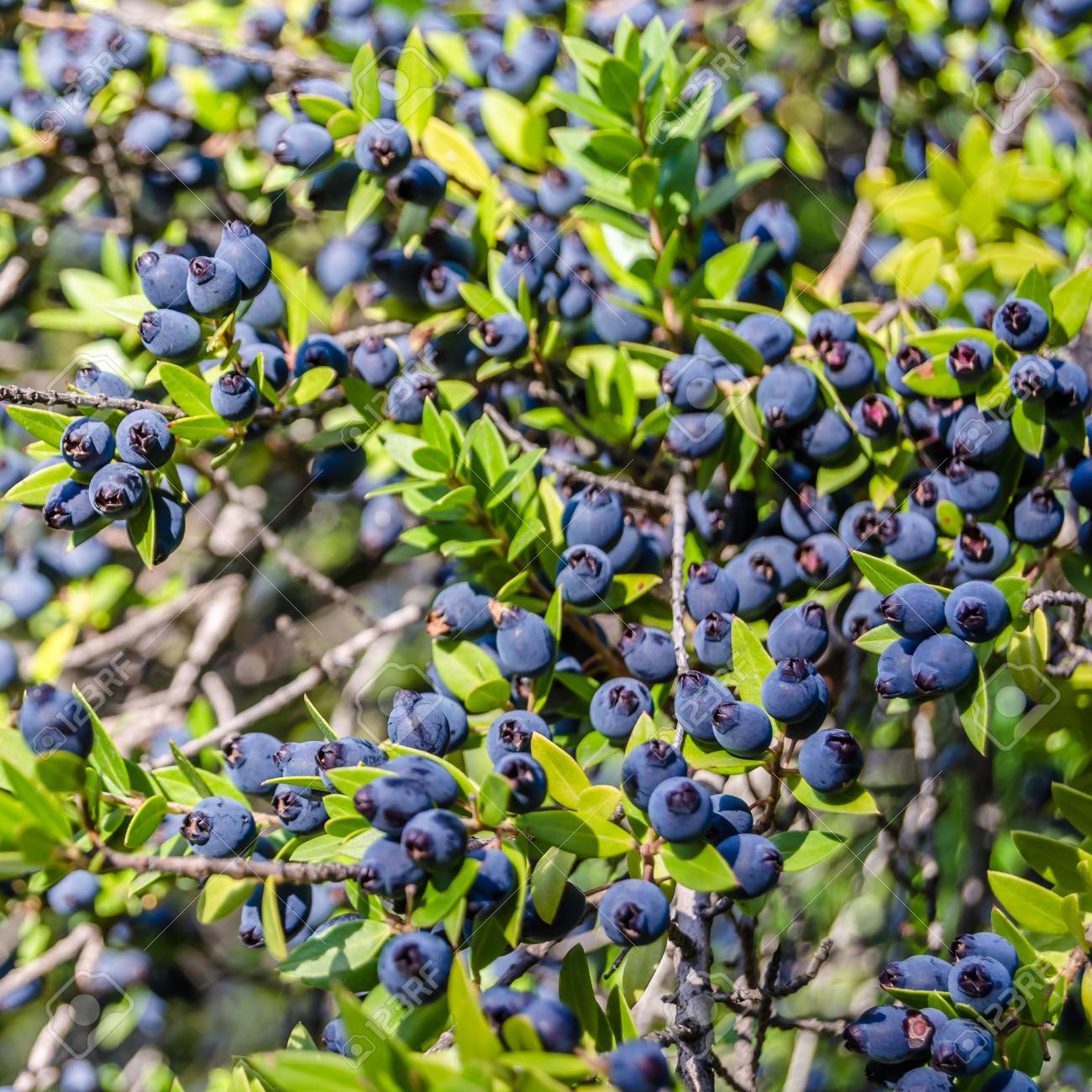
The berries of a הדס 

3 – The opinion of Reb Eliezer ben Yaakov is: we know that ענף עץ עבות  – a branch of a braided or plaited tree – means הדסים because the Torah means to imply a tree/bush that produces a fruit that has the same taste as the tree or stem itself. The הדס bush fit this category since the berries that grow on the הדס tastes like the stem it grows on. 

Detail Of A Myrtle Bush With Berries In Autumn Stock Photo, Picture And Royalty Free Image. Image 90880842.

Myrtle with Berries

[Some say that the meaning here of עצו, does not mean the stem. Rather it means the outside shell of the הדס berry and the אתרוג. More on this in the future bl”n]. 

4- The obvious question is that we all know that only the אתרוג has that characteristic. As we will see further on (35a) תנו רבנן, ‘פרי עץ הדר’ –  עץ שטעם עצו ופריו שווה הוי אומר זה אתרוג” 

The answer discussed is that the berries of the הדס tree are not considered ‘fruit’ per se. This is because the הדס tree itself is not considered a ‘fruit tree’. 

Myrtle Berries picture

Myrtle Berries

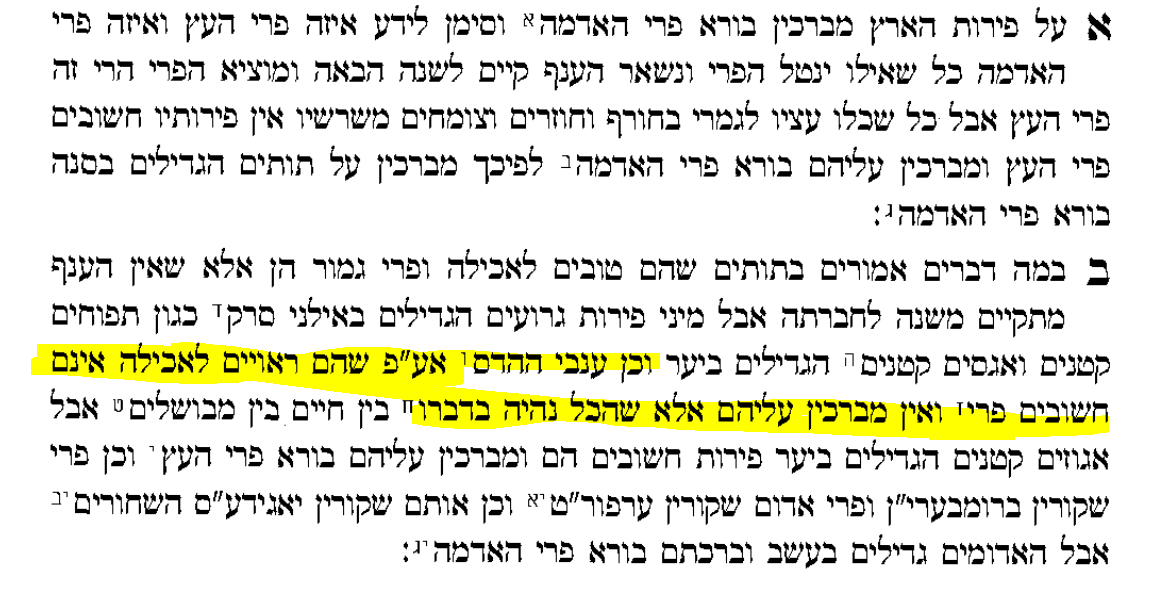
The ברכה  one makes on these הדס berries is actually שהכל !
(according to the Arizal you make האדמה. Thanks Zev Sero). Here

See here

Alter Rebbe, OC 203.

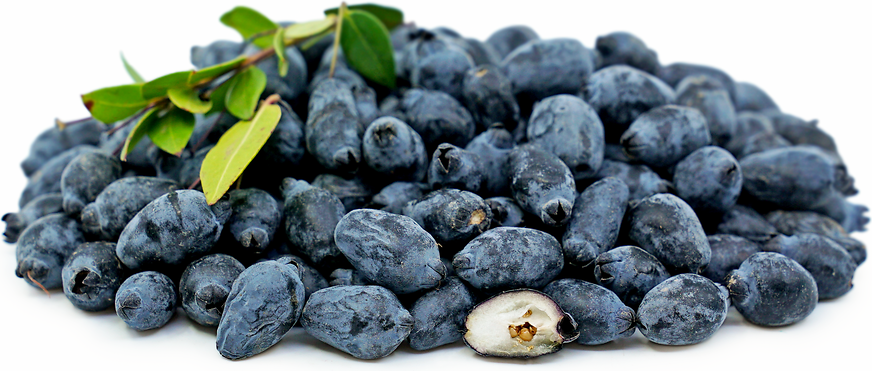
We spoke about the יאגידע”ס (berries in Russian ягоды) on which the Alter Rebbe says one should make a אדמה, if they are black in color. Is he referring to blueberries? Blackberries? 

Антифейк: Минэкологии опровергло информацию о штрафах за сбор ягод в Алданском районе — ЯСИА

5 – Our Mishnah says that if a הדס has more berries than leaves then it is פסול. One may remove these berries to make a הדס כשר. It adds ‘but one may not remove the berries on Yom Tov’.

Rashi explains that removing them would be a מתקן מנא- like fixing/repairing an object on Yom Tov  which is prohibited מדרבנן. 

Kosher Innovations Shabbos Bottle Opener – DB Electronics

Some say opening a bottle on Shabbos is prohibited because of מכה בפטיש or מתקן מנא. Above is the “Shabbos Bottle Opener”

See here

We mentioned an interesting מרדכי that says that in the case of the הדס, such a ‘fixing’ is prohibited מדאורייתא. His reason is based on a universal concept  [discussed in previous שיעורים] that when performing a mitzvah, even if the act is considered ‘minor’, the מצווה gives this act ‘importance’. It elevates such an act from ‘simple and small’ to ‘large and important’. 

מרדכי, סוכה , תשמז

Thus says the מרדכי, snipping off these berries on Yom Tov, since it creates an object to use as a מצוה, a Kosher הדס, this act is now prohibited מן התורה. 


6- Yud Shvat. 

We spoke about the Frierdiker Rebbe, in the באתי לגני which he prepared for Yud Shvat, discusses the importance of time, since ‘who knows when he will pass away’! 

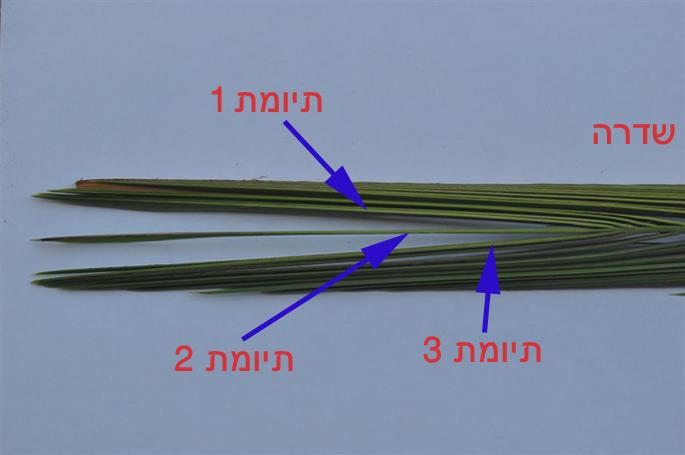
7- Our Gemara says that a הדס needs to have 3 leaves on one row. According to Rashi, it needs to have three leaves coming out of one (of the mini) stem(s). Tosafos says that it  is almost impossible to find. 

Sukka 32a-b: The Leaves of the Myrtle – Aleph Society

A הדס that does not have 3 leaves on each row is called a הדס שוטה

שוטה like a בכור שוטה . A half בכור. 

A הדס is sometimes called שיטותא. So הדס\שיטותא has two meanings. The Hodos branch and ‘foolishness’. 

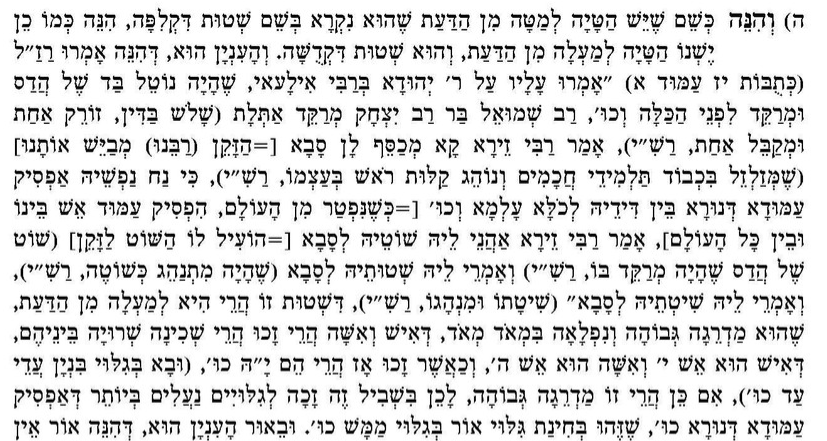
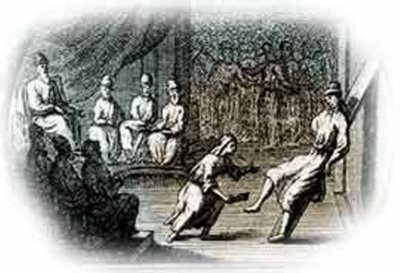
8- Interestingly, in the מאמר above, he brings the story of  רב שמואל בר רב יצחק who danced at a wedding with a הדס. Some colleagues mocked him, thinking that is was unbecoming for a תלמיד חכם to act so. At his funeral, a pillar of fire ‘separated his coffin from the crowd’. 

People realized then that his dancing using a הדס, which seemed ‘foolish’ was actually very proper to do. Using the הדס to dance, which seemed ‘foolish, שיטותא, was the cause for the fire!  

9- We spoke about the מדרש פליאה.

  אדם דואג על איבוד דמיו ואינו דואג על איבוד ימיו

Will write it out bl”n at a future time. 

————————-

From Chabad.org

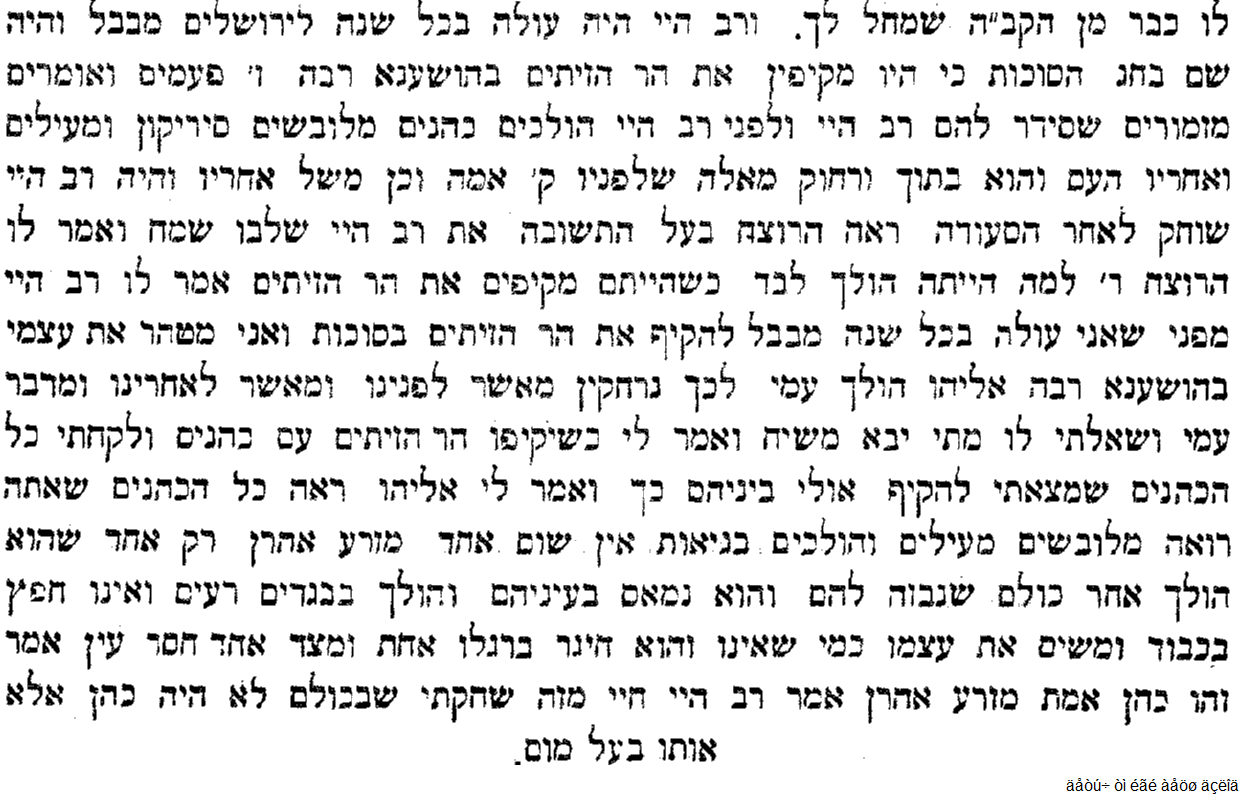
Thus we read (Kesubbos 17a) that “it was said of Rebi Yehudah the son of Rebi Ilai that at weddings he would twirl a sprig of myrtle as he danced before the bride.”

The Talmud goes on to say that “as Rav Shmuel bar Rav Yitzchak danced, he would juggle three (‘twigs of myrtle’ — Rashi). Said Rebi Zeira: ‘This venerable sage is embarrassing us’ (‘by making light of the respect due to Torah scholars through his undignified behavior’ — Rashi).

MGL Sisters :: Missionaries of God's Love Sisters :: MGL :: Keep the Fire Burning 3: The Wandering Israelites

When Rav Shmuel bar Rav Yitzchak passed away, “a pillar of fire appeared, separating him from all those who were near him.”

Rebi Zeira thereupon retracted his previous remark.

[Three versions of his retraction are recorded in the Talmud.]

The first:

“The venerable sage has been well served by his sprig” (Shot-ie-ah), (‘the sprig of myrtle with which he used to dance’ Rashi).

The second version:

“The venerable sage has been well served by his folly” (Shtusay), (‘for he clowned like a fool’ — Rashi).

The third version:

“The venerable sage has been well served by his policy” (Shitosay), (‘by his customary course of conduct’ (Rashi).

Folly of this kind transcends understanding, and thus represents a wondrously superior mode of conduct.

[The following citation from the Talmud throws light on the nonrational — i.e., superrational — conduct of the above-named Sages at weddings.]

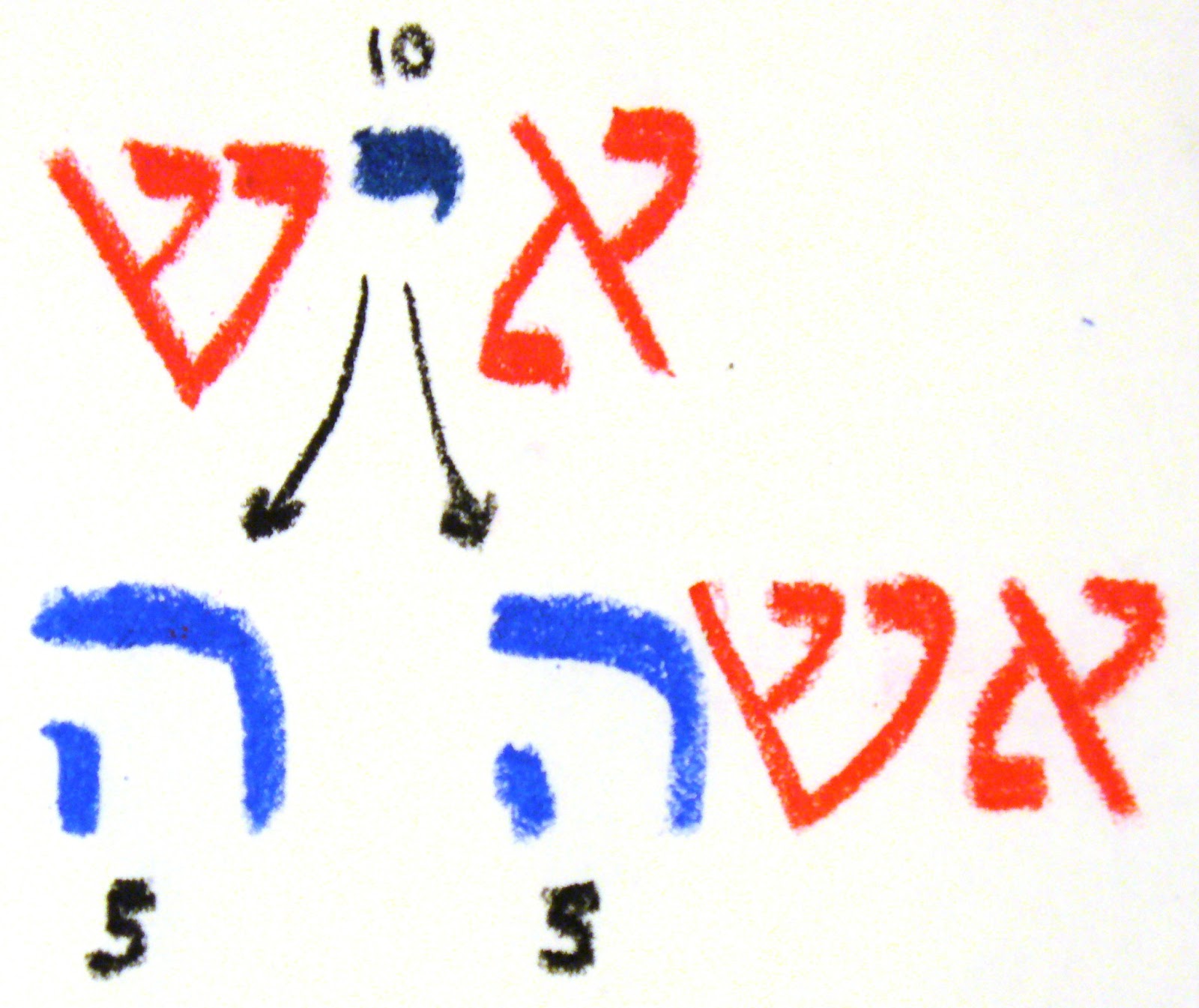
“If a man (Ish) and a woman (Isha) are found worthy, the Divine Presence abides between them.

אתיות השם: God's Name in Our Bodies

For Ish is composed of Esh (‘fire’) and the letter Yud; Isha is composed of Esh and the letter Heh.

When a man and a woman are found worthy, [i.e., when they approach marriage in a G‑dly way], the letters yud and heh combine to spell the Name of G‑d: the Shechinah dwells in their midst.” (Moreover, the Divine Presence then becomes manifest in the kind of marriage that is called — “an everlasting edifice.”)

Because a marriage thus elicits such prodigious spiritual power, the joy of the Sages at weddings would burst the conventional bounds of propriety.

Indeed, in the wake of the dancing of Rav Shmuel bar Rav Yitzchak, he was granted a sublime revelation of Divine favor: “a pillar of fire appeared, separating him from all those who were near him” — a true revelation of Divine light.


Shiur Sukkah 32b 01/04/2022

BSD

Sukkah 32b

Shvat 2, 5782. January 4, 2022

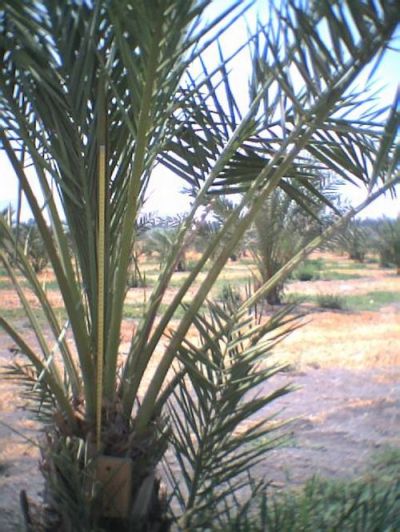
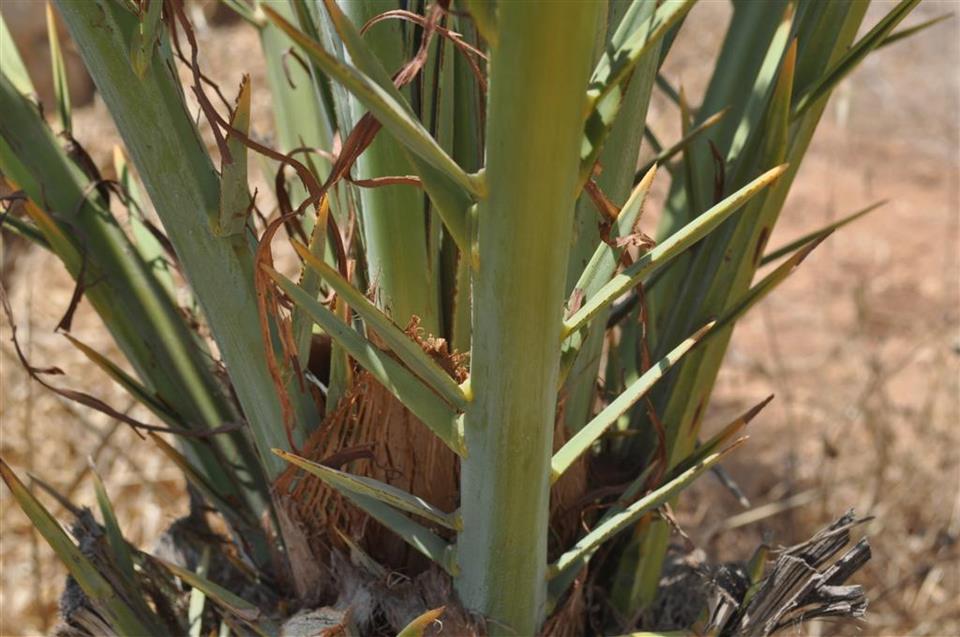
1-  Lulav – We discussed the date palm tree and its many species. 

Show full-size image of PALM TREE MIX rare palms fan exotic date florida areca hardy mixed seed 10 seeds

2- ציני הר הברזל  

Our Mishna discusses a Lulav – palm trees – from a place called הר הברזל. While this area is on the East Bank of the Jordan River, the גמרא says that such an area of palm trees also existed right outside the walls of Yerushalayim. 

Iron Hiker: August 2013

Two palm trees are in the valley of Hinom. Smoke arises in between them. These trees are of the הר הברזל species and are OK to use as a Lulav. And that site, where the smoke escapes from, is the door to גיהנום! ’

Trees Emit a Surprisingly Large Amount of Methane | WIRED

Holy smoke….

We discussed the opinion of some that there is an actual physical גן עדן and גיהנום on earth. 

Garden Of Eden - Where Is The Location? Mesopotamia Or Jerusalem?

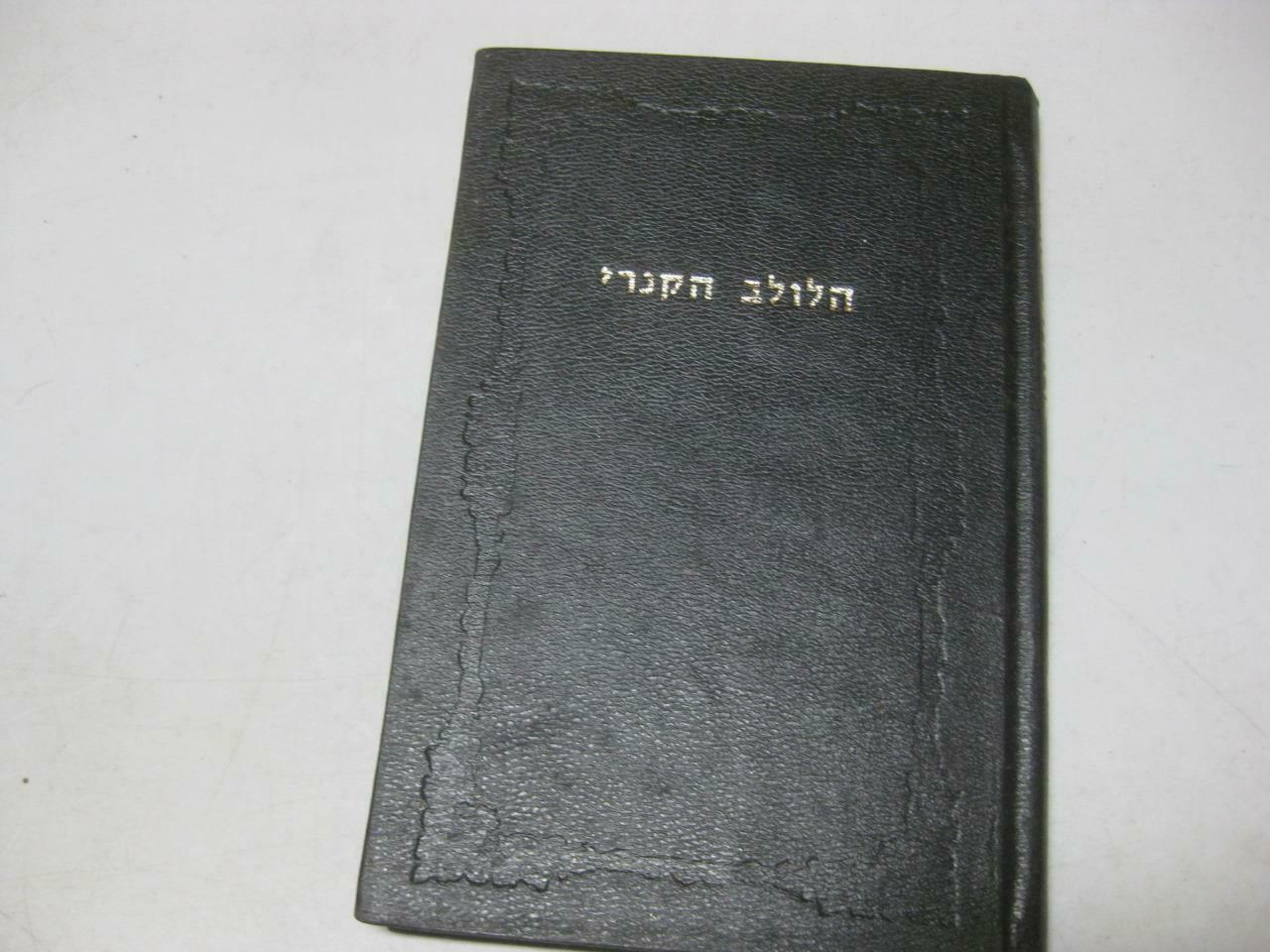
3- Canary Island palm trees- הלולב הקנרי

These islands are off the Moroccan coast . They are famous as a tourist destination and infamous for a multiple airplane tragedy that happened there in 1977.

The controversy about the species of the Canary Island palm trees to use for לולבים. 

Phoenix canariensis (Canary Island Date Palm)

The question was/is if these Canary date palms are the same species as the standard palm trees that have been used for thousands of years. 

Some say that they are פסול and one should not make a ברכה  on them, even if its the only לולב available. Others allow it. 

Until this came to the forefront in 1978, this was the לולב species used by many in some countries! 

See here: 

https://www.torahmusings.com/2016/10/trees-count-lulav-trees/

https://en.wikipedia.org/wiki/Phoenix_canariensis

https://www.ebay.com/itm/392769132989

(Thanks to Zev Sero for the above 2 links) 

4 – נענוע

We discussed the phrase in the Gemara that the הדסים need to be 3 טפחים in length and the Lulav an additional טפח. And here are the crucial words: כדי לנענע. 

Meaning that this extra טפח that the Lulav extends above the הדסים is for the purpose of נענוע. 

What is לנענע? Is it to shake, flap and wiggle. Or perhaps just to ‘move from side to side’ or to ‘wave’? 

Close-up of hands of a worshiper performing the ritual of shaking the lulav and etrog, traditionally performed during the Jewish holiday of Sukkot, Lafayette, California, October 20, 2019. Courtesy TH Productions. (Photo

If it means for the top of the Lulav to shake loosely, we have the issue of all the closed לולבים (with the layer of brown growth) or the לולבים that have a קנעפעל as discussed in a previous shiur. These לולבים are stiff and do not wiggle at all! 

It would seem that if the Lulav needs (as per the גמרא above) to extend above the הדסים  for  נענעים , then it must mean to wiggle and shake. For if it is just to ‘move’, then what does this extra טפח accomplish? It moves even if it’s the same length as the הדסים. 

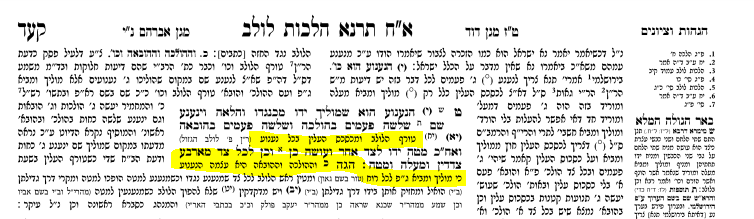
This is a topic that we find discussed by some. For starters, the רמ”א writes explicitly (651, 9) that one needs to wiggle the Lulav.  מכסכס

But is this the actual נענוע? A bit unclear.


We mentioned the מאירי that writes that some actually bring proof from our גמרא that a לולב  must be loose enough to shake and wiggle! He argues and says that all we need is the ability to wiggle, thus the extra טפח  to protrude over the הדסים, but no actual wiggling is required.

He uses the term כל הראוי לבילה. 

An orthodox Jewish rabbi blesses the esrog & lulav on Sukkot in a large Sukkah in Brooklyn, New York Stock Photo - Alamy

The ביכורי יעקב  says that the ריטב”א says that , קשקוש , a real shakin’ is a must! And he wonders as to why no פוסקים mention this חיוב. 

Lulav And Etrog: Sukkot's Strange, Awesome Ritual (PHOTOS) | HuffPost Communities

See here.

So we have 3 opinions. 

A– Stiff with no wiggling. No shaking is needed. נענוע means ‘moving’. גאונים. 

B– Full shaking and flapping of the upper part of the לולב the   . רמ”א, ריטב”א

C– The ability to be wiggled. מאירי, Chabad and others.

5-    כהנים מיוחסים

We mentioned the interesting topic of ‘who is a real כהן’? 

Who Is A Kohen?: A Report On Today's Kohen Muchzak: HaKohanim, Igud, Rivkin, Rabbi Peretz, Katz, Rabbi Shmuel: 9781544612485: Amazon.com: Books

There is a קבלה from the ראשונים that if 300 כהנים would circle the הר הזיתים Moshiach will arrive. 

בספר הרקח (פרשת תצווה) לרבי אלעזר מוורמייזא מובא:”אם היו שלוש מאות כהנים עומדים בהר הזיתים והיו אומרים ברכת כהנים, היה בא המשיח”.

See here. (Thank you Dani for this source) 

We spoke about the story brought in a certain edition of the ספר חסידים   

 (מק”נ  תרל)  ,about Rav Hai Gaon who tried to do the above circling and,  as we sadly know…. it didn’t work…. 

When he met אליהו הנביא he asked him why was not he  successful in bringing משיח? 

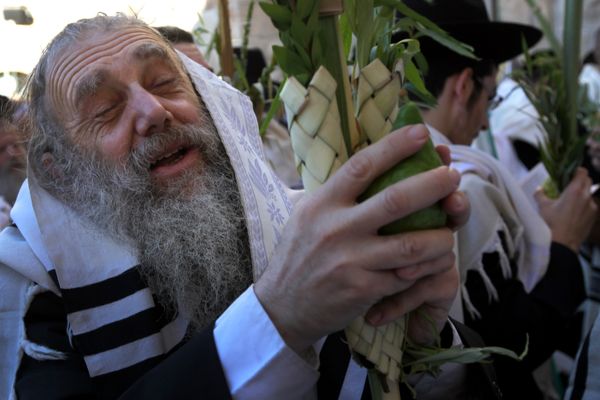
Thousands gather at Western Wall for Sukkot Priestly Blessing | JNS | clevelandjewishnews.com

אליהו  responded that from all the Kohanim gathered there, only one was was a real כהן, a descendant of אהרן הכהן, and he  ל”ע was  half blind and a limping בעל מום!!!

Lakewood Community Church - Walk with a Limp. Remember, people relate to us more when we are honest about our limps, our struggles, our brokenness instead of what we hide behind our

See here about the DNA tests that generated much debate a few years back. Some said it can show a direct lineage to אהרן הכהן.

However, see here.


We finish with a good note.  ומסיימין בטוב

Moshiach now!


Shiur Sukkah 32a 12/28/21

BSD

Suka 32a

Teves 24, 5782. December 28, 2021

1- We added another point to conclude last week’s shiur regarding a Lulav that was worshiped as עבודה זרה. The Gemara says that בדיעבד one is יוצא. 

Tosafos explains that it is referring to a Lulav of a Goy, thus there is no obligation to burn it since the Goy can be מבטל this עבודה זרה. 

It's July Fourth, and that means palm trees will be fireballs - The Verge

In passing, Tosafos mentions that a Lulav that is growing on a tree that is עבודה זרה, once it is cut, it loses its עבודה זרה status. 

We mentioned the Maharsham (1, 1) that quotes the אדר”ת who brings proof from this that the ארבע מינים cannot be used while attached to the ground! 

It would seem this is a theoretical question since it would be hardly possible that all 4 מינים would be growing together to be used at one time.  See also the פרי מגדים (end of 653) that discusses this question. Also the צל”ח (Shabbos 131a). 

We mentioned that perhaps if all 4 grew in one pot עציץ שאינו נקוב. One would pick up the pot and make a ברכה and נענועים…..

2- We went thru the various types of splits and cracks in a Lulav that make it פסול. 

3- Since the Torah does not say explicitly to use a Lulav- it just says ‘branches of palm’,  כפות תמרים, the Gemara suggests that perhaps it may mean other parts of the palm tree. 

Date palm - Wikipedia

כפת תמרים?

One idea, is to use the bottom part of the tree itself. Our Gemara dismisses this suggestion since the tusk of the palm tree has thorns that would make it not pleasant to hold. This would be contrary to the idea that the Torah’s Mitzvos are pleasant. דרכיה דרכי נועם.  

The Sharp Leaves Of A Palm Tree Stock Photo, Picture And Royalty Free Image. Image 149634796.

4- We mentioned a Rav that attempted to use this concept and was total told off by Reb Yakov Etlinger,  who we mentioned many times in the past quoting from his ספרים – ערוך לנר, ביכורי יעקב , בנין ציון. 

The question was concerning a widow who got married prior to obtaining  חליצה from her deceased husband’s brother. 

Halizah - Wikipedia If she gets married before the חליצה the הלכה is that she still need to get חליצה, but must first obtain a Get from her new husband and only then get חליצה from her husband’s brother. She cannot go back to her second husband.

peaceful path - Forests & Nature Background Wallpapers on Desktop Nexus (Image 2205455)

דרכיה דרכי נעם וכל נתיבותיה שלום

A certain Rav wanted to find a way for her to stay with her 2nd husband by doing the  חליצה while she was still married. In short- one of the arguments he used was that at that time obtaining a legal divorce took many years. 

Nevada DMV Aims To Shorten Wait With Expanded Virtual Line System | Nevada Public Radio

Waiting…

So waiting for the divorce would be ‘unpleasant’ for the woman. This Rav invoked דרכיה דרכי נועם, meaning the Halachah must take into consideration the comfort of human.

Reb Yakov  (בנין ציון 148) comes out very harshly against the entire episode (seems this  Rav allowed her to marry before the חליצה). As to using דרכיה דרכי נועם to alter accepted הלכה, is ludicrous he says. The חכמים used this concept to prove the details of a Mitzva when there are two alternatives – one in way that the performance of the Mitzva would be pleasant and the other unpleasant. 

“אין לזה דמיון כלל מחמת כמה טעמים: – הא’ – אין לדמות גזירה דרבנן לאיסור …..דאורייתא” 

דרכיה דרכי נועם is used to prove that the Torah meant the pleasant way only.

In the case of the חליצה, there is another way; such as traveling to another country to get divorced, or for the husband to look for another wife….

Amazing Shidduch Idea | Matzav.com

5- Speaking of quirky questions (and of the recent suicide of a popular figure) we mentioned the שאלה presented to Reb Ezriel Hildesheim:

Someone who attempted suicide, like jumping into the ocean. Miraculously, he was saved…like a fish swallowed him and then spit him out. יונה! 

The Ridiculous Story of Jonah. 3 lessons for living out your calling… | by Joel Searby | Medium

Thanks for the lift!

Does he have to make a הגומל asked this fellow? Is it not a מצוה הבאה בעבירה? 


לולבים - קהילה-נט

6- We concluded the הלכה  of a Lulav that didn’t have leaves to cover the entire spine of the Lulav. Question is if most of the Lulav was covered and one spot was not. 

פורטל הדף היומי: תמר מצוי - "לולב נאה" (נזיר ב ע"ב)


The opinion of the Alter Rebbe 645, and the Mishna Brurah. 


Shiur Sukkah 31b 12/21/21

BSD

Suka 31b

Teves 17, 5782. December 21, 2021

1- We added a few more details concerning the color ירוק ככרתי. 

The Gemara in Megillah 13 a, states that Esther was a ירקרוקת. 

ר’ יהושע בן קרחה אומר אסתר ירקרוקת היתה, וחוט של חסד משוך עליה.

Esther was called Hadassah because she was greenish, having a pale complexion like a myrtle, הדסה, but a cord of Divine grace was strung around her, endowing her with a beautiful appearance.  

Veggie Tales: Esther - The Girl Who Became Queen

The connotation is that the color detracted from her natural beauty.  What does that mean? 

Lulav and Esrog Market in Moscow

2- The bottom line, as Tosfos concludes, is that a green Esrog may be used as long as we know that eventually it will turn yellow.

Otherwise, if it stays green, it would mean that it was never fully matured when picked. It never was an Esrog per se. 

Products – Esrog.com


3- We spoke aboke the size of an Esrog. The minimal and maximum size. 

The One True Esrog – Mishpacha Magazine

4- Using a Lulav that is עבודה זרה. A lulav that was worshiped should not be used for the Mitzvah. However בדיעבד one is יוצא. 

We touched upon the big topic of איסורי הנאה. Items that we are prohibited (either    מדאורייתא like חמץ, or מדרבנן like non-kosher wine) to have use from- הנאה. 

So why is one יוצא with Lulav of עבודה זרה? Isn’t he ‘enjoying’ this prohibited Lulav?

הלכות יין נסך - הידברות

Now, מצוות לאו ליהנות ניתנו. That is a general rule, that when performing a Mitzvah, if during the Mitzvah one has any form of enjoyment or pleasure, we do not consider that pleasure as ‘real’. We discount it and do not give it credence.

As Rashi explains here and in  RH 28a, Mitzvos need to be performed only ‘as a servant to his master’.  Thus, the enjoyment is not taken into account. 

לא ליהנות ניתנו – לישראל להיות קיומם להם הנאה אלא לעול על צואריהם ניתנו

The result of this rule is that if one performs a Mitzvah with items that are אסור בהנאה, such as using a mikvah that has water that is prohibited from using, the טבילה is fine although the person enjoyed soaking in the hot or cold water in the mikvah. 

Hot Tub Snow Machine: 9 Totally Unique Soaking Spots – Interior Design Blogs


Therefore, when using a Lulav that is prohibited to have הנאה from, one is יוצא. The fact that he ‘enjoyed’ its use by fulfilling his מצוה obligation, we do not considered that ‘enjoyment’. The spiritual benefit of doing a mitzvah does not count as a הנאה. 

To be continued. 

5- In connection with מצוות לאו ליהנות ניתנו we mentioned a fascinating and fundamental concept from the אגלי טל. This popular work on the halachos of Shabbos was written by Reb Avrohom Borenstein, the Rebbe of Sochotchov. 

What he writes in the הקדמה is interesting in general and in particular to see it coming from someone that was a Chassidisher Rebbe. 

Here is the Hebrew

In short he writes that contrary to popular opinion (did he mean in the Chasidisher world?) learning Torah and enjoying the intellectual challenge is not only something to be frowned about, but on the contrary, that is תורה לשמה!!!  

Eiruvin 46b: Ignoring the Rules | Torah In Motion

‘The primary idea of לימוד התורה is (also) to enjoy its logic because only when one gains pleasure from being involved in learning and understanding it does the תורה unite with him.’

ומדי דברי זכור אזכור מה ששמעתי קצת בני אדם טועין מדרך השכל בענין לימוד תוה”ק ואמרו כי הלומד ומחדש חדושיס ושמח ומתענג בלימודו אין זה לימוד התודה כ”כ לשמה כמו אם היה לומד בפשיטות שאין לו מהלימוד שום תענוג והוא רק לשם מצוה אבל הלומד ומתענג בלימודו הרי מתערב בלימודו גם הנאת עצמו

ובאמת זה טעות מפורסם ואדרבא כי זה היא עיקר מצות לימוד התורה להיות שש ושמח ומתענג בלימודו ואז דברי תורה נבלעין בדמו ומאחר שנהנה מדברי תורה הוא נעשה דבוק לתורה [ועיין פירש”י סנהדרין נ”ח ד”ה ודבק]

ובזוה”ק דבין יצה”ט ובין יצה”ר אינן מתגדלין אלא מתוך שמחה יצה”ט מתגדל מתוך שמחה של תורה יצה”ר כו’ ואם אמדת שע”י השמחה שיש לו מהלימוד נקרא שלא לשמה או עכ”פ לשמה ושלא לשמה, הרי שמחה זו עוד מגרע כח המצוה ומכהה אודה ואיך יגדל מזה יצה”ט וכיון שיצה”ט מתגדל מזה בודאי זה הוא עיקר המצוה.

ומודינא דהלומד לא לשם מצות הלימוד רק מחמת שיש לו תענוג בלימודו הרי זה נקרא לימוד שלא לשמה כהא דאוכל מצה שלא לשם מצוה רק לשם תענוג אכילה ובהא אמרו לעולם יעסוק אדם כו’ שלא לשמה שמתוך כו’ אבל הלומד לשם מצוה ומתענג בלימודו הרי זה לימוד לשמה וכולו קודש כי גם התענוג מצוה

6- We read the text of the words of Reb Avrohom min Hohor.  Montpellier, France. 

(We mentioned R’ Chaim Moshe Yehuda Blau who tirelessly worked to have this and other works of Rishonim published).

Rabbi Moshe Yehuda Hakohen Blau

נדרים מח, א. 

The Mishna says that one who takes a vow not to have any הנאה from a particular town, he is not allowed to use the city’s plaza, bath house, the Shul, the בימה and the ספרים.

The obvious question is regarding the ספרים. When one uses them to learn, even if he derives pleasure from them, we should discount it since מצוות לאו ליהנות ניתנו!

Reb Avrohom answers that generally מצוות לאו ליהנות ניתנו means that when a Mitzvah is performed the intention is not for the pleasure derived from it. 

What Is the Talmud? Definition and Comprehensive Guide - How and why was the Oral Torah written? - Talmud

Learning Torah on the other hand, the enjoyment is part of the Mitzvah!

Therefore, the vow not to have any הנאה from a particular city includes using and learning from their ספרים since learning encompasses intellectual pleasure.


Shiur Sukkah 31a-b – 12/14/21

Sukkah 31a-b

Teves 10, 5782. December 14, 2021

1- We continued with the תקנה for בעלי תשובה. 

In general, if an item that was stolen is intact, the only way for a proper ‘return’ והשיב את הגזילה, is to return the actual item. Paying cash to the rightful owner is insufficient. 

Reclaimed Barn Beams - BARNSTORMERSWOOD

However, if the thief had the stolen item imbedded or cemented into his home, the חכמים allowed him to just pay the owner the value of the item stolen.

How To Attach Wood Framing To A Steel Beam [6 Steps To Follow] - Home Decor Bliss

Steal Beam.

That is called תקנת מריש. The ‘enactment of a beam’. 

The logic is that requiring the potential בעל תשובה to destroy his home would inhibit his want and ability to do תשובה. 

רמב”ם הלכות גזילה ואבידה · פרק ראשון · הלכה ה

אפילו גזל קורה ה ובנאה בבירה הואיל ולא נשתנית דין תורה הוא שיהרוס את כל הבנין ויחזיר קורה לבעליה. אבל תקנו חכמים מפני תקנת השבים שיהיה נותן את דמיה ולא יפסיד הבנין וכן כל כיוצא בזה. אפילו גזל קורה ועשאה בסוכת החג ובא בעל הקורה לתובעה בתוך החג נותן לו את דמיה. אבל אחר החג הואיל ולא נשתנית ולא בנאה בטיט מחזיר את הקורה עצמה.

Historic home near Green Hills collapses | Davidson County | wsmv.com

2- Mendel Nemenov pointed us to the Gemore  (16a)  in תענית that the people of Nineveh expressed their sincere תשובה, by going all the way. They ripped out stolen beams from their homes (even if it demolished an entire grand house) and returned them to their rightful owners. 

אמר שמואל: אפילו גזל מריש ובנאו בבירה מקעקע כל הבירה כולה ומחזיר מריש לבעליו.


JUF News | Less-than-perfect? Perfectly fine: The lesson of the three-walled sukkah

2- By extension, this תקנה applies for the 7 days of Sukkos. If one stole סכך, although it is obviously still intact, he may use the Sukkah but he needs  to pay the owner the value of the סכך.  AR 637, 5. 

High winds wreak havoc on Sukkot throughout Israel - www.israelhayom.com

Oops…should’ve kept the beam 

3 – We mentioned the old quip about G-D telling משה רבינו:

.כֵּן בְּנוֹת צְלָפְחָד דֹּבְרֹת

Daughters of Zelophehad by Bonnie Lee Roth | Succession planning, Bonnie, Painting

4- We spoke about the לא תעשה of לא תגרע. Meaning do not ‘reduce’ any Mitzvah. 

The famous טורי אבן that when one takes only 3 of the ארבע מינים, that is not לא תגרע. 

More on this next week. בל”נ. 

5- The Gemore says that if one cannot get his hands on fresh  ארבע מינים he should at the very least use ones that are completely dry. שלא תשכח תורת ארבע מינים. 

2,070 Dried Palm Leaves Photos - Free & Royalty-Free Stock Photos from Dreamstime

The using of non כשר ארבע מינים is a big topic with many details. Some פסולין  can be used even with a ברכה, others with out and some none at all. 

make a paper mache etrog for Sukkot! - whileshenaps.com

See here. Alter Rebbe 649. 22-24. 


6 – The color issue. Please see below for Zev Sero’s well researched comment.

Cool Blues & Greens Color Scheme » Blue » SchemeColor.com

Here are the general parameters as per Tosfos: 

What to do with leeks - Healthy Food Guide


The Gemara uses the term: 

ירוק ככרתי 

Yarok like leek

What color is Yarok?  And what color is leek?

That would seem simple enough, since leek is green.  So Yarok must be green. 

However, we find that Yarok is used as a color that is similar to blue. תכלת לכרתי.  So Yorok it seems, is (also) a shade of blue

File:Flag blue yellow green 5x3.svg

Elsewhere we find that Yarok is (also) a shade of yellow!

7- We mentioned the controversy of William Gladstone who seemed to say that humans in the past were unable to discern the full color spectrum. 

https://coloriasto.blogspot.com/2015/01/w-e-gladstone-color-sense.html?m=1


To be continued. 

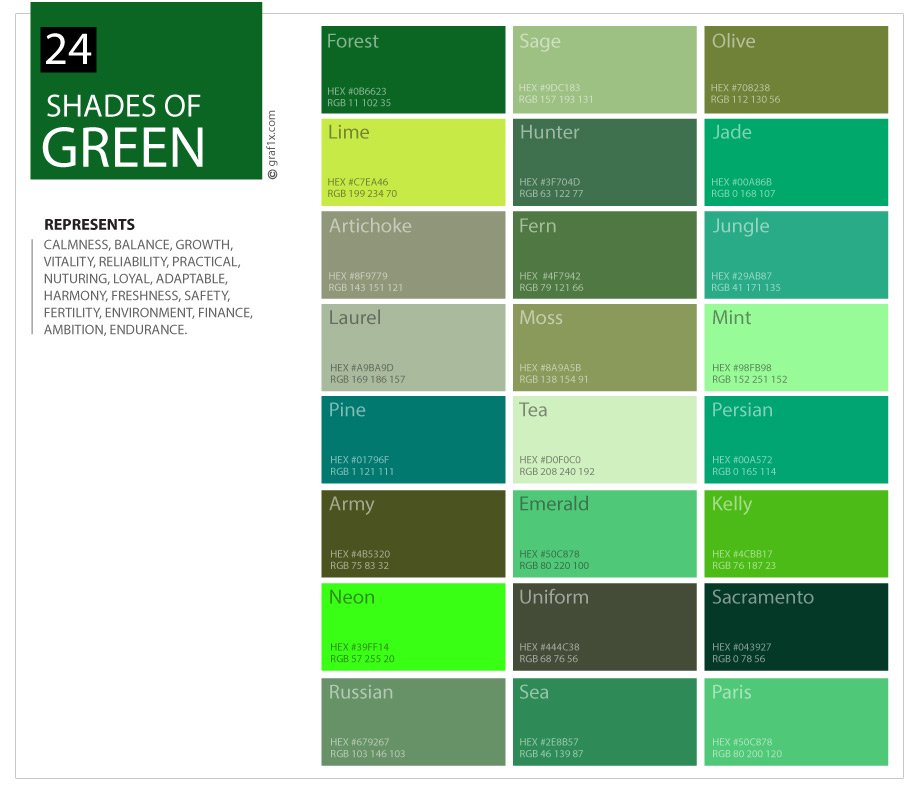
24 Shades of Green Color Palette | graf1x.com


————————————————————————–

From Zev Sero

Leeks are of course green.

In lashon Torah ירוק means green.  But in leshon Chazal it means *both*

green and yellow.  They could easily tell the difference, but they only

had one word for both.  The word צהוב, which means yellow in leshon

torah and also in Ivrit, didn’t exist in their language.  So they

distinguished between the two meanings of ירוק by saying ירוק ככרתי,

yarok like leek, or ירוק ככרכום, yarok like saffron.   An esrog has to

be yarok like saffron, and not yarok like leek.

Green Lung Images, Stock Photos & Vectors | Shutterstock

The gemara in Chulin starts out saying that a lung that is ירוק is

kosher, but not if it looks like an egg.  So what kind of ירוק lung is

kosher?  One that is like leek. In other words green is kosher but

yellow is treif.

Note also that the Mekubolim often talk of gold as being אדום.  It’s

Classic 14K Red Gold Three Stone Black Diamond Solitaire Engagement Ring Wedding Ring R200-14KRGBD | Caravaggio Jewelry

true that some gold does look red because of impurities, but it’s more that they didn’t have a word for “yellow”, so they called it אדום and associated it with gevurah.   This is helped by the fact that gold is

also called כתם in Hebrew (as in הכתם הטוב, or  כתם טהור פז דמות ראשו),

and of course we automatically associate כתם with כתמים, which are red…

But they may also have been influenced by medieval poetry which

described gold as “red”

https://earthandstarryheaven.com/2016/07/06/red-gold/


Homer described the sea as “wine-dark” and many scholars broke their

heads trying to explain what he meant by that.  See

https://en.wikipedia.org/wiki/Wine-dark_sea_(Homer)


But according to a friend of mine who’s spent some time in Greece:

“If you go to Greece and look at the sea, from a boat, the deep sea, not

just offshore, you will find that it is a very unique colour, unlike

anything else but in fact undeniably “wine-dark”. Patrick O’Brian is

wrong about this, wine-dark sea isn’t sea the colour of green white

wine. It’s a particular shade of blue which is the same shade, though

not the same colour, as dark red wine. It’s unmistakable. I’ve only

ever seen this in the Aegean, but the reaction of everyone I’ve ever

pointed it out to has been “Oh yes. Wine-dark sea.” It’s a purely

descriptive term.”


As for different languages perceptions of colours, consider that we

English-speakers easily distinguish pink from red, and don’t think of

them as shades of the same colour at all.  Likewise we don’t see orange

and brown as shades of the same colour.  And yet when we look at the

colours that in Ivrit are called כחול and תכלת, which native

Hebrew-speakers think of as completely separate colours, we see two

shades of the same colour.


Russian-speakers also see them as two completely different colours.  A

study was done comparing the ability of native English-speakers and

Russian-speakers to distinguish different shades of blue; they were

shown three blue squares, two of which were the same and one was

different.  Russian-speakers were quicker to pick the odd one out,

presumably because their language wired their brains to distinguish the

shades more easily.   https://rdcu.be/cDeBD


On the whole topic of colour names, see

https://en.wikipedia.org/wiki/Linguistic_relativity_and_the_color_naming_debate


According to this theory:

  1. All languages contain terms for black and white.
  2. If a language contains three terms, then it contains a term for red.
  3. If a language contains four terms, then it contains a term for

either green or yellow (but not both).

  1. If a language contains five terms, then it contains terms for

both green and yellow.

  1. If a language contains six terms, then it contains a term for blue.
  2. If a language contains seven terms, then it contains a term for

brown.

  1. If a language contains eight or more terms, then it contains

terms for purple, pink, orange or gray.


It seems that Chazal were at stage 3, while the Torah was at at least 4

but probably 6, because the word חום appears in the Torah, which seems

to mean “brown”, as it does in Ivrit.  If so it’s odd that no word for

“blue” appears.  (תכלת and ארגמן and שני in the Torah are not colours,

but names for dyed wool. So Moshe Rabbenu could describe the colour

purple by saying “the same colour as ארגמן”, but he had no word for the

colour itself.)


Shiur Sukkah 30b-31a 12/5/21

BSD

Sukkah 30b- 31a

Teves 3, 5782. December 7, 2021

Notes in brief:

1- We continued with the instruction of Rav Huna to the wholesalers when purchasing הדסים from non-Jewish farmers. In order to ensure that there is no חשש of גזילה, due to the chance that their farms lands were (perhaps) previously owned by Jews and forcibly taken away from them, he told them to instruct the farmers to cut the hadasim themselves.  

Myrtle, tall - Wholesale Flowers & DIY Wedding Flowers

We assume that the original Jewish owners were מייאש. But יאוש is ineffective for real estate. 

So the process of יאוש to be effective begins when cutting the hadasim. The יאוש is now effective since the הדסים are now מטלטלין. 

Since יאוש itself is insufficient to grant new ownership, we need another act. Their selling of the הדסים to the wholesalers is the second step. 

We called this יאוש plus. What Rav Huna suggested was, יאוש, plus the change of hands. From the farmers to the wholesalers. 

We mentioned parenthetically that although the גזלן or גנב  becomes the legal owner after the original owners were מייאש with a second step, (the item stolen had a change of location, name change or change of form) the גזלן or גנב is still obligated to pay the original owner. יאוש plus only helps that the item itself does not need to be returned. 

Selling Stolen Goods Illustrations, Royalty-Free Vector Graphics & Clip Art - iStock


2- We also discussed 2 other יאוש plus options. One was the binding of the hadasim with the lulav. That is a מעשה that could combine with יאוש to grant the new owner the status of לכם. 

How to Bind the Lulav Bundle - Sukkot & Simchat Torah

However as the Gemara says, there are two opinions if we are required to bind the lulav, hadasim and aravos together. The Halacha follows that it is not obligatory to bind them at all! 

Esrogim With Pitom - Esrog & Lulav Set (Comes with all 4 Species) – Esrog Headquarters

We do it just למצוה. But there is no obligation. 

Therefore, the binding of the hadasim with lulav is not a sufficient act to combine it with יאוש. 

3- We mentioned the מהר”ץ חיות that introduces here the concept of   מצוותו אחשביה. Meaning that a mundane action is elevated when it is a מצוה. The binding in itself is not really an act that is considered a מעשה, as it can easily be undone. Only if the binding is a חיוב would the binding be considered important enough to combine with יאוש. 

4- We spoke about the מצוה (not the חיוב) of binding the lulav. 

See here from the Alter Rebbe’s Shulchan Aruch. 621. 

 ומצוה מן המובחר לאגוד הלולב עם ההדס וערבה באגודה אחת משום נוי שנאמר זה אלי ואנוהו התנאה לפניו במצות:

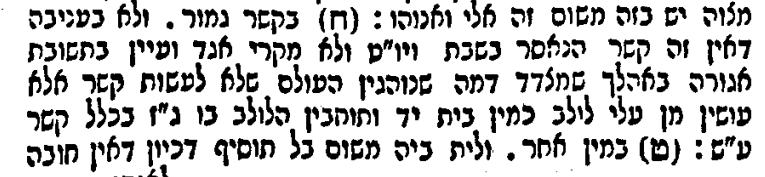
ו יש נוהגים  לעשות האגד בדרך זה שכורכין סביבות שלשה מינים אלו עד שיהיו מהודקין היטב ותוחבין ראשי הכרך לתוך עיגול הכרוך סביב שלשה מינים אלו ויש מחמירים וקושרים שני ראשי הכרך בשני קשרים זה על גבי זה וביו”ט שאי אפשר לקשרן בענין זה שהרי הוא קשר של קיימא שאינו חושש להתירו עולמית אוגדין אותו בעניבה דהיינו שעושין שתי עניבות זו על גבי זו (אבל אסור לעשות עניבה על גבי קשר כיון שאינו חושש להתירו עולמית עיין סימן (שמ”א) [שי”ז]) או שתוחבין ראשי הכרך לתוך עגול הכרך כמו שנתבאר:

As we can see, there are some who say that the binding must be completed with 2 knots! A real קשר של קיימא. Making a loop is insufficient. 

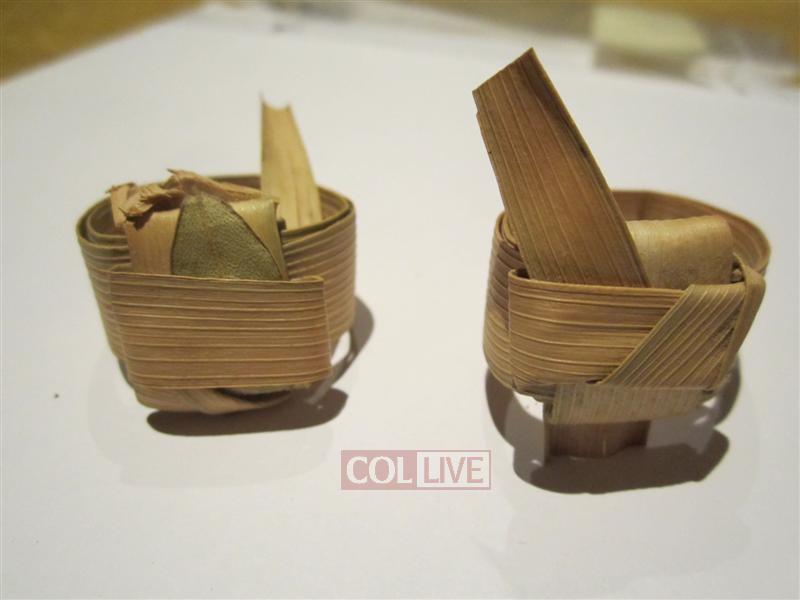
https://collive.com/lulav-rings-used-by-the-rebbe/

5- The obvious question is how people use what is commonly called Keishiklach. Since the hadasim and aravos can easily be removed, how is that אגד לולב?

Hand Woven Lulav Holder - Rabbi | Eichlers

We mentioned that some who do use the Keishiklach tie the entire bundle with a lulav leaf and knot it. 

See from the Mishna Berura where he also writes that one needs to knot it. 


Double Knot (@DoubleKnot_PHL) / Twitter

6- We continued with the interesting story of the woman who came to Rav Nachman complaining the the ריש גלותא’s henchmen stole wood branches from her and all ‘the great rabbis are sitting now in this ‘stolen Sukkah’. 

There was a certain old woman who came before Rav Nachman. She said to him: The Reish Galusa and all the Sages in his house have been sitting in a stolen sukka. She claimed that the Reish Galusa’s servants stole her wood and used it to build the sukka. She screamed, but Rav Nachman did not pay attention to her. 

She said to him: A woman whose father, Abraham, our forefather, had three hundred and eighteen slaves screams before you, and you do not pay attention to her? She claimed that she should be treated with deference due to her lineage as a Jew. 

Rav Nachman said to the Sages: This woman is a screamer, and she has rights only to the monetary value of the wood. However, the sukka itself was already acquired by the Reish Galusa.

We discussed various explanations to this perplexing story.

See Aruch Laner here and Ksav Soifer, below:. 

אר”נ פעיתא היא דא. בשיטה מקובצת פ”ק דב”מ סוגי’ תוקפו א’ בפנינו שתק ולבסוף צווח ע”ש כ’ שסבירא לי’ דוקא כיון שצווח לבסוף וחזינן דצווחן הוא ואפ”ה שתק בתחלה איכא למימר אודוי’ אודי לי’ אבל אם שתק גם לבסוף ובא לפני ב”ד לקבול לא אמרי’ אודי לי’ אלא אין דרכו וכבודו לצווח וה”נ י”ל בשעה שחטפו ממנו העצים שתקה כאלו נתרצית ליקח דמי מחירתן או להשאילן עד אחר החג ועכשיו צווחה א”כ פעיתא היא דא צווחנית שדרכה לצווח ומ”ט לא צווחה מעיקרא ע”כ אין לה אלא דמי עצים לבד:


Ari Chitrik Shiur Points