Mikvaos, Siman 201, Shiur 16 – August 13, 2019

Mikvaos, Siman 201, Shiur 16 – August 13, 2019

Shiur notes #16

Here are some notes from the past few Shiurim.

1- Seif 44-49 discuss the Halochos of Hamshocho המשכה.

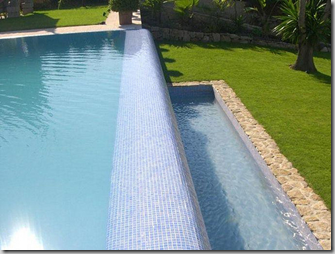
Image result for water flowing on ground

Basically, the Halochos of  שאובין (like tap water) are twofold:

A- Even 40 full סאה of it is not considered a kosher Mikva. [  פסול מן התורה according to the רמ”א or מדרבנן according to theמחבר  ]

B- מדרבנן  three Lugin of שאובין invalidates a Mikvah that lacks a full  40 סאה of מי גשמים.

That is the פסול of שאובין. To Kasher this פסול one can do זריעה, השקה or המשכה.


2-  We are discussing המשכה. In order to remove the שאובין designation, one can let this שאובין water flow, prior to its reaching the actual Mikvah, on the ‘ground’ for 3 טפחים, thereby causing the water to be considered non שאובין.

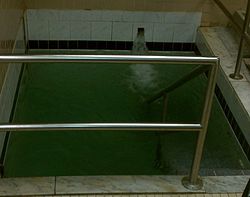
3- One can even fill up to 49% of a Mikvah with שאובין using this method (המשכה) as long as the 51% of rain water was in the Mikvah first.

A full Mikvah of שאובין using המשכה will not work.

4- We discussed the ש”ך  that quotes the ראב”ד  that if the המשכה was done unintentionally, (like a water tank – a כלי – that burst and its water ran along the ground and into a Mikvah) then it will be Kosher even if this water fills 100% of the Mikvah.

Image result for water tank leak

5- From there we learnt the ר’ עקיבא איגר  who says that he does not see this in the ראב”ד.

6- We discussed (at the BBQ) the history of the דרדעים, which were a small group of Yemenite Jews that had an issue with קבלה. See here in Hebrew.

The grandson of the leader of this sect, Rabbi Yoseph Kafia, (or Kapach) was famous for publishing lost manuscripts. He also translated the פירוש המשניות להרמב”ם from Arabic.

In the manuscript of the ראב”ד that he published it ןindeed states as the ש”ך writes.

7- We discussed the suggestion of Reb Shlomo Kluger in  regard to a particular Mikvah, to use the ש”ך’s lenience that an unintentional המשכה is good even for filling a full (100%) Mikvah by using a child to do the המשכה since קטן אין בו דעת.


8- What is the definition of letting the water run along the ‘ground’? So we have two opinions on whether this ground has to be able to absorb the water. We follow the opinion of the רמ”א  that it does indeed need to flow on ground that can absorb.

Image result for water flowing on ground

We discussed if cement is considered an absorb-able material and if it is, then how can we build a mikvah with cement. Do we use a less dense mixture of cement than the walls?

9- From here we went on to discuss the רמ”א who states that water running along a stone floor (like marble) is not considered proper המשכה. This is because marble and the like do not absorb any water.

Image result for water flowing on ground

We began with the Halocho in Eiruvin (86b) about the spilling of water inside a house or garden on Shabbos and the water flows  out to a רשות הרבים. One is permitted to do so if the area one is spilling the water in is large enough that the water may be absorbed into the ground and not necessarily run into the street. Shulchan Aruch, Shabbos 357.

Image result for water flowing out of house

The Alter Rebbe adds that this only applies when one does not spill the water with force at the perimeter of his land. By moving back into the center of the yard and then pouring the water on the ground we consider the overflow into the street  כח כוחו. However if he spills it next to gate or the border of his land then it would be prohibited. That would be הוצאה מן התורה.

In the footnotes of the Alter Rebbe’s Shulchan Aruch it says that the source to this is סנהדרין סז ע”ב.

What is the meaning of this source. At first glance there is nothing there about this topic.

10- We mentioned the letter written (Igros 19, 7-242) by the late Rosh Yeshiva of 770 Reb Yisroel Piekarski to the Rebbe. See picture here.

Reb Yisroel writes that he thinks the footnote is a typo. It should say סנהדרין ע”ז ע”ב  where indeed there is a discussion about when a person is liable for causing the death of another CV if he opens a stream of water and causes a person to drown. This rule applies only when the victim is close to the water source. If however he is far away, then the water caused his death is only כח כוחו.

The Rebbe responded that there is no typo and explains what is on page סז is applicable to this Halachah. We spoke about this at length.

11- Coming around full circle-  this Halachah, of water that can (in theory) be absorbed into the ground and therefore can be poured inside a רשות היחיד  , despite the fact that it may flow out to a רשות הרבים is even on covered ground. Such as a stone floor.

Even if the floor is marble one is allowed since we say that it can be absorbed and the water will not necessarily flow out. See there AR # 8.

12- So asks the Tzemach Tzedeks’s nephew (see shiur #14) why does the רמ”א, who is stringent here in  מקוואות, and says that marble or stone do not absorb,  lenient in הלכות שבת. He makes no mention of this in Hilchos Shabbos.


Mikvaos, Siman 201, Shiur 15 – July 10, 2019

July 10, 2019

Shiur #15. 

Some points of the Shiur. 

Image result for water wheel with buckets

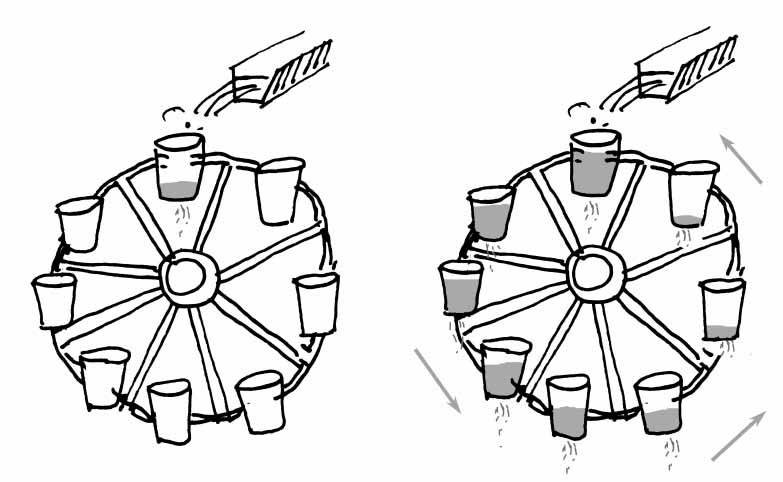
1-   A Mikvah that is filled using a water wheel. The wheel has buckets that dip into a river or a well. When the buckets flip or turn over the water spills into a pipe that leads into an empty pool/ Mikvah. 

There are two issues: 

A- The river water is 100% Kosher. When the bucket scoops it up it becomes posul. מים שאובין 

The way to correct this issue is to puncture holes at the bottom of the buckets and thus the buckets are no longer considered a כלי. 

Image result for water wheel with buckets

B- If it fills a pool with a full 40 סאה then there is no issue.

The question is: Does one need to wait until the pool/Mikvah has 40 סאה or can we consider even a half filled pool as an extension of the river since there is a continuous flow of water from the river into the buckets into the pipe and into the Mikvah. 

2- We learned the perplexing דברי חיים where he defines the concept of זוחלין. 

The author, Reb Chaim Halberstam was the founder of the Tzanz/Klausenberg/Bobov dynasty and a very respected Talmid Chochom. 

Whereas what we learned until now זוחלין means water flowing or leaking out of a Mikvah, the דברי חיים writes that in order for a Mikvah to be Kosher water can also not be flowing into the Mikvah when using it!!

In practical terms that would mean that, say, a Mikvah that is filled with tap water (then made kosher via השקה  or זריעה) the tap must be closed prior to using this  Mikvah. 

Image result for ‫ניצוק חיבור‬‎

This ruling of the דברי חיים was a topic hotly discussed by many Rabbonim which split into three groups. 

A- Follow the דברי חיים to make sure no water is flowing into the Mikvah. 

B- No need to adhere to his חומרה. 

C- That’s not what he meant at all! 

To be continued next week…


See the Shulchan Aruch and Shach below:


ואם המים באים אל הצינור על ידי כלים הקבועים בגלגל והם נקובים בדרך שלא מקרי כלי – And if the water enters the pipe via vessels fixed to a wheel and they are punctured  in a ways that they are not called vessels, מותר לטבול בהן אם יש מ’ סאה במקוה (מרדכי הלכות נדה בשם רוקח) – one may immerse in them if they have 40 seah in the mikvah   אבל אם אין בה מ’ סאה, אין לטבול שם דלא מקרי חבור לנהר ע”י זה ועיין בא”ח סימן קנ”ט (ב”י ס”ס זה ולא כרוקח) – but if they do not have 40 seah, one may not immerse in them as they are not considered attached to the river via this, and see Orach Chaim chapter 159.


Here is the Shach: 

(פ) ואם המים באים כו’ בגלגל כו’.

ז”ל ד”מ – These are the words of the D”M   כתב המרדכי על הגלגל המגלגל מים ובגלגל קבועים כלים קטנים נקובי’ ככונס משקה – The Mordechai writes: Concerning a wheel which turns by/with water, and in the wheel there are small vessels, hollowed out like the amount to allow liquid to spill in/out  וכשהגלגל מתגלגל מתמלאים הכלים קטנים ושופכים כו’ – And as the wheel turns the small vessels fill and then spill out כ’ הרוקח דמותר לטבול בענין ההוא אפי’ אין כאן שיעור מקוה – The Rokeach writes that one may immerse this way, even if there is not the valid amount for a mikvah  דכיון שהמים עולים תמיד הוי חיבור אע”ג דאין הכלים נקובים כשפופרת הנאד – Since the waters are constantly going upwards, it’s as if it’s connected. Even though they don’t have holes like a shfoiferes hanod כיון דהמים צפים על פני הדולה מכאן ומכאן הוי חיבור ואינן פסולים משום שנשאבו בכלים – Since the water are floating to the brim it’s considered connected, and not invalid because they’re in vessels. דהרי הכלים נקובים ככונס משקה עכ”ל – Even though the vessels are hollowed to allow liquid. ולבי מהסס עכ”ל המרדכי  – Yet my heart is hesitant…

וכתב ב”י דכל המפרשים חולקים על היתר זה דלא הוי חיבור בכה”ג לענין מקוה – The B”Y writes that all commentators argue on this leniency, as it is not considered  a valid connection in this situation.  אע”ג דהמים צפים למעלה ע”ג הדולה כו’ עכ”ל ד”מ – Even though the waters flow to the brim. These are the words of the D”M. 

ודברים אלו מבוארים בב”י ס”ס זה – And these words are also brought down by the Mechaber at the end of this siman.   ומבואר שם דאם הכלים נקובים כשפופרת הנאד פשיטא דהוי חיבור – And it is explained there that if the vessels do have a hole like a shfoiferes hanod it would obviously be considered valid as connected.  אלא דהתם לא הוי נקובים רק ככונס משקה ופשוט הוא כדלקמן סעיף נ”ב – Rather over there the commentators disagreed because it was only hollowed to allow liquid and not punctured like a shfoiferes hanod. 

ומעתה יש לתמוה על הרב שהעתיק דברים אלו שאינם אלא למ”ד שכלי שניקב ככונס משקה לא חשיב כלי – With this, we must wonder on the Ramo who wrote this leniency only according to the opinion which holds that a vessel which was hollowed liquid to spill in/out is not a veseel.    אבל הרב הא כתב לעיל סעיף ז’ דבעינן נקב כשפופרת הנאד וכן לקמן סעיף מ’ סתם כדברי הט”ו וא”כ כיון דנקובים כאן בדרך שלא מיקרי כלי) הוי חבור ג”כ וצל”ע – However the Ramo himself wrote previously that we need the hole to be punctured like a shfoiferes hanod. Therefore, over here as well, since the vessels are punctured in a way to disqualify them as vessels, it should be considered a connection.


Mikvaos, Siman 201, Shiur 14 June 04, 2019

Shiur 14

1- In the past two weeks we learned about מים שאובים that disqualifies a mikvah when the Mikvah does not have a full 40 סאה.

2- This Halacha has two conditions:

A- It must be water. Not wine or other liquids.

B- The water must be clear. Not tainted or dyed.

3- We learned that a kosher Mikvah that changes color due to an external object that was poured into the Mikvah renders the Mikvah not kosher.

Image result for wine into water

One important aspect of discoloration as opposed to מים שאובים is as follows:

מים שאובים cannot be corrected unless all the מים שאובים is somehow removed from the mikvah.

Discoloration, on the other hand, can be corrected by simply waiting it out until the water becomes clear or by adding more water.  

Image result for water into wine

4- We encountered an interesting historical dispute related to Chabad history.

The background:

A kosher Mikvah with over 40 מים גשמים,  all the waters in the world can be added and the mikvah is still kosher.

However, if it does not have 40 see’ah of מים גשמים, and a full 3 lugin of מים שאובים falls into it, the Mikvah will be  פסול forever until all the מים שאובים is removed.

Our case it about a Mikvah with less than 40 see’ah of מים גשמים that just prior to the 3 Lugin of מים שאובים were poured into it, the Mikvah changed color due to wine.

Does the Mikvah become פסול because of the 3 Lugin or not – since the mikvah into which the 3 lugin were poured, is technically ‘wine’?

The Ramo says no:

הגה: מקוה חסר שנפל שם יין ונשתנו מראיה ונפל שם ג’ לוגין מים שאובין, אינן פוסלין וכשחוזר והשלים המקוה במים כשרים וחזרה למראה מים, כשרה (ב”י בשם התוספתא בשם הראב”ד) –

Translation: A mikvah that has less than 40 seah into which wine fell in and changed its color and then 3 lugin of drawn water fell in, it does not invalidate it, and when then adds new water and completes the mikvah with kosher water and it returns to the color of water, it is valid.

Meaning, a mikvah that was discolored by wine, is not kosher. We view the liquid to have been transformed from water to wine.

So now we have a Mikvah that did not have a full 40 seeah of מים גשמים and the wine discoloration turned it into a  ‘wine Mikvah’.

Image result for pool of wine


Now 3 lugin of מים שאובים was pured into this “Wine Mikvah’.  If the Mikvah would have been a ‘water Mikvah’ then this Mikvah would be פסול as we learned previously. However in our case, nothing happened because the 3 Lugin of  מים שאובים fell into wine! Not water.

So now we have a wine Mikvah that can be Kashered by simply adding more water until we reach a full 40 סאה of water (The new water plus the original water before the wine was poured into it) and the Mikvah turns back into clear water.

Image result for pouring water

In essence what the Ramo is saying is that מים שאובים that is poured into this ‘wine’ is not considered as anything wrong. מים שאובים is only a problem when it is poured into water – not into ‘wine’.

So far so good.

5- So if water מים שאובים that falls into wine is viewed as if nothing happened, what happens if the Mikva starts with מים שאובים and then we pour wine into it. Does the wine change the מים שאובים into ‘wine’ and then all need need to do is add enough water to bring the color back to normal.

Perhaps not, because it only works if the wine came before the water and not the other way around.

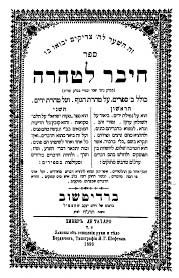
6- We discussed the lineage of Reb Mordechai Dov Twerski who was a nephew of the Tzemach Tzedek. His book on Mikvous. חיבר לטהרה

Good book by one of his grandchildren.


Image result for dr twerski, touro

Aaron Twerski, scion of the Twerski  dynasty

7- We spoke about the issue at hand- the fear that when cleaning a Mikvah, 3 lugin of water from a pail or mop was left at the bottom of the Mikvah . Adding rainwater would not be of any help, as above, unless we are certain that the little amount of שאובין water has been removed.   [Ze’ria will not help. This is one of the reasons why they usually added a בור השקה].

So the suggestion was to pour wine into this clean Mikvah! If there were any remnants of שאובין water leftover from the cleaning, it would turn into wine!

Reb Mordechai Dov Twerski writes (page 13) that he heard that Reb Levi Yitzchok the Rov of Barditchov allowed it.

But, adds Reb Mordechai, my uncle…..

8- The Tzemach Tzedek Y”D 173 writes that this will not work.

Addendum: Special Thanks to Yisroel Mockin

Reb Moshele

Attached is a copy of Rabbi Chaim Dalfin’s book pertaining to Reb Nochum Schneersohn, his son Reb Mordechai Dov, and Reb Mosheleh Twerski.


Reb Nochum, the only son of the Mitteler Rebbe, married his niece, the Tcherkaser’s daughter (B’zivug Sheni). They had a son Reb Mordechai Dov, who wrote the Tshuva in his Sefer “Chibur L’tahara”, discussed in this Shiur.


So, Reb Mordechai Dov was:

  1. A direct grandson of the Mitteler Rebbe from his Father’s side (The Mitteler Rebbe – Reb Nochum – Reb Mordechai Dov). The reason his last name was Twersky was because he took his mother’s maiden name since his grandfather, The Tcherkaser, didn’t have any boys.
  2. A grandson of the Tcherkaser from his mother’s side, making him a nephew of the Tzemach Tzedek.


Reb Mordechai Dov’s son was Reb Mosheleh Schneerson from Eastern Parkway. (Reb Mosheleh added back the name Schneerson when he came to America. He was called Schneerson-Twerski)

So Reb Mosheleh Schneerson was parallel in generations to the Rebbe Rashab, 4th generation Ben Achar Ben from the Mitteler Rebbe.

Mikvaos, Siman 201, Shiur 13 5/14/19

Mikvaos, Siman 201, Shiur 13

May 14, 2019

1- We learnt the next Seif, 19 –

Mechaber 19

שתי מקואות שאין בשום אחת מהן מ’ סאה, ונפל לזו לוג ומחצה ולזו לוג ומחצה ונתערבו ב’ המקואות, – Two mikvahs in which neither have 40 seah, and 1½ lug fell into one and another 1½ lug fell into the other, and then the two mikvahs mixed.  הרי אלו כשרים מפני שלא נקרא על אחד מהם שם פסול – they are kosher because neither one has been called invalid.

Image result for water pouring into water

אבל מקוה שאין בו מ’ סאה, שנפלו לתוכן ג’ לוגין מים שאובין ואחר כך נחלק לשנים, וריבה מים כשרים על כל אחד מהם, הרי אלו פסולין – However, a mikvah that does not have 40 seah, that had 3 lugin of drawn water fall in it and afterwards split into two, and more kosher water was added to each of them, they are invalid.

2- We began to learn 3 Seifim which discuss the Kashering of a Mikvah that is פסול.

The central point is as follows:

If a Mikvah is not Kosher, due to מים שאובים, then adding rain water to it, even an enormous amount, does not make it Kosher. Period.

Image result for rain water

The only way it can become Kosher is if we remove the invalid water, either by drawing it out or by adding more water causing the Mikvah to overflow. So only if the original water is drawn out  or displaced by the rain water does the Mikvah become Kosher.

Image result for rain water overflowing

But, if we add water, and the Mikvah overflows, how do we know if the ‘old’ water has been removed? Does not the ‘new’ water mix with the ‘old’ and both flow out?

Example: a Mikvah that has a capacity of exactly 40 סאה . One filled it almost entirely with מי גשמים. So there is less than 40 סאה . He then throws into the Mikvah 3 lugin of tap water and thereby rendering the entire water in the Mikvah as פסול.

He can of course empty it……thank you Yankel….

The only way to Kasher by adding more מי גשמים is when are sure that the entire original water is displaced and that 40 סאה of the new water remains.  

Image result for colored water into water

So, say he pours 50 סאה of clean מי גשמים. That will cause 50 סאה to overflow.

So now we have 4 options on how we can view this 50 סאה that overflowed:

1- The entire original 40 flowed out plus 10 of the new. So the Mikva is Kosher.

2- The entire 40 of the new water flowed out and just 10 of the old. Not Kosher, since there is no 40 סאה  of rain water remaining. .

3- Half and half. 25 of the new and 25 of the old. Not Kosher, since there is no 40 סאה  of rain water remaining. .

4- Proportionally. 40 old vs 50 new. That 5/4 . Meaning that 44% of the old and 66% of the new flowed out. Not Kosher since there is no 40 סאה  of rain water remaining. 

We mentioned a similar concept from the business world as to how one tracks the cost of sold inventory.

Known as the LIFO and FIFO principle. See here.

Image result for fifo lifo

So in some cases the Chachamim established that we can assume that the first water to leave the Mikvah is only the old water. Option 1 above


3- Here is the fist Seif.


סעיף כ

Mechaber

בור שהוא מלא מים שאובים והאמה נכנסת לו ויוצאה ממנו, לעולם הוא בפסולו עד שיתחשב שלא נשארו מהשאובים שהיו בבור שלשה לוגין –  A pit that is filled with drawn water and an aqueduct comes in and goes out of it, it is always invalid until it is calculated that there is not three lugin of the original drawn water left in the pit.


Notice that the Mechaber did not say how to calculate. See the next Seif.


We will learn more about this next week IY”H.


4- Here is the next Seif:


סעיף כא

Mechaber

מקוה שנפל לתוכו מים שאובים ונפסל, ואחר כך ריבה עליו מים כשרים עד שנמצאו הכשרים מ’ סאה, – A mikvah into which drawn water fell and invalidated it, and afterwards kosher water was added to it until the kosher water amounted to 40 seah, which would ostensibly make it a kosher mikvah as it now has 40 seah of kosher water הרי הוא בפסולו עד שיצאו כל המים שהיו בתוכו ויפחתו השאובים פחות מג’ לוגין. – It is nonetheless still invalid. Since it still contains in it the invalid water, and thus, until all the invalid water is taken out and the drawn water is reduced to less than 3 lugin. If the original mikvah had 39 seah + 3 lugin we must now remove 39 seah + a little – thus, in total we would have the kosher 40 seah and less than 3 lugin

 וכן אם עשה מקוה שיש בו  ארבעים סאה מים כשרים, ועירבו עם המקוה הזה הפסול, טהרו אלו את אלו (וה”ה במעין כל שהוא שהמשיך אליו השאובין, נטהרו כמו שנתבאר לעיל) – And likewise if one made a mikvah of 40 seah of kosher water, and it mixes with the water of the invalid mikvah, it purifies it (and the same thing is with a spring of any size that ran into the drawn water, it purifies them as was explained above).

Image result for bucket in empty pool

5- Now that we established that if there are 3 lugin in an empty Mikva then adding מים שאובים to will never Kasher it, we can understand why a Mikva needs to be totally dry after it is cleaned.

Moreover, it is the reason why Kashering a Mikvah just with זריעה is not advisable as we discussed at length.


Mikvaos, Siman 201 Shiur 12, 5/7/19

Shiur 12

May 7, 2019

1- We continued to learn the second half of סעיף ט”ו.

Here begins the Sugya of  שלשה לוגין. The basic concept is that in order to drive the point that only a proper Kosher Mikvah achieves טהרה, and not a ‘shower’ or ‘bath’, the חכמים enacted various גזירות concerning מים שאובים.

The most famous one is that by just entering a pool of water that is not a proper Mikvah renders someone טמא!  Ditto when taking a shower.

In our case the גזירה concerns a Mikvah that does not have full 40 סאה. If one puts in 3 Lugin (which is about a quart), of מים שאובים the Mikvah becomes פסול. So even if a Mikvah is missing a drop less that the full 40 סאה, adding the 3 Lugin spoils this Mikvah. (We will learn later on on how to remedy this situation).

Image result for pouring a gallon of water

2- Here is the Shulchan Aruch:

אבל כל זמן שאין במקוה מ’ סאה, אפילו אם אינו חסר אלא כל שהוא, אם נפלו לתוכו ג’ לוגים מים שאובים, פסלוהו – However, any time that a mikvah does not have 40 seah, even if it is missing an infinitesimal amount, if 3 lugin of drawn water fall inside, it invalidated the Mikva. 

לא שנא שאבן בכלי, לא שנא סוחט כסותו והגביהו והמים שבה נופלין ממקומות הרבה (רמב”ם פ”ה;  – It does not matter if the drawn water is from a vessel, or if one squeezes one’s clothing above the Mikvah and the water drips from many places;   וכן המערה מהצרצור ומטיל ממקומות הרבה לתוכו, או שזרקם בחפניו, ואפילו נפלו בו משני כלים או משלשה, מזה מעט ומזה מעט, מצטרפין – and the same ruling will also apply if one pours from a watering pot and it pours from the many holes into the Mikva, or it is thrown with his hands, and even if it is dropped from two or three pots, a little from this one and a little from that one, they combine to invalidate it with 3 lugin.

Related image

3- We discussed the case when  “one squeezes one’s clothing above the Mikvah and the water drips from many places”. Is the issue here שאובין or is the issue that this Mikvah was created via ‘the hand of a human’?  

4- What is a צרצור? Some say it is a garden watering can.

Related image


5- We mentioned the Mishna in כלים 2, 6. Where a vessel called Titrus is mentioned.  טִיטְרוֹס

What is a Titrus? Jastrow translates it: a perforated vessel, sprinkler, strainer.

We mentioned the Rambam who says that it is a vessel that has one hole on the top and many holes on the bottom. To use it one dunks the entire Keli into water. He then places his finger on the top hole thereby causing the water not to leak out of the bottom.

Image result for kiddush distribution

6- Not to be confused with the Greek word Tetris which is a prefix for the number 4. Hence the name of the Tetris game which derived its name from Tetris since all the shape configuration have four squares.

Image result for tetris

We continued to learn Seif 16-19

סעיף טז

Mechaber

הספוג שבלועין בו ג’ לוגין וכשנפל למקוה נתערבו המים הבלועין עם מי המקוה, – A sponge that absorbed 3 lugin and when it fell into a mikvah the absorbed water mixed with the mikvah waters, וכן דלי שפיו צר ובו ג’ לוגין מים שאובין ונפל למקוה ולא יצאו כל המים שבתוכו אלא נתערבו עם מי המקוה, – and Likewise a bucket that has a narrow opening that contains 3 lugin of drawn water that fell into a mikvah and not all of the water that was in it came out but it mixed with the mikvah water, לא פסלוהו  –  It is not invalid   שלא אמרו אלא שלשה לוגין שנפלו ונתערבו כולם עם מי המקוה – Because we only say that the mikvah is invalid if/when 3 lugin of drawn water fall in and mix entirely with the mikvah waters.

סעיף יז

Mechaber

מים שאובין שהיו בצד המקוה, אע”פ שהמים נוגעים במי המקוה, לא פסלוהו – Drawn water that was on the side of the mikvah, even though this water touches the mikvah water, it does not invalidate it.

סעיף יח

Mechaber

שתי בריכות זו למעלה מזו וכותל ביניהן ואחד מהן מלאה מים כשרים וחבירתה מלאה שאובין ונקב ביניהם – Two pools one on top of/next to the other and they are separated by a wall, one filled with kosher water, however less than the requisite 40 seah, the other with drawn water and there is a hole between them,  אם יש כנגד הנקב שלשה לוגין מים שאובין, נפסלה. – If there is 3 lugin of water against the hole, they are invalid.  כמה יהא בנקב ויהיה בו שלשה לוגין, אחד משלש מאות ועשרים לבריכה – How much is needed in the hole for it to have 3 lugin? 1 in 320 to the pool.

1 Seah = 6 kav = 4 lugin

40 Seah = 960 lugin

960/3 = 320th of 40 Seah = 3 lugin

Mikvaos, Siman 201 Shiur 11, 04/30/2019

BS”D

Shiur 11- April 30, 2019

1- We began to learn Seif 15.

The fist part discusses the ‘power of a Kosher Mikvah”. Meaning that a proper Mikva –  [whether made Kosher by being a מעין  (even with just a trickle of water, כל שהוא) or 40 סאה  of rain water] – cannot become פסול by adding more water- even מים שאובים. This rule applies even if the מים שאובים that is added is by far greater in volume than the original amount of water that was in the Mikvah.

Here is the Shulchan Aruch:

סעיף טו

Mechaber

מקוה שיש בו ארבעים סאה, ומעין כל שהוא, יכול לשאוב כל מה שירצה ליתן לתוכה והם כשרים, אע”פ שהם רבים על המים שהיו בתוכה תחלה – A mikvah that has 40 seah, and a spring of any size, one may pour any amount of drawn water into them and they are kosher, even though the quantity is greater than the water originally in there.

Image result for pouring alot of water into a small pool

2- So now we have a Mikvah that began with, say, 40 סאה  of rain water. Then one added 1000 (or more) סאה of tap water, this Mikvah is 100% Kosher.

Note: If one begins to take out water from this Mikvah, it becomes an issue, as we discussed in the past and will learn more about in the future.

Now, what happens if this Mikvah overflows into another pool? The Halachah is that this pool is considered a proper Mikvah.

Image result for pool overflowing to another pool


3-The above is true if the original Mikvah is one with מים גשמים.  

What about a spring – a מעין? For example a well, that had water flowing at the bottom and one added 1000 gallons to raise the water level. Is this well is a proper Mikvah with all the properties of a מעין?

The Halachah is that it is not 100% a מעין. It would not be Kosher if it begins to overflow and its water is still flowing out of the second pool. – זוחלין.

Here is the ש”ך.

ש”ך

מא) והם כשרים

ואם הלכו אותן המים שהשליכו במעיין למקום חסר שלא היה בו כלום יש מתירים ג”כ לטבול בו עכ”ל רבינו ירוחם ומביאו ב”י – The Beis Yosef quotes Rabeinu Yerucham – That if after adding drawn water to a mayan this water then continued to fill an empty pit/hole that previously had nothing inside. There are those who validate it for immersion.  ומשמע דיש אוסרים והלכך טוב להחמיר – However it seems that there are those who invalidate it and therefore it is best to be stringent.

 מיהו נראה דדוקא במקוה חסר שלא היה בו כלום – However, it’s only best to be stringent when the pit/hole was completely empty beforehand  אבל במקוה חסר כל שהוא יותר ונשאר שם כ”א סאין אינו פוסל המקוה לכ”ע דרובא בהמשכה כשרה כדלקמן סעיף מ”ד – But if it was only a mikvah missing an small amount and there was at least 21 seah  it does not invalidate it according to all opinions as the majority was done through hamshacha that was kosher. As will be explained later in Seif 44:

Image result for water flowing along ground into pit

4- So the overflow of this מעין is פסול בזוחלין. What about the other property of a מעין  which is that it does not need to be at least 40 סאה?  

That is the topic of the next ש”ך. He quotes sources that for טבילת כלים,  this מעין can indeed be used even if it has less than 40 סאה. So what we have is a new category of מעין.  

זוחלין: no.

כל שהוא : yes!


מב) אע”פ שהן רבים כו

וכתב ב”י בשם הרמב”ם והרא”ש מיהו נתבטל מהמעיין דין זוחלין אלא מטהר באשבורן דוקא – The Beis Yosef writes from the Ramba”m and Rosh – Although adding drawn water does not invalidate the mayan, in one regard it nonetheless cancels as a mayan – to validate immersion while in motion. Whereas a mayan is kosher while moving, this mayan only purifies when stationary.    וכ”כ הב”ח לדעת הטור וכ”כ בד”מ לדעת הטור ומביאו בהגהת דרישה סעיף כ”ה וכבר ביאר זה הרב בסעיף י”א – And so too the Bac”h writes in the name of the Tur and the Drisha brings it as well. As the Ramo already previously clarified in seif 11.


So now the question is why doesn’t the Shulchan Aruch mention this leniency of טבילת כלים not requiring 40 סאה? So the Sha”ch says something that is very fundamental – he answers that all of הלכות מקוואות are only referring to the Halachos of טומאה וטהרה. And since these Halachos are not practiced these days, there is no need to mention that כלים can be immersed in such a מעין that has less than 40 סאה.

Image result for ‫טבילת כלים‬‎


However, טבילת כלים  for dishes and pots purchased from a non-Jew that requires a Mikvah immersion one does indeed need 40 סאה even in a well or spring- מעין!! As is mentioned in Shulchan Aruch Y”D 120.

Here is the Sha”ch.

ומ”מ מבואר דדין מעיין עליו לטבילת כלים בכל שהוא  – However it is regarded as a mayan to validate immersion for vessels with any amount, even less than 40 seah

והמחבר לא ביאר זה דהוי מעיין לטבילת כלים בכל שהוא וכן בכמה מקומות בסימן זה כגון בסעיף ב’ וסעיף ה’ וסעיף י’ וי”א ושאר מקומות היה לו לבאר ולא ביאר – Yet the Mechaber did not explain this ruling in regard to vessels, [which he should have] neither here nor in many places in this siman even when discussing this topic such as in seif , 5, 10, 11  והיינו משום דכיון דטומאה וטהרה אינו נוהג בינינו לא שייכא טבילת כלים האידנא – Because the laws of purity are not practiced by us, therefore there was no need to discuss laws regarding immersing vessels.

 ובכלים הנקחים מן העובדי כוכבים באמת קי”ל דצריך ג”כ מ’ סאה כמו אדם כמו שנתבאר בריש סי’ ק”כ ע”ש – And vessels that are purchased from gentiles need 40 seah just as with humans. As was explained in siman 120 see there.

Image result for market pots and pans

5- We learnt the text of the Shulchan Aruch Y”D 120.

הקונה מהעובד כוכבים כלי סעודה של מתכו’ או של זכוכית או כלים המצופים באבר מבפנים אף על פי שהם חדשים צריך להטבילם במקוה או מעיין של ארבעים סאה (טור בשם סה”מ ועב”י): הגה י”א דכלים המצופים באבר אפילו בפנים יטבול בלא ברכה (ב”י בשם סמ”ק וארוך) וכן נוהגין:

One who acquires from an idol worshiper a meal vessel of metal or glass or vessels or covered in lead from the inside – even though they are new one must immerse them in a mikvah or a stream that is forty se’ot. GLOSS: There are those who says that vessels that are covered in lead even on the inside are immersed in a mikvah without a blessing, and this is our custom.

6- We discussed the pronunciation of the word אבר (Avur) and  מתכות (Matuchos).

We learned the Ta”z that explains the reasoning that we need to טובל  glass.

From there we digressed to the famous Machlokes between the Sefardim and Ashkenazim in regards to glass. Whereas the former hold that it is never בולע and the latter that it can never be Kashered!

We also discussed the properties of the new invention of Stainless Steel – invented in 1913 – which perhaps is not בולע.

Image result for stainless steel pots

See here Orach Chaim 451.

כלי זכוכית אפי’ מכניסן לקיום ואפילו משתמש בהם בחמין אין צריכים שום הכשר שאינם בולעים ובשטיפה בעלמא סגי להו. הגה ויש מחמירים ואומרים דכלי זכוכית אפי’ הגעלה לא מהני להו וכן המנהג באשכנז ובמדינות אלו (סמ”ג ואגור) וכן כלי כסף שיש בתוכן התוך זכוכית שקורין גשמעלצ”ט אין להגעילו אבל מבחוץ אינו מזיק. (תה”ד סימן קלב):

…Glass containers, even if one put [chametz] inside for an extended amount of time, and even if they are used with hot food, do not need any kashering, because they do not absorb. Normal washing is sufficient for them.

Image result for metal pot in glass pot

Rem”a: There are those who are stringent and say that even scouring does not work for glass objects, and such is the practice in Ashkenaz and in in these lands (Sma”k and Agur). Silver objects that have glass lining inside called “gishmaltzt” should not be scoured, but if it is on the outside, it does not damage [the kosher status of] the object (Trumat HaDeshen chapter 132).


Mikvaos, Siman 201, Shiur 10 04/03/2019

Mikvaos, Siman 201, Shiur 10

March 03, 2019

1- We went through many topics, here is a brief recap.

In Seif 11 the topic was when a מעין touches a pool of מים שאובים. This connection changes the status of the pool into a מעין. Similar to the way most מקוואות have been built in the last few hundred years. A בור  of מים שאובים is ‘kashered’ by touching a בור of מי גשמים. Thus the בור turns into a kosher mikvah.


2- Seif 12 spoke about a מעין that flows over the back of a כלי. Another topic was the prohibition of not טובלין while standing on a כלי, due to the concern that one may come to טובל in the כלי.
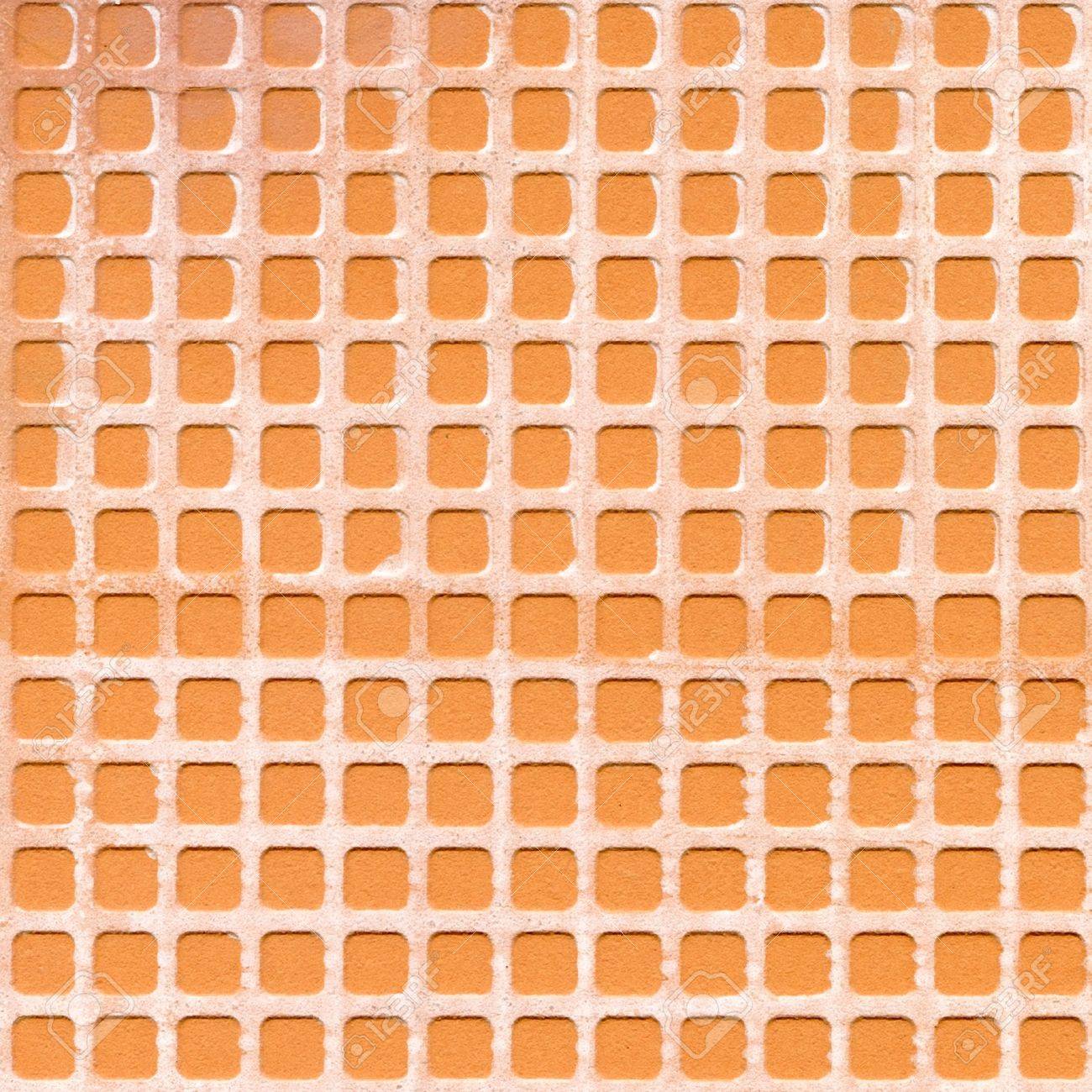
Image result for back side of tile

back side of ceramic tile

We discussed the history of placing ceramic or marble tiles on the walls and the floor on a mikvah. When these tiles arrived in Europe about 200 years ago the issue was raised because of the grooves on the back of the tiles. If the groove can hold water then that side of the tile is considered a כלי. So when these tile are placed on the floor of the mikvah then the person standing on them is standing on the back of a כלי!
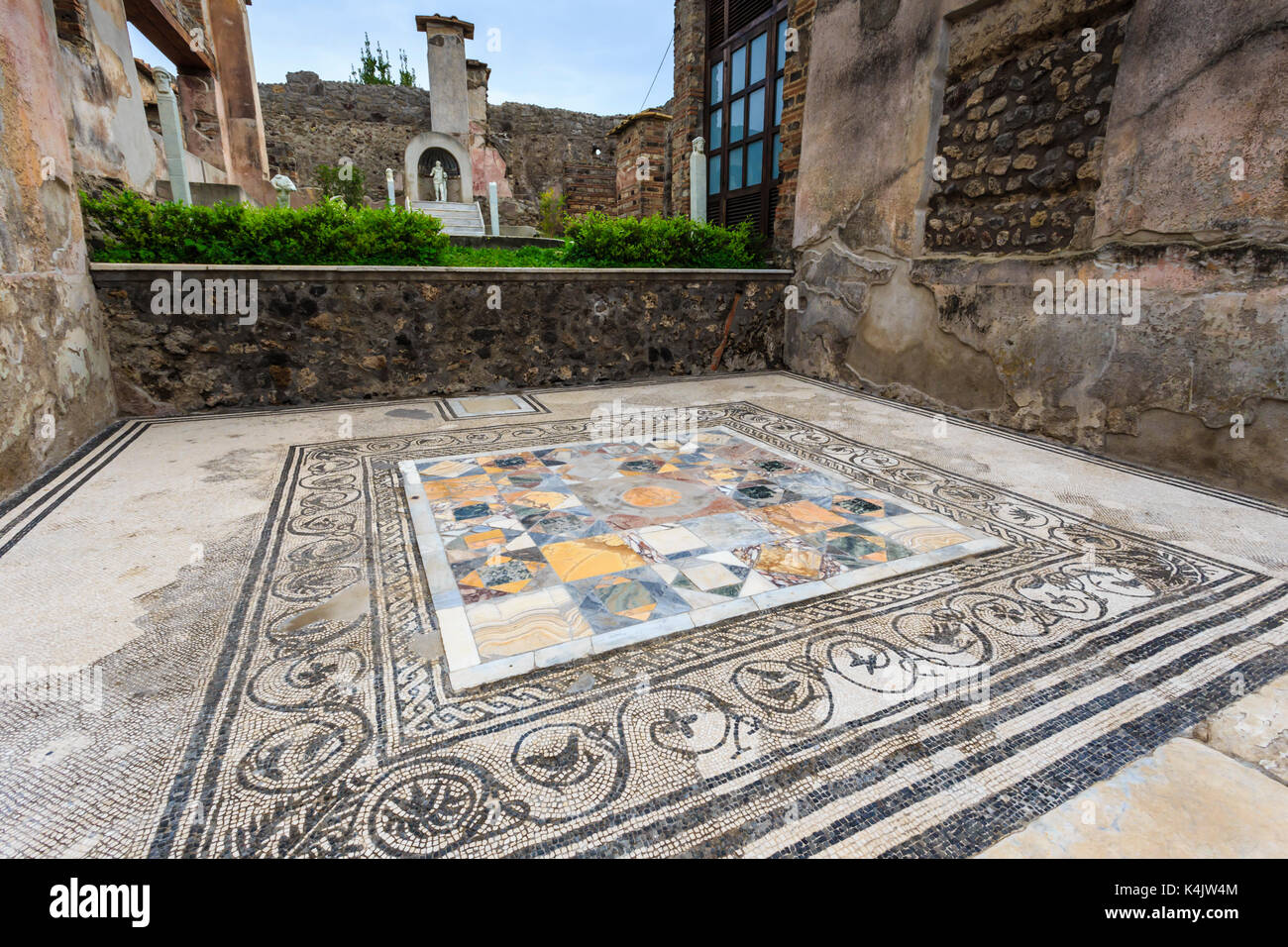
Image result for pompeii houses tile

ancient Italian  tile

Some  Poskim had no issue with this at all. And here they introduced a Halocho from Hilchos סוכה.

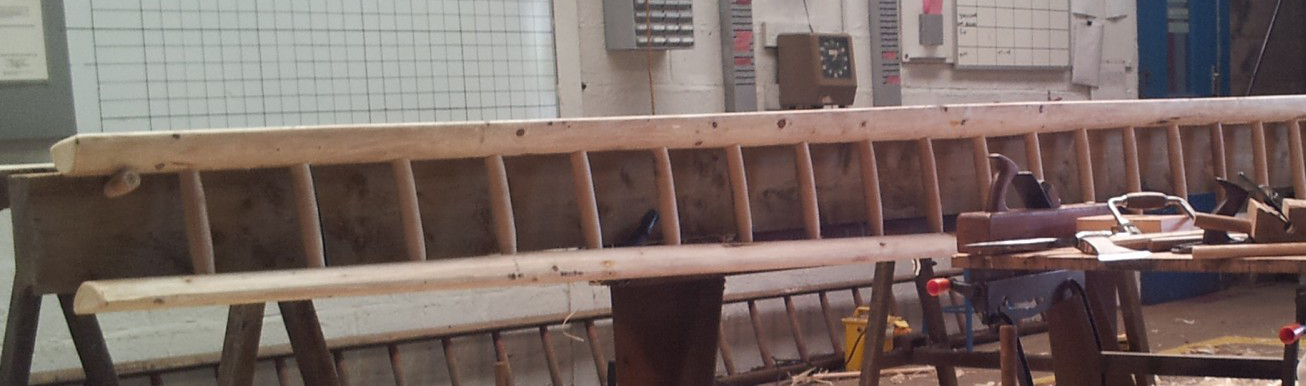
One cannot use any item that is a כלי  for סכך. Now a ladder is not considered a כלי since its side poles and rungs have no בית קיבול.  Meaning they cannot hold anything, such solids or water since they are flat pieces of wood.

Image result for bamboo window shades

Nevertheless some say one should not use a ladder as סכך . Why? Because the rungs were put into holes drilled into the beams (sides) of the ladder. The holes therefore designate the ladder as a כלי.

See here from the Alter Rebbe’s Shulchan Aruch. 629, 11. 


A ‘holeless’ ladder

But others responded since the holes were only hollow temporarily, and more  so, the holes are intended to be filled by the rungs. Therefore the entire ladder is not a כלי.

Based on the above, because the grooves on the tiles are made specifically to be filled with cement or plaster they are not to be designated as proper holes and a כלי.

Image result for butter backing tile

The short of it is that despite the above tiles used today have no grooves or lettering on the back of the tile.

3- From here we moved on to Seif 13 – concerning the plugging of a hole with something that is מקבל טומאה. Then to Seif  14 and 15 and the issue with 3 Lugin that fell into a Mikvah that has less than 40 So’h.
Image result for ‫שלשה לוגין מים ‬‎

We learnt the Mishnah in  עדיות concerning the three way Machlokes about the amount of מים שאובים that renders a Mikvah (that does not have 40 So’h) to be פסול.

Here is the Mishnah.

Mishnah Eduyot 1 ,3

הלל אוֹמֵר, מְלֹא הִין מַיִם שְׁאוּבִין פּוֹסְלִין אֶת הַמִּקְוֶה, אֶלָּא שֶׁאָדָם חַיָּב לוֹמַר בִּלְשׁוֹן רַבּוֹ.

Hillel says: A full hin [a measure equal to three kabin] of drawn water renders a ritual bath unfit. One is obligated to transmit [oral traditions] in the language of his master [which explains why Hillel talks of hin and not kav units.

וְשַׁמַּאי אוֹמֵר, תִּשְׁעָה קַבִּין. Shammai says: Nine kabin.

וַחֲכָמִים אוֹמְרִים, לֹא כְדִבְרֵי זֶה וְלֹא כְדִבְרֵי זֶה,  But the Sages said: Not like the words of [Hillel] and not like the words of [Shammai],

אֶלָּא עַד שֶׁבָּאוּ שְׁנֵי גַרְדִּיִּים מִשַּׁעַר הָאַשְׁפּוֹת שֶׁבִּירוּשָׁלַיִם וְהֵעִידוּ מִשּׁוּם שְׁמַעְיָה וְאַבְטַלְיוֹן, שְׁלֹשֶׁת לֻגִּין מַיִם שְׁאוּבִין פּוֹסְלִין אֶת הַמִּקְוֶה, וְקִיְּמוּ חֲכָמִים אֶת דִּבְרֵיהֶם:

Until two water drawers came from the dung gate in Jerusalem and testified in the names of Shama’ya and Avtalion: Three logim [a measure equal to a quarter of a hin] of drawn water render a ritual bath unfit; and the Sages upheld [Shama’ya and Avtalion’s] words.

  • 6 Eggs (Beitza) = 1 Lug .   4 Lug = 1 Kav.   6 Kav = 1 Se’ah.   3 Se’ah = 1 Eiphah
  • 1 Hin = 12 Lug or 3 Kav

4- We discussed the  various explanation on what the meaning of ‘One is obligated to transmit [oral traditions] in the language of his master’.

The Rambam’s peshat is that Shmaya and Avtalion being that they were גרים could not pronounce the letter ה. So when saying HIN they would say IN. Hillel, despite being able to pronounce it properly,  would pronounce it IN!

5- The Pesahat of the Gr”o that the word מלא, seems redundant. Shmaya and Avtalion would add the word מלא because by saying IN, (instead of HIN) it would seem that they were  saying that אין מים שאובין פוסלים את המקוה!!!! They therefore added the word מלא.

מְלֹא הִין מַיִם שְׁאוּבִין פּוֹסְלִין אֶת הַמִּקְוֶה.

Hillel, who was able to pronounce HIN, did not have to add the word מלא. But when repeating his masters, Shmaya and Avtalion, he would nevertheless use the word ,מְלֹא הִין מַיִם שְׁאוּבִין פּוֹסְלִין אֶת הַמִּקְוֶה  . The reason because:   One is obligated to transmit [oral traditions] in the language of his master’.

סעיף יא


Mechaber


מקוה מים שאובים שהמשיכו עליו מי מעין, – A mikvah filled with drawn/tap water that the waters of a spring have run into   אפילו מי המעין מועטים, – even if the waters of the spring are the minority המועטים של מעין מטהרין את השאובים המרובים, – the minority of the spring purifies the majority of drawn water, בין קדמו מי מעין לשאובים בין קדמו שאובים למעין – This ruling holds true whether the spring water preceded the drawn water or whether the drawn water preceded the spring water.


הגה: כמו שיתבאר למטה; – As will become clearer below;   ומכל מקום אין לטבול בו רק באשבורן, דלא עדיף מנהרות שרבו הנוטפים על הזוחלין (מהרי”ק) – and in any case one should immerse only in the mikvah which is stationary water, as this is no better than a river in which the majority is rain water more than the flowing spring water.

——

ש”ך

לב ומ”מ כו

בספר מע”מ תמה – The Madanei Hamelech מעדני מלך – דברי חמודות על הרא״ש asks  דאמאי בסעיף י’ בהומשך המעיין מטהר בזוחלין – Why is it that in Seif yud when a spring ran into a pool of water it would purify even in motion, whereas now, as the Ramo points out, one should immerse only in still water   ול”נ דהתם מיירי בשלא רבו הנוטפים וק”ל – And to me it seems simple that over there, in seif yud it is in a situation where the trickling water is not greater than the flowing [spring] water. Whereas in our seif the trickling water is greater than the flowing [spring] water and would thus need to be stationary.


ל״ג רק באשבורן כו

ולפי זה צ”ל  – According to this we must say דלעיל סעיף ח’ דאם מקלח על שפת הכלי מותר חוצה לה אפי’ המים שבתוכה מרובים  – That the case of Seif ches: if the spring leaks onto the edge of the vessel and into it, one may not immerse inside the vessel; but outside of it, it is allowed, even if the water inside is greater

היינו דוקא  באשבורן – Is only talking about a case where the water outside the vessel is now stationary. For if it were in motion, it would only be Kosher for immersion if the majority was spring water.

אבל פשט הדברים שם נראין שדין מעיין עליהם לכל דבר וכן משמע מדברי הב”ח ושאר אחרונים- However from the Bach and all other later commentators, it would seem that in any situation of Sief ches it would still be considered mayan and would even be Kosher when in motion.

 ואפשר לחלק דשאני התם כיון דהמים עצמן שבתוך הכלי הן גם כן מהמעיין וגם עתה המעיין מקלח לתוכן והם מחוברים למעיין מה שאין כן הכא ודוק – However, it is possible to differentiate that over there in Sief ches it is different. Since the water inside the vessel itself was from the mayan and also now the water is dripping into the vessel and they are connected to the mayan above it. Whereas over here in our Sief the original waters were drawn water and it is not currently connected to the spring even through an intermediary vessel.

ט”ז

כב. ומ”מ אין לטבול בו רק באשבורן.

זה מיירי ע”כ שהמעיין היה עומד בלי זחילה תחילה  – This is obviously in a situation where the mayan was originally stationary  דאם לא כן מותר אף בזוחלין – For if not, the mayan was originally flowing with movement, then even if the water was now flowing it would be permitted to immerse in it. For as the Taz explained earlier that the only reason we are worried about trickling water being greater than the river/mayan water is when we’re worried about the snow and rain melting it falls from high places near the edge of the river (but not directly from the actual river.) However, in our Seif when there is no such worry, even a small amount of mayan water will validate drawn water for immersion in flowing water.  כדאיתא במשנה שהבאתי לפני זה – As I brought down in the Mishna previously.


אלא דמ”ש כאן דלא עדיף מנהרות שרבו על הנוטפין כו’ הוא תמוה – However, this that is written here from the RamoAs this is no better than a river in which the majority is rain water more than the flowing water.” Is not understood (according to the way the Taz explained)   דההיא דנהרות על כרחך טעמא אחרינא אית ביה לאיסור  – For there by the rivers it is obviously a different reason why we are worried and is therefore invalid   דאם לא כן תקשה ההיא דנהרות על מעיין שהמשיכו לבריכה שנזכר בסעיף י’ כמה שכתוב שם – For if not, there is an obvious question as to why a Mayan in Seif yud is different than the case of the rivers.    וע”כ צריכין לחלק כמו שכתבתי בסעיף ב’ לעיל ע”ש – It is therefore obvious that we must differentiate between them as I wrote there in Seif beis.


סעיף יב

Preface:

Mishnah 5:2

הֶעֱבִירוֹ עַל גַּבֵּי כֵלִים אוֹ עַל גַּבֵּי סַפְסָל, רַבִּי יְהוּדָה אוֹמֵר, הֲרֵי הוּא כְמוֹ שֶׁהָיָה. רַבִּי יוֹסֵי אוֹמֵר, הֲרֵי הוּא כְמִקְוֶה, וּבִלְבַד שֶׁלֹּא יַטְבִּיל עַל גַּבֵּי הַסַּפְסָל

If it the spring was led to pass over vessels or over a bench, Rabbi Yehuda says: it is thereby still as it was the status of the spring is unchanged.


Rabbi Yose says: it is thereby like a mikveh, so long as one does not immerse over the bench.

Mechaber

מעין שהעבירו על גבי אחורי כלים והמשיכו למקום אחר – A spring that was diverted over the undersides of vessels and ran on to another area    חזר להיות לו דין מקוה, ובלבד שלא יטבול על אחורי כלים ממש – returns to having the laws of a mikvah, on the condition that one does not immerse on the undersides of the vessels themselves.

——

ט”ז

כג. על גבי אחורי כלים

נראה דזה מיירי שהמעיין עובר כולו על גבי אחורי כלים ואין עובר כלל על צדדיו  – It seems that this situation is when the mayan flows completely on the underside of the vessel and not on the sides of the vessel דאם לא כן ודאי היה על הכל דין מעיין – For if not, if it were to partially go inside or on the side of the vessel, it would definitely still be considered a mayan   כמו בדין דמעיין מקלח על שפת הכלי שנזכר בסעיף ח’  – Just as the halacha mentioned in Seif ches concerning a spring that trickles onto the edge of a vessel.

והטעם דהוה כאן כמקוה אע”פ שאין כאן שאובין דהא אין עוברין תוך הכלי   – And the reason why this is so, i.e. the water is now considered like a mikvah and not like a mayan, even though there is no drawn water, as it did not pass through a vessel

– ורבי יהודה ס”ל באמת במשנה דהוי כמעיין – Which even Rabbi Yehudah in the Mishnah considered this water as mayan water.  אלא שרבי יוסי ס”ל דהוה כמקוה – And Rabbi Yosi holds that this water is considered like a mikvah. And this is the Halacha.

ונראה טעמו – The reasoning seems to be:כיון שהכלי מפסיק בין המעיין להמים היורדים מן על גביו של אחורי כלים נפסק שם מעיין ממנו – Since the vessel separates between the mayan and the water falling off the underside of the vessel, it is then that it looses it’s status as mayan water.

ולא יטבול על גבי אחורי כלים ממש – And one should not immerse on the undersides of the vessels themselves.  This is because:  דשם אין שום הפסק והיה ראוי להיות שם אפי’ דין מעיין  – Since over there, on the underside, there is no disconnect from the mayan, and therefore should have been considered as if it’s mayan water and would be kosher for immersion מ”מ פסלו לגמרי לטבול שם  – Nonetheless, it is prohibited from immersing there  מטעם גזירה שמא יטבול תוך כלי – As a gezierah, lest one comes to immerse inside the vessel itself. Although it should have been permitted, we prohibit it in case one would learn from immersing on the underside of a vessel to validate immersion inside a vessel.

וראיתי בפרישה דרך הג”ה וז”ל – And I saw that the Prisha writes: צ”ל דנפסק הקילוח מהמעיין דאם לא כן לא היה לה דין מקו’ אלא מעיין עכ”ל – We must say that our halacha over here is in a situation where the trickle was stopped from the mayan. For if not, it would not be considered a Mikvah rather a mayan  והוא טעות גמור דאם כן היאך אמר רבי יהודה בזה דהוה מעיין – And this is a mistake. For if so, what is the argument of the Mishnah where Rabbi Yehudah says it’s like a mayan and Rabbi Yosi argues…. Obviously if the trickle stopped it’s not like a mayan according to all opinions…

סעיף יג


Preface:                                                                Mishnah 5:5

הַזּוֹחֲלִין, כְּמַעְיָן. וְהַנּוֹטְפִים, כְּמִקְוֶה

Flowing water sources are like a spring and dripping water sources are like a mikveh.


Mechaber

מעין שיורד מההר טיפין טיפין בהפסק, – A spring that goes down from the mountain drop by drop with breaks in between drops   יש לו דין מקוה  – has the rules of a mikvah. It needs 40 seah and stationary water to be valid for immersion.   אלא אם כן יורד בקילוח בלא הפסק – However, if it is an unbroken trickle, the stream/trickle never stops it would then be considered like a mayan.

———————————————————

סעיף יד

Preface:

Mishnah 5:5

נוֹטְפִים שֶׁעֲשָׂאָן זוֹחֲלִין, סוֹמֵךְ אֲפִלּוּ מַקֵּל, אֲפִלּוּ קָנֶה, אֲפִלּוּ זָב וְזָבָה, יוֹרֵד וְטוֹבֵל, דִּבְרֵי רַבִּי יְהוּדָה. רַבִּי יוֹסֵי אוֹמֵר,

כָּל דָּבָר שֶׁהוּא מְקַבֵּל טֻמְאָה, אֵין מַזְחִילִין בּו

הר”ש: כגון מקוה שנפרץ על שפתו ומימיו יוצאין וזוחלין, סוֹמֵךְ אֲפִלּוּ מַקֵּל, אֲפִלּוּ קָנֶה. סומכין ביד או ברגל וסותמין מקום יציאת המים, ועומדים במקום אחד ונעשין אשבורן ויורד הטמא וטובל.


Regarding a dripping source that was made into a flowing source i.e. if it was somehow breached, one may put even a stick, or even a reed, or even a zav or a zavah beside it the breach, in order to seal it off, and one may then descend and immerse as into a mikveh of gathered waters, this is according to Rabbi Yehuda. Rabbi Yose says – anything which can be rendered impure even a person who is nota zav or a zavah, one cannot use it to stop the flowing.

Mechaber

נוטפין שעשאן זוחלין, – Dripping water, mentioned above that is only considered Kosher as a mikvah that became flowing water   כגון שסמך למקום המנטף טבלא של חרס חלקה והרי המים זוחלים ויורדים עליה  – Such as if next to the place that it was dripping there was a tablet of smooth clay and thus the trickle is now a stream of flowing  water thus making it into an unbroken trickle   הרי הם כשרים they are kosher as a mayan.


וכל דבר שמקבל טומאה, ואפילו מדברי סופרים, – And anything that is susceptible to impurity, and even only on a rabbinic level,    אין מזחילין בו. – one may not use it to create a streaming flow.


וזוחלין שקלחן בעלי אגוז, כשרים – And flowing water which was made to run in a stream through nut leaves ostensibly a vessel which is susceptible to impurity, is valid.

Mikvaos Siman 201, Shiur 8-9, 02/05- 02/12/19

Mikvaos, Siman 201, Shiur 8-9

03/05 – 03/12/19

Shiur 8 & 9:

1- The point of the last two shiurim have been the parameters of a well water-  מעין. A well can also mean a water pond that is fed from an underground source. 

Related image

In general, well water is the most powerful מטהר.

A- It needs only a drop to be ‘me’taher’.  – מעין מטהר בכל שהוא.

Image result for well water

B-I t does not need to be in a Mikvah  אשבורן- meaning immersing oneself in water even while it is flowing from a well, line a stream,  is nevertheless considered a kosher Tevilah.

 . מעין מטהר בזוחלין

2- The discussion we had concerned water from a well that detached itself from the well. 

Say a stream whose source comes out of the ground. The stream flows along and and in its path is a swimming pool. It ends up filling the pool and then continues to flow further along. The pool (and the water flowing beyond the pool) would have the full properties of a מעין , for both points A & B above.

Related image

Now what happens if somewhere between the source of this well water and the pool the stream is cut or blocked. The water continues to flow and fills up the pool.

From the simple reading of the Mishnah and the Mechaber in Seif 10 it would seem that the pool loses its מעין status and turns into a simple Mikvah requiring 40 סאה for kosher Tevilah,  and the water would need to be stationary in the pool. Meaning that if it overflows the pool rim this overflow would not be Kosher at all.

Related image

3- The issue we discussed is the opinion of the מהרי”ק  (and here) . His question, a fundamental point discussed by many when studying מקוואות, is the הלכה  of a detached wave that falls upon a person that is standing on the beach. See Shiur 4.

Such a wave  is in transit- it is moving/flowing. Nevertheless, despite it being detached from the ocean, is considered a full fledged מעין, despite it being ‘flowing water’ זוחלין.

But why, asks the Ma’Harik? Is not such a wave similar to a stream that was blocked? So why is the water of a blocked stream not considered a מעין  while a detached wave is considered a מעין?

Image result for huge wave

His conclusion is that indeed, water flowing from a stream (whose source is a will מעין) will always be considered well water – a מעין – even if detached. And if such a cut-off stream fills a pool this pool is still considered a מעין  100%.

 The Mishna that seems to say that a detached stream of well water that fills a pool in not considered a מעין says the Ma’Harik is talking about a pool that already full of water. Had it been empty it would indeed be considered a מעין!

So in concept, according to the Ma’Harik, a stream of water flowing from a well is considered well – מעין water even if fully detached. (Just like a wave).

4- Most other Poskim totally disagree. Their opinion is that well water to be considered a מעין must always be connected to its source.  

So why is a detached wave considered a מעין? On this question the Sha”ch offers a few explanations. See below.

Related image

5- We learned the text of the Rebbe’s fascinating explanation of the famous reply of Moshiach to the   בעל שם טוב –

. לכשיפוצו מעינותיך חוצה

Moshiach will come when the wellsprings of Chassidus will flow and spread. The Rebbe cites the opinions of the majority of the פוסקים above, that well water is only considered a מעין when fully connected to its source. He mentioned the Sha”ch and others.

See here in Likutei Sichos Vol 4, footnote 34.


6-  We mentioned briefly the opinion of the צמח צדק that a wave is not considered זוחלין at all. More on this IY”h in future Shiurim.

———————————————

Here is the text. We thank Dani Chitrik for the translation.

סעיף י

Preface:

Mikvah 5:1

מַעְיָן שֶׁהֶעֱבִירוֹ עַל גַּבֵּי… בְרֵכָה וְהִפְסִיקוֹ, הֲרֵי הוּא כְמִקְוֶה – Regarding a mayan that was led to pass over a pool and then it was stopped, it the mayan water in the pool is thereby considered to be like a mikvah.


Mechaber

מעיין שהמשיכו לבריכת מים שהם נקוים ועומדים, יש לו דין מעין; – A mayan that ran into a pool of water that is pooled and standing [still], has the rule of a mayan It is Kosher even without 40 seah and while it’s in motion.    ואם הפסיק ראש הקילוח, חזר להיות לה דין מקוה- However, if the flow has stopped thus it is no longer connected to the mayan, it returns to having the rules of a mikvah. – It must have 40 seah  and is only kosher if stationary.   

ואם חזר והמשיך קילוח המעין לתוכה, חזרה לדין מעין – And if the flow of the mayan is returned into it, it returns to having the rules of a mayan.

——

ש”ך

ל – להיות לה דין מקוה

שאינה מטהרת אלא במ’ סאה ובאשבורן. טור. – It is now considered a Mikvah in regard to not purifying unless there are 40 seah and the water must be stationary.

כתב מהרי”ק שורש קט”ו וקצ”ו דדוקא היכא דנחו המים במקוה וכבר נעשו אשבורן – The Mahari”k writes that the scenario of the Mishnah above, which mentioned this Halacha of turning a pool into a valid mayan when it is constantly trickling into the pool, was only in a case when the water have stopped moving inside a Mikve. And now, in order to “convert” the status of the pool back into a mayan one has to connect a stream from a mayan (that is still connected to its source) to flow into the pool.   

אבל היכא דאכתי לא נחו ועדיין זוחלין אע”פ שהופסקו מהמעיין דין מעיין עליהם דלא פסק עדיין חיותן כיון דזוחלין  – However, in a scenario where the mayan stream  never stopped moving, it is considered a mayan. For its original strength never ceased from it, since it was always moving just as regular mayan.

וראיה מגל שנתלש לעיל סעיף ה – And his proof is from a wave that detaches from the sea. Although the wave is no longer connected to its source, if it fell on a person or vessel, their immersion is valid.

ואע”ג דכאן דין מקוה עליהן היינו משום שהבריכה מלאה מים אבל אם הבריכה היתה ריקנית ונתמלאה מהמעיין אע”פ שהופסק המעיין דין מעיין עליו עכ”ד – And although here in our Halacha  it would seem that once detached it would be considered a mikvah. This is only because the pool was already full of water. However, if it were originally empty, and only then filled from the mayan, even if the trickle were stopped from its source, the mayan, it would still be considered a mayan.

[Additionally, what says in the Mishna that a mayan flow that has been stopped turns the pool into a Mikvah is talking about a pool that had already rain water in it]

אבל דעת הראב”ד שהביא שם דבכל ענין דין מקוה עליו  – However, the Rava”d’s opinion that is brought down there in the Mahari”K, is that in all instances the pool and any detachment from a mayan’s source would make it have the status of a mikvah not a Mayan.

וכן דעת הרשב”א

בשער המים שהביא ב”י דאעפ”כ דין מקוה עליו וכן משמע פשט המשנה והפוסקים דאין חילוק וכן מוכח בפרישה שפירש דברי הטור בבריכה ריקנית – And so is the opinion of the Rashb”a and so it would seem from the Mishnah and poskim – that there would be no difference whether the pool was filled prior to the stream trickling into it or not. If there is a steady stream it would be considered a mayan and if not its considered a mikvah.  And so it would seem from the Prisha that explains the Tur even in a case of an empty pool that were filled up. Once the trickle stops, it’s now considered a mikvah.

ומגל אין ראיה – And from a wave which detached from the ocean is no proof for the Mahari”k;  דשאני התם– For there the din of a wave is different, since:

  1.      שהגל נתלש מעצמו  – the wave detached itself,
  2.      וחיותו רב  – and it has great strength
  3.      וגם נתלש מהים גופיה – And it detached from the ocean itself
  4.     וגם כן דרך זחילתו אף שנתלש – And, a wave detaching from the ocean is a natural movement, even though it is now disconnected

משא”כ הכא – Which is different from our case here.

ל״א דין מקוה כו

הקשה הפרישה סעיף כ”א מ”ש מטבילה בנהרות בעת הגשמים דפוסל ר”י והרמב”ם וסייעתו לעיל ס”ב – The Prisha asked: Why is our Halacha which permits converting this pool of water into a valid mayan different from what we learnt previously concerning rivers in the winter time. i.e. During the rainy season and at times when snow is melting into the rivers, and the majority is now rainwater rather than the flowing mayan water it is invalid to immerse in it according to the Rambam and others,

   ‘הא גם שם נמשך עם מי המקוה ולמה לא יהיה למי הגשמים תורת מקוה כמו כאן כו – For over there as well the waters combine with the mikvah waters, so why should they not have the laws of a mikvah just as here.

ותירוצו דחוק ורחוק – And his answer is far-fetched.

אבל לא קשה מידי דהתם לא פסיל אלא לטהר דרך זחילתן אבל באשבורן מותר– However it is indeed no question at all. For in our Halacha the concern is whether it’s a valid mikvah at all after the trickle stops – Because now that the trickle stopped, we need 40 seah and it must be stationary. However, over there we are only concerned about purification while it, the water, is moving. However, were it stationary it would be permissible as a mikvah.

דלא יהא אלא כולו מי גשמים וזה פשוט  – For even if the river were entirely rainwater it would still require a stationary Mikva because rainwater must be contained in a Mikva as opposed to well water.

——

ט”ז

כ –  יש לה דין מעיין

בטור כתב כל דין מעיין ופשוט שמטהר אפי’ בזוחלין – The Tur writes that it has all the laws of a mayan, ,and it is obvious, that it purifies even when it’s in motion like a mayan

ואיתא במשנה פרק ה’ דמקואות – And it says in the Mishnah chapter 5 of mikvaos

  מעיין שהוא משוך ריבה עליו והמשיכו הרי הוא כמו שהיה. היה עומד וריבה והמשיכו שוה למקוה לטהר באשבורן ולמעיין להטביל בו כל שהוא – A spring that flows like a centipede i.e. with many smaller tributaries, if one added drawn water upon it and it continued flowing, it is thereby still as it was.

If it, the spring’s water was standing, and one added drawn waters upon it and it continued flowing, it is equivalent to a mikveh in that it purifies only while gathered in one place, and to a spring in that one can immerse objects in it in any amount of water.

הרי לפנינו  – Thus we clearly see in this Mishnah  an important point:

שיש חילוק בין מעיין משוך שאז הוה רבוי מי גשמים או שאובין שעליו כמעיין לכל דבר שבעולם  – That there is a difference whether the mayan was initially flowing or whether it was originally stationary. For if the mayan was initially flowing then all added rainwater or drawn water that was added to it is now universally considered mayan water.

ובין מעיין עומד שלא הי’ מתחילה משוך כלל  – However, when the mayan was initially stationary, it was not flowing at all  אז אחר הרבוי הוי כמקוה לענין אשבורן – Then, after rainwater or drawn water was added, although that water is “converted” it is still considered as a mikvah regarding the law of it needing to be stationary.


ודין זה שמשך המעיין לבריכה דיש לבריכה כל דין מעיין  – And this law in our Halachah where the mayan  is trickling into the pool, and consequently the pool take on the full status of a mayan  צ”ל דהמעיין היה משוך תחילה אלא שעכשיו הוסיף המשכתו להבריכה – Must be talking about a scenario in which the mayan was initially in motion, and now we trickled it into the pool.


אבל אם היה המעיין עומד תחילה והמשיכו לבריכה או שריבה עליו מים שאובים – However, if the original mayan  was stationary, and was then trickled into the pool, or if one added drawn water to it

אע”פ שמהני ההמשכה לטהר השאובין לטבול בהם  – Although trickling it into the pool purifies/converts the drawn water into Kosher immersion water to immerse in it

מ”מ לענין זחילה לא מהני ולא מטהר אלא באשבורן – Nonetheless, regarding the laws of the water being stationary or moving it does not help to convert it,  and it does not purify unless its stationary.  כי הוא עצמו לא היה זוחל תחילה – For it itself, the original mayan was not moving. And therefore, cannot convert moving water into Kosher immersion water.    זה נראה לי ברור- This seems sure to me:


Mikvaos Siman 201, Shiur 7 02/26/19

Shiur 7 – 02/26/19

1- We learned the מחבר and רמ”א concerning placing one כלי into another and then dipping both into a mikvah.

The Mechaber uses the term  “a כלי טמא ” .  We discussed this at length that although today, for practical purposes, we do not have any practical halachos relating to טומאה and טהרה, at least as it pertains to food and כלים,  there was a time that some people kept their homes at a high level of ‘טהרה’.

רבי יוסף חיים

בן איש חי

For example, a Kohen, who needed to be טהור when eating תרומה, may have elected to have all his food, even the non תרומה, at a level of טהור. It would make life simpler for him. 

We spoke about these levels.

חולין at a level of  simple טהרה. 

חולין at the level of תרומה and  even higher – חולין at the level of קדשים. [We mentioned an even higher level – the level of the פרה אדומה].

2- Some say the famous בן איש חי kept to one of the above levels. 

3- We tried to understand the reasoning behind the Halacha in סעיף ט. The ש”ך quotes from R’ Shimson, (of Coucy), and his father’s explanation.  See below.

Related image


4- We reviewed a drawing showing a Mikvah with two ‘boros’ and how each elevates the water from the tap, which is ‘sheuvin’ to ‘mei geshomim’ and a kosher Mikvah.


5- Here is סעיף ט. Thanks to Dani Chitrik for the translation.

Mechaber

כלי טמא שנתן בתוכו כלים אחרים והטביל הכלי, עלתה להם טבילה אף על פי שפי הכלי צר ביותר, שהרי המים כנסים לו, ומתוך שעלתה טבילה לכלי הגדול עלתה טבילה לכלים שבתוכו – An impure vessel that other vessels were put inside of, and the vessel was immersed, their immersion is valid even if the vessel’s opening is very narrow, because water does get inside it, and since the immersion was valid for the large vessel, it is valid for the vessels inside of it.

ואם הטהו על צדו והטביל, לא עלתה להם טבילה עד שיהיה פיו רחב כשפופרת הנאד – However, If it was turned on its side and immersed, the immersion is not valid for them unless the opening is as large as a  vat spout.

וכן אם היה הכלי טהור ונתן לתוכו כלים טמאין והטבילן, לא עלתה להם טבילה, עד שיהיה פיו רחב כשפופרת הנוד – So, too, if the vessel was pure and impure vessels were put inside of it and it was immersed, their immersion is invalid, unless the opening is the size of a bladder spout.


הגה:

ומותר לטבול כלים בסל או בשק, דכיון דאינו מחזיק מים עדיף טפי מניקב כשפופרת הנוד (בית יוסף בשם משנה ופירש הר”ש פ”ו דמקואות ורמב”ם פ”ו) – . And one may immerse vessels in a basket or sack, since as it does not hold water, it is even better than an opening the size of a bladder spout.

——

ש”ך

ואם הטהו על צדו. כ״ח:

לשון ר’ שמשון – Rav Shimshon (ר”ש משאנץ) explained this halachic reasoning as follows:  דבפיו למעלה כיון שהמים צפים על גביו הוי חיבור בכל שהוא אבל כשמטהו על צדהו אין מתחבר למעלה אלא מן הצד לכך בעי שפופרת הנאד עכ”ל  –

When the opening of the vessel is upwards, because the water overflows on top, it’s considered a connection. Even if only a small amount touches the water above it. However, when the vessel is laying sideways, it’s not connected above to the water, and would therefore need an opening the size of a vat spout.

   ר”ל דמצריך שיהא הכלי נטבל בתוך המקוה ומי המקוה יהיו על גבי הכלי  – Meaning, that he, Rav Shimshon holds that Halachically we need the vessel to be immersed inside the mikvah and that the waters of the mikvah should be on top of the opening of the vessel.  

 א”כ כשפיו למעלה אז המים בתוך הכלי הנוגעים למקוה מתחברים למקוה ויש להם דין מקוה ומכסים על הכלי  – Therefore, when the mouth of the vessel is upwards, the water inside the vessel that is touching the water of the mikvah, connect it to the mikvah and is now considered as part of the original mikvah waters; and it now covers the 2nd vessel inside the first vessel. מה שאין כן כשמתחברים מן הצד   – However when the water is connected from the side  שאז מים שעל גבי כלים לא נחשבו כמי מקוה – Then in this instance, the waters above the vessel are not considered like the waters of the mikvah   רק מן הצד מה ששוה למי מקוה נחשב למי מקוה  – The only waters that are considered as if they’re mikvah water are those from the side which can only purify the outer vessel and not the inner one  כך פי’ הגאון אמ”ו זצ”ל – This is how my father explained it –  .והעט”ז פי’ בע”א והוא מגומגם ע”ש וע”ל סי’ ר”ב ס”ג


Mikvaos, Siman 201 Shiur 6, 2/13/19

Shiur 6 –  2/13/19

1- We learned the Halacha of a כלי that is connected to a מעין.

Image result for stream trough

Generally, a מעין, has the properties to be מטהר, all types of waters. Such as drawn water שאובין. However, a מעין cannot change the issue of a כלי.


The Torah says מעין ובור. That excludes any type of כלי.

2- It follows, that a spring of water, despite it flowing from a well a מעין, when it fills a large tub or tank, it does not create a kosher מקוה. The issue is the structure of the מקוה, in this case a כלי. So because the water is in this tub, despite being connected to the steam, it does not negate the fact that it is a כלי, and a כלי cannot be used as a Mikvah, and therefore the water becomes שאובין.

Related image

3- Now, the overflow of this כלי, is also problematic. Because once the water enters this tank it is considered שאובין and the overflow is obviously שאובין. 

4- However, if some of this stream’s water never enters the tank and it mixes with the overflow then the water of the מעין, will ‘purify’ the rest of the שאובין overflow.

Related image

Here is the text we learnt.

סעיף ח

Preface:

Mishna, Mikvous Chapter 5, 1

מַעְיָן שֶׁהֶעֱבִירוֹ עַל גַּבֵּי הַשֹּׁקֶת, פָּסוּל. הֶעֱבִירוֹ עַל גַּבֵּי שָׂפָה כָל שֶׁהוּא, כָּשֵׁר חוּצָה לָהּ, שֶׁהַמַּעְיָן מְטַהֵר בְּכָל שֶׁהוּ

Regarding a spring that was led to pass over a man-made trough, the mikveh filled from its waters is invalid. Because it was from a vessel (the trough) and considered drawn.

If any even minimal amount of water was led to pass over its edge, it is valid for immersion outside of it, anywhere outside of the trough, and even on its edge. Since a spring purifies even with a minimal amount.

Mechaber

מעיין שמקלח לתוך כלי, פסול לטבול בין במים שבתוך הכלי בין לאחר שיצאו מהכלי – A spring that trickles into a vessel, is invalid to immerse in. Whether in the water that’s in the vessel or in the water that comes out of the vessel. Because it was from a vessel and considered drawn.

ואם המעין מקלח על שפת הכלי ולתוכו, תוך הכלי אסור לטבול; וחוצה לו, מותר, אפילו אם המים שבתוכו מרובין – However, if the spring leaks onto the edge of the vessel and into it, one may not immerse inside the vessel; but outside of it, it is allowed to immerse in. Since a spring purifies even with a minimal amount less than 40 Seah, even if the water inside is more than the water outside of the trough.

——

ש”ך

מעיין כו כ״ו:

פי’ דאם מעיין מקלח לתוך הכלי (אפי’ הוא תלוש – Meaning, that if the spring trickles into the vessel (even if it’s disconnected)    ויוצאים לחוץ ממנו פסולים לטבול בהן – And then proceeds to go out of the vessel it’s invalid to immerse in this water.

  דמה שבתוך הכלי פשיטא פסול  – For what is inside the vessel is most obviously invalid as it

is drawn water  ומה שלחוץ נמי פסול דמיד שעברו בכלי נעשו שאובים  – And for the water which went out of the vessel is also invalid. For as soon as it passes through the vessel it immediately becomes drawn water and is thus invalid water for immersion.

וכתב הב”ח סעיף י”ג דל”ש כשהכלי שלם בלא שום נקב והמעיין מקלח לתוך הכלי וכשנתמלא הכלי יוצאים אח”כ מפה הכלי ולחוץ – The Bac”H writes in seif 13 – That it makes no difference whether the vessel is complete without any holes, thus the spring trickles inside the vessel, and when the vessel fills to the top it overflows and exits from the mouth of the vessel     

ל”ש שיש נקב בצדו של כלי וממנו מקלחים לחוץ נקראו מים שאובים  – Or whether there is a hole in the side of the vessel and from there that hole it leaks outside. In both instances, the water is considered drawn.   דלא נתבטל שם כלי מחמת הנקב שמצדו כיון שמקבל מים מן הנקב ולמטה  – For it does not lose its status as a vessel because of such a hole. Since it can hold water below the hole. Thus, if the hole is high enough to have room to hold water below it, it’s still considered a vessel. And now that its status is established as a vessel, it will invalidate any water that enters it – as drawn water.   אבל נקב בשולי הכלי כשפופרת הנאד אז ודאי דנתבטל שם כלי ושרי לטבול אף בתוך הכלי כמו שנתבאר במקוה דבדבר זה שוה מעיין ומקוה עכ”ל ופשוט הוא – However, a hole in the bottom of the vessel as wide as a vat spout, thus it cannot hold any water. It most definitely loses its status as a vessel. Hence, one may immerse inside this water and even inside this vessel. As explained earlier that in a case of a vessel  a spring and mikvah are similar regarding their laws. And this is obvious.

כ״ז: ואם המעיין כו

פי’ רוב המעיין עובר לתוך הכלי וקצתו עובר ומקלח אצל שפת הכלי  – Meaning, that most of the water goes through the vessel, and only some of the water passes and trickles on the rim of the vessel, however that small amount on the rim, never enters the vessel. And thus –  כיון שמעט מימי המעיין לא עברו תוך הכלי כלל  – Because this small amount of water did not become invalid. As it did not at all pass through the vessel הן מעלין את המים המרובים ומטהרין את השאובים ואע”פ שחוזרים ומתערבים כולם יש להם דין מעיין – They, this water, that did not enter the vessel, and is thus not considered drawn water. They purify the majority of the invalid drawn water inside the vessel and make the drawn water valid for immersion. Although they nonetheless all mix together, they are now valid immersion water and are considered mayan water.
(ועיין ב”י מ”ש לדעת רשב”א וכבר מחו ליה אמוחא הר”ר יוסף טייצאק והב”ח אך מ”ש הב”ח על הב”י והחזיק דבריו מלשון תשובת הרשב”א כו’ ועובר על גביו ולחוץ טובלין וכמו ששנינו כו’ ותימה גדולה כו’ שגגה יצאה מלפניו דתיבת ולחוץ נמשך לתיבת טובלים והוא כדעת בית יוסף דלא כב”ח שהבין דולחוץ נמשך למעלה ולכן טרח בחנם להגיה בדברי הרשב”א וזה ברור ואין צורך להאריך כאן בדברי’ אלו כיון שלענין הדין המחבר גופיה פסק דבעינן מקלח על שפת הכלי וק”ל)

וכתב הב”ח מיהו מה שמתיר הרשב”א לטבול תוך הכלי כשיש מ’ סאה ביניהם – The Bac”h writes : that this that the Rashb”a allows one to immerse inside a vessel that is connected to a spring of valid immersion water when there are 40 seah between them. For the reason of

“ עירוב מקוואות – mixing”. i.e. Since the vessel is inside the water, and there is both water inside the vessel on its outer edges. Thus, the water on its outer edges mixes with the water inside the vessel and validates them as they are now mixed and attached. However, this would only be in a case where the vessel carries 40 seah, for if not the Mishnah clearly states that this would make it invalid.    דין חדש הוא ולא משמע הכי מהפוסקים  – This is a “new law” and it does not seem this way from the Halachic authorities   אלא תוך הכלי לעולם פסול אם לא ניקב בשוליו אפי’ יש מ’ סאה בין המעיין לכלי – Rather, immersing inside the vessel is always invalid. Unless it has a hole, which would remove its status as a vessel. Even if there are 40 seah between both the spring and vessel וגם מלשון הרא”ש גופיה נראה דלא פסיק ליה האי דינא ע”כ – And it would seem that even the Ros”h himself did not hold like this law.
כתב הב”י בשם המרדכי בשם רבי יואל ובשם הרוקח  – The B”Y writes in the name of the Mordechai in the name of Reb Yoel and The Rokeach

דאמת המים שהמשיכוה דרך חריץ בקרקע אל גיגית גדולה – An aquatic aqueduct that was cut as a trench in the ground to a large tub  

 מחזקת יותר ממ’ סאה  – Which can hold more than 40 seah  

ושקע הגיגית בקרקע אסור לטבול בתוך הגיגית כו’ אע”פ שמי הגיגית שהן שאובין מחוברים אל האמה ע”כ  – And the tub was attached to the ground, it is invalid to immerse inside the tub

  ופשוט הוא דאם יש בשולי הגיגית נקב כשפופרת הנוד דכשר – And it is obvious that if there is a hole on the bottom of the tub the size of a bladder spout it would be valid for immersion:


——

ט”ז

על שפת הכלי ולתוכו.

פי’ שהיו מי המעיין נופלים מקצתן ע”ג שפת הכלי ומקצתן לתוך הכלי כשרים המים היוצאי’ מן הכלי  – Meaning, there was some water on the edge of the vessel, and some water inside the vessel. The water exiting the vessel is Kosher for immersion   אע”פ שאסור להטביל בתוכו – Although one is not allowed to immerse inside the vessel itself

   לפי שהמעיין שנופל על שפת הכלי מטהר כל המים בכל שהוא  – Since the water that falls on the edge of the vessel,  so to say purifies all of the water. Even if it’s a minute amount   אע”פ שמי הכלי הם מרובים – Although, ostensible this should not be the case, as most of the water is inside the vessel. And this water is “drawn water”.

. מ”מ כל המים הם מחוברים למעיין ע”י המים המעוטים הנופלי’ על שפת הכלי ונטהרים – Nonetheless, all of the water, even the water inside the vessel, are now attached to the spring, by being attached to the minimal water that fell on the edge and they are thus purified.  

   אע”פ שכבר נפסלו בשאיבה כשעברו דרך הכלי  – Even though, at one point, they were invalid as drawn water when they went through the vessel .כ”כ הרא”ש ועי’ מ”ש בסעיף ב’ דל”ת מכאן על התם.


Ari Chitrik Shiur Points