Shiur Beitza 29a 11/12/17

Beitza 29a

1- We learned about the 6 places in Sha”s where a Halacha is stated. Some were said by Rav Malkiyo the others by Rav Malkiya.

In order to remember who said what the Gemara suggests 2 ‘memorization clues’:

שפוד שפחות וגומות
Image result for iron spit

Image result for maidservant

Image result for guma dumpster
Or:

בלורית אפר מקלה וגבינה

Image result

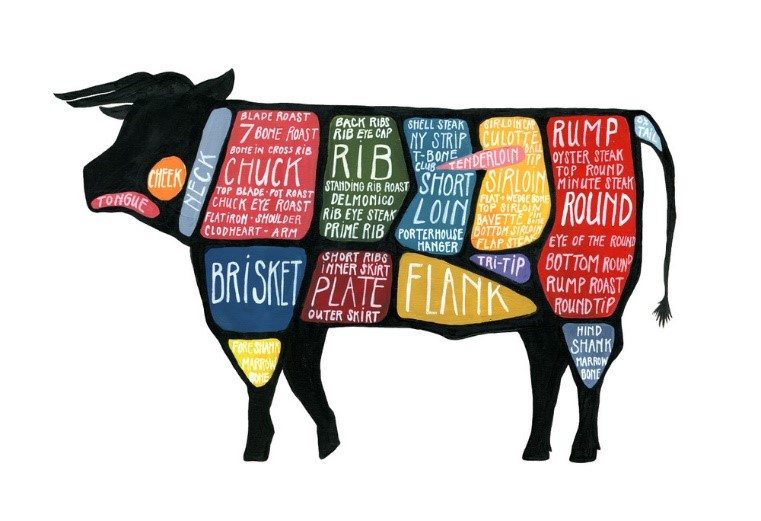
2- The Mishnah states that a person may not ask his butcher on Yom Tov to give him a Dinar’s worth of meat. Rather, the butcher must first slaughter the animal and then divide the portions. The Gemara explains that when the animal is divided, each person who wants a share of the animal must say that he wants “one portion” or “half a portion” of meat; he should not say that he wants “one Dinar’s worth” or “half a Dinar’s worth” of meat.

In other words, the only permissible way to divide meat is by distributing standard size cuts.

The Gemara then enumerates various measurements of different localities of Bavel on how they would request meat from a butcher on Yom Tov.

Image result for ancient measuring devices

סורא-תרטא

בגרש – חלקא

בפומפדיתא – אוזיא

בנהר – פקוד

מתא מחסיא – רבעא

3 – The Mishnah discusses the permissible methods of “purchasing” other products from a merchant. Two opinions of the Tanna Kamma and Reb Yehuda are stated but their wording is a bit perplexing. Thus.

4 – Clarifying the Mishnah R’ Yehudah in the name of Shmuel explains that Tanna Kamma maintains that the prohibition applies only to measuring utensils currently in use for measuring, whereas R’ Yehudah maintains that even a utensil that will eventually be used for measuring is included.

This, our gemara says, indicates that R’ Yehudah is strict regarding issues of simchas Yom Tov whereas Rabannan are lenient. A contradiction is presented against each opinion from the Mishnah on the previous page.

Related image

Both contradictions are resolved as Rava explains that Tanna Kamma maintains that the only restriction is not verbalizing the name of the measure, whereas R’ Yehudah maintains that one is not even permitted to use a measuring utensil.

5-  We spoke a bit about Chanukah.

When one lights just one candle per household on all 8 days the Mitzvah of Chanukah is done!

Image result for menorah 1st night

Mehadrin and/or Mehadrin min HaMehadrin requires one candle per person and adding an additional candle per night.

So if after lighting one candle the Mitzvah is done then many interesting questions arise:

A- Can the oil of the candles other than the first be used for non Chanukah purposes? [ I think  שו”ת כתב סופר]

Image result for burning olive oil

פסחים ז: אמר רב יהודה אמר שמואל כל המצוות מברך עליהן עובר לעשייתן

B- The general rule is that a Brachah must be made prior to the Mitzvah. If one forgets and does the Mitzvah first, like eating Matzoh, the Brachah cannot be said following the Mitzvah.

The exception to this rule is if the Mitzvah is ongoing. Such as Sukkah. If one begins to eat in a Sukkah and forgets to make a Leishev Basukkah he may say it even after the meal since the sitting in the Sukkah is continuous.  Ditto with Tefillin as long as one has them on himself.

Now if one lights, say on the fifth night, the first candle and then realizes that he didn’t make a Brachah. He missed the saying the Brachah for the ‘Mitzvah’ which is the first one only.

Can he now say a Brachah on the remaining four which are only a הידור?

Or perhaps because there is a Mitzvah for the candles to burn עד שתכלה רגל מן השוק even the first candle is ‘ongoing’?

See here in the responsa by Reb Akiva Eiger.

6- We spoke about why we do not mention anything about Chanukah and Purim in the Brachah after eating cake and/or drinking wine.
Shiur 12/5/17 Beitza 28b

Beitza 28b

1- שחיטה – Halacha trusts any Jew to check the knife, based upon the rule of עד אחד נאמן באיסורין. Nevertheless the  חכמים established that after checking the knife himself, a shochet must present his knife to a חכם for him to inspect it for him, as well.

Related image

The reason is to show respect for the חכם and in order to ensure that the inspection be done by an experienced person who is careful and deliberate in halachah. Another reason some add is due to the fact that the art of detecting a small defect on the blade often takes a great degree of focus and the shochet is often under pressure. Thus the requirement for the חכם.

2- We mentioned the Rosh (Chullin, Ch. 1, #24) who writes that in his day it was uncommon for individuals to do שחיטה themselves, and it was entrusted to designated professionals who were scrupulous and careful.

Image result for rusty old knife

amateur

The חכמים deferred to these trained שוחטים and did not require the knives to be brought to them to be inspected. However, the halachah never dispensed with the need for individuals to present their knives to a חכם.

והאידנא נהיגי שאין מראין סכין לחכם כי בימיהם היו הקצבין שוחטין בעצמם כדאמרינן האי טבחא דלא סר סכינא. והשתא נהוג בכל גלות ישראל שאין מאמינים לקצבים וממנים אנשים ידועים על השחיטה ועל הבדיקה ולהם מחלו חכמים את כבודם כי הן זריזין וזהירין

Related image


expert

3- שחיטה ביום טוב . Our  Gemara says that one may not bring a Shochet’s knife to a Chacham to have it inspected on Yom Tov, but a Chacham may inspect his own knife – and loan it out.

Why may one not show a knife to a Chacham on Yom Tov?

(a) RASHI writes that the act of bringing the knife to the Chacham has the appearance of a weekday activity (“Uvda d’Chol”). It looks as though one intends to slaughter a lot of animals for public sale.

Accordingly, a Chacham is permitted to inspect his own knife because the inspection is not done in a public manner – Rashi: – in his own home, his own knife, low profile.

Image result for low key

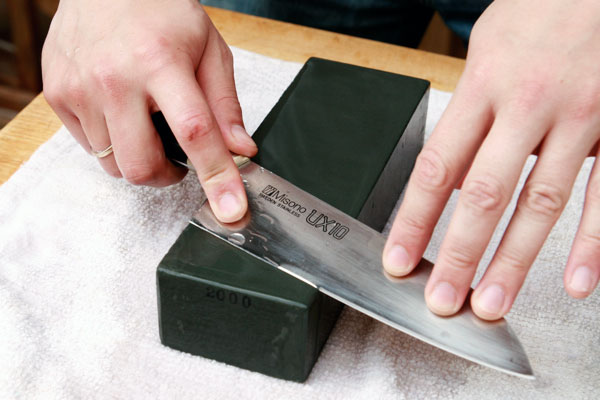
(b) The RAMBAM (Hilchos Yom Tov 4:9) writes that the prohibition is due to the concern that one might sharpen the knife if the Chacham tells him that it is not perfectly sharp. A Chacham may inspect his own knife, however, because just as he is a Chacham and knows how to inspect a knife, he also knows that one is not permitted to sharpen a knife on Yom Tov.

ומפני זה אסרו להראות סכין לחכם ביום טוב שמא תהיה פגומה ויאמר לו אסור לשחוט בה משום פגימתה וילך ויחדדנה במשחזת.

Image result for knife sharpening bike

(c) The RIF writes in the name of the BEHAG that the prohibition is due to the concern that one will carry the knife outside of his permitted Techum in order to bring it to the Chacham. For that reason, a Chacham may inspect his own knife (as he does not need to carry it anywhere).

The BA’AL HA’ME’OR,  – רבינו זרחיה הלוי asks that the reason of the Rif is logical only according to the opinion that the prohibition of Techumin is mid’Oraisa. However, according to the opinion that the prohibition of Techumin is mid’Rabanan, a prohibition against taking the knife to a Chacham would be a Gezeirah l’Gezeirah (a rabbinical decree made to safeguard another decree), which the Rabanan do not enact.

The RAMBAN (in Milchamos) answers that in this case the Rabanan made an exception to the normal rule and they enacted a Gezeirah l’Gezeirah, because it is particularly common that a person goes out of his Techum to show his knife to the Chacham, since he frequently brings his knife to the Chacham on ordinary weekdays (because one may not slaughter an animal without first giving his knife to a Chacham for inspection).

(d) The BA’AL HA’ME’OR (cited by the RAN) writes that one may not show a knife to a Chacham on Yom Tov because the Chacham’s ruling about the knife is included into the category of passing judgment (“Dan Es ha’Din”) which is prohibited on Yom Tov.

פירש דראיית סכין כראיית בכור הוא שהן מעכבות השחיטה ונראה כמתקן ודן את הדין

Image result for gavel

The same reason prohibits one from showing a blemish on a  בכור to an expert on Yom Tov.

The RAMBAN asks that if the Chacham’s decision about the knife is considered a judgment, then why may he inspect his own knife?

The RAN answers that when the Chacham examines his own knife, he merely clarifies (“Giluy Milsa”) whether or not it has a blemish; he does not pass a formal ruling. In contrast, when another person brings a knife to the Chacham for inspection, he does so because the Rabanan instituted that one may not slaughter an animal without first showing the knife to a Chacham (this enactment was made in order to preserve the honor of the Chacham; see Rashi to Chulin 9a).

כדי ביקור חכם – לבדוק הסכין שהטבח צריך להראות הסכין לחכם העיר מפני כבוד החכם כדאמרינן לקמן (דף י:) אע”ג שהטבח בקי בהלכות בדיקה

Part of the enactment is that the Chacham must issue a Halachic ruling about the knife before the person may use it, and thus the Chacham’s ruling is considered passing judgment. When a Chacham inspects his own knife, he does not do so because of any enactment of the Rabanan. He merely wants to clarify whether the knife is blemished or not.

Related image

4 – We learned again the famous machlokes of  ר’ יהודה and the  חכמים  regarding מכשירין – ancillary melachos which the chachamim prohibit but R’ Yehuda allows. This lead to a discussion about opening bottles on Yom Tov, which is problematic because of various potential  איסורים – and we mentioned Rav S.Z. Auerbach who permits this on Shabbos. because מכה בפטיש does not apply to any   כלי which will be discarded after has been emptied.

He also says that מחתך   does not apply when lifting off the cover off a can, since the intention is not create a tab of a specific size.

Thank you to R Moshe Heber who mentioned the time the Rebbe opened a bottle in front of all by the farbrengen clearly indicating that it was permissible.

Related image

Image result for old type soda can


5- We began to talk about the 2 תקופות and may continue next week.

http://www.likras.org/files/2481_22874.pdf


22 דף 229

Shiur 11/28/17 – Beitza 28a

Beitzah 28a


1- We continued to discuss the story of the ‘missing fish’.

It seems that R’ Chiya took extra fish without Rebi’s or Reb Shimon’s permission. It turned out that Reb Shimon didn’t mind it. But at the time that this occurred  Reb Shimon was not aware that R’ Chiya took it.


So how did R’ Chiya take it?

There is a general question if one may take an object without permission when he knows that the owner does not mind.


Meaning that at the moment of him taking it the owner is not aware that it is being taken, but he will not make an issue of it when he finds out that it was taken.


We learnt the text of the Alter Rebbe’s Shulchan Aruch (#4), and the קונטרס אחרון.


The  ש”ך rules that one may take an object without permission when he knows that the owner will not mind.


The Alter Rebbe argues on the ש”ך and prohibits to take an object without permission even if he sure that the owner, when he finds out, will not mind.


2- Here is some background and how it relates to our Gemara:


Tosfos in Bava Metzia (22a, D”H Mar Zutra, cited by the Shach 358:1) writes that one is not permitted to take something from another person without explicit   permission, even when he knows that the other person will not object. (It is considered יאוש שלא מדעת – – which does not have the status of יאוש – לא הוי יאוש.).

Other ראשונים (and the Shach) argue on Tosfos and permit it.

Now our Gemara, where R’ Chiya took the fish, seems to side with the opinion that one is indeed permitted to take such object.

So how will Tosfos and the Alter Rebbe explain our story?

We suggested that perhaps Rashi’s words imply that Rebbi merely left the fish in a place where he normally left things for any of the Talmidim to take; he did not specifically designate the fish for Rebbi Chiya. Accordingly, Rebbi Chiya, who was one of the Talmidim, had permission to take it even though Rebbi did not give it specifically to him.

3- We continued the Alter Rebbe’s ruling (#5) on the giving of צדקה by a spouse prior to asking her husband’s permission…

Generally, as long as the sum is what is considered ‘normal’ and such is the מנהג there is no issue.

4- We continued to the next Mishna concerning the sharpening of knives on Yom Tov.


5- Our Gemara discusses the dispute between the Chachomim who prohibit sharpening and Rab Yuhuda who permits it.


This is the classic case of the מחלוקת אודות מכשירי אוכל נפש. Work performed in the preparation of the preparation of food. Such as sharpening a knife to schecht.


Shechting itself is the preparation. Sharpening is the preliminary work done prior to the actual preparation of the food.

[For the definition as to what constitutes מלאכת אוכל נפש versus מכשירין see here in a rather lengthy קונטרס אחרון of the Alter Rebbe which we discussed at an earlier shiur]

Although the Halacha is like Reb Yuhuda, and one is permitted to sharpen a knife (on anything but a stone), a Rov should not explicitly rule this Halocho.

הלכה ואין מורין כן

But what if he is asked what to do?

We read the words of the Alter Rebbe that brings proof from our Gemara that the Rov should rule like….the Chachomim!!!!

See here.


.


Shiur 11/21/17 – Beitza 27b – 28a

Beitza 27b – 28a

1-  The Mishnah discusses laws of buying a portion of an animal to be slaughtered for, or on Yom Tov. Clarifying the the phrase in the Mishnah אין נמנין is explained to mean that it is not permitted to set a price for an animal on Yom Tov. Rav presents a method to set the price of an animal without violating the prohibition, by placing a second animal and comparing side by side.


2-We discussed as to why the Mishna needs to state this Halacha when apparently all type of commerce is prohibited on Yom Tov?

The תפארת ישראל notes that business discussions are prohibited because we are afraid that a person may come to write down calculations.

Top line, Right side

So what does this Mishna add to what is known from many other places?

His answer: We might have thought that this is not a problem when we are dealing with a group of people.

As We find (Shabbos 20a) that a Korban Pesach may be lowered into an oven as Shabbos begins, and we do not prohibit it despite the standard concern that a person might stir the coals. This is because the Pesach is always brought by a group of people, and if one might forget and try to stir the coals, others will remind him not to do it on Shabbos. Thanks to Eli Chitrik for pointing out לא קורין לאור הנר וכו

 ודוקא אחד אבל ב’ קורין ביחד וכו” .

Here, too, perhaps mentioning money among a group would be allowed, because the chance this may lead to writing would be alleviated by the fact that we have a group.

We might have thought that this is not a problem when we are dealing with a group of people.

The novel ruling of the Mishnah is that even here we do not allow mentioning money.

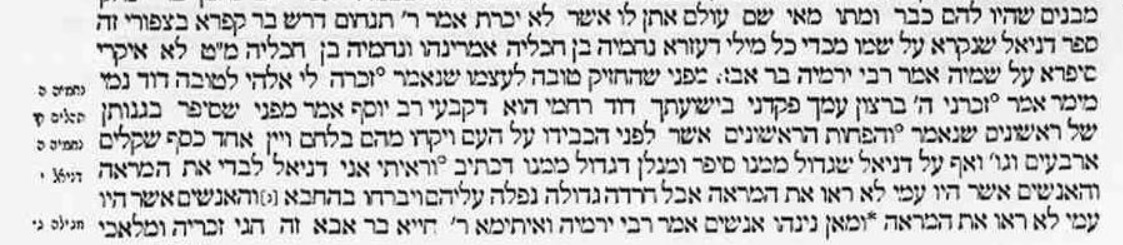
3- In our Gemara we see that Rashi writes that the prohibition of conducting business on Shabbos and Yom Tov is derived from a Posuk in ‘Ezra’ although the פסוק is in Nechemia!

טו בַּיָּמִים הָהֵמָּה רָאִיתִי בִיהוּדָה דֹּרְכִים גִּתּוֹת בַּשַּׁבָּת, וּמְבִיאִים הָעֲרֵמוֹת וְעֹמְסִים עַל הַחֲמֹרִים, וְאַף יַיִן עֲנָבִים וּתְאֵנִים וְכָל מַשָּׂא, וּמְבִיאִים יְרוּשָׁלַ‍ִם בְּיוֹם הַשַּׁבָּת, וָאָעִיד בְּיוֹם מִכְרָם צָיִד. טז וְהַצֹּרִים יָשְׁבוּ בָהּ מְבִיאִים דָּאג וְכָל מֶכֶר, וּמֹכְרִים בַּשַּׁבָּת לִבְנֵי יְהוּדָה וּבִירוּשָׁלָ‍ִם. יז וָאָרִיבָה אֵת חֹרֵי יְהוּדָה, וָאֹמְרָה לָהֶם: “מָה הַדָּבָר הָרָע הַזֶּה אֲשֶׁר אַתֶּם עֹשִׂים וּמְחַלְּלִים אֶת יוֹם הַשַּׁבָּת? יח הֲלוֹא כֹה עָשׂוּ אֲבֹתֵיכֶם, וַיָּבֵא אֱלֹהֵינוּ עָלֵינוּ אֵת כָּל הָרָעָה הַזֹּאת וְעַל הָעִיר הַזֹּאת, וְאַתֶּם מוֹסִיפִים חָרוֹן עַל יִשְׂרָאֵל לְחַלֵּל אֶת הַשַּׁבָּת!”. {פ}

We discussed the gloss written by Reb Akiva Eiger about this Rashi.

In short: The two books of Ezra and Nechemia, despite them being printed and labeled today as two separate ספרים,  are in actuality only one ספר of the 24 in the תנ”ך.


This single ספר has the story of Ezra as well as Nechemia. So it would make sense for Nechemia to have his own ספר.

The Gemara in Sanhedrin, 93b addresses this issue and explains that Nechemia was punished and didn’t merit to have his ספר called in his own name.

Sanhedrin 93b – Copy

Hence, all references in Sha’s to a פסוק in (what today we call) נחמיה are written as עזרא.

The partition of Ezra into two books is not of Jewish origin. Much like the partition of Shmuel into two books. The first time the split shows up in our mesorah, is in Venice, in the Bomberg edition of 1525.

The Alter Rebbe in אגרת התשובה  11 also refers a posuk in (what today we call) נחמיה as עזרא

ומה שמשבחים ומברכים את ה’: “חנון המרבה לסלוח”, “המרבה” דייקא, וכמו שכתוב בעזרא: “ורב לסלוח”, דהיינו שבמידת בשר ודם, אם יחטא איש לאיש וביקש ממנו מחילה ומחל לו ואחר כך חזר לסורו, קשה מאד שימחול לו שנית, ומכל שכן בשלישית ורביעית

The above is what Reb Akiva Eiger writes. ­­

3- The next Mishnah and Gemara talk about weighing food on Yom Tov.

Image result for guess weight

One interesting item is the prohibition for an expert butcher to lift a piece of meat and state its weight.

Image result for guess weight

I mentioned what my father A”H once told me that the late Rabbi Breuer of the KJ Kehilla related him. His brother Moshe being a professor of Semitic languages, on Shabbos, he refrained during קריאת התורה to look at the תרגום אונקלוס that is written in Aramaic……

4- We learnt the next piece of Gemara. It is an interesting story with Halachic ramifications.


Related image

The story relates of seven servings of fish were placed on the table in the house of Rebbi, and five of them ended up in the possession of Rebbi Chiya while only two made it into the hands of Rebbi Shimon b’Rebbi.

[Thank you Yankel Korolitzky who correctly pointed out that this Reb Chiya was not Rebbi’s son].

But Rebbi did indeed have a son name Chiya,  See  יבמות

46b

(Note: We know that a Rebbi Chiya was the uncle of Rav – from the story with R Moshe Feinstein, who referred to the story of Rebbi Chiya asking Rebbi to give his nephew Rav smicha, which he did but excluded Bechoros.

And we know that Rav was a talmid of Rebbi.

So this R Chiya, who was clearly not Rebbis son, based on the text of the Gemara, (“R Chiya, vR Shimon B’Rebbi”) perhaps it was the R Chiya who’s nephew Rav was a Talmud of Rebbi, and he would be getting fish from Rebbi, his contemporary, but not father…

Sanhedrin 5a

כי הוה נחית רבה בר חנה לבבל אמר ליה רבי חייא לרבי בן אחי יורד לבבל יורה יורה ידין ידין יתיר בכורות יתיר)

Rashi explains that Rebbi Chiya took five to his home without asking for permission to do so. Rebbi Shimon b’Rebbi was not upset that Rebbi Chiya took most of the fish, because he and Rebbi Chiya were friends.

We began talking on how the story above connects with the famous machlokes between Abaya and Rava about יאוש שלא מדעת.

Image result for lost item

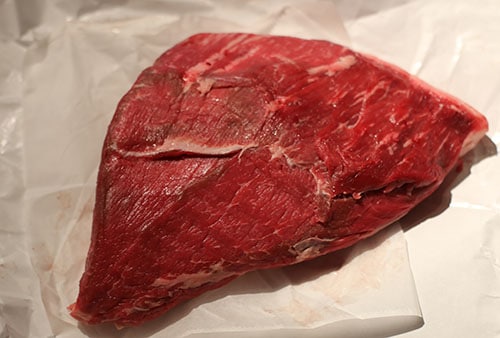
In regards to cutting a handle into meat on Yom Tov, we also learned the somewhat unique way in which רבה בר רב הונא would cut and then send his meat in the hands of non-Jews.

Image result for triangular of meat

Which brings us to the question of the  תוספות רי”ד :

אמר רב הונא מורת לעשות סימן בבשר כי הא דרבה בר רב הונא מחתך לה אתלת קרנתא פירש המוהר סימן בבשר שלא יחלפנו הנושאו ורבה כשהי’ משלח בשר לביתו הי’ רגיל לעשות כל חתיכה בתלת קרנות וכבר הי’ מכירין אנשי ביתו שזה הי’ סימן שלו ובפ’ אלו מציאות פי’ שהיה עושה רבה סימן כשהיה שולחן ביד גוי ואינו נראה לי דאטו אם הי’ רוצה הנושאו להחליפו לא הי’ יודע לעשות גם הוא תלת קרנתא בחתיכה שלו שהיה רוצה להחליף בו ולא היה עושה סימן זה אלא בעבור העורבים דסביר אליה כרב דאמר בשר כיון שנעללם מן העין אסור דחיישי’ שמא החליפה העורבים ובעבור זה הי’ מסמנין על תלת קרנתא שמא יעלימו בני ביתו עינם ממנו ויאסר ועיין בפ’ אלו מציאות מהדורא קמא ובתשובות:

Interesting stuff next week IY”H.

Shiur 11/14/17 – Beitza 27b-28a

Beitza 27b-28a

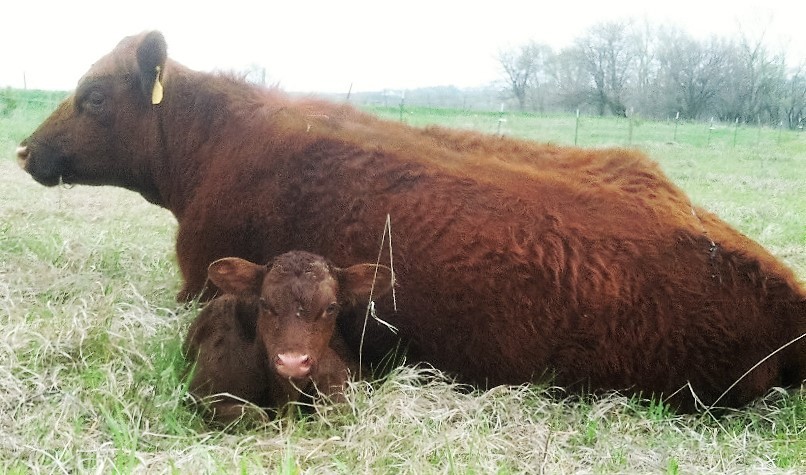
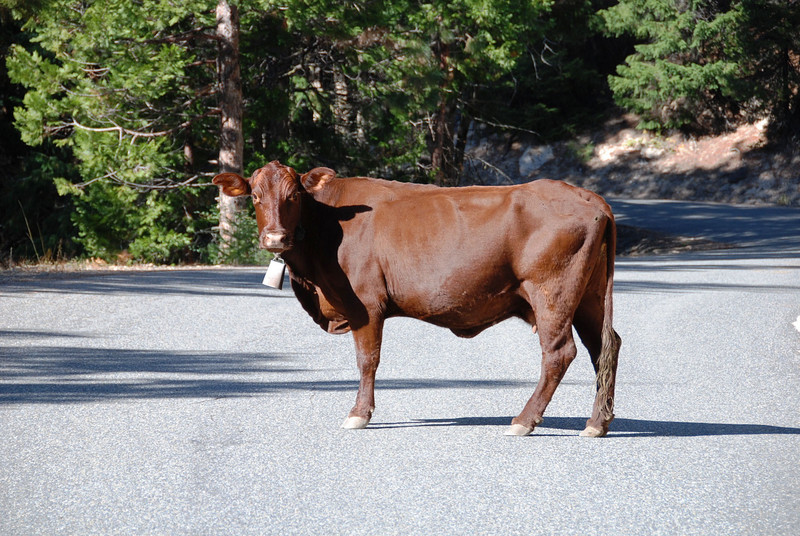
The Beasts of Heath Strike Again Oh and a Dead Cow

1-  The Mishnah teaches that on Yom Tov one may not move:

  1. a) An animal that died.
  2. b) Challah that became טמא.

The Mishna relates that these two cases were asked by Reb Tarfon who entered the Beis Medrash and asked what the דין is from the חכמים sitting there and was told not to move either of them.

In principle, a permissible use would be to feed a dead carcass to his dogs. So why would one be prohibited from touching an animal that died on Shabbos or Yom Tov?

The answer is – Muktzah. Since this animal was not meant to die today. Thus the owner did not ‘prepare’ this for use – it was not מן המוכן

2- It follows, our Gemara notes, that the author of our Mishnah adopts R’ Yehudah’s position, accepting the principle of Muktzah, rather than the opinion of R’ Shimon. – ר שמעון דלית ליה מוקצה

We discussed Reb Shimon’s position at length in regards to Muktzah for there are cases where even he would agree to Muktzah. The classic case being fruits or vegetables that are put away for a long time.

The Gemara demonstrates how the Mishnah, that prohibits the touching of a dead animal,  could in fact be consistent with R’ Shimon’s opinion.

3- One way the Gemara suggests reconciling our Mishna with R Shimon, is to say that our Mishna is referring to קדשים, says זעירי.

Image result for sacred cow

A dead animal that is קדשים, cannot be fed to dogs. So even Reb Shimon would agree to prohibit moving the dead animal.

Rashi explains that although one may indeed transfer the holiness from קדשים unto money, in our case it would not work. Why?

The קדשים  animal needs to be appraised while it is still alive. Therefore dead animals cannot be transferred to money.

We mentioned the question of the פני יהושע. This story with his animal, on which Reb Tarfon was asked, obviously happened much after the חורבן since that’s when Reb Tarfon lived. So קדשים  would need to mean a בכור which can never be transferred anyway. So why didn’t Rashi just say that it meant a בכור?


We mentioned the ספר בארות המים that quotes an amazing story from the Sifri where it is clear that Reb Tarfon lived (at least part of his life) when there was a Beis Hamikdosh.

וכן ראה רבי טרפון מצוות הקהל בבית המקדש, שכן אמרו בירושלמי יומא (פ”א סוף ה”א

“ובני אהרן הכהנים יתקעו בחצוצרות (על הקרבנות) תמימין ולא בעלי מומין, דברי ר’ עקיבא

. אמר לו ר’ טרפון אקפח את בניי אם לא ראיתי אחי אמי חיגר באחת מרגליו עומד בעזרה בידו ותוקע.

אמר לו ר’ עקיבא: רבי! שמא לא ראית אלא בשעת הקהל ואני אומר בשעת קרבן”.

וחזר ר’ טרפון והודה לר’ עקיבא

. וכן מפורש בתוספתא (סוטה שם) שהמדובר בהקהל וכן הוא בספרי פ’ בהעלותך

לפי נוסחת הילק”ש שם.

In regard to the sounding -of the חצוצרות we find an argument between Reb Akiva and Reb Tarfon. Reb Akiva says that a Kohen that has a מום ר”ל cannot blow the חצוצרות.

Reb Tarfon tells Reb Akiva some sharp words and says “I remember my uncle that had a limp and he blew the  חצוצרות in the Beis Hamikdosh”.

Reb Akiva responds that perhaps his uncle didn’t blow it on Yom Tov when a בעל מום cannot blow the חצוצרות, but on הקהל when the rules are different?.

Reb Tarfon responded in amazement and recalls that it exactly as Reb Akiva said.

See the Sifri here.

4- We discussed the concept of  ‘אחשבי

Meaning that something the Torah gives importance to raises its level.

We spoke about Reb Yitzchok Elchonon Spektor. His life etc.

His idea: a מלאכה  when done by two people is not considered a מלאכה.

What about when they do a Mitzvah together? Does the Mitzvah cause it to be considered a מלאכה?

וגם בב׳ העושין להמצוה נחשבח עשייחן לקיום המצוה, וכיון לאחשביה רחמנא הוי ממילא ביה חשיבוח גם לענין ליהא שם מלאכה עליו להחחייב משום איסור שבח

באר יצחק- שדה צופים

שנים שעשוה במלאכה שהתורה אחשבי’.

5- We spoke about the מנהג  of many to say second chapter of Mishnayos Shabbos Friday night before ברכו, and others say כגונא .


Shiur 11/07/2017 – Beitza 27b

Beitza 27a-b

1- We spoke about the laws Bechor.

Our Gemara discusses the reluctance of some בכור experts to rule regarding a מום on Yom Tov, and that we don’t necessarily take owner’s (Kohen’s) word for it, and he may have to bring proof and or witnesses that he didn’t cause the Mum. We also learned the source of the prohibition of – גרמא – causing the mum.

Now these experts lived in בבל so it would seem obvious that בכור laws apply in Chutz L’Oretz.


As an introduction to next week, we introduced the special prohibition of burning impure kodshim on Yom Tov, from a גזירת הכתוב.


גרסאות ברמב”ם  2


We spoke about the Rambam where he seems to write that the laws of Bechor do not apply outside of Eretz Yisroel!


Many Rishonim argued on the Rambam bringing proof from many places in Shas, including our Gemara as one source, that this mitzvah does indeed apply in  חוץ לארץ.


We mentioned the Kesef Mishna who writes that the manuscripts of the Rambam these ראשונים possessed was in error. See here as well.


3- Mentioned the various manuscripts of the Ramban and the authoritative one that the Rambam kept in his possession that he edited as needed.

One famous correction, which originally raised much controversy against the Rambam, was his take on the meaning of דברי סופרים

Good read on this topic.

http://asif.co.il/download/kitvey-et/gulot/gulot1/06(2).pdf


4- We spoke about the fact that once a Bechor is born the YIsroel needs to take care of it only for a limited time. Thereafter the Kohen must accept it and take care of it until it becomes a בעל מום.  


הכהן מוכרח לקבלו.

http://beta.hebrewbooks.org/tursa.aspx?a=yd_x6852

5- We reviewed the Alter Rebbe’s ‘sale document’ of the בכור to a goy and the story of the מום in the ear of a Bechor in Liadi!

סדר מכירת חמץ לבהמה המבכרת

http://beta.hebrewbooks.org/pdfpager.aspx?req=25074&st=&pgnum=469

6- We related the question posed decades ago to Reb Moshe Feinstein as to why he joined the מחלוקת in regard to artificial insemination. His response was based on the story with Rav, who was given Semicha by Rebbi, but excluded Semicha to rule in cases of a Bechor.

The point being that once a person has the knowledge and Smicha ‘sitting on the fence’ is not an option.

Shiur 10/31/17 – Beitza 27a

Beitza 27a.

1-Our Gemara offers two options on how to define an expert’s opinion after he inspects a Bechor and ascertains that a blemish he spotted is indeed permanent:

A- His ruling ‘creates’ the היתר. Meaning that his opinion renders the animal a Ba’al Mum and thus permissible to be shechted and consumed.

B- His opinion just reveals to us what the status of this animal is.

The practical difference is whether one may inspect such an animal on YomTov. If the expert is actually creating the היתר (option a above) the Gemora says is prohibited since it is like מתקן מנא.  

2- The Gemara tries to understand how a Tana of a previous generation agrees with a much younger Tana of a later generation.

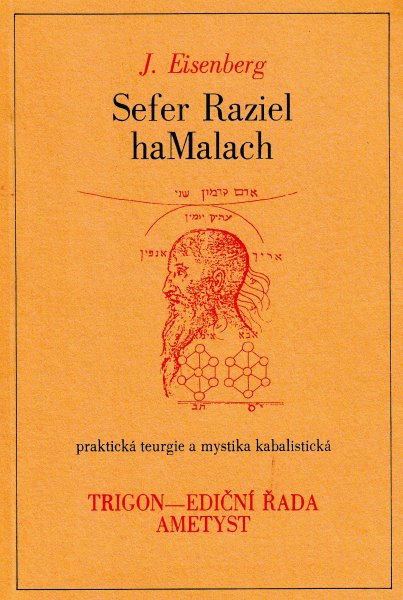
3- We mentioned the Sicha of the Rebbe in regards to Reb Leib Sara’s. The Rebbe said that in the famous book ‘Reziel Hamalach’ (which he mentioned is a segula to have one in a Jewish home) which was printed way before Reb Leib Sora’s times (and was in manuscript form hundreds of years before that) there is a תפילה  ‘for the opening of the heart of Leib Ben Sora!

See here. https://sichoskodesh.com/pdf/5730v2.pdf

Page 58.

More on this Sicha ahead.

4- We learned the text of the Shulchan Aruch concerning as to what type of מום is considered permanent. We find a difference between Ashkenazim and Sfardim.

Image result for france vs spain
שו”ע יו”ד שט ב. רמ”א

http://beta.hebrewbooks.org/tursa.aspx?a=yd

5- From there we moved to a case where one shechted a Bechor and only then called the expert (after the fact) and the expert confirms that it indeed had a blemish before the shchita.

Reb Meir prohibits the animal and it must be buried.   As mentioned in 1-A above the ruling creates the היתר  and needs to be done before the שחיטה.

Image result for expert opinion

See here: שו”ע שי א.

6- We discussed the case of a Sefer Torah that was written on parchment made from such an animal.

We mentioned the Netziv in his book  משיב דבר take on this question.

נצי”ב.

In passing we mentioned the ongoing argument as to why the famous Yeshiva in Volozhin was closed by the Russian authorities in 1893. (see also R Chaim of Volozhin)

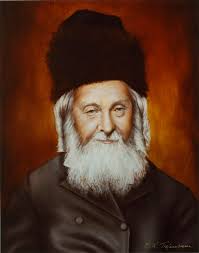
7- We concluded with the rest of the fascinating Sicha where the Rebbe suggested that Reb Leib Sora’s and the Shepole Zeida were the same person.

Leib Sora and Shpole Zeide

Seems the Rebbe received a mountain of mail from the many descendents of both there greats.


At the next farbrengen the Rebbe added that until he hears from a reliable person or testimony that there are two מציבות showing that they were indeed two separate people……. It possible to say that they were the same person.


He ended off saying and שלום על ישראל…….!


https://sichoskodesh.com/pdf/5730v2.pdf

96-97


https://he.wikipedia.org/wiki/%D7%90%D7%A8%D7%99%D7%94_%D7%9C%D7%99%D7%99%D7%91_%D7%A9%D7%A8%D7%94%27%D7%A1#cite_note-.D7.91.D7.99.D7.AA-18


http://toladot.blogspot.com/2010/08/blog-post_25.html


Shiur 10/24/14 Beitza 26b-27a

Beitza 26b-27a

1- We continued last weeks discussion:

An object that was fit at the beginning of Shabbos, became unfit and then fit again. Is that object now muktzah?

We touched upon many ideas of muktzah.

2- When something which was muktza at the start of Shabbos it locks its status and remains that way even when the reason for it being muktza has passed.

For example: A candelabra. Even after the candles have extinguished it is not permissible to move the candelabra.

See 310 # 4.

כל דבר שהיה אסור בטלטול בבין השמשות ובשבת הלך לו הדבר הגורם לו האיסורלט כגון דבר שהיה מוקצה בבין השמשות מחמת איסורמ דהיינו שמחמת איזה איסור שהיה אסור באכילה ולא היה ראוי לכלוםמא בבין השמשות היה מוקצה ואסור בטלטולמב ובשבת נסתלק ממנו האיסור ונעשה ראוי אעפ”כ אסור לטלטלו כל השבת כולה.

3- One that had the intention to remove the צuktza (i.e. thru a nochri) in the middle of Shabbos.  Does the table (בסיס) lose its muktza status?

Image result for shabbos candelabra

Two opinions. The AR rules to be stringent unless there is a great need.

See 277  #6.

ואפילו אם היה בדעתו שלא ישארו שם כל השבת כולה אלא בכניסת השבת בלבד דהיינו שהיה בדעתו שישארו שם עד לאחר בין השמשות בלבדפ שאז יסירם משם ע”י ניעור אין זה מועיל כלום

See 309 #7.

4- Similarly, if one made a תנאי  to remove the muktza during Shabbos.

Image result for shabbos candles on tray

Two opinions. The AR rules to be stringent.

279 # 5.

5- Our Gemara makes a difference between something that will surely lose its Muktza status, or a human can change its status and something that is beyond human control, such as the weather…

Image result for controlling the weather

Such as a pot of cholent when at bein ha’shmoshos it is inedible because it it too hot. Why can we eat it the next day? Why is it not Muktza for the entire Shabbos. The answer is because one can always remove the pot off the fire and it will surely cool off.

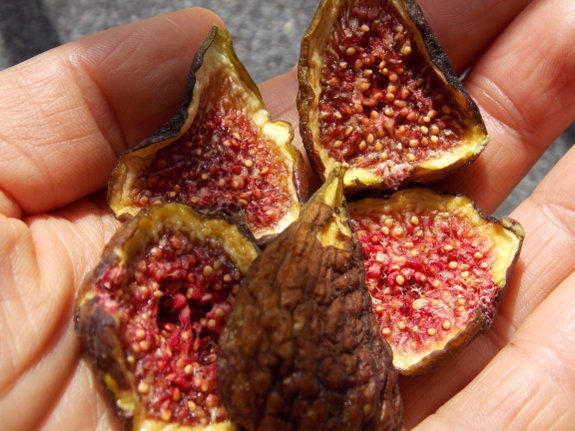
Image result for drying figs

On the other hand fruit that one is waiting for the sun to dry and is still moist and inedible at bein ha’shmoshos, even if it does happen to dry out by morning is still Muktza because tomorrow may be cloudy and it may not dry.

6- We touched upon a case of wet laundry at bein ha’shmoshos. In the morning it would surely be dry. Is it Muktzah after it dries out? See # 3 above.

Image result for drying laundry

7- We discussed the famous ‘lomdisher’ sefer Afikei Yam penned by Reb Yechiel Michel Rabinowitz of Slutzk who was murdered in WWII.  

Image result for ‫אפיקי ים‬‎

https://www.kedem-auctions.com/he/node/27097

In his Sefer (2,19) he discussed the Rashi that  states that the reason for muktzah is because one needs to prepare everything prior to Shabbos.

This why Rashi writes on 2b that Muktza is prohibited Min Hatorah! As opposed to all other Rishonim (based upon a Gemore) that it is only Mi’Derabonon.

מוקצה הוא מה שלא הוכן לפני שבת.


See here.


Shiur 10/17/17 Beitza 26b

Beitza 26b

1- Hillel asked Rava regarding an object that was fit at the beginning of Shabbos, became unfit and then fit again. Is that object now muktzah?

Some background to understand the question:

In general, anything that is muktzah on Shabbos cannot be moved.

Image result for pushing a boulder

If it was muktzah at the beginning of Shabbos it remains muktzah for the entire Shabbos even if  it is not muktzah any longer. The beginning of Shabbos ‘locks in’ its status of muktzah.

Example: A burning candle at the beginning of Shabbos. It remains muktzah even after extinguished.

Now, if it becomes muktzah on Shabbos, it also cannot be moved.

Hillel’s question is if something becomes muktzah on Shabbos but then becomes non muktzah on Shabbos.

Do we say that once something becomes muktzah is remains in that state all Shabbos regardless of its change?

2- The example our Gemara uses is an edible fruit that is obviously not muktzah. But then it absorbed water and making it  inedible and therefore muktzah. A while later the fruit dries and is again edible.

Related image

Do we say that once an item becomes muktzah its status cannot be changed?

Rava responded that it is muktzah. Rava’s ruling is unsuccessfully challenged and according to a second version of this discussion Rava ruled that it is not muktzah.

That is indeed the Halachah.

3- We discussed the words of Rashi that the reason for muktzah is because one needs to prepare everything prior to Shabbos.

Image result for preparing for shabbos

It follows,  that if one puts away something for a specific time, and by doing that it becomes muktzah, the item automatically become non-muktzah at the end of the time he designated. No special act or thought is needed to to revert it back to its non muktzah state.

Image result for levitating

Rashi bases this on the words of Reb Achai Goan.

See here.  

Shiur 09/26/17 – Beitza 26b

Beitza 26a

1- We continued about Mishna where a dispute is presented regarding the circumstances under which it is permitted to examine a בכור on Yom Tov.


The Gemara clarifies that the Mishnah refers to a case where a bechor developed a temporary blemish before Yom Tov.  R’ Yehudah allows an expert to examine the animal and certify that it is indeed a מום and therefore permitted for consumption.

Reb Shimon does not allow this certification. Rashi explains that the prohibition is not an issue of muktzah because R’ Shimon does not subscribe to the prohibitions of muktza.

The reason for the restriction is that when the Rabbi declares that the animal is blemished it appears as if, through his ruling, he is making the animal usable (מתקן) which is prohibited on Yom Tov.

Image result for defective

2- Now what if some prohibited food –איסור became mixed with permitted food – היתר ,either on Shabbos or before Shabbos, but one did not become aware of the mixture until Shabbos, is one permitted to ask a Rav to determine whether the mixture has the necessary ratio of 60:1 to nullify the prohibited substance?  And if so, he is permitted to declare the mixture permitted.

Related image

It would seem obvious that one would be permitted to do so.

Why then is it prohibited for a Rav to render a decision regarding the blemished  בכור  and yet it is permitted for a Rov to render a decision regarding a potentially prohibited mixture?

3- The Terumas HaDeshen, resolves this contradiction by differentiating between the mechanism of permitting a blemished bechor and the mechanism of permitted a mixture of איסור and היתר . When rendering a decision regarding  איסור והיתר all that is required is knowledge of the facts of the question and knowledge of halacha.

Ruling on a blemished bechor, on the other hand, requires the pronouncement of a Chacham or a Beis Din. In that way, issuing a decision concerning a bechor is a more formal declaration than a decision rendered for  איסור  והיתר .

The TA”Z (9) quotes the Magid Mishna with an  alternative resolution: The reason issuing a ruling for a bechor is prohibited is because if the ruling is negative then it becomes Muktze. Handling it then would become a problem.

This issue is only with בכור that has  a pre existing prohibition (חזקת איסור ), as opposed to the mixture which has never been declared prohibited.

Alter Rebbe regarding the TA”Z.

4 -For Yom Kippur we studied the text of a Teshuva of the Tzemach Tzedek. OC 36.

The question submitted to the Tzemach Tzedek was as follows: if eating a  כזית  of bread on Shabbos is Min Hatorah then why don’t we eat it on Yom Kippur that falls out on Shabbos?

Related image

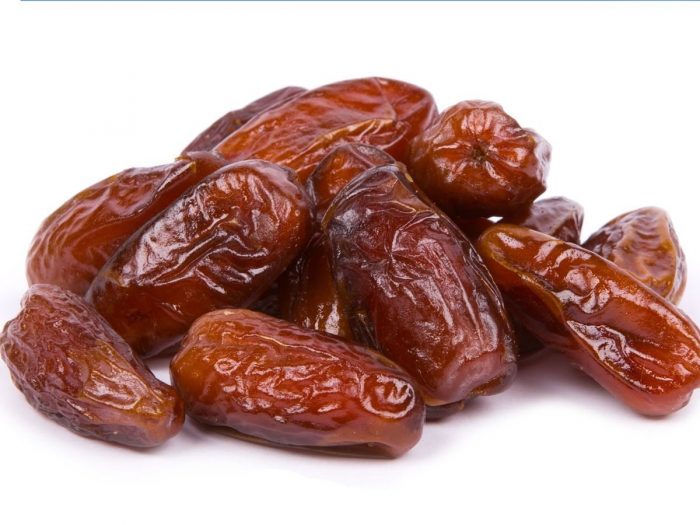
The shiur of fasting is not to eat anything greater that a date!


Image result for dates

So if one would eat a  כזית  of Challa he would be fulfilling his obligation of eating on Shabbos and still be considered fasting!

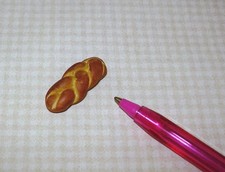
Image result for miniature challah

We discussed three answers presented by the צמח צדק  , the first from the   מהרלנ”ח , concerning a person who swore to eat a  half-כזית kazayis of נבלה , that even though m’d’Oraisa it would be permitted, the chachamim nevertheless prohibit him from eating it because –    חכמים העמידו דבריהם בשב ואל תעשה .

Ultimately, he explains the distinction is that when יוה”כ falls on שבת, the torah’s  commandment to fast completely voids the commandment to eat on שבת  –

ביטלה התורה לגמרי המע דאכילת שבת כשחל בו יוהכ”פ

as opposed to the regular run-of-the-mill case where you could simply say דאין עשה דוחה לת ועשה – etc. here there is no עשה to be דוחה .

————————————

Previous Shiur- short  notes.

1- We spoke about Yalta, the wife of Rav Nachman. See here.

2- We asked a riddle:

How is Shabbos Teshuva different from all other Shabbosim, in Halocho, according to some opinions.

Boaz suggested that Parshas Ha’azinu is the only Parsha that one cannot add more than seven Aliyos. See here.

לא מפסיקין באמצע השירה. רק ב’הזי”ו ל”ך‘. כמ”ש בגמ, ובשו”ע תכ”ח.

http://beta.hebrewbooks.org/tursa.aspx?a=oc_x2143

ואולי לכן גם לא מפסיקין בהפסוקים שלאחרי השירה.

But not all Shabbos Teshuvas are Parshas Ha’azinu….

for example, next year

We suggested the Tosfos in Shabbos 12b, that Shabbos Teshuva is the only Shabbos that according to all one can visit the sick and pray for his well being.

התירוץ הוא:

במס’ שבת (יב) מובא שמותר לבקר את החולה ולהתפלל עליו. ואומרים: שבת היא מלזעוק ורפואה קרובה לבוא.

מקשין התוס’ שם (ע”ב) מילא לר’ יוסי שאדם נדון בכל יום, ניחא. התפילה תעזור לחולה ולכן מותרת בשבת. [וכן נפסק בשו”ע]

אבל  לפי דעת ר”מ ור”י שגזר דין של האדם הוא ביום כיפורים, אז מה יועיל התפילה ואיך מותר לבקר את החולה ולהתפלל עליו בשבת

מתרצים התוס’ שלדעת ר”מ ור”י אה”נ, מותר לבקרו והתפלל עליו רק בשבת תשובה!


Ari Chitrik Shiur Points