BS”D
Beitza 36a
1- We continued the Sugya of טרחה בשבת ויום טוב. There are 3 scenarios where the Chachamim allowed one (with certain limitations) to perform heavy labor.
1- Monetary loss. – הפסד
2- Expanding a place to learn. – ביטול בית המדרש

3- The arrival of guest. – אורחים
2- We discussed the concept of הפסד מרובה. Monetary loss.
We read the text of the שאילת יעב”ץ and the question posed to him by a Kehila. See here # 167.
The story in short:
A young man was owed money by a non-Jew. Being afraid that he will not be paid, he went on Shabbos! to the בערש (market place) to find this debtor to secure his loan.

- Thanks to Hillel Vogel for alerting us that בערש, is bourse. See here.
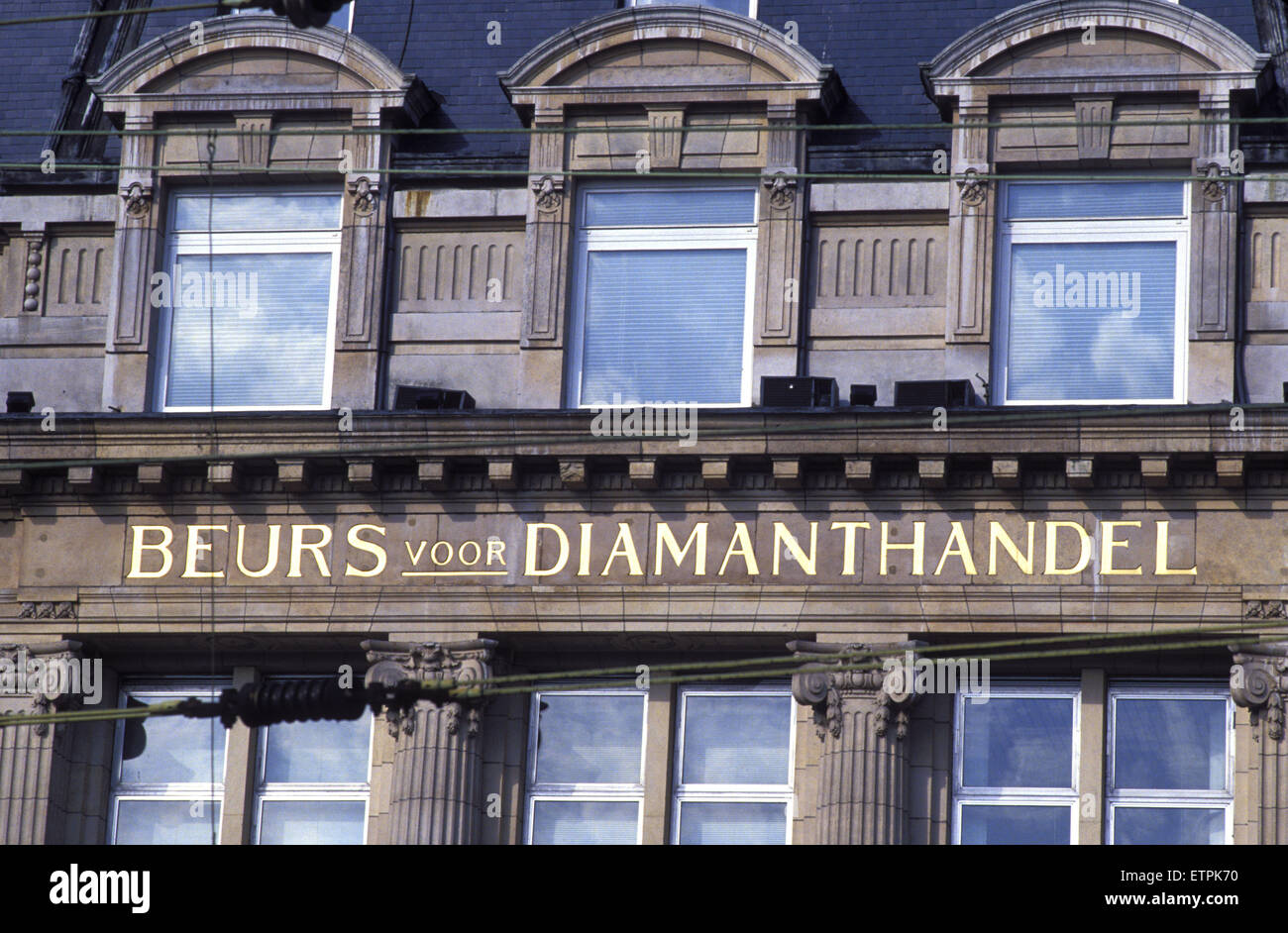
The Diamond Bourse in Antwerp Belgium
He was successful in securing his loan by finding a guarantor for this loan.
Upon hearing what this בחור did, the Kehila wanted to punish him. Their rationale was that he did something against Halacha and also caused a חילול השם inasmuch the goyim became ‘aware that Jews can indeed work on Shabbos’. This knowledge, claimed the Kehila, would bring about detrimental attitudes of these goyim against Jews of that town. Such as forcing Jews to come testify in court on Shabbos.

The young man’s response was simple: I did nothing wrong. Going to the bourse and talking about open debts in not prohibited.
The response of the Yavet’z was that he has a point. Collecting a debt is not ‘commerce’ – מקח וממכר – per se which is prohibited מדרבנן.
He quotes that some קהילות had a Minhag to announce on Shabbos from the Bima the list of all debtors that were lax in paying their debts.

On top of this all, writes the Yavet”z, is the הפסד מרובה angle. Had this בחור not gone to acquire a guarantee for this debt, the borrower may have defaulted causing a loss to the lender.
He quotes our Gemara where one is allowed to perform heavy lifting, such as dragging large boxes of fruit if they might get ruined due to rain. He mentions other places in Sha’s where הפסד מרובה is used to be lenient such as in the case of a fire, or saying to a non-jew “you won’t lose if the fire is extinguished”.
So this fellow did nothing wrong.

But what about the potential damage to the Kehila? We discussed as to why he should be liable for this.
More interesting ideas from the Yavet”z to be continued next week, bli neder.
3- We began the Sugya of אין כלי ניטל אלא לדבר הניטל. Meaning whether something that is not muktzeh and thus permitted to be moved around; can it be moved for the purpose of something that is muktzeh?

As an example, a plastic tablecloth. Not a muktzeh article. Can one take this table cloth and cover an electric scooter (muktzeh) to protect it from rain?