BSD
Shkolim 22a
Sivan 21, 5785, 06/17/2025
Brief notes
1- We finished הלכה ג of the 8th פרק and moved on to the final הלכה which concludes מסכת שקלים.

We left a few lines unfinished until the middle of the summer when a proper סיום will IY”H be celebrated.
It was decided to begin מסכת ברכות next week.
2- In relation to הלכות טומאה וטהרה, we mentioned a most amazing (but surprisingly, not very well known) story in תנ”ך with חגי הנביא – the last נביא! See here. Hebrew. Here.
Briefly, it was חגי who urged the people in ירושלים to resume the building of the second בית המקדש.
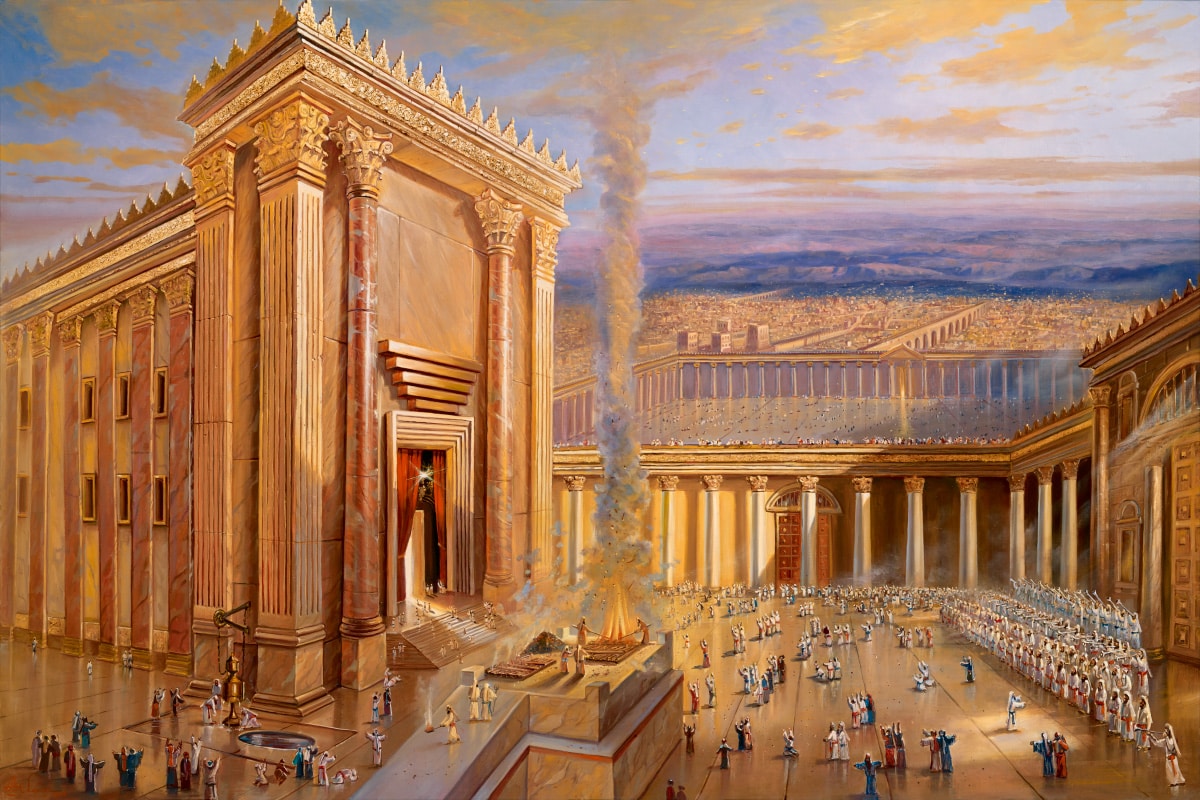
3 – חגי was instructed to go and test the knowledge of the כהנים in the laws of הלכות טומאה וטהרה.
Not not unlike the סמיכה tests we have nowadays…..
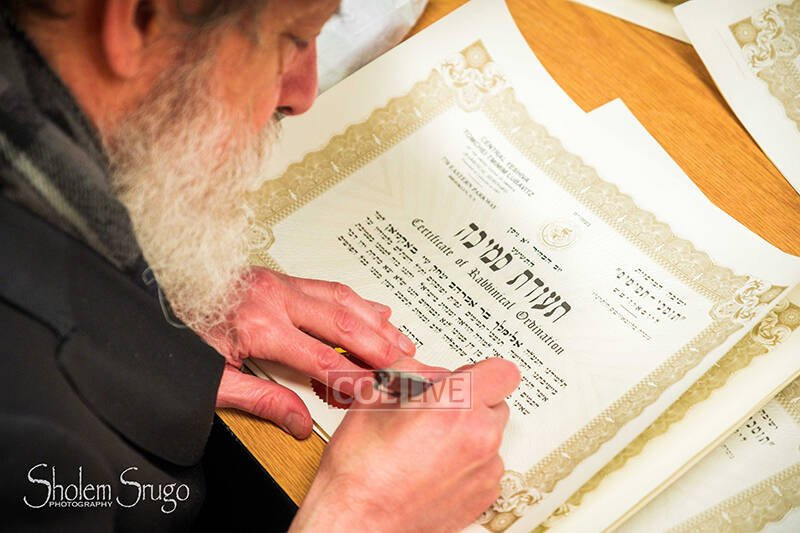
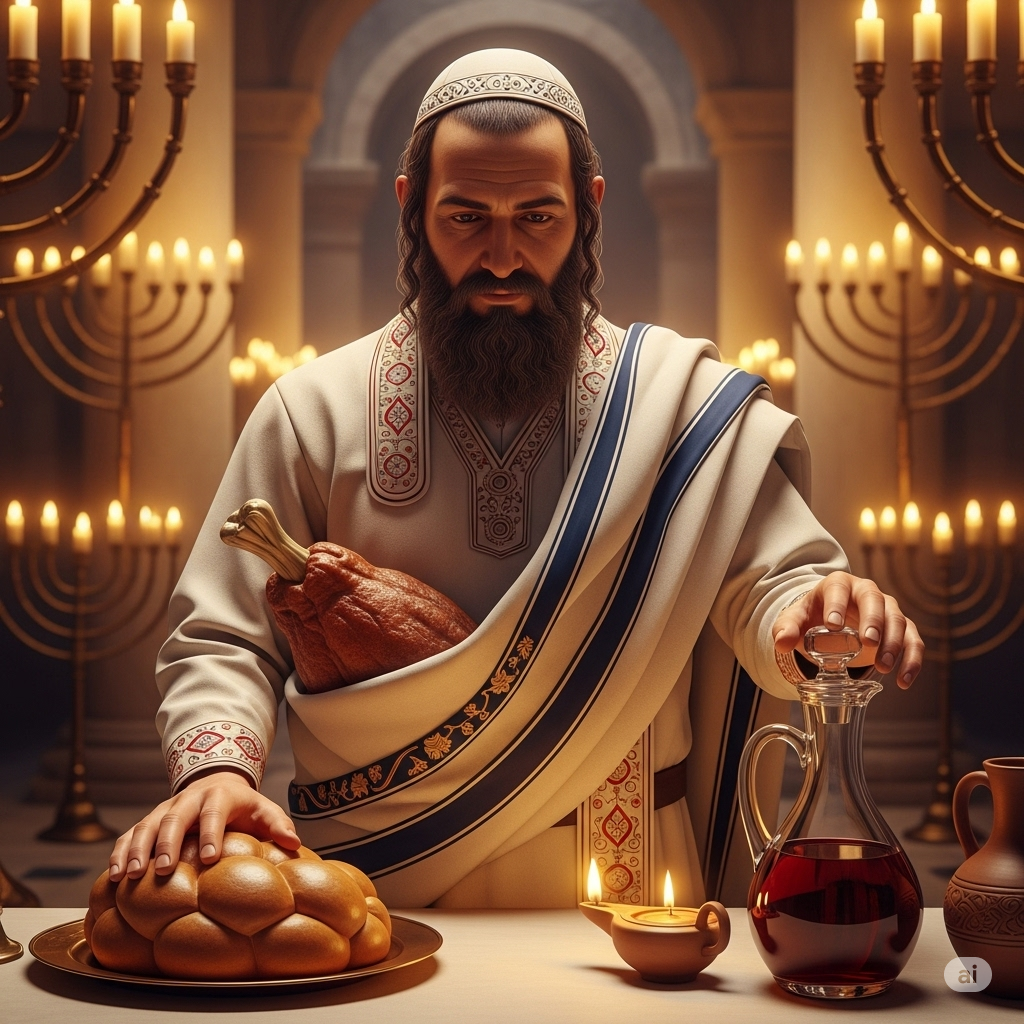
So חגי הנביא enters the בית המקדש and asks the כהנים 2 questions.
Here are the words: Chagi 2, 11-14
יא) כֹּ֥ה אָמַ֖ר יְהֹוָ֣ה צְבָא֑וֹת שְׁאַל־נָ֧א אֶת־הַכֹּהֲנִ֛ים תּוֹרָ֖ה לֵאמֹֽר׃
Thus says Hashem : “Ask now the priests concerning the law, saying:
יב) הֵ֣ן׀ יִשָּׂא־אִ֨ישׁ בְּשַׂר־קֹ֜דֶשׁ בִּכְנַ֣ף בִּגְד֗וֹ וְנָגַ֣ע בִּ֠כְנָפ֠וֹ אֶל־הַלֶּ֨חֶם וְאֶל־הַנָּזִ֜יד וְאֶל־הַיַּ֧יִן וְאֶל־שֶׁ֛מֶן וְאֶל־כׇּל־מַאֲכָ֖ל הֲיִקְדָּ֑שׁ וַיַּעֲנ֧וּ הַכֹּהֲנִ֛ים וַיֹּאמְר֖וּ לֹֽא׃
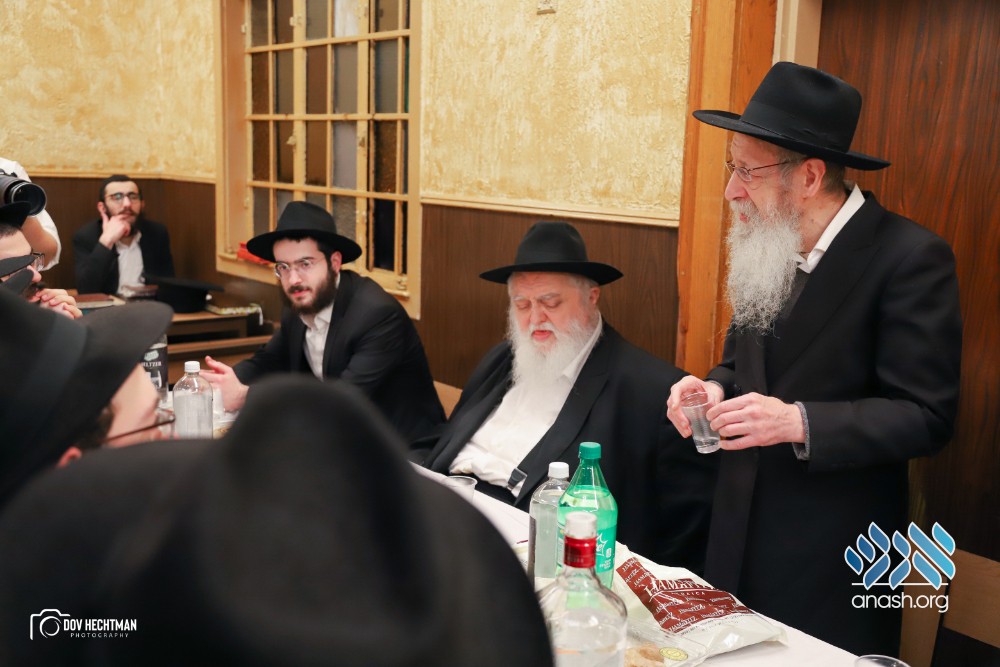
“…ווי איז דער דין”
‘If someone carries meat (of a נבילה or שרץ) in the fold of his garment, and with his fold touches bread, stew, wine, oil, or any food, will it become holy?'” The priests answered, “No.”
יג) וַיֹּ֣אמֶר חַגַּ֔י אִם־יִגַּ֧ע טְמֵא־נֶ֛פֶשׁ בְּכׇל־אֵ֖לֶּה הֲיִטְמָ֑א וַיַּעֲנ֧וּ הַכֹּהֲנִ֛ים וַיֹּאמְר֖וּ יִטְמָֽא׃
Then Chaggai said, “If one who is unclean by reason of a dead body touch any of these, will it be unclean?” The priests answered, “It will be unclean.”
Original photo by LY Freidin
4 – So we have 2 questions and answers. Yet the פסוקים seem ambiguous and do not say explicitly if they answered correctly or not. (although the next פסוק seems to imply that the כהנים erred.)
That caused later generations to discuss this at length.
5 – We scratched the surface of the מחלוקת between רב ושמואל if they answered correctly or not. שאלת הנביא בהלכות טו“ט בביהמ“ק. פסחים יז, א.
גּוּפָא רַב אָמַר אִישְׁתַּבֻּשׁ כָּהֲנֵי וּשְׁמוּאֵל אָמַר לָא אִישְׁתַּבֻּשׁ כָּהֲנֵי.
Rav said: The priests erred, as they should have said the oil is rendered impure. And Shmuel said: The priests did not err.

6 – The final הלכה discusses the procedure of bringing up to the מזבח the portions of the daily קרבן התמיד.
(א) משנה: אֵיבָרֵי הַתָּמִיד נִיתָּנִין מַחֲצִי כֶּבֶשׁ וּלְמַטָּה בַּמַּעֲרָב שֶׁל מוּסָפִין נִיתָּנִין מֵחֲצִי כֶּבֶשׁ וּלְמַטָּה בַּמִּזְבֵּחַ שֶׁל רָאשֵׁי חֳדָשִׁים נִיתָּנִין עַל כַּרְכּוֹב הַמִּזְבֵּחַ מִלְּמַעֲלָן.
The meat was first placed on the ramp and then brought up to be placed on the fire.
On ראש חודש, states the משנה, the meat was placed (not on the ramp, but) on the כרכוב.
What exactly is the כרכוב?
We discussed that generally it can mean the ornamental copper molding that wrapped around the מזבח. Here.

כרכוב at the top and lower כרכוב of copper latticework
וְעָשִׂ֤יתָ לּוֹ֙ מִכְבָּ֔ר מַעֲשֵׂ֖ה רֶ֣שֶׁת נְחֹ֑שֶׁת וְעָשִׂ֣יתָ עַל־הָרֶ֗שֶׁת אַרְבַּע֙ טַבְּעֹ֣ת נְחֹ֔שֶׁת עַ֖ל אַרְבַּ֥ע קְצוֹתָֽיו׃
You shall make for it a grating, a copper network, and you shall make on the netting four copper rings on its four corners.
7 – However, in our משנה it means the area on top of the מזבח. The reason for placing it on top of the מזבח is to announce to all that today is ראש חודש.

View from the top
We mentioned that this is the reason we do ברכת החודש on שבת מברכים.
8 – Spoke about a little unknown fact about the flat top of the מזבח. The 2 Amos at the outer perimeter were slight lower than the center of the מזבח. The purpose of this is that the ‘כהנים should not slip’.
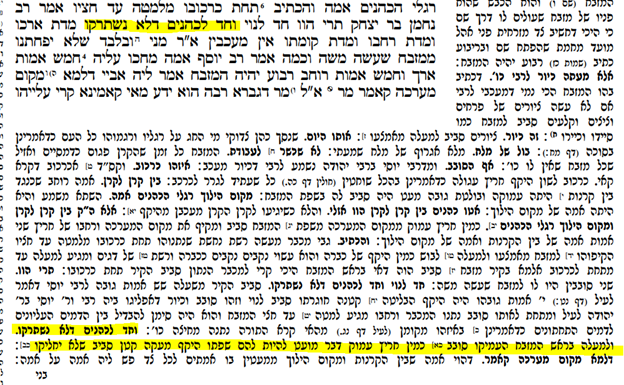

כרכוב at the top where the Kohanim would walk “so they shouldn’t slip”.
We were unsure if that means not to slip into the center where the fire was or not to slip off the מזבח.
Sponsored Content
If the latter, it would mean that the wall of the מזבח reached the height of the center of the מזבח.