BSD
Shkolim 21a
Iyar 22, 5785 – 05/20/25
Short notes of the topics discussed.
1 – אוכלי חולין בטהרה. See here.
חולין
תרומה
קודש
חולין על טהרת הקודש – eating חולין at the level of קודש .

כהנים needed to live their lives with such טהרה, since they would be eating קדשים ותרומה, so it made life simpler by keeping all their חולין in טהרה.
This way of life was rare even at the time when there was a בית המקדש. Those that kept up with this practice were called פרושים.

Some say the בן איש חי (perhaps) lived with such pureness. Although it was not 100%, since we do not have מי חטאת, nevertheless practicing to the extent possible, is a sign of קדושה.
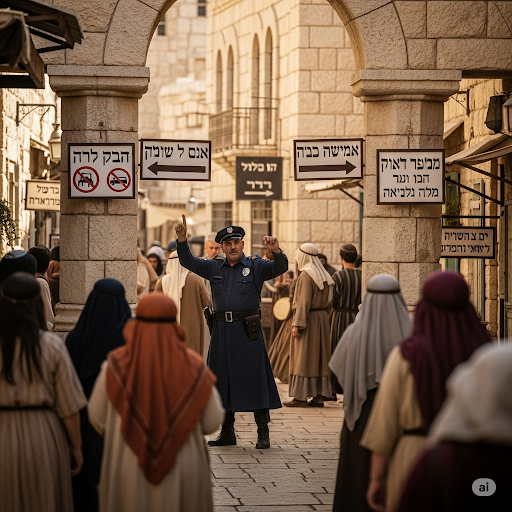
2 – Our משנה discusses the pedestrian traffic patterns in ירושלים. During the times of יום טוב, when the majority of the people in the city were טהור, they would walk in the middle of the street. The minority, that were not טהור, would walk on the side.
The opposite would be true throughout the rest of the year.
3 – The interesting feature of the מקוה in ירושלים in that it had two staircases – one for entering and the other for exiting. This architectural feature enabled to ascertain the status of a כלי that would be found in the area of this unique מקוה whether it was טהור or not.
4 – A knife that was found on ערב פסח.

We diverted to a general topic related to cases and various circumstances discussed in גמרא that are only in theory. Meaning that in practice, the גמרא knew such occurrences would never happen, but would nevertheless spend time tackling the Halachic ramifications.
5 – The classic example is the definition of a דופק and a גולל . What is a דופק and a גולל? (See here, Shiur Sukkah 23a)
Rashi explains that a גולל is the stone that is placed on top of the grave to cover the deceased person, and דופק is the side stone(s).
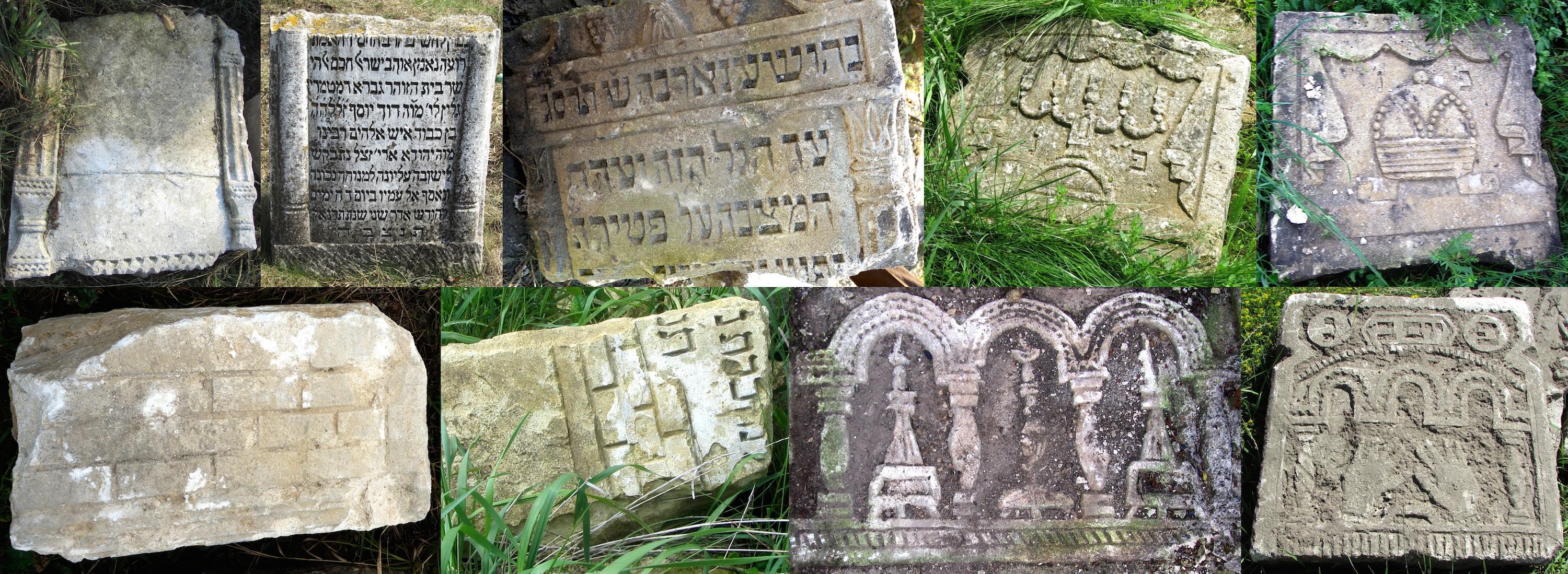
Rabbeinu Tam has an issue with this for we find in many places that this translation does not make any sense. For example: ‘One cannot use an animal as a דופק or a גולל’.
Now who would place an animal on top of a מת?
Another example: ‘Standing on a דופק and a גולל does not make someone טמא’.
Now, if according to Rashi, these are stones that are on top or the side on the מת, how is that possible?
Tosfos however, defends Rashi and says that the גמרא is only discussing in abstract and not to say it can actually happen in real life.
דאע״פ שאין רגילות לעשות כסוי ארון מבעלי חיים כמה דברים אשכחן דלא שכיחי ומיירי בהו הש״ס להראות לנו הדין ודרוש וקבל שכר.
They quote other very abstract scenarios where topics that have no relation to real life are discussed in גמרא. See Chullin 70a and here.
כמה דברים אשכחן דלא שכיחי ומיירי בהו הש״ס להראות לנו הדין ודרוש וקבל שכר
More on this next week and the Alter Rebbe in תניא and קונטרס אחרון.
ולהבין פרטי ההלכות דלא שכיחי כלל ואפשר שלא היו מעולם במציאות מכש”כ שלא יהיו לע”ל כמו פרטי דיני פיגול וכה”ג.
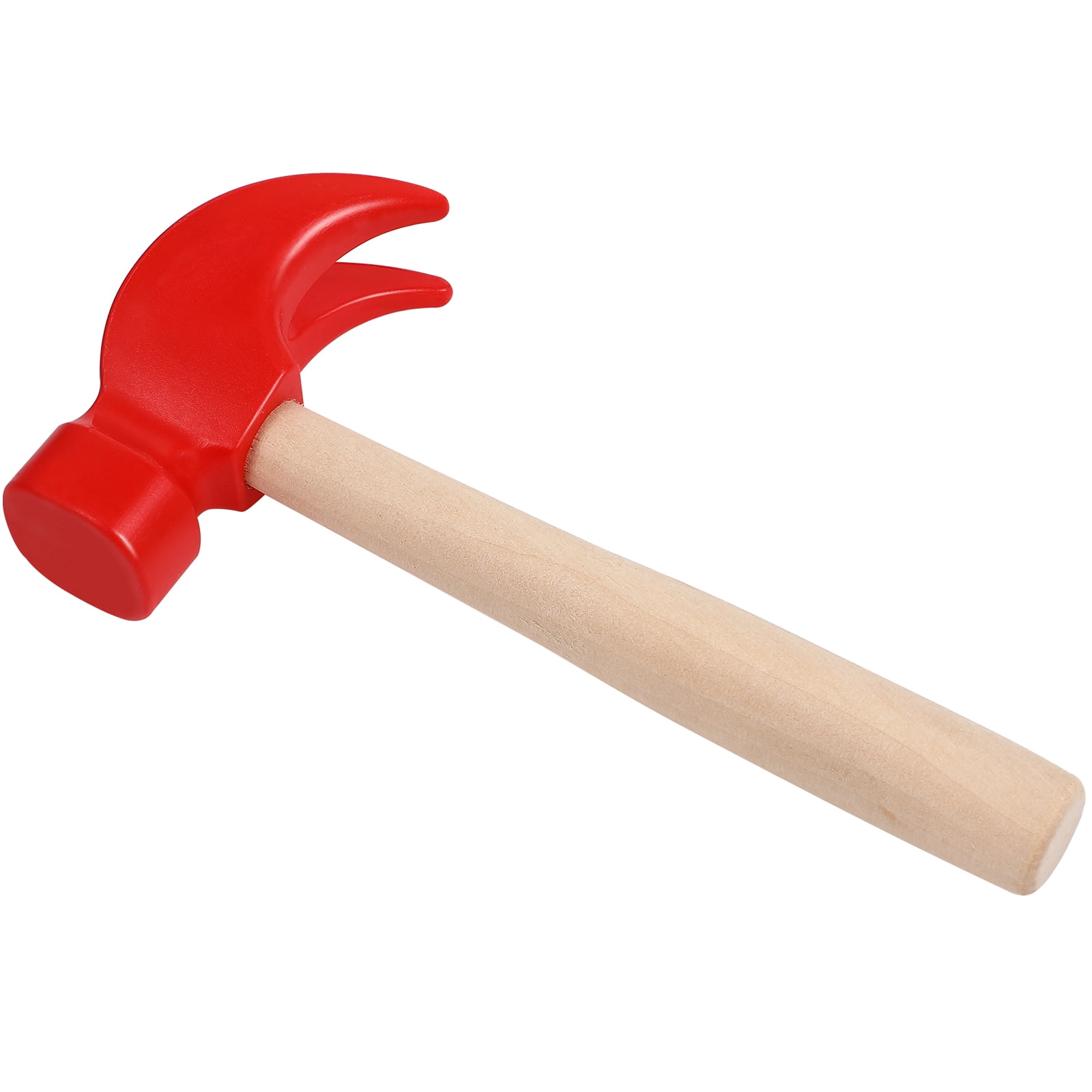
6 – Our משנה mentions a tool called הַמְּרִצָּה.
The Rambam translates it as a hammer used to breaks up bones when one needs to transport them!
Now how is that permitted? We discussed the Radvaz and others.
פינוי עצמות רדב”ז ב תרי”א. מתיר. חת”ס יו”ד שנא. מחמיר.
7 – We mentioned the שרידי אש of Rabbi Yechiel Yaakov Weinberg and his essay on the קובץ פינוי עצמות – ‘Moving of remnants of bones’ in הלכה.
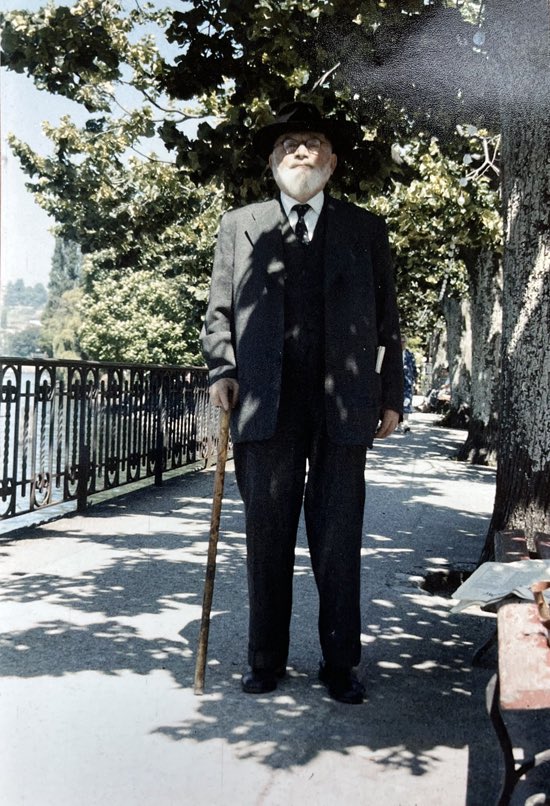
Spoke of the notes the Rebbe wrote, when he lived in Berlin, on this easy.
Printed in רשימות.
https://he.chabad.org/library/article_cdo/aid/2988774
8 – Our Mishna discusses a cleaver that was tied to a סכין that is טהור. Does this allow us to say that the cleaver is טהור as well?
Mentioned the שואל ומשיב that uses this logic to rule in a case of a disputed bag of stones and jewelry.
וראיה נראה לפע”ד מהא דאמרו בשקלים פ”ח משנה”ג ואם נמצאת קשורה לסכין הרי היא כסכין…
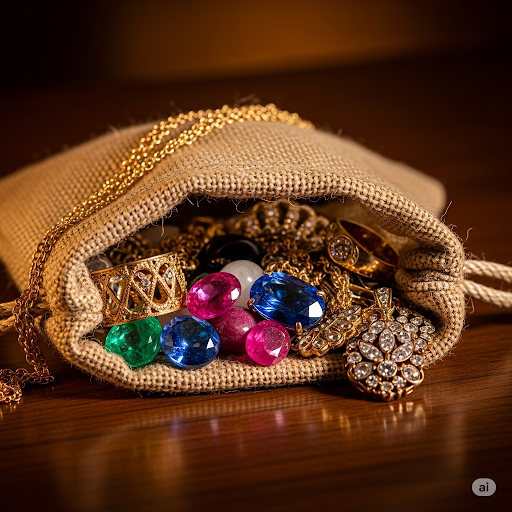
קופיץ קשורה לסכין.
שו”מ מהדורא קמא , ב קפה. מרגליות ואבנים טובות הקשורים או מונחים ביחד עם תכשיט של האשה שניתן לה בכתובתה.