BSD
Brochos 2a (2)
Tamuz 12, 5785. 07/09/2025
Short notes.
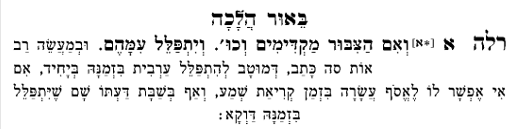
The entire Shiur was learning the first Tosfos in ש”ס. – see below
Some parameters we prefaced to understand the תוספות.
1- Some מצוות have a specific directive as to when to perform them, either during the ‘day’ or during the ‘night’.
Such as מצה where it says בערב תאכלו מצות.
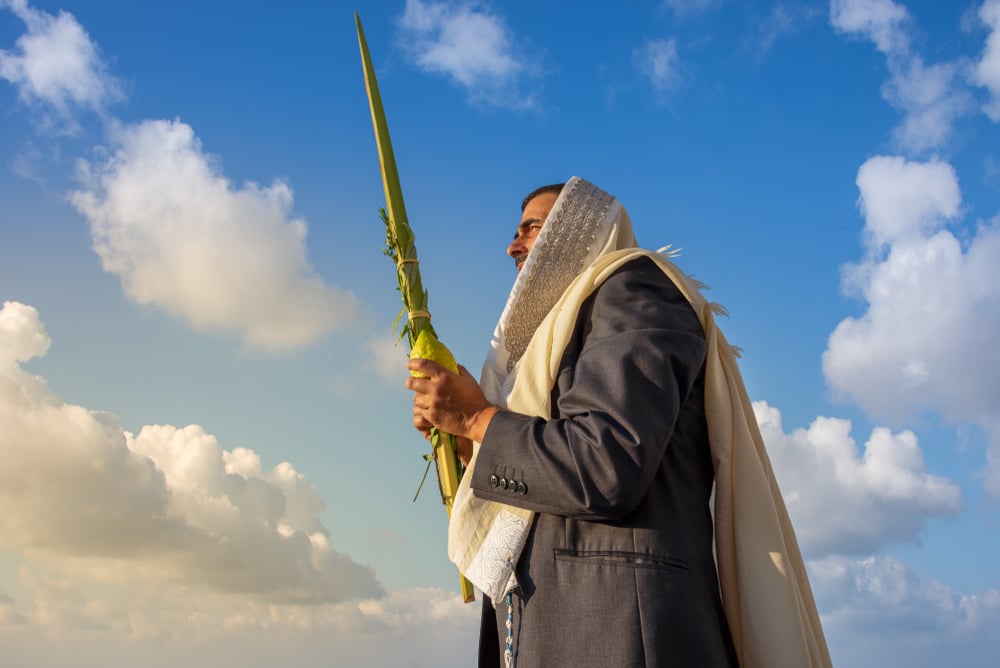
לולב- where it says ולקחתם לכם ביום הראשון.
2- קריאת שמע is unique as it says בשכבך ובקומך with no specific mention of day or night.
Now as we will see further in our גמרא, the words בשכבך ובקומך can be translated in two ways.
A- When going to sleep and when getting up. [Limited time in the evening and also in the morning]
B- When sleeping and when being awake. Meaning the time when people are sleeping (all night) and when people are up (all day)
[We briefly mentioned the כסף משנה and שאגת אריה – stay tuned – to be discussed in the future]
3 – The משנה states that קריאת שמע of ערבית is after צאת הכוכבים and not before.
4 – The great paradox: Despite the explicit ruling of the first משנה in ש”ס, the fact is that for ages, many people Daven מעריב way before צאת הכוכבים. How is the practice tolerated?
5 – Rashi himself was bothered by this practice:
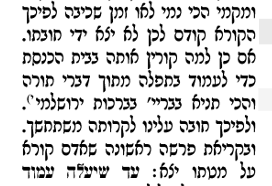
‘And [being that] prior to צאת הכוכבים is not a time when people go to sleep, therefore, someone who says שמע prior to this time is not יוצא.
If so, why do we say שמע in Shul [when we daven מעריב early]? In order so that שמונה עשרה is preceded by words of תורה. [The שמע is just an introduction to שמונה עשרה].
And therefore, we are obligated to say שמע [again] after it gets dark. And [only] by saying שמע before going to bed we fulfill our obligation [of saying קריאת שמע של ערבית]’.
In other words, according to Rashi, שמע must be said after צאת הכוכבים. However, as to מעריב, as other ראשונים explain רש”י, being that מעריב is a דרבנן, the חכמים allowed it since it would be difficult to gather a מנין at a late hour. But not קריאת שמע, which is מן התורה.
As to saying the ברכות of שמע, how can we say them before צאת הכוכבים? Are they not part of קריאת שמע?
The answer is the famous רשב”א, quoted by the Alter Rebbe in Tanya chapter 49, that these ברכות have in a sense nothing to do with קריאת שמע:
וּבָזֶה יוּבַן טוּב טַעַם וָדַעַת לְתַקָּנַת חֲכָמִים, שֶׁתִּקְּנוּ בִּרְכוֹת קְרִיאַת שְׁמַע “שְׁתַּיִם לְפָנֶיהָ כוּ'”,
This will enable one to understand the eminently reasonable explanation of the Rabbinic enactment ordaining the recitation of the blessings of the Shema: two blessings preceding it and so on,
דְּלִכְאוֹרָה, אֵין לָהֶם שַׁיָּיכוּת כְּלָל עִם קְרִיאַת שְׁמַע, כְּמוֹ שֶׁכָּתְבוּ הָרַשְׁבָּ”א וּשְׁאָר פּוֹסְקִים,
for at first glance, it would appear that they have no connection whatsoever with the recital of the Shema, as the Rashba and other halachic authorities have stated.
See there for explanation על פי חסידות as to why they are called ברכות קריאת שמע.
6 – Now to the actual Tosfos.
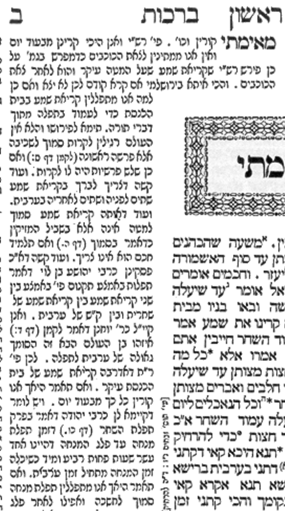
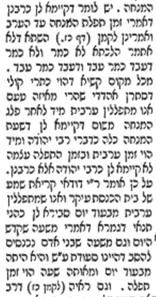
Rashi’s grandchildren and great grandchildren argued with him and posed many strong question on their grandfather’s שיטה.
One is: if קריאת שמע שעל המיטה is the way one is יוצא, then why do many people only say the first part of שמע?
Another: Why don’t we say ברכות קריאת שמע at bedtime? [See רשב”א above].
And isn’t קריאת שמע שעל המיטה said only for protection against מזיקים?
Thus Rashi’s descendants said the the שמע people say in Shul [before צאת] is the קריאת שמע that we’re obligated to do every evening. They are יוצא this מצווה even before צאת .
But how can we do it before צאת הכוכבים? Is it not contrary to what is explicitly sated in the first משנה?
So we have many approaches to resolve this issue. Here are 2.
7 – Rabbeinu Tam.
The ruling of Mishna is not the definitive הלכה. How’s that?
We encounter later in our מסכתא an argument between the חכמים and רבי יהודה as to the final time one can daven מנחה and start to Daven מערב.
The חכמים say that מנחה can be said until צאת [actually until the שקיעה] followed by מעריב.
Conversely, רבי יהודה says that the end of the time for מנחה is at פלג המנחה and immediately after פלג המנחה one can Daven מעריב.
In a day that the hours of day and night are 12 each, פלג המנחה is at 4:45 PM. צאת is at 6:00 PM.
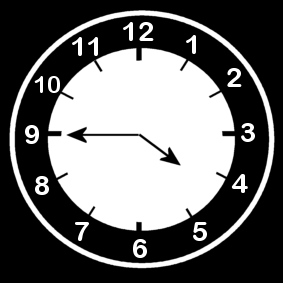
So according to רבי יהודה, ‘night’ begins at 4:45 PM, and saying קריאת שמע after פלג המנחה is perfectly OK since it is nighttime.
Now, interestingly, in regards to this particular מחלוקת , the גמרא says that one can choose to follow either the חכמים or רבי יהודה, as long as one is consistent.
So those that Daven מעריב early, accept the opinion of רבי יהודה who disagrees with our משנה as to the start of זמן קריאת שמע של ערבית. Therefore, the שמע one says during מעריב prior to צאת is the שמע one is יוצא with.
Tosfos continues by asking a strong question on רבינו תם.
In actuality, those that Daven מעריב, say at 5:30 PM [30 minutes before צאת הכוכבים] rely on רבי יהודה’s opinion that night has begun at 4:45. So far so good.
But these people also Daven Mincha at 5:15 PM! That’s contradictory, since by choosing to follow רבי יהודה, they cannot Daven Mincha after 4:45!
8 – The opinion of the R”I. [Rashi’s great grandson].
True, as above, night begins either at 6 PM [חכמים] or at 4:45 PM [רבי יהודה]. However, regardless, זמן קריאת שמע של ערבית actually begins before nightfall! And that indeed is the opinion of some תנאים, who disagree with our משנה, as we will see further in our גמרא.
They also bring proof from the story of Rav, who would start Shabbos before צאת and likely also said קריאת שמע before צאת.
There is much more on this topic and as mentioned last week the הלכה is like רש”י.
If one wants to Daven מעריב with a מנין prior to צאת, that’s fine as long as he remembers that he is not יוצא the מצוה of קריאת שמע and will need to say it after צאת.
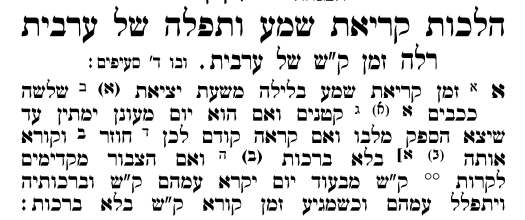
Appropriate to repeat here from the previous Shiur the opinion of the גר”א that one should better Daven ביחידות after צאת הכוכבים, so as to say שמע in its proper time.