Shiur Sukkah 17b-18a 02/23/21

BS”D

Suka 17b-18a

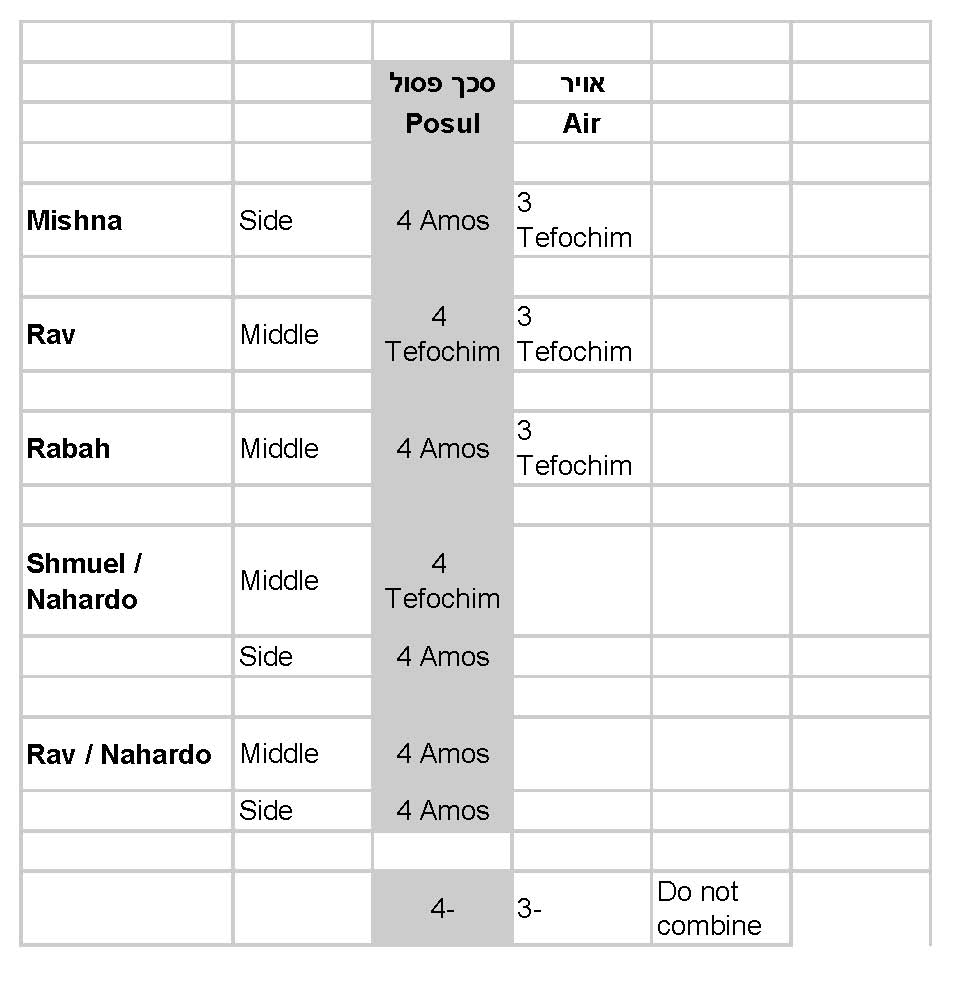
1- Chart of the various opinions discussed in our גמרא. 

2- We spoke about the issue of פורס מפה ומקדש. 

See here , footnote 25, the amazing story of what transpired in 1920 with the Rebbe Rashab. 


We mentioned that Chasidim say the reason the Rebbe Rayat”z didn’t want his father to be פורס מפה ומקדש  was due to the fact that  the Rebbe Rashab never did it previously. Thus, his request for wine to perform  פורס מפה ומקדש  in 1920 would be a sign that (perhaps)  he would not be around much longer and have another opportunity.  As if he was saying “I need to do it once before I pass away”. 

This explains why the Rebbe Rayatz:

A- Hid the wine. B- Was upset at the gabai that gave the wine to the Rebbe Rashab. C- why he felt very ill when he walked back into the room and saw that his father had already made Kiddush.

3- Regarding when to eat סעודת פורים this year we mentioned the old idiom “when all else fails read the instructions”…..

Instruction Manual Stock Photo - Download Image Now - iStock

The Ramo writes that the meal should eaten be in the morning. 695, 2. “כשחל פורים ביוס ששי יעשו הסעודה
בשחרית משוס כבוד שבת

4- Something on Purim. 

בס”ד 

 מגילת אסתר וימי הפורים

מצינו אודות ימי הפורים ומגילת אסתר דבר פלא. וטרם מצאתי מי שהעיר על זה. ואם שגיתי ה׳ הטוב יכפר וכו׳. ועכ״פ מגדר  ‘פורים תורה’ לא יצא. 

We find an amazing idea regarding Purim and Megillas Esther.

Home | Ramaz School

ובהקדם- 

א- ידועים דברי הרמ״ז על מ״ש במגילת אסתר שהימים האלו נזכרים ונעשים. שע״י שהימים טובים נזכרים כל שנה כדבעי הם נעשים, כלומר, שכל המשכות רוחנית שאירעו בפעם הראשונה חוזרים ונעשים ונמשכים עוה״פ. ובשיחות הרבי נזכרה ונתבארה נקודה זו במקומות אין ספור.

The saying of the Ramaz is well known, regarding the words in the Megillah “These days are remembered and kept…”. Through keeping the Yom Tov of Purim properly throughout the ages, Purim is Kept.

Meaning: the spiritual revelations which occurred on the first Purim, return and happen and are revealed once again, by performing the Mitzvos of Purim. The Rebbe explains this concept in countless Sichos.  נזכרים and therefore נעשים.

This phenomenon is not only on Purim but on all ימים טובים.

אבל לא נתבאר למה נאמר ונדגש רעיון זה דווקא במגילה אודות חג הפורים

Why is this idea brought out specifically in the Megillah regarding Purim?

ב- הובא ונתבאר בדא״ח מ״ש בירושלמי מגילה וברמב״ם סוף הלכות מגילה שהנביאים והכתובים  עשויים להתבטל חוץ ממגילת אסתר וכו׳. 

As it is brought down in Chassidus, the Yerushalmi in Megillah, and the Rambam, that in the future, in the days of Mashiach, all the Naviim and Kesuvim will be abolished, except for Megillas Esthter.

תו״א צ,ד. צד, א. לקו״ש ז, וכ״ו.  

 האם יש טעם פשוט ע״ז? ואיזה הלכה מודיע לנו הרמב”ם

Is there a simple reason for this? And what halacha is the Rambam teaching us?

 ג- וי״ל בדא״פ שמגילת אסתר וימי הפורים שונים משאר ימים טובים בעצם מהותם.

One can say that Megillahs Esther and Purim differ from other Yomim Tovim in it’s essential makeup:

איך? How?
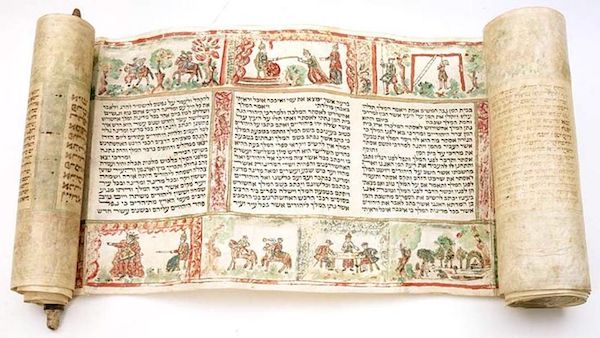
Write My Megillah - a Life's Story Scroll : The Israel Forever Foundation

יום השבת הרי מקדשא וקיימת. ויו״ט באה כתוצאה מקידוש בי״ד אפילו כשמקדשים עפ״י הלוח כמ״ש הרמב״ם בהל׳ קדהחו״ש סוף פ׳…. ..ובספר המצוות ……. (איך שיהי׳ הפירוש שם, ואכמ״ל בזה). 

The day of Shabbos is intrinsically holy and Yom Tov comes into being as a result of Beis Din sanctifying that day in the calendar.

 אבל ימי הפורים הוא דבר המתחדש ומתאמת כל שנה,  וכפשוטו.

Purim however is something which is renewed and dependent on each year.

למה?  Why?

מובא בגמ׳ מגילה ז, א,  כמה  הוכחות שמגילת אסתר נכתבה ברוח הקודש. ותמצא אסתר נושאת חן בעיני כל רואה, ויאמר המן בלבו, ועוד. 

In Gemara Megillah, 7a, various proofs from the Megillah are suggested to prove that the Megillah was written divinely inspired.

eg “And Esther found favor in the eyes of whoever saw her” and others. (How can the narrator know what others were thinking, unless it was written with divine inspiration).
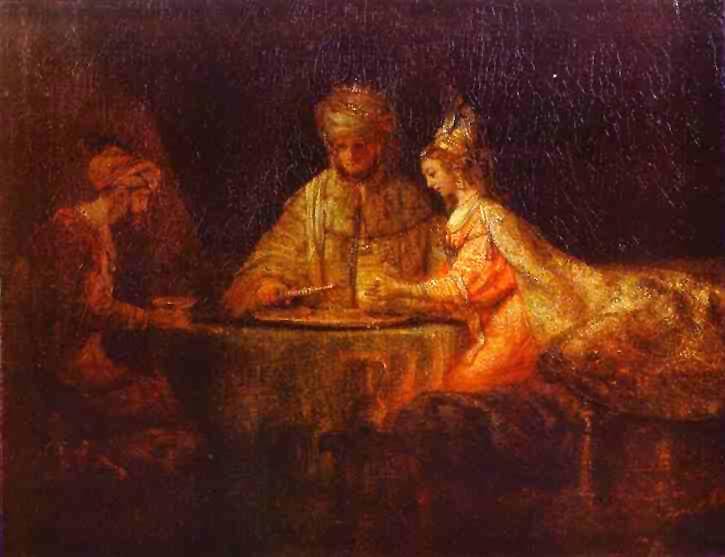
Images for the name Esther - Behind the Name

 בסופו נאמר:  אמר רב יוסף שממה שנאמר ׳וזכרם לא יסוף מזרעם׳ מוכח שמג״א נכתבה ברוה״ק. שהרי לולי זאת מאיפה ידעו שלעתיד יקראו את המגילה (רש”י)? 

At the end, R Yosef says from the words “and their memory shall never leave from their progeny”. Otherwise, how was it known that future generations, including in 2021, would read the megillah? (So, it was divinely inspired).

 זאת אומרת שקריאת המגילה ע״י בנ״י כל שנה מאמתת למפרע שהמגילה נכתבה ברוח הקודש.

The yearly reading of the Megillah and other Purim Mitzvos retroactively verifies the miracle of Purim and that the Megillah was written with רוח הקודש. 

במילים אחרים: לו יצויר שבנ״י ח״ו יפסיקו לקרות את המגילה הרי יתגלה למפרע שהיא לא נכתבה ברוה״ק וכל הסיפור של אסתר ומרדכי היה נס גדול ואירוע היסטורי בלבד. לא קשור עם נס של כלל ישראל, לא קשור עם יו״ט שנתקדש ע״י הסנהדרין וכו׳.  

in other words, were Jews cha’v to stop reading the Megillah, it would reveal retroactively that the Megillah was not written with Ruach Hakodesh- Divine inspiration, and the entire miraculous story was simply a historic account of a miracle indeed, but not a miracle that turned into a Holiday sanctified by the Sanhedrin etc.

בניגוד לחג הפסח למשל, שגם לולי קיום מצוות החג ח”ו הרי הוא בפועל יום יציאת מצרים. כלומר אירוע ניסי בלתי משתנה.

As opposed to the festival of Pesach for example;  the lack of observing the commandments of the Yom Tov Cha’v, would not negate the fact that the miraculous occurrence happened on that day.

 משא״כ פורים, שלכל מהותו כיו״ט קדוש נדרשת התאמתות חדשה כל שנה. 

As opposed to Purim, whose existence as a Holy festival requires a new adherence per se each and every year.

באופן אחר קצת- כל השנה עד קריאת המגילה בפועל ע״י בנ״י בימי הפורים  טרם נתברר אם פורים הוא יו״ט או לא, כביכול. כל קדושת החג בספק תלוי. 

Until Purim is observed each year, the jury is still out on whether it is a bona-fide Holy Day,  as above.

זה שיש חיוב לקרוא את המגילה הוא מפני שבפועל אנו קוראים את המגילה.  באין כאחד.

 ימי הפורים מתהווים רק ע״י קיום מצוותי’. 

In other words…it is not that we go to Shul to hear the Megillah because it is Purim…rather because we go to Shul and hear the Megillah  – it is Purim! 

 בפורים רק כשהם נזכרים… עי״ז נעשים, ממש!

Only on Purim – because we remember, Purim is.

משא״כ שאר החגים ה׳נזכרים׳ פועלת המשכות רוחניות אבל לא מהווים עצם קדושת החג כשלעצמו. ולכן נאמר ביטוי זה בפורים דווקא. 

ולמחרת פורים שוב נכנסים לתקופה שספק כביכול אם מגילת אסתר נכתבה ברוח הקודש עד שנה הבאה. וככה חוזר חלילה כל שנה ושנה עד ביאת גואל צדק וגם אחרי זה. 

ולכן אי אפשר שמגילת אסתר וקריאתה תתבטל. כי אם היא בטילה לעתיד לבוא, הרי היא מתבטלת גם לעבר.  משא”כ שאר התנ”ך.

 ולכן מביא הרמב”ם מאחז”ל זה כהלכה.

So even when Moshiach will arrive, Megilas Ester will remain. It will need to remain and practiced to continue the ‘yearly verification’.

Lechaim!
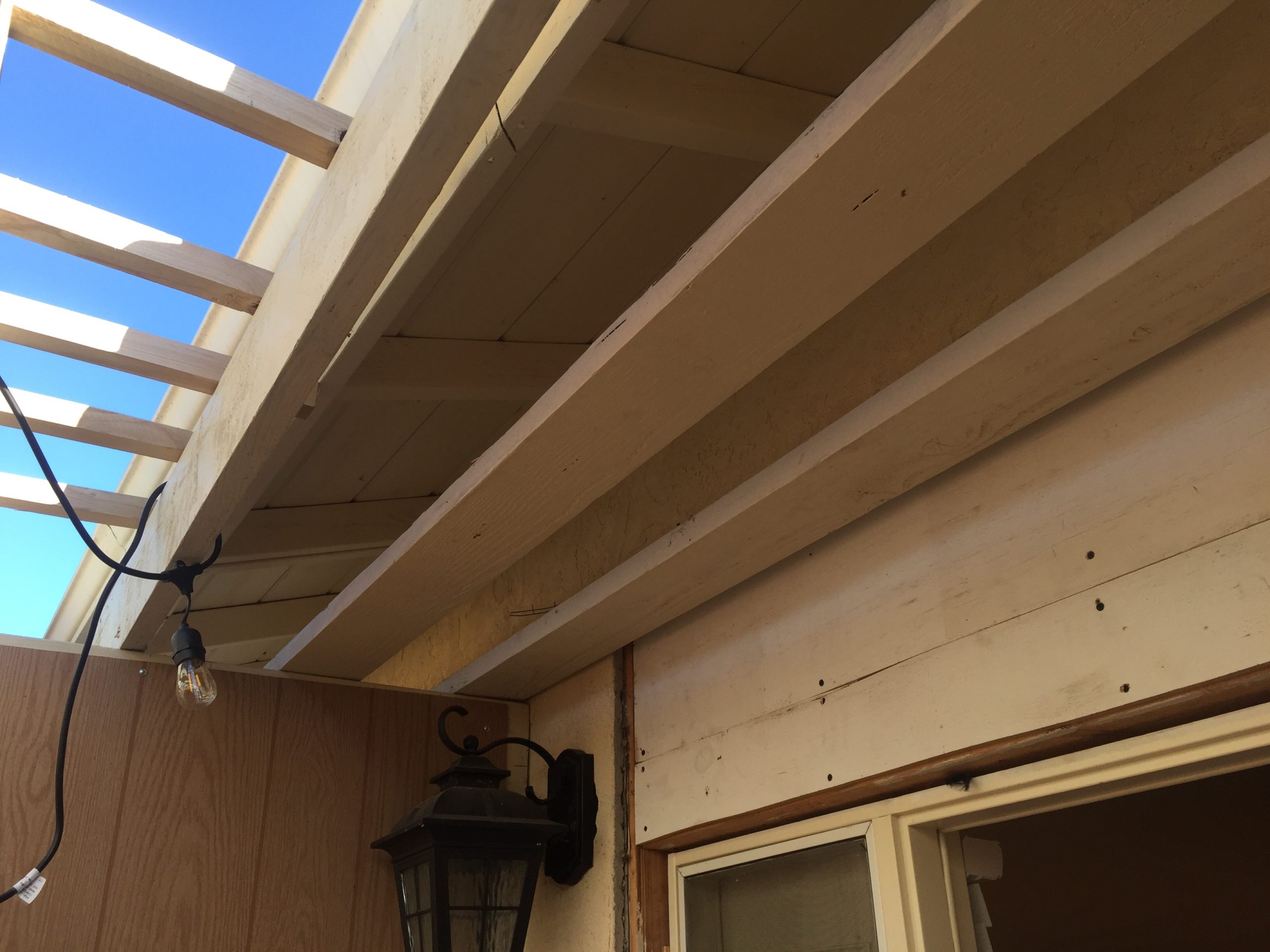
 

Shiur Sukkah 17a – 02/09/21

BS”D

Sukkah 17a

1- The Sugya of דופן עקומה.  ‘The curved wall’. 

In general and ideally, the Kosher סכך should reach and touch the walls of a Sukkah. There should not be any space between them. 

S

However, there is a הלכה למשה מסיני that allows for space to be between the Schach and the walls. 

How much space? That depends. If it is empty space with no סכך, then up to  3 טפחים are allowed. If it is filled with סכך פסול, then it is up to 4 אמות

Why is empty space- air – more stringent than schach that is פסול?

We discussed the possible reasoning for these two different measurements. 

Visually, an area where there is no schach ,creates  a gap in a Sukkah,  and is worse than an area that is fully covered but with schach that is פסול.

2- The reasoning of this הלכה למשה מסיני is the דופן עקומה  concept. 

See here.. 

Rashi brings two understandings. 

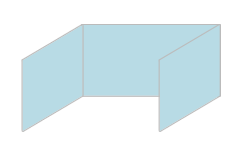
A-  We view the pasul schach as part of the wall and that the wall is bending at the top, meeting the kosher schach.  A 90 degree wall. 

B-  We view the wall itself as if it is bending underneath the invalid schach and touching the valid schach. The invalid schach is viewed as being outside the Sukkah. 

Rashi rejects this explanation.

Rashi dislikes this second understanding because the Mishnah rules that if there is three tefachim or more of air space between the walls and schach then the sukkah is invalid. According to the second understanding we should have simply been able to rely on דופן עקומה even if it is more than 3 tefachim and view the wall as if it was bending and touching the kosher schach.

3- We discussed the brilliant suggestion of the פרי מגדים (MZ 637, 4) that offers a practical difference between the two explanations above of דופן עקומה. 

If one were to build a Sukkah and use stolen סכך the Sukkah is פסול since we view this schach as non existent.

However if he had Kosher schach, but at the edge of the Sukkah he placed stolen schach! In other words, the last 3 tefachim are stolen. So now this ‘bridge’ is viewed as non existent. 

However, if we view דופן עקומה as bypassing the Schach that is פסול (B above) then it would be valid, since we would consider the stolen סכך  as out of the Sukkah. 

On the other hand, if דופן עקומה views the סכך פסול as part of the wall, then the Sukkah would be פסול since a wall that is גזול is פסול. 

See also Minchas Chinuch 325, 9

אם כן אם הי’ אויר שלשה הן מן הצד והן באמצע דפסול הסוכה אם כן אף בהניח סכך גזול ג’ טפחים הסוכה פסולה הן מן הצד והן באמצע דבלאו הסככא היה הסוכה פסולה דאויר סוכה פסולה בשלשה ובאתה להכשיר ע”י סכך זה הגזול וה”ל מה”ב דהמצוה של סוכה באה ע”י העבירה’ דאי לאו העבירה לא היה לו סוכה כלל. 

בשלמא בשאר סכך פסול דל”ש מה”ב שפיר אינו פוסל פחות מד’ או מן הצד בד”א דכן הוא הלכה. אבל מחמת מה”ב כ”ה דעבירה מסייע להמצוה פסולה אם כן כאן פוסל כמו אויר דה”ל מה”ב כנלע”ד ברור בעזה”י. אך בפחות מג’ טפחים דאינו מועיל כלל להכשר סוכה כי אפילו בלאו הך סככה כשרה דאויר אינו פוסל פחות מג’ כ”ש מה”ב וז”פ.

Courtyard with portico

Image result for courtyard with portico, sukkah, breached house

Breached house

Shiur Sukkah 16b (2) 02/03/21

BS”D

Suka 16b (2)

Shvat 20, 5781, February 3, 2021

1- We discussed the story of the putting up partitions on Shabbos. 

Image result for putdoor mechitza

The opinion of Rashi that an אהל must have a top. Partitions with no top/cover are never considered an אהל Min Hatorah. The definition of an אהל  is only the top. Thus, placing a blanket atop of  four poles, creating an אהל without walls, is prohibited.  

Tosfos and others disagree. 

A garden-style Chuppah made out of birch

Regardless, all tents, even temporary ones, are prohibited מדרבנן. Some say that even putting on a hat with a wide brim like a sombrero may be considered an אהל…..

Image result for wide brimmed hat


2- Partitions without covers are permitted if they are for temporary use. 

The general rule is that if a מחיצה is needed to be מתיר a situation, then putting up such a partition is prohibited. By placing a מחיצה we are creating a new רשות. 

Examples of cases that are prohibited –  Creating the third wall of a Suka. Or creating a רשות היחיד. 

See Alter Rebbe’s Shulchan Aruch for various examples and other factors. OC 315.  

On the other hand, if a מחיצה is not needed to be מתיר then the rule of building a מחיצה does not apply. 

Examples of cases that are permitted – putting up a partition so the wind will not extinguish the candles. Creating a מחיצה  during a דרשה to separate between men and women. 

Image result for men and women separate outside

A מחיצה for Davening would seem to be prohibited. But see above end of Seif 3. Need to research this. 

3- We discussed the various הלכות of לבוד. 

Image result for לבוד.

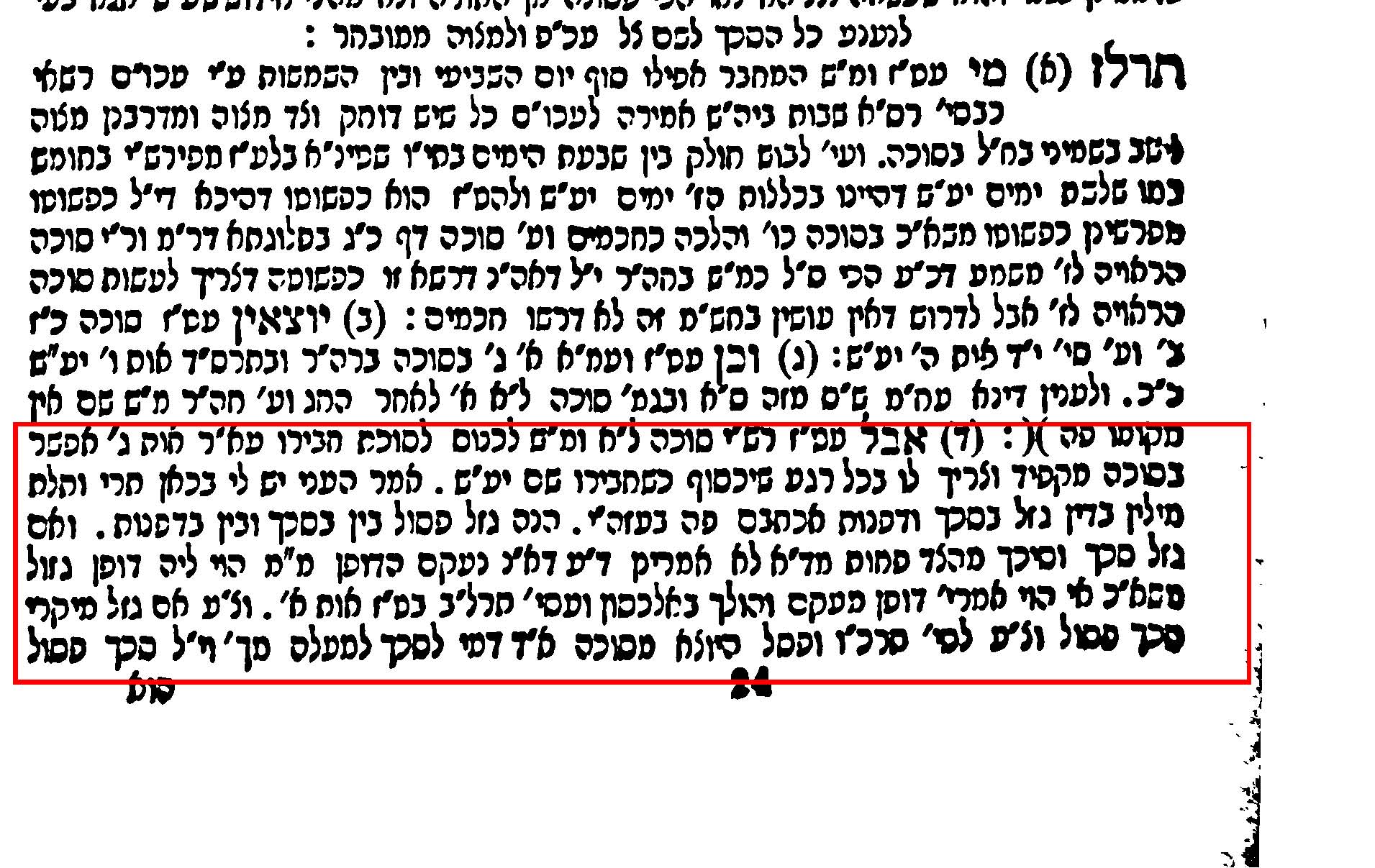
4- Tosfos writes that when creating a Suka, (which only needs 2 walls and a טפח of a third) one can accomplish it with a single wall of 7  טפחים , a plank of wood of 4 טפחים plus and placing the smaller piece perpendicular to the larger piece, within 3 טפחים. This 90 degree structure would be sufficient for a barebone Suka. 

 5-

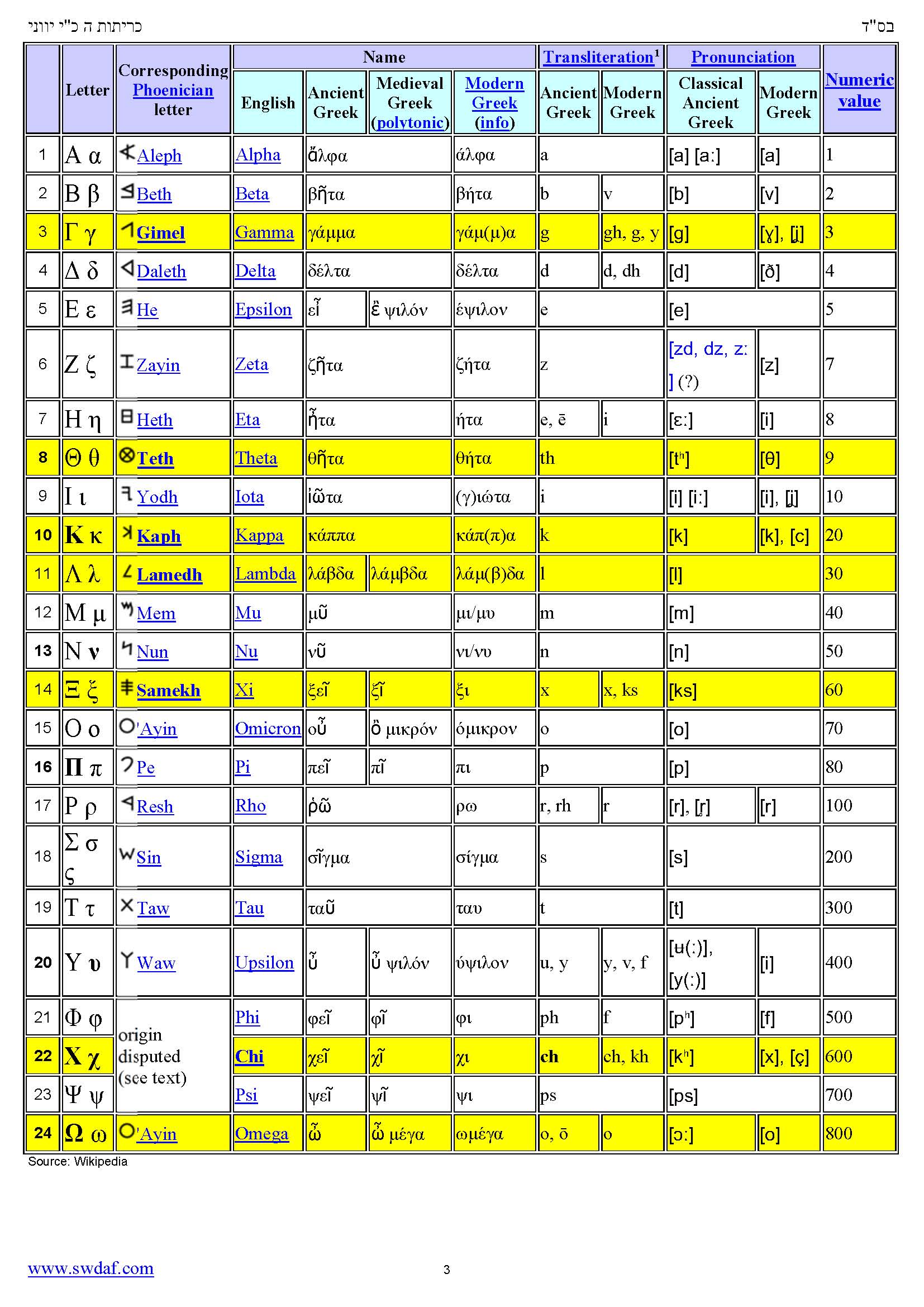
5-The term Tosfos uses for this 90 degrees is GAM, which is the third letter of the Greek Alphabet. It is similar to the shape of an inverted Hebrew long כף that creates a 90 degree form. See Rashi Pesachim 8, b. 

This symbol is used in many Mishanayos and in Gemara. 

Image result for gamma

We discussed this topic at length as one finds in many places the חכמים used Greek letters. 

In our case of GAM, the obvious question is- why not use the Hebrew letter כף? 

Image result for ך

Rabeinu Monoach who wrote a commentary on the Rambam writes the following:

Image result for Rabbeinu Manoach

רבנו מנוח (הלכות שופר וסוכה ולולב פרק ד’) ז”ל “כתב הרב היו לה שתי דפנות זו בצד זו כמין גאם כלומר גימ”ל יונית שהיא עשויה כדל”ת שלנו. ומה שאמרו רבותינו כמין גאם ולא אמרו כמין דל”ת שלא רצו לתאר לאותיות הקדש שום דבר של חול וזה מהפלגת הגדולים קדושת התורה וכבודה”, עכ”ל.

The Chachamim didn’t want to use the holy Hebrew letter to describe a shape. 

6- See Shkolim 3, 2, where the first three Greek letters were used in the Beis Hamikdosh.

בְּשָׁלשׁ קֻפּוֹת שֶׁל שָׁלשׁ שָׁלשׁ סְאִין תּוֹרְמִין אֶת הַלִּשְׁכָּה, וְכָתוּב בָּהֶן אָל”ף בֵי”ת גִימ”ל. רַבִּי יִשְׁמָעֵאל אוֹמֵר, יְוָנִית כָּתוּב בָּהֶן אָלפ”א בֵית”א גָמל”א.

In three baskets each of [the capacity of] three סאה they make the appropriation [of shekolim] from the chamber. And on them was inscribed: Aleph, Beth, Gimmel. Rabbi Ishmael says: Greek was inscribed on them, alpha, beta, gama

6- The most famous Greek letter/symbol used in Shas etc.  and also the most disputed one, is the term כי which is one of the Greek letters. 

“One anoints Kohanim by applying oil on their heads. How exactly? In the shape of a כי. Now what is a כי?  Like the shape of the Greek letter כף.” Horius 12,a. 

But which letter in the Greek alphabet is like a כף? That’s a huge topic.  The symbols we see in Sha”s vary from place to place. 


Is it # 3 in the shape of Г or an inverted Hebrew long כף. 

Is it # 10 the shape of a K, which is called Kaffa in Greek. 

Is it # 22 the shape of an X, which is called Ki in Greek. 

Is it #14 the shape of  ξ which is called Chi in Greek. Pronounced KSI.

Is it # 16 shaped like a ח which is called Pe and looks like a חי”ת

Is it #22 shaped like a Hebrew ט. That’s what the תוספות יום טוב writes.

See here.

http://primary.swdaf.com/DafDocs/kreitot/kreitot005_Greek_Chai.pdf

  And here. 

https://tora-forum.co.il/viewtopic.php?style=1&t=6196

See also Likutei Sichos Ki Sisa2, Vol 26. P 238


Shiur Sukkah 16a-b 01/26/21

BS”D

Sukkah 16a-b 

01/26/21

1- We began with the Mishnah that discusses walls of a Sukkah that either do not reach up to the סכך or walls that are ‘hanging’, meaning that they do reach the ground. 

Outdoor dining in NYC will be closed on Wednesday due to a massive snow storm

Whereas ‘stretching’ the walls up, גוד אסיק, is accepted by all as creating a kosher סוכה, conversely, if the wall does not reach the ground level there is a מחלוקת between the חכמים and Rebi Yosi. 

Sukkot! | Denise Morris


2- When we speak of ‘not reaching the floor’ we mean that they are 3 טפחים off (above) the floor. If the bottom of the wall reaches within 3 טפחים  it is considered as if they actually touch the floor. This is the concept of לבוד- anything less than 3 טפחים is considered as none existent and/or connected.  

The Sukkah Project Walls for your Sukkah | Sukkot, Backyard decor, Feast of tabernacles

3- The Gemore quotes a similar מחלוקת in regards to the Halachos of שבת. Do the walls of a רשות היחיד need to reach the floor level? 

It discusses reasons as to why סוכה should perhaps be more stringent than שבת, or why שבת should be more stringent than סוכה. 

The Gemara suggests that perhaps even a דרבנן of שבת is more stringent than סוכה that is a מצות עשה!

These may be America's proudest 'Shabbos goys' | The Times of Israel

We discussed the Ramban who writes that the ‘spirit of keeping  שבת’ like sitting in one’s office, buying and selling, although not one of the 39 מלאכות, is contrary to the entire idea of Shabbos.

See also Chasam Sofer. CM, 195. 

Likutei Sichos here. Footnote #11. 

 4- In regards to a wall not reaching the ground the Gemare brings the following story:

When Rav Dimi came from Eretz Yisrael to Babylonia, he said: One time they forgot and did not bring a Torah scroll to the synagogue on Friday. 

The next day, on Shabbat, to avoid violating the prohibition against carrying, they spread and suspended sheets on post that were fixed along the path from the house in which the Torah scroll was stored to the synagogue, establishing partitions. And they brought a Torah scroll along that path and read from it.

The question is in regard to these sheets being that they did not reach all the way to ground level. 

Tzipori, Archaeology in Israel

Since this story happened in Tzipori where the Rov was Rebi Yosi, they must have followed his ruling in regard to ‘hanging walls’. Unless it happened after his passing and his son, Rebi Yishmoel, disagreed with his father. 

We spoke about this idea of a son not following a Minhag of his father. We mentioned the ב”ח. CM end of 25 whether a new Rav needs to follow the Minhag instituted by his predecessor. 

אחר רבי יוסי לציפורי לא על פי ר”י נעשה אלא ע”פ ר’ ישמעאל ב”ר יוסי נעשה שכבר נפטר ר’ יוסי אלמא דאע”פ שהיו נוהגים להחמיר כר’ יוסי מ”מ לאחר מיתתו נהגו להקל כבנו

We also discussed the novel idea of the שערים המצויינים בהלכה (written by Rabbi Braun’s grandfather) that a Minhag that occurs  rarely, like a ‘hanging wall’ then it would not be an issue to change the Minhag. 

5- We began to talk about putting up walls on Shabbos, like a מחיצה. 

To be continued. 

6- We spoke about נחשון בן עמינדב. 

החרות לבחור, רחל גבירצמן - יוצרים סביבה

Here it is in Hebrew:

זה קרבן נחשון בן עמינדב

בקרבנות הנשיאים, אצל כולם כתיב נשיא לבני …

אבל בקרבן של שבט יהודה של נחשון לא נכתב נשיא. כבשאר הנשיאים. 

ע’ חזקוני ואוה”ח. ועוד. 

וי”ל בדרך אפשר: 

דהנה בסוטה לז, א פליגי מי קפץ לים תחילה. ר”מ אומר: שבט בנימין כמ”ש בתהילים סח. 

ואנשי שבט יהודה רגמו אותם באבנים! עיי”ש בתוס’. 

ר’ יהודה אומר: לא כך היה המעשה. נחשון קפץ תחילה. יעו”ש במפרשים וכן במפרשים בעיון יעקב. 

לא מצאתי מפורש שלדעת ר”י כל שבט יהודה קפצו. ואדרבא – משמע שרק נחשון קפץ.

[ואולי לא פליגי. נחשון לבד קפץ תחילה ושבטו הססו. ושבט בנימין הם השבט כולו הראשון שקפצו לים] 

ואם כנים הדברים,  שרק נחשון קפץ לים – מובן למה לא נזכר נשיא בקרבן של נחשון. כי הוא הקריב ראשון רק בזכותו. לא מפאת היותו נשיא לשבטו (שקפצו אחרי שבט בנימין).  

ואכן בהיסטורי’ שלנו היו מנהיגים גדולים אבל ה’עם’ שלהם היו…….

וד”ל.


Shiur Sukkah 16a 01/19/21

B”H 

Sukkah 16a

6 Shvat 5781 January 19, 2021

Some brief notes:

1- We continued on the topics of last week. 

The Torah states, for example, that to create a רשות היחיד we need three walls. Its simple meaning is that these three walls should be solid walls  – with no gaps or holes. 

Plan Your Customized Garage Storage | FlowWall

However, if most of these walls are solid and only a minority of the length are holes and gaps, it is still OK.  We follow the רוב. 

Open cinder block wall created by staggering the blocks. From the Design Within Reach catalog | Cinder block walls, Concrete block walls, Breeze block wall

What about 50-50? 

The question is whether the Torah states that ‘most of the walls should be solid’.  Thus 50-50 would not work. 

Or perhaps the Torah meant to say that these walls should not be mostly gaps, thus 50-50 would work. 

Ditto with a Sukkah. 50% kosher Schach and 50% non kosher. 

2- Speaking of a 50-50 a situation that it is not a רוב but neither is it  a מיעוט, we mentioned the Minhag of Chabad and others of wearing (at least during davening) a jacket that buttons right on left. See here

CORONA VICTIM: HaRav Leibel Groner ZTL, Longtime Secretary Of Lubavitcher Rebbe - The Yeshiva World

Reb Moshe Feinstein exiting the Rebbe’s room. The Rebbe can be seen getting up in his honor. Rabbi Groner is helping him with his coat. Note Reb Moshe’s kapote that is right on left. 

Humorously, we asked  if one wears a jacket that zippers up? It’s not right on left all right . But….neither is it left on right …..

Amazon.com: Zipperstop Wholesale YKK- Extra Heavy Duty Jacket Zipper YKK #10 Brass- Metal Teeth Separating -Chaps Zippers for Crafter's Special Color Navy #560 Made in USA -Custom Length (28 inches)
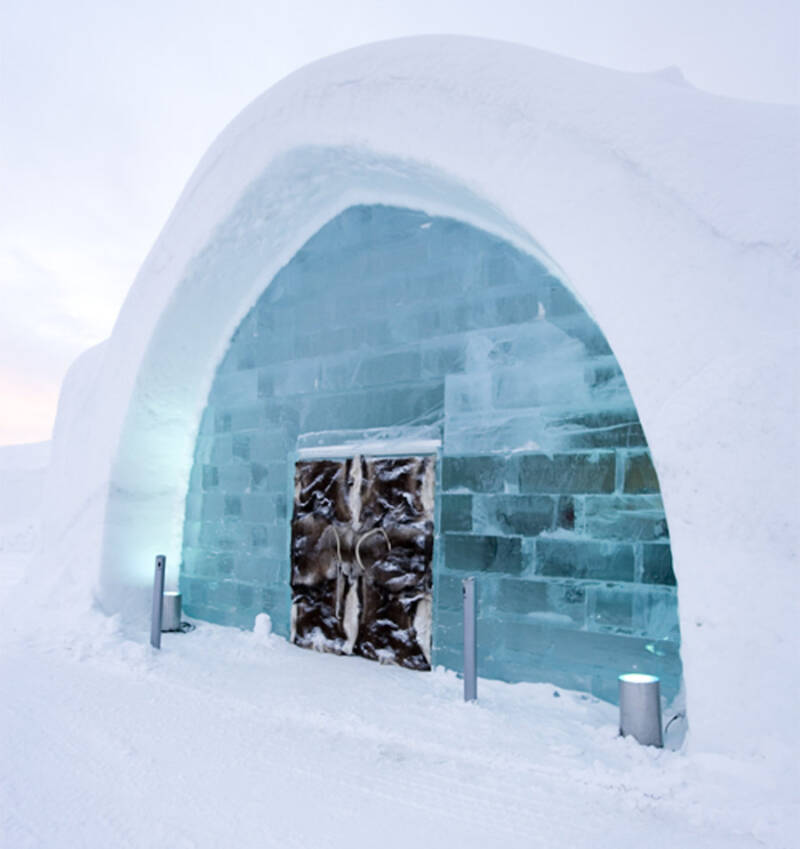
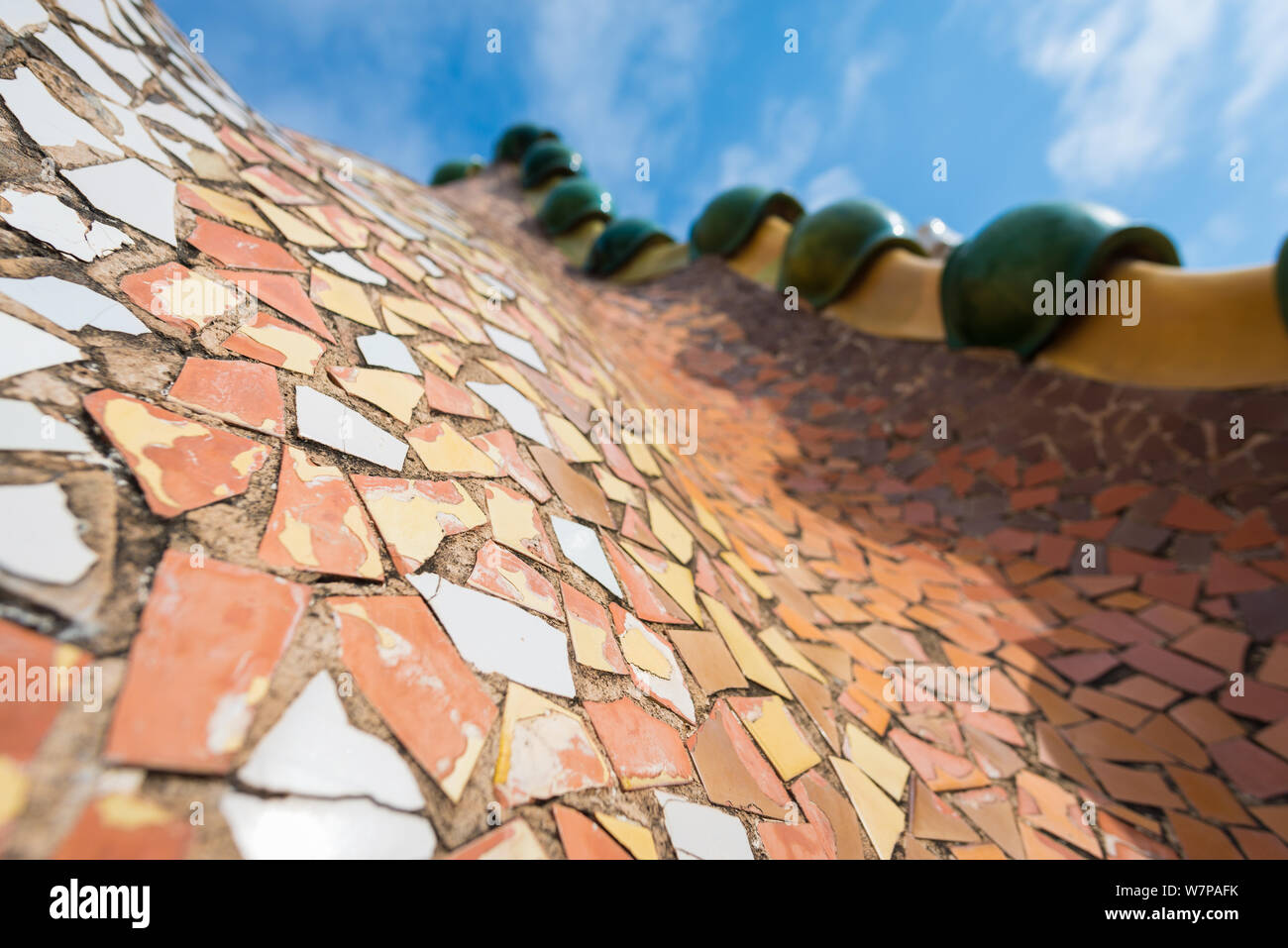
3- Our Gemore discusses using סכך from something that originally was פסול but ‘became’ kosher. Such as parts of pottery. Or food. In their original state both are פסול since they are מקבל טומאה. 

However when they are broken or fragmented, they are no longer מקבל טומאה. 

Roof top of Casa Batllo designed by Antoni Gaudi, Barcelona, Spain showing trencadis broken pottery mosaic art Stock Photo - Alamy

The Halachah is that one cannot use these items since at one point they were unfit for סכך. 

4- We mentioned the ערוך לנר that connect this to the concept of דיחוי. That is an issue that is found in dozens of places in Sha”s. 

One  example of דיחוי is if there are Kohanim standing on line to spray blood on the מזבח and something happens to the structure of the  מזבח making it פסול. The Kohanim stop their movements.

Now, if the מזבח is immediately repaired, is there an issue with the Kohanim continuing their עבודה  since there was a time from the start of this particular עבודה there was no מזבח?

Masechet Zevachim 86a-92b | Everyday Jewish Living | OU Life

This blood was נדחה. Or ‘pushed away’ and perhaps cannot be ‘brought back’. 

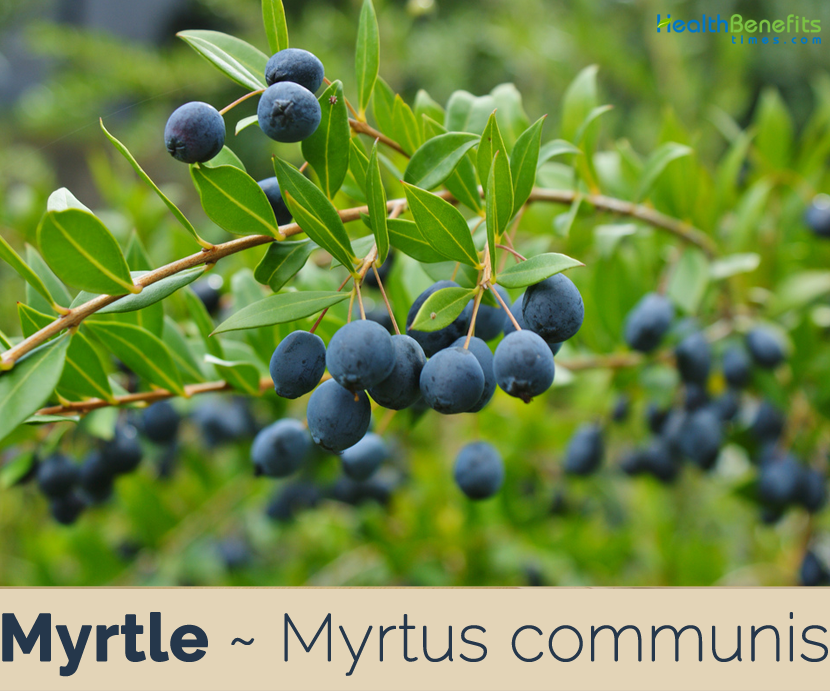
We will have more on this on 33b in the case of the הדס that has too many berries making it פסול. What if Yom Tov morning these berries fell off. Do we say that once the הדס  is פסול, it cannot be ‘brought back’. 

Myrtle facts and health benefits

5- Our Gemara speaks about the person that burrows into a pile of hay to create a Sukkah. That is what the Mishnah uses as the classical case of  תעשה ולא מן העשוי. It’s פסול because the סכך was originally placed not for a צל. 

Sukka 16a-b: A Sukka in a Stack of Grain – Aleph Society

However if there was a hollow space of a טפח when this pile was created, since the hay was placed on top of an empty space, it is considered a ‘cover’. So enlarging this space to 10 טפחים high would be OK. 

6- From here we went to a topic that surprisingly is not mentioned in the Gemara of even ראשונים. 

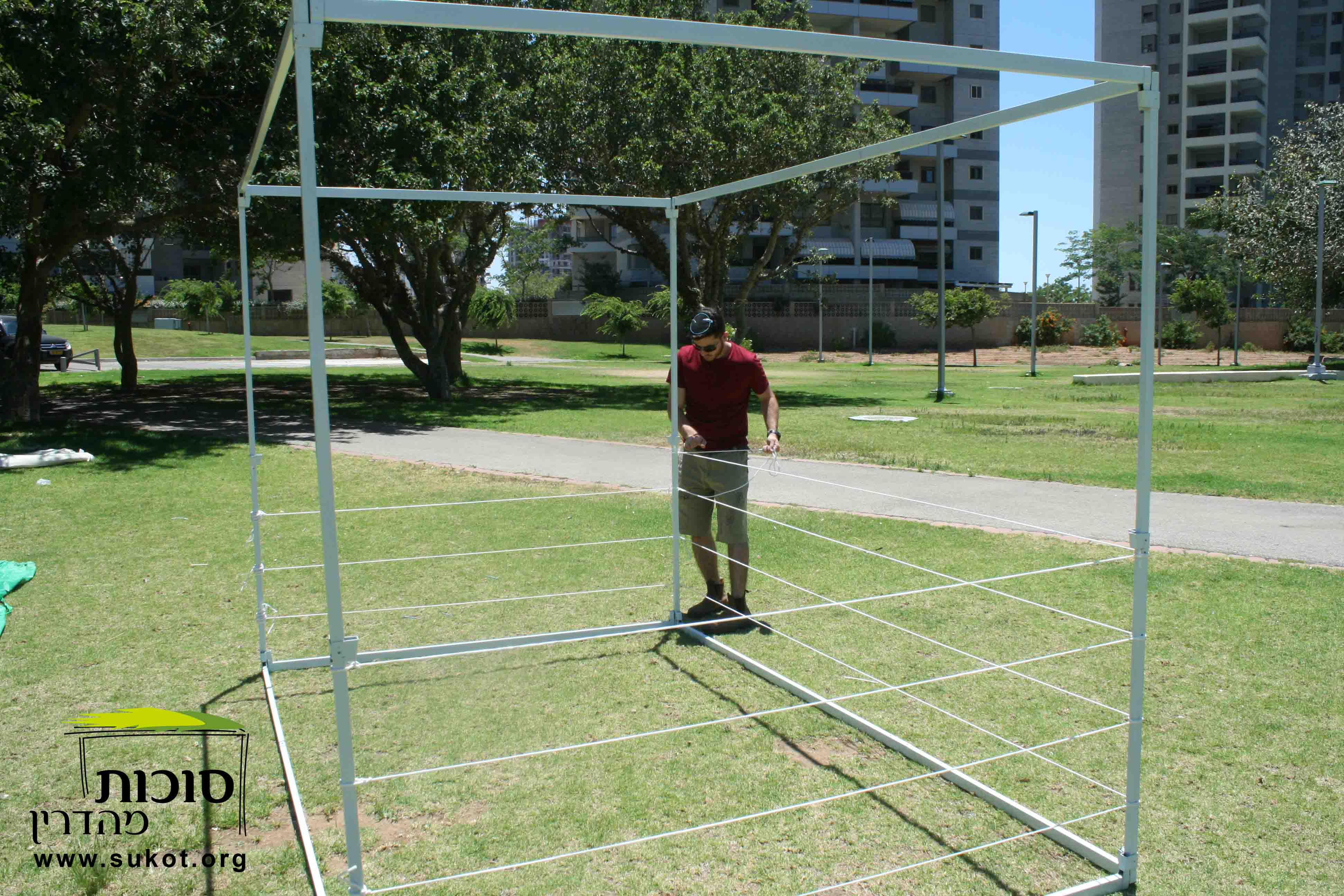
That is – can the סכך be placed before proper walls are put up. Like a pop-up Sukkah that the frame is erected first. Now, if one was to place the Schach on the frame prior to attaching the canvas walls would that be OK?

The first one to mention this is the הגהת מיימונית and is brought down by the Ramo. See here. OC 635 end of Seif 1. See מגן אברהם and the ט”ז there. 


Shiur Sukkah 15a-b, 01/13/01

BS”D

Sukkah 15a-b

Teves 28, 5781. January 13, 2021

Some brief notes. 

Orange Chandeliers.jpg

1- Our Mishna states that 50% of Kosher סכך and 50% of פסול סכך  validates a Sukkah.  This, despite  the general rule is that סכך needs to be  more shade than the sunlight.

How do these two concepts jive?

This הלכה opens up two vast topics that are called ש”ס סוגיות, where we find intricate discussions concerning various scenarios in multiple places in ש”ס. 

Topic #1. 

When the Torah requires one to perform an action we assume that doing just רוב, a mere majority of it, is considered as “done”. 

Job Half Done Images, Stock Photos & Vectors | Shutterstock

[Obviously, not when the Torah states a measurement. Such as eating a כזית of מצה. Eating רוב of a כזית is insufficient].

For example, to create a רשות היחיד one needs  to be enclosed by 3  walls. Now if there are gaps in the walls, one needs to measure the  total of both, all the open gaps and the closed walls to be certain that the majority is closed or walled. 

What if it is exactly 50/50? Is it considered a רשות היחיד? 

We find that there are two opinions in this case and other similar cases. Such as by שחיטה where one needs to shecht the ‘majority’ of the air and food pipe. What would be if one shechts just 50% and the other 50% remains uncut? 

NoExcusesHR: "You Don't Do Anything Halfway"

Rav פפא is of the opinion that 50/50 is as good as רוב. 

Why?
His reasoning is, in the case of the walls concerning a רשות היחיד, that the Torah, by stating that we need a רוב (in regards to a רשות היחיד) meant to say that there
should not be a רוב of gaps! So by having 50% of walls and 50% of gaps there is no majority of gaps or holes. 

On the other side we have רב הונא with the opinion that 50/50 is not considered as רוב. 

Why?  His reasoning, in the case of the walls concerning a רשות היחיד, is that the Torah by stating that we need a רוב meant to say that there should be a רוב of walls! So by having 50% of walls and 50% of gaps the majority is not walled.  

This topic is known as  פרוץ כעומד – when we have gaps פרוץ, that equal the walls עומד. 

Our Mishna, which validates a 50/50 sukkah, seems to accept the opinion of רב פפא.

Topic #2

According to רב פפא, that a 50-50 scenario is as good as a רוב, thereby allowing one to cover a Sukkah with 50% of Kosher סכך and 50% of פסול סכך one must make sure that it is indeed 50% of Kosher סכך and not less!

So here is the second vast topic known as אפשר או אי אפשר לצמצם. This manifests itself in the realm of time and place. 

Time– Can two things occur at the same time?  

Place– Can anything be split exactly 50-50? 

The issue is more complex since on the surface it is seems , in both of the above, that yes,  it indeed can! And why not? 

Let’s see. Time. 

In regards to בכור of an animal that one needs to gift to a Kohen. If a calf that never gave birth happenes to give birth to twin animals at the same time. 

Photo finish - Wikipedia

  • If they were both indeed born simultaneously and we can ascertain this fact, then both are קדוש and belong to the Kohen.

The question: Can it be possible for both to have been born at the exact same time? 

That is a universal מחלוקת between the רבנן and רבי יוסי. 

The רבנן  say אי אפשר לצמצם. Meaning it cannot happen at the exact same time. 

Infinitely Divisible Distribution | by HW Roh | Towards Data Science

We discussed what that means. According to the Rambam and Rashi, in nature two things can never happen at the exact same time. 

Why not? Good question. 

[We mentioned the equally puzzling ירושלמי that states that nothing created by Hashem is perfectly square! See here a letter from the Rebbe from 1948 to Rabbi Sholom Rivkin]. 

The perfect cube | 3D CAD Model Library | GrabCAD

Tosfos says that of course things can happen at the same time. It’s just that Halachically one cannot ascertain that it did indeed occur at the same time. 

Space

Does the Torah allow to cover one’s Suka with 50% of Kosher סכך and 50% of פסול סכך? 

Can a human really calculate that he placed 50% of Kosher סכך? 

The Most Precise Measurement of an Alien World's Size | NASA

If he placed only 49.999% of the Kosher סכך  it would invalidate his Suka. 

We discussed much more – and will continue  BL”N. 


Shiur Sukkah 14b(3), 12/29/20

BS”D

Suka 14b

Teves 14, 5781. December 29, 2020

1- גזירת תקרה. 

We continued with the topic of covering a Sukkah with planks of wood. 

The Last Tin Roof- metal roofing in Northern Virginia - Lyons Contracting

Reb Yehuda allows using planks, whereas Reb Meir does not because of  גזירת תקרה, meaning that if a Sukkah where the סכך is made of plywood was כשר, one may think that since his house is also covered with plywood so why not remain at home and declare it a Sukkah!  

Rav’s opinion is that Reb Yehuda allows planks of wood to cover the entire Sukkah. He does not agree with  גזירת תקרה . So one could indeed place plywood boards over the entire Sukkah. Reb Meir prohibits it if is wider than 4 טפחים – about 12.5 inches.

Shmuel’s opinion is that all agree to פסל  if the planks are wider than 4 טפחים. The argument between Reb Yehuda and Reb Meir is if the boards are between 3-4 טפחים.  

2- Our Gemara quotes 2 Beraisos one supporting Rav’s opinion the other Shmuel’s. 

3- What about placing the planks upright – not flat? The boards only  cover the Suka with their thin width. 

2 opinions.  The one that prohibits it says ‘these planks are like spits of steel’. Meaning that once the חכמים ruled that planks (which in reality are perfectly Kosher סכך just like evergreen branches), are פסול, using them in any fashion is פסול  as well. נעשו כשפודין של מתכת

We discussed this opinion that prohibits placing the planks upright. Does that mean

a -that they are considered as lying flat, thus it is סכך פסול.

Or

b – perhaps it means that each one of these planks in itself does not create סכך פסול since it is not 4 Tefochim in width. What it means is that each one of such planks can combine with another to create an area of 4 Tefochim of סכך פסול.

4-  נעשו כשפודין של מתכת. 

We mentioned the Rebbe using this concept in numerous places. 

 . תענית בכורות בערב פסח. LKS 17, 66. 

When the first day of Pesach occurs on a Sunday the fast is ‘pushed back’ to Thursday. If someone forgets to fast on Thursday, can he make up and fast on Friday? 

Perhaps not as some opinions say.  Why? 

Using the example of the  גזירת תקרה, disallowing the use of boards, the boards become סכך פסול in any fashion even if placed in a way that it does not lie flat on the Suka. 

Similarly, when the Chachomim moved the fast from Friday to Thursday,  Friday is not considered a fast day at all. 

See Likkutei Sichos Vol 19,  Devarim (5), p 30 and Vol 30 and 135 for other examples using this concept. 

5- We discussed a topic mentioned in the past. 

This  idea of the נתיבות, Toras Chesed  – and –  Reb Yosef Engel ( אתוון דאורייתא כלל י, כב ) that as opposed to something that is prohibited Min HaTorah where the actual item (such as food) is prohibited, when something is prohibited only MideRabbanan the prohibition is only on the person. It does not make the item itself an Issur.


2020-08-10 (2).jpg

תעודת הכשר מהגר”י ענגיל ע”ה – קראקא תרע”ג

Based on this idea, for example, if one unintentionally eats something that is prohibited only MidRabanan. it would not be considered eating something treif!

Why Chicken and Cheese Became Prohibited

בשר עוף בחלב – מדרבנן

We mentioned that the Alter Rebbe in Tanya (8) seems to disagree with this idea.

שאף מי שאכל מאכל איסור בלא הודע לשם שמים לעבוד ה’ בכח אכילה ההיא וגם פעל ועשה כן וקרא והתפלל בכח אכילה ההיא אין החיות שבה עולה ומתלבשת בתיבות התורה והתפלה כמו ההיתר מפני איסורה בידי הס”א משלש קליפות הטמאות ואפי’ הוא איסור דרבנן שחמורים דברי סופרים יותר מדברי תורה כו


Shiur Sukkah 14a(2) 12/22/20

BS”D

Sukkah 14a (2)

Teves 7, 5781.  December 22, 2020. 

Some brief  notes from the Shiur: 

1- Firstly, since tomorrow, Friday,  is Asarah b’Teves it is worth noting that the Slichos we will say 

אֲבוֹתַי כִּי בָטְחוּ, בְּשֵׁם אֱלֹהֵי צוּרִי, גָּדְלוּ וְהִצְלִיחוּ, וְגַם עָשׂוּ פֶרִי. וּמֵעֵת הֻדָּחוּ, וְהָלְכוּ עִמּוֹ קֶרִי, הָיוּ הָלוֹךְ וְחָסוֹר, עַד הַחֹדֶשׁ הָעֲשִׂירִי

was composed by Reb Efraim of Regensburg, (רבינו אפרים) the ראשון. We mentioned a few weeks ago concerning if what today we call ‘canvas’ is actually flax/linen or a different species. He was a student of Rabbeinu Tam and had some (fierce) disagreement with him. 

Reb Efraim hinted to his name in the first four letters of the last four stanzas. 

אָמְרוּ

פְּצָעַי

רַחוּם

יְיָ

מִיָגוֹן

2- Our Mishnah /Gemore topic was if one may use planks of wood for סכך. Reb Yehuda allows it whereas Reb Meir does not. 

Rav’s opinion is that Reb Yehuda allows any size planks of wood to cover the entire Sukkah. Meaning that one could place plywood boards over the entire Sukkah. Reb Meir prohibits it if is wider than 4 טפחים – about 12.5 inches.

Framing a flat roof with slight pitch in preparation for roofing with .060 EDPM rubber


Shmuel’s opinion is that all agree to פסל it if the planks are wider than 4 טפחים. The argument between Reb Yehuda and Reb Meir is if the boards are between 3-4 טפחים.  

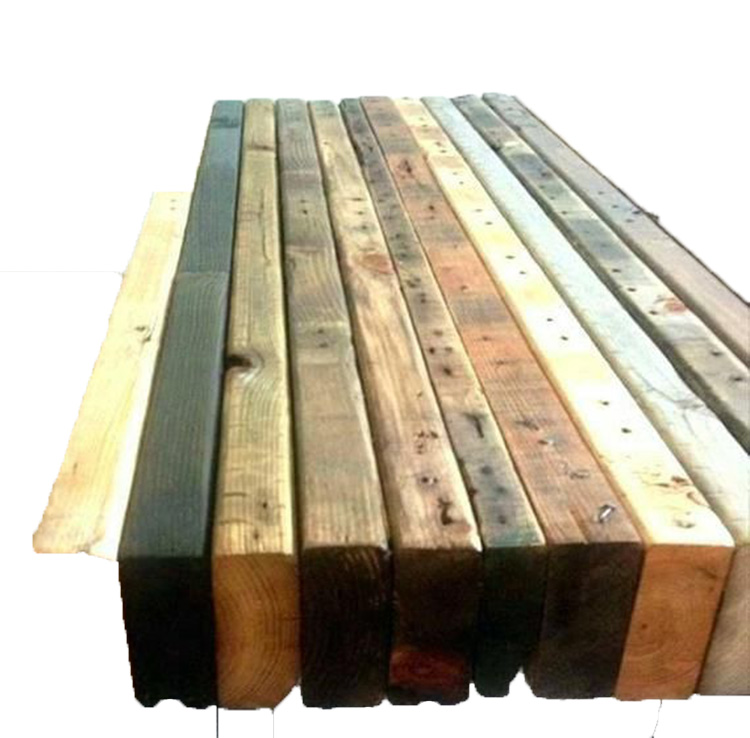
1-in x 12-in x 14-ft, Western Red Cedar Boards, Rustic Grade S1S2E - The Home Improvement Outlet


3- We returned to the topic if סכך  that does not allow rain to drip into the Sukkah is Kosher. 

The issue is if thick סכך that protects not only from shade but from rain as well is considered more a house than a temporary Sukah. The ראשונים have different opinions about this. 

Primitive Technology: Bamboo roof shelter - YouTube

See here the Alter Rebbe. 631, 5.

4- We spoke about using water as סכך. It comes from the ground and according to some is not מקבל טומאה, so perhaps one can use it. ערוך השולחן. 

How to make a water roof! - YouTube

How does one use water a סכך? 

If one lives in Siberia can he use a block of ice as סכך? Unlike brittle leaves that are פסול since they will not last 7 days, it is so cold there that ice will not melt.

Even in warmer climates, if one can keep it frozen, would it be כשר? 

25 Photos Of Icehotel, The World's First And Largest Hotel Made Of Ice

Assuming one can indeed use a block of ice, but since the ice block would not allow rain to seep thru, it may be  פסול. …..we pointed out that one would need to puncture holes in it….

Stay warm and have an easy fast.


Shiur Sukkah 14a 12/08/20

BSD

Suka 14a

Kislev 23, 5781. December 8, 2020

1- Our Gemore discusses a topic that is found in many aspects of Halacha:. 

אין מחשבה מוציא מידי מעשה 

Meaning that once the status of an object has been established, to change its status an action is required. Changing one’s mind is insufficient to change its status. 

The case in question in regards to סכך is as follows:

One cuts a limb of a tree that has a cluster of fruit. Now, other than the fruit, all parts of this tree, trunk, branches, leaves and stems, are Kosher to use as סכך. The fruit is not. To calculate if the majority of the Suka is covered with proper סכך we need to measure the percent of the fruits versus the rest –  trunk and all. 

passionfruit trellis roof for privacy | Vine trellis, Garden vines, Passion fruit plant

However, as we learned last week, in regard to טומאה וטהרה, the last three טפחים of the stem closest to the actual fruit are considered as part of the fruit since they ‘service’ the fruit. ידות 

Thus, when calculating the percentage of fruit versus the Kosher portion of the leaves etc. (Kosher סכך),  these last 3 טפחים are considered as fruit. 

Horizontal Caliper Measures Orange Fruit. Concept Of Orange With.. Royalty Free Cliparts, Vectors, And Stock Illustration. Image 75077125.

Now, the rule of ידות, classifying the last 3 טפחים as fruit, is only if one plans to use these stems as ידות to help him handle, move around or eat the fruit. If one plans to detach the fruit from their stems they are not considered as fruit. 

A person's hand holding the stem of a vine above a bunch of black grapes Stock Photo - Alamy

Our case is about one who cut  off a branch with fruit with the intention of taking it home to eat the fruit, The rules of ידות apply. The last 3  טפחים classify as fruit. 

If he then decides to use the branch and fruit as סכך, his change of mind is insufficient to change the ידות classification. 

Sorry, I changed my mind. | The Haitian Therapist

One would need to do a מעשה to accomplish that. 

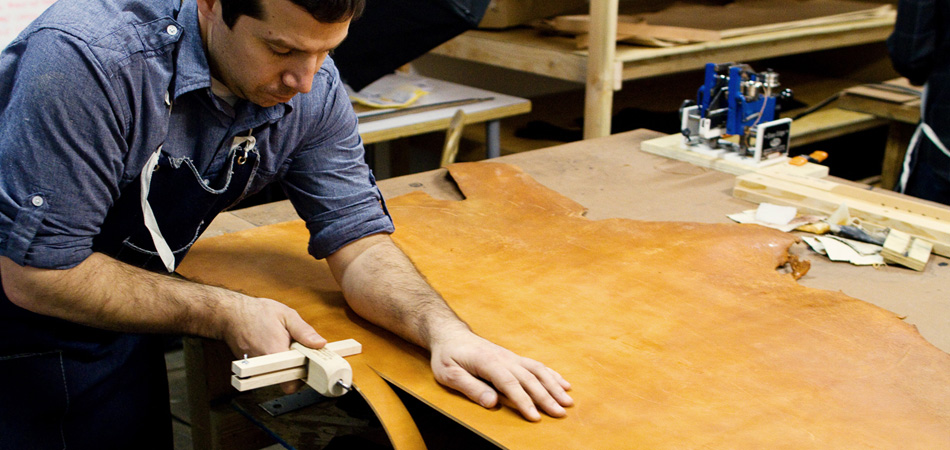
2-  Another example the Gemore brings is of a tanner who plans on turning a large piece of hide into a table top. Halachically, the end of the job is when he completes it as a table top. It is then considered finished and is מקבל טומאה. 

If the tanner changes his mind after the tabletop is complete, and decides to use the leather for shoe laces, by eventually cutting it into small strips, just his change of mind is insufficient to reclassify the status of the leather. It is still considered finished even though he plans to continue to work on it- cutting it into strips. 

He will need to actually cut it into smaller strips.

As above – One needs to do a מעשה to accomplish that. 

Tanner Goods: Contemporary American Heritage | HYPEBEAST

3- We discussed briefly the question of expanding a Shul into the adjacent rooms when one of them served as a restroom. 

4-  The Gemore discusses the use of a ‘pitchfork’ as a term for תפילה. 

American Gothic - Wikipedia

From Sefaria:

א”ר (אליעזר) למה נמשלה תפלתן של צדיקים כעתר לומר לך מה עתר זה מהפך את התבואה בגורן ממקום למקום אף תפלתן של צדיקים מהפכת דעתו של הקב”ה ממדת אכזריות למדת רחמנות:

Apropos a pitchfork, the Gemara cites a related aggadic teaching: Rabbi Elazar said: Why are the prayers of the righteous likened to a pitchfork [eter]? It is written: “And Isaac entreated [vayetar] the Lord for his wife, because she was barren” (Genesis 25:21), to say to you: Just as this pitchfork overturns the grain on the threshing floor from place to place, so too, the prayers of the righteous overturn the mind of the Holy One, Blessed be He, from the attribute of cruelty to the attribute of mercy, and He accepts their prayers.

We mentioned the Munkatcher’s explanation of this. 


Shiur Sukkah 13b(2) 12/01/2020

BS”D

Suka 13b (2)

15 Kislev, 5781. December 1, 2020

1- Our Gemara discusses topics of Meseches עוקצין, the last Mesechta in Shas. 

ArtScroll.com - Digital Mishnah Original #32 Bava Metzia

ידות and שומר

Briefly, a fruit or grain, after it is picked and comes into contact with water, can be מקבל טומאה.  

פיתוח ישראלי: ''אריזה'' אכילה ששומרת על הטריות של ירקות ופירות | גיקטיים

However, it’s not only the fruit that is מקבל טומאה. The ‘handles’ and ‘protectors’ of the fruits, such as the (ידות) stems, the  פיטום, and the peels (שומר) that are close to the fruit are also מקבל טומאה.

HANDLE HANDLE HANDLE | Fashion art photography, Banana, Handle

2- The reason for this is because these ‘handles’ and ‘protectors’ of the fruit are needed to eat, protect and/or to handle these produce. Thus, they are considered part of the fruit.

This works in two directions: If something that is טמא touches the fruit, the טומאה is transferred to the stem or peels. If something that is טמא touches the stem or peels the טומאה is transferred to the fruit. 

Banana tree with a bunch of ripe bananas. Banana tree with detailed view to a bu , #Affiliate, #ripe, #bananas, #detailed,… | Banana tree, Banana fruit, Ripe banana

3- The Gemore now takes the above ideas of ידות, being considered as the fruits themselves, to the הלכות of Suka. 

We used the example of using a banana tree for סכך. If one places the trunk, branches, leaves and bananas to cover a Sukkah. There is no issue with the trunk, branches and leaves as they are Kosher סכך since they are not מקבל טומאה. The cluster of banana fruits pose a problem since they can be מקבל טומאה. 

Banana Tree With Fruit And Inflorescence Stock Photo, Picture And Royalty Free Image. Image 17036395.

At first glance, as long as the trunk, branches and leaves will cover over 51% of the Sukkah it would not be a problem. The 49% of the bananas are בטל to the trunk and leaves. 

Branch Of Baby Bananas Isolated On White Background Stock Photo - Download Image Now - iStock

However, since  the branches that are attached to the actual bananas are considered ידות, they are considered ‘fruit’ (just like the bananas), we would therefore need the just trunk and leaves (without the bananas and the branches) to equal 51%. 

Bat Tziyon on Twitter: "Chag Ha Sukkot Sameach! #sukkot #tabernacles #feast #sukkah #tent #halleluyah #israel #hebrew #celebration… "

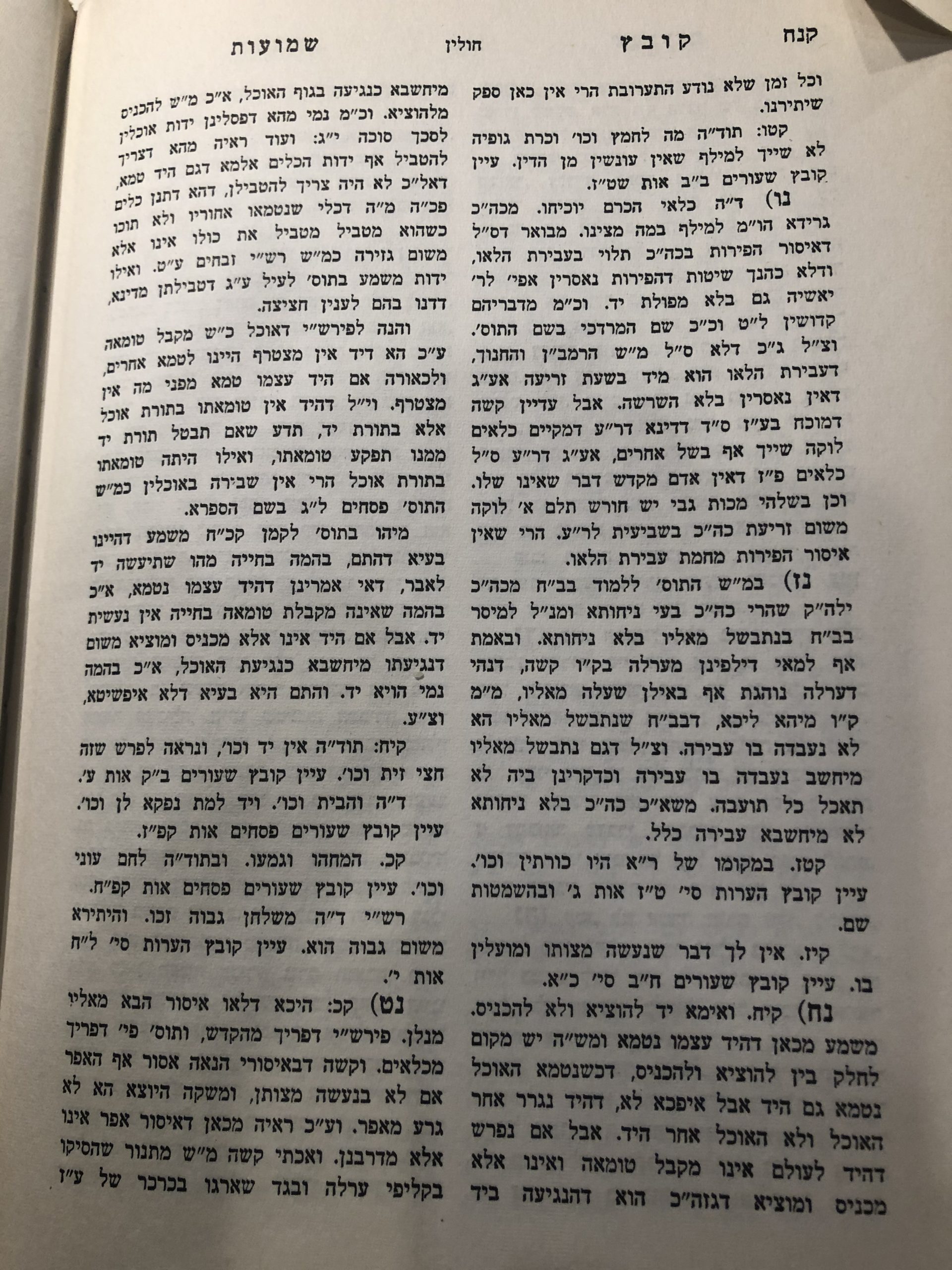
4- We mentioned the query of Reb Elchanan Wasserman in Kovetz Shiurim 2. Chulin 118,a. 

Attached is the preface his children wrote for his famous book “Kovetz Shiurim”. On the last page is the fascinating story of his heroic and holy stance before he was killed by the Germans YM”S.

Jerusalem Street in Memory of Rav Elchanan Wasserman ZT”L - The Yeshiva World

Elchonon Wasserman

He suggests that one  can explain the  טומאה of ידות in two ways: 

A-  ידות – Stem or peels actually become טמא. 

B- The ידות are not מקבל טומאה but they are conduits for טומאה based on a גזירת הכתוב. 

One of the proofs he brings to support position A is from our Gemore.

How? The fact that the stems- ידות , are considered סכך פסול show that the תורה views them as actual fruit, not just as conduits. 


Ari Chitrik Shiur Points