All posts by daf

Shiur Shkolim 21b – Iyar 28, 5785 – 05/27/25

BSD

Shkolim 21b

Iyar 28, 5785 – 05/27/25


Brief notes.

1 –  We discussed the general interaction between the ‘learned’ or חברים and the עמי הארץ at the time when the laws of טומאה and טהרה were practiced.

If an עם הארץ would become טמא  by touching a מת, then obviously his טומאה (like anyone else) would be at the דאורייתא level.

The חכמים , seeing that lack of strictness by these people (in addition to lack of knowledge  of טומאה וטהרה),  took this to another level by ruling that  all עמי הארץ by default,  were considered to be not טהור. This טומאה designation was a דרבנן enactment.

[This obviously caused much friction and didn’t add to camaraderie]
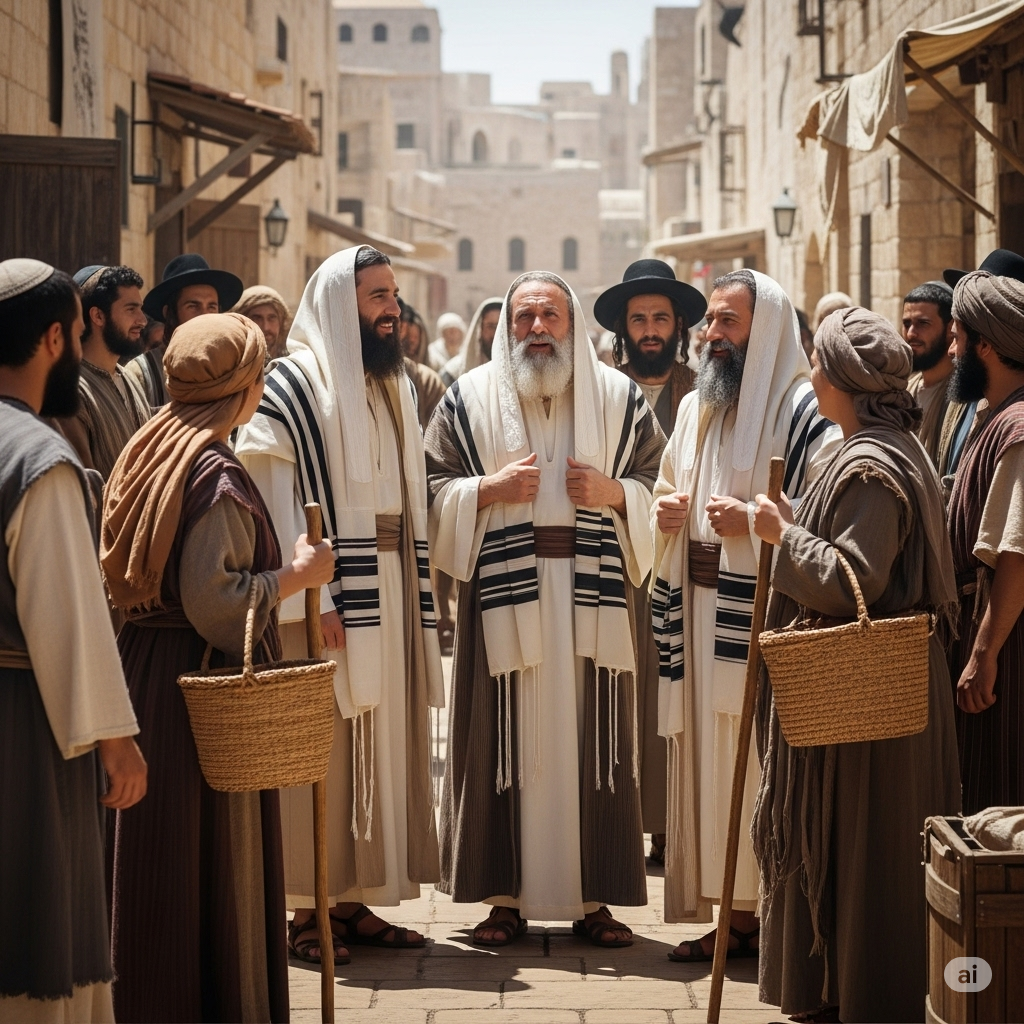
Even if an  עם הארץ would claim that he kept the laws of טהרה, he would not be believed, since they were clueless as to all the Halachic details of טומאה וטהרה.


Obviously, for those that kept a lifestyle of טהרה , coming into contact with others that did not, was very problematic.

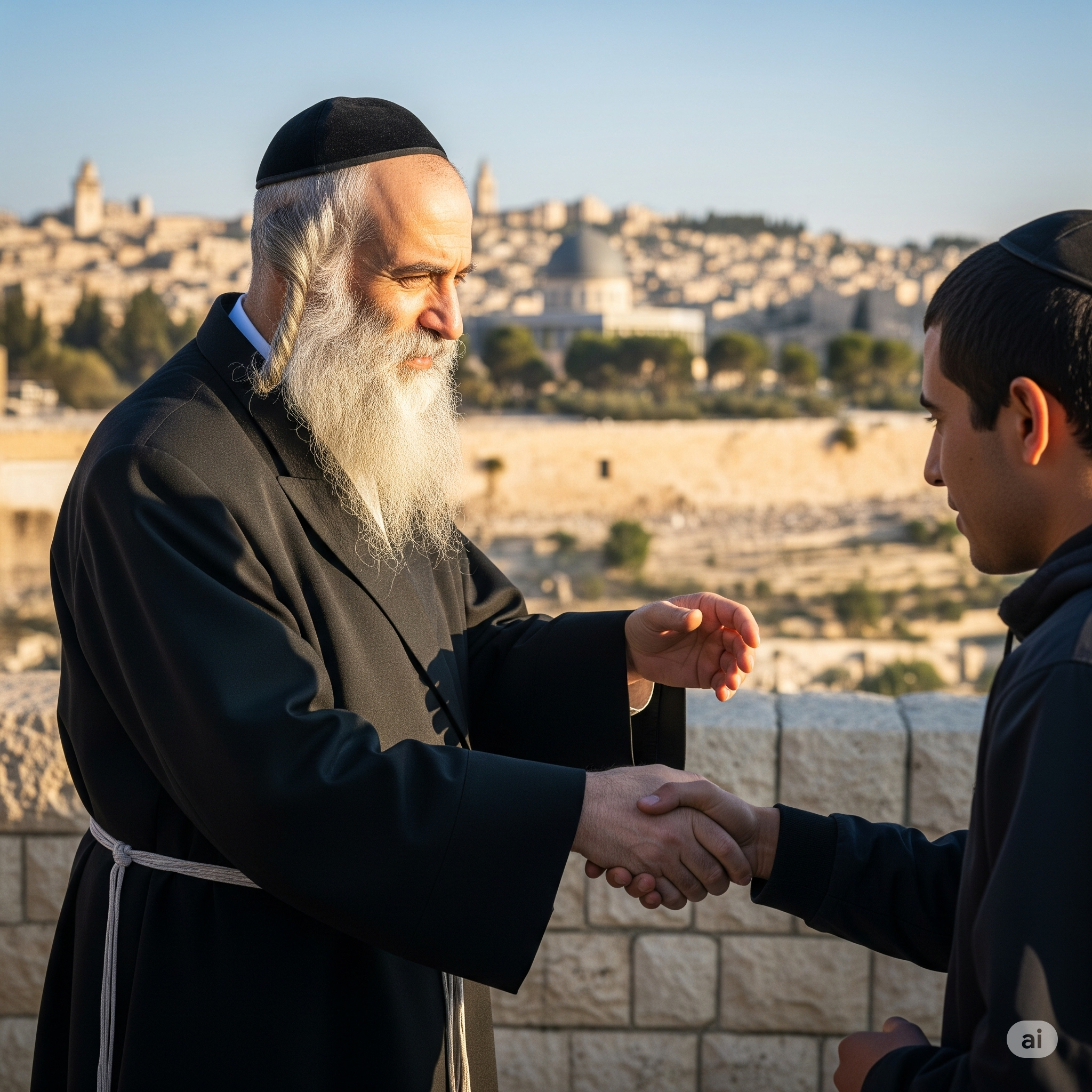
Can they shake hands? Can they do business together? Can food be  purchased from them?
 

2 – There were certain times and interactions where the חכמים were lenient and allowed the עמי הארץ to be considered טהור. Each case for a different reason.


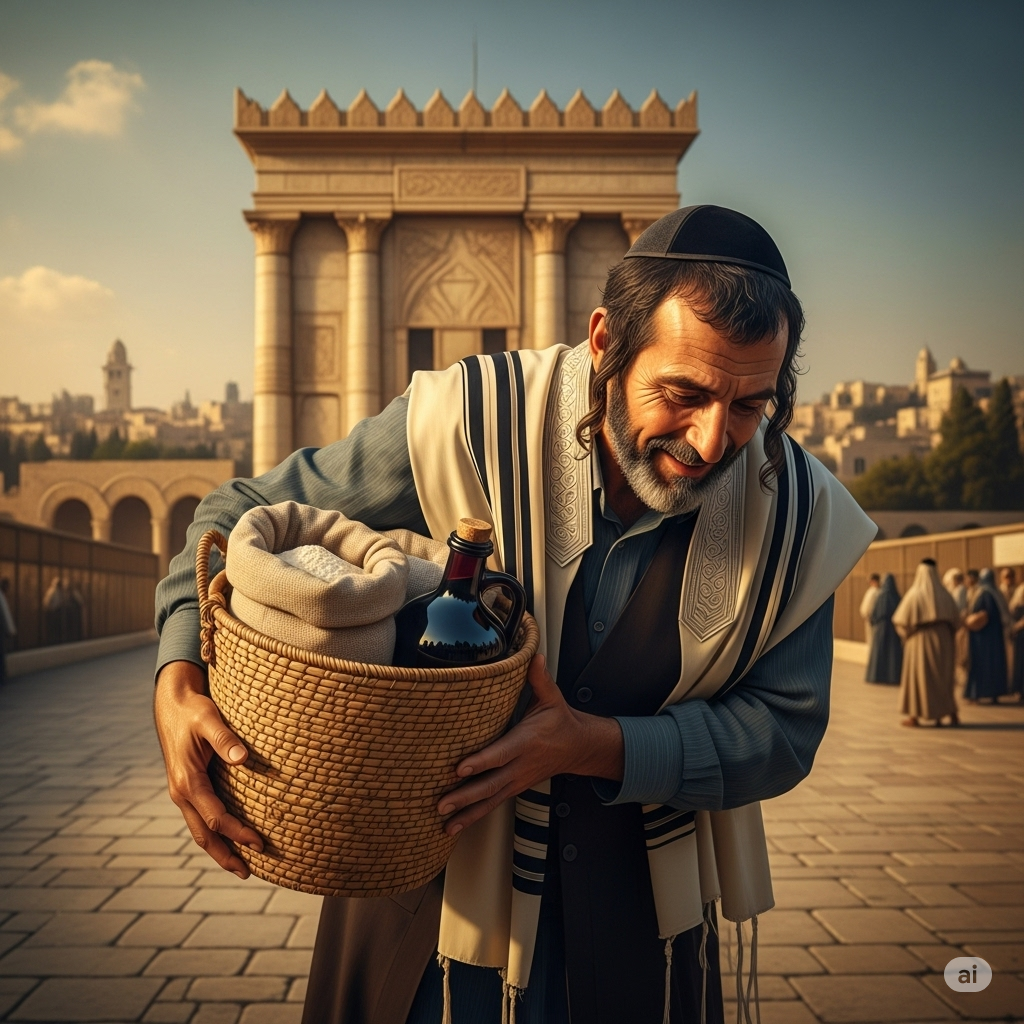
For example: An עם הארץ bringing wine or flour to the בית המקדש would be accepted and presumed טהור because we assume the holiness of the בית המקדש would cause them to prepare and keep any נדבה  as טהור. Alternatively, the reason is not to cause strife by not accepting it,  which would cause them to bring קרבנות on a self made במה.


Another example: During the harvesting season of wine and olives. The חכמים assumed that all producers ensured that they were טהור so that their products would be sold and consumed by all, ie merchandising/marketing. Once the season was over, they would revert back to a non טהרה state.


3 – The topic we discussed was another time frame when all the   עמי הארץ
would be considered טהור – during the שלוש רגלים. This lenient time frame had an interesting post script. Any product that was touched by an עם הארץ during יום טוב was טהור and was allowed to be consumed by all.

However, and here is the paradox: As soon as יום טוב was over, any left over was considered טמא!

So if an עם הארץ placed, say a loaf of bread on the table, anyone could eat it because it was deemed טהור. However, after הבדלה, if there was a piece of the loaf left uneaten, it would be considered טמא.

How does that make sense?

See here the Rambam’s words. מטמאי משכב ומושב ט, יא

טומאת ע”ה ברגל כטהורה היא חשובה שכל ישראל חברים הן ברגלים וכליהם כולם ואוכליהם ומשקיהן טהורים ברגל מפני שהכל מטהרין עצמן ועולים לרגל. לפיכך הן נאמנים כל ימות הרגל בין על הקודש בין על התרומה. משעבר הרגל חוזרין לטומאתן:

During the pilgrimage festivals, the impurity decreed upon the unlearned is suspended and they are considered as pure. For the entire Jewish people are considered as חברים during the pilgrimage festivals. All of their utensils, their food, and their liquids are considered as pure during the festivals, for everyone purifies themselves and ascends to Jerusalem on the festivals. Therefore their word is accepted – whether with regard to sacrificial foods or with regard to terumah – throughout the festivals.
After the festival passes, they are considered as impure again.

4- The Rambam, by offering an interesting reason for this  הלכה  – because  ‘everyone purifies themselves and ascends to Jerusalem on the festivals makes it even more perplexing.

If everyone goes thru the process of becoming טהור [with מי חטאת etc] why does their food automatically become טמא right after הבדלה?
5 – We discussed  various explanation of the Rambam and the Rebbe’s unique idea on this.

Synopsys in Hebrew.   .לקוטי שיחות לז, ע‘ 20

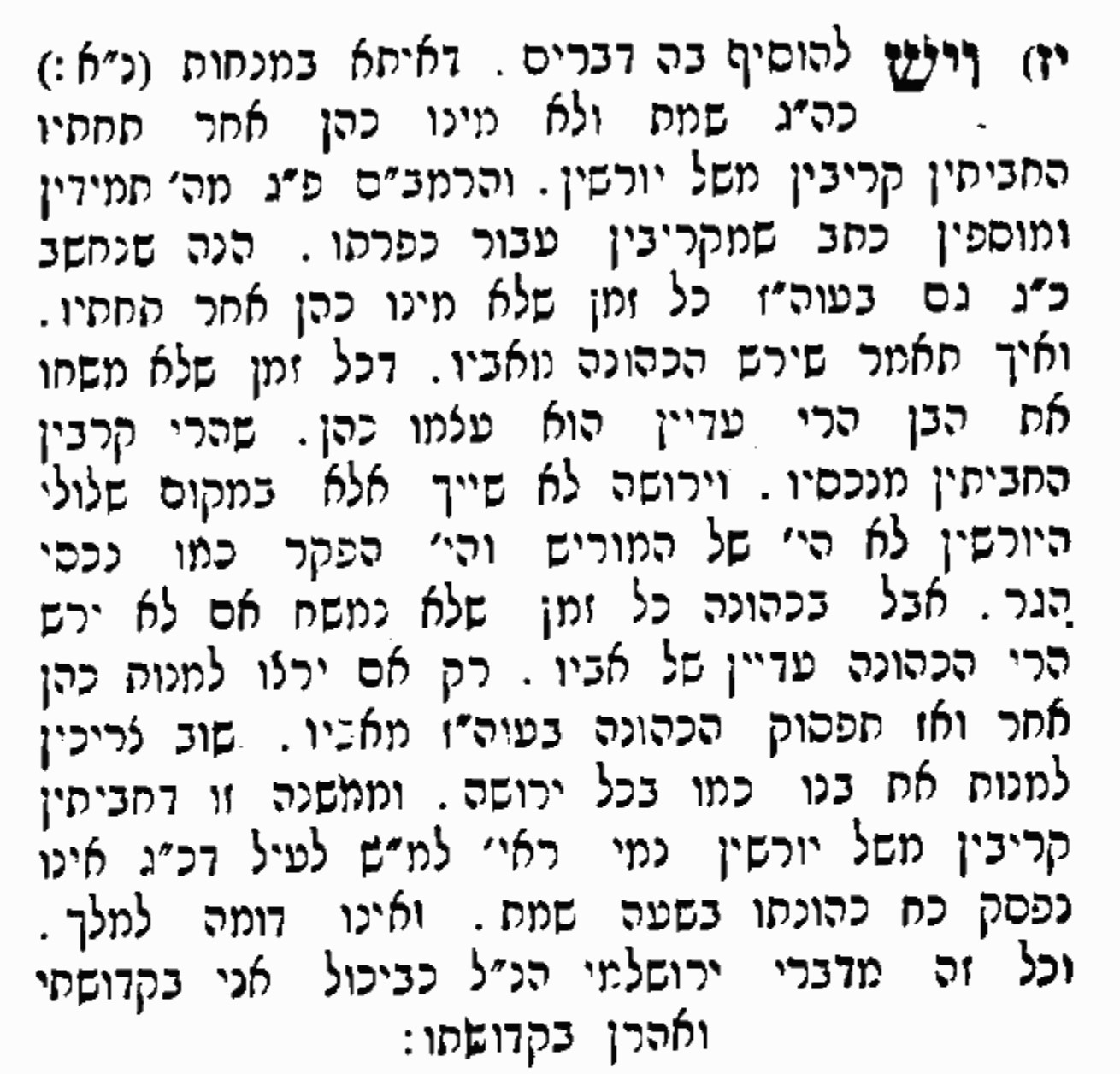
Briefly, the Rebbe says that the fact that all עם ישראל come together in one place, during שלוש רגלים , created a ‘new entity’. The individuals lose their identity and jointly create a new כלל. [Not unlike טומאה דחוי’ בציבור]
So in a sense, there are no עמי הארץ during that period when all become חברים and everything is deemed טהור. But this phenomenon lasts only during יום טוב.

For when יום טוב ends each person becomes unique and an individual יחיד.

In regards to שבת:

רמב”ם, הלכות מעשר, פרק ט’, הלכה ט”ז

“ולמה האמינוהו בשבת? מפני כבוד השבת, שאם לא תאמינהו ימנע מלאכול – ונמצא יושב בתענית, ולפיכך הקילו עליו. ועוד אמרו: עם הארץ אינו משקר בשבת.


6 – The next משנה has an interesting line relating to the פרוכת  that separated the היכל and the קודש הקדשים.

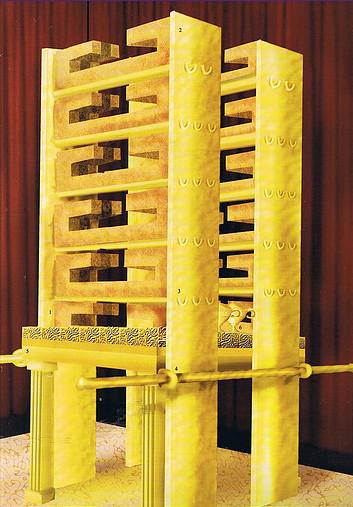
רַבָּן שִׁמְעוֹן בֶּן גַּמְלִיאֵל אוֹמֵר מִשֵּׁם רַבִּי שִׁמְעוֹן בֶּן הַסְּגַן פָּרוֹכֶת עוֹבְיָהּ טֶפַח עַל שִׁבְעִים וּשְׁתַּיִם נִימִים נֶאֱרֶגֶת עַל כָּל נִימָה וְנִימָה עֶשְׂרִים וְאַרְבָּעָה חוּטִין. אָרְכָּהּ אַרְבָּעִים אַמָּה וְרָחְבָּהּ עֶשְׂרִים וּמִשְּׁמוֹנִים וּשְׁתֵּי רִבּוֹא הָיְתָה נַעֲשֵׂית. וּשְׁתַּיִם עוֹשִׂין בְּכָל שָׁנָה וּשְׁלֹשׁ מֵאוֹת כֹּהֲנִים מַטְבִּילִין אוֹתָהּ.

Rabban Simeon ben Gamliel says in the name of Rebbi Simeon, the son of the Executive Officer of the Temple: The thickness of the  פרוכת  was טפח. It was woven on 72 strings and each string was composed of 24 threads. Its length 40 cubits and its width 20 cubits; it was made for 820’000 {denar}. Two were made every year and 300 Cohanim were involved immersing it in the מקוה.
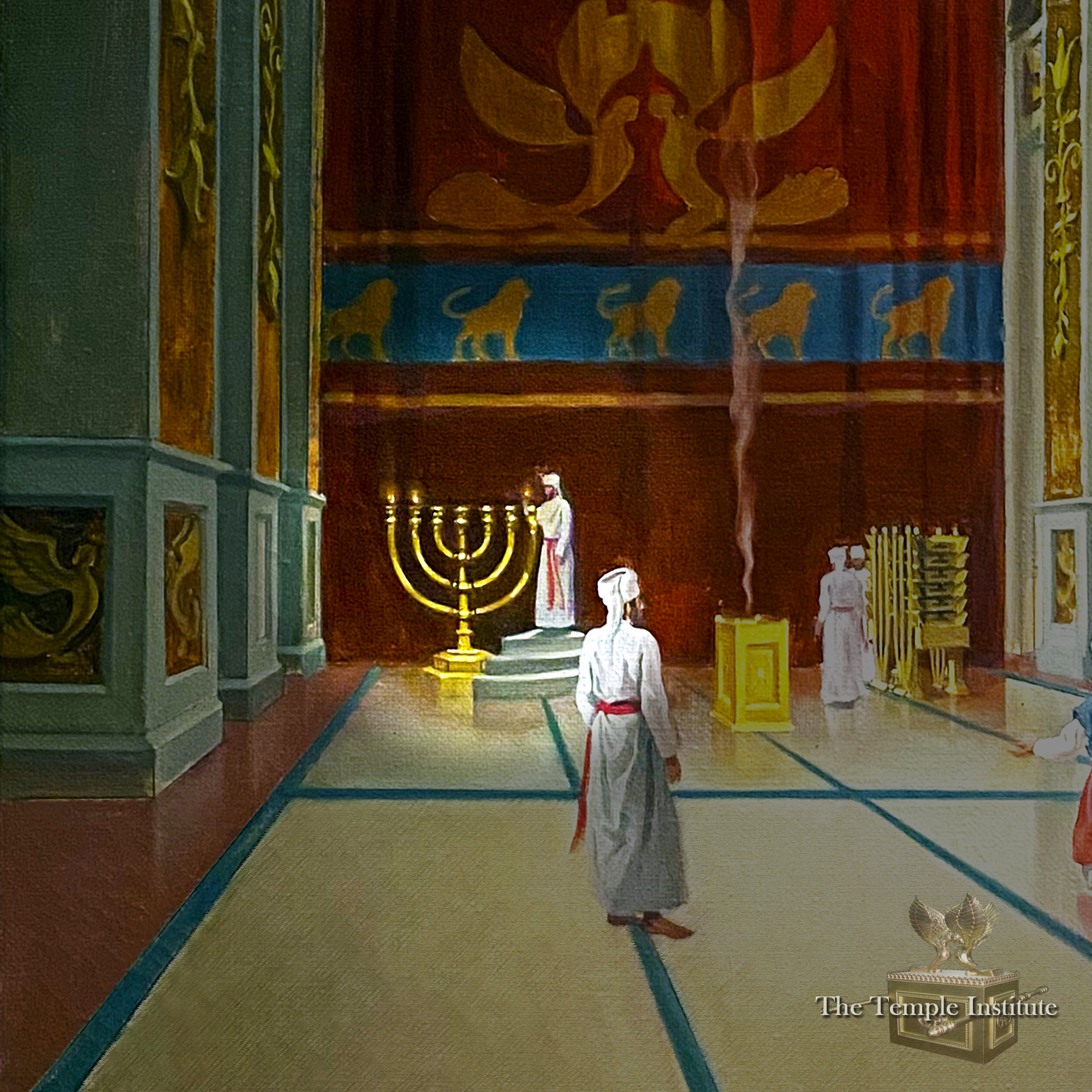
 

300 כהנים holding the פרוכת? The גמרא says in תמיד that the number 300 is an exaggeration.

There is a brilliant explanation of the number 300 attributed to the גר”א.

As we learned earlier (16a) in our מסכתא there is an opinion that there were 2 types of אמות.

One used for the כלים which was 5 טפחים and another of  6 טפחים which was used for measuring the building of the structure of the בית המקדש.

Now, as the משנה states  the size of the פרוכת was 40 x 20 amos. Since the פרוכת  was a כלי it means that these אמות  were of 5 טפחים.

That means that the length and width of the פרוכת was 200 x 100 טפחים and the entire perimeter  600 טפחים.

So 300 כהנים using both hands to move and dip the פרוכת equals 600 טפחים…..

7 – However, as many have pointed out there is an issue with this calculation.

Critical Math” Doesn't Add Up: Policy Report – Independent Institute

True, כלים were measured with an  אמה of 5 טפחים. But the measurement of the  פרוכת was given to correspond to the width and length of the opening of the door way that separated the היכל from the קודש הקדשים which was also 40 x 20.  מדות פ”ד.

And that space, since it was part of the building was measured with an אמה of 6 טפחים!

So the actual perimeter of the פרוכת was 720 טפחים.


————————-

Here are some brief notes of the שיחה above.


לז, שמיני א.

כל ישראל חברים.

רמבם מטמאי משכב ומושב יא, ט : טומאת ע”ה ברגל כטהורה היא חשובה שכל ישראל חברים הן ברגלים וכליהם כולם ואוכליהם ומשקיהן טהורים ברגל מפני שהכל מטהרין עצמן ועולים לרגל. לפיכך הן נאמנים כל ימות הרגל בין על הקודש בין על התרומה. משעבר הרגל חוזרין לטומאתן:

וצ”ע, אם מטהרין עצמן למה חוזרין לטומאתם?

ורש”י פי’ שלא לבייש.

במלמ פי’ עיקר הטעם הוא משום איבה (כמו שנאמנין ע”ה על הקודש) שלא יבנה כ”א במה לעצמו.  אבל לפי”ז העיקר חסר מן הספר. ועוד, שם כתב הרמב”ם הטעם (לא כמ”ש בש”ס חגיגה כב, א משום איבה, אלא) מפני חומרתו.

ובפר”ח פי’ שיש טומאת מת, דאורייתא, וטומאת ע”ה, מדרבנן. וע”ז כתב הרמב”ם שמטומאת מת- מטהרין עצמן, וטמאת ע”ה לא גזרו מפני שמחת יו”ט, ורק טומאה זו נשארת אחרי החג. אבל ג”ז צ”ע – וכנ”ל העיקר חסר מן הספר.

וההסבר הוא: מהפסוק כל ישראל חברים כשנאספים במ”א, מתבטלת מציאות היחיד.  כלומר אין כוונתו (רק מפני) שכל אחד וא’ טיהר עצמו. רק שעי”ז הציבור נעשה טהור. ע”ד טומאה דחוי’ בציבור.

הע’  48 – לפי”ז גם אלו שלא עלו טהורים. ולכן לא הזכיר הרמב”ם שזה רק בירושלים כמו בהקדש.


Shiur Shkolim 21a – Iyar 22, 5785 – 05/20/25

BSD

Shkolim 21a

Iyar 22, 5785 – 05/20/25

Short notes of the topics discussed.

1 – אוכלי חולין בטהרה. See here.

חולין

תרומה

קודש

חולין על טהרת הקודש – eating חולין at the level of קודש  .

Oholei Torah Bar Mitzvah Meeting 5782 - YouTube

כהנים needed to live their lives with such טהרה, since they would be eating  קדשים ותרומה, so it made life simpler by keeping all their חולין  in טהרה.

This way of life was rare even at the time when there was a בית המקדש. Those that kept up with this practice were called פרושים.

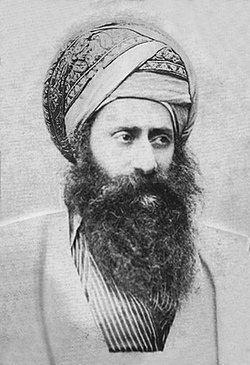
רבי יוסף חיים

Some say the בן איש חי  (perhaps) lived with such pureness. Although it was not 100%, since we do not have מי חטאת, nevertheless practicing to the extent possible, is a sign of  קדושה.

2 –  Our משנה discusses the pedestrian traffic patterns in ירושלים. During the times of  יום טוב, when the majority of the people in the city were  טהור, they would walk in the middle of the street. The minority, that were not  טהור,  would walk on the side.

The opposite would be true throughout the rest of the year.

3 – The interesting feature of the  מקוה in  ירושלים in that it had two staircases – one for entering and the other for exiting. This architectural feature enabled to ascertain the status of a כלי that would be found in the area of this unique  מקוה whether it was  טהור or not.

4 – A knife that was found on  ערב פסח.

Animal Jewish Slaughter Chalef Knife Black and Silver 22-1/4 x 2-3/16 inch | eBay

We diverted to a general topic related to cases and various circumstances discussed in  גמרא that are only in theory. Meaning that in practice, the גמרא knew such occurrences would never happen, but would nevertheless spend time tackling the Halachic ramifications.

5 – The classic example is the definition of a דופק and a גולל . What is a דופק  and a גולל? (See here, Shiur Sukkah 23a)

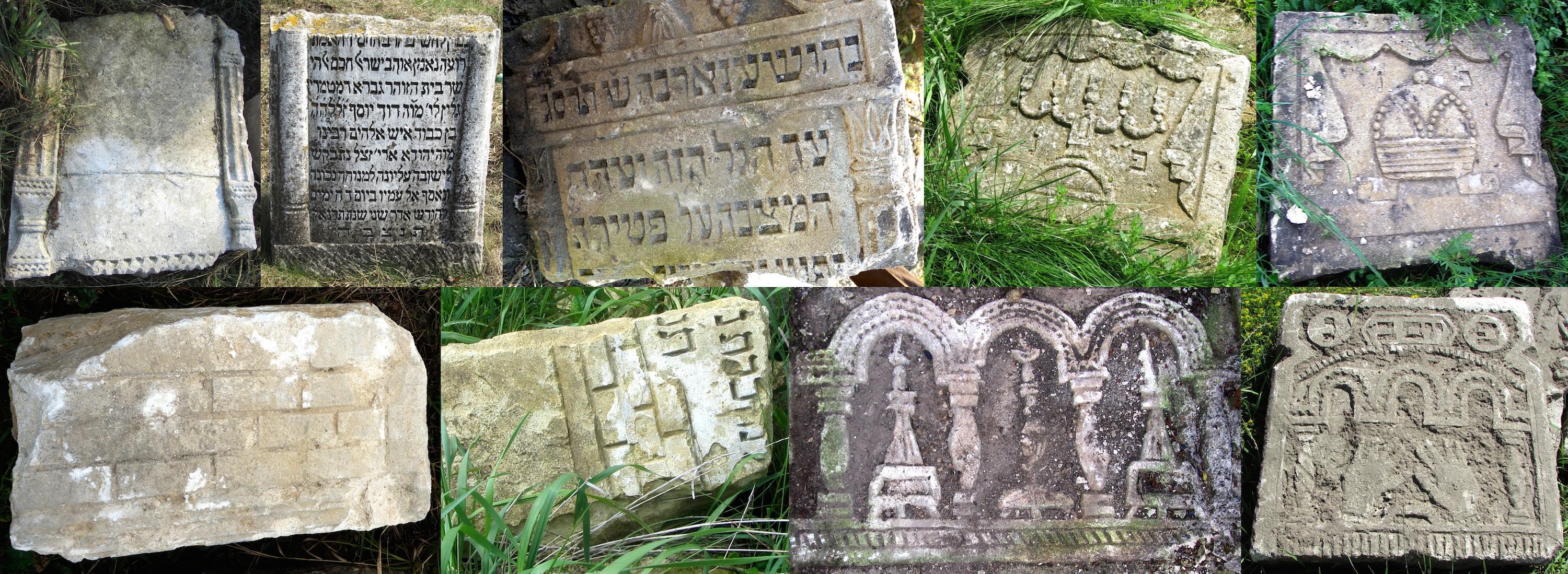
Rashi explains that a גולל  is  the stone that is placed on top of the grave to cover the deceased person, and  דופק is the side stone(s).

Written in Stone: The Art and Meaning of Rohatyn's Jewish Grave Markers – Rohatyn Jewish Heritage

Rabbeinu Tam has an issue with this for we find in many places that this translation does not make any sense. For example: ‘One cannot use an animal as a דופק  or a  גולל’.

Now who would place an animal on top of a  מת?

Tiny Man Precariously Balances an Elephant on His Back

Another example: ‘Standing on a  דופק and a גולל  does not make someone טמא’.

Now, if according to Rashi, these are stones that are on top or the side on the  מת, how  is that possible?

Tosfos however, defends Rashi and says that the גמרא is only discussing in abstract and not to say it can actually happen in real life.

דאע״פ שאין רגילות לעשות כסוי ארון מבעלי חיים כמה דברים אשכחן דלא שכיחי ומיירי בהו הש״ס להראות לנו הדין ודרוש וקבל שכר.

They quote other very abstract scenarios where topics that have no relation to real life are discussed in גמרא. See Chullin 70a and here.

כמה דברים אשכחן דלא שכיחי ומיירי בהו הש״ס להראות לנו הדין ודרוש וקבל שכר

More on this next week and the Alter Rebbe in תניא and   קונטרס אחרון.

ולהבין פרטי ההלכות דלא שכיחי כלל ואפשר שלא היו מעולם במציאות מכש”כ שלא יהיו לע”ל כמו פרטי דיני פיגול וכה”ג.

6 – Our משנה  mentions a tool called הַמְּרִצָּה.

The Rambam translates it as a hammer used to breaks up bones when one needs to transport them!

Children Hammer Toy Wooden Handled Hammer Simulation Hammer Toy Maintenance Hammers Tool Educational Plaything - Walmart.com

Now how is that permitted? We discussed the Radvaz and others.

פינוי עצמות רדב”ז ב תרי”א. מתיר. חת”ס יו”ד שנא. מחמיר.

7 – We mentioned the שרידי אש of Rabbi Yechiel Yaakov Weinberg and his essay on the קובץ פינוי עצמות – ‘Moving of remnants of bones’ in הלכה.

Image

Spoke of the notes the Rebbe wrote, when he lived in Berlin, on this easy.

Printed in רשימות.

https://he.chabad.org/library/article_cdo/aid/2988774

8 – Our Mishna discusses a cleaver that was tied to a סכין  that is טהור. Does this allow us to say that the cleaver is טהור  as well?

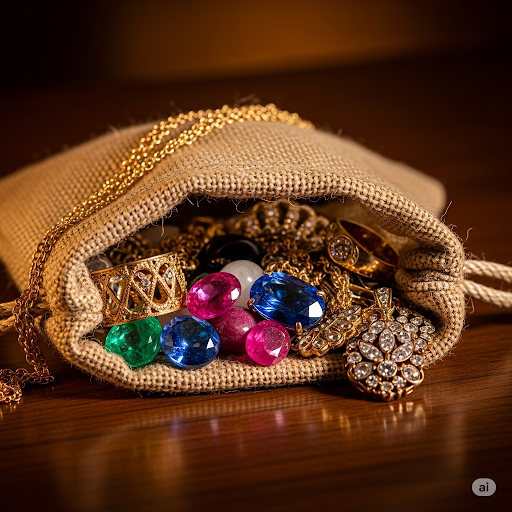
Mentioned the שואל ומשיב that uses this logic to rule in a case of a disputed bag of stones and jewelry.

וראיה נראה לפע”ד מהא דאמרו בשקלים פ”ח משנה”ג ואם נמצאת קשורה לסכין הרי היא כסכין…

קופיץ קשורה לסכין.

שו”מ מהדורא קמא  , ב קפה. מרגליות ואבנים טובות הקשורים או מונחים ביחד עם תכשיט של האשה שניתן לה בכתובתה.


Shiur Shkolim 20b (2) – Iyar 15, 5785 – 05/13/25

BSD

Shkolim 20b (2)

Iyar 15, 5785 – 05/13/25

Short notes.

1 – We continued on the topic of the מנחת חביתין brought daily by the כהן גדול.

The procedure is that the כה״ג  brings a full עשירית האיפה, splits it in two equal parts and processes it half in the morning and the other half in the afternoon .

Garments of Forgiveness - Breslov.org

2 – If, after bringing the ‘morning half’ of his Mincha, this כהן גדול passes away, his successor, the next כהן גדול, brings a full מנחה , splits it in two but only process one half in the afternoon.

3 – This מנחת חביתין is very unique. How?

What happens if the כהנים didn’t appoint a successor? The משנה states that a full מנחה is brought daily until a כהן גדול is appointed. There are 2 opinions as to who pays for this מנחה, either from a communal fund or from the estate of the deceased כהן גדול.


4 – It’s unique because since this מנחת חביתין is a מצוה on the כהן גדול, why does it continue to be brought daily when he is not around?? It’s a קרבן יחיד.

We mentioned the phenomenal אבני נזר, that explains this as follows:

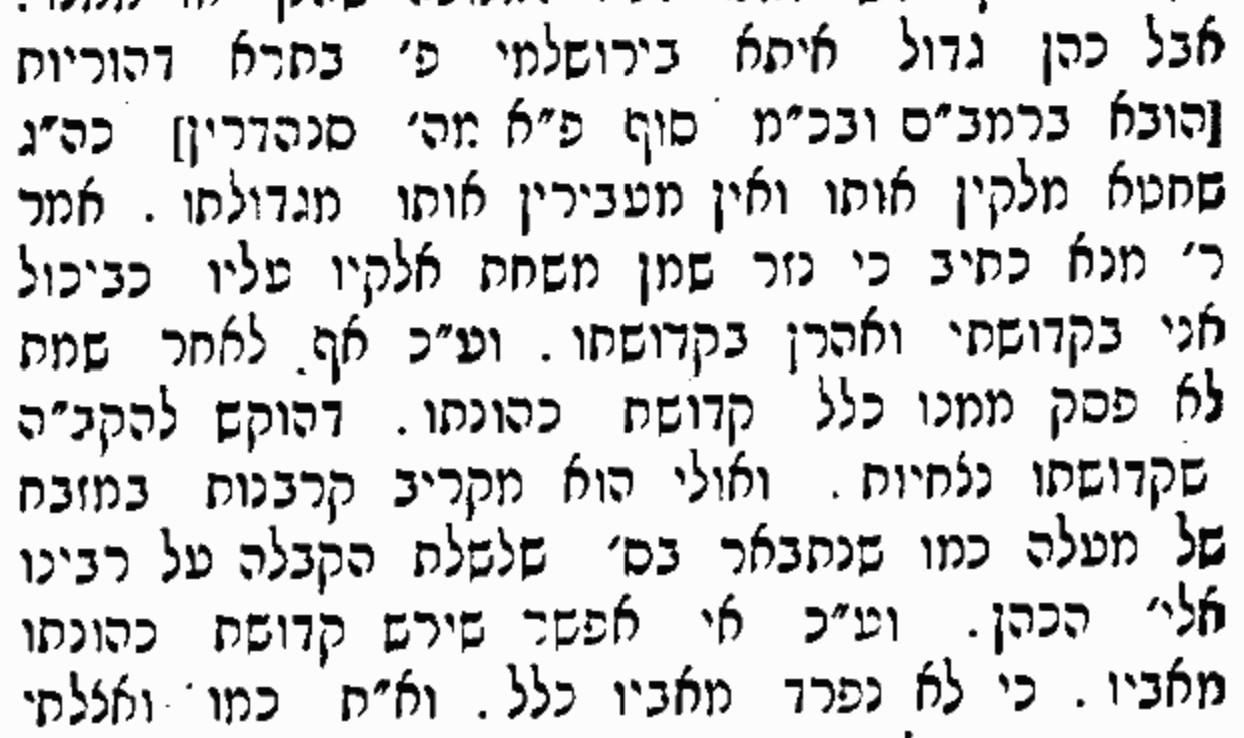
The ירושלמי equates קדושה of the כה״ג to the קדושה כביכול of הקב״ה, both being eternal. Therefore, even if a כה״ג is חייב and given מלקות, he resumes his position!

This קדושה remains even upon his passing and in a sense, he remains the כה״ג until his successor is appointed. This explains as to why even if he is succeeded by his son, this son will need משיחה, which will ‘close out’ his father’s reign and קדושה. It’s not an automatic transition, due to his father’s eternal קדושה.

So as long as it takes to find, appoint or anoint a new כה״ג, the previous כה״ג is still ‘alive’ in a sense and thus needs to bring a מנחת חביתין.

This explains why there is an opinion that his estate needs to pay for the מנחה.

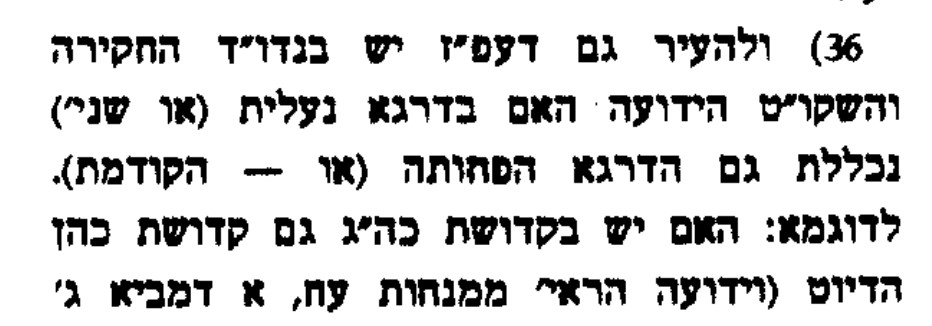
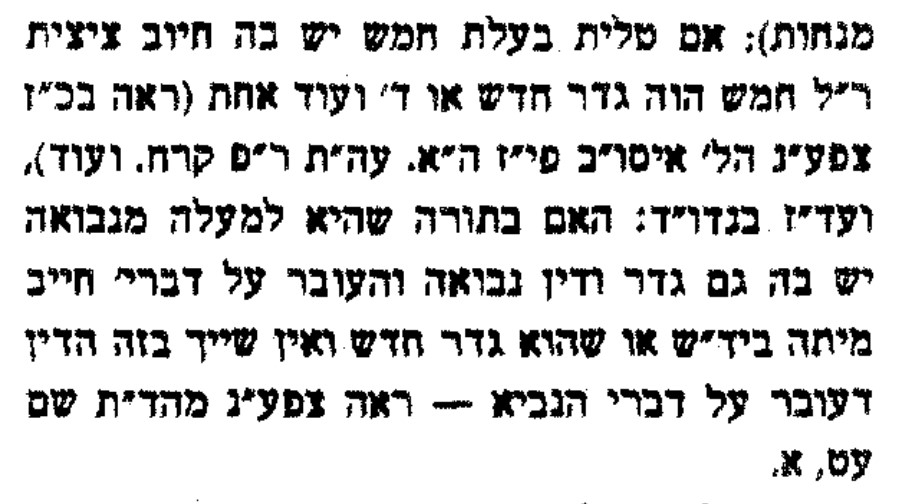
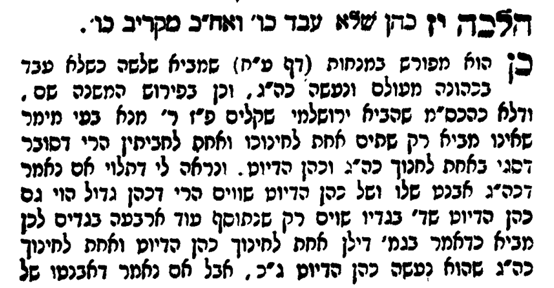
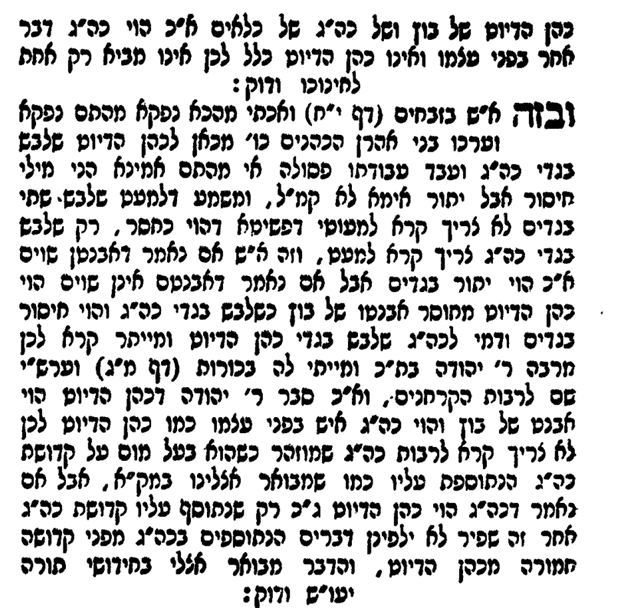
5 – We mentioned, as a follow up to last week discussion if a כהן גדול is also a כהן הדיוט, the Rebbe’s note on this topic. See here.

 36 לקוטי שיחות חלק י”ט ע’ 181,הערה

As another example of such a query the Rebbe mentions the opinion, concerning a בגד that has 5 corners, that one would need to tie ציצית to all 5 corners.

tzitzit – david g vogel

A similar question (to the כה״ג- כהן הדיוט) can be asked here. Is the 5 cornered בגד a 4 cornered one plus 1, or perhaps it’s a new type of בגד.

Another example: משה רבינו transmitted the תורה to us. Additionally, he was also a נביא. The תורה, despite it being far above the level of נבואה, does it also have the validity of it being a נבואה?

6. We discussed the movement to bring a  Korban Pesach –  קרבן פסח , and R’ Reb Zvi Hirsch Kalischer See this shiur where we discussed it.

As well as הרב יחיאל מיכל טוקצינסקי – Yechiel Michel Tucazinsky. who wrote a sefer on the Halachos of the Beis Hamikdosh today.

And the question of R’ Tzvi Pesach Frank, Rov of ירושלים from our Gemara 20b :

Aside from all the other Halachic challenges , which were overcome – what about

…עַד שֶׁלֹּא הֵבִיאוּ עֲשִׂירִית הָאֵיפָה שֶׁלָּהֶם עֲבוֹדָתָם …פסולה

If the Kohen had not yet brought his Mincha, then any Korban he brings  is Posul? So although the קרבן פסח which is a קרבן ציבור can be brought בטומאה, a כהן cannot bring his מנחת חינוך as it is a קרבן יחיד. So how were they thinking to bring the קרבן פסח when it would become פסול?

Answer:

Different Girsa – like our Gemara, should be עֲבוֹדָתָם כְּשֵׁירָה – not like the Gra’s girsa (משנת אליהו).

7- Another topic touched: Assuming the correct גירסא is כשרה, would the כהן need to bring a מנחת חינוך? Or perhaps one could say that the bringing of the Korban itself is the Chinuch.

Shiur Shkolim 20b – Iyar 8, 5785 – 05/06/25

BSD

Shkolim 20b

Iyar 8, 5785 – 05/06/25

Short notes.

1- General topic was the daily מנחת חביתין that the כהן גדול was obligated to bring daily.

We mentioned an original idea of the מנחת חינוך.

The Rambam writes that the כה”ג lived in a house in ירושלים and he never left the city. What is the source for this הלכה?

Says the מנחת חינוך , that he heard the source for this הלכה from his students: There is a הלכה that every person bringing a Korban cannot leave back home that same day. One must stay overnight and leave only the next morning.

No drive-by Korban

דברים ז, טז

וּבִשַּׁלְתָּ֙ וְאָ֣כַלְתָּ֔ בַּמָּק֕וֹם אֲשֶׁ֥ר יִבְחַ֛ר יְהֹוָ֥ה אֱלֹהֶ֖יךָ בּ֑וֹ וּפָנִ֣יתָ בַבֹּ֔קֶר וְהָלַכְתָּ֖ לְאֹהָלֶֽיךָ׃

Now, since the כהן גדול is the only one that is obligated to bring a קרבן every single day, he must always stay overnight in ירושלים!

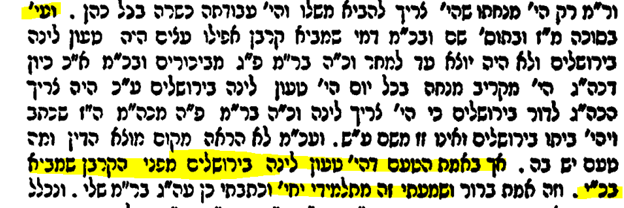
מנחת חינוך מצוה קלו חידש שכה”ג טעון לינה כל לילה על מנחת חביתין שלו.


2 – We discussed a case of a כהן גדול that became טמא, What happens to his  מנחת חביתין? The answer is that the מצוה on the כהן גדול is for him to bring the מנחה to the בית המקדש. The actual frying, baking and the הקרבה can be performed by others.

3 – This answers the question on how could the כהן גדול have a relationship with his wife when by doing so he becomes טמא until the next nightfall? So how could he bring his daily מנחה?

Another answer we mentioned (from Tosfos ישנים in יומא) is that it would occur in the afternoon (before nightfall) after he was מקריב the afternoon portion of his מנחה.

4 -The גמרא discussed the process of this unique מנחה that it was both deep fried and also baked.

Leviticus Chapter 2 – The Grain Offering

5- We continued on the topic mentioned last week by the אור שמח.

הלכות כלי המקדש ה, יז.

Briefly – is a כהן גדול also a כהן הדיוט?

Seems trivial but actually it can be a difference in הלכה.


A כהן הדיוט wears 4 בגדים. A כהן גדול 8.

Are the basic 4 בגדים they share the same?

That depends if the Gartel אבנט of both are of the same material.

[That is a מחלוקת in יומא ו א]

If they are indeed the same, then they have much in common, and one can say that a כהן גדול is a first a כהן הדיוט (by wearing the same 4 basic בגדים) and on top of that, he has the extra unique 4 בגדים of the כהן גדול.

However, if in even the 4 בגדים they are different, by having a different אבנט, one can say that the כהן גדול is not a כהן הדיוט at all! He has a unique status.

Now, before a כהן does any עבודה for the first time, he needs to bring an initiation מנחת חינוך. Once that is done, he can proceed to work in the בית המקדש.

A כהן that is appointed to be the next כהן גדול, also needs to bring a מנחה for his elevation, and then another one, for his daily obligation.

What happens if כהן who has never done any עבודה is nominated to become (not a כהן הדיוט, but a) כהן גדול?

המחשה בקצרה למסכת יומא -3- דף ו' אבנט של כהן גדול אבנט של כהן הדיוט מאת הרב אליהו מונק

How  many מנחות does he need to bring? 2 or 3?

In our גמרא ירושלמית we learnt that he brings 2. In בבלי is says that he brings 3.

What is the basis of their opinions? Says the אור שמח:

If a כהן גדול is also a  כהן הדיוט then the number is 3. One for his initiation as a כהן הדיוט, a second one for his elevation to a כהן גדול, then a 3rd for the daily כהן גדול obligation.

However if a כהן גדול is just a כהן גדול and not a כהן הדיוט, logic would say that he brings only 2. One for his initiation/elevation directly as a כהן גדול, a second one for the daily כהן גדול obligation.

וראה לקו”ש כב, ע’ 28 הערה 54.

חלק יט, ע’ 181

Shiur Shkolim 20a (2) – Iyar 1, 5785 – 4/29/25

BSD

Shkolim 20a (2)

Iyar 1, 5785 – 4/29/25

Short notes.

1- The next הלכה discusses what to do if one finds a stray animal (that can be bought as a קרבן)  around Yerushalayim. Should we assume that they are קדשים that managed to escape from their owners or they are חולין.

2- Interesting historical fact: When the חכמים ruled that whoever finds these stray animals must not only bring it to the  בית המקדש but also assume the costs of the נסכים associated with the animal (flour and wine), it triggered that people would just drop off the animal and run away!

This caused the חכמים to change their ruling and proclaim that the נסכים will be paid from the general  קופה.

flour_offering

nesachim, – נסכים

בְּהֵמָה שֶׁנִּמְצֵאת מִירוּשָׁלִַם וְעַד מִגְדַּל עֵדֶר וּכְמִידָּתָהּ לְכָל רוּחַ זְכָרִים עוֹלוֹת. נְקֵבוֹת זִבְחֵי שְׁלָמִים. רִבִּי יְהוּדָה אוֹמֵר הָרָאוּי לִפְסָחִים לִפְסָחִים קוֹדֶם לָרֶגֶל שְׁלֹשִׁים יוֹם. בָּרִאשׁוֹנָה הָיוּ מְמַשְׁכְּנִין אֶת מוֹצְאֶיהָ עַד שֶׁהוּא מֵבִיא נְסָכֶיהָ. חָזְרוּ לִהְיוֹת מַנִּיחִין אוֹתָהּ וּבוֹרְחִין. הִתְקִינוּ בֵּית דִּין שֶׁיְּהוּ נְסָכֶיהָ בָּאִין מִשֶּׁל צִבּוּר. אָמַר רִבִּי שִׁמְעוֹן שִׁבְעָה דְּבָרִים הִתְקִינוּ בֵּית דִּין וְזֶה אֶחָד מֵהֶן. גּוֹי שֶׁשִּׁילַּח עוֹלָתוֹ מִמְּדִינַת הַיָּם וְשִׁילַּח עִמָּהּ נְסָכֶיהָ קְרֵיבִין מִשֶׁלּוֹ וְאִם לָאו קְרֵיבִין משֶּׁל צִיבּוּר. וְכֵן גֵּר שֶׁמֵּת וְהִנִּיחַ זְבָחִים אִם יֵשׁ לוֹ נְסָכִים קְרֵיבִין מִשֶּׁלוֹ וְאִם לָאו קְרֵיבִין מִשֶּׁל צִבּוּר. תְּנַיי בֵּית דִּין הוּא עַל כֹּהֵן גָּדוֹל שֶׁמֵּת שֶׁתְּהֵא מִנְחָתוֹ קְרֵיבָה מִשֶּׁל צִבּוּר. רִבִּי יְהוּדָה אוֹמֵר מִשֶּׁל יוֹרְשִׁין. וּשְׁלֵימָה הָיְתָה קְרֵבָה. עַל הַמֶּלַח וְעַל הָעֵצִים שֶׁיְּהוּ הַכֹּהֲנִים נֵיאוֹתִין בָּהֶן וְעַל הַפָּרָה שֶׁלֹּא יְהוּ מוֹעֲלִין בְּאֶפְרָהּ. עַל הַקִּינִּין הַפְּסוּלוֹת שֶׁיְּהוּ בָאוֹת מִשֶּׁל צִיבּוּר רִבִּי יוֹסֵה אוֹמֵר הַמְסַפֵּק אֶת הַקִּינִּין הוא מְסַפֵּק אֶת הַפְּסוּלוֹת.

3- The Mishna continues to say that the above תקנה was one of 7 rulings that were enacted by the בית דין. They are all תנאי בית דין , meaning that when the שקלים were collected,  בית דין stipulated that although the collection was made for קרבנות ציבור, occasionally, the funds would be used for ‘other’, non public purposes.

4 – One of the 7 תקנות pertains to the מנחת חביתין which was  brought daily by the כהן גדול (and also by every כהן on the day he began to do עבודה).

Thus, if a כהן turned בר מצוה and was lucky to do any עבודה, he would need first to bring this מנחה.

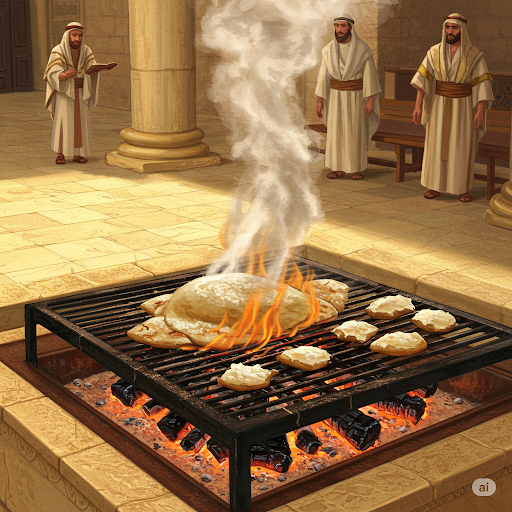
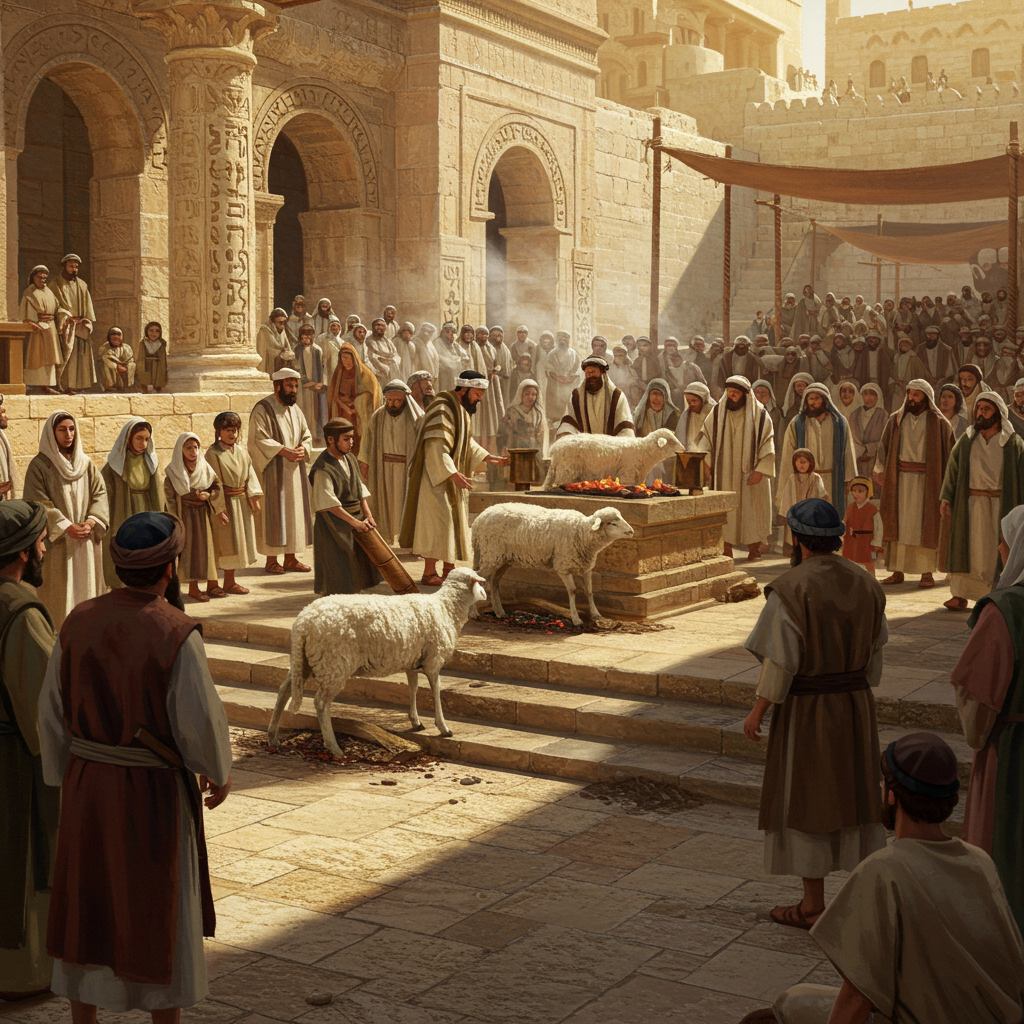
5- The כהן גדול’s מנחה is something brought daily. He would bring every morning a 10th of an איפה of flour, split it in two and create an unique ‘pancake bread’. First he would mix the flour with oil, then then boil it in water and finally bake the dough into 6 חלות which would be totally burned on the מזבח.

In the afternoon he would repeat this process with the other half of the

10th of an איפה.

One of the תקנות is that in a tragic case where the כהן גדול would pass away prior to him bringing the מנחה, until a replacement would be announced, a full  מנחת חביתין would be brought, twice a day (12 חלות each) from the לשכה.

6 – We discussed the interesting query if a כהן גדול is also a regular כהן.

Seems like a trivial and theoretical question but it has Halachik consequences. More on this topic and other details of this unique מנחה at the next Shiur BL”N.

7- Mentioned briefly if a כהן גדול can be removed and replaced democratically – meaning if the כהנים all vote to remove him.

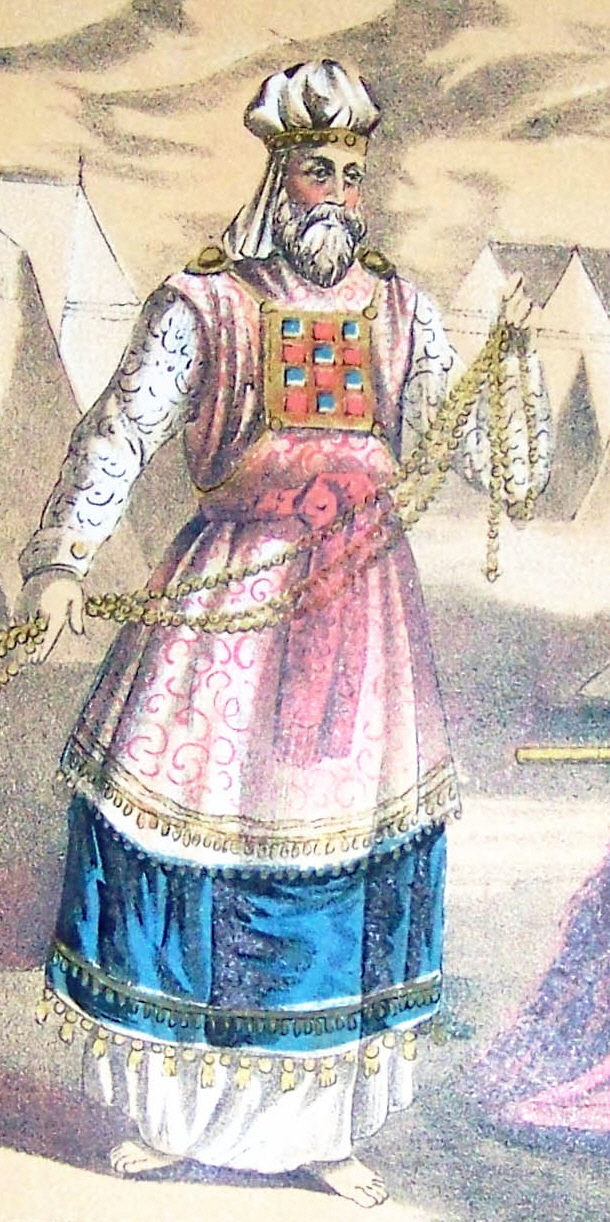
File:Holman Kohen Gadol.jpg - Wikimedia Commons

8- We mentioned the מהרש”ג, Reb Shimon Greenfeld who was a famous פוסק before the war.

רבי שמעון גרינפלדמהרש”ג

Despite him being a Rov in קהילות that followed רבינו תם’s opinion of a later שקיעה he ruled like the Alter Rebbe, as is our מנהג.

מהרש”ג

נצר מטעי סימן לב

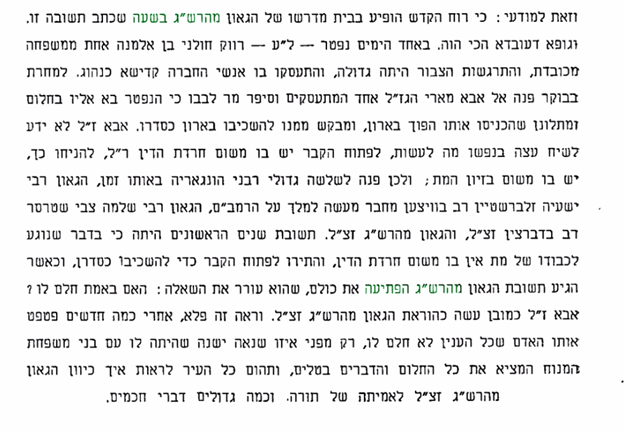
The story we told is about someone (part of a חברה קדישא) who claimed to have a dream about a person he buried. The deceased complained that he was buried ‘backwards’ and is requesting for them to dig up the grave and ‘straighten him out’.

Reb Shimon, as opposed to two other great רבנים, ruled that they should definitely not reopen the grave.

Read the interesting end.


ומסיימין בטוב!

A healthy summer to all.

Shiur Shkolim 20a Nisan 10, 5785 – 4/8/25

BSD
Shkolim 20a
Nisan 10, 5785 – 4/8/25

Short notes:
Due to the short time, here are some notes in Hebrew with links.
The topic was the גמרא פסחים סו, א.

תָּנוּ רַבָּנַן הֲלָכָה זוֹ נִתְעַלְּמָה מִבְּנֵי בְתִירָא פַּעַם אַחַת חָל אַרְבָּעָה עָשָׂר לִהְיוֹת בְּשַׁבָּת שָׁכְחוּ וְלֹא יָדְעוּ אִם פֶּסַח דּוֹחֶה אֶת הַשַּׁבָּת אִם לָאו אָמְרוּ כְּלוּם יֵשׁ אָדָם שֶׁיּוֹדֵעַ אִם פֶּסַח דּוֹחֶה אֶת הַשַּׁבָּת אִם לָאו אָמְרוּ לָהֶם אָדָם אֶחָד יֵשׁ שֶׁעָלָה מִבָּבֶל וְהִלֵּל הַבַּבְלִי שְׁמוֹ שֶׁשִּׁימֵּשׁ שְׁנֵי גְּדוֹלֵי הַדּוֹר שְׁמַעְיָה וְאַבְטַלְיוֹן וְיוֹדֵעַ אִם פֶּסַח דּוֹחֶה אֶת הַשַּׁבָּת אִם לָאו שָׁלְחוּ וְקָרְאוּ לוֹ אָמְרוּ לוֹ כְּלוּם אַתָּה יוֹדֵעַ אִם הַפֶּסַח דּוֹחֶה אֶת הַשַּׁבָּת אִם לָאו אָמַר לָהֶם וְכִי פֶּסַח אֶחָד יֵשׁ לָנוּ בַּשָּׁנָה שֶׁדּוֹחֶה אֶת הַשַּׁבָּת וַהֲלֹא הַרְבֵּה יוֹתֵר מִמָּאתַיִם פְּסָחִים יֵשׁ לָנוּ בַּשָּׁנָה שֶׁדּוֹחִין אֶת הַשַּׁבָּת.

GEMARA: The Sages taught a baraita with regard to the basic halakha governing the eve of Passover that occurs on Shabbat: This law was forgotten by the sons of Beteira, who were the leaders of their generation. The fourteenth of Nisan once occurred on Shabbat, and they forgot and did not know whether the Paschal lamb overrides Shabbat or not. They said: Is there any person who knows whether the Paschal lamb overrides Shabbat or not? They said to them: There is a certain man in Jerusalem who came up from Babylonia, and Hillel the Babylonian is his name. At one point, he served the two most eminent scholars of the generation, Shemaya and Avtalyon, and he certainly knows whether the Paschal lamb overrides Shabbat or not. The sons of Beteira sent messengers and called for him. They said to him: Do you know whether the Paschal lamb overrides Shabbat or not? He said to them: Have we but one Paschal lamb during the year that overrides Shabbat? Do we not have many more than two hundred Paschal lambs, i.e., sacrifices, during the year that override Shabbat?

The famous question,  as asked in ירושלמי, how could they possible forget if in every 14 years there are two times that ערב פסח occurs on שבת?

The answer given by  ר’ אבון,  (or “בון” as it says there) that it was a miracle that the בני בתירא forgot.  This was to bring about the appointment of Hillel as the new נשיא.
However,  all of כלל ישראל were present at the last occurrence. Does that mean that every single of them one forgot??

What is the Halachah….? Can not remember…

Many answers (as discussed in a previous Pesasch shiur) and we mentioned two of them.

תירוץ הרב ראובן מרגלית

שאלת ר’ אבין בירושלמי (פסחים ו, א): הלא כל 14 שנה חל ע”פ בשבת. ותירץ- ‘כדי ליתן גדולה להלל’.
אבל איך שכחו כל הקהל?
רר”מ:
תמיד דחו שלא יפול ערב פסח בשבת. נקודה. והבי”ד וכל ישראל לא שכחו כלום כי אף פעם לא חל ע״פ בשבת.
אבל, היות וקביעת החודש ע”י הסנהדרין נעקרה ממקום מרכזי, אירע אז שלא דחו את התחלת חודש ניסן, וע”פ כן חל בשבת בשנה ההיא.
אז השאלה של ב”ב היתה: מה הטעם שמאז ומקדם תמיד דחו שלא יחול ערב פסח בשבת?
או משום שבעצם הקרבת הפסח אינה דוחה את השבת. ולכן דחו את החודש כדי לאפשר ההקרבה, כדי שלא תתבטל המצוה.
או שבעצם הקרבת הפסח כן דוחה את השבת. והסיבה שתמיד דחו את החודש היתה מפני חשש עשיית מלאכה, כמו הוצאה וכדומה.
והנפק”מ היא: אם מאיזה סיבה כן חל ע”פ בשבת!
אם הסיבה היא שבעצם אין ק”פ דוחה את השבת, אז להלכה למעשה לא יקריבו הפסח השנה. ואם הסיבה היא שדוחין מפני חשש, אז השנה כן צריכים להקריבו.
ולכן, היות ובשנה ההיא לא דחו את הקביעות, וע”פ כן חל בשבת, ונתעלמה מבני בתירא הסיבה, לא ידעו מה לעשות. להקריב או לא להקריב.
והעלמה זו היתה בהשגחה כדי שהלל יעלה לגדולה.

תירוץ הרבי.
שיחות קודש 588 ואילך.
מביא שהקרבת הפסח הראשונה ובשנת המ’ חל ע”פ בשבת.
קשה לומר שנתעלמה מה לעשות. וכשאלת ר’ אבין (ירושלמי פסחים ו, א) . ותירוצו צ”ע כי איך שכחו כל הקהל. ובפרט שהקרבת הפסח היתה בשמחה ובפירסום. (ודלא כמעשה פנחס).
ומ”ש הצל”ח (פסחים סו,א) שאף פעם לא חל ע”פ בשבת חידוש גדול הוא ולא אשתמיט תנא ואמורא לומר חידוש כזה!
ובכללות השאלה איך יכול להיות מחלוקת בדבר הנהוג תמיד. שאלת הגאונים – (ב”י או”ח תקצ) בנוגע לתק”ש, ומתרצים שבדיעבד יוצאים בשברים או בתרועה, ואחרים נהגו כך כו’. ואח”כ הנהיגו לתקוע שניהם.
אבל כ”ז בתק”ש, שחל רק פעם בשנה ושכחו. אבל תפילין וציצית נהוג בכל יום.
והתירוץ הוא שאף פעם לא היתה בזה פסק הלכה שנתקבלה ע”י כולם. וכמו ‘באתריה דרב’. כי טרם נקבעה ההלכה בזה. כמו החילוק עד היום בין ספרדים ואשכנזים.
ובשנה שחל ע”פ בשבת, בכל הדורות היתה בזה מחלוקת ולא נפסקה הלכה לדורות. ואכן היו כאלו שלא הקריבו וכאלו שכן הקריבו.
[וזה ששכחו איך אמר משה רבינו לנהוג לדורות – הרי”ז כמו מנצפ”ך. תוס’ וריטב”א מגילה ב,ב]
ואפילו לאחר שפסק הלל עדיין נחלקו תנאים בהלכה זו עצמה!

650 ואילך.
כנ”ל.
מביא הרמב”ם ממרים רפ”ב: ב”ד גדול שדרשו באחת מן המדות כפי מה שנראה בעיניהם שהדין כך ודנו דין. ועמד אחריהם ב”ד אחר ונראה לו טעם אחר לסתור אותו הרי זה סותר ודן כפי מה שנראה בעיניו.
ובכ”מ שם, שזה שצריך ב”ד גדול בחכמה ובמנין זהו דווקא על גזירה ולא על דרשות של י”ג מדות.
[ובהערה שם- שבזה אפשר לחלוק גם על משרע”ה!]
וזה שא”א שאמורא יחלוק על תנא ולא ראשונים על הגאונים וכו’,היינו שכך קיימו וקבלו. (כ”מ שם).
ומחלוקת רש”י ור”ת בתפילין מחלוקת ישנה היא, ואף פעם לא נפסקה ע”י הגאונים.
ועד”ז בנוגע ק”פ שחל בשבת, תמיד נחלקו. ואצל הבני בתירא, אף שהם יכולים לחלוק על מה שפסקו בדור לפני זה, נעלם מהם איך הי’ בפועל בפעם האחרונה – האם רוב הביאו את הקרבן פסח או לא.
לא נוגע איך נהגו בכל הדורות שלפני זה, רק איך הי’ בפועל בפעם האחרונה.
אם היו זוכרין לא היו נכנסין לכל השקו”ט (אף שיכולין לחלוק על פסק של דור שלפניהם), רק היו סומכין על ההנהגה של דור הקדום.
ולכן אין פלא ששכחו הב”ב מה הי’ הרוב. וכן כל הקהל לא זכרו מה הי’ הרוב. *
[ע”ד הסיפור עם הציצית של דור המדבר עם רבב”ח. דלכאורה, למה כעסו עליו שלא בדק אם הלכה כב”ש או ב”ה? הרי זה דבר שפילו נהגו כך בדור שלפני זה הרי אפשר לחלוק עליהם. אלא, אם היו יודעים איך נהגו לפועל בדור שלפני זה, היו סומכין עליהם].


Rough Translation of the Rebbe’s answer above:

The Rebbe answers (Sichot Kodesh p588), that the Koban Pesach in the second and 40th year fell on Shabbos. So it is difficult to say that the entire community could forget the procedure for the Korban KP when it coincided with Shabbos (like R Avin asks in (ירושלמי פסחים ו, א) – especially since KP was performed publicly and with such joy (unlike the story of Pinchas).

Regarding the Tzlachs assertion (פסחים סו,א) that the KP never fell on Shabbos (except as above) – this is a tremendous chiddush, and we find no Tanna or Amora stating so.

As to the general question of how could there be a difference of opinion in regards to something which is practiced regularly – such as the Geonim’s question (ב”י או”ח תקצ) regarding Tekias Shofar – that one is still Yotze – fulfills their obligation with Shevarim or Terua, however one perform Tekios differently, etc. – this is in regard to Tekias Shofar, which only happens once a year, and people can forget (something done rarely).

But Tefillin and Tzitizs which are practiced daily…?

The lack of a clear, universally accepted Halakhic ruling explains the confusion, such as ongoing differences between Sephardic and Ashkenazi customs.

So in the years when the KP fell on Shabbat, there was ongoing disagreement throughout the generations, and no definitive Halakhic ruling was established for the future.

Consequently, some individuals did not perform a KP, while others did!

This phenomenon of forgetting even instructions from Moshe Rabbeinu for future generations is similar to the changes in the letters ” מנצפ”ך.” תוס’ וריטב”א מגילה ב,ב

Even after Hillel made a ruling on the matter, later Tannaim still disagreed on this very law.

The dispute of machlokes regarding tefillin of Rashi or Rabbeinu Tam is an ancient machlokes, predating Rashi and R”T; the definitive halachah was never universally established by the Geonim. Similar to the issue of KP which falls on Shabbos – the halacha was always in dispute.

Regarding the Bnei Beseira, even though they had the authority to disagree with the halachic rulings of the previous generation, they had forgotten the actual practice in the most recent instance when KP fell on Shabbos– specifically, whether the majority of people brought the KP or not.

They were not concerned with the historical practices of all previous generations, but only with the most recent precedent. If they had remembered the practice of the majority of the immediate past, they would not have engaged in deliberations (even though they could have technically disagreed with the previous generation’s ruling) and would have instead relied on the established custom of the preceding generation.

Therefore, it is not surprising that the Bnei Beseira and the entire community forgot what the majority did. (Like the story of the Tzitzis in the desert with Rabba bar bar Chana – why were they angry with him?) why did he not check their Tzitzis to determine whether the Halacha is like B”S or B”H?

Whatever he may have seen, could still have (anyway) been disputed?

However, knowledge of the previous generation’s actual practice would have been considered authoritative and relied upon.

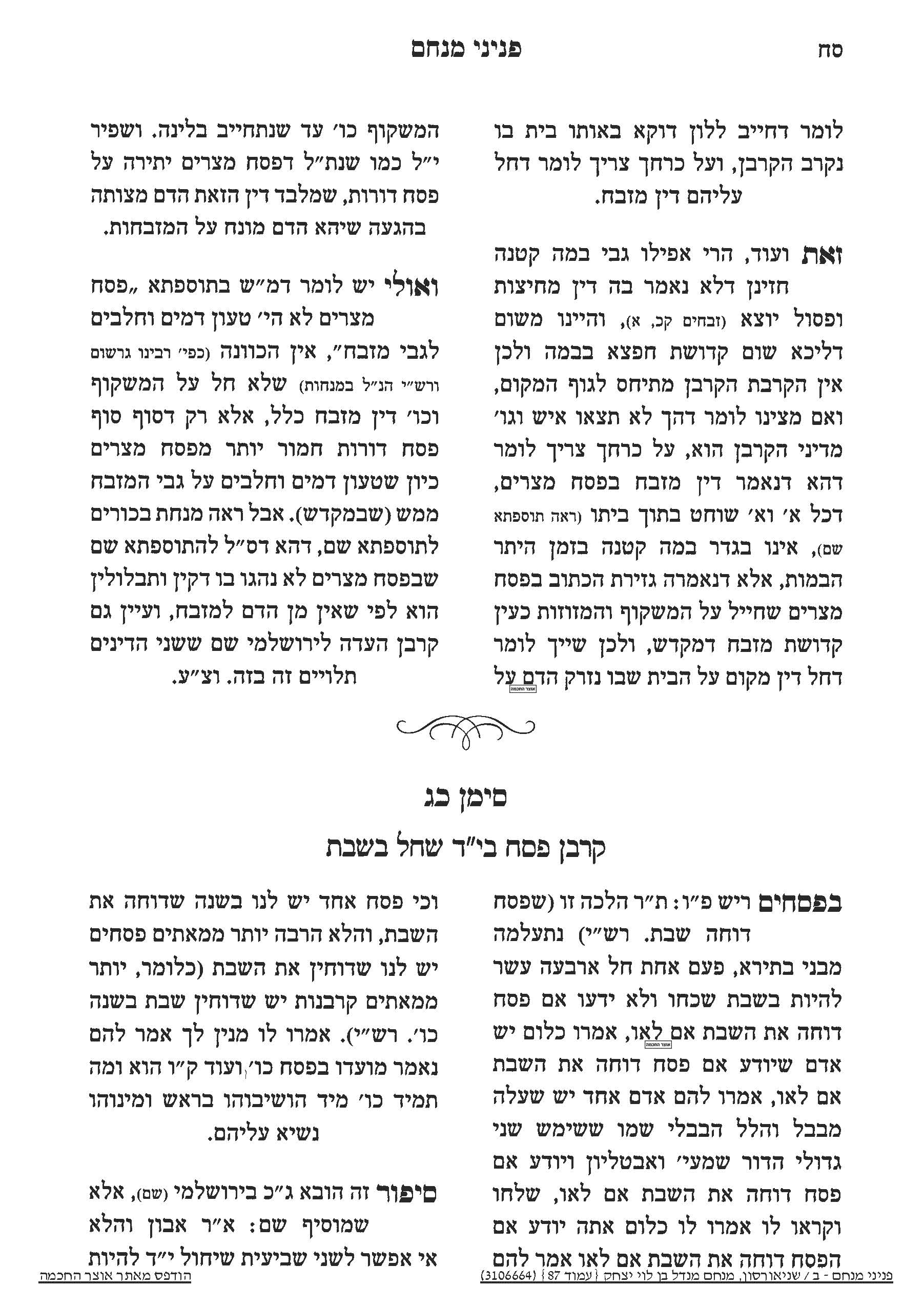
Here is a synopsis of the Rebbe’s Sicha.
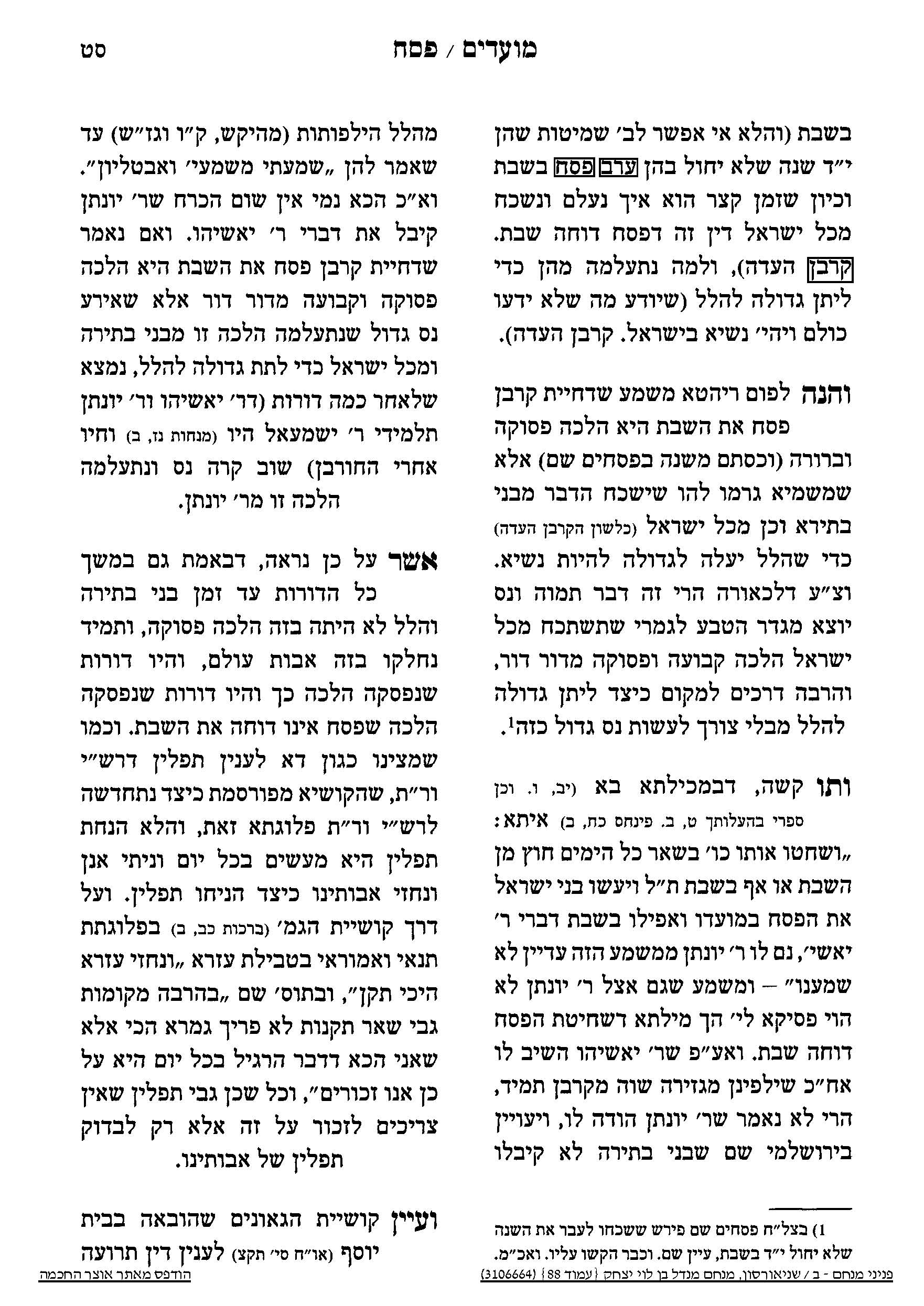
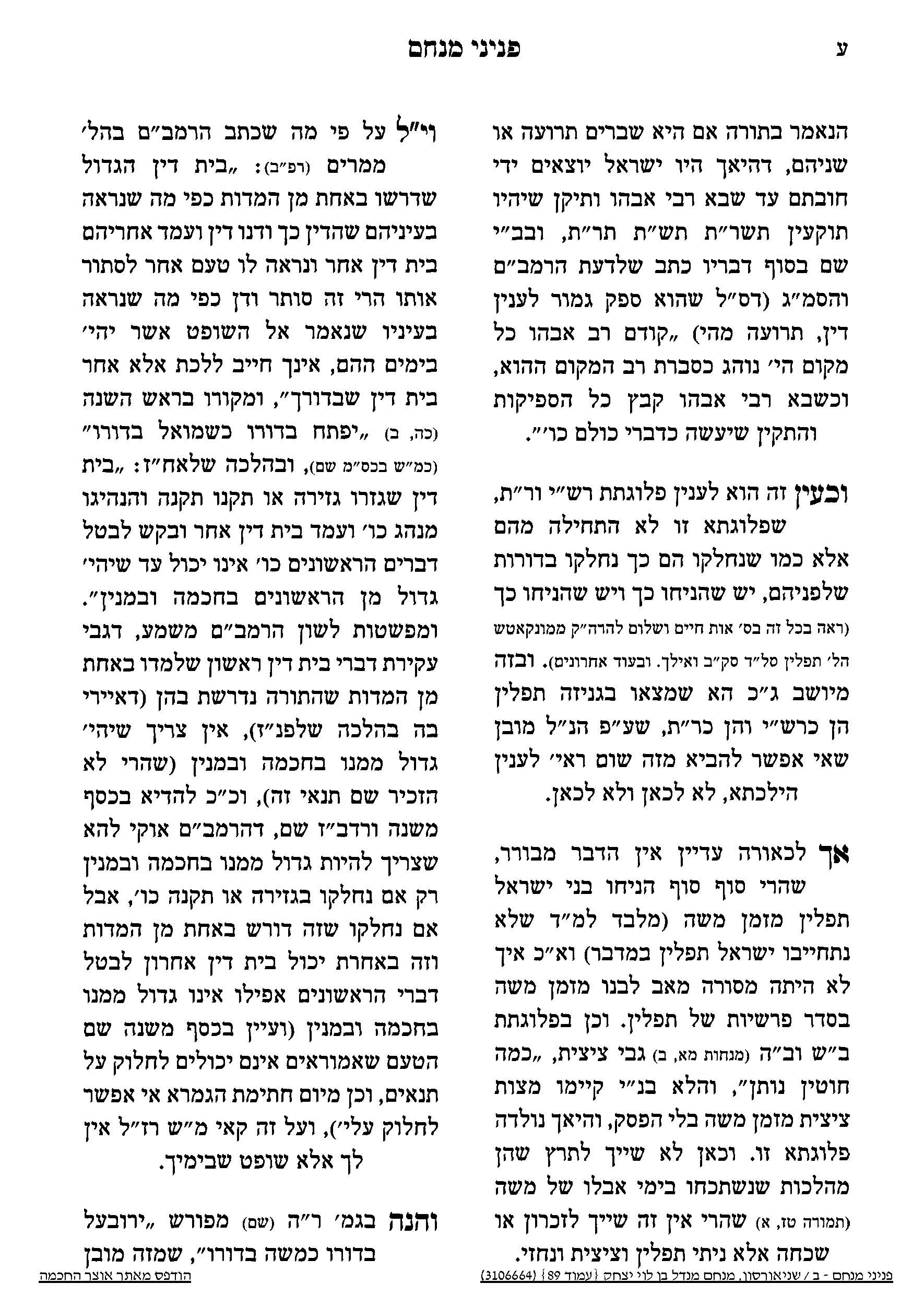
פניני מנחם ע’ סה.

קרבן פסח ביד שחל בשבת

Shiur Shkolim 14b (2) – Tishrei 27, 5784 – 10/29/24

BSD

Shkolim -14b (2) -15a

Tishrei 27, 5784. 10/29/2024


A Gezunten Vinter to All!

Eastern Parkway, Brooklyn's design gem | by Monica Finc | Medium

1- We concluded the ‘4 or 5 coupons‘ sold in the בית המקדש for people bringing קרבנות.

See final chart below.

2- We discussed that 3 of the coupons had the name of an animal. עֵגֶל זָכָר גְּדִי

Blank DIY Coupon Cards - 3.5 x 2 Inches - Pack of 50 Thailand | Ubuy

However the fourth had the word חוֹטֵא , which was what the מצורע would purchase when he became טהור.

חב״ד און ליין - COL מרכז התקשורת החב״די - ילדים ב-COL: פרשת תזריע-מצורע

Psoriasis maybe?

The חפץ חיים makes note of this. Becoming a מצורע is a result of לשון הרע. The fact that this person walks around with a negatively worded coupon shows the severity of his wrong doing of speaking לשון הרע.

Slogan Air Freshener - Lashon hara, Speak no evil

שמירת הלשון ח”ב ט”ז.


3- The משנה says that if someone would lose his coupon, he would need to wait until evening to see if it was found.

מִי שֶׁאָבַד חוֹתָמוֹ מַמְתִּינִין לוֹ עַד הָעֶרֶב. אִם מָצְאוּ לוֹ כְּדֵי חוֹתָמוֹ נוֹתְנִין לוֹ. וְאִם לָאו לֹא הָיוּ נוֹתְנִין לוֹ.

If somebody lost his coupon/ticket, we let him wait until the evening. If they find extra cash corresponding to his ticket we give it to him; otherwise we do not give it to him.

4,455 Lost Found Sign Images, Stock Photos, and Vectors | Shutterstock

Mentioned the Chasiddisher explanation on the above.

בקיצור

חתמו  means the Divine seal, the  צלם אלוקים , that each person possess.

A person is tasked to hold on dearly to this חותם and ensure that it is not lost.

What happens if, for whatever reason, he ‘loses his coupon’? If his צלם אלוקים  and him part ways?

Not all is lost CV. He is given until ‘evening’. Meaning that he has the ability to reconnect that very evening during קריאת שמע שעל המיטה.

קריאת שמע שעל המיטה - מנוקד ובאותיות מאירות עיניים | פרשת יהדות

מַמְתִּינִין לוֹ עַד הָעֶרֶב  and if they find him sincere, נוֹתְנִין לוֹ, he receives back his צלם אלוקים .

If not, he is given more chances – ערב ראש חודש and יום כיפור or even at the final ערב , just prior to his passing, because תשובה is always an option.

Jaw-dropping Sunset Spots in Our Parks | Golden Gate National Parks Conservancy

3- The next משנה discusses two particular offices in the בית המקדש.

לִשְׁכַּת חֲשָׁאִים וְאַחַת לִשְׁכַּת הַכֵּלִים.

One was a ‘silent office’. It was an office that collected and distributed צדקה silently and discreetly. The donors wished to be kept anonymous and the recipients of the צדקה received money in a discreet way and respectable way.

Special benefits related to tax deduction of charitable contribution

The גמרא continues with various stories of חכמים that practiced this discreet giving. The donors had no clue who the צדקה is going to and the receivers were unaware where the money came from.

4- Our גמרא is one of the primary sources on the topic of giving charity at night.

רִבִּי חִינְנָא בַּר פַּפָּא הֲוָה מַפְלִיג מִצְוָה בַלַּיְלִיָא. חַד זְמַן פְּגַע בֵּיהּ רַבְּהוֹן דְּרוּחַייָא. אֲמַר לֵיהּ. לֹא כֵן אַלְפָּן רִבִּי. לֹא תַסִּיג גְּבוּל רֵעֲךָ. אֲמַר לֵיהּ. לֹא כֵן כְּתִיב מַתָּן בַּסֵּתֶר יִכְפֶּה אָף. וַהֲוָה מִיסְתָּפֵי מִינֵּיהּ וַעֲרַק מִן קוֹמוֹי.

Rebbi Ḥinena bar Pappos used to distribute his charity in the night. Once the prince of spirits encountered him. He said to him, did not our teacher teach us: Do not displace your neighbour’s boundaries1? He said to him, but is it not written, a gift in secret appeases anger2? He was afraid of him and fled from him.

Charity Night at The Winchester Club. | The Winchester Club

Bottom line is if one is asked for charity one must give even at night.

See letter of the Rebbe herehere.


5- We concluded with this interesting story. Giving צדקה using שכל.

אָמַר רִבִּי יוֹנָה. אַשְׁרֵי נוֹתֵן לַדָּל אֵין כָּתוּב כָּאן אֶלָּא אַשְׁרֵי מַשְׂכִּיל אֶל דָּל. זֶה שֶׁהוּא מִסְתַּכֵּל בַּמִּצְוָה הֵיאַךְ לַעֲשׂוֹתָהּ. כֵּיצַד הָיָה רִבִּי יוֹנָה עוֹשֶׂה. כְּשֶׁהָיָה רוֹאֶה בֶן טוֹבִים שֶׁיָּרַד מִנְּכָסָיו הָיָה אוֹמֵר לוֹ. בְּנִי. בִּשְׁבִיל שֶׁשָּׁמַעְתִּי שֶׁנָּפְלָה לָךְ יְרוּשָׁה מִמָּקוֹם אַחֵר. טוֹל וְאַתְּ פּוֹרֵעַ. מִן דַּהֲיָה נְסִיב הֲוָה אֲמַר לֵיהּ. מַתָּנָה.

Rebbi Jonah said, it is not written, “hail to him who gives to the needy,“ but: hail to him who is considerate to the needy; this refers to him who fulfills this commandment intelligently.

How did Reb Jonah do it? When he saw a son of a prominent family who had lost his property, and was embarrassed to take צדקה, he used to say to him: My son, since I heard that an inheritance fell to you from another place, take what I am giving and you will pay back. When he had taken it, he said to him, it is a gift.

Is a Family Loan Taxable Income? - SmartAsset

We discussed if that is called not telling the truth and if yes, how it is allowed.

Mentioned the בן איש חי that enumerates all the places in ש”ס where it seems that what was spoken by the חכמים was not אמת. But the אמת is…all they spoke was אמת!

רבי יוסף חיים

יוסף חיים מבגדאד – הבן איש חי

שות תורה לשמה אות שסד.

בעלי חיים – Sheet1

Chol Hamoed Shiur – שניאור מבודפשט – ג’ חוה”מ סוכות תשפ”ה-10/21/24

בס”ד

שניאור מבודפשט – קבר ר’ ברוך- סוכה במדבר

Shneur of Budapest – The grave of Reb Baruch – Sukkos in the desert.

שיעור ג’ חוה”מ סוכות תשפ”ה

10/21/2024

Some brief notes and links:

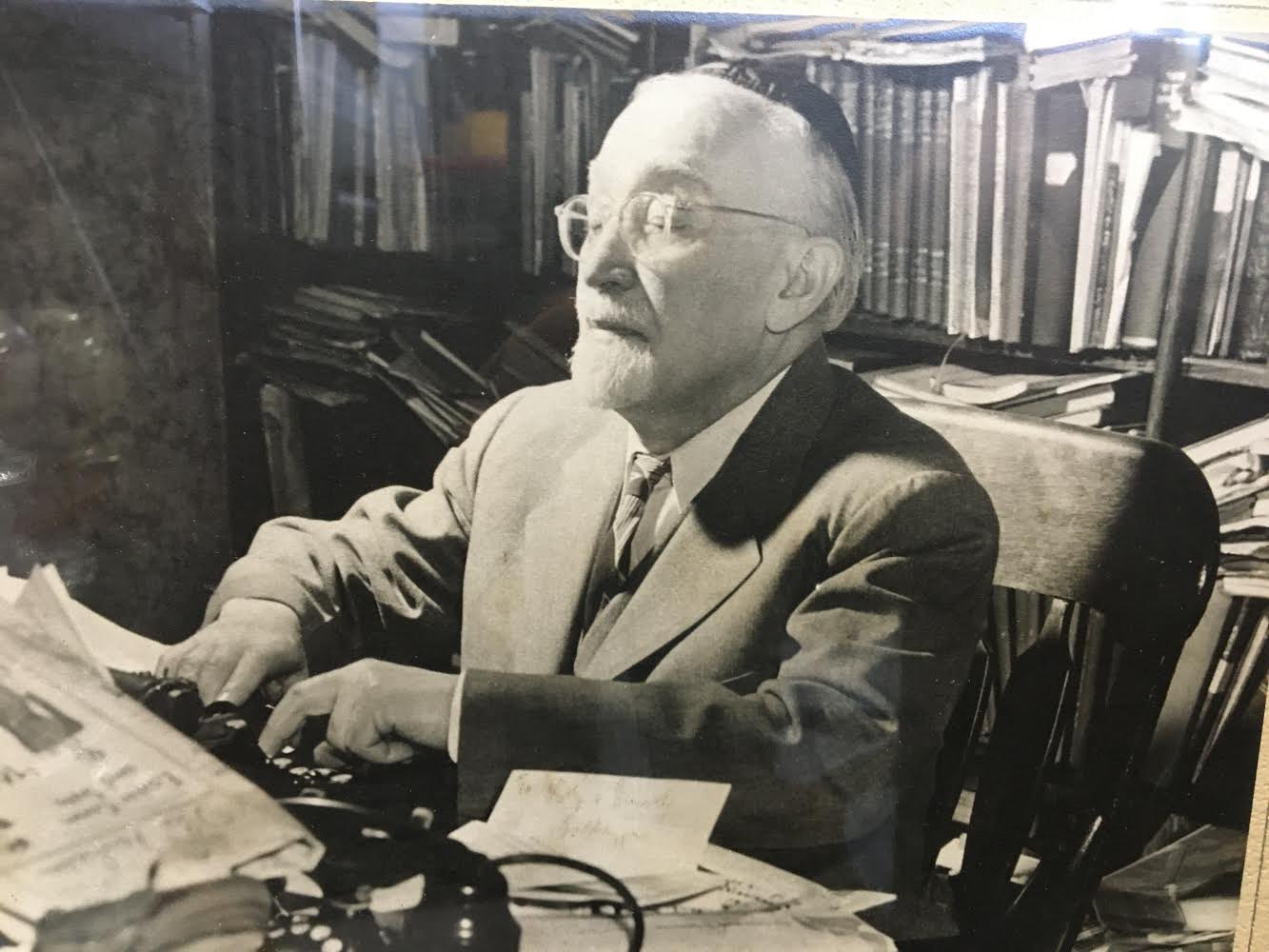
1 – יקותיאל יהודה גרינוולד הרב  – Rabbi Leopold Greenwald

More here: 

Rabbi, soldier, researcher, historian and prolific writer.

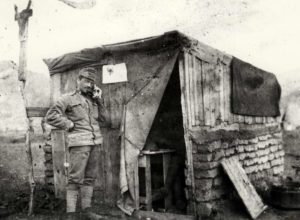
Rabbi Leopold Greenwald in military uniform, ca. 1917, engaged in telegraph work at Serbian front during World War I.

(Note: not peeling potatoes)

Jewish American Judaica 1945 Yiddish Rabbi Greenwald Book Hungary Jews History

https://en.wikipedia.org/wiki/Leopold_Greenwald

Menachem Butler on X: "beautiful photo of Rav Yekusiel Yehuda (Leopold) Greenwald, author of The Kol Bo Al Aveylus (and about 50 other seforim) and his family, newly discovered by Rabbi @PiniDunner

2 – Fascinating and tragic story of שניאור בן אפרים.

אימרה סרנצ’ש (בהונגרית: Szerencsés Imre) במקור שניאור בן אפרים או ז(ס)למן בן אפרים או שלמה בן אפרים. בלטינית היה שמו פורטונאטוס, כלומר “בר מזל” ומכאן שמו ההונגרי סרנצ’ש (בר מזל).

SZERENCSÉS, IMRE (Fortunatus ; 1460–1526?), Hungarian apostate; financial adviser to the royal house.

Monument in Hungary

When he arrived in Hungary he was compelled to convert to Christianity and he married a Christian woman of aristocratic birth, although many believe that he secretly remained true to Judaism.

קורות התורה והאמונה בהונגריא, p10

אימרה סרנצ’ש

SZERENCSÉS, IMRE (Fortunatus)

Yivo Article

3 – Shneur’s sons request to be called up for an עליה by their father’s name.

4 – מהר”ם פדובה – Maharam miPadu. Reb Meir Ktznelenbogen.

See above for a list of his interesting descendants, e.g. Felix Mendelssohn.

מאיר קצנלנבוגן

Meïr ben Isaac, who was often called after his native town, was the founder of the Katzenellenbogen family. His mother Julia-Malka Luria was the granddaughter of Aaron Luria, founder of the Luria family and a descendant of Rashi. After studying at Prague under the well-known casuist Jacob Pollak, he went to Padua and entered the yeshiva of Judah Minz, whose granddaughter, Hannah, he afterwards married. He succeeded his father-in-law, Abraham Minz, in the chief rabbinate of Padua, which office he held until his death on 12 January 1565.

hi Gravestone in Padua

5 – His ruling in their favor.

המהר”ם מפדובה דן בשאלה כיצד יוכלו שני אחים, שאביהם היה שר וגדול שהשתמד, לעלות לתורה, שכן כעיקרון אין קוראים בשמו של משומד. עלתה אפשרות לקרוא על שם אבי אביהם הסב, אך גם פתרון זה לא נראה להם, ולפיכך פנו בשאלה זו. המהר”ם מפדובה השיב כי בשל כבוד הבריות של הבנים וכבודו של אביהם, יש בכל זאת לקרוא בשמו, וזאת כדי שלא יפגעו ממעשיו של אביהם המשומד, שהיה כאמור אדם חשוב, שלא ניתן להתעלם ממנו או לא לציין את שמו. לדעתו, כאן עולה נימוק דרכי שלום, שמחמתו יש לקרוא למשומד בשמו.[4]

Pin page

6 -יקותיאל יהודה גרינוולד הרב  – Rabbi Leopold Greenwald

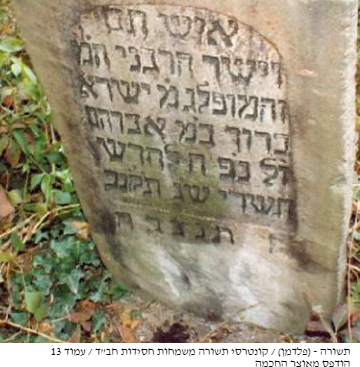
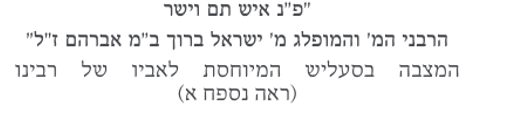
His travels and discovery of an interesting grave in Solish – סעליש. His claim that it was the grave of the Alter Rebbe’s father.

מקורות לקורות ישראל ע‘ 91.


7 – The rebuttal by many.

https://chabadlibrary.org/books/6502210003

See also soon to be published new edition of the בית רבי.

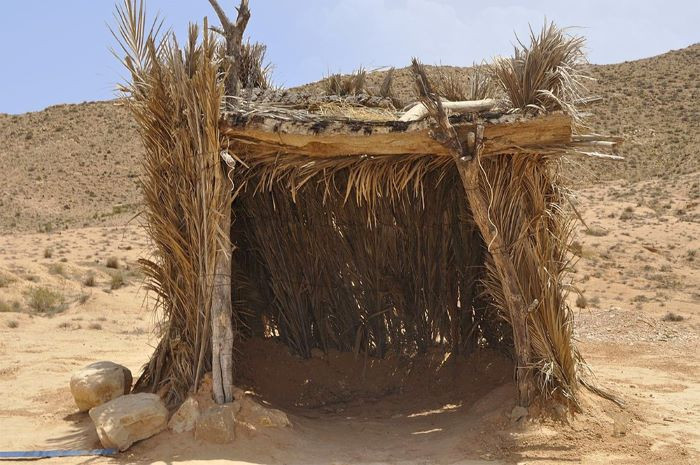
8 – Was Sukkos and the ד’ מינים observed in the מדבר?

Feast of Weeks or Shavuot or Pentecost

The Rebbe’s says that it was not.

https://beta.hebrewbooks.org/pdfpager.aspx?req=16075&st=&pgnum=594


9 –  The פסוקים  beginning with

אַךְ בַּחֲמִשָּׁה עָשָׂר יוֹם לַחֹדֶשׁ הַשְּׁבִיעִי בְּאָסְפְּכֶם אֶת

תְּבוּאַת הָאָרֶץ תָּחֹגּוּ אֶת חַג יְהוָה שִׁבְעַת יָמִים בַּיּוֹם הָרִאשׁוֹן שַׁבָּתוֹן וּבַיּוֹם הַשְּׁמִינִי שַׁבָּתוֹן.

Mentioned the מורה נבוכים and הקדמה לפירוש המשניות להרמב”ם.

For a synopsis see ימות המשיח בהלכה from Rabbi Avrohom Gerlitzki. Vol 1 page 266.


Shiur Shkolim 14b – Tishrei 5, 5784 – 10/08/2024

BSD

Shkolim -14b

Tishrei 5, 5784. 10/08/2024

First some notes from last week’s Shiur.

1- We concluded discussing the various managers in the בית המקדש where some are remembered in a positive way and other not so.

The גמרא uses the verse זכר צדיק לברכה regarding the righteous ones.

משלי י, ז

זֵכֶר צַדִּיק לִבְרָכָה וְשֵׁם רְשָׁעִים יִרְקָב.

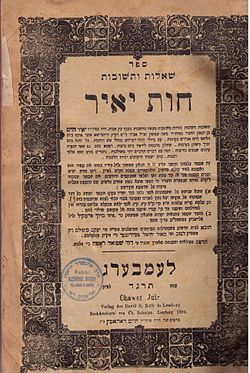
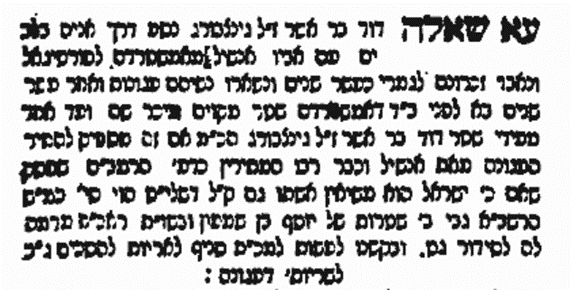
In relation to this we mentioned an interesting Teshuva from the חות יאיר by Reb Yoir Chaim Bachrach. #71. and here

שו"ת חַוֹת יאיר, לבוב, ה'תרנ"ד

In the 17th century a certain Asher and his son Dovid traveled by boat from Amsterdam to Portugal. The two disappeared (the assumption/rumor was that the boat had sunk) resulting that both their wives were considered עגונות.

Book reviews: 'THE LOST SHIP'

Ten years later, a legal notarized document comes across the בית דין  in Amsterdam bearing the signature of one of the witnesses as:

דוד בן אשר ז”ל הכ”מ.

The question is whether the בית דין can now assume that Asher had indeed passed away since his son Dovid, writes ז”ל on his father.

The חות יאיר quotes a precedent (רשב”א) of using שליט”א to verify the identity of an individual. Such as when we want to verify a name on a document but we are unsure who the person is because are two people with the same name. If we see a  שליט”א after the name and only one is alive, we can assume that the one still living is the one written on the שטר.

Would this precedent apply also to ז”ל? Can we assume that this ז”ל is an indication that he is no longer alive?

The חות יאיר says – no!

Springfield Synagogue Begins Efforts to Return Memorial Plaques to Congregants | Springfield, NJ News TAPinto

His rationale is the the source of writing זכרונו לברכה comes from the verse  זכר צדיק לברכה and that  פסוק is not necessarily referring to someone that has deceased. [Just as in our משנה where the righteous managers were mentioned in a positive way while they were still alive].

in other words: שליט”א is used on a live person only. So שליט”א  is an indication that the person is still living. On the other hand,  זכרונו לברכה  can be used also on a live person.

Despite our  מנהג, concludes the חות יאיר, to write the ז”ל only on people that are no longer alive, perhaps in other countries (where this שטר originated)  the term זכרונו לברכה is used on righteous people also while they’re still living.

In Other News, I'm Not Dead Yet – ALL THINGS AMY

2- Our גמרא  discusses the wealth of משה רבינו that he acquired from the splinters of precious stones when carving out the second לוחות.

We find the rule that:

אין הנבואה שורה אלא על חכם גיבור ועשיר

And also עניו – he needs to be humble.

Now why does a נביא need to be smart, strong and wealthy?

TheYeshiva.net - Rabbi YY Jacobson

There is a quip (attributed to many) that עניו is the primary qualification for נבואה. However, if someone is not a חכם גיבור ועשיר then what is he humble about?…

3 – This week we began הלכה ג where the משנה describes the sale of the  נסכים – meaning the flour, oil and wine that accompanied many קרבנות.

Today ONLY | Gold Medal Flour AND Crisco Oil ONLY $0.99 at Kroger! - Kroger Krazy

The flour and oil were mixed to create a מנחה of which a קמיצה was placed on the מזבח and the balance eaten by the כהנים. The wine was poured into the נקב that was on the top of the  מזבח which flowed to the underground streams.

קרבנות in general were divided into 3 categories, each with a different corresponding מנחה.

1- Bulls/Cows.

2- Sheep/Goats/Lamb.

3- A male sheep over 13 months old.

Goat Milk, Cow Milk, Sheep Milk: What Are the Differences?– Good Goat Milk Company


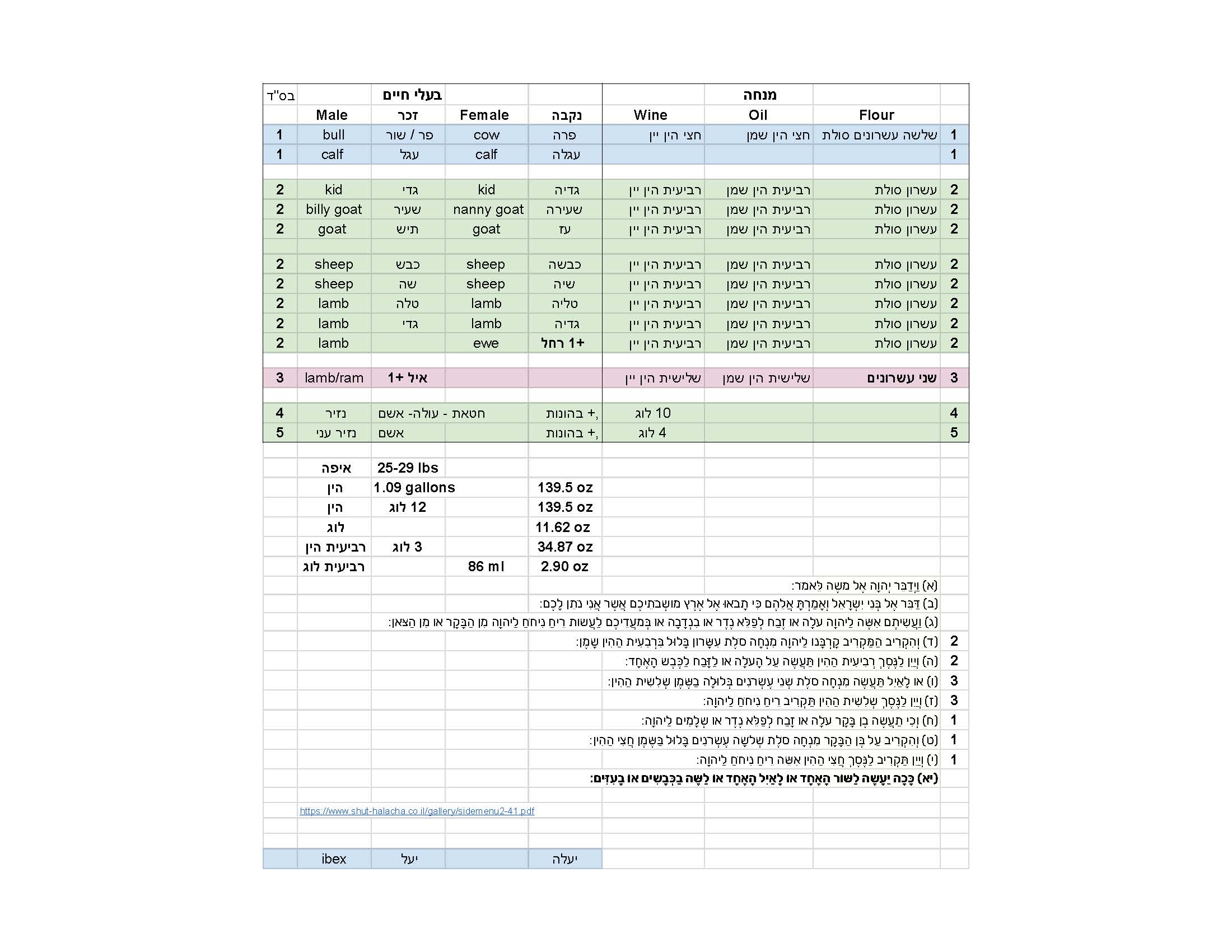
בעלי חיים מנחה בס”ד
Male זכר Female נקבה Wine Oil Flour
bull פר / שור cow פרה חצי הין יין חצי הין שמן שלשה עשרונים סולת
calf עגל calf עגלה
kid גדי kid גדיה רביעית הין יין רביעית הין שמן עשרון סולת
billy goat שעיר nanny goat שעירה רביעית הין יין רביעית הין שמן עשרון סולת
goat תיש goat עז רביעית הין יין רביעית הין שמן עשרון סולת
sheep כבש sheep כבשה רביעית הין יין רביעית הין שמן עשרון סולת
sheep שה sheep שיה רביעית הין יין רביעית הין שמן עשרון סולת
lamb טלה lamb טליה רביעית הין יין רביעית הין שמן עשרון סולת
lamb גדי lamb גדיה רביעית הין יין רביעית הין שמן עשרון סולת
lamb ewe +1 רחל רביעית הין יין רביעית הין שמן עשרון סולת
ram איל +1 שלישית הין יין שלישית הין שמן שני עשרונים

4- A person bringing  a קרבן would need to purchase the נסכים from the in-house בית המקדש commissary/store to assure that is טהור.

There were four types of tokens sold. 3 for the above 3 categories and the fourth for a מצורע.

154 Token Machine Stock Photos, High-Res Pictures, and Images - Getty Images

Four tokens were in the Temple; on them was written:

1-  calf,

2-ram,

3- lamb,

4- sinner. poor sinner, rich sinner.

Image of

1- Calf” serves for the נסכים of cattle, large or small, male or female.

2- “Lamb” serves for the libations of sheep and goats, large or small, male or female , except for rams.

3- “Ram” only serves for the libations with a ram

4 –. “Sinner” serves for the three animals of the מצורע.

The משנה continues describing the method of this transaction which entailed first paying for a token and then picking up the correct amount of flour, oil and wine.

ד) מִי שֶׁהוּא מְבַקֵּשׁ נְסָכִים הוֹלֵךְ לוֹ אֵצֶל יוֹחָנָן שֶׁהוּא מְמֻנֶּה עַל הַחוֹתָמוֹת, נוֹתֵן לוֹ מָעוֹת וּמְקַבֵּל מִמֶּנּוּ חוֹתָם. בָּא לוֹ אֵצֶל אֲחִיָּה שֶׁהוּא מְמֻנֶּה עַל הַנְּסָכִים, וְנוֹתֵן לוֹ חוֹתָם וּמְקַבֵּל מִמֶּנּוּ נְסָכִים. וְלָעֶרֶב בָּאִין זֶה אֵצֶל זֶה, וַאֲחִיָּה מוֹצִיא אֶת הַחוֹתָמוֹת וּמְקַבֵּל כְּנֶגְדָּן מָעוֹת. וְאִם הוֹתִירוּ הוֹתִירוּ לַהֶקְדֵּשׁ. וְאִם פָּחָתוּ, הָיָה מְשַׁלֵּם יוֹחָנָן מִבֵּיתוֹ, שֶׁיַּד הֶקְדֵּשׁ עַל הָעֶלְיוֹנָה.

Whoever required נסכים would go to Yochanan, who was the officer for the token, give him money, and receive from him a token.

Image of

He would then go to Achyah, who was in charge of the נסכים , give him the token, and receive the נסכים from him.

In the evening, they would meet and Achyah would take out the tokens he collected and receive money for them.

If there was a surplus, the surplus would go to הקדש [be dedicated to the Temple treasury], but if there was a deficit, Yochanan would pay from his own funds, for the Temple has the upper hand.

We discussed the various scenarios of how there could be a shortage or surplus.

5 – In conclusion we mentioned the topic if a שול can be זוכה by the fact that an item was left in the Shul. In other words יש חצר להקדש או לא? Is a Shul הקדש? Or perhaps a ‘partnership’?

We spoke about the,תוספות, רשב”ם

אגודה, קצות and נתיבות, and see here

Tying this to the above:

Image of

The point of the חתם סופר as to why we assume that if there was  extra money at the end of the day it belonged to הקדש. If it was given in error and the giver was מייאש then why does it not belong to the manager? How did   הקדש acquire it? Is this proof that יש חצר להקדש?
 

גמר חתימה טובה!


Shiur Shkolim – 14a (2) – Elul 21, 5784 – 9/24/24

BSD

Shkolim -14a (2)

Elul 21, 5784. 09/24/2024

Some short notes:

1- The stories of בית גרמו who baked the לחם הפנים and בית אבטינס who ground and mixed the קטורת.

מכון לחם הפנים

Both families refused to divulge the secret process of their crafts. The משנה in יומא states that they will be mentioned in a negative way.

וְאֵלּוּ לִגְנַאי שֶׁל בֵּית גַּרְמוּ לֹא רָצוּ לְלַמֵּד עַל מַעֲשֵׂה לֶחֶם הַפָּנִים שֶׁל בֵּית אַבְטִינָס לֹא רָצוּ לְלַמֵּד עַל מַעֲשֵׂה הַקְּטוֹרֶת.

MISHNA: Apropos the mention in the mishna of people who took action in the Temple and were mentioned favorably, the mishna lists those who took action in the Temple and were mentioned unfavorably. The craftsmen of the House of Garmu did not want to teach the secret of the preparation of the לחם הפנים  and sought to keep the secret within their family. The craftsmen of the House of Avtinas did not want to teach the secret of the preparation of the קטורת.


Family Secrets - Believe Hope Inspire Wellness Services

Our גמרא relates the attempts by the חכמים to use the ‘experts of Alexandria’ in Egypt to either bake the לחם הפנים or to prepare the קטורת.

Both experiments failed – the bread didn’t stay fresh and the smoke of their קטורת did not rise in a ‘solid stack’.

IYYUN Kollel Ketoret | The IYYUN Center

2- Why Alexandria? No other location anywhere in the world had professional bakers or ‘herb mixers’? Was it a coincidence that Alexandria had at that time, both artisan bakers and expert chemists?

A suggestion – looking for a source to base this on.

The tragic story of בית חוניו as per the גמרא מנחות קט, ב.

See here. Here. See below.

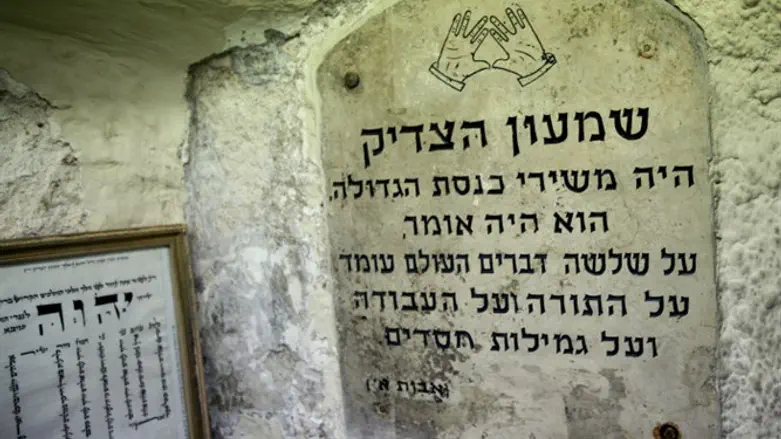
At the time of his death, שמעון הצדיק said to the Sages: חוניו , my son, will serve as High Priest in my stead. Shimi, חוניו’s brother, became jealous of him, as Shimi was two and a half years older than חוניו .

Shimi said to חוניו treacherously: Come and I will teach you the order of the service of the High Priest. Shimi dressed חוניו in a tunic [be’unkeli] and girded him with a ribbon [betziltzul] as a belt, i.e., not in the vestments of the High Priest, and stood him next to the altar.

Shimi then said to his fellow priests: Look what this man vowed and fulfilled for his beloved, that he had said to her: On the day that I serve in the High Priesthood I will wear your tunic and gird your ribbon.

Burial caves found near Shimon Hatzadik's tomb | Israel National News - Arutz Sheva

The fellow priests of חוניו wanted to kill him because he had disgraced the Temple service with his garments. חוניו ran away from them and they ran after him. He went to Alexandria in Egypt and built an altar there, and sacrificed offerings upon it for the sake of idol worship. בית עבודה זרה

This is the statement of Rabbi Meir. According to Rabbi Meir, the temple of חוניו was built for idol worship.

 According to Reb Yehuda חוניו went to Alexandria in Egypt and built an altar there, and sacrificed offerings upon it for the sake of Heaven. לשם שמים.

 Can it be that the חכמים , who were looking for alternative bakers and mixers of קטורת , figured that since a ‘parallel’  בית המקדש exists in Alexandria, the local craftsmen (who who baked and mixed the incense for that  בית המקדש ) would be able to duplicate it for the בית המקדש in ירושלים?

As above, it’s only a suggestion.

Comments and sources are welcome.

3- We mentioned the Tosfos in Yuma as to why experts were needed to bake bread that would not go bad after 7 days when this was one of the 10 ניסים of the בית המקדש.
PJ Library

(ה) עֲשָׂרָה נִסִּים נַעֲשׂוּ לַאֲבוֹתֵינוּ בְּבֵית הַמִּקְדָּשׁ: לֹא הִפִּילָה אִשָּׁה מֵרֵיחַ בְּשַׂר הַקֹּדֶשׁ, וְלֹא הִסְרִיחַ בְּשַׂר הַקֹּדֶשׁ מֵעוֹלָם, וְלֹא נִרְאָה זְבוּב בְּבֵית הַמִּטְבָּחַיִם, וְלֹא אֵרַע קֶרִי לְכֹהֵן גָּדוֹל בְּיוֹם הַכִּפּוּרִים, וְלֹא כִבּוּ גְשָׁמִים אֵשׁ שֶׁל עֲצֵי הַמַּעֲרָכָה, וְלֹא נִצְּחָה הָרוּחַ אֶת עַמּוּד הֶעָשָׁן, וְלֹא נִמְצָא פְסוּל בָּעֹמֶר וּבִשְׁתֵּי הַלֶּחֶם וּבְלֶחֶם הַפָּנִים, עוֹמְדִים צְפוּפִים וּמִשְׁתַּחֲוִים רְוָחִים, וְלֹא הִזִּיק נָחָשׁ וְעַקְרָב בִּירוּשָׁלַיִם מֵעוֹלָם, וְלֹא אָמַר אָדָם לַחֲבֵרוֹ צַר לִי הַמָּקוֹם שֶׁאָלִין בִּירוּשָׁלַיִם.

4- So the secret of the herb מעלה עשן was closely held by the אבטינס family.

בֵּית אַבְטִינָס הָיוּ בְקִיאִין בְפִיטּוּם הַקְּטוֹרֶת וּבְמַעֲלֶה עָשָׁן וְלֹא רָצוּ לְלַמֵּד. שָׁלְחוּ וְהֵבִיאוּ אוּמָנִים מֵאַלֶכְּסַנְדְרִיאָה וְהָיוּ בְקִיאִין בְפִיטּוּם הַקְּטוֹרֶת. וּבְמַעֲלֶה עָשָׁן לֹא הָיוּ בְקִיאִין. שֶׁלְבֵּית אַבְטִינָס הָיְתָה מְתַמֶּרֶת וְעוֹלָה וּפּוֹסָה וְיוֹרֶדֶת. וְשֶׁלְאֵילוּ הָיְתָה פוֹסָה מִיַּד.

The family אבטינס were experts in preparing the incense and the smoke-creating herb, but they did not want to teach. They sent and brought craftsmen from Alexandria who were experts in preparing the incense but were not experts in the smoke-creating herb. The family Eutinos’s was going straight up, and spread, and descended. But theirs was immediately spreading.

980+ Mushroom Cloud Stock Videos and Royalty-Free Footage - iStock | Atomic bomb, Nuclear bomb, Explosion

We mentioned the אוח קלג  בית יוסף who derives from the above story that the rule of אם חסר אחד מכל סממניה חייב מיתה applies only to the 11 main ingredients of the קטורת. Not on the addition herbs such as מעלה עשן and בורית כרשינה.

For if the חכמים knew at the outset that the Alexandrian craftsmen didn’t know how to produce a proper מעלה עשן how would they even invite them to try it out?

However, see here from the  משנה למלך who disagrees.

5- In passing we mentioned the next piece of the בית יוסף where he writes due to the above, one should say קטורת only from a Siddur so not to unintentionally skip one of the קטורת.

See here from the רמ”א.


6 –

הוּגְדַּס בֶּן לֵוִי עַל הַשִּׁיר. אָמַר רִבִּי אָחָא. נְעִימָה יְתֵירָה הָיָה יוֹדֵעַ. וְאָמְרוּ עָלָיו עַל הוּגְדַּס בֶּן לֵוִי שֶׁהָיָה מַנְעִים אֶת קוֹלוֹ בַזֶּמֶר. וּכְשֶׁהָיָה נוֹעֵץ גּוֹדְלוֹ לְתוֹךְ פִּיו הָיָה מוֹצִיא כַמָּה מִינֵי זֶמֶר והָיוּ אֶחָיו הַכֹּהֲנִים נִזְקָרִין לוֹ בַת רֹאשׁ.

“Hugdas ben Levi for the song.” (Choirmaster?) Rebbi Acḥa said, he knew a special melody. When he put his thumb in his mouth he produced all kinds of sounds and the heads of his fellow Levites were taken aback.

The Levites: The Ministers and Musicians of the LORD (1 Chronicles 6) - "From The Heart of A Shepherd" by Pastor Travis D. Smith

Story of the Gemach of various ‘Rebbishe Items’ for חתנים . Now this חתן took this all the way. He was wearing the dentures of the Rebbe of ……..

Funny Dentures Videos: 4K and HD Video Clips for Download

7- We finished with a question:

Reb Akiva realized that the בית אבטינס were genuine in their reasoning for not divulging the secret in the preparation of the קטורת and concludes that henceforth they should not be mentioned in a negative way.

אָמַר רִבִּי יוֹחָנָן בֶּן נוּרִי. פָּגַע בִּי זָקֵן [אֶחָד] מִשֶּׁלְבֵּית אַבְטִינָס [וּמְגִילַּת סַמָּנִים בְיָדוֹ.] אָמַר לִי. רִבִּי. לְשֶׁעָבַר הָיוּ בֵית אַבָּא צְנוּעִין וְהָיוּ מוֹסְרִין אֶת הַמְגִילָּה הַזֹּאת אֵילּוּ לָאֵילּוּ. וְעַכְשָׁיו שֶׁאֵינָן נֶאֱמָנִין הֵילָךְ אֶת הַמְגִילָּה והִיזָּהֵר בָּהּ. וּכְשֶׁבָּאתִי וְהִרְצֵאתִי אֶת הַדְּבָרִים לִפְנֵי רִבִּי עֲקִיבָה זָלְגוּ דְמָעָיו וְאָמַר. מֵעַתָּה אֵין אָנוּ צְרִיכִין לְהַזְכִּירָן לִגְנַאי

Rebbi Joḥanan ben Nuri said, I met an old man from the family Eutinos [who held a scroll about chemicals.]. He said to me, ‘Rabbi. In the past my family were humble, and transmitting this scroll one to the other. But now they are not trustworthy; here the scroll is yours and take care of it.’ When I came and repeated these words before Rebbi Akiva, his tears flowed and he said, from now on we do not have to mention them for shame.

So the question is why did Rebbi, when he wrote the משנה generations after the above story, mentioned this family not לשבח?

see Shiur on Sukkah 19b where this was discussed

 ———————————

 Google translation from Wikipedia to English.

Archaeology

Leontopolis, Heliopolis

Egyptian cat goddess Bastet ***

Over the years, various archaeologists have tried to identify and discover the place of Beit Hanio. At the end of the 19th century, Edward Neville (n.), a Swiss Egyptologist and biblical scholar, identified Jewish graves in his excavations at a place called Tel al-Yehudiah, located about 35 kilometers north of Cairo.

The graves that Neville found were built in a manner similar to burial caves known from the Land of Israel. The inscriptions found in these tombs were engraved, in Greek, on simple tablets, without any decoration.

The identification of the graves as Jewish was based on the multitude of biblical names in these inscriptions and also on the name of the site – Tel HaJewids. Among the inscriptions, one inscription was found that specifically mentions ‘Aretz Khunio’.

  At the beginning of the 20th century, archaeological excavations were conducted in the mound near the cemetery under the direction of the Egyptologist and father of biblical archeology William Flinders-Petrie.

He thought he had discovered the Leontopolis of his charioteers and it contained a city, a citadel and a temple. In Petri’s excavation, an ostracon was found written in Demotic (Late Egyptian) in which a man (probably Jewish) named Abram, perhaps one of the builders who built the site, is mentioned. From the time of Petri’s discovery until the last few years, this claim, or the identification of the site with ‘Eretz Hanio’, has not been doubted