Beitza 10a-b. (2)

Beitza 10a-b. (2)

1- We learned the Mishna regarding one who chose birds on Erev Yom Tov to be shechted on Yom Tov and finds that the ones he selected have been replaced by others. For example ‘he prepared white ones and found black ones’.


In such a case the Gemara explains it is obvious that the black ones are not the the white ones that he prepared. So the Mishna must be talking about a case where he prepared white and black ones. In the morning he finds the same amount of blacks and whites but that perhaps they switched places.

The question revolves on whether we can make assumptions that the ones he found are indeed – albeit the change of place, the ones he had designated.

2- We mentioned the humorous headline in a Torah journal in the mid 60’s when the the Maccabees, predecessors of the Shomrim/Shmira, organized by Reb Shmuel Shrage were accused of attacking white gangs despite their stated goal of protecting Crown Heights from the marauding gangs of color.


6

The headline:  ” זמן שחורים ומצא לבנים”

Found this on-line:

http://crownheights.info/something-jewish/498685/heres-my-story-the-maccabees/

https://news.google.com/newspapers?nid=1876&dat=19641216&id=q28sAAAAIBAJ&sjid=wcsEAAAAIBAJ&pg=7242,2981696&hl=en

http://www.nytimes.com/1964/06/09/racism-minimized-in-crown-heights.html

3- So we have a dilemma. Are these black and whites the ones chosen yesterday and they just switched places. Or perhaps the ones chosen had flown away and these are different ones and hence muktzeh.

The Gemara introduces the concept of ‘rov and korov‘. Meaning when two methods of resolving doubt clash and come to different conclusion.

An example is precisely our discussion. We are presented a case of doubt of whether these birds are the original ones or new ones. One can resolve this problem in two logical ways with opposite conclusions.

a- ‘Rov’- Majority. The odds are that these are different birds simply because there are millions of free roaming birds.

b- ‘Korov’ – proximity. In our case, these birds although being found not exactly where they were originally placed, nevertheless they are/were closer than any other ‘birds of the world’. So ‘korov’ would imply that we can assume that these are indeed the ones chosen yesterday.

Reb Chanina is the one who posited that one follows ‘rov’ and not ‘korov’.

4- ‘Prepared 3 and found 2’.

Here the issue is whether the 2 are of the the original set of 3 or 2 new ones.

To be continued next week IY”H.

5- Speaking of the laws of ‘egla arufa’ we mentioned Reb Shimshon of Chinon, France. His popular book is ‘Sefer Hakrisus‘. Here

At the very end of this sefer he poses a famous question:

The Torah prohibits the plowing of a field where the ‘egla arufa’ was beheaded. So why do we not suspect that every field is perhaps one had an ‘egla arufa’ process right there!

We cannot follow the concept of ‘rov‘ (most fields in the world did obviously not have this performed on it) because of the rule of ‘kovua‘! So basically all fields have a 50-50 chance (in theory) of being prohibited to be plowed and planted.


Shiur 06/14/16 – Beitza 10a

Beitza 10a.

1- Mishna discusses the process of identifying fowl (on erev Yom Tov) that one will use on Yom Tov. Bais Shamai’s opinion is that one must pick up and shake the actual bird(s) and thereby remove their ‘muktze’ status. [shake before you bake…]

Beis Hillel permits one to designate the birds for use on Yom Tov merely by naming them verbally.

From Left to Right: Lefty, Meathead, Stumpy and Brainy – top is Boss Man

2- Our Gemara discusses the requirement of Bais Hillel in identifying the actual bird one plans to shecht. It is insufficient to merely generally state “I will take some of these birds” and then choose the actual ones on Yom Tov.

The Gemara delves into the concept of Breira. Meaning, subsequent decisions can under certain circumstances be retroactively applied to change or clarify the nature and Jewish-law consequences of prior events.

Selection of Doves

If follows that if Breira would apply here one would be allowed to merely ‘choose a group of birds’ and on Yom Tov itself select individual ones. This selection would retroactively be considered to have taken place prior to Yom Tov.

3- The case of Breira quoted by our Gemara concerning ‘sof ha’tumah lotzeis’. The path of a deceased body on the way to burial is considered ‘tamei’ rendering all overhead rooms, halls, arches and doors to be tamei. If Breira applies here then by choosing a particular path after the person has dies this choice is valid retroactively and all other paths are tahor.

4- We mentioned the story of the sefer Ohr Hameir by Reb Meir Shapiro. Reb Meir having attended the Rebbe’s wedding gave the Rebbe a copy of his book as a wedding gift . See here page 367 (376)  http://www.chabadlibrary.org/books/pdf/mbhg-h.pdf for the inscription.

The Rebbe once quoted this sefer at a Farbreingen in 1971.

5- The first teshuva in this sefer concerns a tragic accident in an attic of a shul where a grinding machine(?)  chewed off the arm of its user causing a partial collapse to the attic etc.

tevyas meat

The question was if Kohanim were to be allowed into this shul least the severed arm is still intact under the rubble rendering the entire shul as tamei. He points out that even if the attic is a separate entity and the arm in the attic has no effect on the main beis medrash nevertheless the path the arm will follow to its burial will pass through the shul!

6- We spoke about the halacha quoted by the Rama in the name of the Trumas Hadashen (previous shiur regarding chickens laying an egg bein hasmashos…) that prohibits Kohanim from traveling on a bridge where a funeral will be passing. The concept of ‘sof ha’tumah lotzeis’ creates a tumah under every door, gate, arch or bridge that is in the path of the planned funeral route.

taking a break while crossing a bridge

7- We mentioned a case of a family that wanted to delay a funeral of a deceased family member and kept the body in their apartment (as opposed to storing it in a funeral home). The issue is that all the kohanim in that complex would basically become homeless until the funeral procession.

Can the neighbors protest? See here. End of sk4.

Shiur 6/7/16 – Beitza 9a-b (2)

Beitzah 9a-b. (2)

1- Our Gemara goes through the 7 Machlokos of Bais Shamai and Beis Hillel pertaining to Yom Tov where in two of them Beis Shamai is more lenient.

(Here is a list from a Mishna in Ediyos (perek daled) specifiying where Beis Shamai is more lenient then Beis Hillel).

2- We spoke about the famous Sicha of the Rebbe where he states that although the Torah was given on Shabbos (and one of the  Aseres Hadibros is about Shabbos) and Shabbos has to be a 24-hour period, the hours following Matan Torah were not considered Shabbos!

So the rest of Shabbos day after Matan Torah was considered a weekday!

Thus the first observed Shabbos was only the Shabbos after Matan Torah!

3- Based on the above, in a footnote in this Sicha (47*) the Rebbe explains a perplexing Mishnah Brura. 12.

The Mishnah Brura writes that he “heard from a Gadol that the reason we eat milchigs on Shavuot is because after Matan Torah having just received  the new laws of shechita etc. it would have taken time to shecht and cook. So the food they ate was milchigs”. 

But, the Rebbe asks, was not Matan Torah given on Shabbos? So regardless one would be prohibited to shecht on Shabbos?

Based upon the idea above that after Matan Torah there was no ‘din of Shabbos’ had the laws of shechita been known, shechita would have been indeed permitted!

4- We mentioned that in some later editions of the Mishnah Brura there is a page of “corrections’ by the author [Luach Hatikun]. One of the correction is that this idea of the Gadol is vexing because since Matan Torah was on Shabbos even if the laws of the preparation of meat were familiar, the schechita would have been prohibited.

Gut Shabbos Gut Yom Tov.

Shiur 05/23/16 Beitzah 9a-b

Beitzah 9a-b.

1- New topic of moving a ladder on Yom Tov to a bird coop (for the purpose of taking a dove to be consumed on Yom Tov) using a small ladder as opposed to an “attic ladder” which is longer and heavier.

Heavy Lader

Beis Shamai prohibiting and Beis Hillel permitting. The issue here is that moving any type of  ladder on Yom Tov gives the appearance of a person on the way to repair a roof which of of course prohibited. The simple explanation to Beis Hillel’s ruling is that a ‘coop ladder’ is not used for roof repairs.

Mini Ladder

The Gemore questions if Beis Shamai would permit the use of this ladder in an area where no one is around – like a closed off courtyard.

Light Ladder

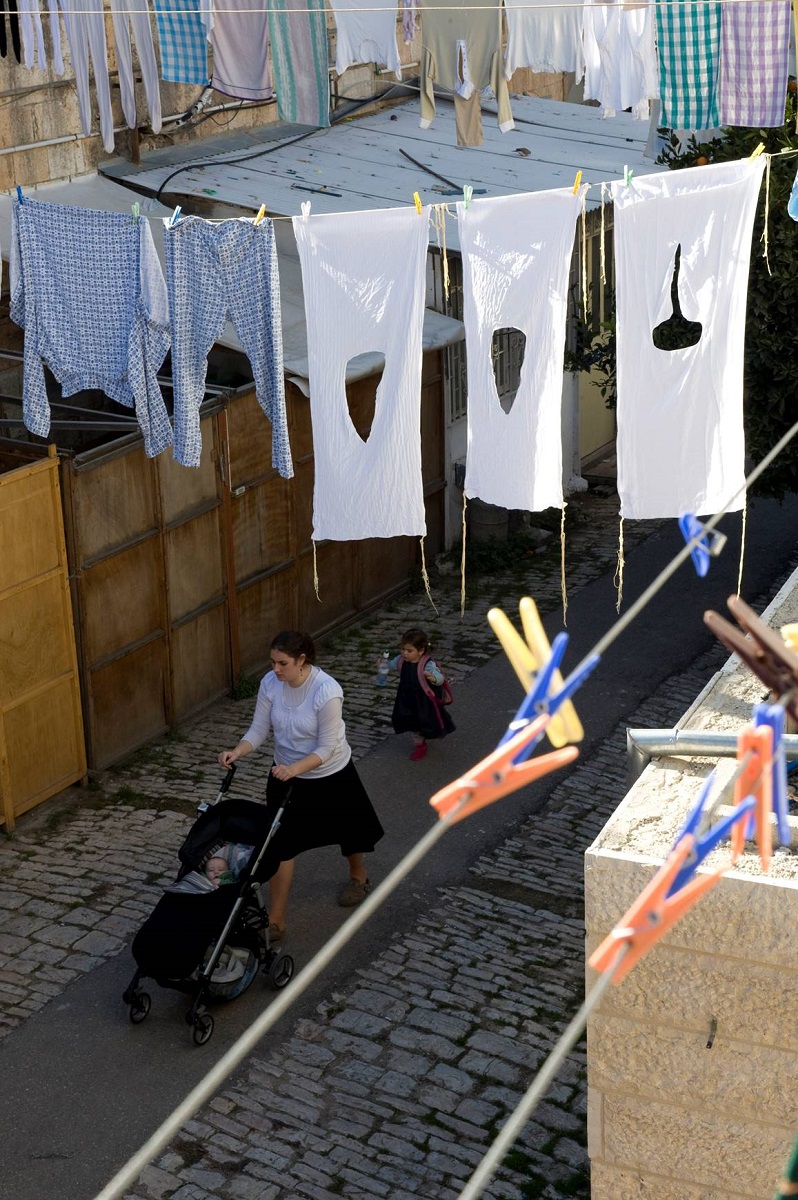
2- Gemore discusses the concept of Mar’is Ha’ayin – Anything prohibited by the Rabanan because of Mar’is ha’Ayin is prohibited even in the innermost chambers. The example cited is hanging wet clother out to dry in the sun where one can mistakenly think that they were washed on Shabbos. .

3- Story of the children of Reb Chiya that while on a business trip were asked to rule in regard to a ladder on Yom Tov. Upon their return their father tells them that their ruling was incorrect.

We mentioned that the Gemore in Brochos mentioned that they forgot some of their learning due to their immersion in the world of business!!!

4-  Having concluded the lengthy Gemore (2a-9a) that extended from the first Mishna (Beitza Shenolda Byom Tov) we spoke about Reb Yisroel Iserlin, baal Terumas Hadeshen, the great rabbi who is the source of many Halochos and Minhogim we observe today.

One of his students, author of the Leket Yosher,  Reb Joseph (Joselein) writes that 3 times a year his teacher, Reb Yisroel, would invite his student to his meal where he would pose a Torah riddle.

Here is one riddle:

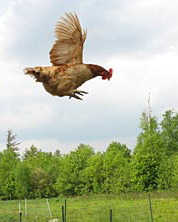
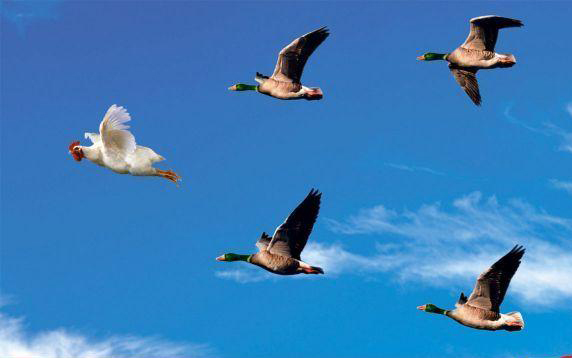
If a chicken flew over a tree on Yom Tov and caused an apple to fall off, that apple would be prohibited to eat. But, if at the same this chicken laid an egg, then both the apple and the egg would be permitted!

flychicken2_blog

How is that possible?

chicken-breeding-operation-flying-chicken-small-82510

The answer, in short-  If this chicken shook a tree during ‘bein hash’moshos’  בין השמשות (sofek yom, sofek lai’lo) the apple cannot be eaten because perhaps it was already Yom Tov. Now, as we learned on Daf 7a, (Fertilized) Chickens never lay eggs during daylight hours.

Thus, if simultaneously with the fall of the apple the chicken laid an egg…. it must have still been day (not night) . Therefore we can be certain that the apple too fell off the tree NOT on Yom Tov.

We mentioned that some took exception to this idea. “Something like ‘bein hash’moshos’ that all scholars have established as a ‘sofek’ cannot resolved by a chicken laying an egg…….”

פסקי תשובה חלק א-ג – פיטרקובסקי, אברהם בן חנוך דוד

Shiur 05/17/16 Beitza 8b

Beitzah 8b.

  1. Our Gemara continues to submit answers to reconcile the seemingly contradictory rules allowing one to shecht any animal on Yom Tov while prohibiting one to shecht a Koi. (see last week’s notes as to the parameters of this unique animal).

2- Reb Romi suggests the following reason:


A Koi, is a sofek chaya sofek behaima. What is the practical difference?  Twofold. A behaima does not require Kisui Hadam but its ‘chailev’ is prohibited. On the other hand a chaya does require Kisui Hadam but the entire animal can be eaten. There is no issur ‘chailev’ with a chaya.

The Chochomim ruled that since a Koi is a sofek we must be accept the stringency of both:  Kisui Hadom is required (perhaps it is a chaya)  and abstain from eating the chailev of the Koi (perhaps it is a behaima).

Now to our issue of shechting a Koi on Yom Tov- allowing one to shecht and cover the blood of  Koi on Yom Tov would send a message that the Chachomim have concluded that the Koi is indeed a ‘Chaya’. For would it still be a sofek, then the Chachomim  would not have allowed the shochet to cover the blood on Yom Tov since there are issues with using earth to cover blood (even when the earth is prepared before Yom Tov). So they ruled not to allow to cover the blood of a Koi on Yom Tov. And since the Koi’s blood cannot be covered the ruling must be to prohibit the shechting!

.

3- This Yom Tov rule does not negate the shechting of a Koi on a regular weekday since there is no issue then in covering the Koi’s blood despite it being a sofek, as the labor involved in the covering is not problematic on a weekday.
 
Also mentioned (tosfos d”h Tani) that the Chachamim do in fact have the koach to uproot a mitzvas asseh when to do so one just do nothing (shev v’al taaseh), and also on this point mentioned the Taz  – …the Chachamim cannot completely uproot the mitzva – (you can blow Shofar next year).
4- So we moved on to the next piece which discusses one that shechted Erev Yom Tov and didn’t manage to perform Kisui Hadom until after it became dark. Ditto with one that prepared dough for baking but did not manage to separate a piece of for Challa.
The Gemara states one opinion that in the case of the Challah one is permitted to do it on Yom Tov. But in the case of the Kisui Hadom one may not! We discussed the rationale for this ruling.
5- We once again came across “Avuha di’Shmuel’ – Shmuel’s father. We discussed the story many times. Found this on line. See here in Hebrew.
 
6- We spoke about the Mitzvah of Challah as it is performed today outside Israel. Since it is only MideRabonon one may bake the dough, eat from it and leave a piece at the end for Challah See here !
7- Can one bake it all prior to separating a piece of Challah on Yom Tov? Mentioned the Mordechai that says there is a problem to bake the entire batter on Yom Tov. Why? Because part of it, the Challah, will not be eaten so one may not bake it on Yom Tov. See here.

Shiur 05/10/16 – Beitza 8a (1)

Beitza 8a (1)

1- We spoke about understanding the life style in the times of the Gemara. Home floors were the actual ground with no wood or even a stone finish. It was common for an occasional ‘redo’ to even out the surface by pouring a fresh layer of sand.


We mentioned the Shul in Curacao in the Netherland Antilles that has beach sand on the floor.

2- Our Gemara speaks about a bucket of sand that was brought into a house Erev Yom Tov for general purposes including the use of freshening up the floor. Can one use this sand for Kisui Hadam?

3- We spoke in the past about the permissibility of ‘shechting’ on Yom Tov. Now the Gemara brings a Mishna that a KOI cannot be slaughter to eat on Yom Tov.

Japanese Koi Fish

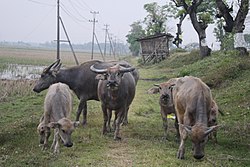
4- We discussed the four way machlokes as to what is a KOI. Basically it is a particular  animal that we are in doubt if it it a chaya or behaima. Some say it is a water buffalo. 

Kerbau.jpg

a- Offspring of a he goat and a deer. (Tzvia/gazelle?)

Cervus elaphus LC0266.jpg

b- Offspring of a she goat and a deer.

Cartera2.jpg

c- An animal of a mixed breed that we are in doubt of its status.

Chinkara at Ranthambore.jpg

d- A unique animal that we are in doubt of its status.

Resting on Yom Tov

5- The Gemara originally accepts the premise that the Mitzvah of resting on Yom Tov is only a ‘Lo Sa’se’ (negative) and not also an ‘Ese’ (positive). Thus the positive commandment to perform  the Mitzvas Ese  of Kisui Hadam would permit the digging for fresh earth (thereby transgressing the Lo Sa’se of Yom Tov) based of the rule of Ese Doche Lo Sa’se. 

The the Gemore reverses itself saying that Yom Tov is both an Ese and lo Sa’se.

6- We spoke about the Ramban who offers a logical explanation as to why Ese Doche Lo Sa’se. (Ahava and Yirah),

7- The Alter Rebbe’s question: If Ese is greater than a Lo Sa’se why is the Teshuva for an Ese eisier than for a Lo Sa’se. See answer here. Igeres Ha’Teshuva Chapter 1.

8- The Jewish history of Curacao and it’s place in the saving of thousand of Jews during WWII and it’s Chabad connection. See here.

579079_722022781157890_159182409_n (2)

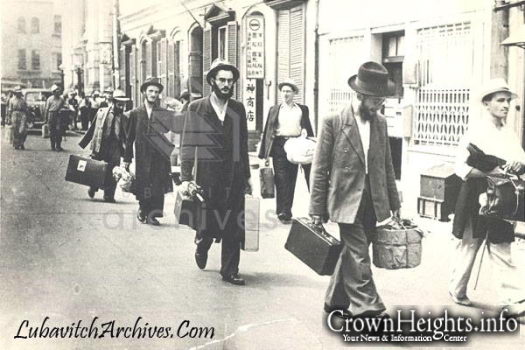
Harav Avrohom Tzvi Landa, Harav Chaim Meir A”H Bukiet,  Rabbi Avraham Garfinkel A”H, students of the Lubavitcher Yeshiva in Otwock, fleeing the Nazis after the invasion of Poland in WWII, arrive in Kobe, Japan. They would later make their way to Shanghai, China and remain there for the duration of the war.


Shiur 05/13/16 – Beitza 7b

Beitza 7b. (2)

1- Shechting on Yom Tov.

Our Gemara discusses the issue of covering the blood after the shechita in a case where loose earth was not prepared before Yom Tov.

Beis Shamai has no issue in allowing one to dig up some earth to cover the blood. On the other hand, Beis Hillel rules that one should not shecht if loose gravel is not available.

All agree however, that (despite the Halocha that one should not) if one did shecht he should use a shovel to dig and perform the Mitzvah of ‘Kisui HaDam‘.


2- We mentioned the two Rebbes of Abaya. Rabba and Rav Yosef. [Rabba’s actual name was Rabba bar Nachmeni]

The story (Brachos 48a)  of a young Abaya and Rava studying under Rabba. They were asked by Rava “who do we Bentch to”? And they responded to “Rachamono”. “And where is Rachamono” he asked them? Abaya pointed to the the roof. Rava went outside and pointed to the sky.

Upon seeing these two youngster’s pointing he predicted that they will be great schoolrs one day. “As the popular saying goes: BOTZIN BOTZIN MI’KATFEI YEDI’A– [the quality of] pumpkins is known by testing the sap from which they are formed, i.e. future Talmidei Chachamim are recognizable at a young age

3-We discussed the four issues in digging for earth on Yom Tov:


a- Choresh – plowing.

b- Tochen – grinding.

c- Boneh- building. (digging a hole in preparation to build)

d- Muktze.

4- Rav Yehuda’s ruling that the above allowable digging is only if the shovel was already in the ground. Our Gemara attempts to figure out which of the four issues above does Rav Yehuda’s ruling alleviate.

5- We began the Tosfos concerning the materials that can be used to cover the blood of a fowl or Chaya. The Torah states explicitly: Ofor – meaning earth. Can ashes be used?

Story of the poor guy who was in a desert with no earth to use (how’s that?). His only solution is to grind down a gold coin into dust and use it to perform Kisui Hadom!

Or if one is on a boat with no earth available. Can he burn his clothes and use the ashes?

More next week.

Shiur Points 04/12/16 Beitza 7b

Beitza 7b.

1- The Gemara turns to the Machlokes of Beis Shamai and Beis Hillel as to the minimum amount of Chometz and Seor that is prohibited to own or to eat on Pesach.

Leaven, or yeast.

A – Chometz is any product containing fermented grain from the 5 species (wheat, oat, barley, rye, spelt).

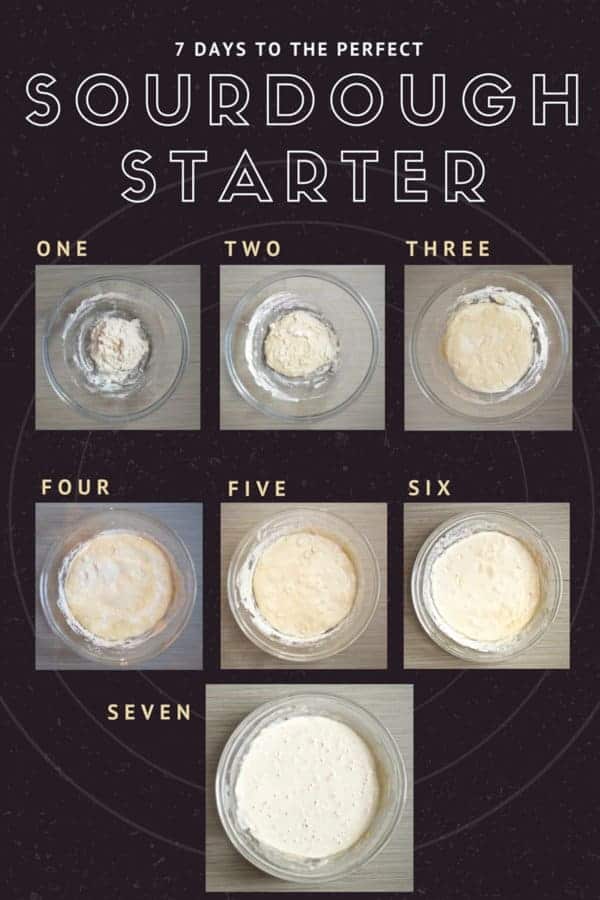
Sourdough Starter Tutorial

Starter Culture

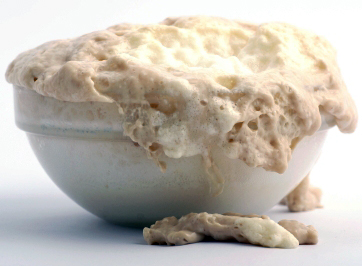
B- Seor is not prevalent today, but is often translated as ‘sourdough’. Years ago, (prior to the days of commercial, packaged yeast) people would leave a small quantity of dough to super-ferment. They would then use a small piece of this ‘old dough’ as the starter culture for each new batch of baked goods to accelerate the rising process. This barely edible ‘old dough’ used in the past as yeast is called Seor.

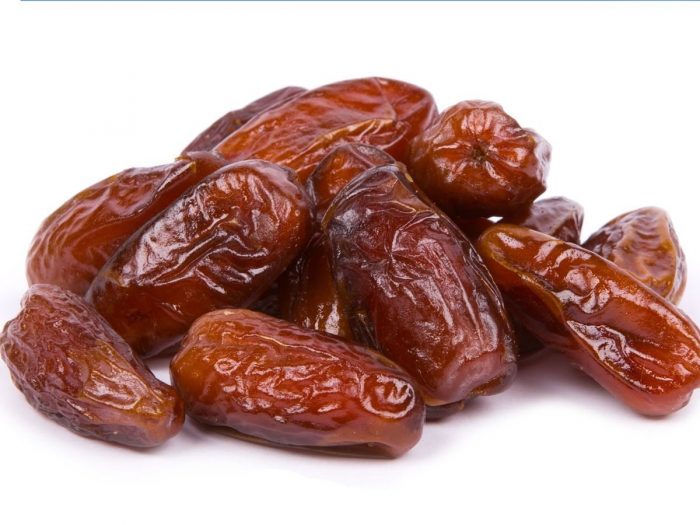
Beis Shamai says that Seor – due to its sourness – is prohibited even when the size is a Kezayis. Chometz is only when the size is of a Koseves –  a date.

Beis Hillel’s opinion is that both Chometz and Seor are both of the shiur of Kezayis.

Image result for olives

2- The Gemara begins to explain the split shiur size according to Beis Shamai. It says that if the Torah would have prohibited only regular Chametz then we would derive Seor, a tougher form of Chometz, with a Kal Vochomer (fortiori argument). The fact that the Torah seemingly superfluously states both Chometz and Seor, is proof that these two types are of different shiurim.

3- We spoke about the famous question that the general rule is that one cannot use a Kal Vochomer to create a new Halacha that will result in the penalty of Malkus. We discussed the answer that Seor is also Chometz etc.

4- What about anything less than a Kezayis? It would seem to be prohibited as well min Hatorah justs like any other Chatzi Shiur (see half way down the page chidush of Shagas Aryeh in our gemara). 

a- Bal Yiraeh – owning a piece of Chometz less than a Kazayis. We mentioned the Chacham Tzvi (also in a previous Makos Shiur) brought down in the Alter Rebbe’s Kuntres Achron, siman  242 note 12 that there is no issur Min Hatorah in less than a Kazayis.

b- Achilah – eating a piece of Chametz less than a Kazayis. Prohibited Min Hatorah.  We discussed the Rambam that seems to use a special posuk for Chometz. See Kesef Mishna here.

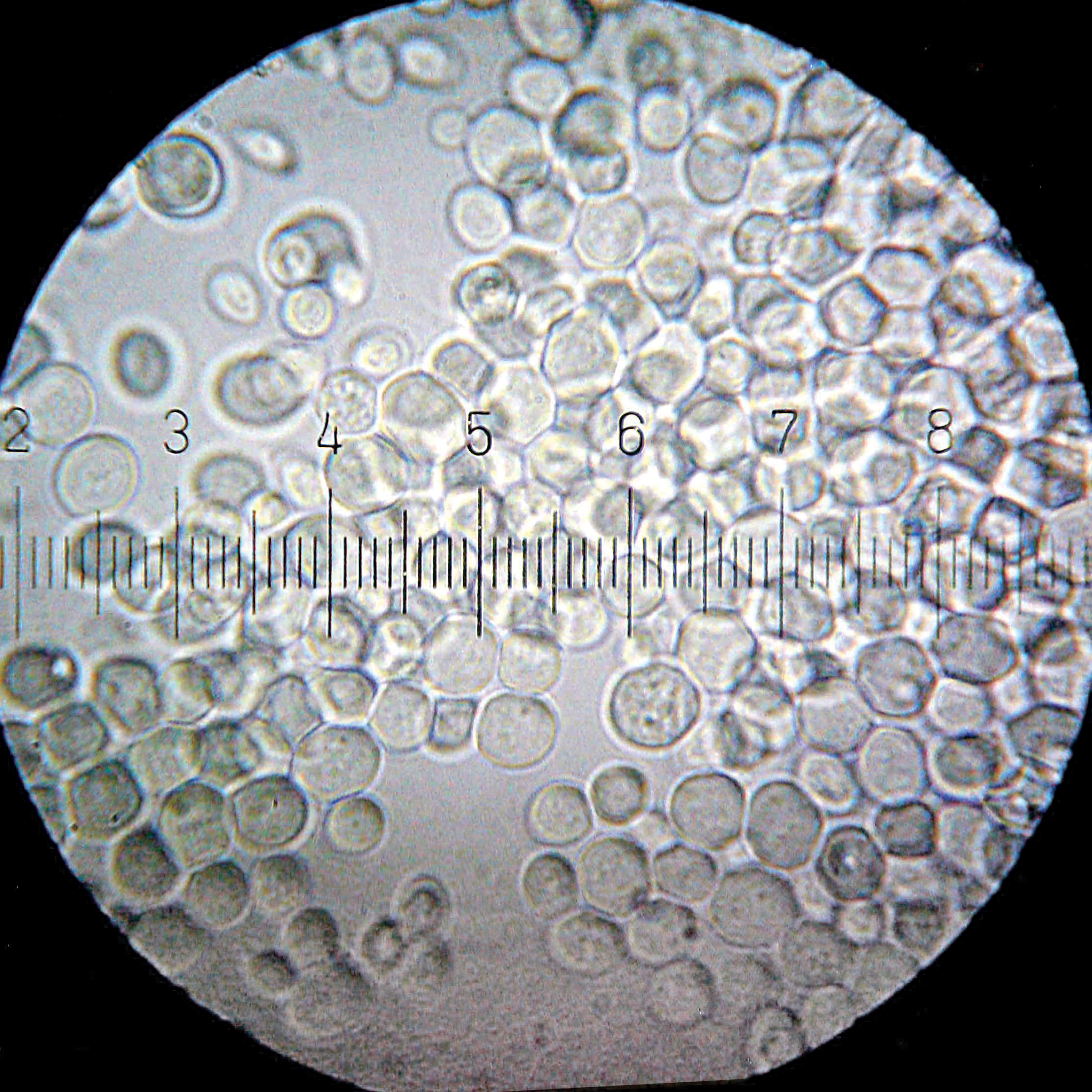
Microscopic Yeast

5- Spoke about Reb Yosef Engel. Chassidisher Gaon of the previous generation (1858-1920) who was a prolific writer with a gift of clarity. See here Hebrew –  and here He wrote many seforim which became very popular in the Yeshiva world.


In one sefer Ayin Panim LaTorah, he gives 70 answers to a single question!


In his Sefer, Lekach Tov, first printed in 1893, he explores an interesting topic. Are any of the Taryag (613) Mitzvos a ‘Sayag’ for another Mitzvah?  He finds 17 mitzvos that can perhaps fit into this category.

The first example pertains to our Gemara. He quotes the Ran in the beginning of Pesochim (2a, d”h bodkin, end) that states that perhaps the reason the Torah prohibits possessing any Chametz (as opposed to say owning regular treif meat) is because the prohibition of eating Chometz.


ran pesachim 2a

link

So we do find one/two  of the Taryag mitzvos (Bal Yiroeh/Bal Yimotze) that are a Sayag for the Mitvah of not eating Chametz.

6- We concluded with the following thought: In Megillas Esther it relates that Mordechai accepted the suggestion by Esther to fast on Pesach very reluctantly. The Gemara says that what bothered him was ‘fasting on Yom Tov’.

Why was he not bothered (as many commentaries ask) by the non eating of Matzoh which is Min Hatorah as opposed to just ‘fasting on Yom Tov’?  – ויעבור מרדכי

Perhaps Mordechai’s rationale was that the Chachamin could conceivably find a way to justify the not eating the Matzah for just that one year. (Eliyohu – Mount Karmel).

But fasting on Yom Tov would basically entail omitting the entire Seder night. Being that the Seder is such a pivot in Jewish family life, the skipping of the Seder, (and not just the Matzah) was what bothered him.

5- This cover says what the book is about.

http://beta.hebrewbooks.org/14066


Shiur 04/05/16 Beitza 7a

Beitza 7a.

1- The Gemara discussed as to what stage (in the process of the formation of an egg to it being laid) does the egg ‘detach’ itself from being part of the chicken.

2- Opinion of the Chachamim is that even early on it is considered an entity for itself and therefore never ‘fleishigs‘. Reb Yaakov maintains that if the egg is still wrapped around with the veins and sinews it is considered part of the chicken anmysterious egg_Layout 1d therefore ‘fleishigs’.

3- The Gemara then proceeds to a case of one who checks his chicken coop at twilight Erev YomTov and finds the coop empty. He then checks again on Yom Tov  fartugs – before dawn and lo and behold, finds an egg.

It’s seems obvious that the egg was laid in the middle of the night on Yom Tov and thus prohibited from consumption.

But the Gemara takes issue with a chicken laying eggs at night.

The general rule is that animals that mate only during the day, such as the rooster and the hen, give birth or lay eggs –  only during daylight hours. So this egg found in the chicken coop could not have been laid on Yom Tov night.

So how did it get there?

One must say that some rare event had happened. The chicken laid the egg on Erev Yom Tov but before it totally exited from the chicken it went back into the chicken which is why the nest seemed empty.

So technically it was laid before Yom Tov and therefore permitted.

4- However here is the caveat – Eggs are created either by the mating with a rooster or thru ‘safna de’ara’ – the heat of the ground.

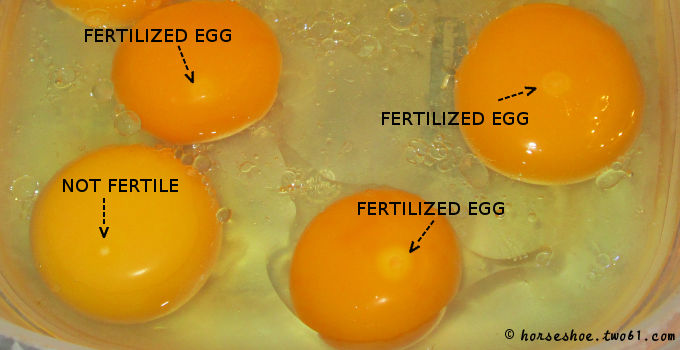
The rule that chickens only lay eggs during daylight hours is only if the egg was fertilized – it was created via a rooster. If there was no rooster involved the chicken may lay the eggs even at night.

got any plans…?

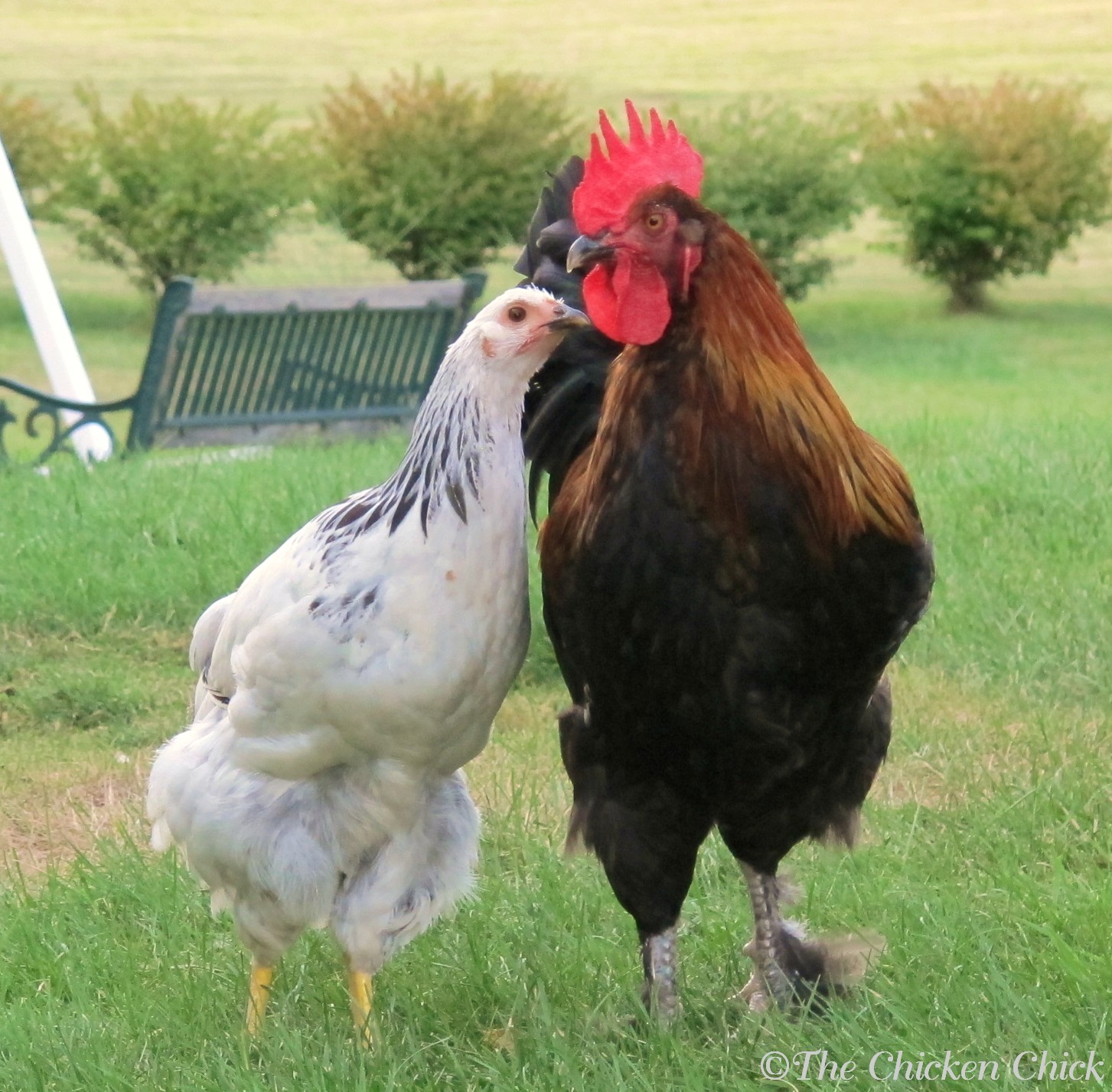
How can one know the type of egg it is? Naturally or due to mating with a rooster? The Gemara says that it is an accepted axiom that if there is a rooster within 60 homes away from the coop the chicken will never create an egg on its own! It will wait for the rooster.

More so – even if the rooster needs to cross a bridge to get to the chicken the chicken will still not produce an egg on its own.

Same time tomorrow!

5- Speaking of animals we mentioned a humorous error by a famed enlightened professor who penned an article claiming that Chazal disparaged the 7 prophetess mentioned in Gemara Megila amongst them Chulda the Nevia.

One of the ‘proofs’ this professor mentions is that Chulda the Prophetess  was not even accepted by all as a prophetess. He quotes an ‘opinion’ questioning her being a prophetess.

Where did this professor find this ‘opinion’?  On Google it seems.

The Gemara discusses in Pesachim if a weasel (Chulda in Hebrew) hides an entire loaf of bread it encounters or leaves some to pick up at a later date. One opinion is that it depends. All year when bread is baked daily the weasel relies on the availability the next day and sees no need to take it all. On the other hand on Erev Pesach knowing that bread will not be baked it will hoard it all.

Sheretz with Bread

The Gemara asks “Is then a weasel/Chulda a propetess to know that Pesach is approaching”…….


Shiur 03/29/16 Beitza 7a

Beitzah 7a.

1- “An egg is considered an egg only once it is laid” Rav said.

http://blog.efowl.com/wp-content/uploads/2014/04/iStock_000033898764_Large.jpg

Our Gemara continues to decipher the meaning of this cryptic statement.

2- Perhaps it means that only an egg that is laid naturally is considered an egg. As opposed to eggs that are found inside a chicken after it was shechted, which are not considered eggs per se.

The practical difference would be is if a buyer specifies that he wants to buy “live eggs” (only), meaning that he does not want eggs found inside a chicken.

If the seller did indeed deliver such eggs (from inside the chicken) then he technically didn’t deliver “eggs”, but rather a different product.

The Gemara relates a story of a Din Torah pertaining to the above. Rav Ami ruled that the seller must return the money for a full refund. We do not say that the sale was an effective sale and the seller only needs to refund the difference in the value (ביני ביני) between natural born eggs and ‘inside the chicken eggs’. Rather, the entire sale is voided – מקח טעות.

We discussed as to why we would think that the sale was effective when the general rule in Halacha in regards to commerce is that the seller must deliver exactly as advertised and promised. If he does not, then the sale is invalidated. The seller cannot simply offer the buyer the difference between the value of the inferior product delivered to the one advertised. We would call that a discount. A full refund is the rule.


3- Similar story of a dispute when the buyer expected fertilized eggs and received unfertilized eggs.

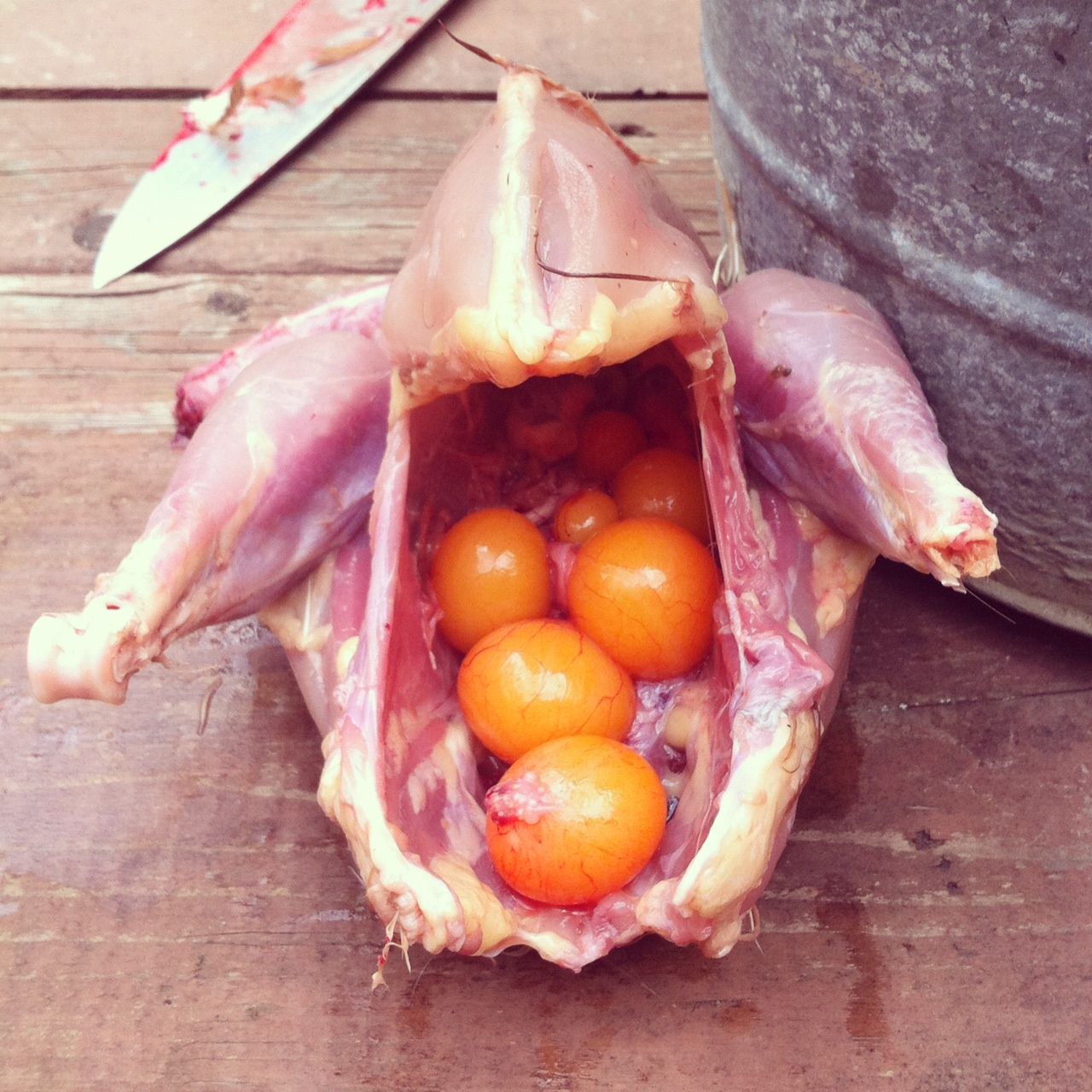
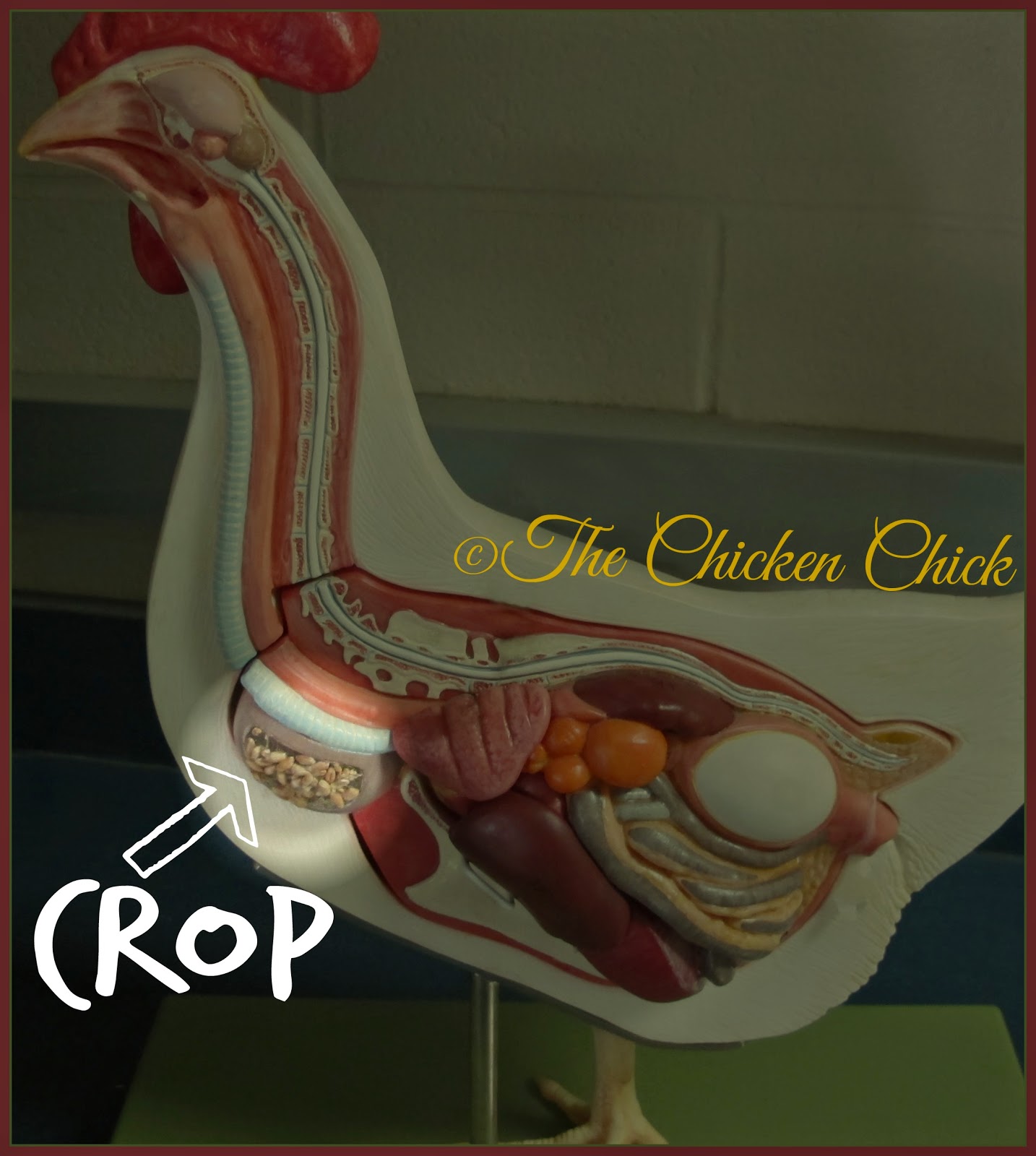
4- Our Gemara continues discussing if the sac of the eggs and the ovary are considered “‘flesh of the chicken” or not in regards to ‘Felishigs’ and Tumah.

“Kurkavan” also, see the cluster of eggs in the center…. – שלל של ביצים

Cluster of eggs, from tiny to almost fully formed – אשכול של ביצים


5- Related the story of the Din Torah regarding a sale of a condo unit sold specifically and clearly ‘as is‘ condition.

Months after the buyer moved in the complaints began arriving in torrents.

Discussed if the ‘as is’ concept exists in Halacha.

It seems like it does not!

Unless the seller states and itemizes the exact defect(s) and the buyer accepts it. otherwise, a general ‘as is’, even if the buyer signs a release when he moves in does not preclude the buyer from requesting payment for items unknown to him when he signed the release.

We discussed the three sources/ reasons as to why, in general, eating an egg is not prohibited as an ‘eiver min ha’chai’.

See here  232;7, and also found this online.

We discussed the three sources/reasons as to why, in general, eating an egg is not prohibited as an ‘eiver min ha’chai’.

We discussed the three sources/ reasons as to why, in general, eating an egg is not prohibited as an ‘eiver min ha’chai’:

The gemara in Chullin proves that eggs from a non-kosher bird are not kosher from a possuk in this week’s parshah – “ואת בת היענה” – “and the daughter of the ostrich”.

The gemara asks “does an ostrich have a daughter?”

Tosfos says we must say that this possuk comes to teach us that the egg of a kosher bird is kosher. (We already knew that an egg from a non-kosher bird was not-kosher because it came from a non-kosher bird). See here, last tosfos. We touched on honey last week, which is toward the end of this tosfos).

Tosfos also brings the proof from Shiluach Hakan.

The Ramban explains that since we know it is permissible to eat chickens, we must say their eggs are permissible too (using the same principle of the בה”ג above – כל היוצא מן הטמא, טמא  – because if the eggs were assur, the chickens would have to be assur too.

Ari Chitrik Shiur Points