Shiur Brochos 6a – Kislev 19, 5786 -12/9/2025

BSD

Brochos 6a

Kislev 19, 5786. 12/9/2025

Gut Yom Tov.

1 – Our גמרא discusses מזיקין and שדים. Ghosts, demons and spirits.

As we mentioned, these are topics beyond our comprehension. It seems that we don’t have the merit today to intellectually grasp these ‘objects’ and how they interact with humans.

1

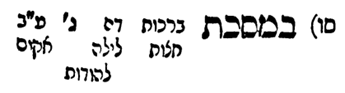
שלמה המלך ואשמדאי

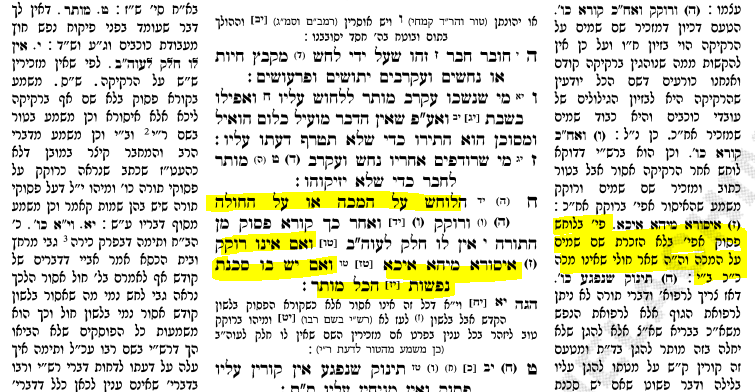
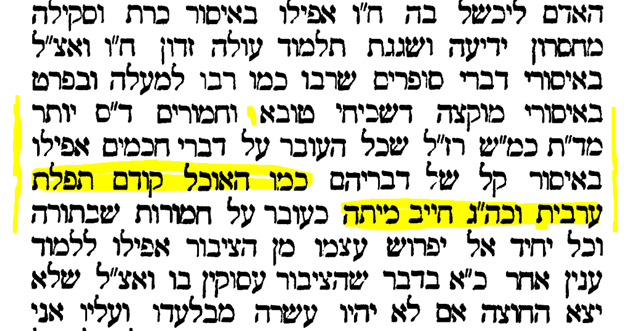
Or, as some say, these demons have been banished from mingling amongst humans. It’s not that they don’t exist any more for there are multiple הלכות that are still practiced today that take them into account.

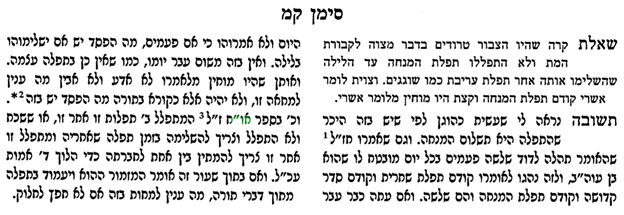
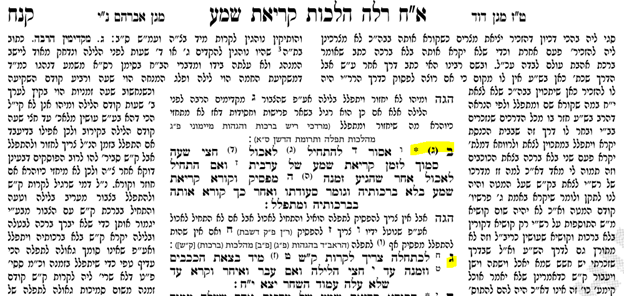
Here is one from the Alter Rebbe’s Shulchan Aruch.
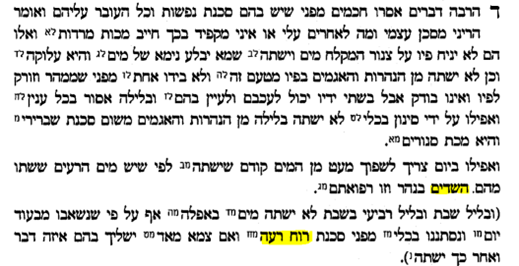
[The spilling out of a bit of water is not common today. The Rebbe did do it!]

530+ Drinking Glass Falling Spilling Drinking Water Stock Photos, Pictures & Royalty-Free Images - iStock

The גמרא however talks about these creatures as if they are literally all around us (a ratio of 11,000 מזיקים for every human), squeeze us, cause our clothing to wear out, make our knees fatigued etc.

The גמרא even suggests a verified recipe to produce an ointment that once applied to the eyes will cause a human to ‘see’ them.

If you feel you are constantly plagued with bad luck and misfortune, perhaps you have some shedim from Jewish folklore following you around. : r/webtoons

2 – The גמרא continues on the topic of the importance of Davening in a שול.

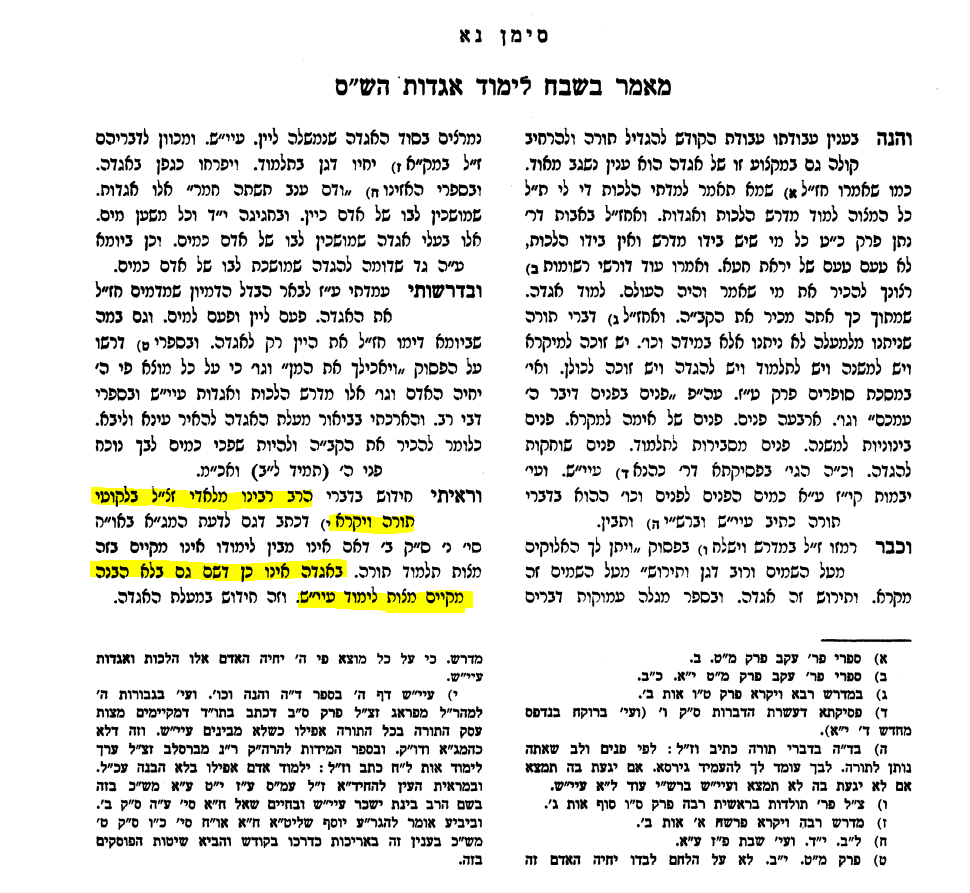
We mentioned the הלכה that even if there is no Minyan in the שול, it is important to go there to Daven. See the Alter Rebbe here. 90, 10

We mentioned the person who came very late to shul for Minchah, thinking he missed it,  but was overjoyed to hear ” אשרי! ”  from the back of the Shul.

He quickly joined in, only to discover that they were starting סליחות!

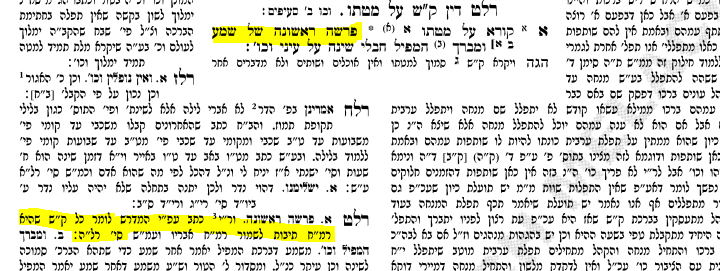
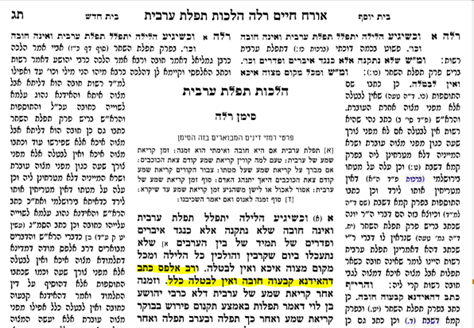
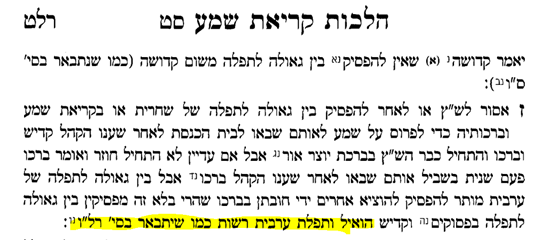
ומי שהוא בעיר ונאנס ולא התפלל עם הצבורצג והוא מתפלל ביחיד לאחר שכבר גמרו כל הצבור תפלתם בבית הכנסת אעפ”כ יש לו להתפלל בבית הכנסת מפני שהוא מקום קבוע ומיוחד לתפלת צבורצד ותפלתו של אדם נשמעת שם כמו שנתבאר לעיל וגם מפני שהקב”ה מצוי בבית הכנסתצה שנאמרצו אלהים נצב בעדת אל כלומר בבית מועד שלו שנועדים שם לפניו:

3 – It was Yud Tes Kislev so we mentioned an interesting historical tidbit.

On Yud Tes Kislev 1965 תשכ”ה the Rebbe spoke about an עיר הנדחת.

The Rebbe addressed the apparent paradox in the laws of an Ir HaNidachas)

  1. Individual Sin: An individual who commits idolatry (with witnesses and warning, בעדים והתראה ) is liable for Sekilah (stoning)—the most severe of the four court-administered death penalties.  ארבע מיתות בית דין
  2. Communal Sin Paradox: The Torah, surprisingly, mandates a less severe punishment, Hereg (killing by the sword/beheading, the third most severe penalty), for all the idol-worshipers of an עיר הנדחת
  3. The Question: Why does the punishment become more lenient when the sin is committed by a large group (a majority of a city), even though every individual within that group is technically liable for the harsher סקילה?

The Central Answer: The Loss of Individuality in a Group

The core point of the Rebbe’s discourse is that when many individuals gather to form a group:

  • A New Entity Emerges: The collective ceases to be merely a sum of its parts. A new, single entity—the Ir HaNidachas is created.
  • The Law Changes: The law is then applied to this new communal entity, not to the individual citizens.
  • Conclusion: The established law for the Ir HaNidachat is Hereg. Because the individual is now viewed as part of this collective, the original individual penalty of Sekilah disappears, replaced entirely by the new communal penalty. The harsher individual law gives way to the specific, collective law a  ציבור, when the city unites in transgression.
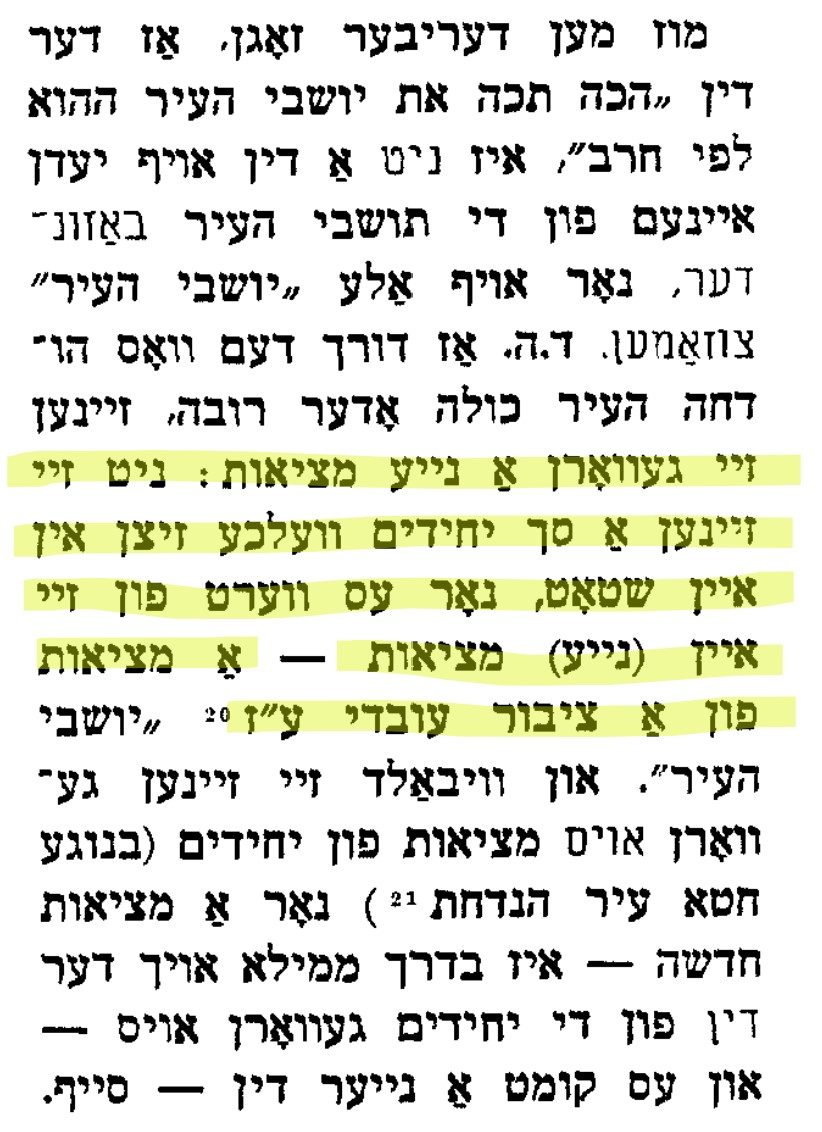
In 1971 this שיחה was printed in Likutei Sichos. Vol 9. Page 106 and on.

4 – The Rebbe then receives a letter from someone who writes that there is an alternative explanation to the above paradox purportedly from the Vilna Gaon (GR”A) הגר”א.

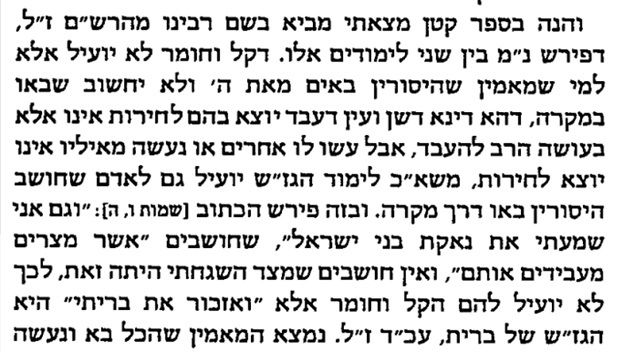
Namely, the גר”א writes that when a group of individual are all עובד עבודה זרה they halachically become גויים!!! And the rule of a בן נח is indeed הרג and not סקילה.

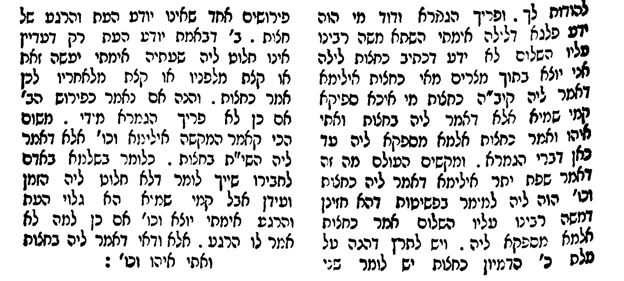
5 – The Rebbe responded (רשימות קפט)  with a handwritten note categorically disputing that the גר”א ever wrote such a idea. How can one even think that the גר”א would say that a Yid becomes a goy???
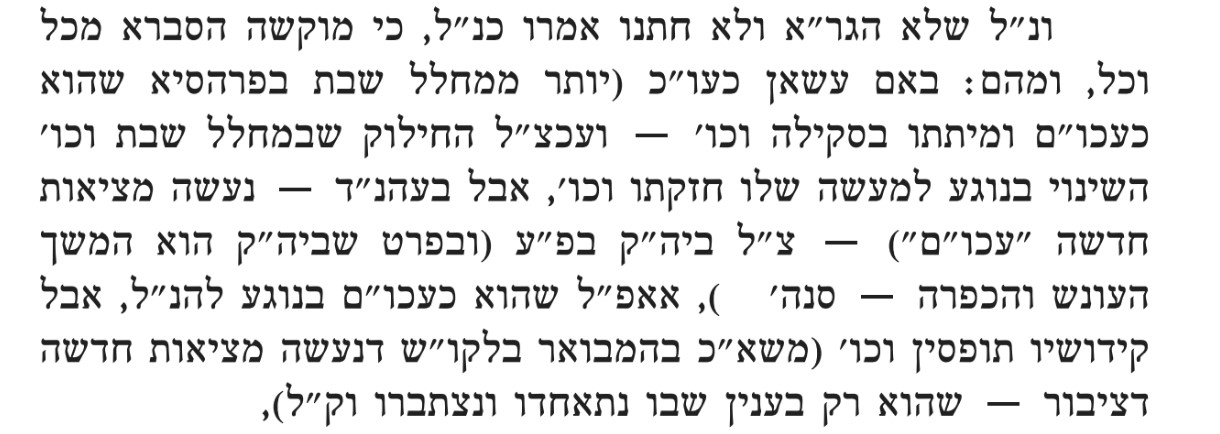
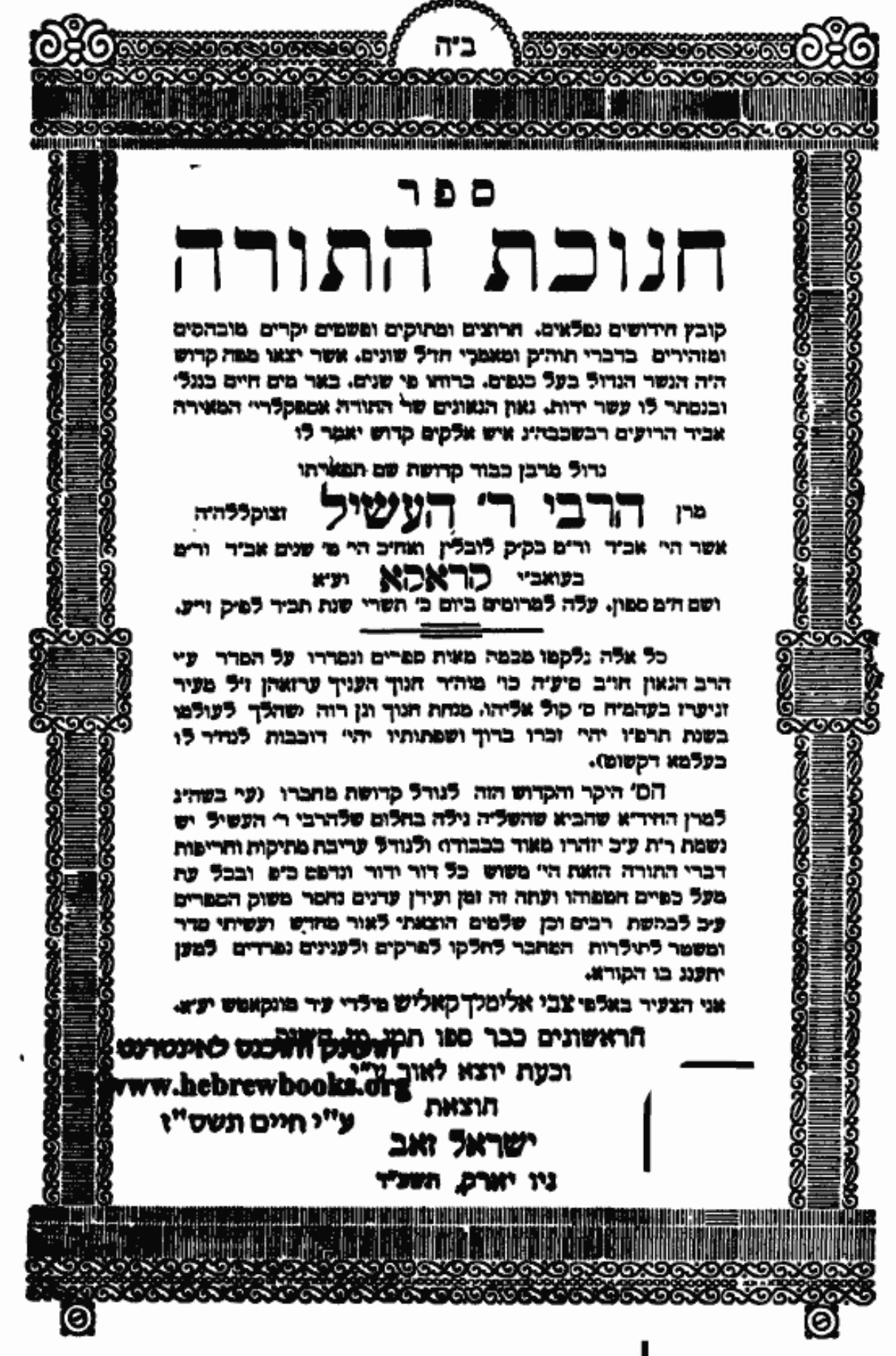
He points to a known historical issue regarding the publications attributed to the GR”A after his passing. People were publishing books with Torah  ideas attributing it to the גר”א to the extent that the Kehilah in Vilna was alarmed. It seems that many of these ideas were not from the גר”א at all. (sounds familiar?…).

So they established a committee of Rabbis and elders to vet all of the works of the גר”א and published a proclamation: Any book published with out their approbation ‘is suspect’.

And this passage, concludes the Rebbe, does not have their stamp and cannot be attributed to the גר”א for many reasons. One is that if these individuals are considered גויים now, it would follow that if they are מקדש a בת ישראל she would not be מקודשת! And to say that, is far-fetched and very awkward indeed. Another perplexing result is that these sinners would need to be buried not in a Jewish cemetery – and surely the גמרא would make a mention of this odd phenomena.

In conclusion, the Rebbe ends off, is that

6 – Now interestingly enough, the proclamation of the Vilna Kehilla, as the Rebbe writes is….. Yud Tes Kislev תקנ”ח!

Exactly one year before the release of the Alter Rebbe in the year תקנ”ט!
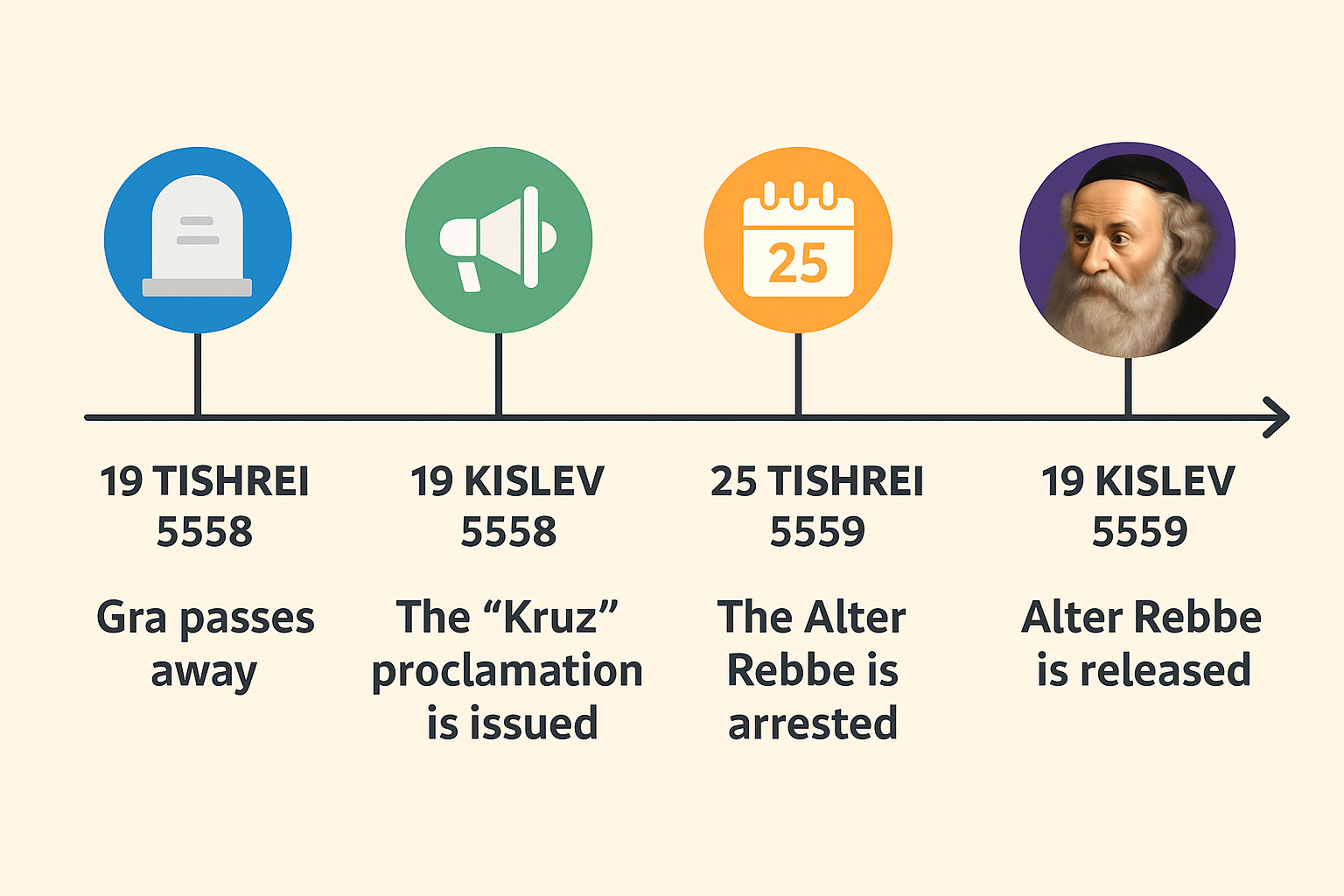
In chronological order:

The Gro passes away יט תשרי תקנ”ח.

The proclamation is dated יט כסלו תקנ”ח.

The Alter Rebbe is arrested on איסרו חג סוכות תקנ”ט.

He is released יט כסלו תקנ”ט.

7- We suggested that perhaps this was a מרים בת בילגה story.

Was the Rebbe suggesting that he is ‘erasing’ a fraudulent and very foreign idea attributed to the גר”א….. on Yud Tes Kislev!

8 – We discussed taking 3 steps backward and forwards after עושה שלום in  שמונה עשרה, and the fellow who wanted to write a book (no less) about this henceforth unexplored area, but was told that 3 steps back was already written about, but he could still write about 3 steps forward…




Shiur Brochos 5b (2) – Kislev 12, 5786 – 12/02/2025

BSD

Brochos 5b (2)

Kislev 12, 5786. 12/02/2025

Many interesting topics were discussed.

1 – Learning before Davening.

תַּנְיָא: אַבָּא בִּנְיָמִין אוֹמֵר: עַל שְׁנֵי דְבָרִים הָיִיתִי מִצְטַעֵר כָּל יָמַי: עַל תְּפִלָּתִי שֶׁתְּהֵא לִפְנֵי מִטָּתִי,………. לָא תֵּימָא לִפְנֵי מִטָּתִי, אֶלָּא אֵימָא סָמוּךְ לְמִטָּתִי.

Abba Binyamin would say: All of my life I have taken great pains with regard to two things:

#1 That my prayer should be before my bed …

The גמרא clarifies that he meant to say that he prayed adjacent to the time that he would get up (upon waking) from his bed;

Jewish Prayer Images – Browse 96,253 Stock Photos, Vectors, and Video | Adobe Stock

As Rashi explains, he would not even learn before Davening.

רש”י: סמוך למטתי – כל ימי נזהרתי שלא לעשות מלאכה ושלא לעסוק בתורה כשעמדתי ממטתי עד שאקרא ק״ש ואתפלל.

Tosofos takes issue with this from a גמרא further on that relates that רב used to do exactly that – learn and then say קריאת שמע.

There is much discussion on this topic in פוסקים.

[We mentioned what the Mashpia Reb Zalman Gopin once told a Gerer Chosid:

To learn גמרא before Davning ‘Iz a Grob’keit….’. Needless to say the Gerer did not take this kind of talk very well]

2 – The bottom line as the Alter Rebbe (89,7) writes is that this only applies to someone that usually Davens without a Minyan,  thus his learning may extend past זמן קריאת שמע ותפילה. However, one that usually goes to Shul may learn at home until the scheduled Minyan begins.

אפילו ללמוד אסור משהגיע זמן התפלהצו אם הוא רגיל להתפלל בבית מדרשו ביחידצז ואינו רגיל לילך לבית הכנסת יש לחוש שמא ימשך בלימודו ויעבור זמן קריאת שמע ותפלה אבל מי שרגיל לילך לבית הכנסת מותר ללמוד בביתו עד שעת תפלת הצבור.

3 – A clear path between a Davener and the wall.

Before the גמרא moves on to the second saying of Abba Binyamin, it discusses the הלכה that ‘nothing (דבר חוצץ) should be between the מתפלל  and the wall he faces’.

מִנַּיִן לַמִּתְפַּלֵּל שֶׁלֹּא יְהֶא דָּבָר חוֹצֵץ בֵּינוֹ לְבֵין הַקִּיר

What is considered a דבר חוץ?

A bed, says the גמרא, is חוצץ.

5

What about a בימה? A shtender? A table?

Tosfos says that anything that is stationary is not חוצץ, but a bed ‘seems that it is not stationary’.

אבל מלתא דקביעא כגון ארון ותיבה אין זה הפסק. אבל מטה נראה שאין זה קבוע.

Why not? A bed is heavier than a table.

The בית יוסף writes that Tosofs was referring to beds in ancient times that were collapsed daily and/or overturned to use as a table or a bench. The ב”ח takes issue with this explanation. Why would תוספות discuss a piece of furniture that was uncommon in their times?

George Washington's Revolutionary War Folding Camp Bed, 1775-1780 [4096x1481] : r/ArtefactPorn

The ט”ז says that the difference between a bed and a  בימה or a shtender is that these 2 objects are used for the purpose of Davning. Therefore they are not a חציצה.

The Alter Rebbe (90, 20) writes that indeed our beds are considered ‘stationary’ and can be between the מתפלל and the wall.

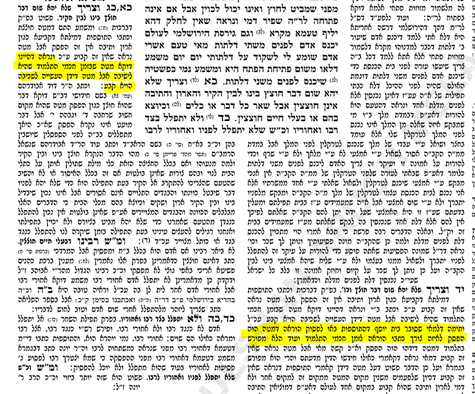
כ המתפלל י”חקפט צריך שלא יהיה דבר חוצץ בינו לבין הקירקצ שנאמרקצא ויסב חזקיהו פניו אל הקיר ויתפלל ודבר קבוע כגון ארון ותיבה אינם חוצציןקצב וכן מטות שלנו העשוים לשכיבה ואין דרך לטלטלן ממקום למקום נקראת דבר קבוע ואינן חוצצותקצג ואינו חוצץ אלא דבר גדול שגבהו י’ טפחים ורחבו ד’ טפחים על ד’ טפחיםקצד אבל דבר קטן אינו חשוב הפסק בינו לקיר וכל דבר שהוא צורך התפלה אפילו הוא גדול הרבה אינו חשוב הפסקקצה כגון השולחן שבבית שמניחין עליו הסידור ולכן נהגו בבית הכנסת שיש לפני כל אחד שולחן קטן (שקורין שטענדי”ר) שמניחין עליו הסידורים אע”פ שגבוה י’ ורוחב ד’.

Elsewhere the Alter Rebbe (98, 4) brings another reason for having no objects in front of a מתפלל.

ד התפלה היא במקום קרבןיט ולכן צריך ליזהר שתהא דוגמת הקרבן בכוונה ושלא יערב בה מחשבה אחרת כמו מחשבה שפוסלת בקדשיםכ ותהא מעומדכא כמו עבודהכב וקביעות מקוםכג כמו הקרבנותכד שכל אחד קבוע מקומו לשחיטתו ומתן דמו ושלא יחוץ דבר בינו לקירכה כמו הקרבןכו שחציצה פוסלת בינו לכלי וראוי שיהיה לו מלבושים נאים מיוחדים לתפלהכז כמו בגדי כהונה אלא שאין כל אדם יכול לבזבז על זה ומכל מקום טוב שיהיו לו מכנסיים מיוחדים לתפלה משום נקיותכח (אע”פ שמן הדין אין צריך נקיות לתפלה יותר מתלמוד תורה שאע”פ שהמכנסיים מלוכלכים מבפנים מותר כמ”ש סימן ע”וכט):


We briefly mentioned the next הלכה that an animal is considered a חציצה and the subject of walking into a shul with an eye-seeing dog.

אגרות משה או”ח מה, also see  אגרות קודש יח תכב at end of letter

A Jerusalem congregation goes to the dogs | The Jerusalem Post

4 – The proper direction of one’s bed.

The second saying of Abba Binyamin:

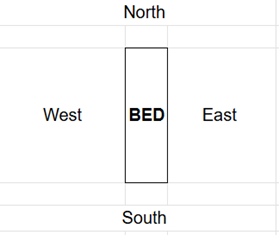
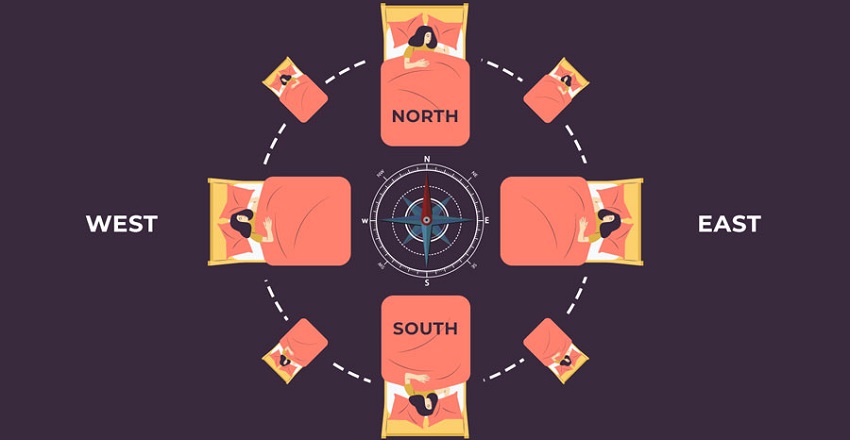
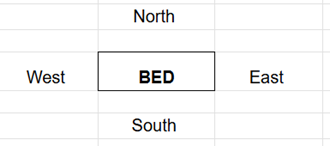
וְעַל מִטָּתִי שֶׁתְּהֵא נְתוּנָה בֵּין צָפוֹן לַדָּרוֹם

My bed, headboard and footboard, should be placed in a North to South direction.

Why? Rashi says that is it due to the  שכינה that is in מזרח and מערב.

צפון לדרום – ראשה ומרגלותיה זה לצפון וזה לדרום. ונראה בעיני שהשכינה במזרח או במערב לפיכך נכון להסב דרך תשמיש לרוחות אחרות.

רבינו יונה says that it is to symbolize the importance of שכל and פרנסה which corresponds to the placement of the שלחן which was placed on the דרום side.

Which Sleeping Position Is Best for Health? Ayurveda Explains

הרוצה להחכים ידרים ושיעשיר יצפין

(bread symbol of פרנסה ) and the מנורה (light indicates intelligence) which was placed on the צפון side.

The רמ”ע  of Fano says מזרח ומערב are the two sides from where אדם הראשון was created. אדם הראשון גופו מבבל וראשו מארץ ישראל, ואבריו נשאר ארצות”  – סנהדרין לח ע”ב

Cozy Bedroom with a Scenic View of Sunset and Nature through Large Glass Windows Stock Image - Image of nature, view: 357189019

5 – Opinion on the זהר.

The זהר has an  opposite explanation on וְעַל מִטָּתִי שֶׁתְּהֵא נְתוּנָה בֵּין צָפוֹן לַדָּרוֹם.

It means that the bed, headboard and footboard,  should be indeed placed in an East West direction! Because it is the sides of the beds that  should not be מזרח ומערב due to the שכינה.


The Alter Rebbe (3, 9-10) says that we should follow the פוסקים but if it is difficult then we can rely on the זהר.

ט כשם שאסור לפנות בין מזרח למערבכו כך אסור לישן בין מזרח למערב אם אשתו עמו במטה ודעתו לשמשכז אלא יכוין שתהא ראש המטה ומרגלותיה זה לצפון וזה לדרוםכח ונכון להיזהר אפי’ אין אשתו עמוכט:

י מי שאי אפשר לו בקלות להסב מטתו בין צפון לדרוםל אין עליו איסור לשמש מטתו בין מזרח למערב ויש לסמוך על ספר הזוהרלא שמצריך שיהא דוקא ראש המטה ומרגלותיה זה למזרח וזה למערב:

We mentioned that the Alter Rebbe ‘s final version of the Shulchan Aruch  מהדורא בתרא (of which we have only the 1st 3 סימנים) omits this entire topic!

There is a note from the Rebbe that we are not מדקדק on this.

6 – ‘Who learns  הלכות בית הבחירה׳’?

Hilchos Bais HaBechirah L'HaRambam - הלכות בית הבחירה להרמב"ם

An interesting observation: The בית יוסף  when he discusses this issue of the bed direction quotes a רמב”ם in הלכות בית הבחירה.

He writes: The reason people are unaware of this Rambam is because ‘who learns  הלכות בית הבחירה? Maybe one or two in each generation!’


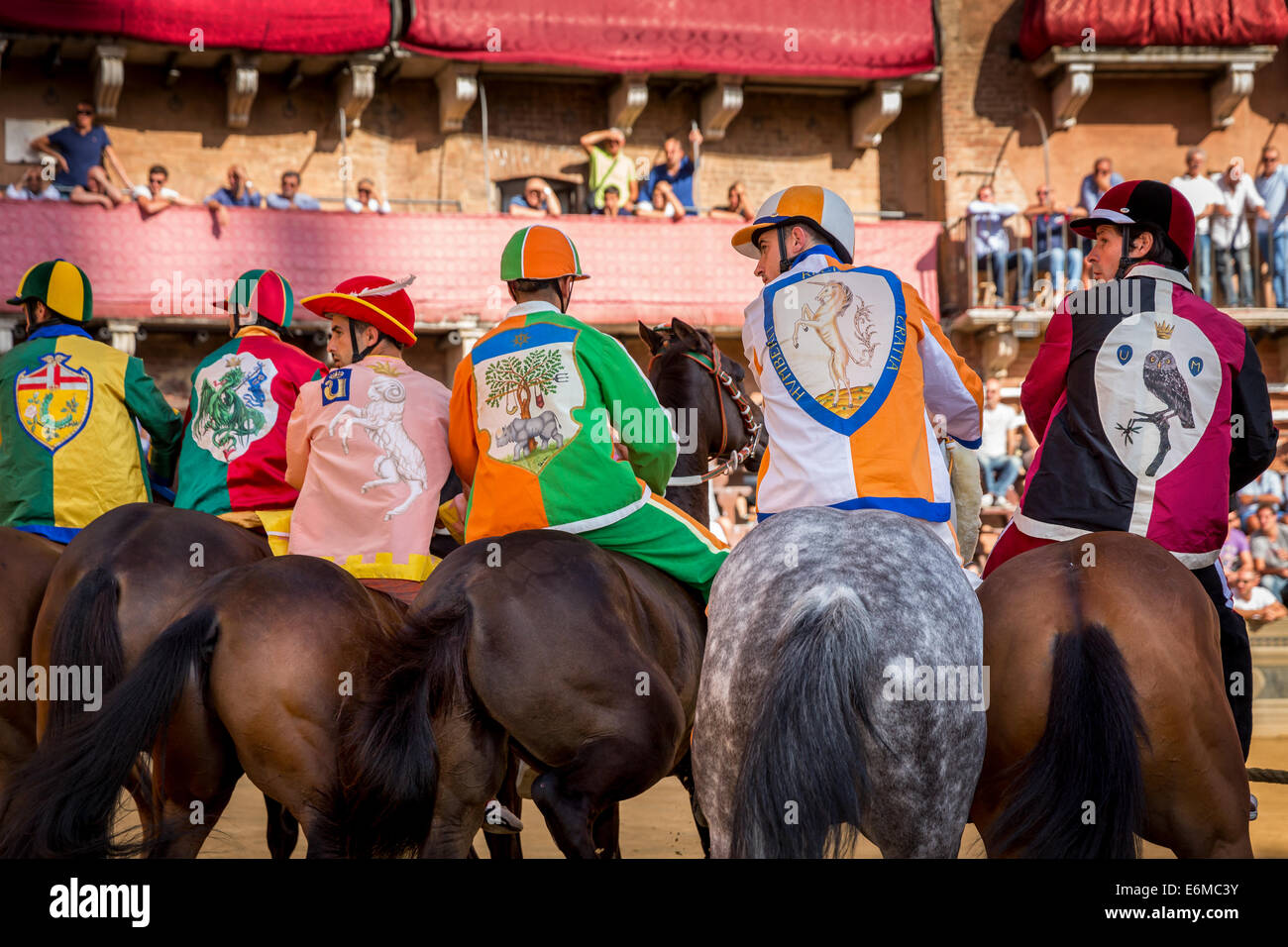
7 – Reb Yoel’s riddle with the reverse horse race. Last one to arrive – wins.

Jockeys waiting for the start of Palio di Siena horse race on Piazza del Campo, Siena, Tuscany, Italy Stock Photo - Alamy

“you go. No, you go!”

The topic of being the last person to leave a בית כנסת will continue next week, בל”נ.

——————-

Hebrew notes.

תוס’. ה, ב. מיטה שאני.

ב”י כי בימיהם היו מקפלין אותה. ב”ח – ל”ל לתוס’ ללמד הל’ שאינן נוהגין כעת?

והט”ז פי’ כי ארון ותיבה הן צורך התפילה משא”כ מטה.


טעם שצריך להתפלל נגד הקיר. א – רמב”ם שלא יהי’ ליבו פונה. ב- תפילה כמו קרבן- אסור שיה’ חציצה.


מיטה בין צפון לדרום.

אדה”ז במהדו”ב לא מביאו כלל!

הטעמים.

-שכינה.

ר”י -שיתפלל שיהי’ לצאצאיו חכמה ועשירות.

רמ”ע מפאנו – אין הטעם מפני השכינה. הטעם הוא שיה’ יצירת ולד חדש כמו אדה”ר שראשו מעפר א”י וגופו מבבל.


Shiur Brochos 5b – Kislev 5, 5786 -11/25/2025

BSD

Brochos 5b

Kislev 5, 5786. 11/25/2025

Some short notes:

1 – We continued to discuss the idea of יסורין של אהבה.

Whatever the explanation  of יסורין של אהבה we encountered last week, it basically means that these יסורין are not due to the person’s faults or עבירות.

Whether these יסורים are to ‘increase his שכר’, as a result of his שוגג actions or to atone to the sins of others, these יסורים are not coming for his own כפרה.


יסורים-שכר  –  o-meter (AI version)

So obviously these יסורים happen only to the most righteous people.

2- Our גמרא discusses one whose children deceased ח”ו before him and someone that never had children. Which one is יסורין של אהבה?

3 – The terrible tragedy of רבי יוחנן who buried 10 of his sons with the last one dying in a horrific accident.

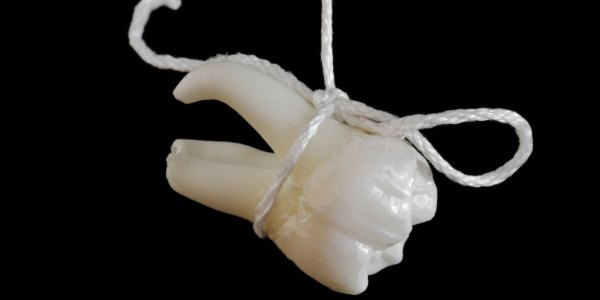
רבי יוחנן always carried around with him a bone or tooth of that last son to console other people when distraught. .


4 – The issue with טומאה and the קבורה of this bone.

We discussed the issue of burial of an amputated limb.

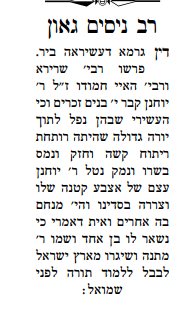
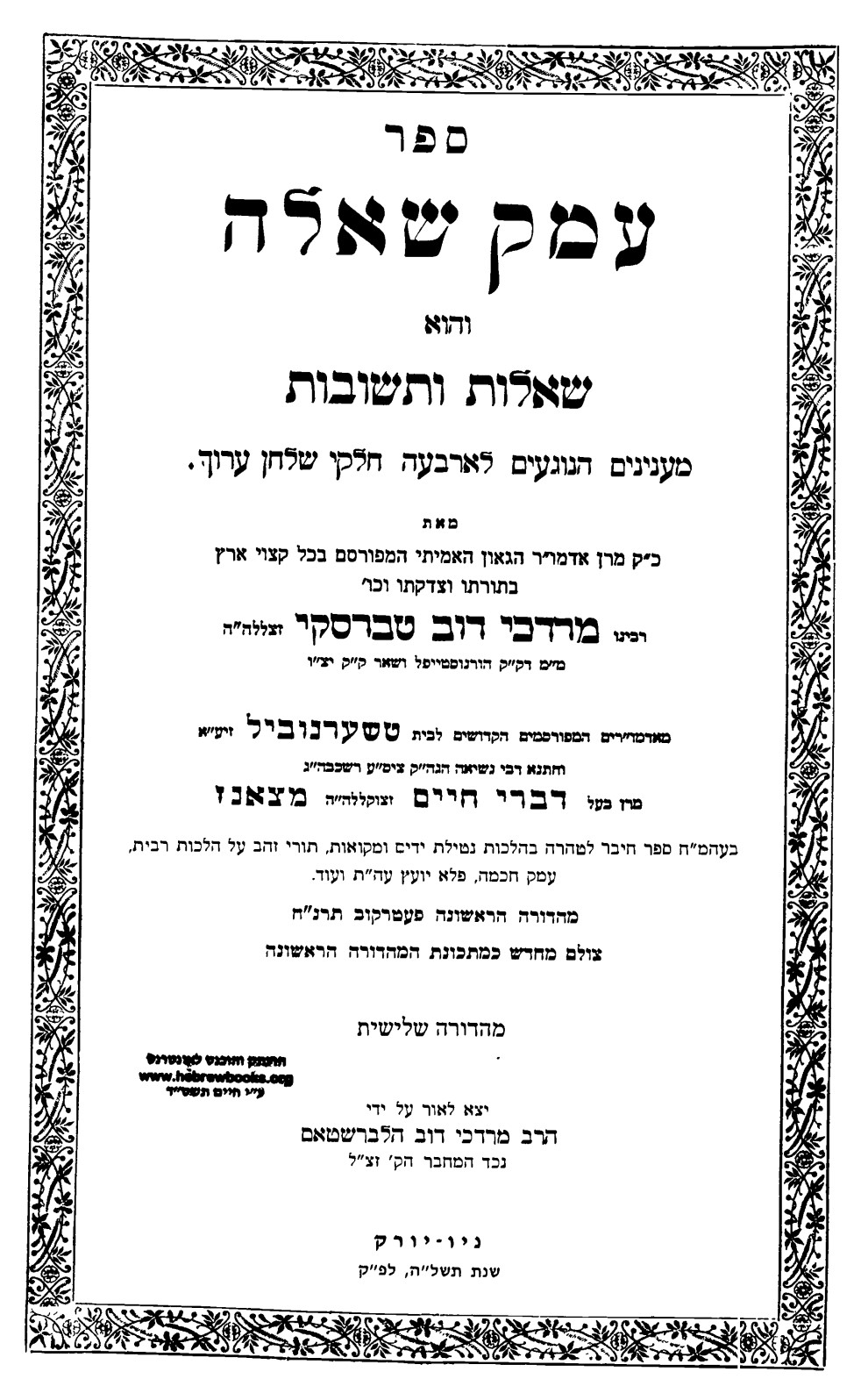
מרדכי דב טברסקי הורניסטייפול (spoke about him here)

ספר ספרושות עמק שאלה באתר היברובוקס.

קבורה לאבר מאדם חי.

שבות יעקב, קא. נוב”י תנינא יו”ק רט.

5 – Story told by Reb אהרן יוסף Belinitzki (see Shiur of last week and see herep19 has additional background – ed.) when he would smuggle bodies out of the hospital in Samarkand to bring them to קבר ישראל.

Despite being fully aware that he was carrying a dead body, he would always be startled when the dangling hand of the corpse would ‘tap him on his back’….

6 – Case of the שוחט that offered some a delicacy at a ברית…

Restaurant-Style Za’atar Crusted Branzino

today, we’re making gribenes!

7 – Crying on the ‘beauty that will be lost’.

רִבִּי אֶלִיעֶזֶר חֲלַשׁ. עָל לְגַבֵּיהּ רִבִּי יוֹחָנָן, חֲזָא דַּהֲוָה קָא גָּנֵי בְּבַיִת אָפֵל. גַּלְּיֵיהּ לִדְרָעֵיהּ וּנְפַל נְהוֹרָא. חַזְיֵיהּ דַּהֲוָה קָא בָכֵי רִבִּי אֶלִיעֶזֶר, אֲמַר לֵיהּ: אַמַּאי קָא בָכֵית? אִי מִשּׁוּם תּוֹרָה דְּלָא אַפַּשְׁתְּ, שָׁנִינוּ: אֶחָד הַמַּרְבֶּה וְאֶחָד הַמַּמְעִיט, וּבִלְבַד שֶׁיְּכַוֵּין לִבּוֹ לַשָּׁמַיִם; וְאִי מִשּׁוּם מְזוֹנֵי, לֹא כָל אָדָם זוֹכֶה לִשְׁתֵי שֻׁלְחָנוֹת; וְאִי מִשּׁוּם בְּנֵי, דֵּין גַּרְמָא דַּעֲשִׂירָאָה בִּיר.

The Gemara relates that Rabbi Elazar fell ill. Rabbi Yoḥanan entered to visit him, and saw that he was lying in a dark room. Rabbi Yoḥanan exposed his arm, and light radiated from his flesh, filling the house.

He saw that Rabbi Elazar was crying, and said to him: Why are you crying? Are you weeping because you did not study as much Torah as you would have liked?

But we learned: One who brings a substantial sacrifice and one who brings a meager sacrifice have equal merit, as long as he directs his heart toward Heaven.


Illustration only – not actually R Yochanan and R Eliezer

If you are weeping because you lack sustenance and are unable to earn a livelihood, as Rabbi Elazar was, indeed, quite poor, not every person merits to eat off of two tables, one of wealth and one of Torah, so you need not bemoan the fact that you are not wealthy.

If you are crying over children who have died, this is the bone of my tenth son, and suffering of that kind afflicts great people, and they are afflictions of love. יסורין של אהבה

What Happens to Your Tooth After It's Extracted

some say it was a tooth

The גמרא concludes:

אֲמַר לֵיהּ: לְהַאי שׁוּפְרָא דְּבָלֵי בְעַפְרָא קָא בָכֵינָא. אֲמַר לֵיהּ: עַל דָּא וַדַּאי קָא בָכֵית. וּבְכוֹ תַּרְוַיְיהוּ.

Rabbi Elazar said to Rabbi Yoḥanan: I am not crying over my misfortune, but rather, over this beauty of yours that will decompose in the earth, as Rabbi Yoḥanan’s beauty caused him to consider human mortality.

Rabbi Yoḥanan said to him: Over this, it is certainly appropriate to weep. Both cried over the fleeting nature of beauty in the world and death that eventually overcomes all.


Explanation of the מהרש”א that they cried primarily on the ‘beauty of ירושלים’ that will be lost when רבי יוחנן passes away.

רבי יוחנן  was the last one remaining of the חכמים of ירושלים and רבי Eliezer  was crying that when passes away that exceptional generation will be gone.

ומסיימין בטוב

Shiur Brochos 5a (2) – Mar Cheshvan 27, 5786 – 11/18/2025

BSD

Brochos 5a (2)

Mar Cheshvan 27, 5786. 11/18/2025

Brief notes:

1 – Our גמרא discusses at length about יסורים.

Half in jest we said that learning this גמרא is a form of יסורים….

Especially the idea of יסורים של אהבה.

ערכם של הייסורים - מבחן האהבה - הידברות

The perplexing רש”י that defines יסורים של אהבה as afflictions that come upon a person who has no sins; just to ‘generate for him שכר more than he is deserving’.


We mentioned the Ramban in his שער הגמול that seems to take issue with this explanation. Why would ‘ה do that?

The Ramban says that יסורים של אהבה mean יסורים that come upon a person to cleanse his עבירות that were done בשוגג.

Oops Figure Stock Illustrations – 132 Oops Figure Stock Illustrations, Vectors & Clipart - Dreamstime

The פני יהושע suggest other ideas, such as perhaps it is for the atonement of the sins of others.

ויש לפרש עוד בענין אחר דאותן היסורים שמביא הקב״ה על הצדיק בלי שום עון ע״כ היינו כדי למרק עוונותיהם של ישראל כדאיתא בסנהדרין דאהדר ליה ר״ג להאי צדוקי דא״ל אלקיכם גחכן הוא אם רחמן מלא רחמים הוא מייסר הגדולים שבהן ביסורין. והענין מבואר שאין הקב״ה רוצה בהשחתת העולם אלא בקיומו ואם יביא היסורים על הבינונים אפשר שלא יקבלו היסורים מדעתן ויבעטו ביראתו ח״ו לכן הבוחן לבות מביא אותן היסורים עצמן על הצדיק שיקבלם באהבה לטובת ישראל

2 – The גמרא says that one who has יסורין and is clueless as to why he deserves it and what caused them, he should:

A- Search his מעשים. If he can’t find anything lacking, he should:

למה הקב"ה ברא ייסורים? - אקשיבה

B- Attribute it to ביטול תורה. If he can’t find anything lacking in ביטול תורה, he should realize that it is :

C – יסורים של אהבה. [As above]

The obvious question is:

How can a person honestly say (A above) that ‘I have searched and found nothing lacking’ and then be told to find ביטול תורה? If he has ביטול תורה then his search and finding ‘nothing wrong’ (פשפש ולא מצא) was not truthful.

We mentioned that in the גמרא מתיבתא they list no less than 24 answers to this question!

One is: If one cannot find within himself any item that needs improvement, then he should attribute this lack of finding (ולא מצא) on ביטול תורה. For a true scholar would not fool himself to such an extreme.

Self Awareness Vector Art, Icons, and Graphics for Free Download

Another answer: A person who was ’ פשפש ולא מצא’ is obviously a great צדיק and is a תורתו אומנתו type. A person, like רשב”י , who studies not stop is  פטור from many מצוות. However, if it is a מצווה that cannot be done by others and he is the only that can do this מצווה, then he must stop his leaning and perform this מצווה.

So חז”ל are referring to such a person in particular, and a מצווה came up that others could not do it, but he didn’t stop learning to perform it!

Such a person should attribute his יסורים on the ביטול תורה – meaning that he should have been מבטל!

3 – The story with the Rov and the bowl of fruit, see here.

Image result for fruit of israel


4 – Speaking of יסורים, we quoted a very interesting גמרא in ערכין טז, ב.

What is the least hurtful type of pain – יסורים?

1- Ordering a tailor made suit and not liking it.

Oversized Suit Images – Browse 9,807 Stock Photos, Vectors, and Video | Adobe Stock

I don’t know, I just don’t like the way it looks

2- Asking for a cup of hot water and being served cold.

A glass of tea with a thermometer – License Images – 944985 ❘ StockFood

3- Realizing that you put on a jacket inside out, the need to remove it, turning it outside in and putting it on again.

4- Inserting your hand into the pocket to pick up 3 coins but only 2 came up.

Ouch, ouch, ouch and ouch.

The גמרא ask: What is the purpose of listing these seemingly trivial יסורים?

They answer that if 40 days have passed and one didn’t even ‘suffer’ such inconveniences, something is off.


Rashi explains it to be a sign מלמעלה that his life is so comfortable that he is living his עולם הבא while still being in this world.

If 40 days have passed and one has felt no discomfort whatsoever means that he is using up all his ‘credit’ and there will be nothing left for him in עולם הבא.

[In relation to the option 1 above, we mentioned the Chosid Reb Chaim Serebryanski O”H who once walked into Shul wearing a light color, glittering shiny sharkskin suit.

Art Gallery - ChabadEasternOrange.com

For those that didn’t know him it seemed that he’s gone modern….

Those that did know who Reb Chaim was, knew that he had no clue what he was wearing…]

5- The phenomenal idea of  Reb Shimshon of Ostrapoli.


6 –  Speaking of such morbid topics, we finished on a humorous note with a story of the famous Reb אהרן יוסף בלניצקי ע”ה.

Reb Aharon Yosef Belinitzky

…in Brunoy

He used to lament the idea of giving and receiving too many compliments, which in his eyes was not the דרך חב”ד.

He related the story when he received multiple compliments from many about how well he took care of the מקוה in the פלעצעל in Paris. These compliments came as a response when he asked  the מקוה users about the heat and cleanliness of the water. The clean towels etc.

“I actually enjoyed these compliments that were told to me in French. For many years all I heard when I asked the Mikvah members if this or that was OK, was one just word in French (which I didn’t speak). I took it to be ‘thank you very much’.

And so it was for years, until the day I was told that the word I have been hearing (and took it as a compliment)  ‘Ça sent mauvais’, means ‘it smells bad’!!!

Bad Smell Face Emoji

So much for compliments…..

———————————-

Notes in Hebrew.

איך פשפש ולא מצא? ממש? ועכשיו הוא מוצא שביטל תורה.

א- העונש הוא לא לפי ערך הביטול

ב- הסיבה שלא מצא היא עונש ע״ז שביטל תורה.


סיפור עם הרב וקערה מלאה פירות.


  • יתלה בעוון ביטול תורה. ייטב לב- יתלה הסיבה שיסירו ממנו היסורין – בביטול תורה, כלומר שהיסורים מבטלין אותו מללמוד תורה.
  • חת”ס יתלה מי שתורתו אומנתו בביטול תורה. כלומר הוא לא ביטל תורה על מצווה שאי אפשר לעשותו ע”י אחרים!


יסורין של אהבה. רש”י. שער הגמול. פנ”י.


ר’ שמשון מאוסטרופולי.

אשרי הגבר אשר תלמדנו. חגיגה ה. ר״י הוי בכי. והי׳ כי תמצאנה. למה דווקא ר״י.

רבי יוחנן מק”ו. ריש לקיש מגז״ש- ברית מלח.  נפק״מ אם ע״י גרמא.

וגם אני שמעתי, נמצא שע״י המצרים, אבל ואזכור את בריתי- כלומר גם יסורים כאלו ממרקים.


יסורים קלים. ערכין ט״ז ב.


Shiur Brochos 5a – Mar Cheshvan 20, 5786 – 11/11/25

BSD

Brochos 5a

Mar Cheshvan 20, 5786. 11/11/2025

1 – Our גמרא is the source for saying קריאת שמע שעל המיטה.

Two reasons are discussed, either so people go to sleep מתוך דברי תורה.

Thus a תלמיד חכם who learns constantly, would not need to say it.

The second reason is for protection – שמירה מן המזיקים.

The הלכה follows the second reason, requiring all to say it.

​​

2 – We mentioned briefly the topic of saying תהילים or any other דברי תורה for ‘healing’ or protection, as in קריאת שמע שעל המיטה

See here. Here.

​​

3  – The next piece of גמרא touches on many interesting topics.

אֲמַר רִבִּי לֵוִי בַּר חַמָּא אֲמַר רִבִּי שִׁמְעוֹן בֶּן לָקִישׁ: לְעוֹלָם יַרְגִּיז אָדָם יֵצֶר טוֹב עַל יֵצֶר הָרָע, שֶׁנֶּאֱמַר: ״רִגְזוּ וְאַל תֶּחֱטָאוּ״ (תהלים ד׳:ה׳). אִם נִצְּחוֹ, מוּטָב, וְאִם לָאו, יַעֲסוֹק בַּתּוֹרָה, שֶׁנֶּאֱמַר: ״אִמְרוּ בִלְבַבְכֶם״. אִם נִצְּחוֹ, מוּטָב, וְאִם לָאו, יִקְרָא קְרִיאַת שְׁמַע, שֶׁנֶּאֱמַר: ״עַל מִשְׁכַּבְכֶם״. אִם נִצְּחוֹ, מוּטָב, וְאִם לָאו, יִזְכּוֹר לוֹ יוֹם הַמִּיתָה, שֶׁנֶּאֱמַר: ״וְדוֹמּוּ סֶלָה״.

6 Lessons From Jacob's Wrestling With the Angel - Chabad.org

אַתָּה רָע וְרָשָׁע וּמְשׁוּקָּץ וּמְתוֹעָב וּמְנֻוָּול

Rabbi Levi bar Ḥama said that Rabbi Shimon ben Lakish said: One should always incite his good inclination against his evil inclination, i.e., that one must constantly struggle so that his evil inclination does not lead him to transgression. If one succeeds and subdues his evil inclination, excellent, but if he does not succeed in subduing it, he should study Torah, as alluded to in the verse: “Say to your heart.” If he subdues his evil inclination, excellent; if not, he should recite Shema, which contains the acceptance of the yoke of God, and the concept of reward and punishment, as it is stated in the verse: “Upon your bed,” which alludes to Shema, where it says: “When you lie down.” If he subdues his evil inclination, excellent; if not, he should remind himself of the day of death, whose silence is alluded to in the continuation of the verse: “And be still, Selah

A-  לְעוֹלָם יַרְגִּיז אָדָם יֵצֶר טוֹב עַל יֵצֶר הָרָע,

incite his good inclination against his evil inclination,

The Mitzvah - Shalom Adventure Magazine

We mentioned the מהרש”א that explains it to mean to ‘wage battle’  מלחמה with the יצר הרע.  Rashi writes in Sanhedrin that if the יצר הרע incites someone to do an עבירה not only does one not do it, but on the contrary, he performs a מצוה instead.

רש״י בסנהדרין קיא, אם היצה״ר אומר לו לעבור עבירה אז ילחם עמו ויעשה מצווה.

13 Facts About the Mitzvah to Visit the Sick - Chabad.org

Spoke about the Alter Rebbe’s application of this מאמרז”ל in Tanya chapter 31.

When one is in a state of sadness (for whatever reason) he should use this sadness and turn it into a ‘bitterness’  מרירות of קדושה for ‘stocktaking’ of his spiritual shortcomings.

Cute When Life Gives You Lemons Make Lemonade Art Print

See here.

B-  יִזְכּוֹר לוֹ יוֹם הַמִּיתָה

he should remind himself of the day of death

The simple meaning is that one should keep in mind his own mortality.

Some translate it as to remind the יצר הרע of his death and demise as the גמרא says in Sukka 52a.

C – So the order is: 1st pick a fight. If unsuccessful, (2) learn Torah.  If unsuccessful, (3) say שמע. If still unable to overcome the יצר הרע remind him of the (4) ‘day of death’.

The obvious question is why not go directly for the kill, pardon the pun, and remind him of the ‘day of death’?

the fourth option might not work out so well

One answer is that option #4- death, usually caused sadness and/or depression. So it’s used only after try other ,more cheerful options.

Another answer is that reminding the יצר הרע is not very effective for the average person. The proof is that death is inevitable and people usually do not dwell on it.

However, a person who has tried #1,  #2 and #3 is a man of substance, discipline and intelligence. It is he on whom the thought of ‘after 120’ has an effect.

4 – We mentioned last week the topic of אגדתא and saying ברכת התורה on it even if one does not understand.

This is a חידוש of the Alter Rebbe.

In general, the definition of ‘learning Torah’ means to understand it. Saying words of גמרא, with out any comprehension is meaningless. One cannot say ברכת התורה on such ‘learning’.

However, in regards to מקרא, the הלכה is that just saying the words with no understanding is also considered לימוד התורה.

אך אם מוציא בשפתיו אף על פי שאינו מבין אפילו פירוש המלות מפני שהוא עם הארץ הרי זה מקיים מצות ולמדתם ולפיכך כל עם הארץ מברך ברכת התורה בשחר לפני הפסוקיםקפו וכן כשעולה לספר תורהקפז:

יג במה דברים אמורים בתורה שבכתבקפח אבל בתורה שבע”פ אם אינו מבין הפירוש אינו נחשב לימוד כללקפט.

ואף על פי כן יש לאדם לעסוק בכל התורה גם בדברים שלא יוכל להביןקצ ולעתיד לבא יזכה להבין ולהשיג כל התורה שעסק בה בעולם הזה ולא השיגה מקוצר דעתוקצא:

קפט מא או”ח סינ סק”ב. וראה גם לעיל שם ס”ב. תניא קו”א קנד, ב. לקו”ת שם ושם. לקו”ש חי”ד ע’ 22 הערה 9. חי”ח ע’ 438 (בנוגע לזהר וחלק האגדה שבתורה). שיח השדה, שער ברכת ה’ ס”א. ארץ צבי סי’ יא בהגהה. חקרי הלכות ח”ב סב, א. ח”ד פז, ב.

The Alter Rebbe adds that this applies to אגדתא as well.

כי הנה ענין הלימוד במקרא אינו ע”ד לימוד משנה ותלמוד שהעיקר הוא להשיג החכמה שבהן שעי”ז יתקשר שכל האדם בחכמה זו שבתורה כו’ אלא דצריך ג”כ להוציא הדברים בדיבור פה דוקא אבל מ”מ אם אומר ההלכה ואינו מבין אינו נחשב לו ללימוד כלל כמ”ש במ”א סי’ נ’, משא”כ בעסק המקרא ותשב”כ אם מוציא בשפתיו אע”פ שאינו מבין אפי’ פי’ המלות מפני שהוא ע”ז ה”ז מקיים מצות ולמדתם, שלפיכך כל ע”ה מברך ברכת התורה בשחר לפני הפסוקים וכן כשעולה לס”ת…

 והנה בכלל לימוד המקרא הוא גכ לימוד האגדות שהרי רוב האגדות הם על הפסוקים ומעט מוסר וגם הם אין מושגים ובכלל מקרא יחשב.

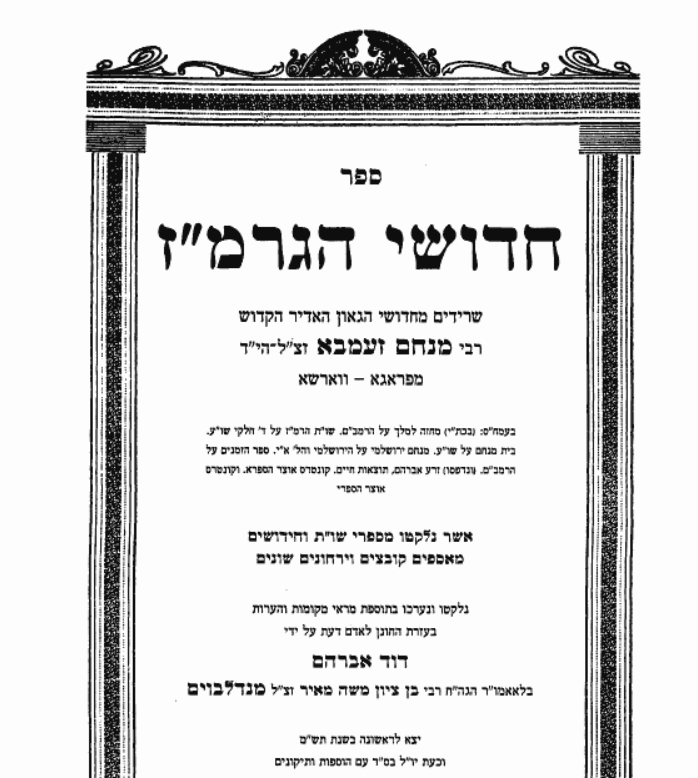
See here from Reb Menachem Zemba הי”ד where he discusses this novel idea of the Alter Rebbe.

חידושי הגרמז עקלא. ​

We also repeated the story of Graf Potocki, who was known as Avraham ben Avraham, and who was buried next to the גר”א in Vilna.

R Shlomo Zalman Auerbach said in the name of the גר”א that you no longer have to worry about walking  ד אמות in the morning before נטילת ידים, because the מסירת נפש of Avraham ben Avraham, severely weakened the סטרא אחרא,

ומסיימין בטוב

———————————————————-

ירגיז- מלחמה- מהרש”א

רש״י בסנהדרין קיא, אם היצה״ר אומר לו לעבור עבירה אז ילחם עמו ויעשה מצווה.

יזכיר לו יום כו’

למה לא להתחיל ע”ז?

כי רק מי שכבר למד כו’ יזיזנו הזכרה זו. אכול ושתו כי מחר נמות. שפתי חכמים.

עין יעקב. הזכרת יום כו’ רק כשאין ברירה, כי זה מביא לידי עצבות!

פירוש מעניין:יזכיר לו יום מיתת היצ”ר”


Shiur Brochos 4b (2) – Mar Cheshvan 13, 5786 – 11/04/2025

BSD

Brochos 4b (2)

Mar Cheshvan 13, 5786. 11/04/2025

Short notes.

1- We continued on the topic of תפילת ערבית רשות או חובה.

Since the הלכה is that it is רשות, it seems that the חכמים wanted to make sure that people should know that it is indeed רשות.

For example:

  • No חזרת הש”ץ at מעריב.
  • After finishing קריאת שמע and its ברכות – (which are a חובה) a קדיש is said right after שומר את עמו ישראל לעד. [As opposed to Shacharis where no קדיש is said].
  • There is an obligation to say אשרי 3 times a day. So why not by מעריב? One of the reasons is to emphasize that ערבית is רשות. See further ahead.

2 – Here is the גמרא about saying אשרי three times a day:

אָמַר רִבִּי אֶלְעָזָר אָמַר רִבִּי אַבִּינָא: כָּל הָאוֹמֵר ״תְּהִלָּה לְדָוִד״ (תהלים קמ״ה:א׳) בְּכָל יוֹם שָׁלֹשׁ פְּעָמִים, מוּבְטָח לוֹ שֶׁהוּא בֶּן הָעוֹלָם הַבָּא.

Rabbi Elazar said that Rabbi Avina said: Anyone who recites: “A Psalm of David” (Psalms 145) three times every day is assured of a place in the World-to-Come.

 3 – The גמרא continues to explain the importance of reciting this קפיטל in particular. Briefly, since it has all the letters of the אלף בית (except the letter  נון) and also the important פסוק of

פותח את ידיך ומשביע לכל חי רצון

4 – As per רש”י the 3 times correspond to the שלש תפילות.

The obvious question is why we do not say it by מעריב.

We mentioned the שיחה of the Rebbe on this topic.

לקו”ש יח, פנחס ד. ע’ 351

In the זהר it actually says that saying אשרי is only a חיוב twice a day and the 3rd time is just as a שבח.

The צמח צדק explains that the זהר is of the opinion that תפילת ערבית רשות. Therefore the 3rd time is not a חיוב.

Rev Levik, the Rebbe’s father, has a different approach.

5 – Some say the reason for not saying אשרי before מעריב is simply because the חכמים figured that since people were lax with מעריב, as it is only רשות, they would not say it and not have the ‘3 times per day’ of saying אשרי and miss out on the מוּבְטָח לוֹ שֶׁהוּא בֶּן הָעוֹלָם הַבָּא.

אשרי ג”פ. ולא במעריב כי חששו שיבטלוה. הרא”ה.

6  –  We discussed the ריב”ש about the community that were preoccupied with a funeral and didn’t Daven מנחה and planned to do  מעריב  twice. The question was if to say אשרי after מעריב right before the second שמונה עשרה for the מנחה they missed.

The ריב”ש ruled that they should. See here:

ריב”ש


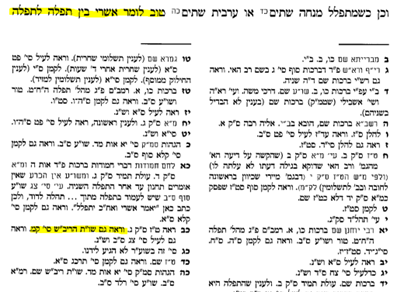
   שו”ע אדה”ז קח,

סעיף ה

The Alter Rebbe quotes this ריב”ש but adds the זהר that one should not say פסוקים at night.

7 – We discussed this topic of not saying מקרא at night.

8 – Spoke about the topic of אגדתא and saying a ברכת התורה on it even if one does not understand. Will BL”N write about this next week.

Vort of JB on the difficulty of saying a Shiur on אגדתא.

9  – In a previous Shiur we spoke about certain מנהגים/דינים which are generally not adhered to (for whatever reason). One was not eating 30 minutes before the time for  מעריב, despite it being a clear הלכה in Shulchan Aruch!

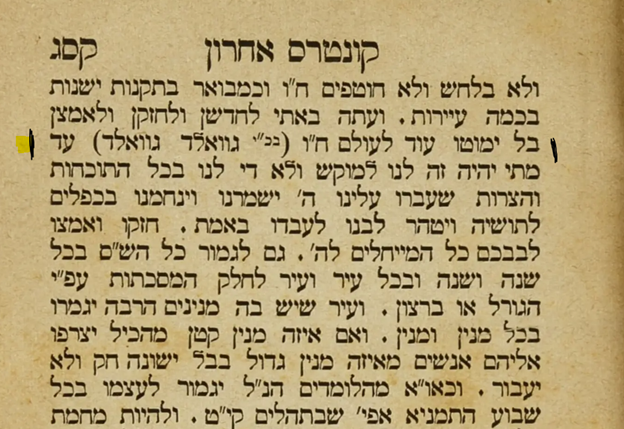
We spoke about a תקנה of the Alter Rebbe mentioned in Tanya that the Rebbe writes that he has not seen it been practiced widely. Saying קפיטל קי”ט once a week!

קונטרס אחרון סימן ט

גם לגמור כל הש”ס בכל שנה ושנה ובכל עיר ועיר לחלק המסכתות עפ”י הגורל או ברצון. ועיר שיש בה מנינים הרבה יגמרו בכל מנין ומנין. ואם איזה מנין קטן מהכיל יצרפו אליהם אנשים מאיזה מנין גדול בבל ישונה חק ולא יעבור. וכאו”א מהלומדים הנ”ל יגמור לעצמו בכל שבוע התמניא אפי’ שבתהלים קי”ט.

The Rebbe added that his father used to say it at מנחה on Shabbos.

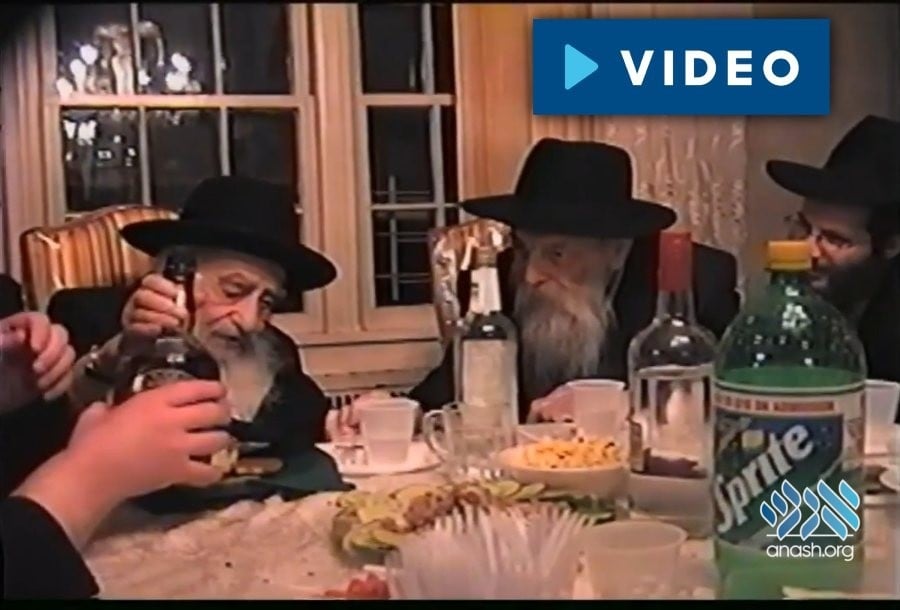
9 – Speaking of that particular סימן in Tanya we mentioned what we once heard from Reb Meir Itkin that when it arrived in Nevel, they were so overtaken by the words “גוואלד גוואלד” –

that they had a Farbreingen for two weeks non stop!

Here is an actual image of that Farbreingen:


לקו”ש יח, פנחס ד. ע’ 351

כנגד ג’ תפילות – רש”י.

זהר: ב”פ חיוב והג’ בגין שבחא.

לפי הצ”צ: הש”ס ס”ל תע”ח. ולפי הזהר תע”ר, ולכן מספיק לומר רק ב”פ.

לפי הלקולו”י: גם לפי הזהר, שתע”ר, צ”ל ג’ פעמים.


Shiur Brochos Mar Cheshvan 6, 5786 – 10/28/2025

BSD

Brochos 4b

Mar Cheshvan 6, 5786. 10/28/2025

Some topics discussed:

1- The סוגיה of סמיכת גאולה לתפילה. The משל of Rashi explaining the importance of this idea.

2 – תפילת ערבית רשות או חובה. These opinions are referring to the שמונה עשרה of מעריב. Not קריאת שמע.

Maariv – Evening Prayer - Even in the Evening - Chabad.org

Davening מעריב

As we will see later on (29b) the הלכה is that it is רשות.

There was a time in our history when מעריב was very lax and after השכיבינו they would recite קדיש and that would be the end of מעריב!

“boy, that was fast…”

However, as Tosfos says (26a) רשות only means that if there is another מצוה that will pass if not done at this time, then it takes precedent over מעריב.

“הא דאמרינן דתפלת ערבית רשות היינו לגבי מצוה אחרת והיא עוברת דאז אמרינן תדחה תפלת ערבית מפניה אבל לחנם אין לו לבטלה”

“Maariv!” Now what do I do?

Today, it is considered (semi?) חובה since it has been accepted by all not to miss מעריב.

 On the other hand, it is still in essence רשות.

On the other hand, it is still in essence רשות , as we find in regards to other הלכות related to מעריב.

One example:

See here.

3 – סמיכת גאולה לתפילה by מעריב as well.

יציאת מצרים. Although they left only in the morning, at a certain level the גאולה began at night.

2+ Thousand Exodus Egypt Royalty-Free Images, Stock Photos & Pictures | Shutterstock

4 – The פסוקים and ברכות of יראו עינינו.

This תפילה  is said by many before the שמונה עשרה in מעריב:

יִרְאוּ עֵינֵינוּ וְיִשמַח לִבֵּנוּ וְתָגֵל נַפְשֵׁנוּ בִּישׁוּעָתְךָ בֶּאֱמֶת בֶּאֱמר לְצִיּון מָלַךְ אֱלהָיִךְ:
ה’ מֶלֶךְ ה’ מָלָךְ ה’ יִמְלךְ לְעולָם וָעֶד:
כִּי הַמַּלְכוּת שֶׁלְּךָ הִיא וּלְעולְמֵי עַד תִּמְלךְ בְּכָבוד כִּי אֵין לָנוּ מֶלֶךְ אֶלָּא אָתָּה:
בָּרוּךְ אַתָּה ה’. הַמֶּלֶךְ בִּכְבודו תָּמִיד יִמְלךְ עָלֵינוּ לְעולָם וָעֶד וְעַל כָּל מַעֲשיו:

  • The origin and history of this ברכה.
  • The reason for the establishment of the ברכה.
  • The various מנהגים if to say them. Here.
  • The Alter Rebbe’s ruling on these פסוקים and ברכה.

מנהג העולם לומר קודם חצי קדיש בחול ברוך ה’ לעולם אמן ואמן ובשבת ושמרו (וביום טוב וראש השנה ויום הכיפורים פסוקים אחרים מעין קדושת היום) ויש להם על מה שיסמוכו אבל הנוהגין שלא לומר בחול ברוך ה’ לעולם אמן ואמן מפני חשש הפסק גם בשבת (ויום טוב וראש השנה ויום הכיפורים) אין להפסיק בפסוקים ואין להפסיק להכריז יעלה ויבא בליל ראש חדש:

  • The reason for saying קדיש before שמונה עשרה by מעריב.
  • The connection of ברכות of קריאת שמע to שמע. Tanya chapter 49.

See this previous Shiur where this was discussed.

5 – Looking in to the siddur

Weekly Unique Photos of the Rebbe | CrownHeights.info – Chabad News, Crown Heights News, Lubavitch News

From Days Gone By: Hey Teves Farbrengen 1992 | CrownHeights.info – Chabad News, Crown Heights News, Lubavitch News

R. Eliyohu Chaim Roitblat – “גלייכסט זיך צו’ם רבי’ן?!”


Shiur Brochos 4a-b – Tishrei 28, 5786 10/22/2025

BSD

Brochos 4a-b

Tishrei 28, 5786 – 10/22/2025

Short notes.

1 – Our גמרא touches on the topic of a נבואה לטובה, a ‘promise’ by an established נביא , that something beneficial will occur in the future.

The גמרא relates that דוד המלך , despite declaring himself  a חסיד, was unsure about his עולם הבא. How is that? How can he not be merited with עולם הבא? The answer given is that he worried שמא יגרום החטא. Perhaps he will transgress in the future thus forfeiting his portion in עוה”ב.

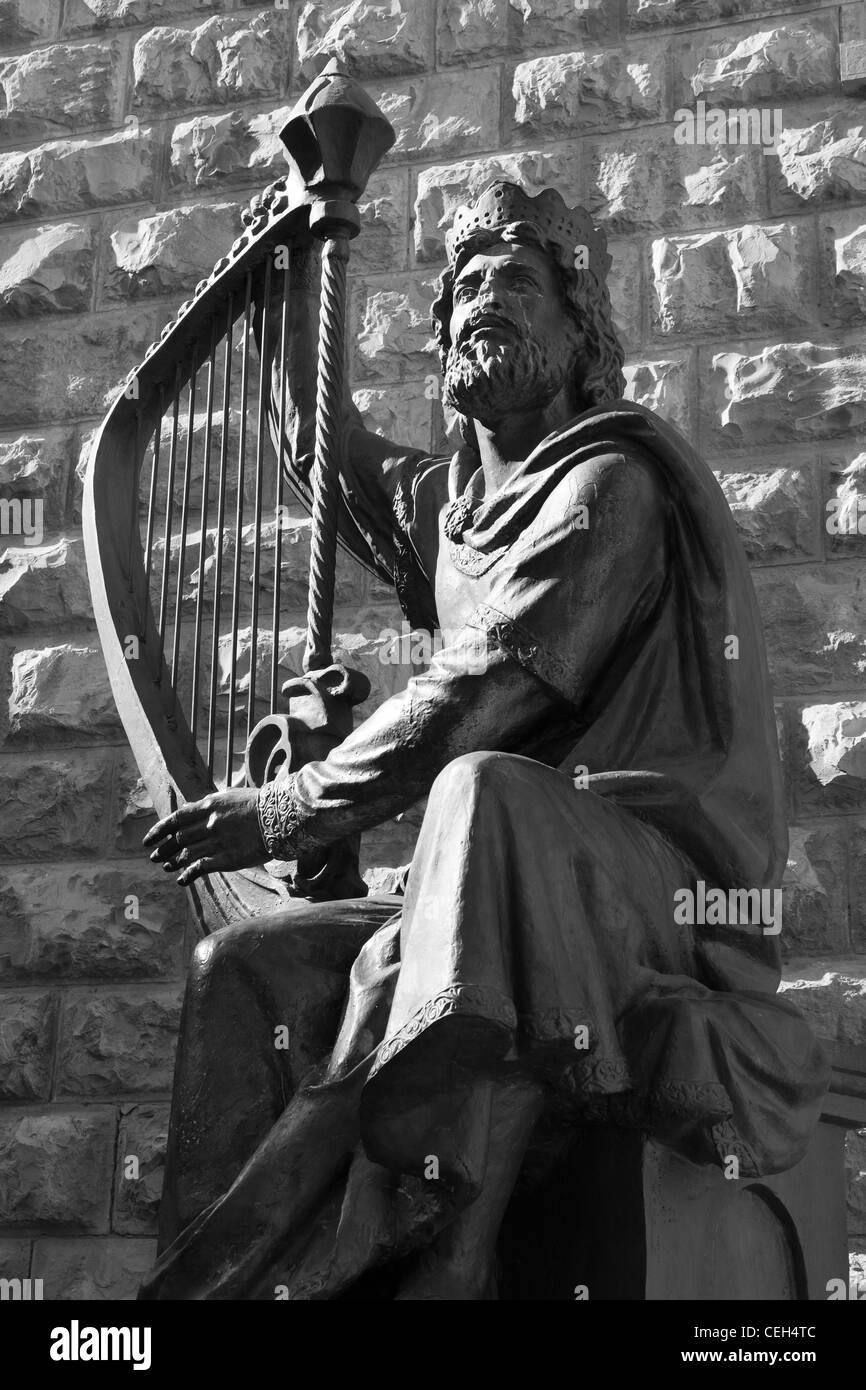
A statue of King David in Jerusalem Stock Photo - Alamy

2- The גמרא then cites 2 examples of this idea. One was the fear of יעקב אבינו – despite the promise of ‘ה to protect him, due to the idea of שמא יגרום ,החטא this ‘protective shield’ will not be effective. 


The second one, one that actually occurred, was when Jews returned to ארץ ישראל after גלות בבל, it lacked the miracles that occurred when they conquered ארץ ישראל with יהושע בן נון. Although משה רבינו prophecized that both entries to ארץ ישראל will be in the same manner, שמא יגרום החטא caused that when returning from בבל Jews were subjected to the whims of the Persian Kings.  

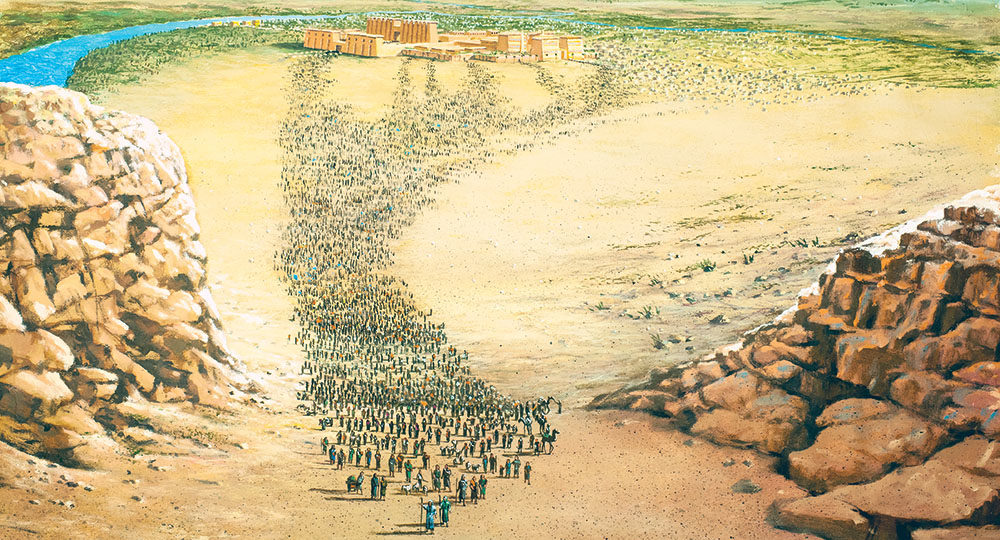
Home from Babylon – Israel My Glory

Jews leaving Bavel for Eretz Yisroel

The two examples above seem to say that a prophecy may not actually materialize.

3- In passing we discussed the nature the חטא that caused that the return from בבל and the rebuilding of the second בית המקדש to be on a much smaller scale that the first conquest and בית ראשון. It was much smaller, both quantitatively and qualitatively.

Rashi Sota 36a writes that this חטא was the remnants of the sins that caused the destruction of בית ראשון. Others write that it was the rate of intermarriage amongst the returnees.

ליעשות להם נס – לעלות בזרוע ולא יהיו משתעבדים למלכות אלא שגרם חטאם של ישראל בימי בית ראשון ונגזר עליהם שלא יעלו אלא ברשות כדכתיב מי בכם מכל עמו (עזרא א).

We mentioned often quoted מהרש”א Yoma 9b that the חטא was the fact that most people decided to stay in בבל!!!

…עכשיו שלא עליתם כולכם וצריכים חומה להשמר מפני האויבים והמיעוט שעלו עשיתם עצמכם כדלתות דהיינו לשמור רק פתחי העיר נמשלתם כארז כו׳ שהנבואה נסתלקה מכם וע״ז אמרו בפרק חלק ופרק א״נ עד יעבור עמך ה׳ זו ביאה ראשונה עד יעבור עם זו קנית זו ביאה שניה מכאן שהיו ראוים ישראל ליעשות להם נס בימי עזרא אלא שגרם החטא היינו נס שיהיו נשמרים בלא חומה אלא שגרם כו׳ היינו שלא עלו כולם:

4 – Back to the issue of the fulfillment of a נבואה. Does it always have to happen? What if the נבואה had a condition attached to it?

[A prophecy to the contrary, something calamitous will occur ח”ו, does not necessarily need to happen, as we know from the story of יונה and  נינוה.

Half in jest we suggested the reason יונה was reluctant to go to  נינוה was that he foresaw that if did go to נינוה, a certain מפטיר will be named after him, causing outrageous bidding wars…]

Yona, where you running?

5 – The basis for this discussion, based on our ,גמרא is the famous Rambam who states the following: יסודי התורה  י, ד.

דברי הפורענות שהנביא אומר, כגון שיאמר, פלוני ימות, או שנה פלונית שנת רעב או מלחמה, וכיוצא בדברים אלו, אם לא עמדו דבריו, אין בזה הכחשה לנבואתו, ואין אומרין, הנה דבר ולא בא, שהקב״ה ארך אפים ורב חסד וניחם על הרעה, ואפשר שעשו תשובה ונסלח להם, כאנשי נינוה, או שתלת להם, כחזקיה:

The above principles do not apply to prophecies of retribution (something bad) which a prophet will utter – such as: “So and so will die,” “This or that year will be a year of famine or a year of war,” and the like.

If his words do not come true, this does not nullify the validity of his prophecy…This is because the Holy One, Blessed be He, is slow to anger, abundant in kindness, and forgiving of evil. Thus, it is possible that they will repent and their sin will be forgiven, as in the case of the people of Nineveh…

אבל אם הבטיח על טובה, ואמר שיהיה כך וכך, ולא באה הטובה שאמר, בידוע שהוא נביא שקר, שכל דבר טובה שיגזור האל, אפילו על תנאי, אינו חוזר. הא למדת שבדברי הטובה בלבד יבחן הנביא: הוא שירמיהו אומר בתשובתו לחנניה בן עזור, כשהיה ירמיה מתנבא לרעה וחנניה לטובה, אמר לו, חנניה, אם לא יעמדו דברי, אין בזה ראיה שאני נביא שקר, אבל אם לא יעמדו דבריך, יודע שאתה נביא שקר, שנאמר ״אך שמע נא את הדבר הזה״ וכו׳ (ירמיהו כ״ח:ז׳):

However, this rule does not apply regarding prophecies for the good. If a prophet promised that good would come and such and such will occur, and the good about which he prophesied did not materialize, he is surely a false prophet. The reason: Any good which God decrees – even if the decree is provisional (with a condition)  – will always materialize.

 The immediate question, raised by the Rambam himself, is the story of יעקב mentioned above. Why was he afraid of עשיו when he was promised

וְהִנֵּה אָנֹכִי עִמָּךְ וּשְׁמַרְתִּיךָ בְּכֹל אֲשֶׁר תֵּלֵךְ וַהֲשִׁבֹתִיךָ אֶל הָאֲדָמָה הַזֹּאת כִּי לֹא אֶעֱזָבְךָ עַד אֲשֶׁר אִם עָשִׂיתִי אֵת אֲשֶׁר דִּבַּרְתִּי לָךְ.

His answer is that the above rule (prophecies for good things must happen) applies only to prophecies concerning the masses. Like a נביא  promising all a prosperous year to come.

If a promise is made by ה’ to the prophet himself (like the story of  יעקב, where ‘ה  promised protection to יעקב personally) then indeed a sin (by יעקב) can indeed cause it not to materialize.

However, this answer leaves the story of the promise by משה רבינו (that both entries to ארץ ישראל will be in the same manner)  – unanswered, As history shows – it never happened, due to a חטא as discussed above.

We suggested a few answers on this issue.

6 – The גמרא continues with the opinion of the חכמים about the חצות time for saying שמע.

In essence, the תורה allows one to say שמע all night, because the word ובשכבך means ‘while people sleep’.

However the חכמים , concerned that when a person comes home from  work, if he postpones the saying of שמע until after he eats and drinks, inevitably he will fall asleep and not say קריאת שמע. So they moved the time slot to חצות. 

The גמרא has very harsh words on someone who does not say שמע as soon as night begins.

חֲכָמִים עָשׂוּ סְיָיג לְדִבְרֵיהֶם, כְּדֵי שֶׁלֹּא יְהֶא אָדָם בָּא מִן הַשָּׂדֶה בָּעֶרֶב וְאוֹמֵר: אֵלֵךְ לְבֵיתִי וְאוֹכַל קִימְעָא וְאֶשְׁתֶּה קִימְעָא וְאִישַׁן קִימְעָא, וְאַחַר כָּךְ אֶקְרָא קְרִיאַת שְׁמַע, וְאֶתְפַּלֵּל, וְחוֹטַפְתּוֹ שֵׁינָה, וְנִמְצָא יָשֵׁן כָּל הַלַּיְלָה. אֲבָל אָדָם בָּא מִן הַשָּׂדֶה בָּעֶרֶב, נִכְנָס לְבֵית הַכְּנֶסֶת. אִם רָגִיל לִקְרוֹת, קוֹרֵא, וְאִם רָגִיל לִשְׁנוֹת, שׁוֹנֶה, וְקוֹרֵא קְרִיאַת שְׁמַע וּמִתְפַּלֵּל, וְאוֹכֵל פִּתּוֹ וּמְבָרֵךְ.

וְכָל הָעוֹבֵר עַל דִּבְרֵי חֲכָמִים חַיָּיב מִיתָה.

The Alter Rebbe quotes this גמרא in אגרת הקודש סימן כג.

7 – We mentioned that the הלכה in Shulchan Aruch O”C 235, 2 is quite clear that one should not eat 30 minutes before צאת הכוכבים!

אסור להתחיל לאכול חצי שעה סמוך לזמן קריאת שמע של ערבית ואם התחיל לאכול אחר שהגיע זמנה מפסיק וקורא קריאת שמע בלא ברכותיה וגומר סעודתו ואחר כך קורא אותה בברכותיה ומתפלל: הגה: אבל אין צריך להפסיק לתפלה הואיל והתחיל לאכול אבל אם לא התחיל לאכול אע”פ שנוטל ידיו צריך להפסיק (ר”ן פ”ק דשבת) ואם אין שהות להתפלל מפסיק אף לתפלה (הראב”ד בהגהות פ”ג מהלכות ברכות):


Additionally-

קריאת שמע  לכתחילה should be said right after צאת הכוכבים.

Although we do not have הלכות of קריאת שמע של ערבית in the Alter Rebbe’s Shulchan Aruch, he mentioned this הלכה in הלכות פסח.

431, 5  (see also שו”ע הרב, ע:ה)

We spoke about the תשובה of the חוות יאיר (see this Shiur) where he enumerates many מצוות and מנהגים that simple disappeared from practice.

More on this next week.

8 – There is somewhat of a היתר to eat if others are asked to remind you not to forget to Daven מעריב. (see there, משנה ברורה י”ח)

9 –  In relation to eating before מעריב, we spoke about the story told by the Previous Rebbe at the engagement of his daughter שיינא

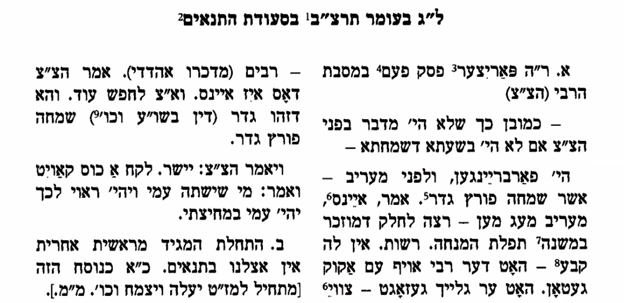
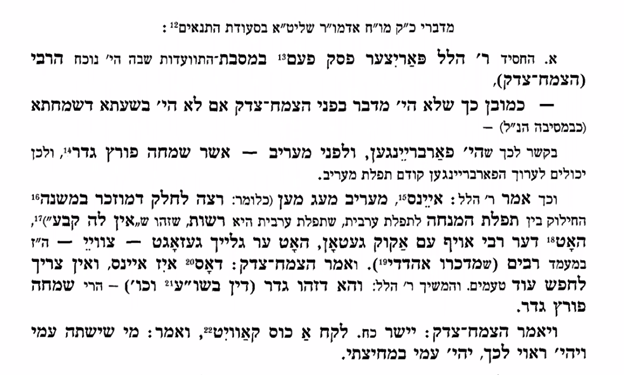
הי”ד


See below.

Note the sharp quip by the Tzemach Tzedek.

רשימת היומן ע’ רלב.


Shiur Brochos 4a ~ Elul 23, 5785. 09/16/2025

BSD

Brochos 4a

Elul 23, 5785. 09/16/2025

Short notes.

1- The 3 answers on why משה רבינו said כחצות הלילה and not the precise moment of חצות:

A – He didn’t know precisely when חצות was, down to the second.

(דוד המלך did know via a miracle when his harp began to play. )

B- He did know, but told the מצריים ‘approximately חצות’ because they were unable to figure out when חצות occurred.

Clock strikes midnight - ÇaFleureBon Perfume Blog

C – משה רבינו heard this from Hashem at חצות on the night before מכת בכורות. What he told the מצריים was כחצות, meaning that ‘at this same time tomorrow night, the מכה will occur’. (so כחצות does not mean approximate at all. Rather ‘just as tonight’).

2- Our גמרא:

כָּךְ אָמַר דָּוִד לִפְנֵי הַקָּדוֹשׁ בָּרוּךְ הוּא: רִבּוֹנוֹ שֶׁל עוֹלָם, לֹא חָסִיד אֲנִי? שֶׁכָּל מַלְכֵי מִזְרָח וּמַעֲרָב יְשֵׁנִים עַד שָׁלֹשׁ שָׁעוֹת, וַאֲנִי, ״חֲצוֹת לַיְלָה אָקוּם לְהוֹדוֹת לָךְ״ (תהלים קי״ט:ס״ב).

It is said: “A prayer of David…Keep my soul, for I am pious” (Psalms 86:1-2)……..

David’s declaration of piety referred to his awakening during the night to pray, and so said David before the Holy One, Blessed be He: Master of the Universe, am I not pious? As all of the kings of the East and the West sleep until the third hour of the day, but although I am a king like them, “At midnight I rise to give thanks” (Psalms 119:62).

Mentioned the Maharsha that points out the expression ‘kings of the East and the West’ and not of the North and South.

ונקט מלכי מזרח ומערב כו׳ וכן בכמה מקומות נקט הכי לפי שיישוב עולם כולו מקצה מזרח עד קצה מערב אבל בקצה דרום ובקצה צפון אין שם ישוב מפני הקור והחום כמ״ש התוכניים:

East to West where the human race lives. As opposed to the North and South that are not populated due to cold and heat.

This was written about 400 years ago, so we’re not exactly sure what he meant. Heat? ארץ ישראל is located in one the hottest latitudes.

Stats, Maps n Pix: World Population by Latitude

Comments?

3- Long discussion on the Urim v Tumim and other topics.

Coat of arms of Yale University - Wikipedia

Yale University Coat of Arms. ‘Light and Truth’ 

No photo description available.

Here.

  • The various opinions on what exactly it was.
  • Even Ezra, Rashi, Ramban, Rambam.
  • When asking for direction, the stones would either light up or would move around to form a word. Is that called writing? Is it permitted to ask on Shabbos?
  • Is performing a miracle considered ‘work’? Can one extinguish a fire using a miracle?

What is the Hoshen (the Priestly Breastplate) and its Significance

See these sites for interesting discussion – of unknown provenance.

https://www.berotbatayin.org/what-is-the-difference-between-the-urim-tumim-and-the-ouija-board/

https://www.thetorah.com/article/the-urim-vetumim

 4 – The saga of Achitophel.

Was it really revenge that caused him to join the rebellion against דוד המלך? Was אחיתופל a גואל הדם for his son in law?

(Batsheva was the daughter of  אליעם – Eliam, who was Achitophel’s son.)

“וישלח דוד וידרש לאשה ויאמר הלוא זאת בת שבע בת אליעם אשת אוריה החתי”

In conclusion, when news of קידוש החודש needed to be spread, but also kept secret, the symbol used was דוד מלך ישראל חי וקיים. Rosh Hashanah 25, a.

כתיבה וחתימה טוב לכולם.

Associated | How To Make Rosh Hashanah Meaningful For Our Children | The Associated


Shiur Brochos 3b – Elul 16, 5785 – 09/9/2025

BSD

Brochos 3b

Elul 16, 5785. 09/9/2025

1 –

The גמרא poses a question:

וְדָוִד, מִי הֲוָה יָדַע פַּלְגָּא דְּלֵילְיָא אֵימַת? הָשָׁתָא, מֹשֶׁה רַבֵּינוּ לָא הֲוָה יָדַע, דִּכְתִיב: ״כַּחֲצוֹת הַלַּיְלָה אֲנִי יוֹצֵא בְּתוֹךְ מִצְרַיִם״ (שמות י״א:ד׳).

When King David said: At midnight I rise, the assumption is that he rose precisely at midnight.

The Gemara asks: David knew exactly when it was midnight? Even משה רבינו did not know exactly when it was midnight.

How do we know this about Moses? As it is written that he said to Pharaoh: “Thus said Hashem: About midnight, I will go out into the midst of Egypt” (Exodus 11:4). The word about indicates that it was only an approximation.

מַאי כַּחֲצוֹת? אִילֵימָא דַּאֲמַר לֵיהּ קוּדְשָׁא בְּרִיךְ הוּא ״כַּחֲצוֹת״, מִי אִיכָּא סְפֵיקָא קַמֵּי שְׁמַיָּא? אֵלָּא דַּאֲמַר לֵיהּ: (לְמָחָר) ״בַּחֲצוֹת״ (כִּי הָשָׁתָא), וַאֲתָא אִיהוּ וַאֲמַר ״כַּחֲצוֹת״. אַלְמָא מְסַפְּקָא לֵיהּ, וְדָוִד הֲוָה יָדַע?

The Gemara clarifies: What is the meaning of the expression: About midnight? Did Moses say it or did God say it? If we say that Hashem said: About midnight, to Moses, is there doubt before God in heaven? Rather, this must be understood as follows: God told Moses: At midnight, exactly, but from the fact that when Moses came to Pharaoh he said: About midnight; apparently, Moses was uncertain about the exact moment of midnight. Moses, the greatest of all the prophets, was uncertain, and yet David knew?

 The גמרא offers 3 explanations of how דוד המלך knew when חצות was.

 2 – We spoke about the explanation of our גמרא by Reb Heshel of Krakaow (grandfather of the Pnei Yehoshua).

3 – Mentioned the two stories told as to why Reb Heshel never merited that his תורה should be published, all we have is this.

1 – As a result of his attempt to answer a question of רבי יוחנן.

2- A resolution he made when he didn’t fully understand a מהרש”א.

[The latter one is related by the חיד”א in his מעגל טוב]

4 – The explanation of Reb Yonason Eibshytz as to why משה רבינו said כחצות לילה when he heard from Hashem  חצות exactly.

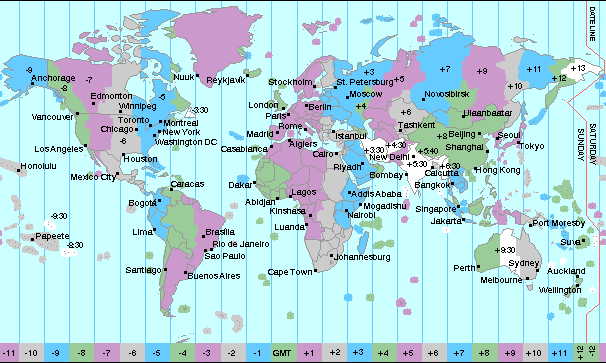
In 1884 at the The International Meridian Conference humans adopted ‘ international time zones’.

See here.

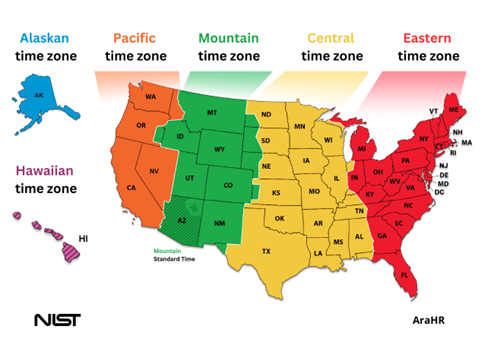
Meaning that the earth was divided into 24 defined time zones with the entire area within a particular time zone observing the same time.

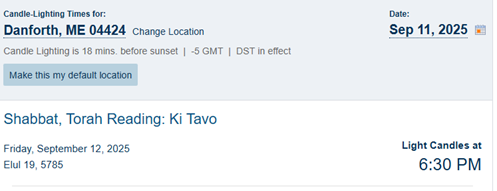
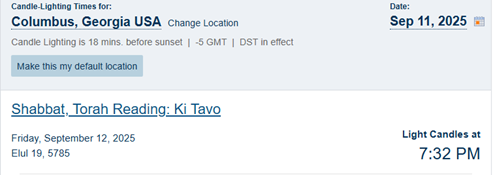
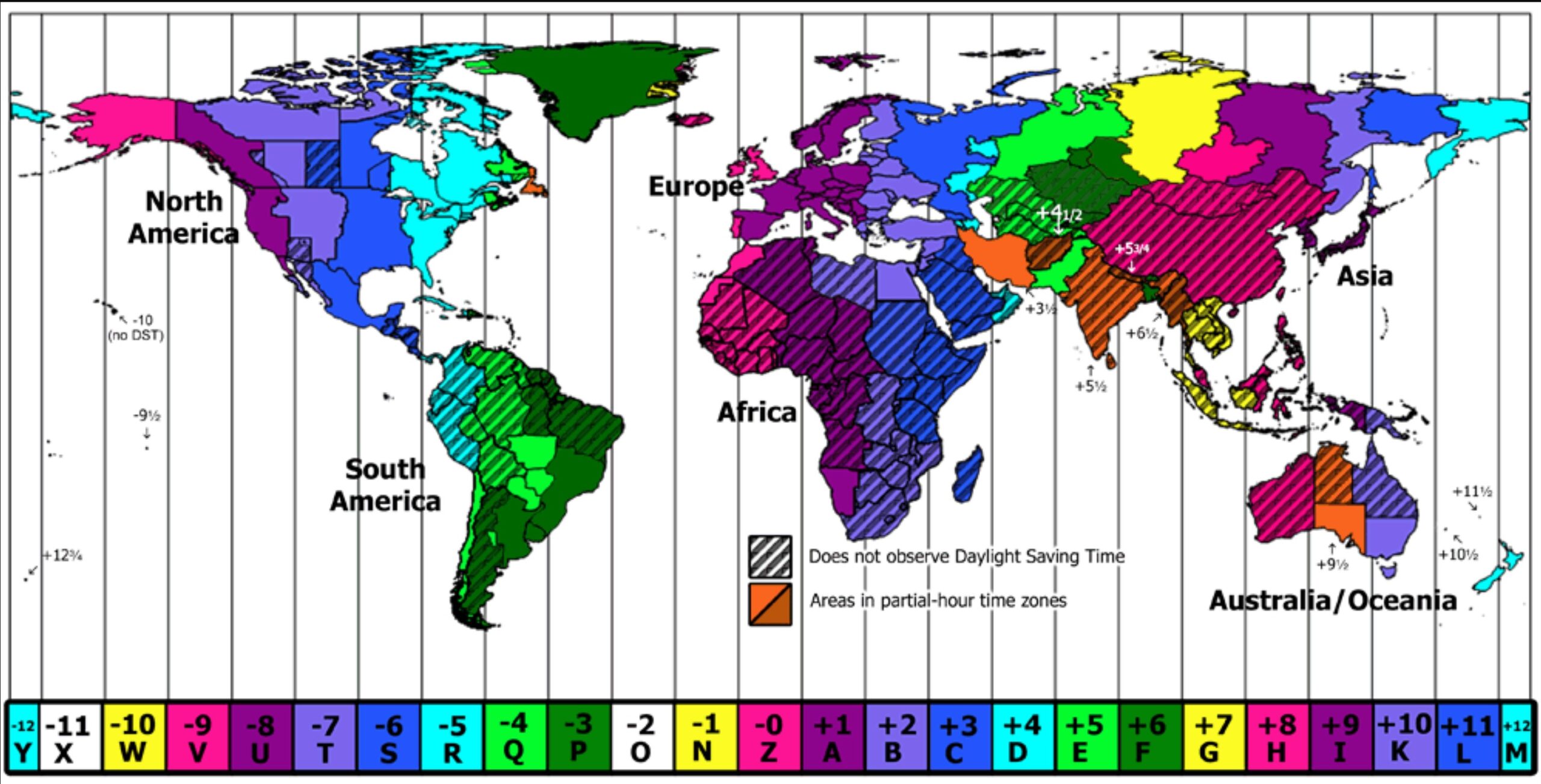
However, in reality, there is a difference within a time zone that varies up to one hour. Thus, Licht Bentchen will vary from location to location by close to an hour despite both locations being in the same time zone.

GMT -5.

To be more exact, every millimeter on earth has its ‘real time’ that is different from the millimeter to the East or West of it.

See here some strange time zones. Some loactions vary by 30 minutes (India for example, GMT +5.30) and some by 45 minutes (Nepal GMT +5:45).

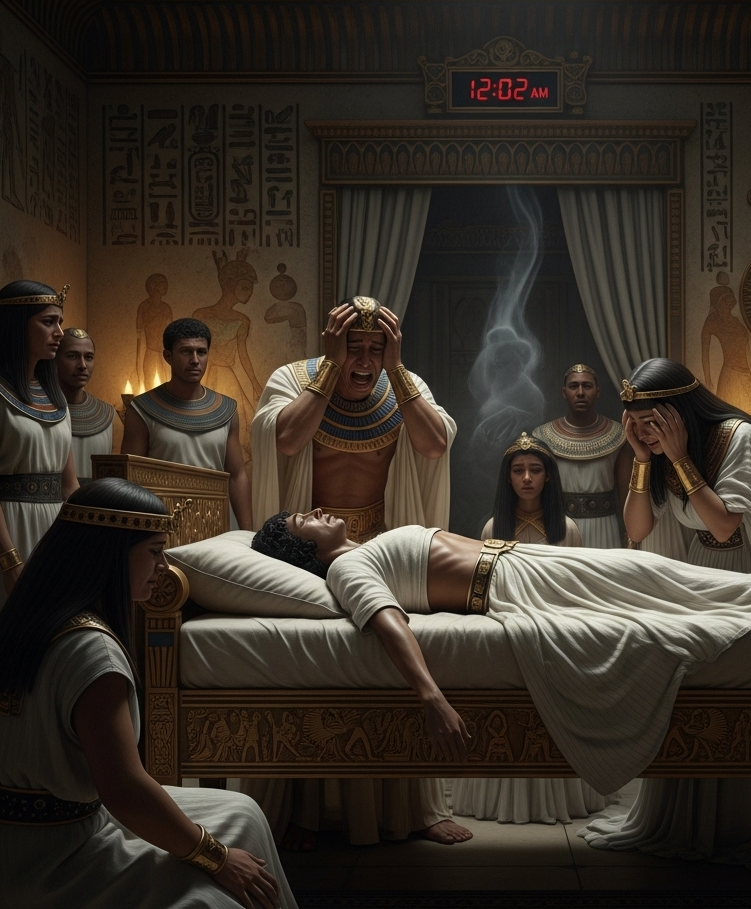
So in reality, חצות occurs differently at every location. Therefore, when Hashem said that מכת בכורות will occur at חצות, this particular plague began at the East of מצרים and worked its way across going West, as it says ‘I will pass through the land of ‘מצרים. Every  בכור  died when he was in his particular and individual חצות. The  בכור  a block away died a few seconds later!

To someone that views an entire time zone it seemed that the  בכורים were not all killed at the same time.

שמות יב, יב.

וְעָבַרְתִּ֣י בְאֶֽרֶץ־מִצְרַ֘יִם֮ בַּלַּ֣יְלָה הַזֶּה֒ וְהִכֵּיתִ֤י כׇל־בְּכוֹר֙ בְּאֶ֣רֶץ מִצְרַ֔יִם מֵאָדָ֖ם וְעַד־בְּהֵמָ֑ה וּבְכׇל־אֱלֹהֵ֥י מִצְרַ֛יִם אֶֽעֱשֶׂ֥ה שְׁפָטִ֖ים אֲנִ֥י יְהֹוָֽה׃

I shall pass through the land of Egypt on that night and strike all the firstborns in the land of Egypt, from man to animal; and on all the gods of Egypt I will execute judgments. I am Hashem.

So, משה רבינו didn’t want to repeat what he heard – חצות, least they think הקב”ה was inaccurate, so he modified it from חצות to כחצות.

There was more but this will suffice for now.

כתיבה וחתימה טובה.


Ari Chitrik Shiur Points