BSD
Shkolim 22b
Menachem Av 4 5785 ~ 7/29/2025
Siyum on מסכת שקלים
We began Shkolim on Mar Cheshvan 9, 5784. October 24, 2023 and last night we concluded.
Mazal Tov to all!
1 – The last משנה mentions the הלכות of bringing מעשר שני to the בית המקדש after the חורבן.
הַשְּׁקָלִים וְהַבִּיכּוּרִים אֵנָן נוֹהֲגִין אֶלָּא בִּפְגֵי הַבַּיִת. אֲבָל מַעְשַׂר דָּגָן וּמַעְשַׂר בְּהֵמָה וּבְכוֹרוֹת נוֹהֲגִין בֵּין בִּפְנֵי הַבַּיִת וּבֵין שֶׁלֹּא בִּפְנֵי הַבַּיִת.
שְּׁקָלִים and בִּיכּוּרִים apply only if there is a בית המקדש , but תרומה ומעשר , and מַעְשַׂר בְּהֵמָה, and בְכוֹרוֹת , apply whether there is a בית המקדש or there is no בית המקדש.
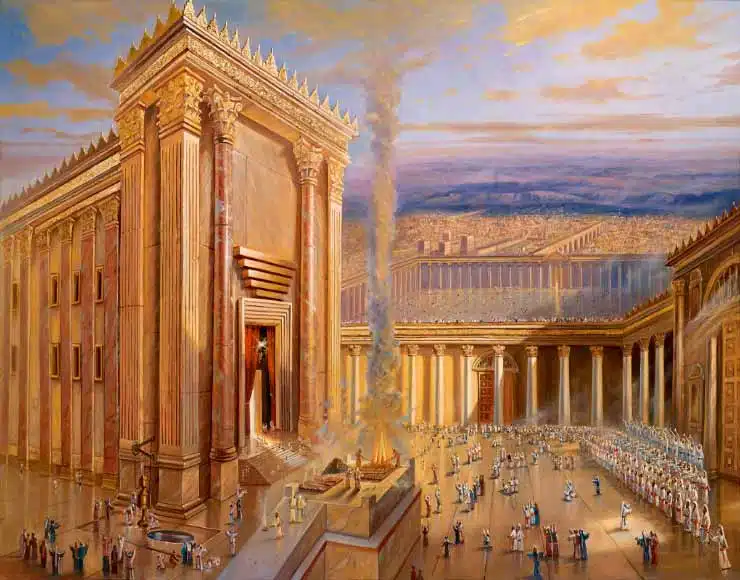
As the commentaries explain, this משנה follows the opinion that the קדושה of ארץ ישראל after the second חורבן was not been diminished and has in fact, remained the same. קדושת הארץ לא בטלה
2 – For the Siyum we gave an general overview of this topic and as mentioned, this issue is ‘global’ and a far ranging topic, starting at the משנה and still debated today on a very practical level.
3 – Here are the basics.
ארץ ישראל
- The ownership of ארץ ישראל began during the time of the אבות when הקב”ה promised it to their descendants. So it was theirs even before entering ארץ ישראל hundreds of years after ברית בין הבתרים.
- When entering ארץ ישראל, led by יהושע, the land was elevated to a new קדושה relevant to מצוות התלויות בארץ. Once the land was conquered, all produce were חייב in תרומות ומעשרות as well as rukes of שמיטה etc.
גלות הראשון
- Now, did anything change upon being exiled 850 years later to בבל, at the destruction of בית ראשון? Did this קדושה disappear? Would a farmer, that somehow avoided the גלות בבל, need to set aside תרומות ומעשרות?

Exile into Babylonian captivity
- That is a מחלוקת amongst the תנאים, with the הלכה being that the קדושה was בטל.
קדשה לשעתה ולא קדשה לעתיד לבוא
- Fast forward 70 years and עזרא along with 40,000 Jews, with the permission and encouragement of the מלכי פרס ומדי, comes back to ארץ ישראל and begins to settle the land and construct the בית שני.
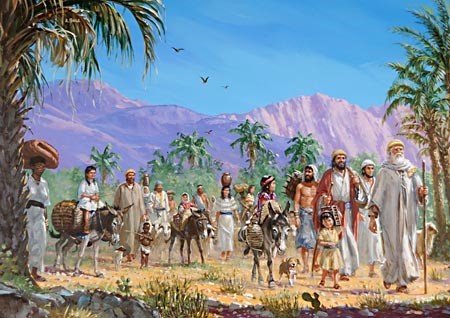
Ezra returns…
- Once again, their actions brought back a קדושה relevant to מצוות התלויות בארץ.
- Here as well, there are different opinions if this קדושה at the time of בית שני, was at the same level as during בית ראשון. The consensus is that this קדושה and the resulting obligation of תרומות ומעשרות is מן התורה. [See further along the novel opinion of the Rambam תרומות א כו].
גלות השני
- After 420 year, déjà vu all over again; the second בית המקדש is destroyed, this time by the Romans and the bitter long גלות that we are still in, begins.

- Once again, we encounter a מחלוקת תנאים in several places in Shas, as to what happened to קדושת הארץ. The way it is expressed is: Did עזרא establish the קדושה for only as long as there would be a בית המקדש, or his intention was for this קדושה to last forever.
- The הלכה is that קדושה שנייה העומדת לעולם לשעתה ולעתיד לבוא. That קדושה by Ezra is forever.
- So we encounter a difference between the first חורבן where the קדושה was נתבטל , versus the second חורבן where the קדושה continues until today. What is the reason for different outcomes from both exiles?
- The Rambam, בית הבחירה, ו: ט”ו offers an explanation as follows [much has been written to explain his words. Here is the simple reading]: The first time that בני ישראל entered their land was a ‘conquest’. The term is כיבוש הארץ.
Thus, the conquest of the Babylonians annulled their conquest.
- However, the return of עזרא from בבל was not a conquest, being that they had permission from the king to populate ארץ ישראל. His claim to the land was by simply settling there. The term is חזקה.
וכיון שעלה עזרא וקידשה לא קידשה בכיבוש, אלא בחזקה שהחזיקו בה, ולפיכך כל מקום שהחזיקו בו עולי בבל ונתקדש בקדושת עזרא השניה הרי הוא מקודש היום, ואף על פי שנלקחה הארץ ממנו, וחייב בשביעית ובמעשרות.
- We mentioned some of the question on this Ramabam, specifically the ones from the כסף משנה, and the Rebbe’s מהלך on this topic. Here.
קדושת ירושלים והמקדש
- This topic leads into the other novel idea from the Rambam specifically concerning the קדושה of ירושלים and the בית המקדש. [As opposed to the general קדושה of ארץ ישראל]
- He says that all the above, whenther the קדושה was בטל or not, applies to ארץ ישראל only. יהושע with his כיבוש sanctified ארף ישראל, the first חורבן nullified it and then עזרא sanctified it anew and forever.
- However, the קדושה of ירושלים and the בית המקדש that was sanctified by שלמה המלך is forever! It was never nullified even at the first חורבן.
Why?
In the Rambam’s own words:
וְלָמָּה אֲנִי אוֹמֵר בַּמִּקְדָּשׁ וִירוּשָׁלַיִם קְדֻשָּׁה רִאשׁוֹנָה קָדְשָׁה לֶעָתִיד לָבוֹא. וּבִקְדֻשַּׁת שְׁאָר אֶרֶץ יִשְׂרָאֵל לְעִנְיַן שְׁבִיעִית וּמַעַשְׂרוֹת וְכַיּוֹצֵא בָּהֶן לֹא קָדְשָׁה לֶעָתִיד לָבוֹא.
Why do I say that the original consecration sanctified the Temple and Jerusalem for eternity, while in regard to the consecration of the remainder of Eretz Yisrael, in the context of the Sabbatical year, tithes, and other similar [agricultural] laws, [the original consecration] did not sanctify it for eternity?
And he answers:
לְפִי שֶׁקְּדֻשַּׁת הַמִּקְדָּשׁ וִירוּשָׁלַיִם מִפְּנֵי הַשְּׁכִינָה, וּשְׁכִינָה אֵינָהּ בְּטֵלָה. וַהֲרֵי הוּא אוֹמֵר (ויקרא כ״ו:ל״א) וַהֲשִׁמּוֹתִי אֶת מִקְדְּשֵׁיכֶם וְאָמְרוּ חֲכָמִים אַף עַל פִּי שֶׁשּׁוֹמְמִין בִּקְדֻשָּׁתָן הֵן עוֹמְדִים
Because the sanctity of the Temple and Jerusalem stems from the שכינה, and the שכינה can never be nullified. Therefore, [Leviticus 26:31] states: “I will lay waste to your Sanctuaries.” The Sages declared: “Even though they have been devastated, their sanctity remains.”
- More so, according to the Rambam, one can in theory at least, bring קרבנות today!
- And indeed, this led to the famous controversy when Reb Tzvi Hirsh Kalischer wanted to bring קרבנות in the early 1800s. (See here and here)
- As well as the famous story from אשתורי הפרחי who relates that Reb Yechiel of Paris who wanted to bring קרבנות
- The Ra’avad had very sharp words on this Rambam.
This is [the Rambam’s] opinion. I am not aware of his source… According to the opinion in the Talmud which states that it was not originally consecrated for eternity, no differentiation was made between the Temple, Jerusalem, and the remainder of Eretz Yisrael…
Even R. Yossi who maintains that the second consecration consecrated the land for eternity made that statement only with regard to the remainder of Eretz Yisrael and not with regard to the Temple and Jerusalem.
Ezra knew that ultimately [the status] of the Temple and Jerusalem would ultimately change and that they would be eternally consecrated by God’s glory [in the Messianic age]. Hence, he did not consecrate it when consecrating the remainder of Eretz Yisrael.
The above was revealed to me, [as it is said:] “The secrets of God [are conveyed] to those who fear Him.”
- He brings proof from various sources that there is no קדושה today in ירושלים and the בית המקדש and there is no כרת for entering the מקום המקדש.
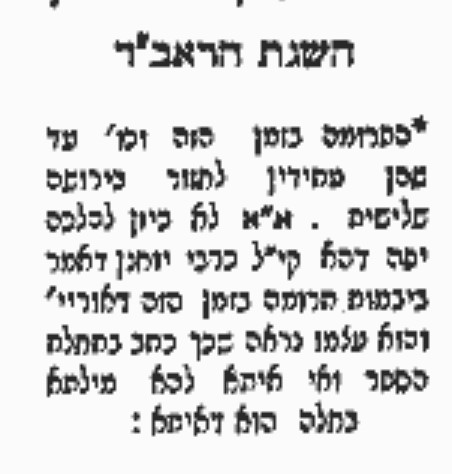
We discussed the words the ראב”ד concludes with:

So it was revealed to me, as per ‘Hashem reveals his secrets to those who fear him’. סוד ה’ ליראיו (see here)
Wow!
(See end of this shiur also regarding the ראב”ד and רוח הקדש)
תרומות ומעשרות בזמן בית שני והיום
- As mentioned above, the Rambam’s opinion is that although קדושה enacted by עזרא was for forever, nevertheless, due to the lack of a majority of Jews joining עזרא, the laws of תרומות ומעשרות never became a חיוב מן התורה.
This status of being only מדרבנן was even during the entire time of בית שני.
- Only when there will more Jews in ארץ ישראל than in חוץ לארץ will תרומות ומעשרות become מן התורה.
- Here again the ראב”ד differs and says that תרומות ומעשרות /is מן התורה.
Some of the above in Hebrew.
א- קדושת א”י בפעם הראשונה.
מחלוקת תנאים אם גם קדשוה לע”ל.
להלכה, לא קלע”ל, ובטלה בחורבן ב”ר.
ב – והרמב”ם [ביהב”ח ו, טו-טז] מחדש שקדושת ירושלים והמקדש לא נתבטלה בגלות הראשון, כי קדושתם היא מהשכינה שאינה בטילה. והראב”ד חולק. וכשאין ביהמ”ק זר הנכנס לשם אין בו כרת.
מ”ש דבר זה נגלה עלי בסוד ה’ ליראיו
ושו”ת חת”ס או”ח רח. ע’ בהקדמת הע”ח
ג- ביאה שני’. מחלוקת אם קדשוה גם לע”ל.
להלכה קדשוה גם לע”ל. והטעם (רמב”ם) כי אז הי’ בדרך כיבוש. לקו“ש טו לך לך ה.
והנקודה: ביאה ראשונה היתה הציווי (דווקא) דרך כיבוש, ומיד אחרי יריחו כבשו אל כל א״י. ואף שהתיישבו בה אח״כ, הקדושה בנוגע למצוות התליות בארץ הי׳ דווקא ע״י כיבוש. וכיבוש מבטלה.
משא״כ בימי עזרא נתהווה הקדושה ע״י התיישבות, וכמו שהקנאת ה׳ לאברהם לא התבטלה כמו״כ הקדטשה שע”י התיישבות לא התבטלה.
ד – ראב”ד – [תרומות א, כו] תרו”מ אז מה”ת. והרמב”ם רק מדרבנן, בזה”ז ואפי’ בזמן ב”ש כי לא היתה ביאת כולם.
ה – וי”א, שאם רוב מבנ”י ישובו לארה”ק יהי’ החיוב מה”ת. אבל הגר”ח ס”ל שביאת כולכם היתה רק בשעה שהחזיקו בימי עזרא.
והמנ”ח רפ”ד שואל שלפ”ד הרמב”ם תרו”מ שגדל בירושלים יהי’ חייב מה”ת, שהרי היא קדשה וקיימה בקדושתה מזמן שקידשה שלמה. לפי הגר”ח מיושב.